si-kwoi-uh
NOUN. Either of two giant Californian coniferous trees, Sequoia sempervirens (redwood) or Sequoiadendron giganteum (formerly Sequoia gigantea) (big tree or giant sequoia): family Taxodiaceae
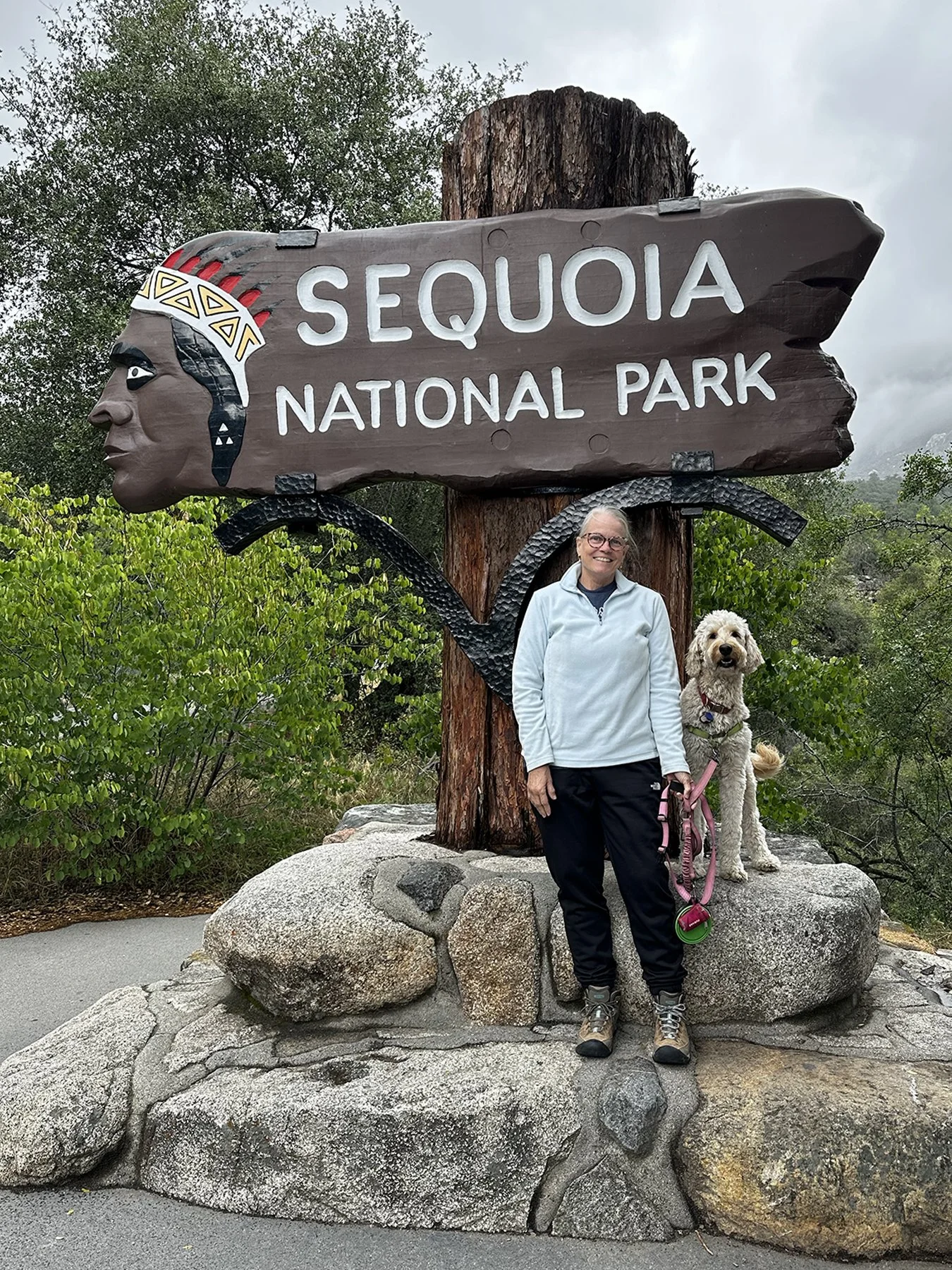
This week, we are headed to not one, but two national parks—Sequoia and Kings Canyon, also known as the “Land of Giants”—that are actually managed by the National Park Service as one unit. I’m so very happy to be in the mountains again! Rising from 1,300 feet to 14,494 feet (the highest elevation in the lower 48) these two parks protect a spectacular range of elevations. They encompass steep roads, trails that climb mountains, and cold rivers that plunge down from epic heights. There are dramatic shifts from warm foothills to cool forests to the cold High Sierra. And I experienced them all.
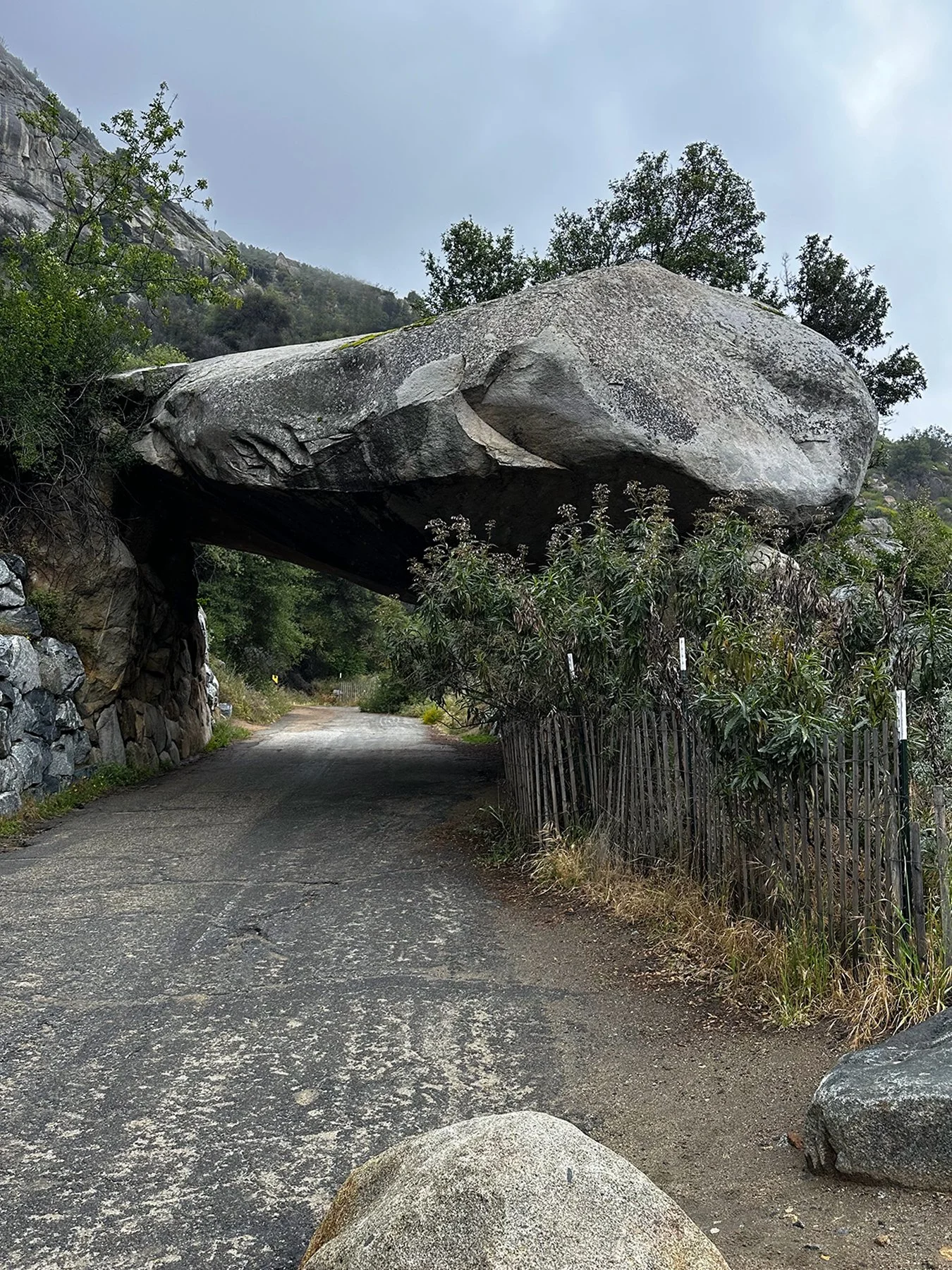
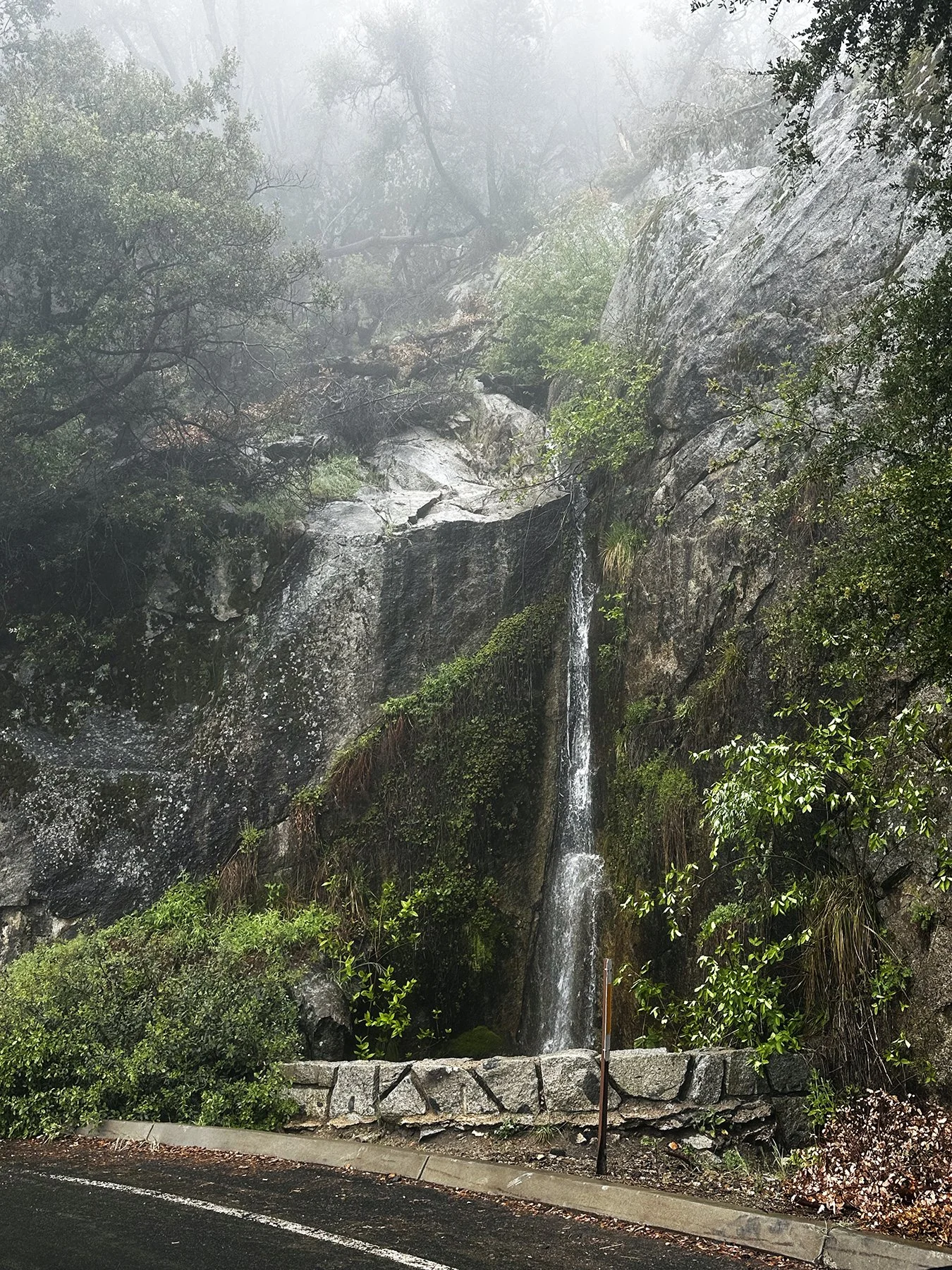
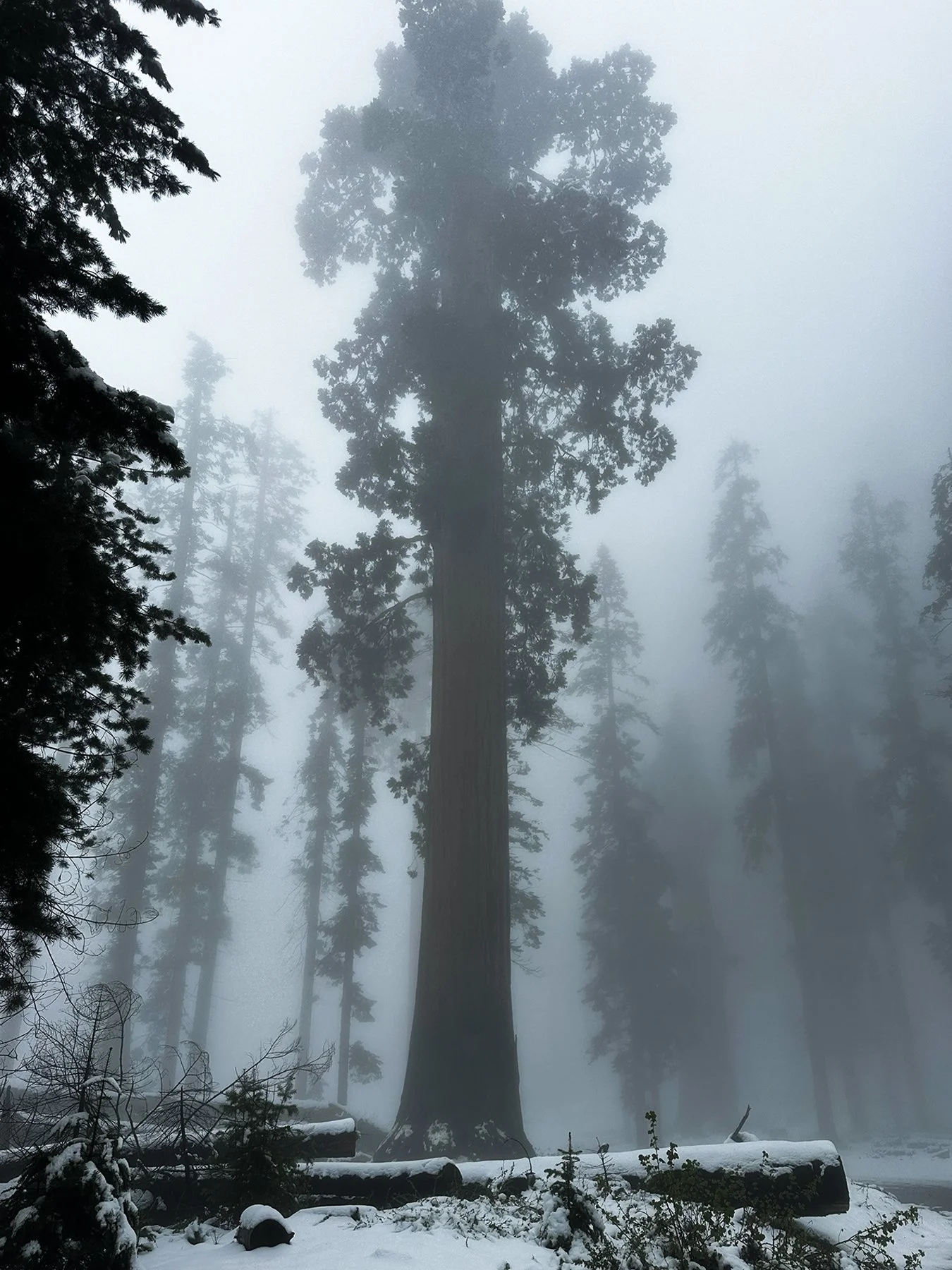
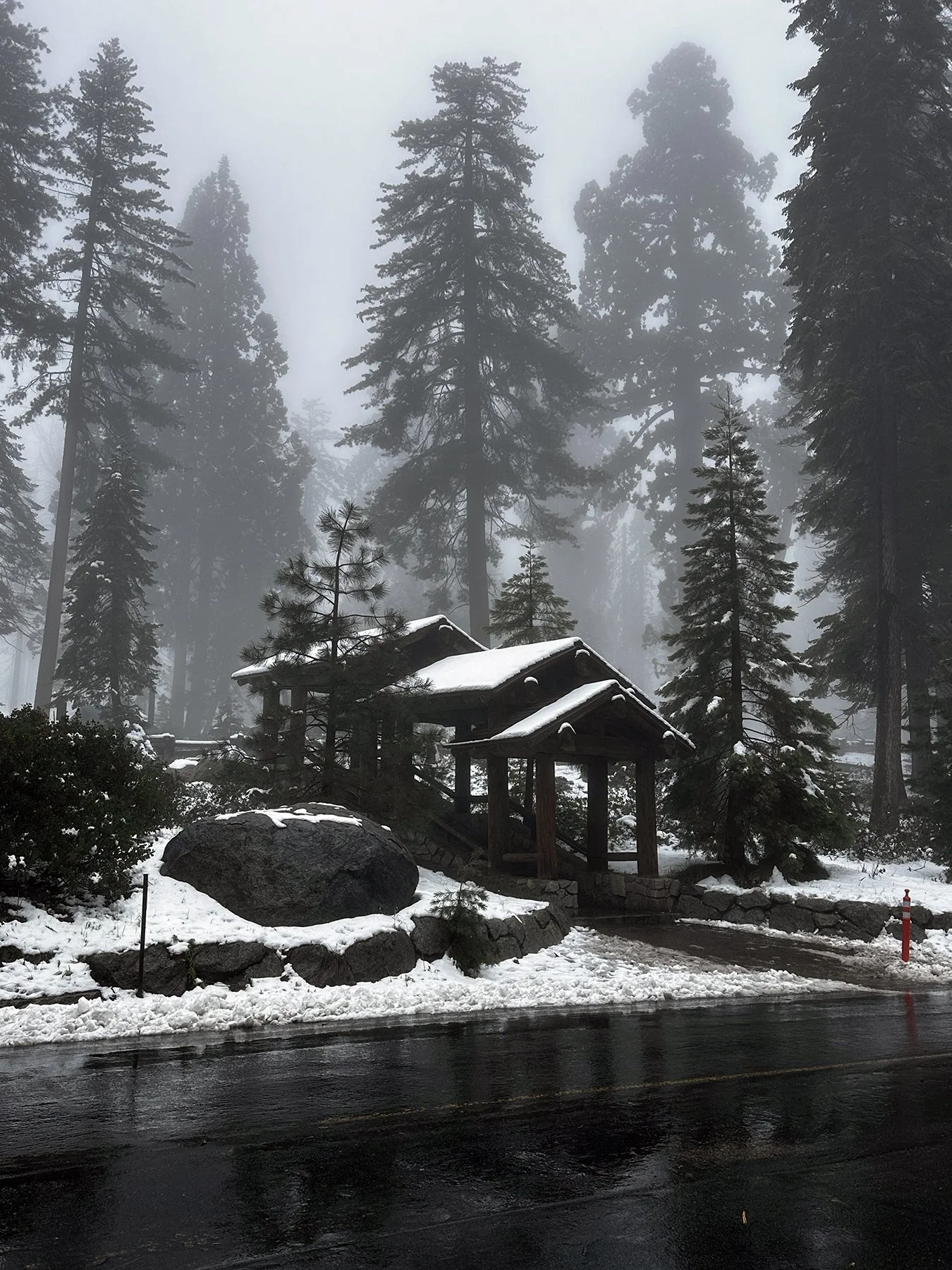
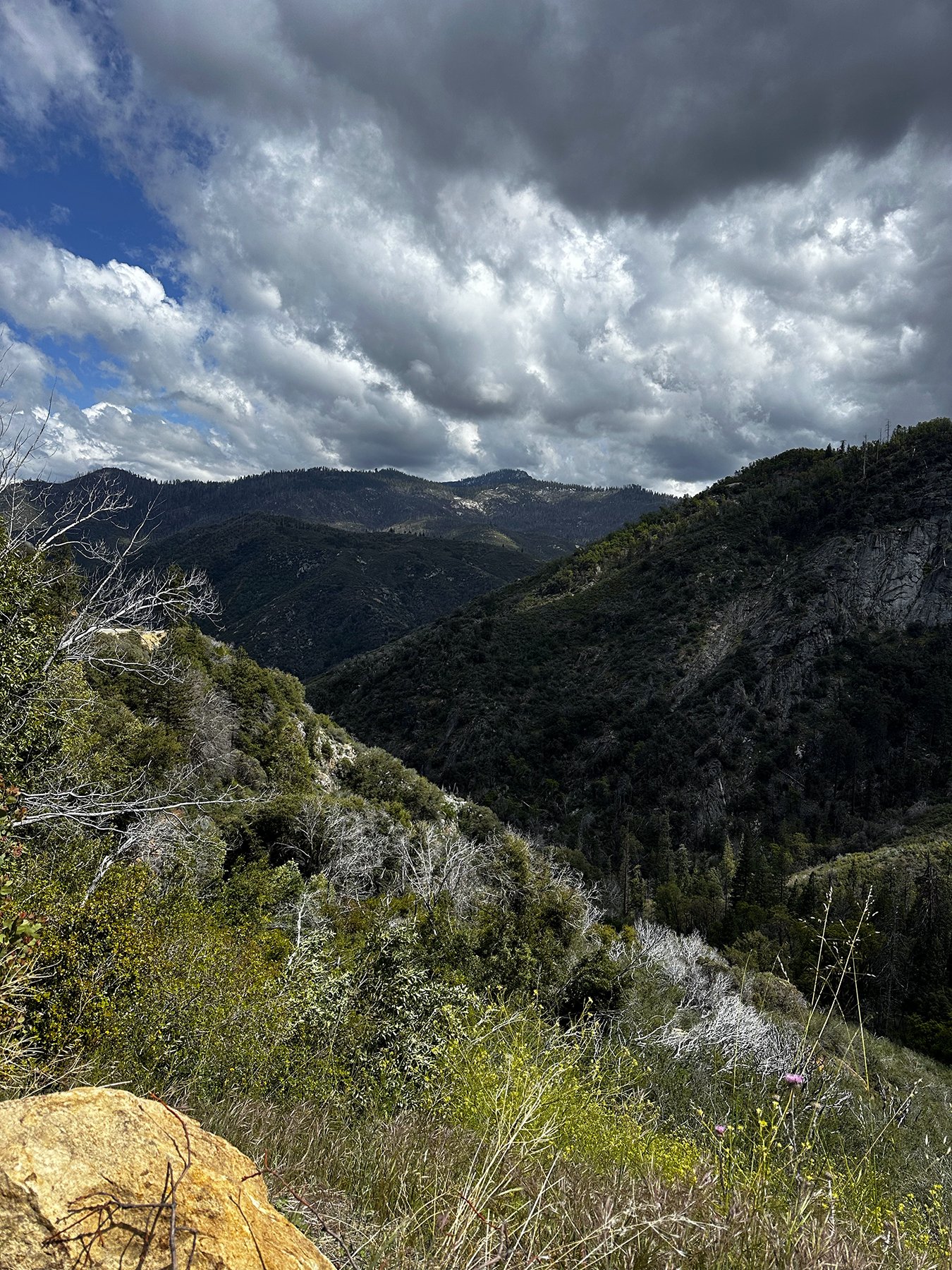
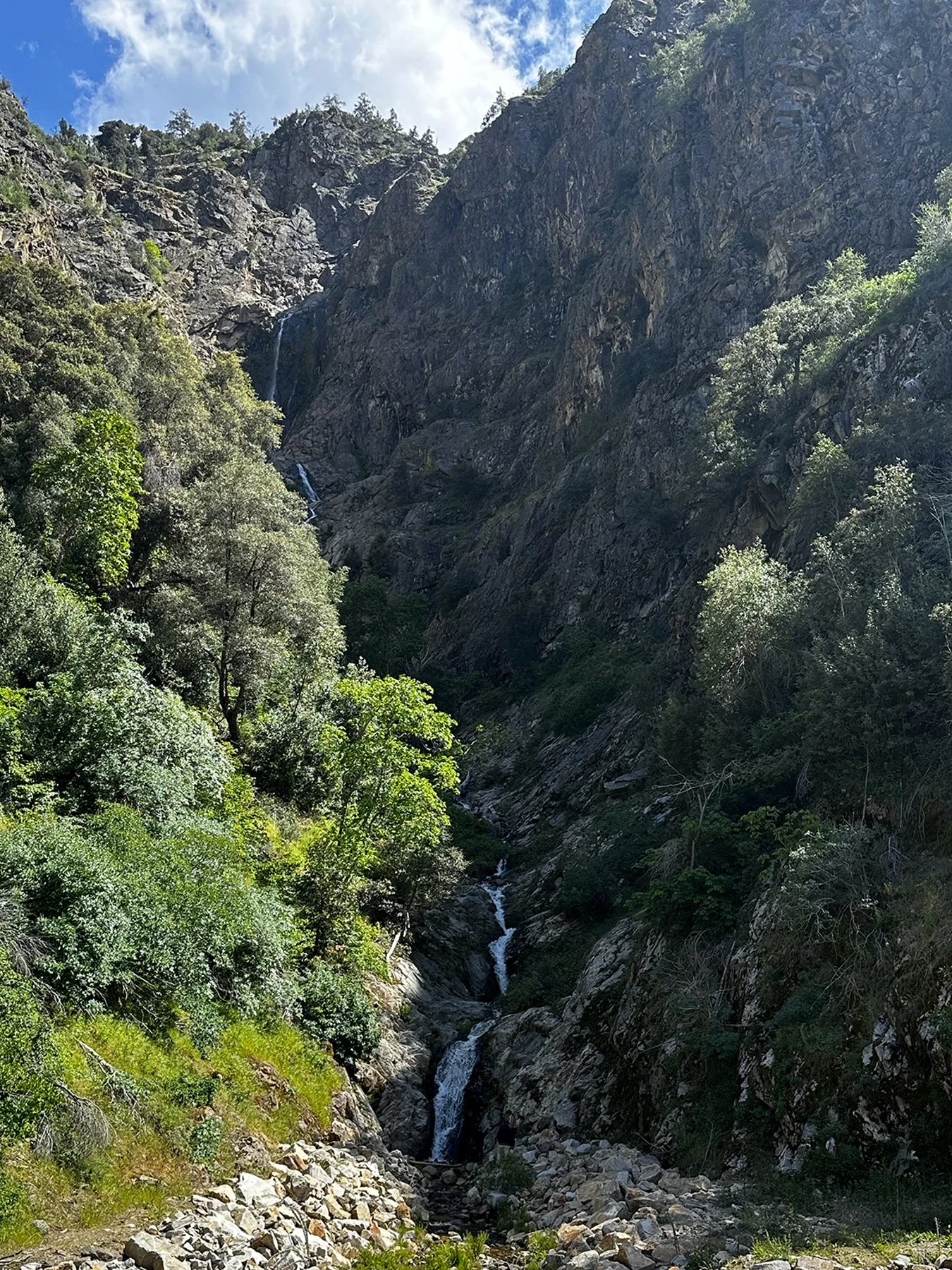
I mean, y’all. I just can’t. Have you ever been to the Sierra Nevada Mountains? Or ever seen one of the world’s most majestic trees up close and personal? I’m not sure what took me 62 years, but man am I glad I finally got here! What a treat! Our first day at Sequoia NP was the perfect introduction to these glorious mountains with their giant trees. Though it was rainy and foggy on our 29-mile, 2-1/2 hour, one-hairpin-after-another drive up to our starting point—which took us past some waterfalls as well as Tunnel Rock (see pic)—I was super excited to see some of the most beautiful giant trees God ever made. And once we got above 6,000 feet? That rain turned to sleet and snow. AWESOME.
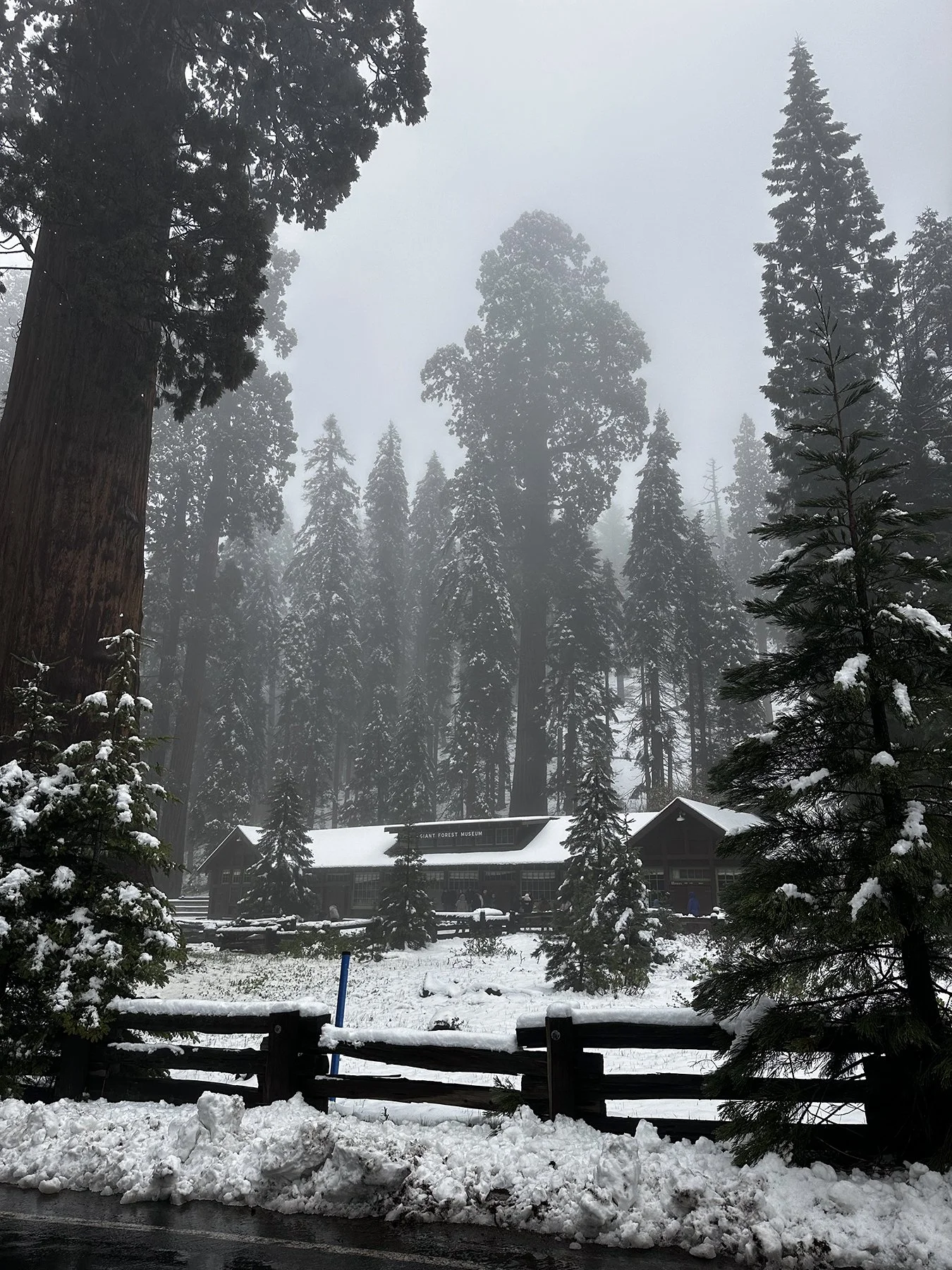
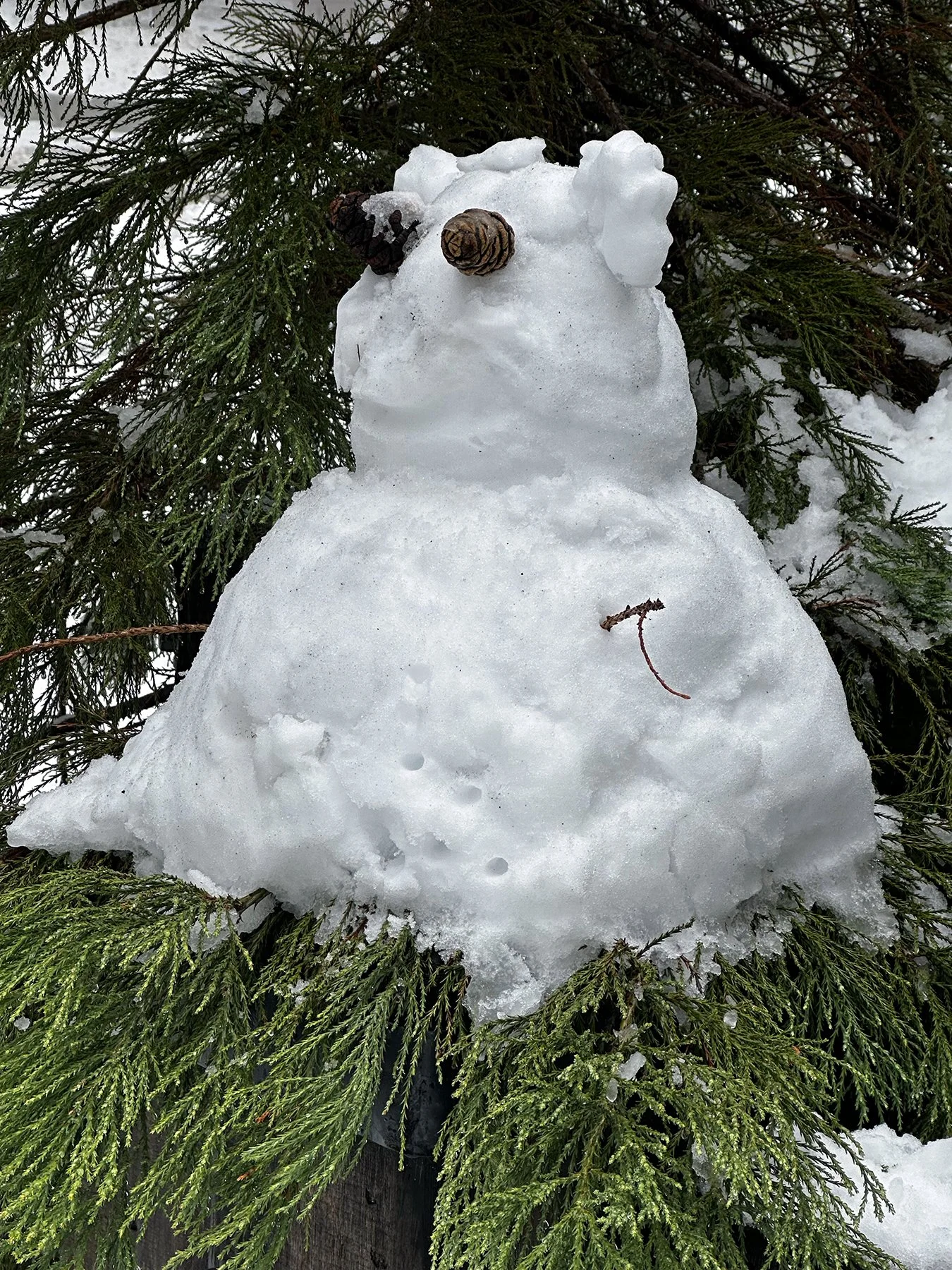
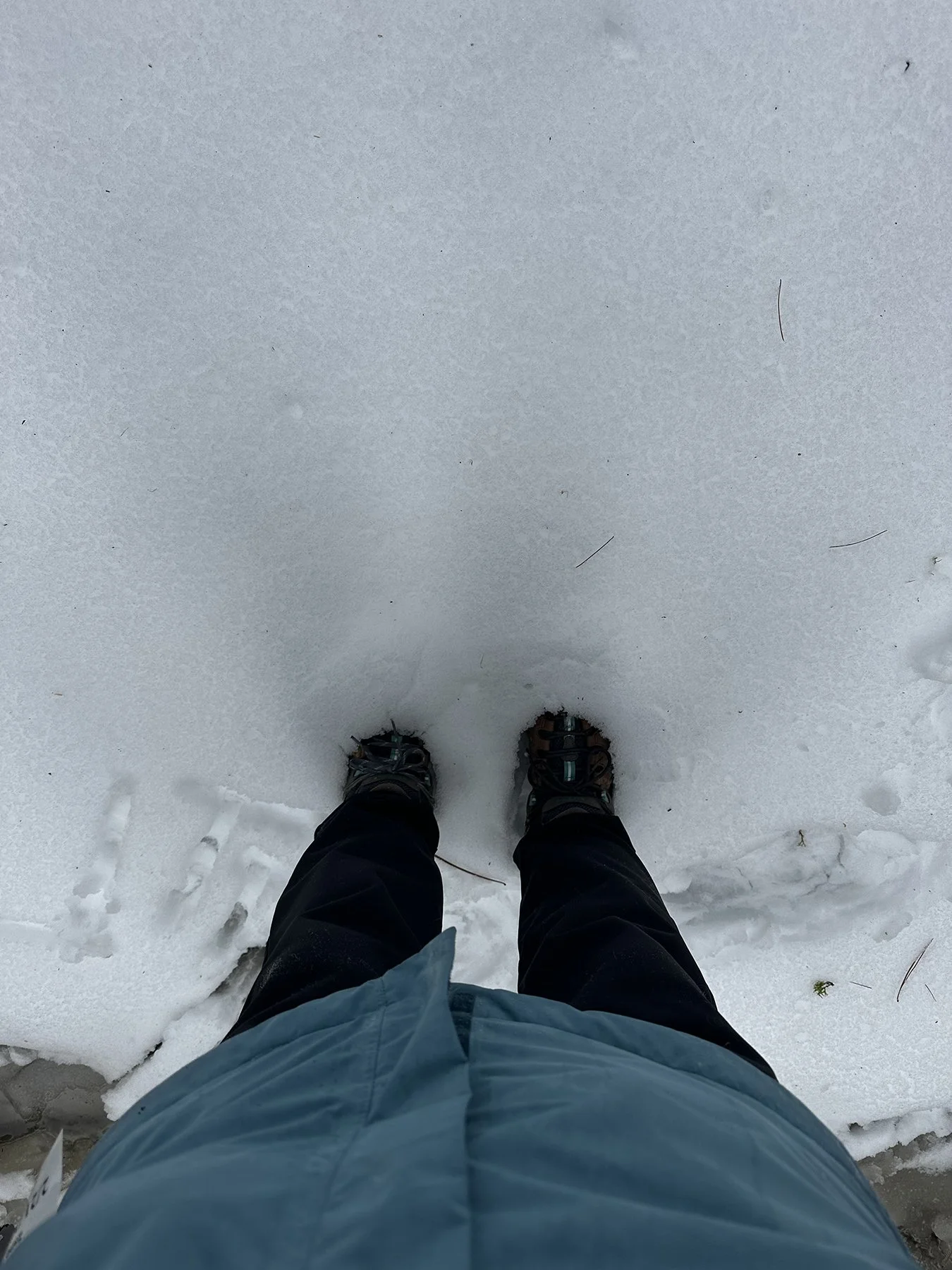
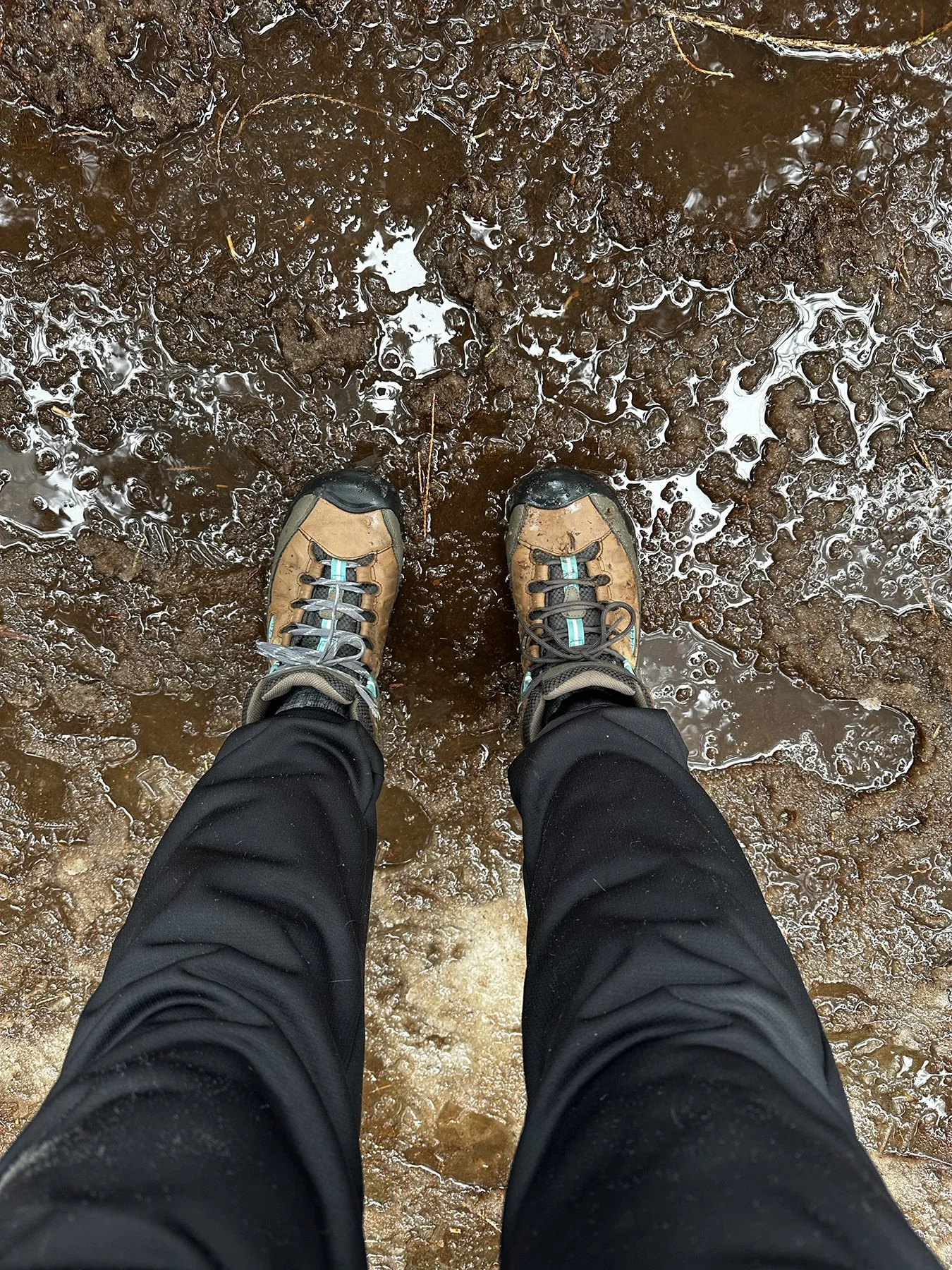
I was delighted to discover that one of the many picturesque roads in the park—Crescent Meadows Road—was closed due to snow and ice. “Why is she so excited?” you might ask? Because that means that Maisie and I could walk the entire road and not worry about getting run over! Dogs aren’t allowed on any of the trails here, so this was a nice opportunity to really stretch our legs. Was I going to let snow, ice, and temps in the 30s slow us down? Heck no! It honestly made it all the more magical. I’m really glad I wore my hiking boots this time, though, as we trudged through miles of partly melted snow and sludge. I even had to break out my ski jacket. Squuueeeee!
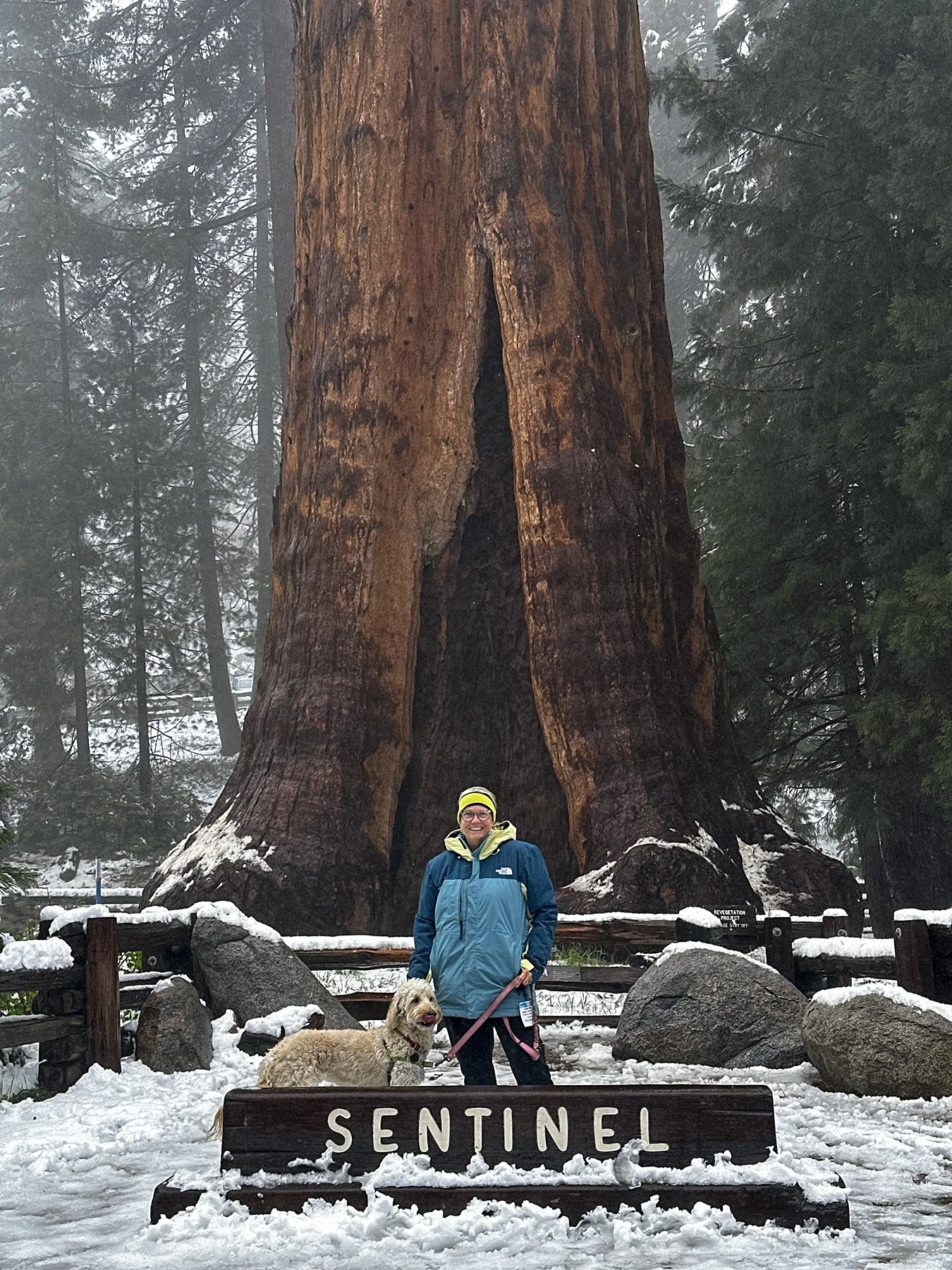
Our destination was Moro Rock (elev 6,726), 1.9 miles from our starting point at Giant Forest Museum. There were a few other brave souls traversing the snow and ice on that cold but beautiful day, but nothing like the immense crowds I’m sure are here during the summer months! When we finally got to Moro Rock (a granite dome) we discovered that to get to the top, you have to climb over 350 steps. These were originally built in 1917! And now were covered with melted snow. But, hey, if you’re only here once, you might as well try, right?
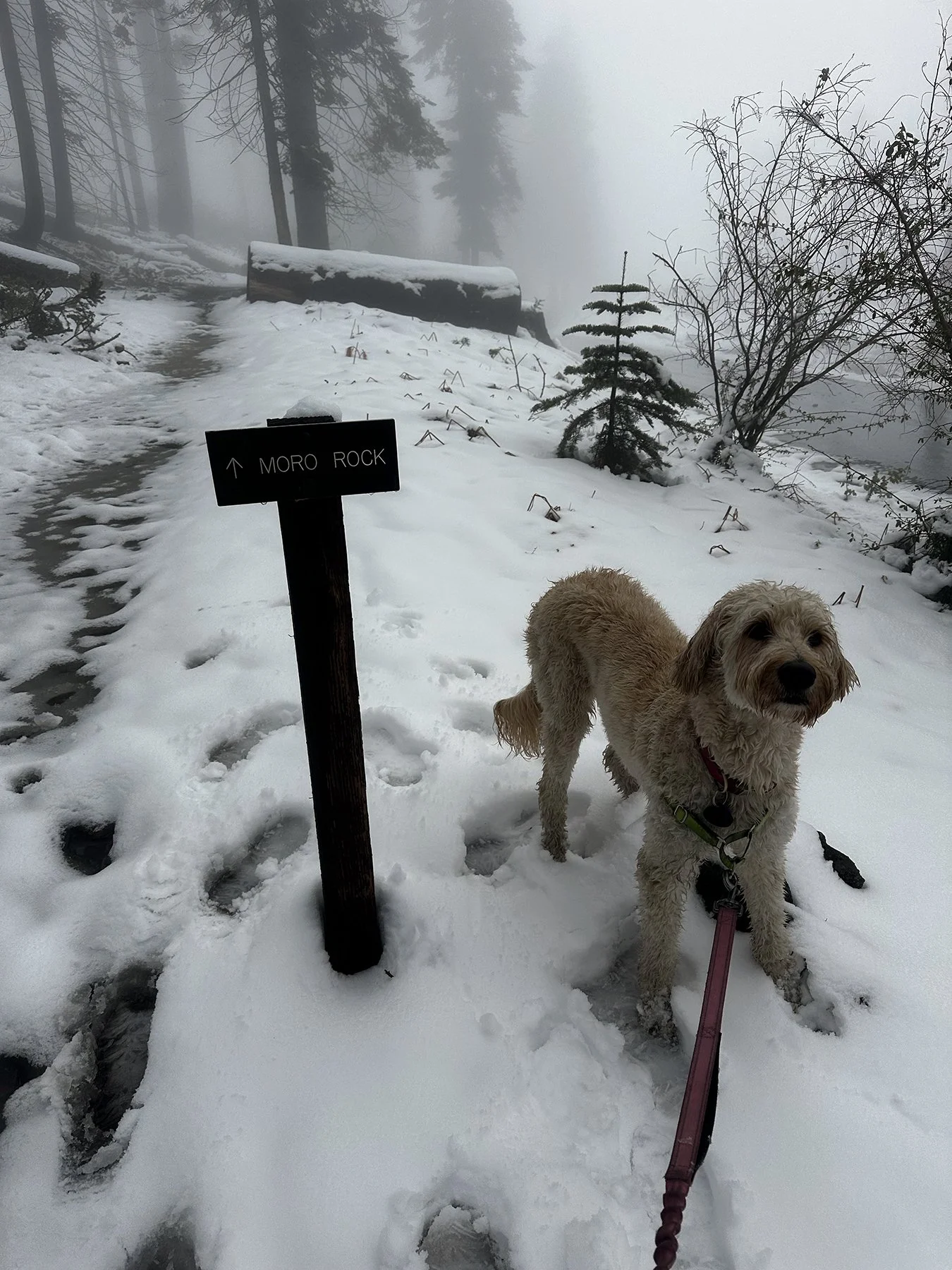
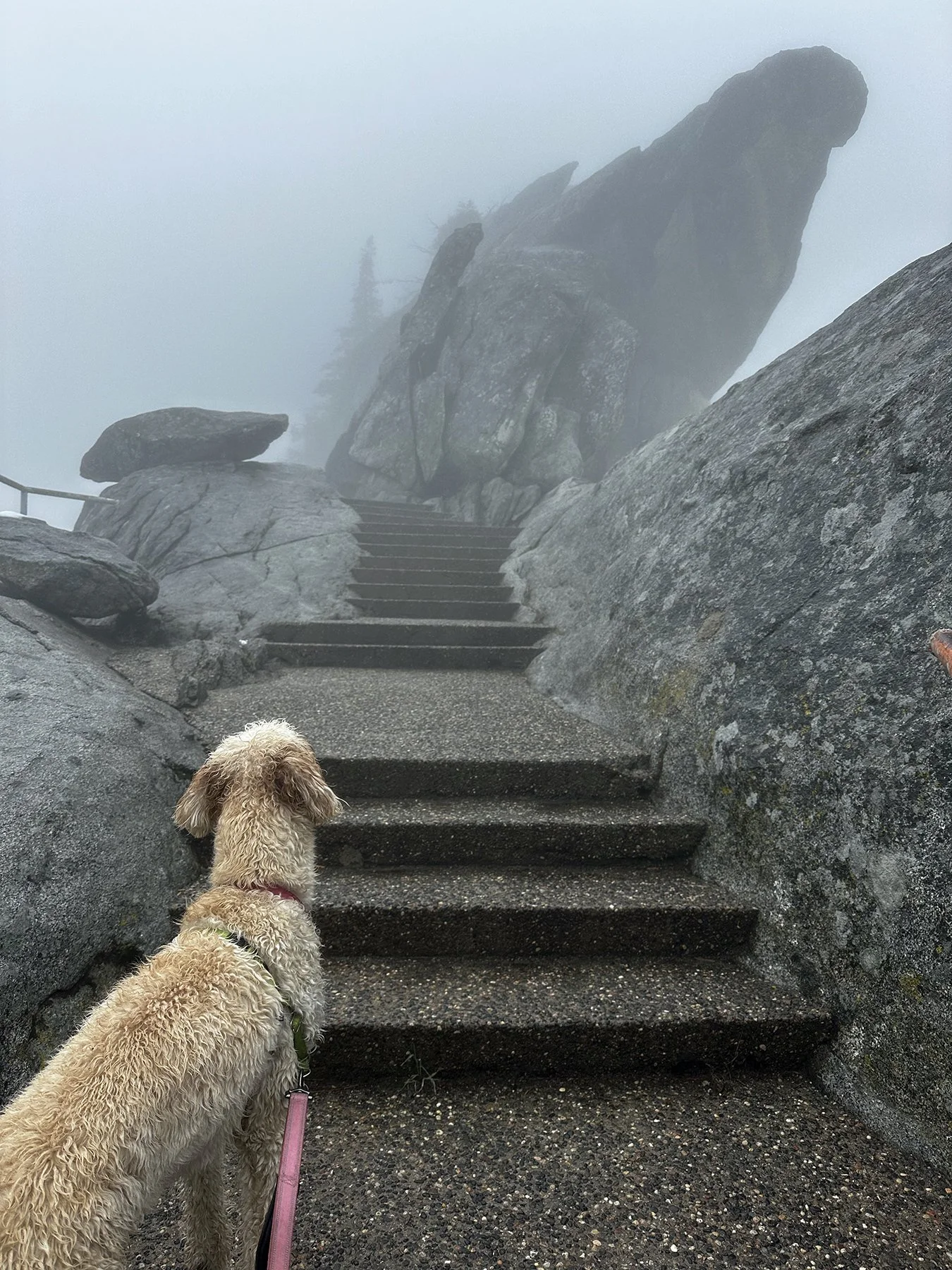
Well, we got about 139 steps up (because, yes, I counted) and, despite my propensity to just push through and not overthink what I’m doing, I took a pause.
Were my legs dead?
They were getting there.
Were we only halfway through the entire hike?
Yep.
Was it so foggy that we couldn’t see anyway?
Yeah.
So you can see how I talked myself out of us going all the way to the top, even though it’s renowned for offering breathtakingly broad views of the park and lands beyond—glacially carved peaks, the tops of giant trees, chaparral-covered hillsides, and the great Central Valley to the west. We wouldn’t be able to see them through the fog anyway, I’m sure. And Maisie wasn’t really supposed to be on those steps (oops!) So we enjoyed the rest of our snow-trodden trip back to the museum, even taking a bit of a wrong turn LOL.
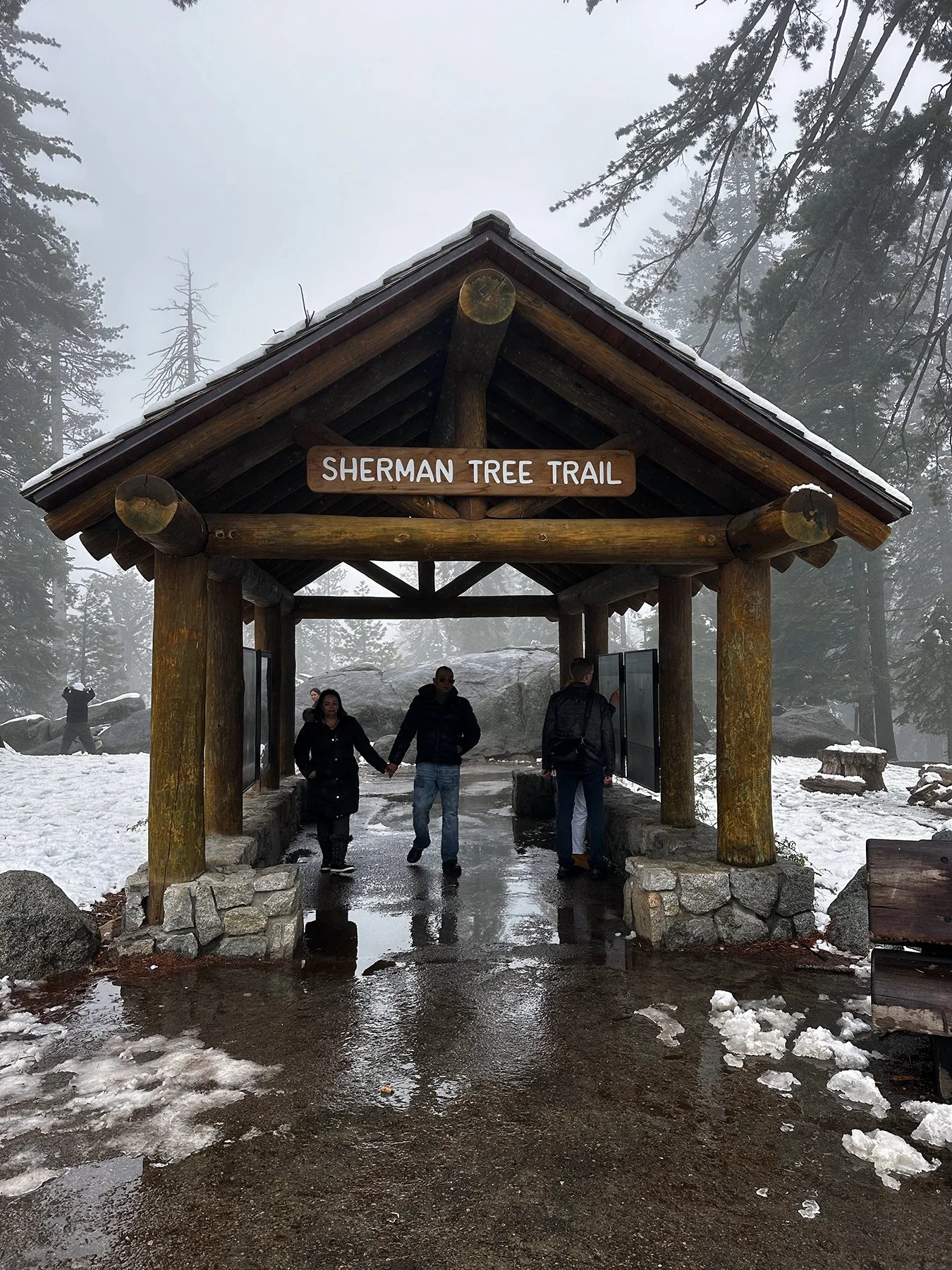
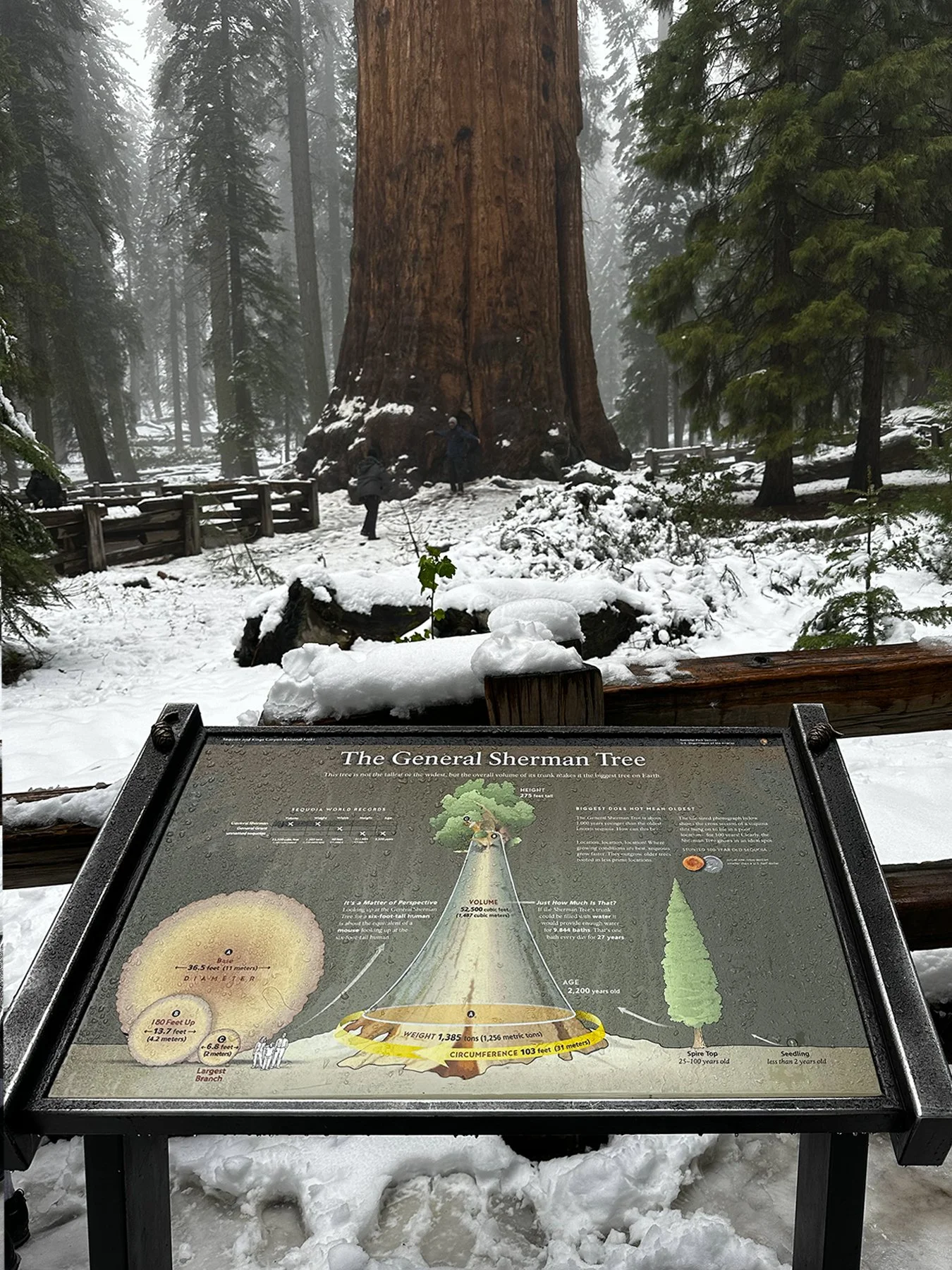
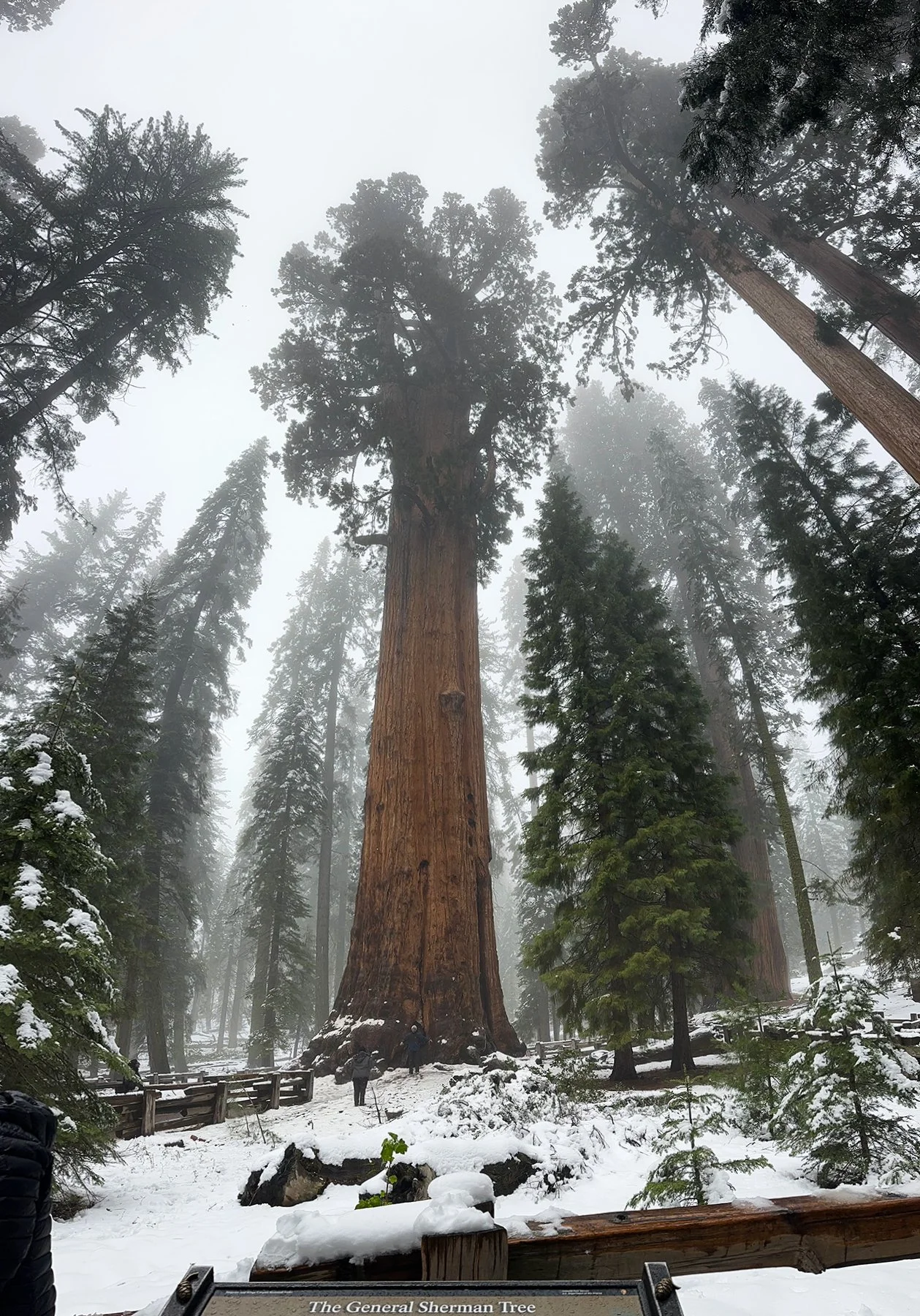
There’s still so much more to see and do. Next, we headed on over to the Giant Forest, the largest of the unlogged giant sequoia groves which contains more exceptionally large sequoias than any other grove. The General Serman Tree is the star of the show; it’s 2,100-years old(!!) and is considered the world’s largest living tree. It’s 275 feet tall, with a 36-foot base diameter—and it is still growing! According to the National Park Service, the trunk of General Sherman alone weighs nearly 1,400 tons. That is roughly equivalent to 15 adult blue whales, 10 diesel-electric train locomotives, or 25 military battle tanks! In just one year, an average mature giant sequoia tree adds enough wood to make a sixty-foot tall, three-foot diameter oak tree!
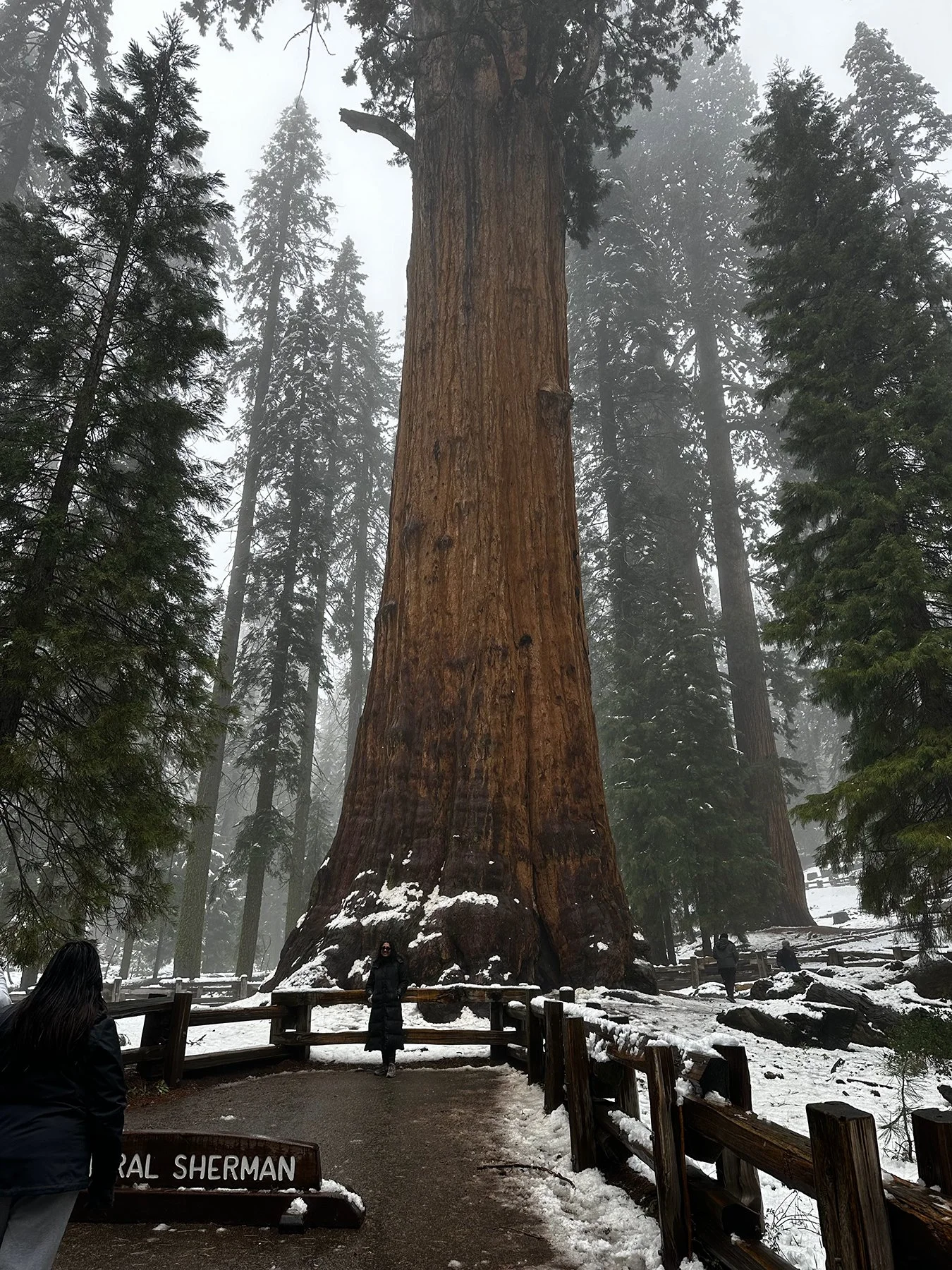
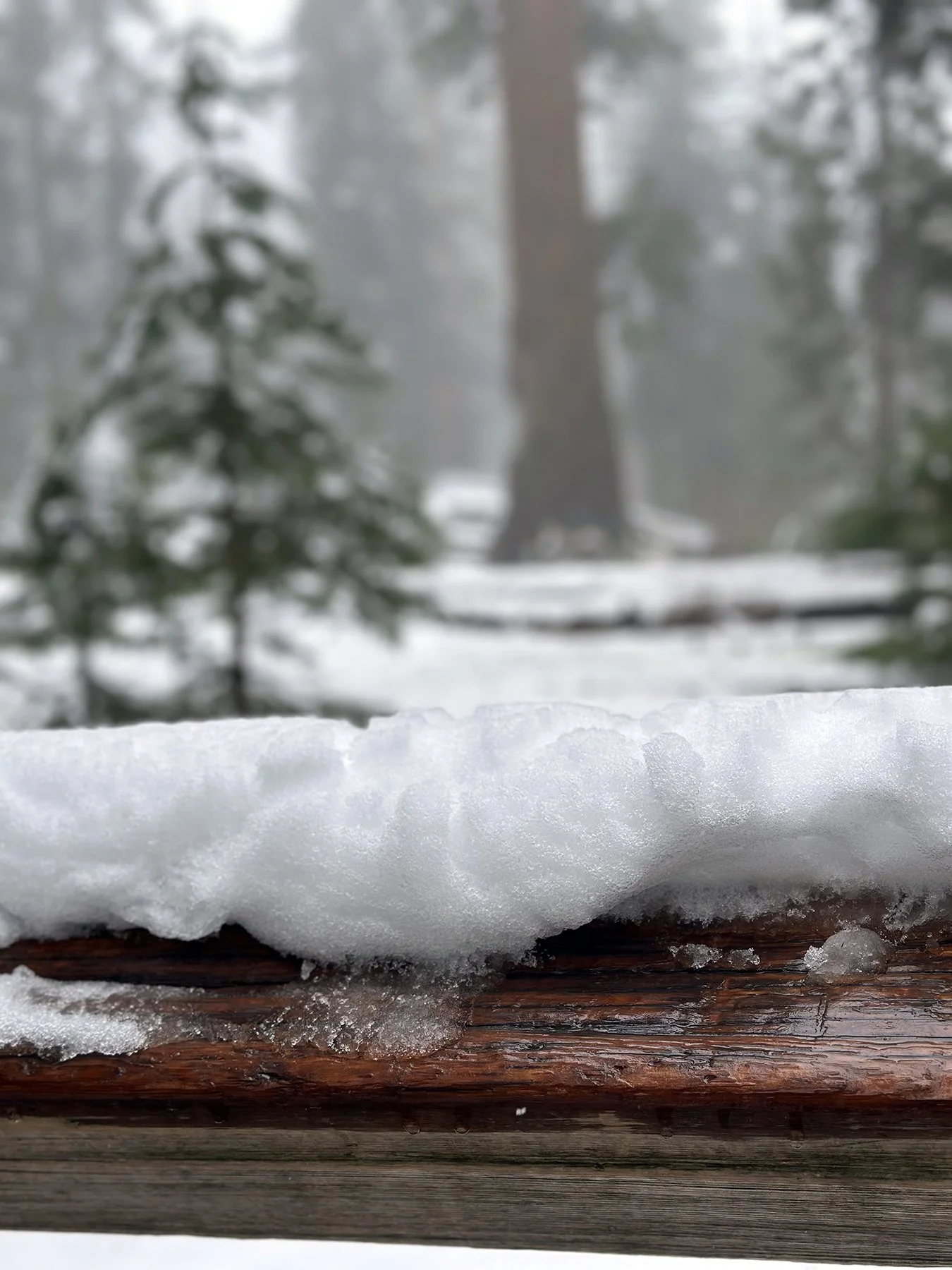
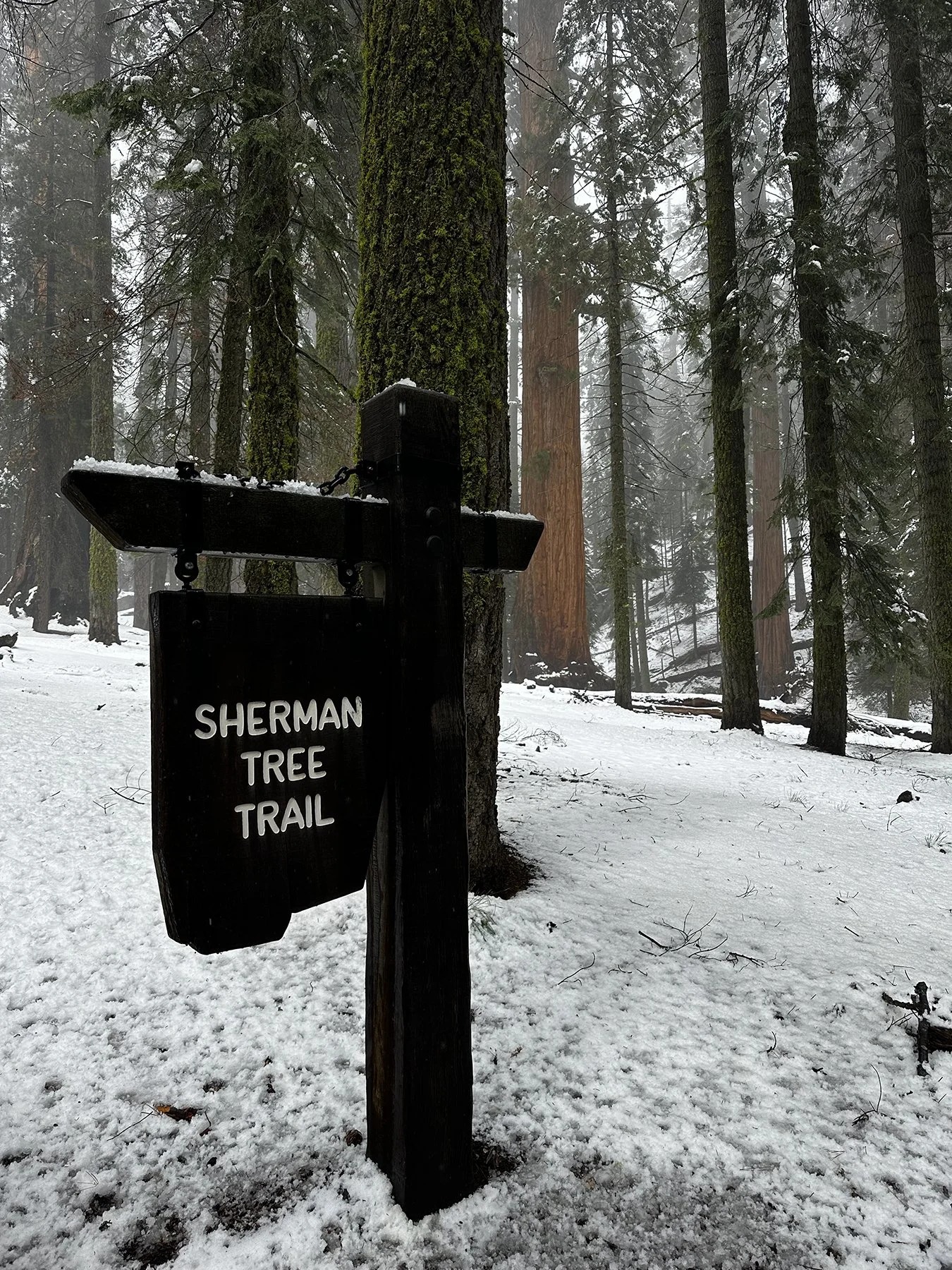
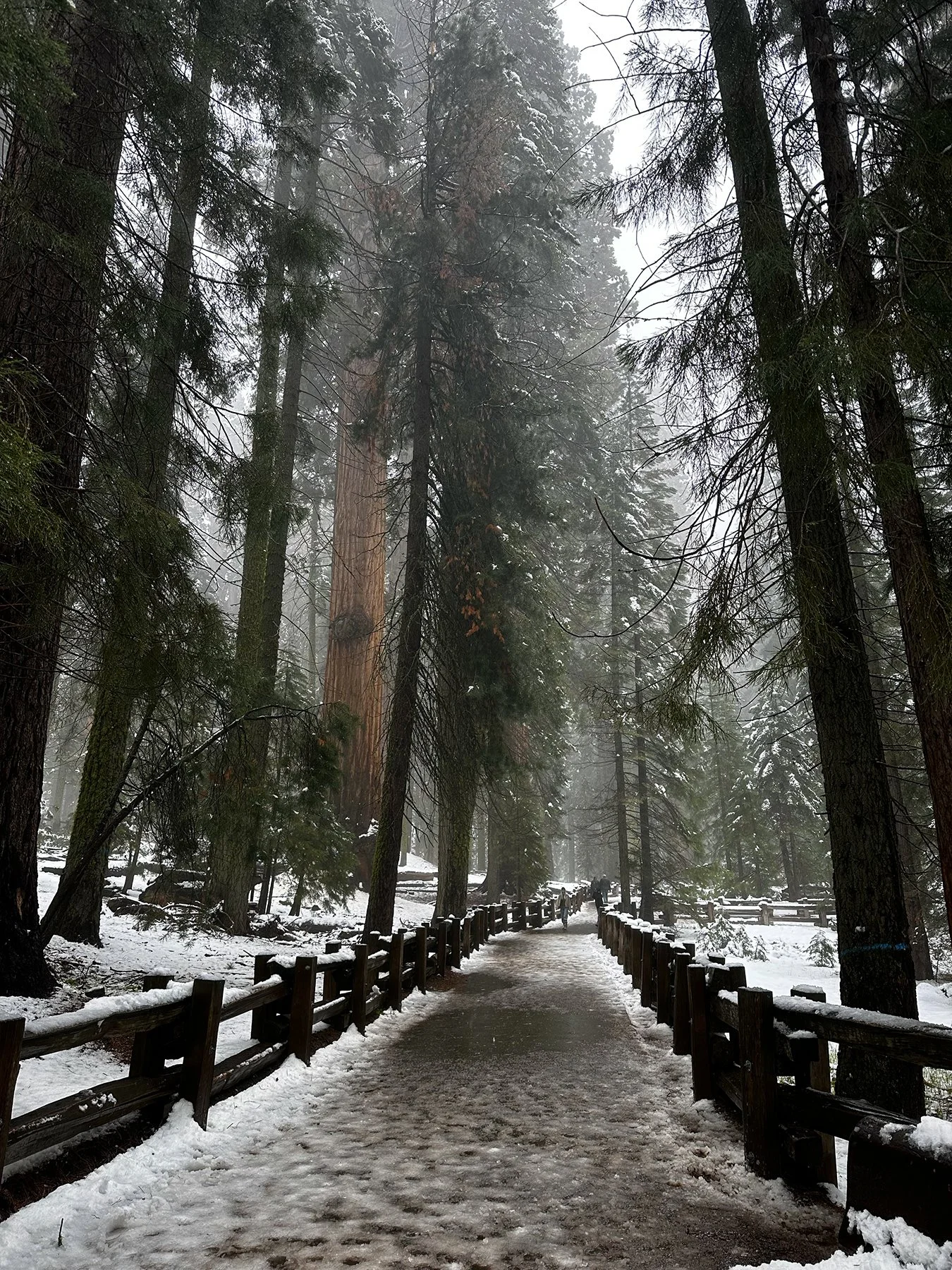
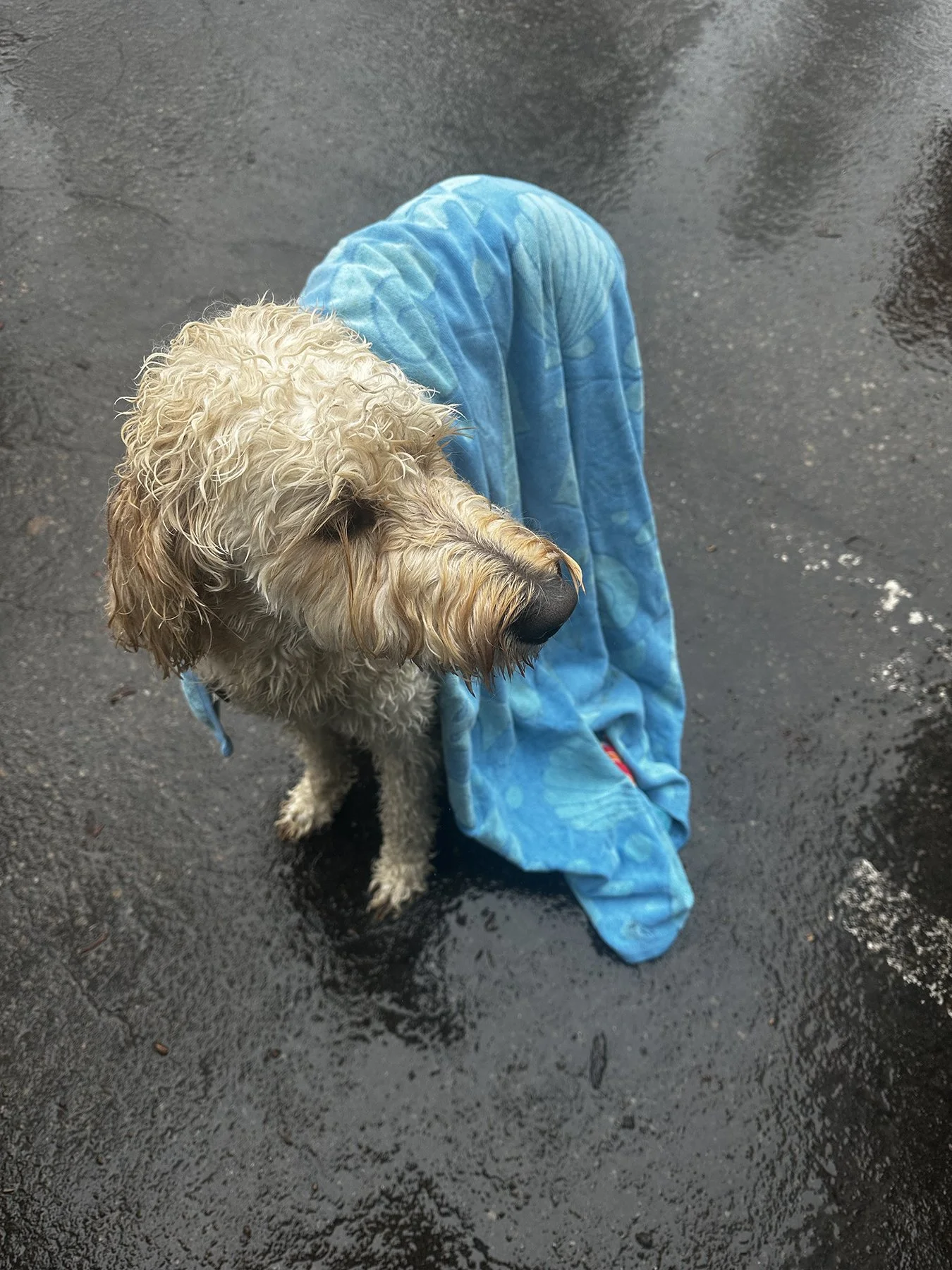
Wow, our day sure was complete. Even though I ‘only’ walked 16,000 steps, I’m gonna say it counts for more since most was through snow and ice. Right?!
Day Two: Kings Canyon NP
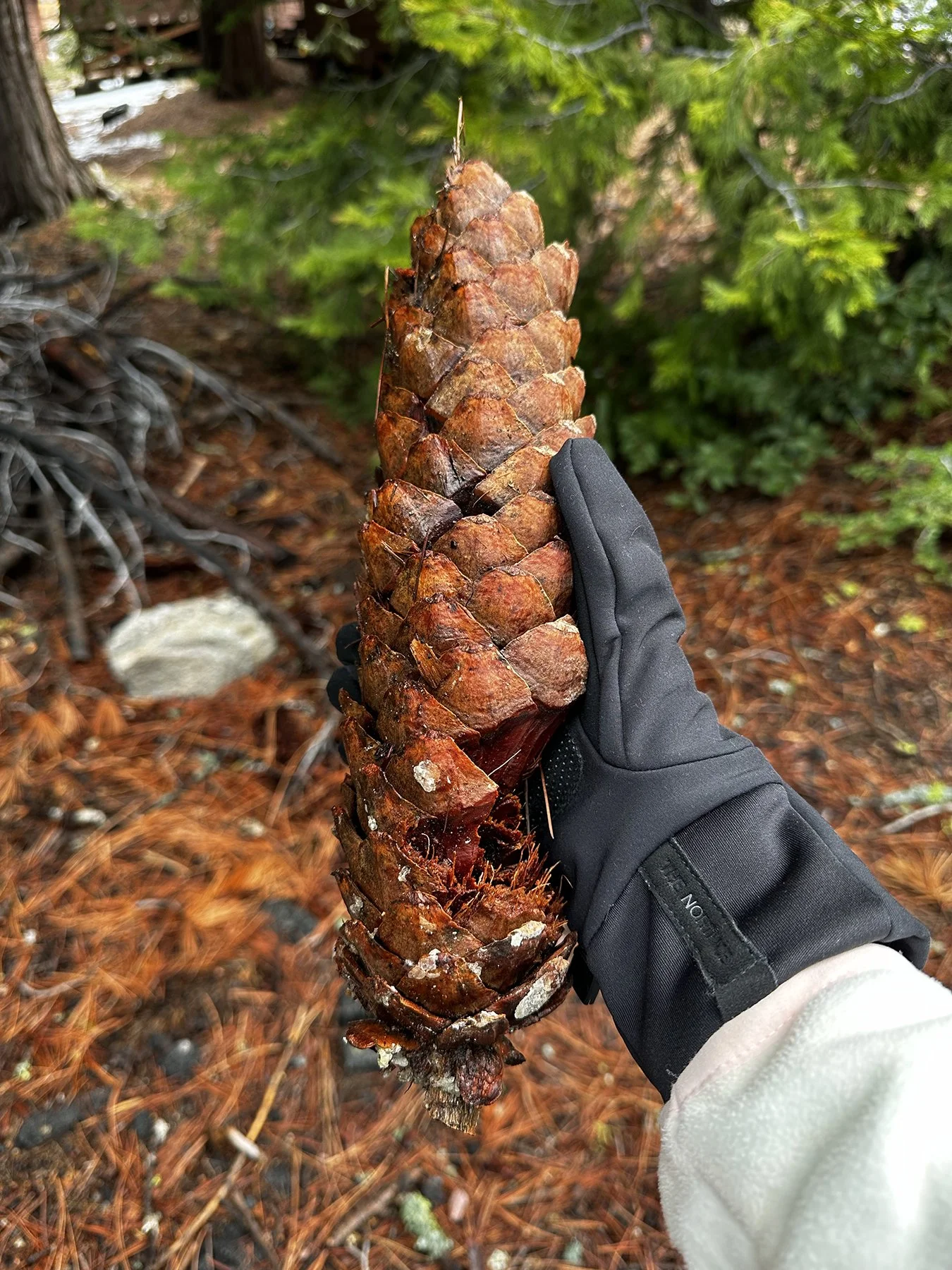
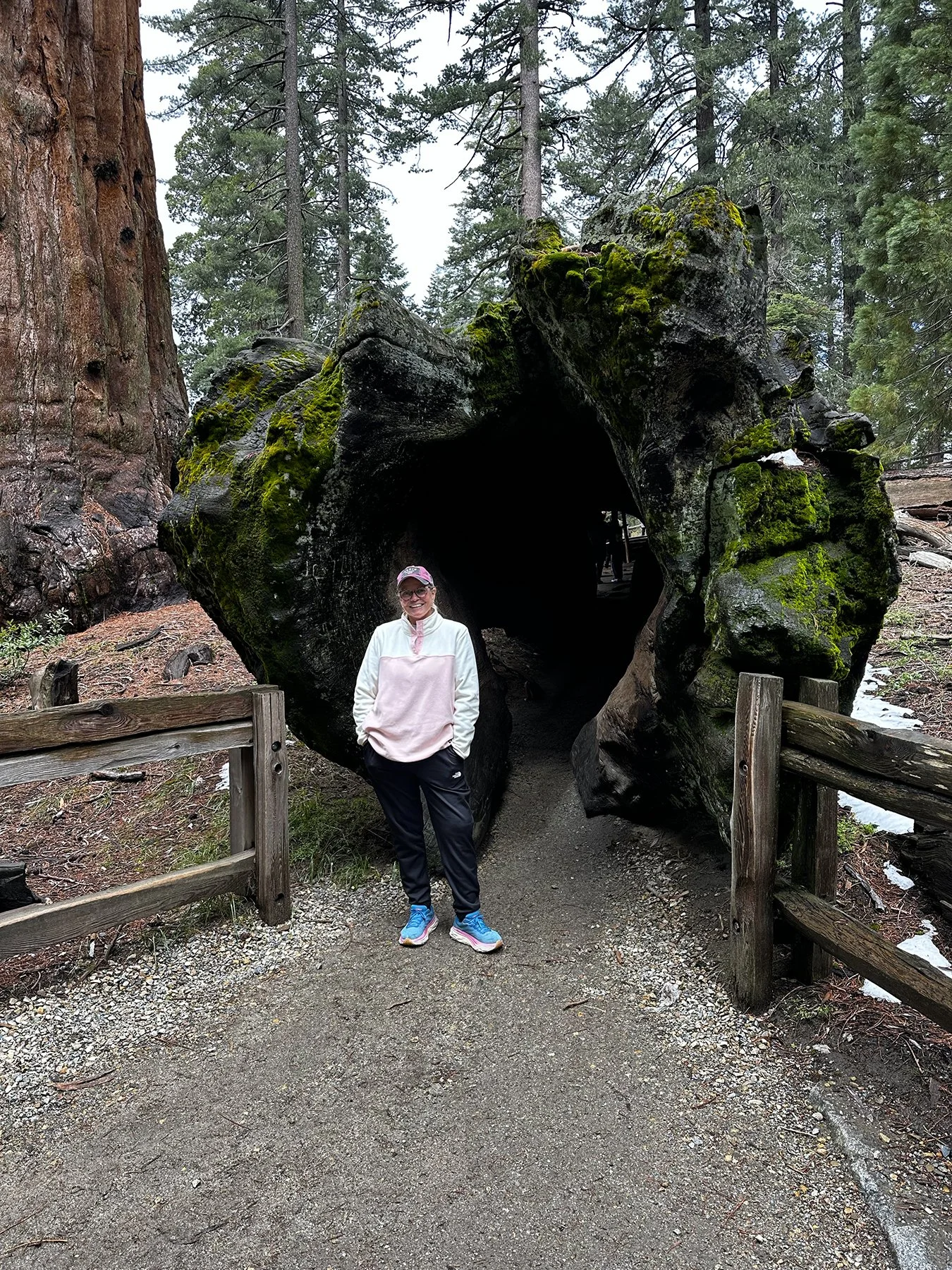
Today presented us with another great opportunity to explore the Sequoia National Forest. As our RV park was on the southern end of Sequoia NP, we had to drive quite a ways to get to Kings Canyon on the north end. As a crow flies, it’s probably only 30 miles, but when you take a narrow, 2-lane (at most), windy road that seemed to have NO straight parts (seriously!), it takes more than an hour-and-a half. The route I chose was hardly traveled at all (it was not in the park), and I tried not to let my mind wander into the territory of ‘what happens if you blow a tire’ or breakdown some other way? I mean, not really a soul around. I guess sometimes you just gotto do what you gotta do, so I soldiered on. And was rewarded by another glorious giant sequoia grove, where there were humongous pinecones, too (biggest I’d ever seen; see pic). Next I came upon a fallen sequoia—and walked through it. So cool!
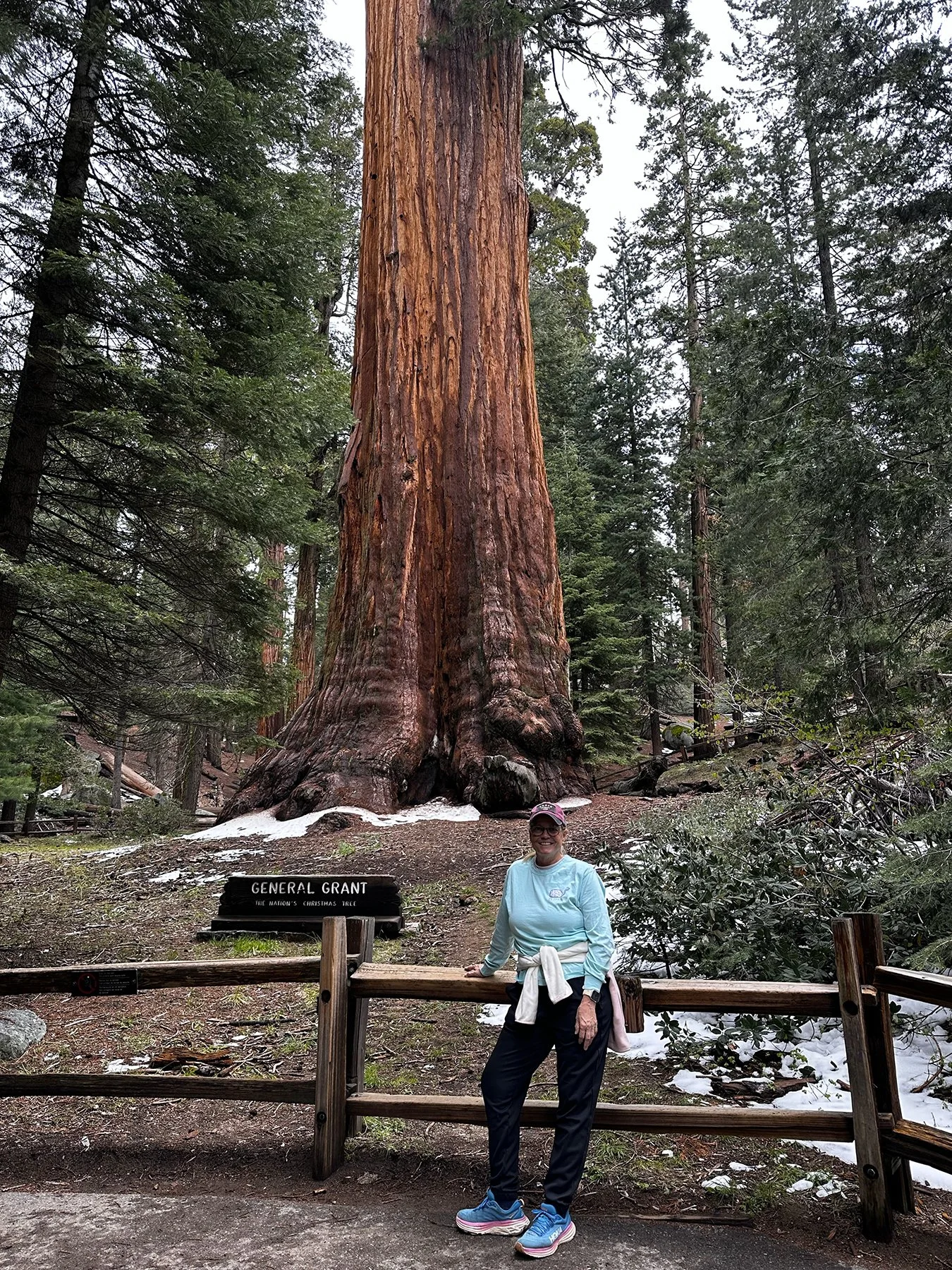
I had to leave Maisie in the car for the 0.5-mile hike to the General Grant Tree. In Kings Canyon, this tree is 267 feet tall and a whopping 103 feet around. Its massive trunk makes it the third largest tree in the world, by volume. And at 40 feet in diameter at ground level, it is the world’s widest known sequoia. Think about that for a minute—40 feet wide at the base of its trunk!! And it is not nearly the oldest—it is 1,500 years younger than the oldest-known sequoia.
Fun Facts: The General Grant Tree is so wide it would take about 20 people holding hands to make a complete circle around the base. President Calvin Coolidge proclaimed this tree to be the Nation’s Christmas Tree in 1926. In 1956, President Dwight D. Eisenhower designated it as a National Shrine a living memorial to those who have given their lives for their country.
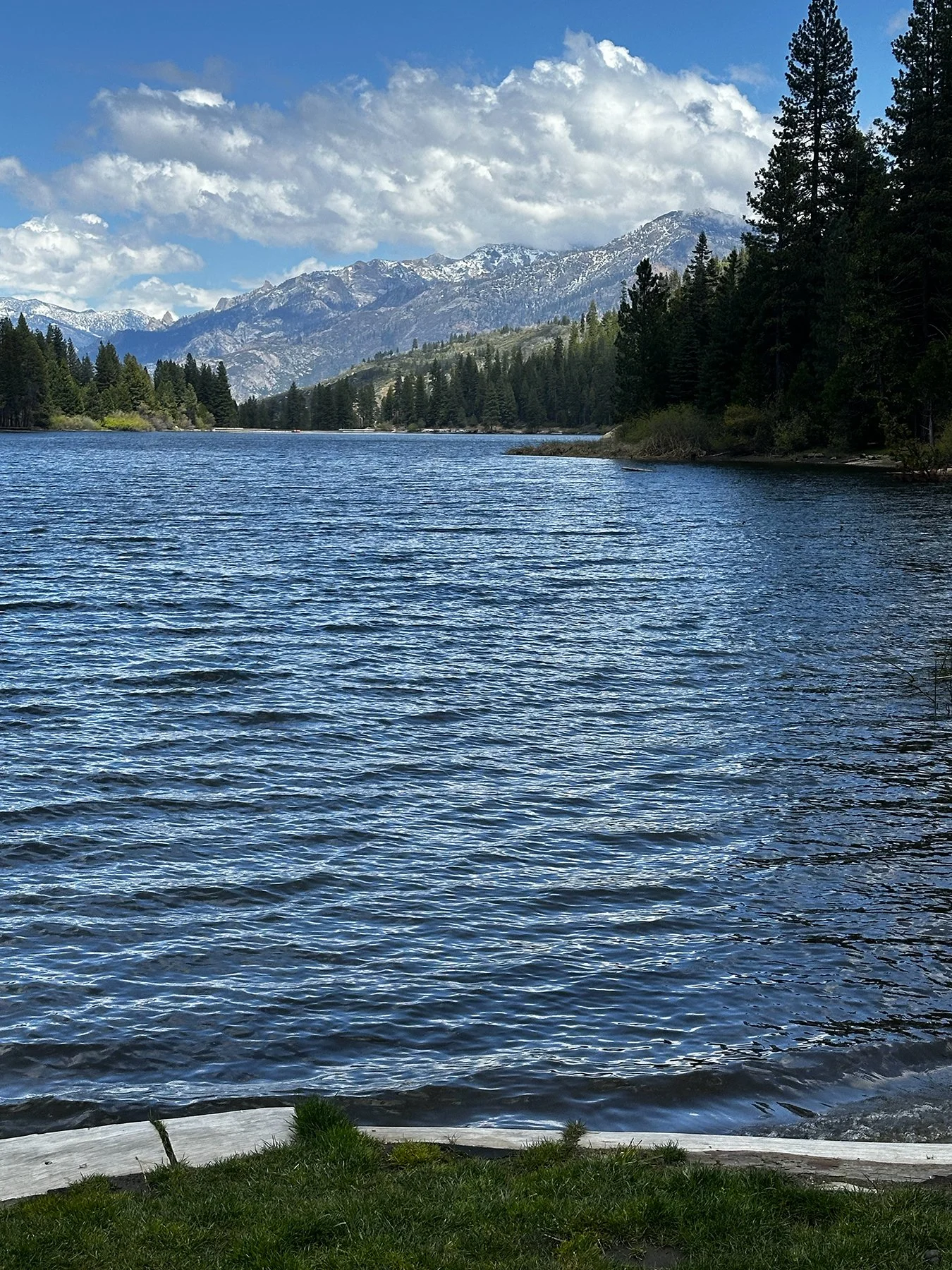
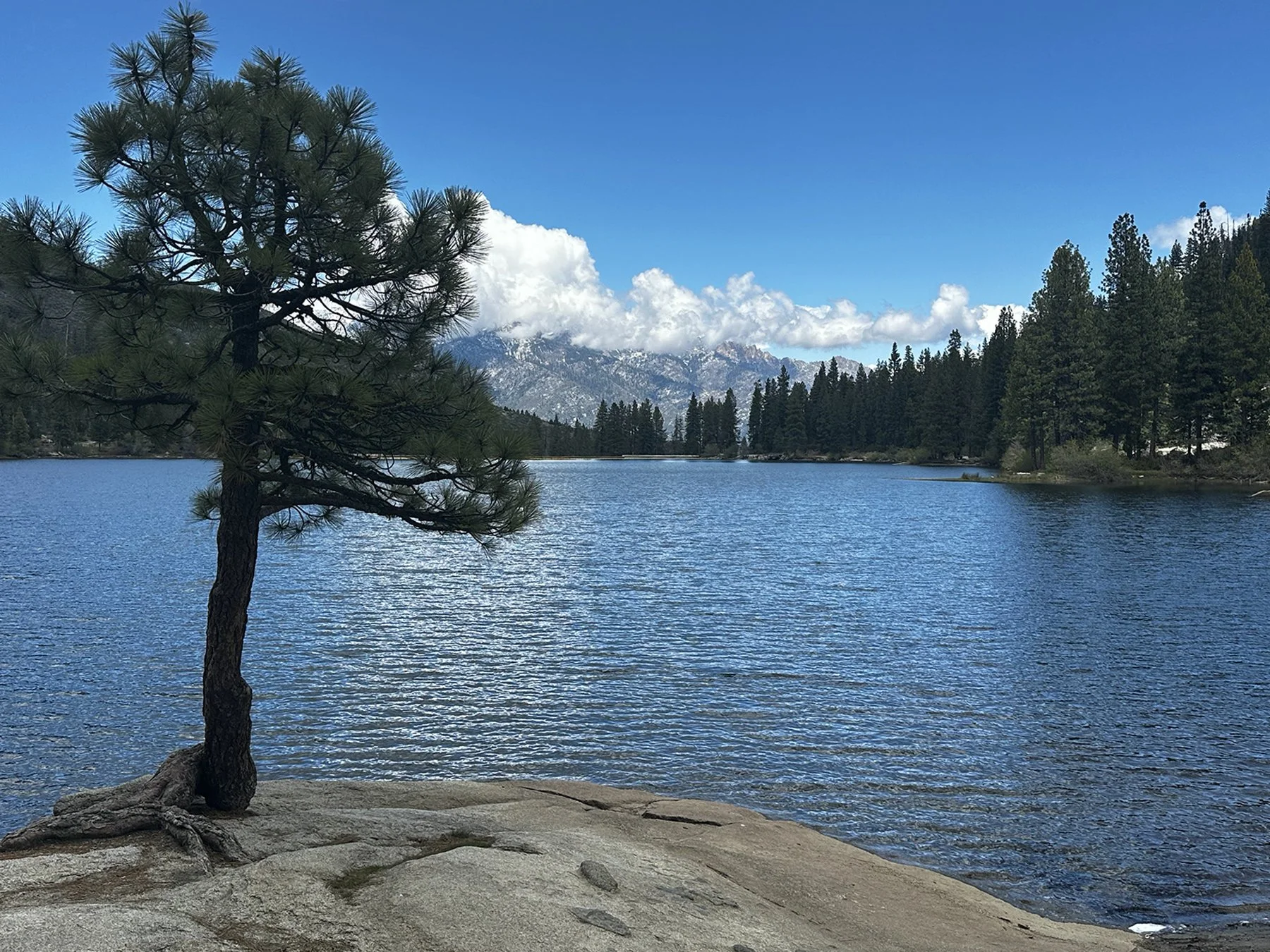
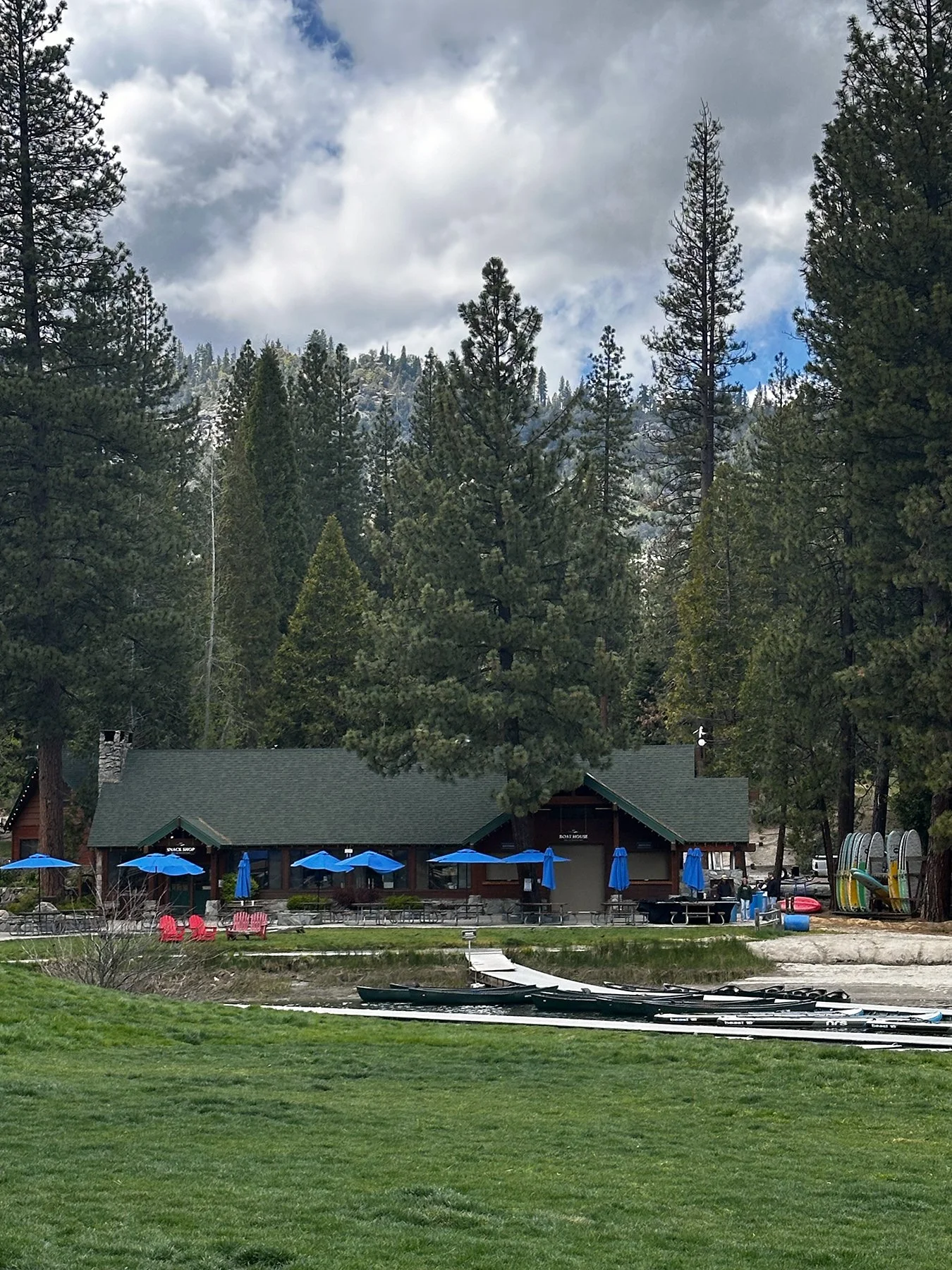
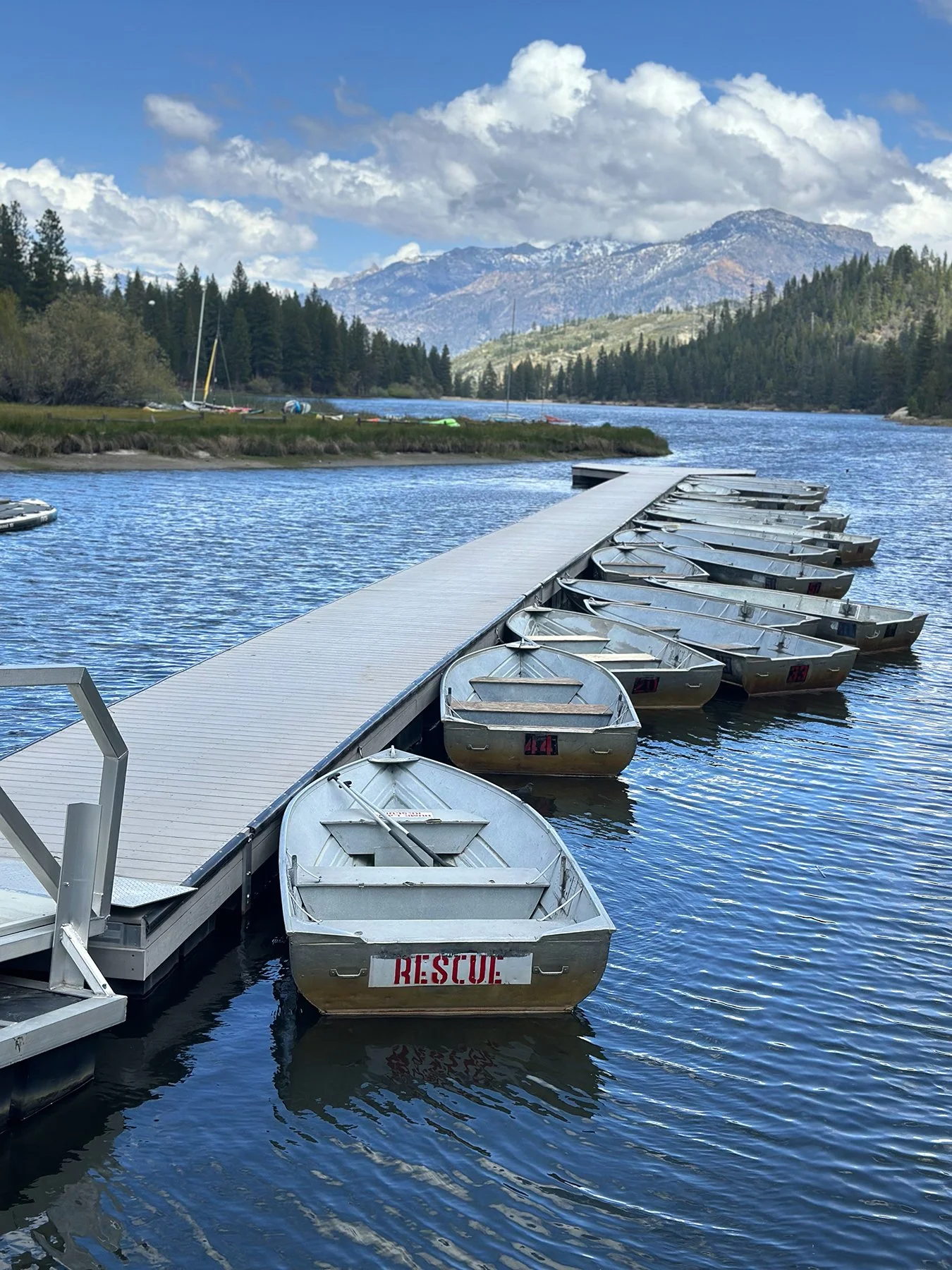
Again with limited opportunities to hike some amazing mountain trails in Kings Canyon because of the no-pets rule (which I totally understand, BTW!), we got great advice from a ranger and headed over to Hume Lake, just a six-mile detour off the main road on the way down to Cedar Grove on the canyon floor. She told us of a wonderful trail all the way around the lake, and I fell instantly in love! I mentioned in my blog during last year’s trip about how much I LOVE LOVE LOVE mountain lakes, having terrific childhood memories visiting our friend’s summer home on Indian Lake in Pennsylvania. The Hume Lake area was so beautiful! I discovered a Christian Camp that calls Hume Lake home—it’s called Hume Christian Camps—they host summer camps for youth and younger kids, women’s retreats, men’s retreats, family camps, etc. What an ideal location! In another lifetime I could see myself living in a place like this and volunteering at the camps and conferences. (My happy place :D.) I’ll have to tell the rest of the Hume Lake story in photos:
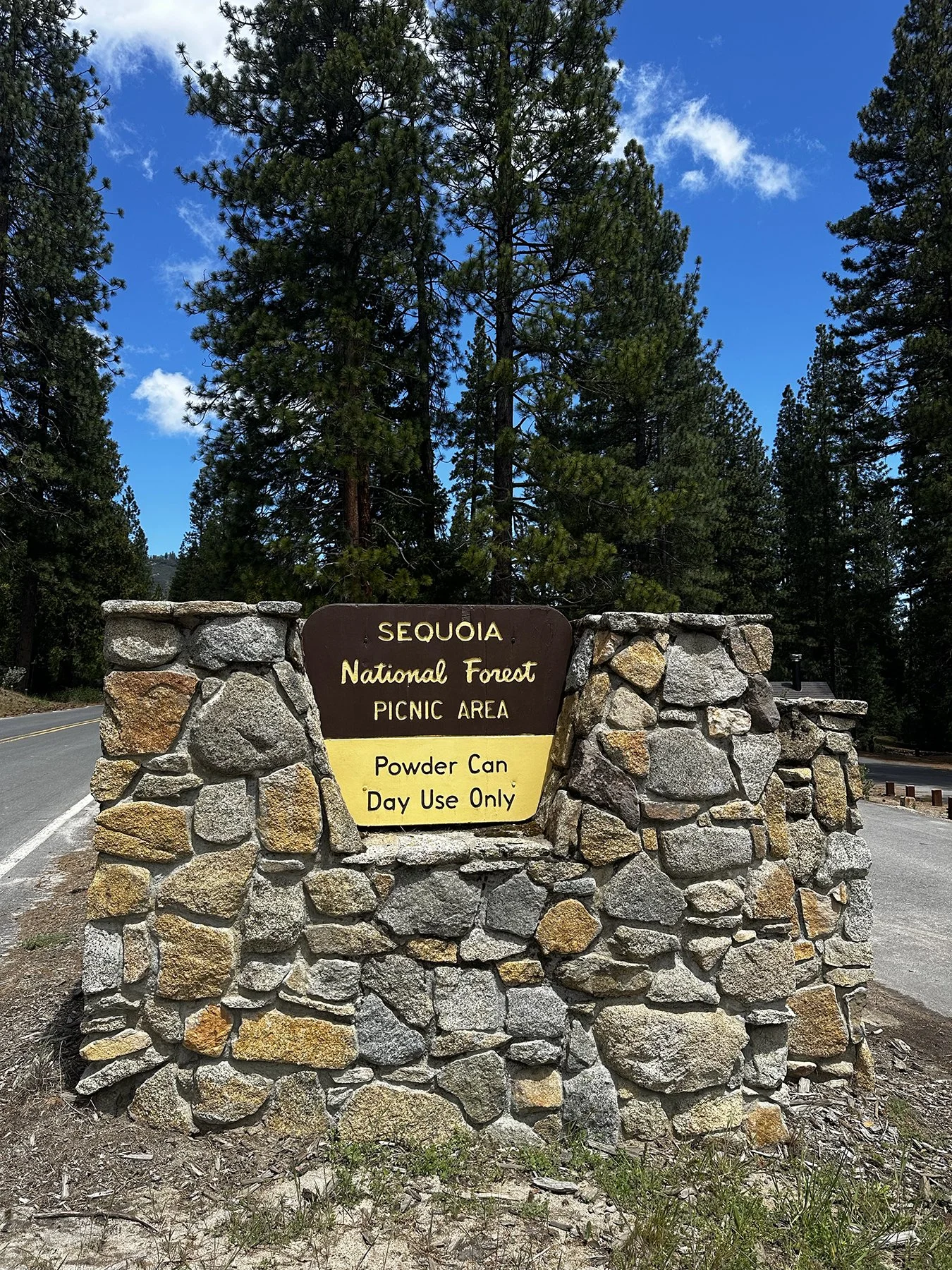
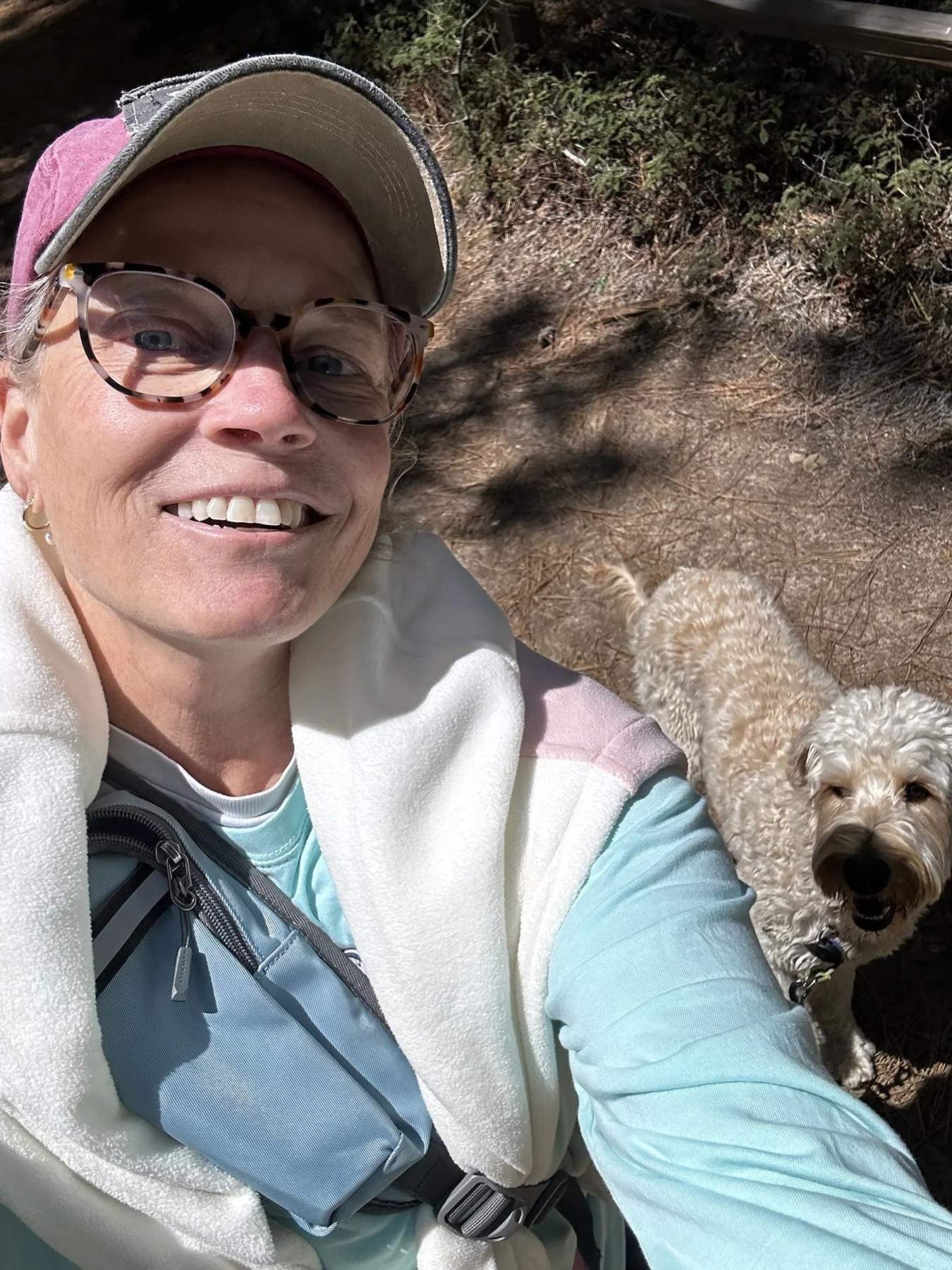
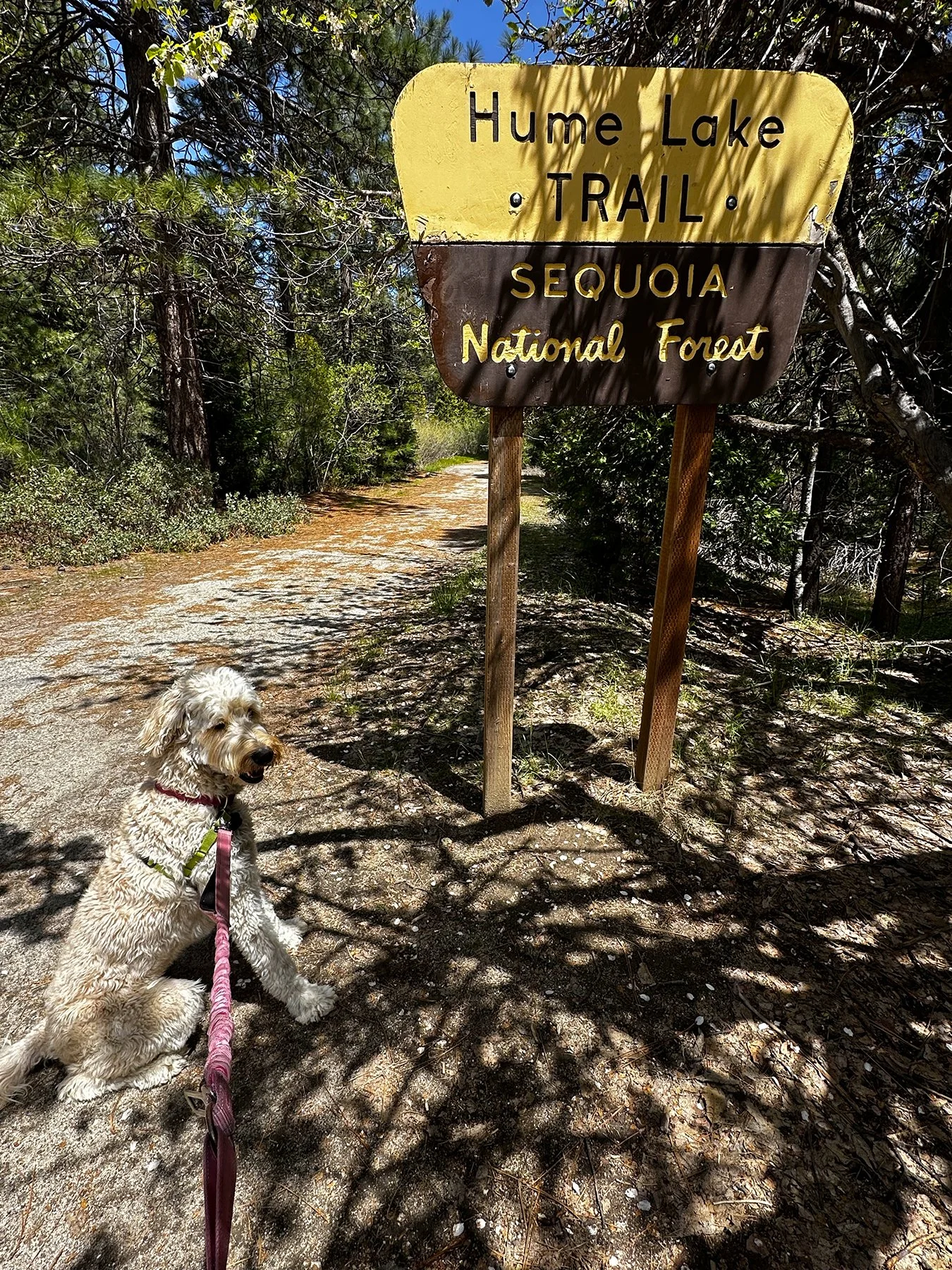
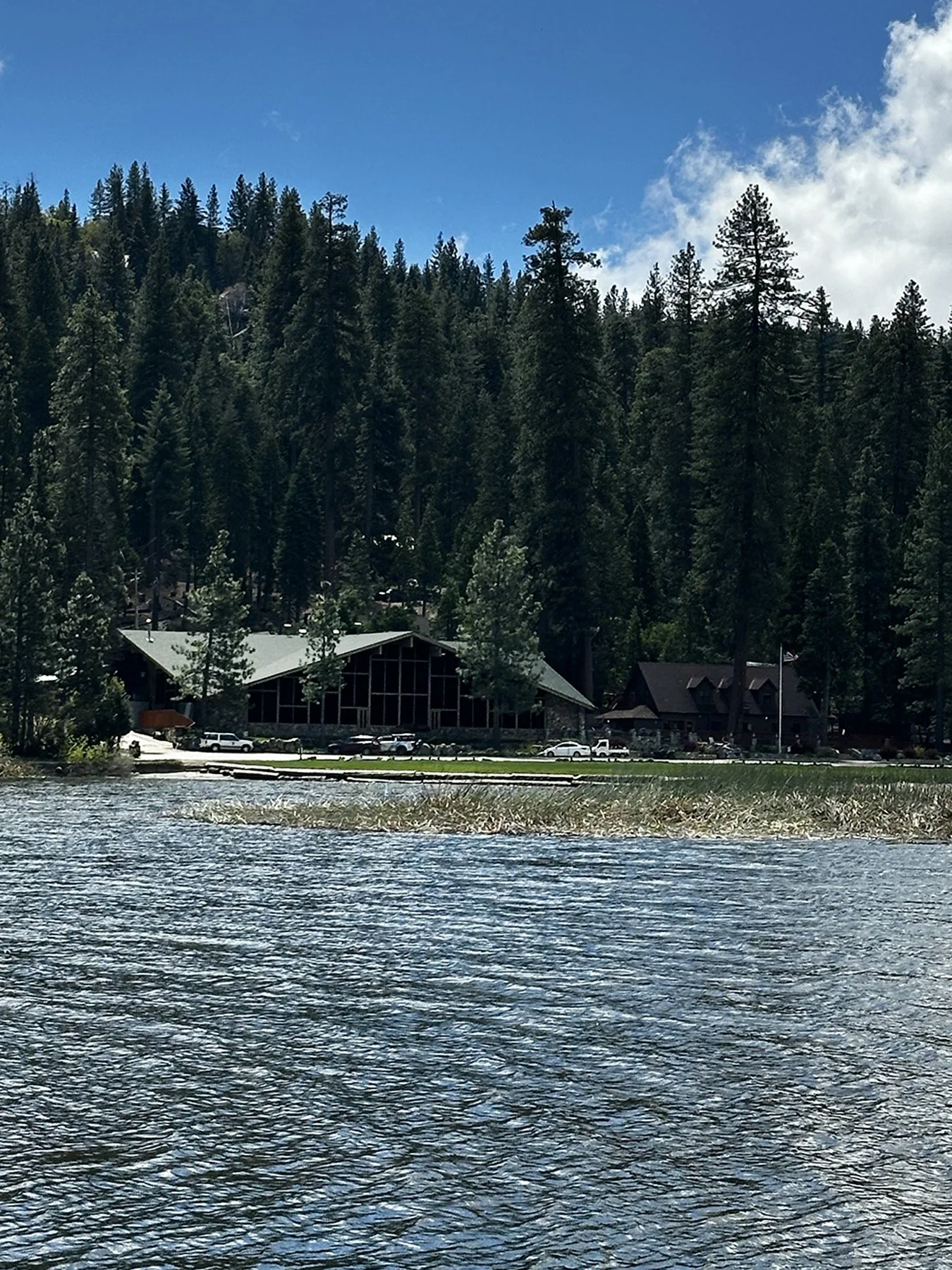
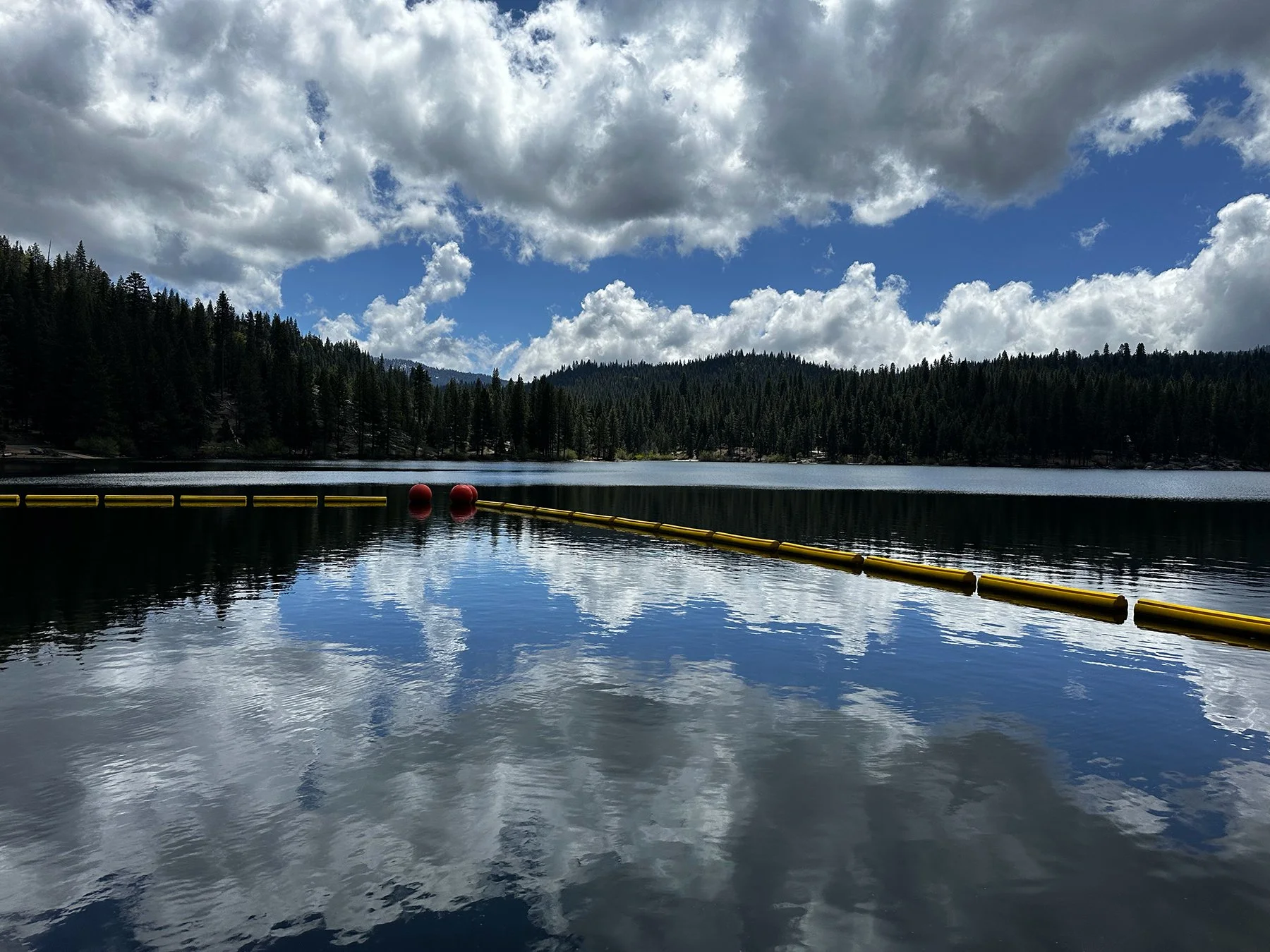
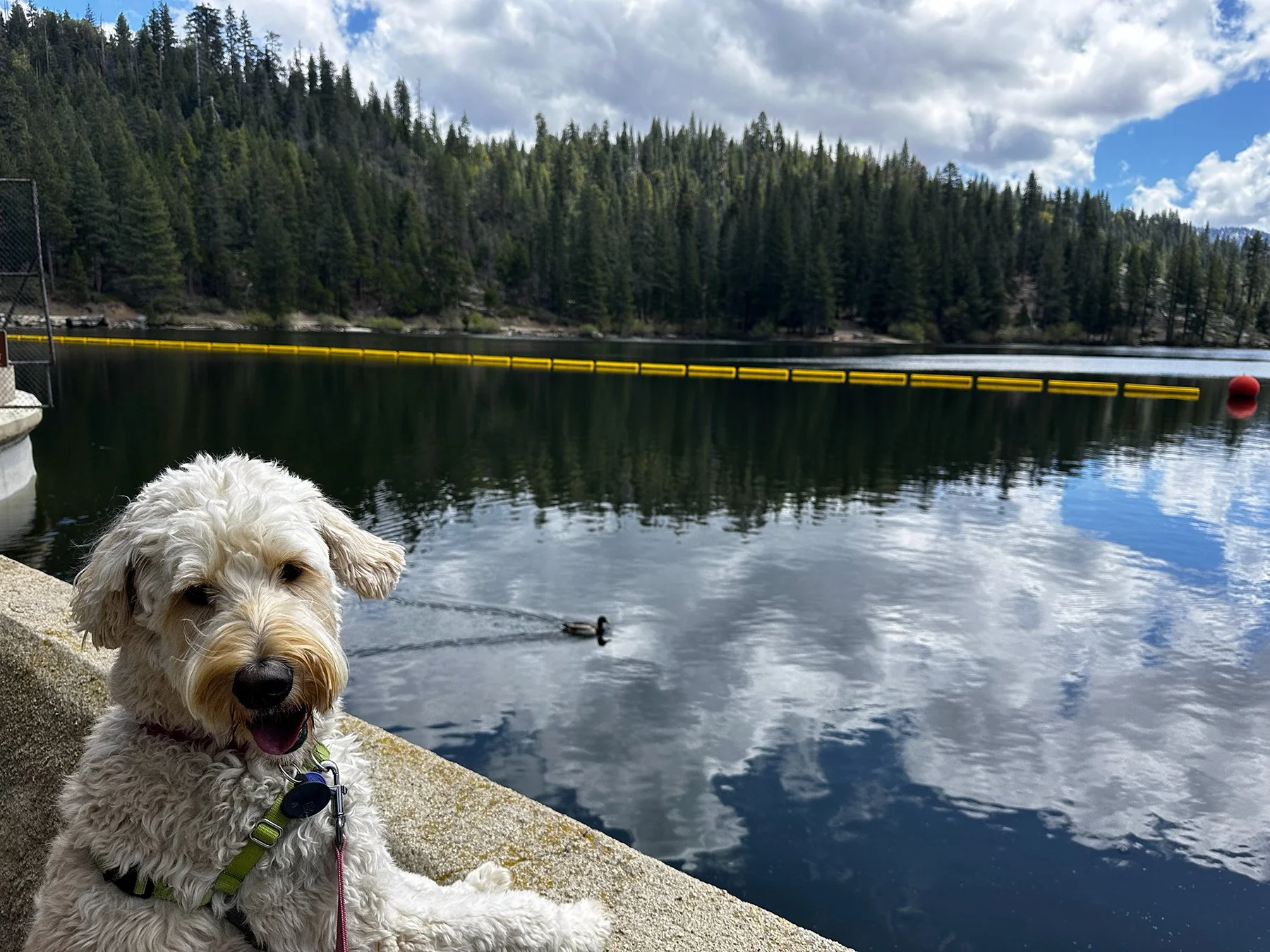
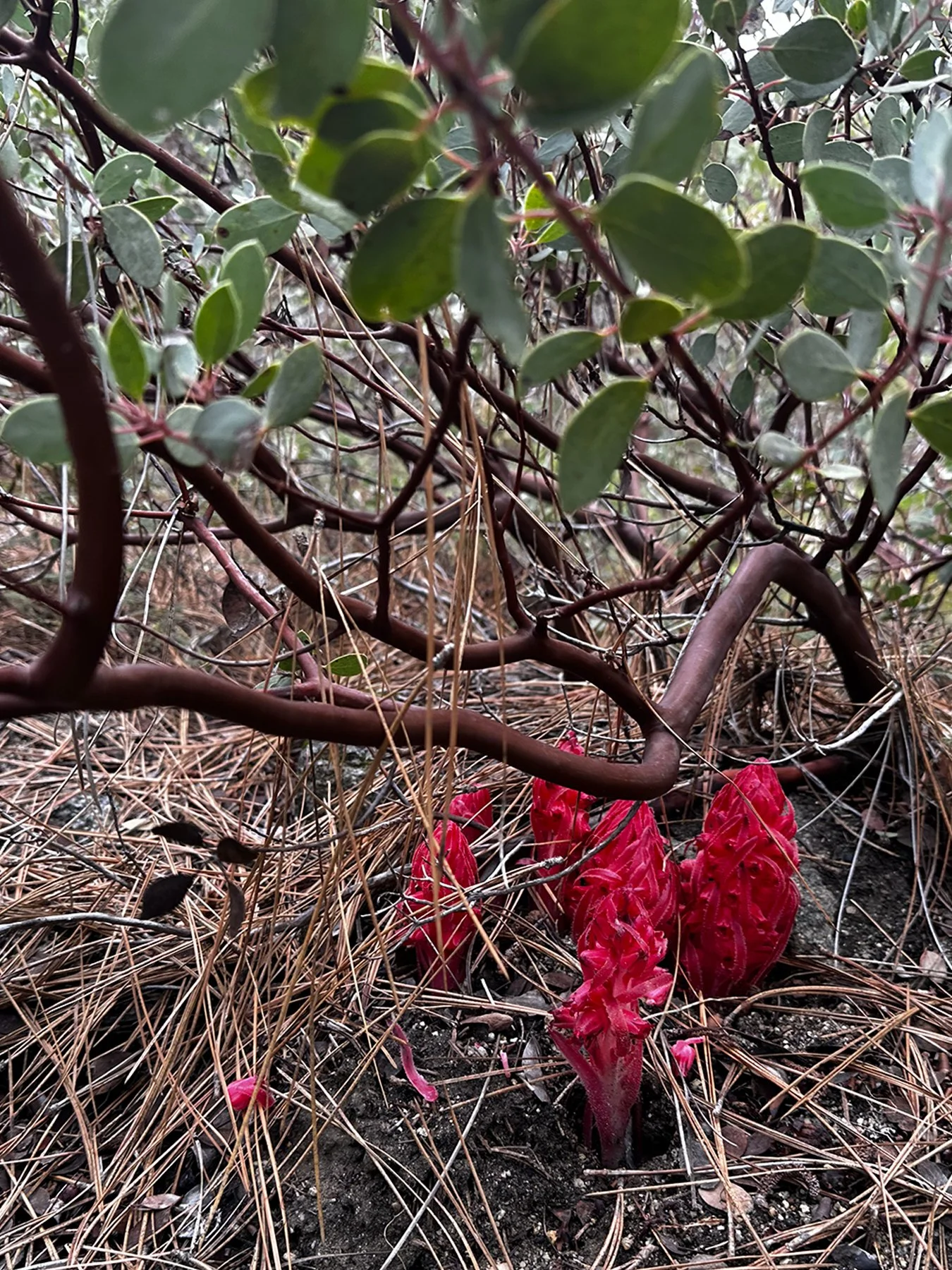
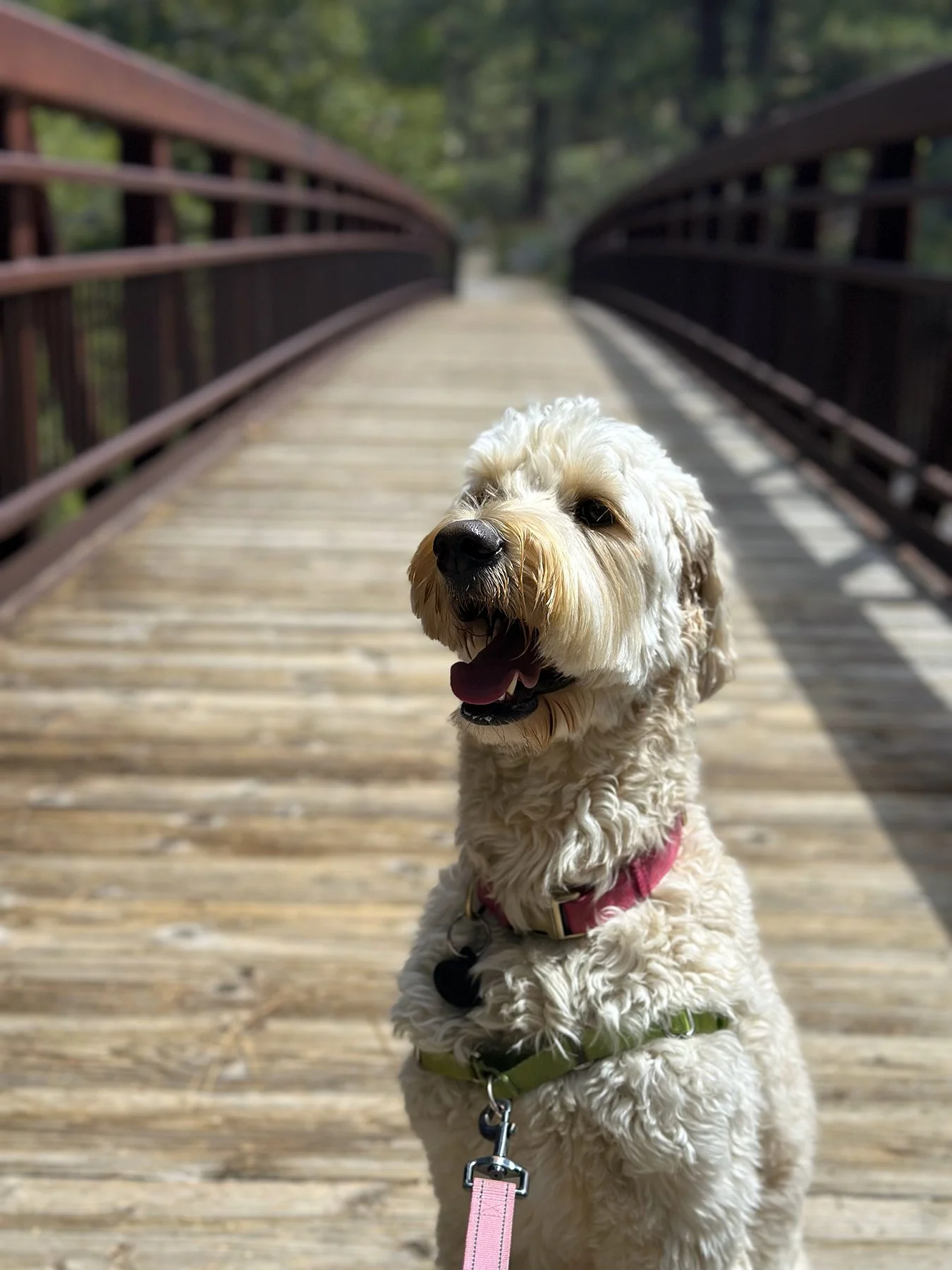
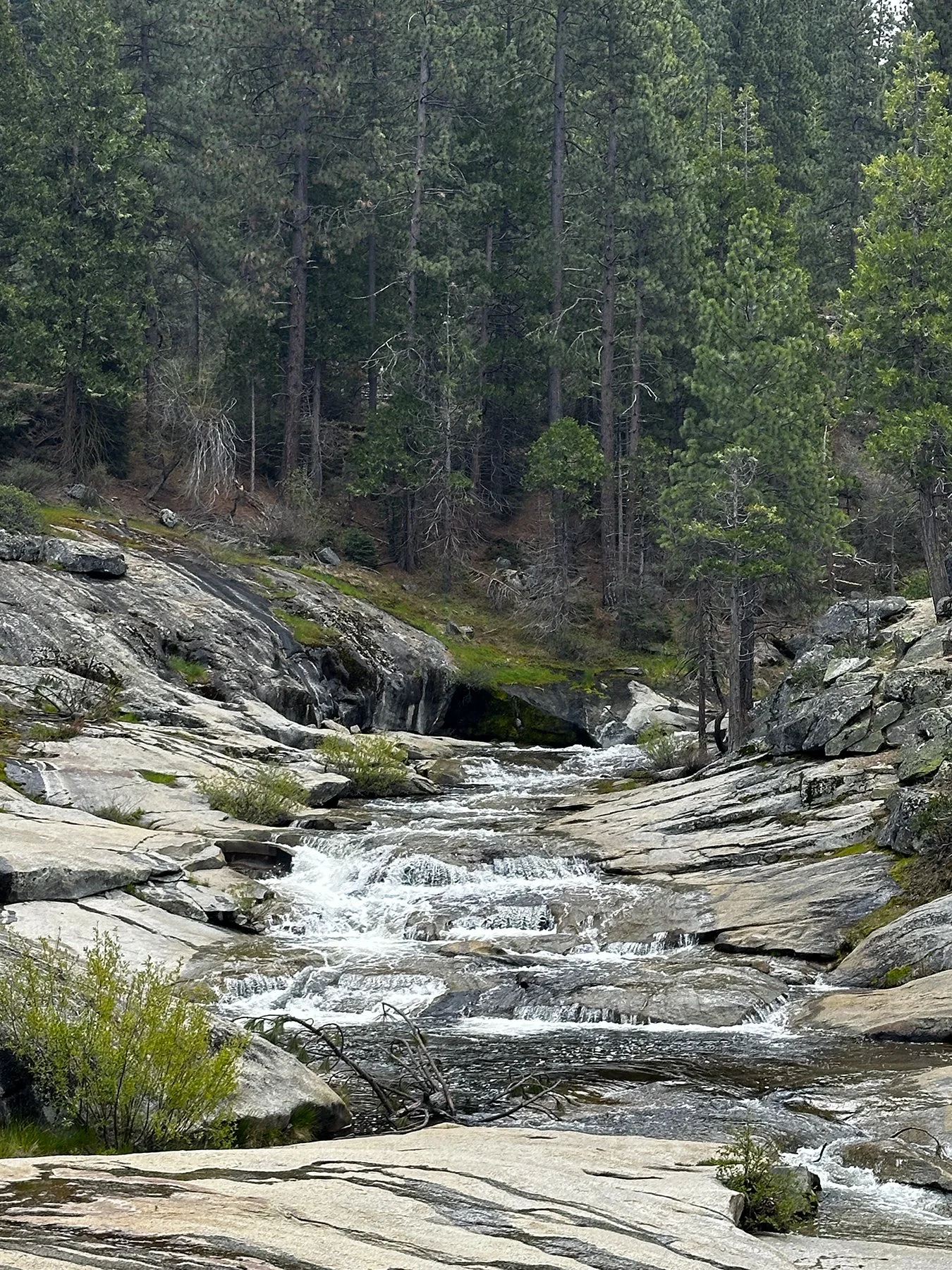
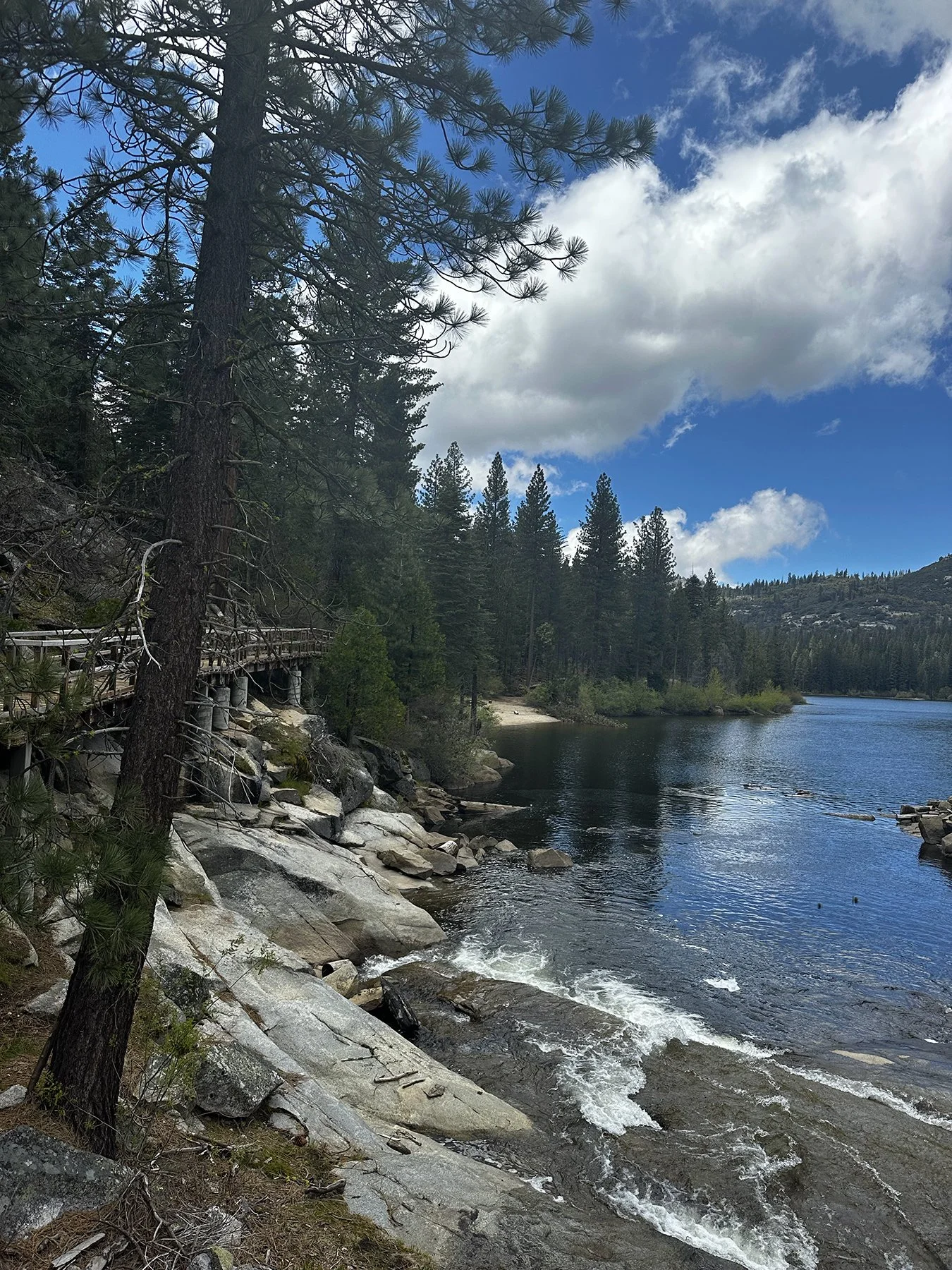
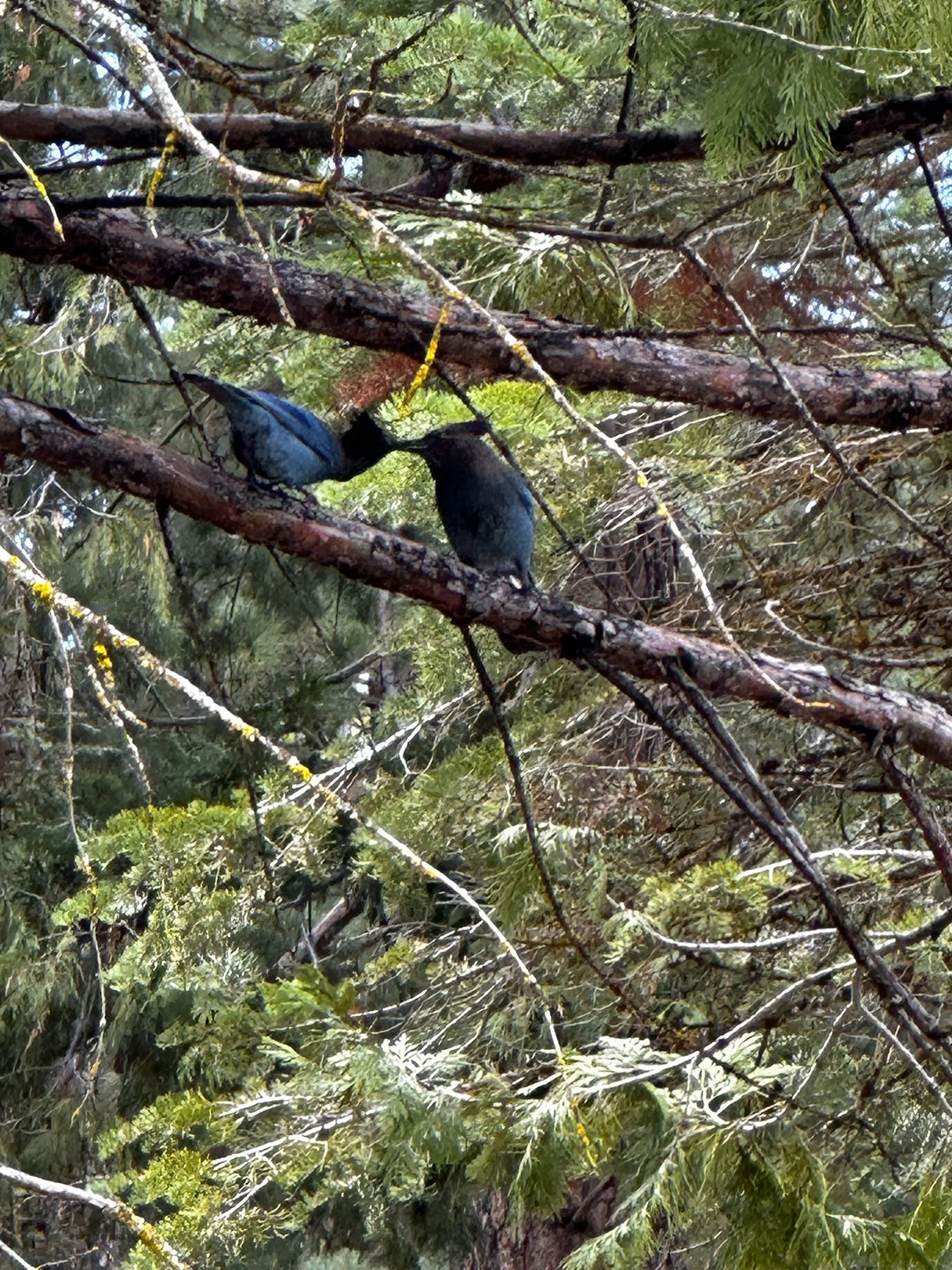
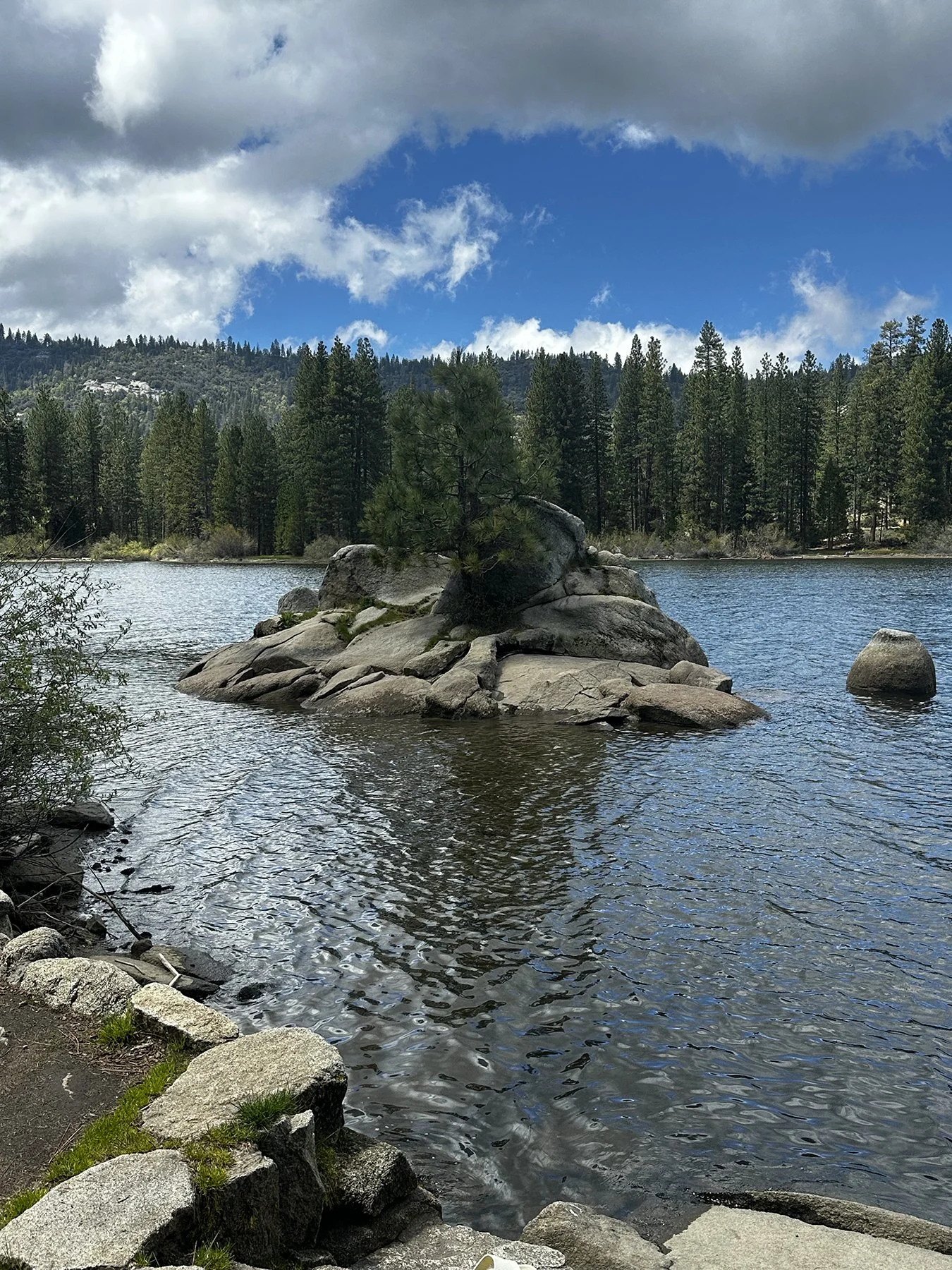
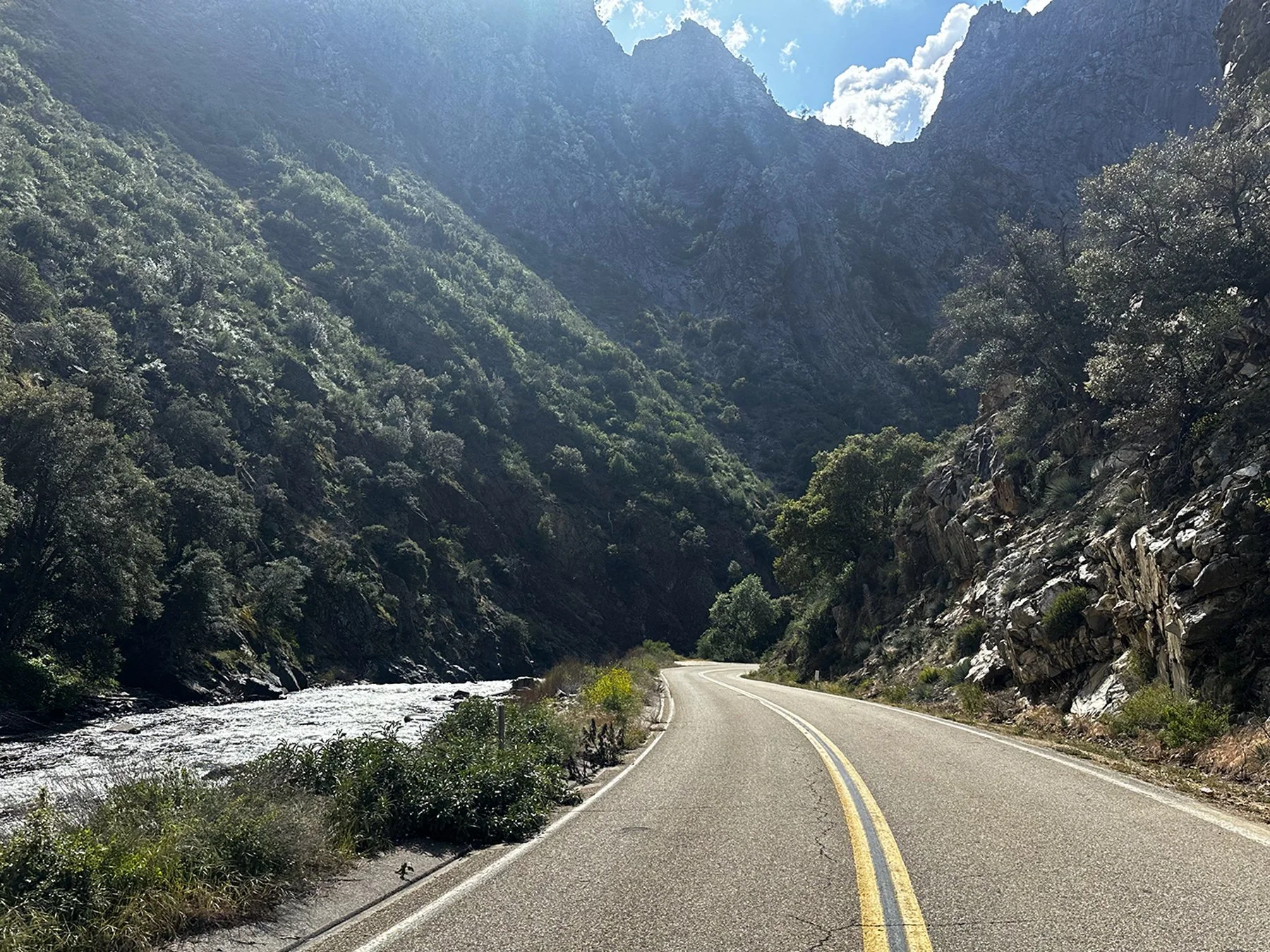
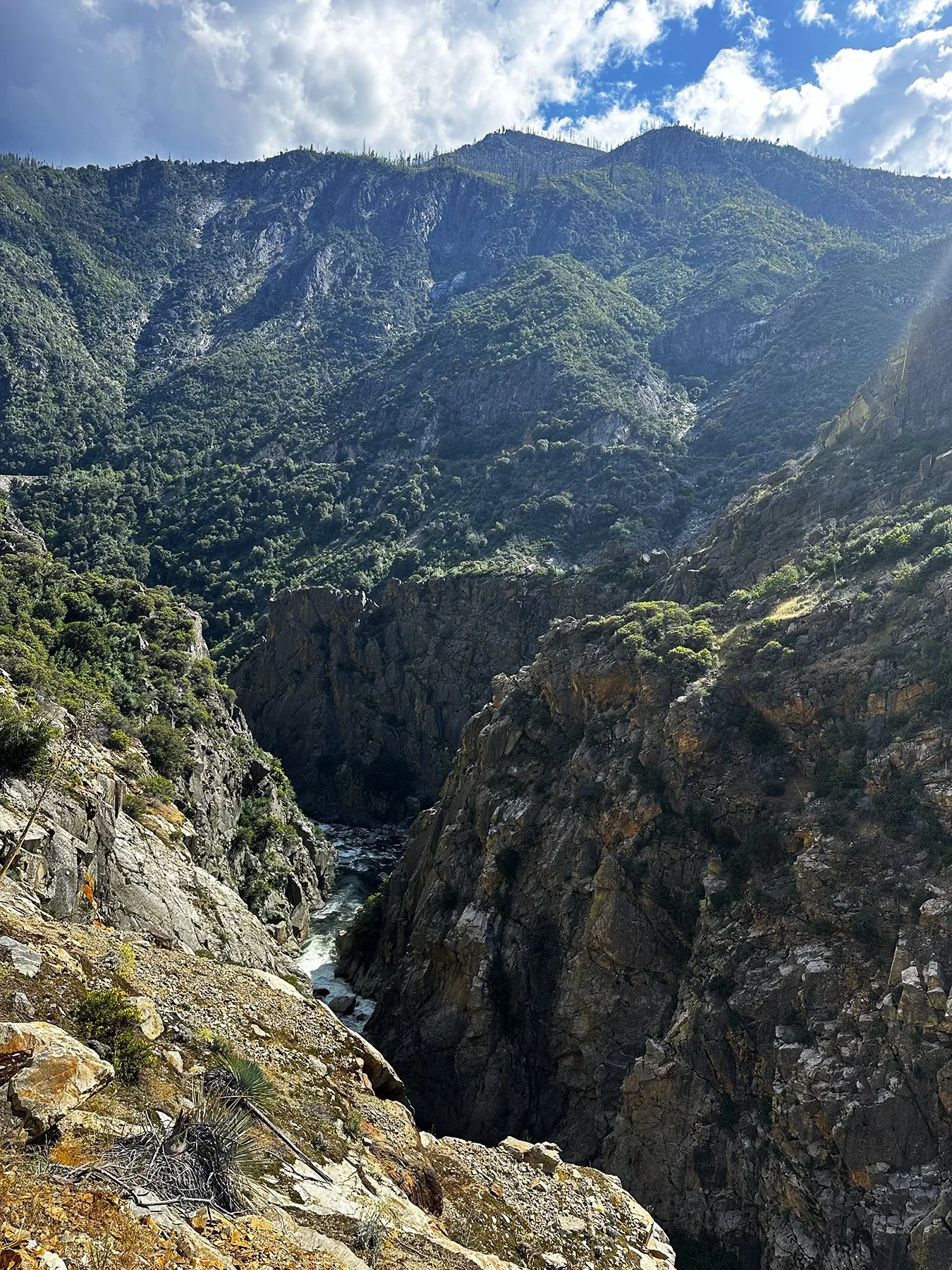
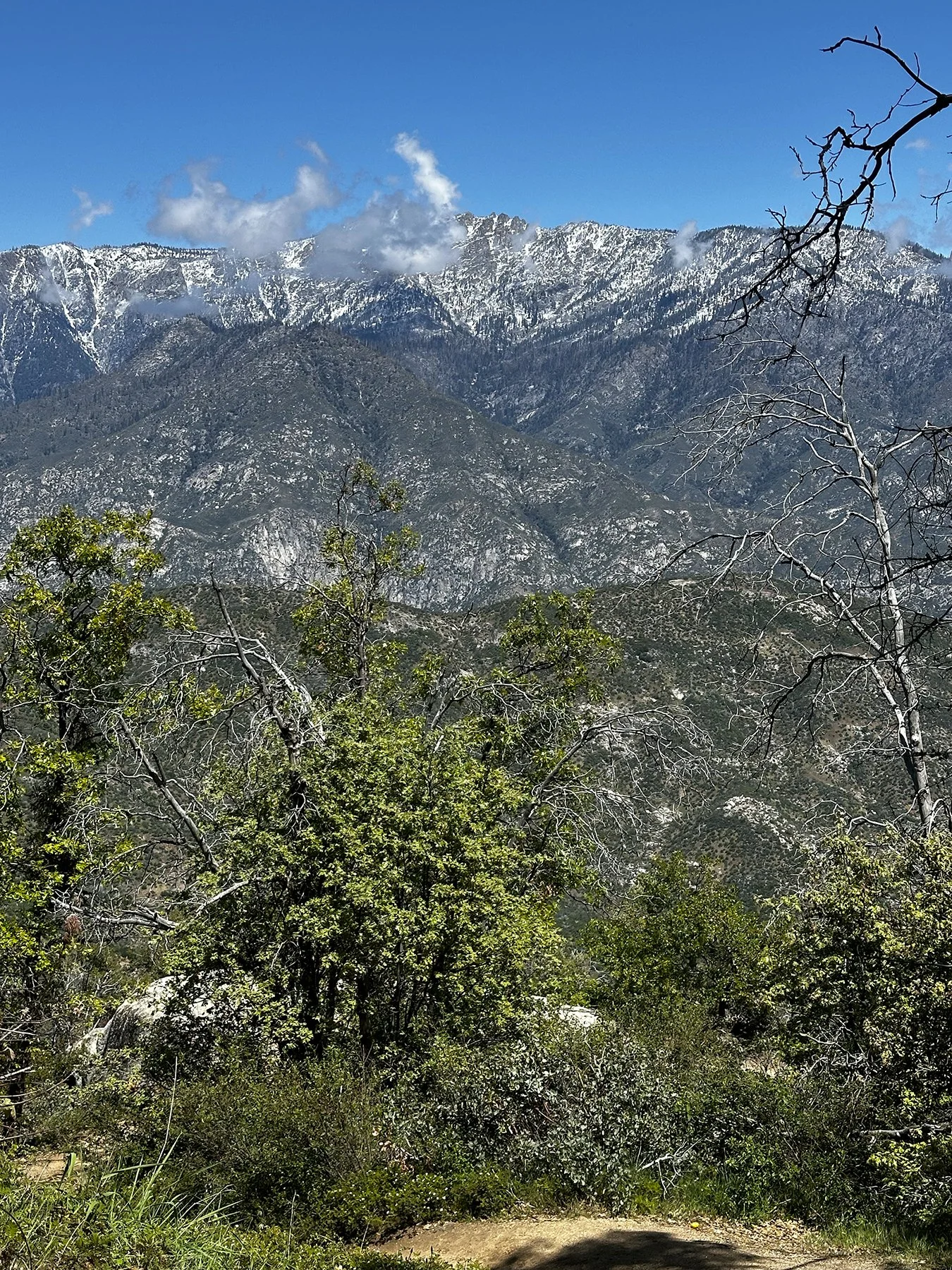
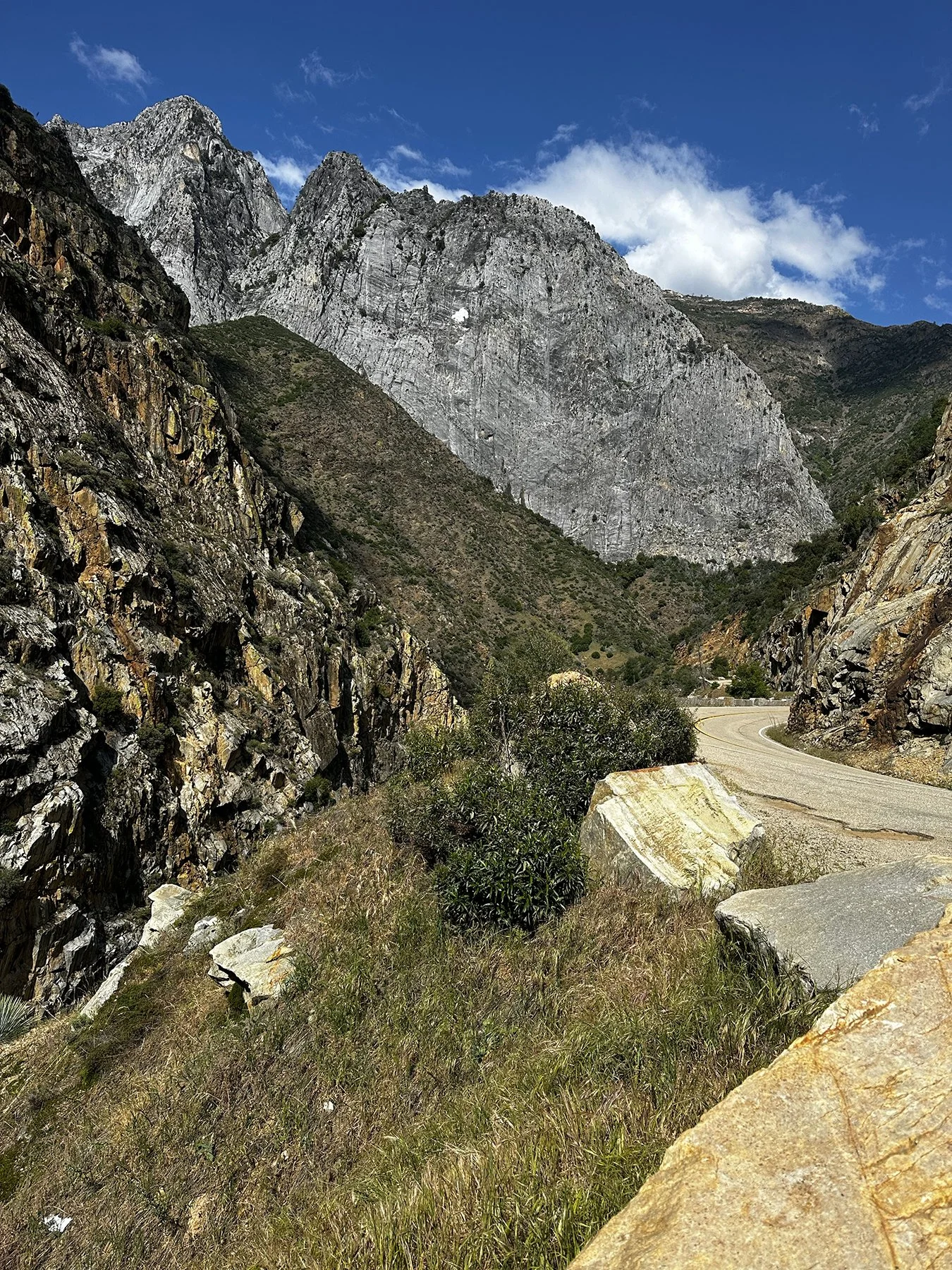
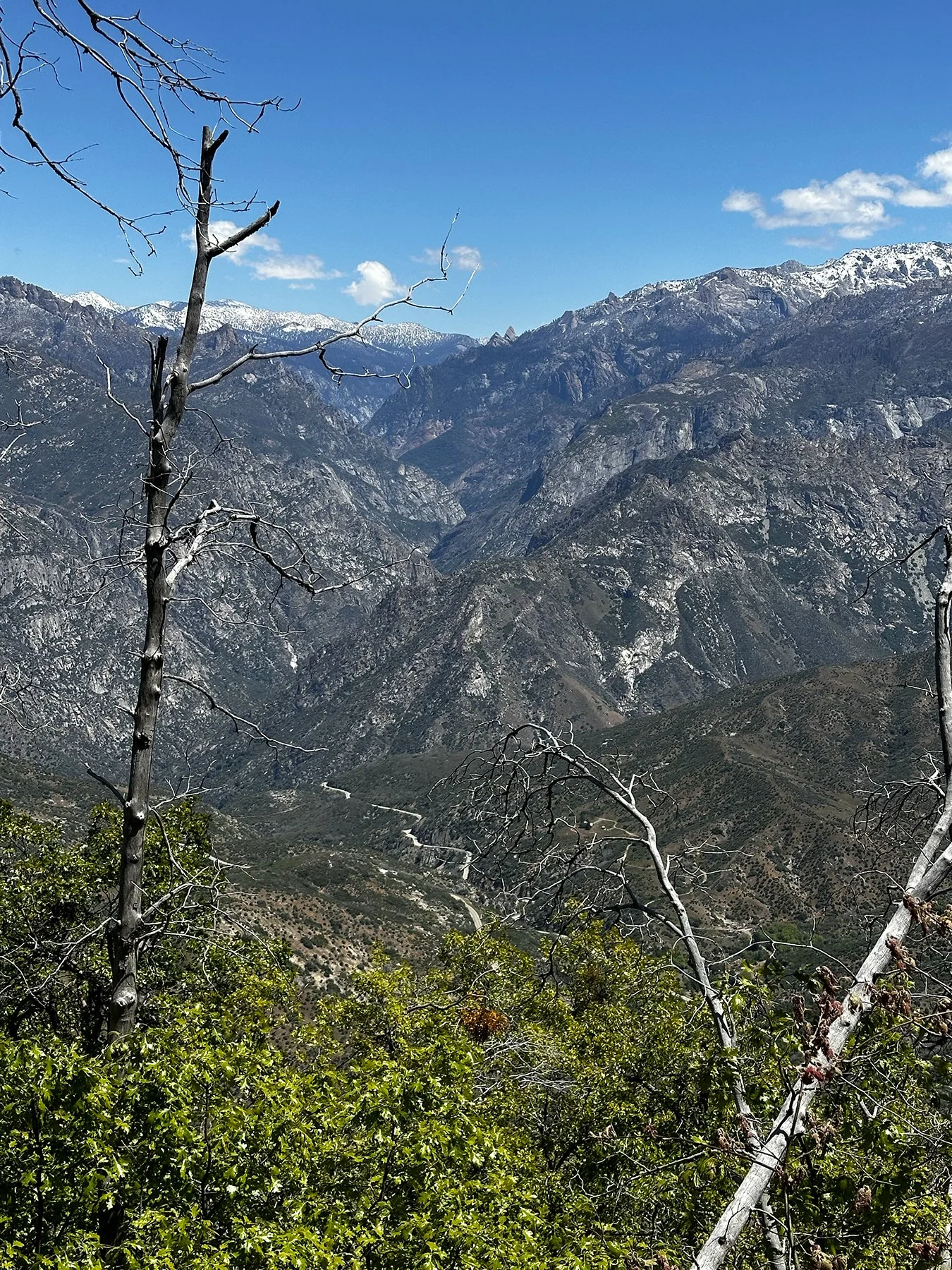
The far reaches of Kings Canyon NP were still calling, so after a few hours at the lake, we drove down to the canyon floor to an area called Cedar Grove. Y’all, I thought the Grand Canyon was amazing. But this drive down Kings Canyon? Oh my goodness. Driving between North Mountain (8658 ft) on our left with views of Sentinel Dome (9108 ft) and Avalanche Peak (10,056 ft) on our right, it’s a miracle I didn’t drive right off the road. So much to gawk at! We stumbled on Grizzly Falls – an 80-foot waterfall. Just stupendous!
Day 3: Keeping it Local
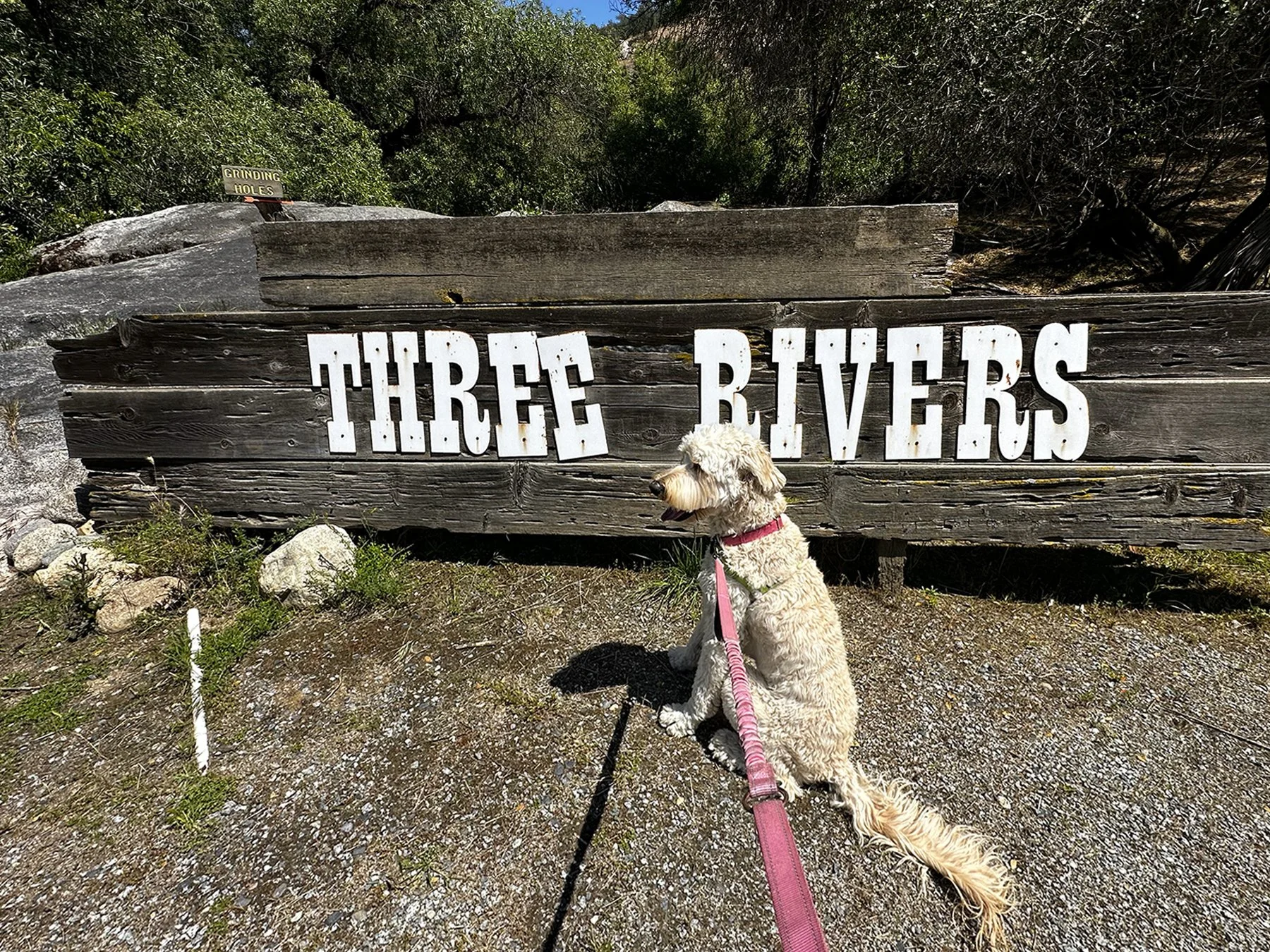
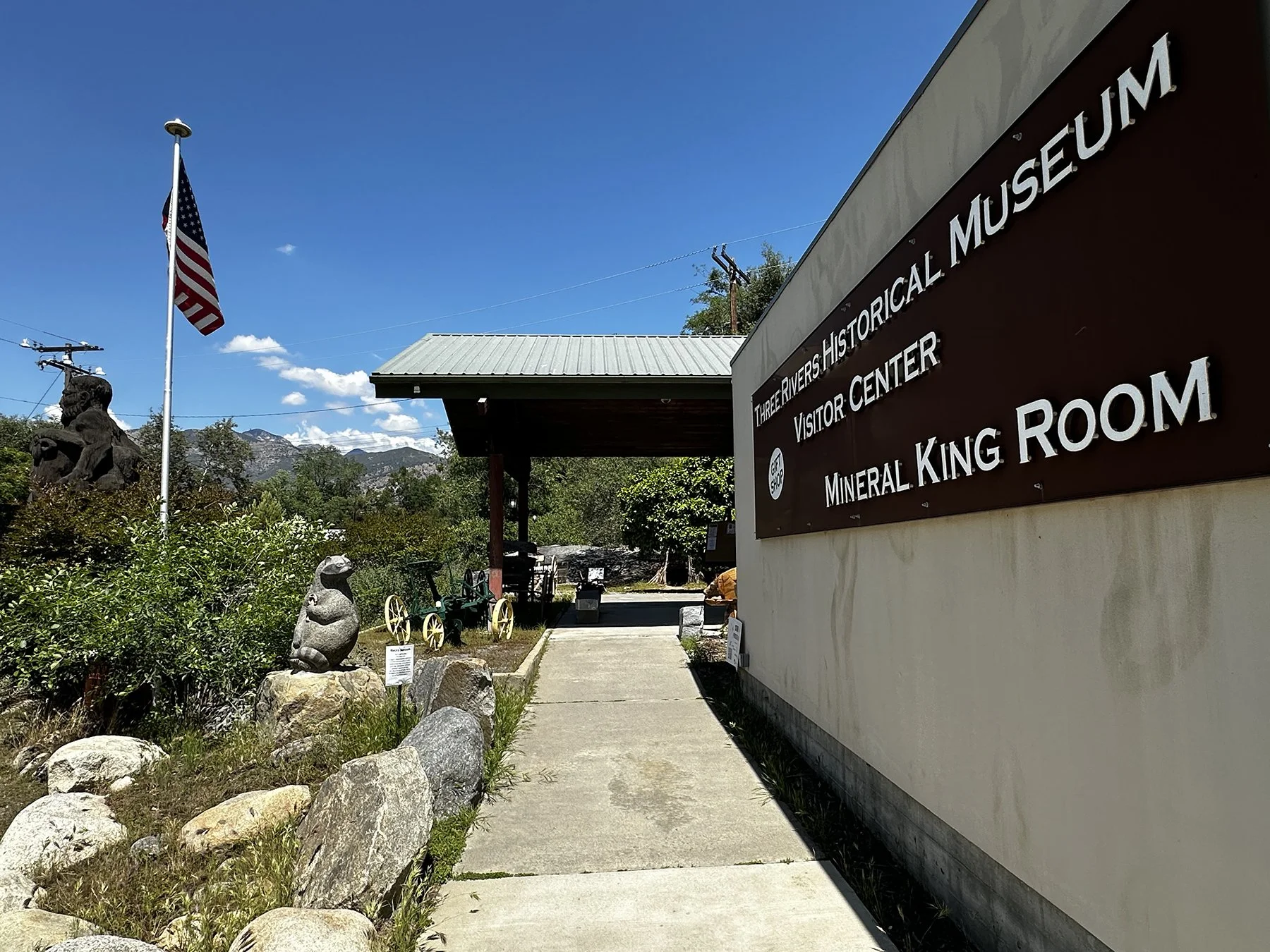
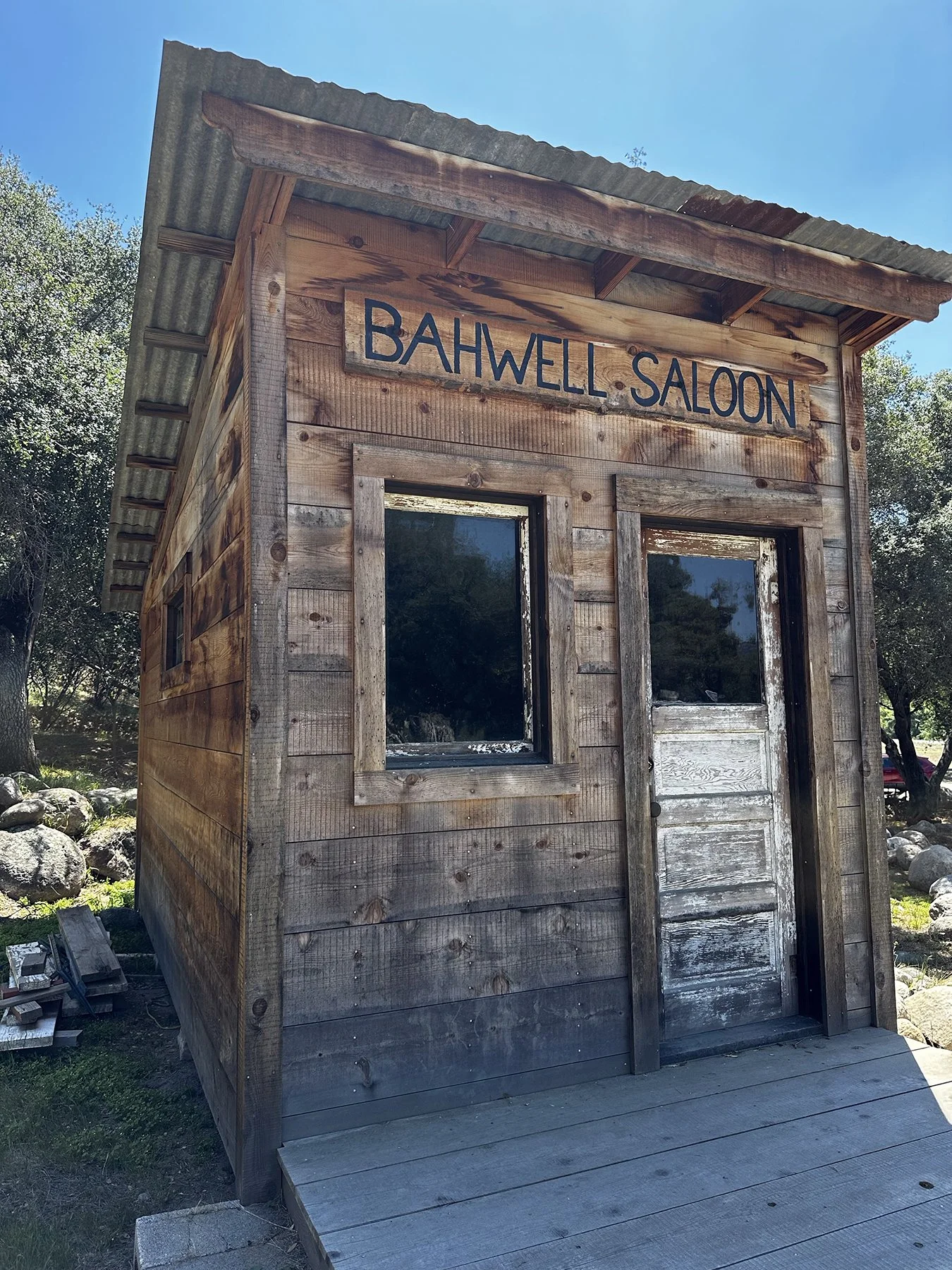
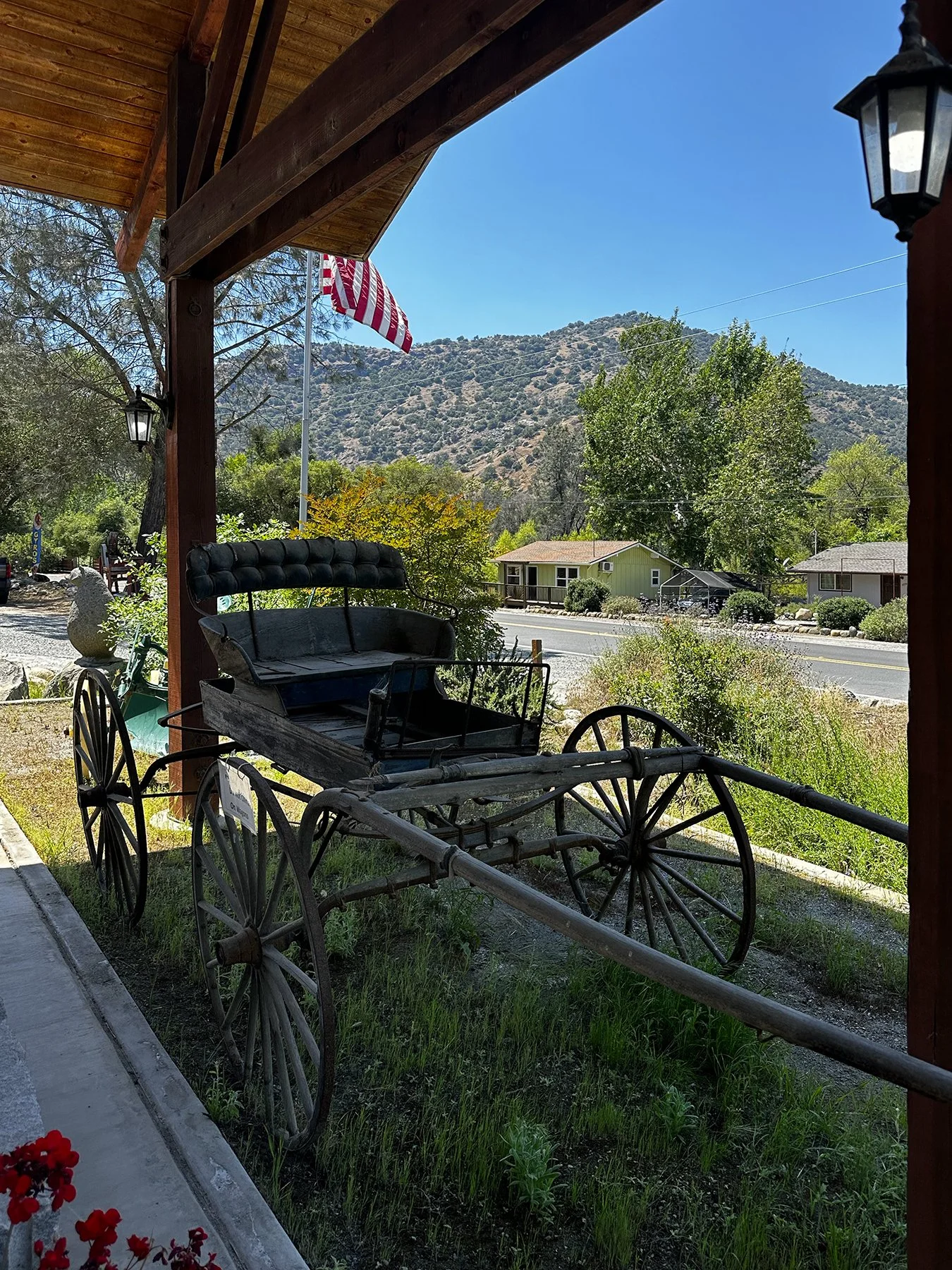
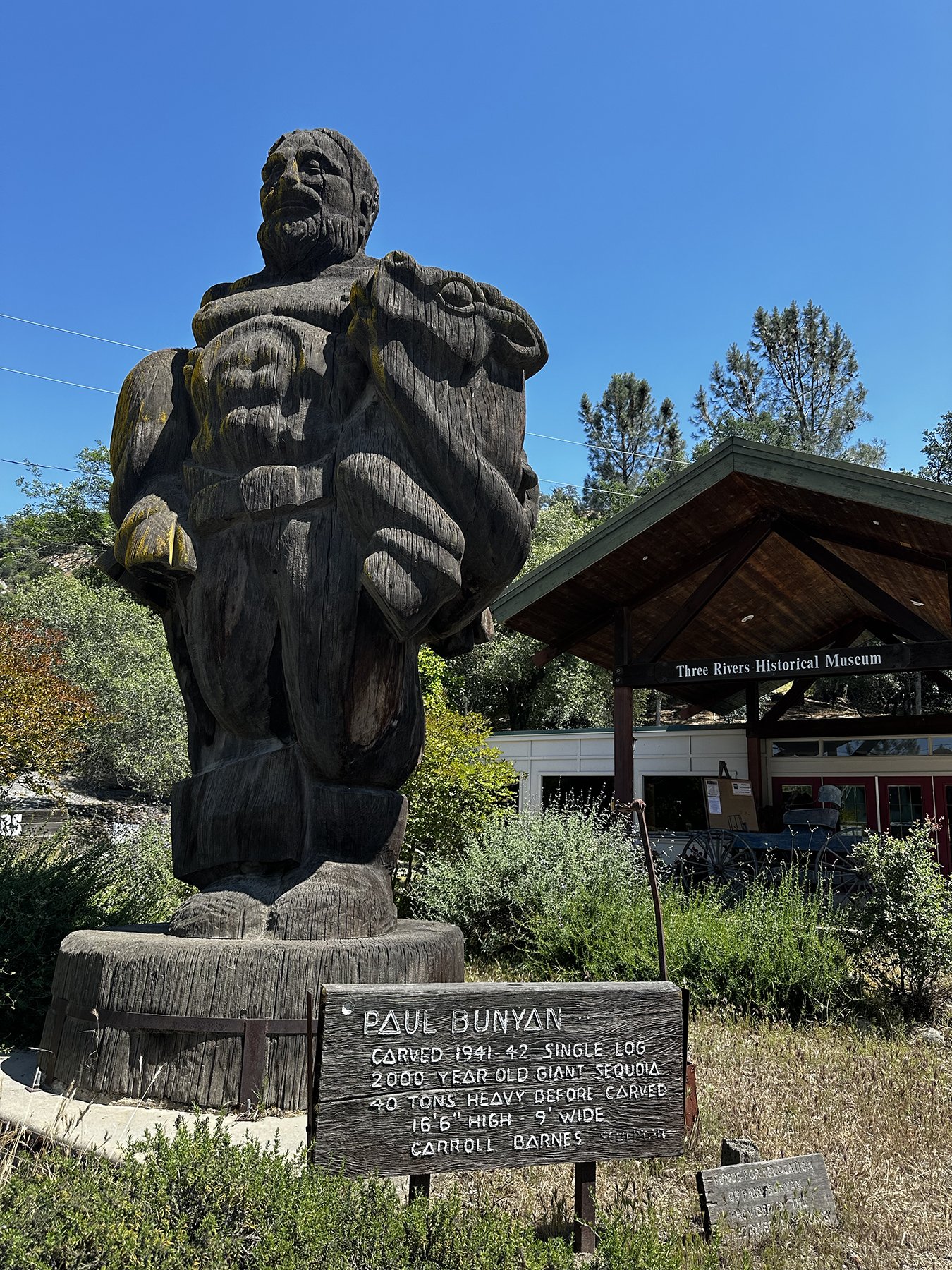
Not gonna lie, we were beat. After two long but amazing days in the national parks, and driving more than our fair share of mountain roads, it was time for a little down time. Our RV park was in a little town called Three Rivers. There were several horse farms in the area, one of which bordered the dog park, and we enjoyed walking around. But then I saw the MOST unexpected wildlife: turkeys! I’m serious, we saw a number of wild turkeys in several different areas around there. Go figure!
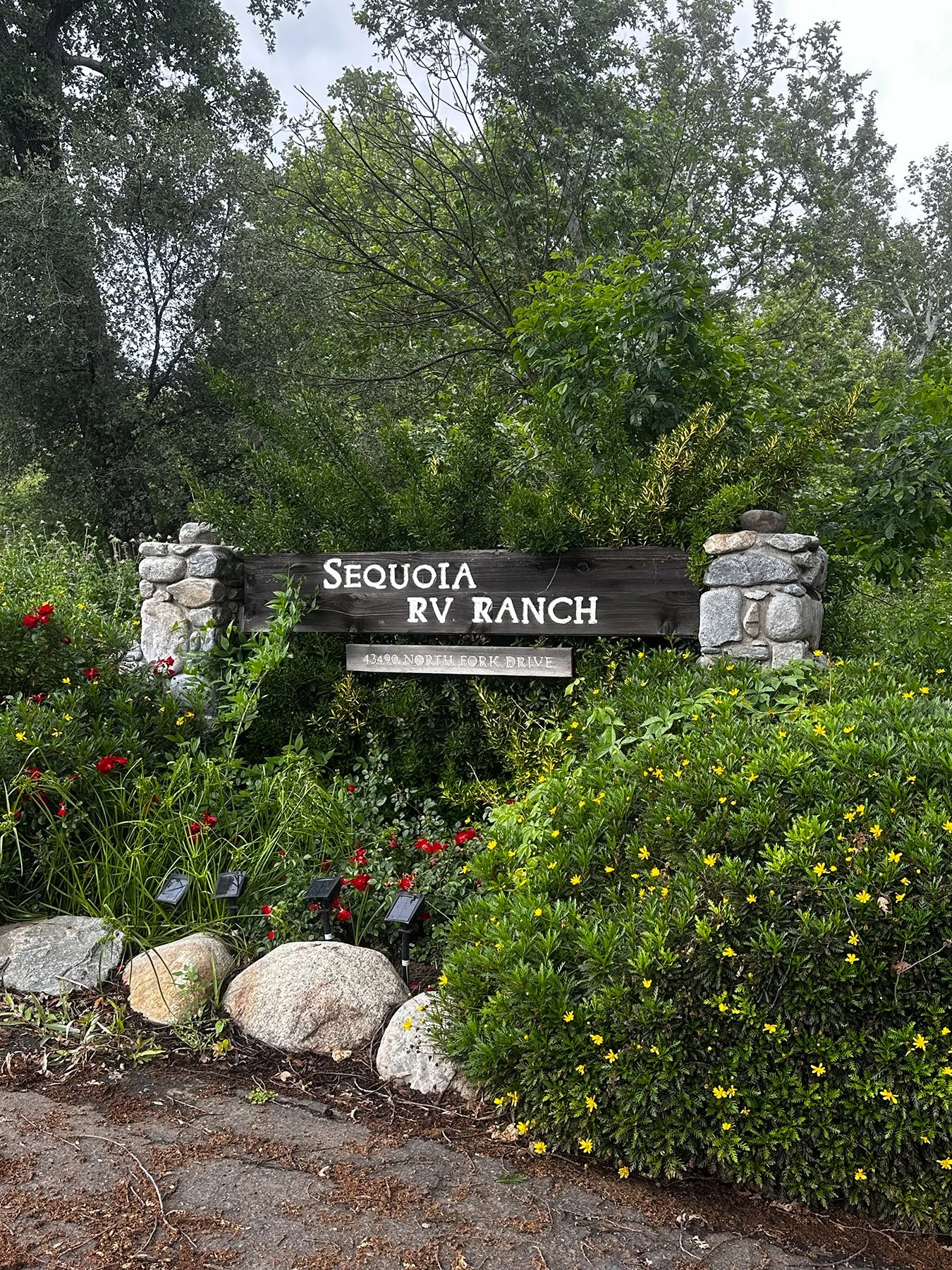
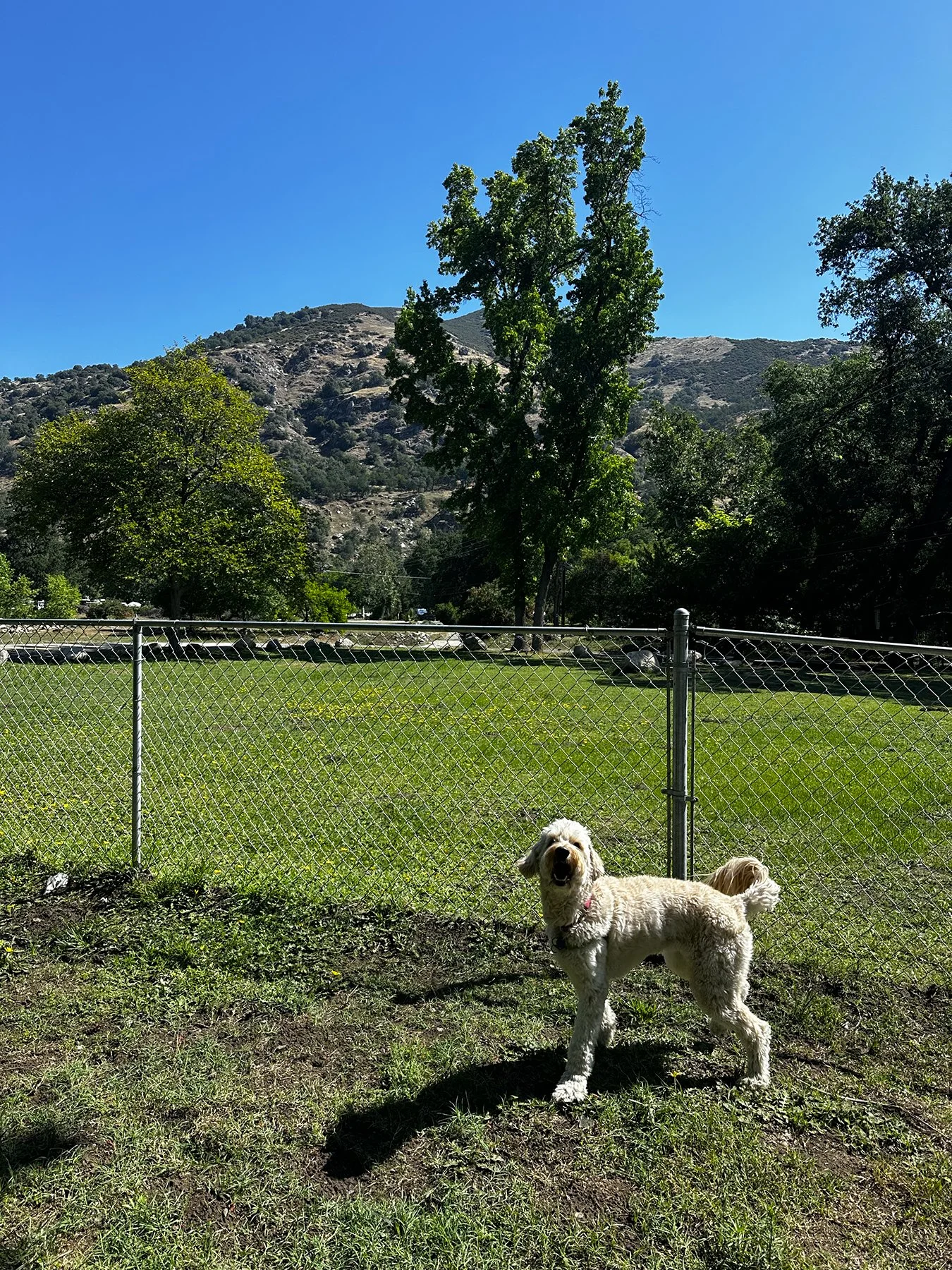
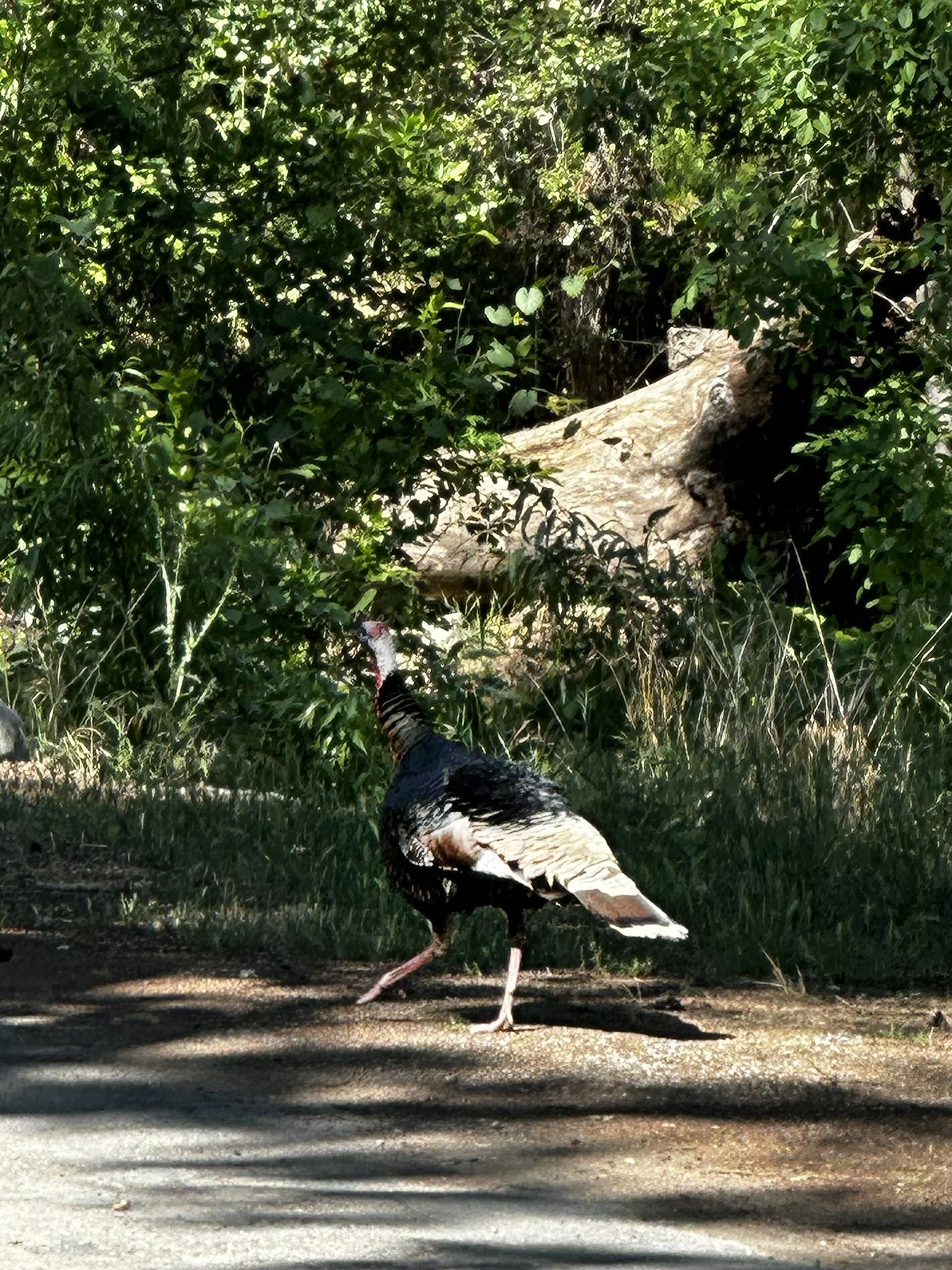
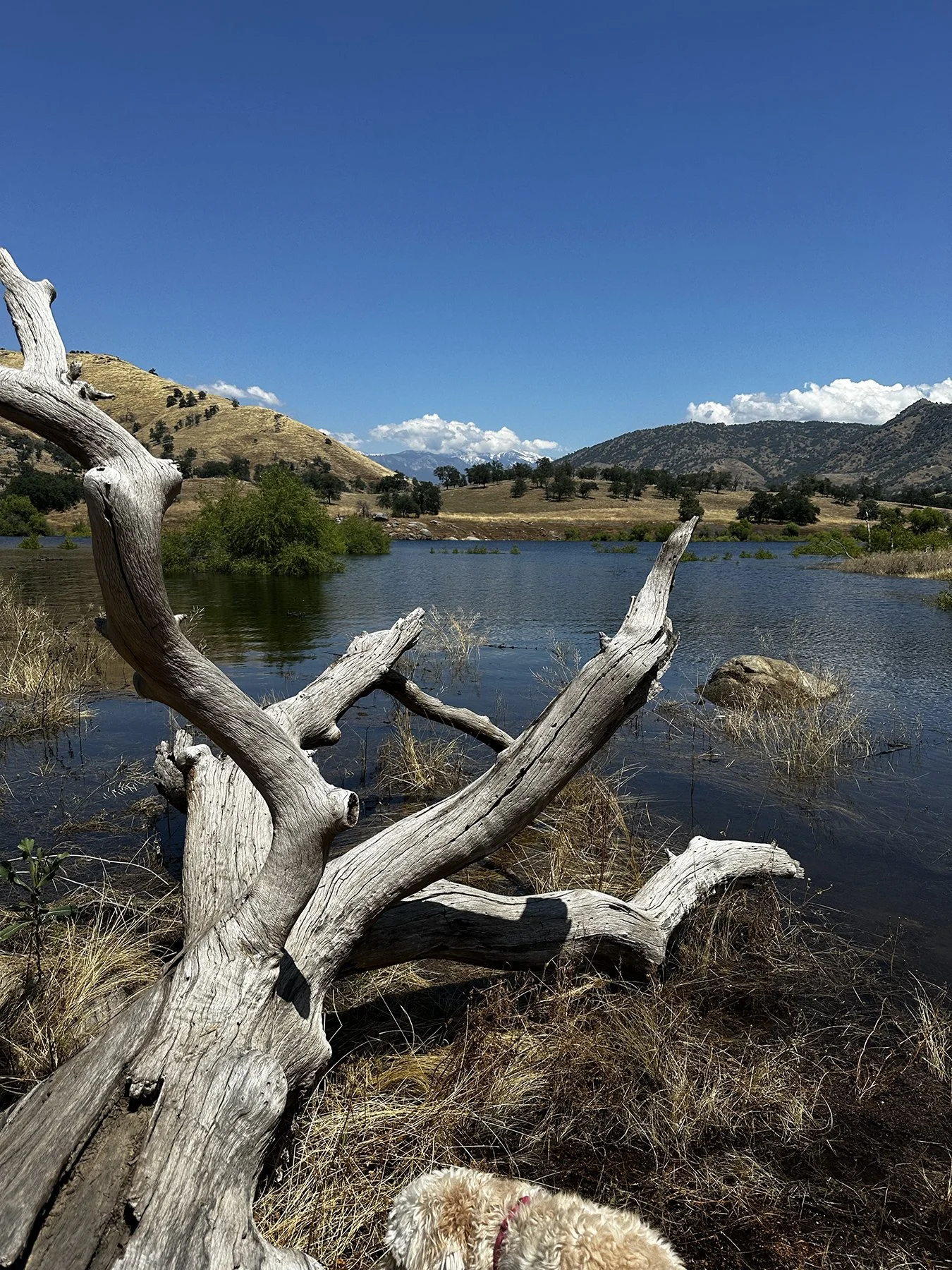
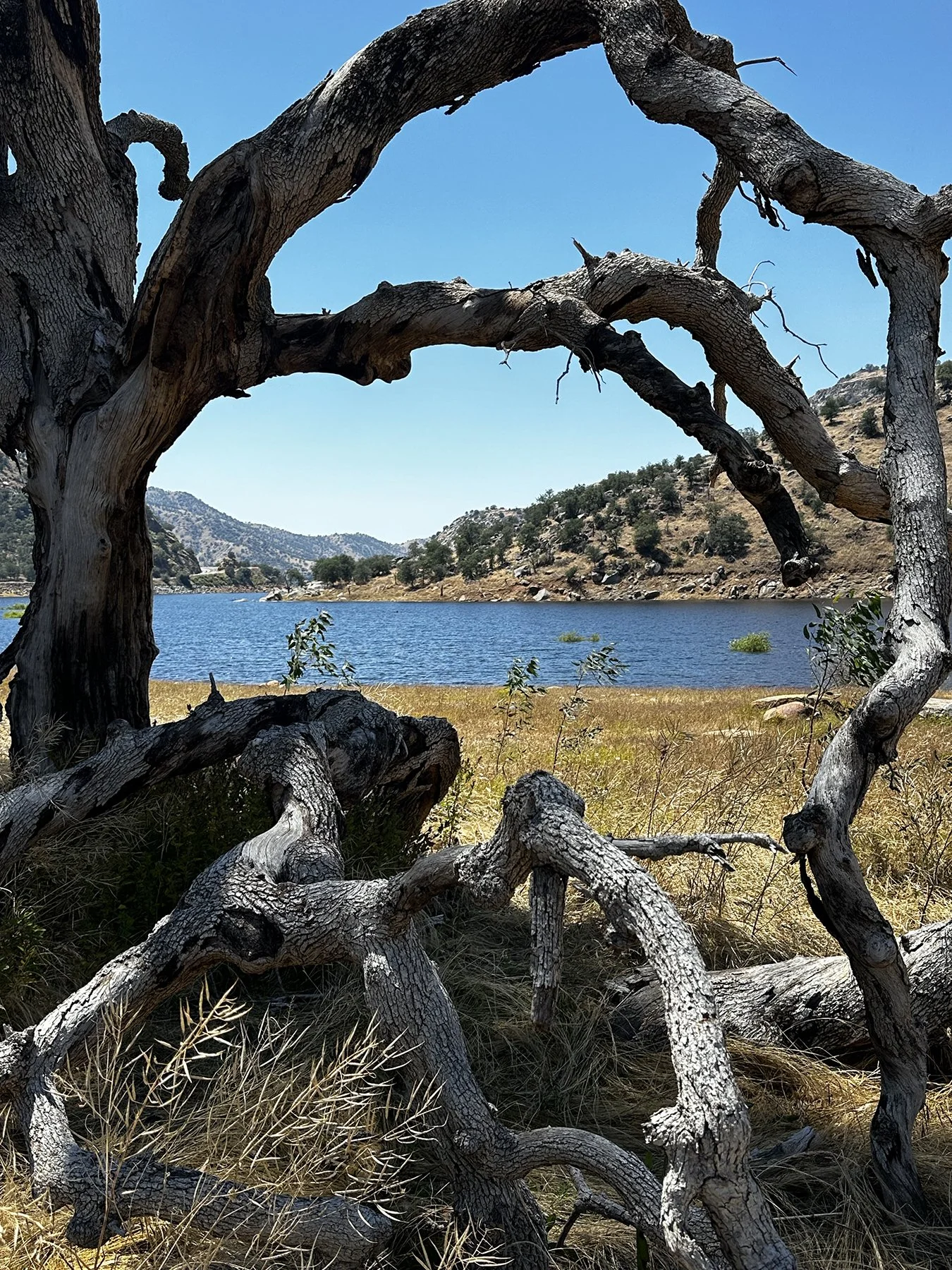
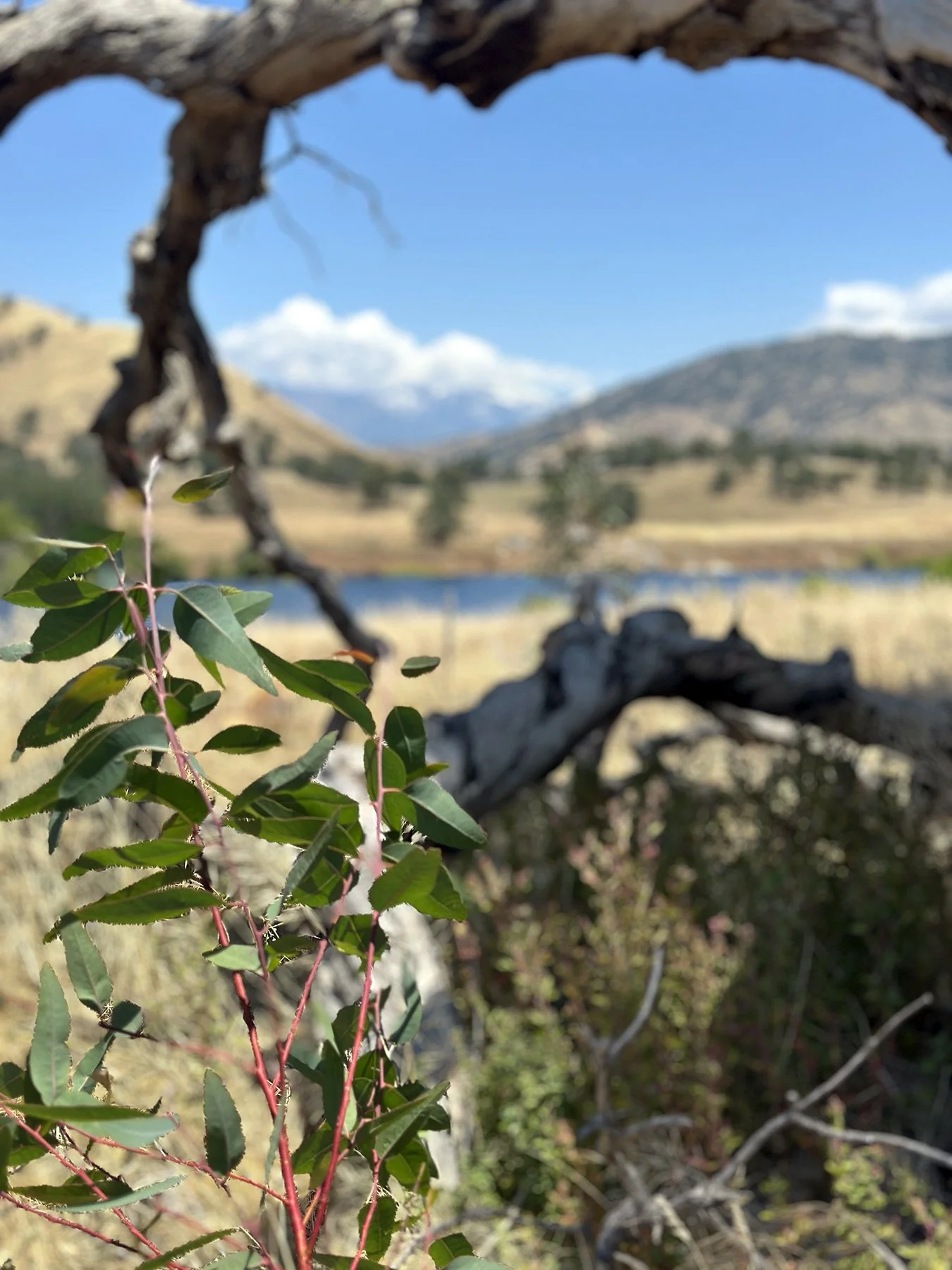
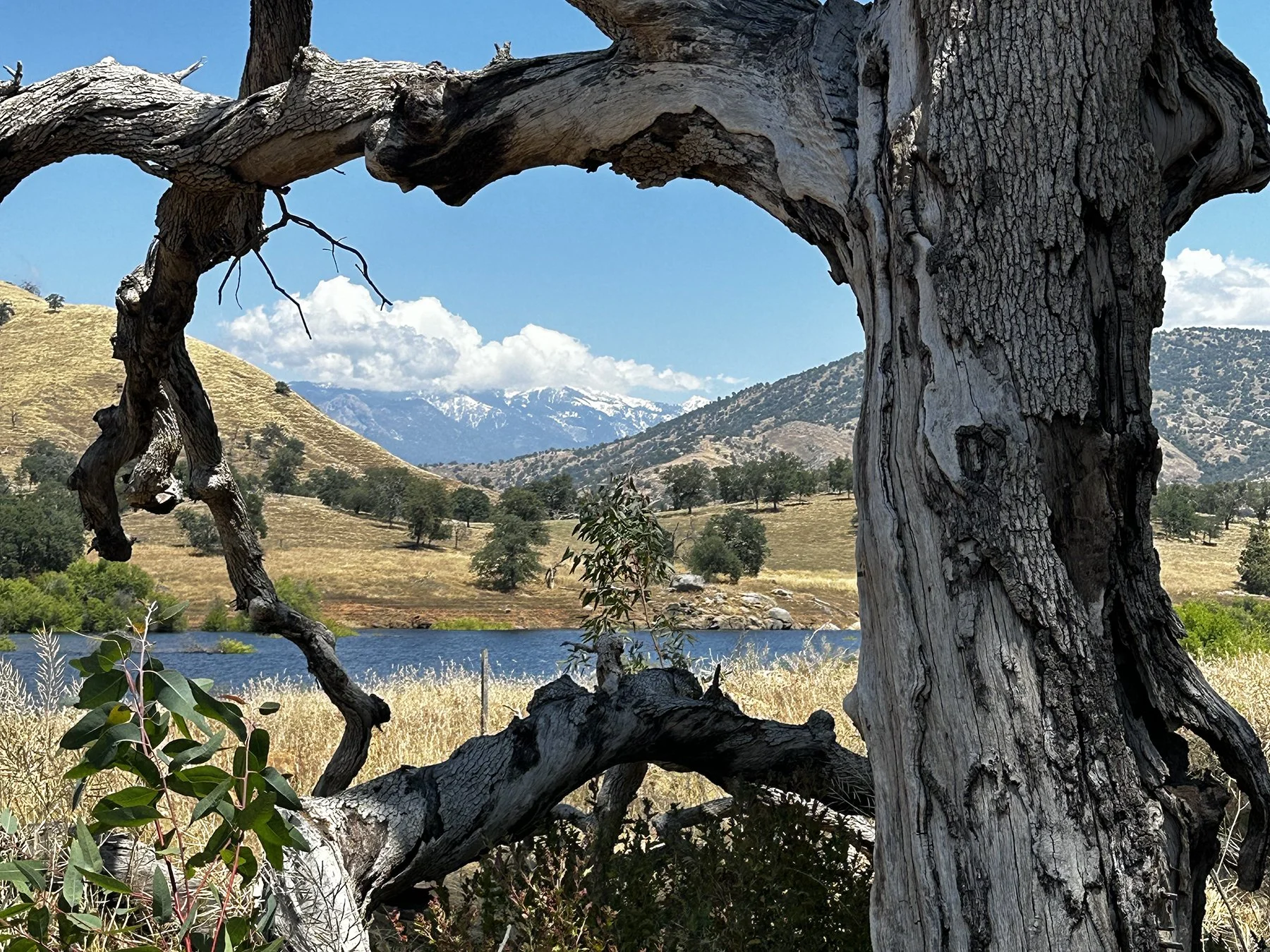
With still-tired legs, I decided to drive to Lake Kaweah Recreation Area for a look around. We ended up hiking around much of the lake (of course)—it was very relaxing—then walked the length of the town to check out the local culture.
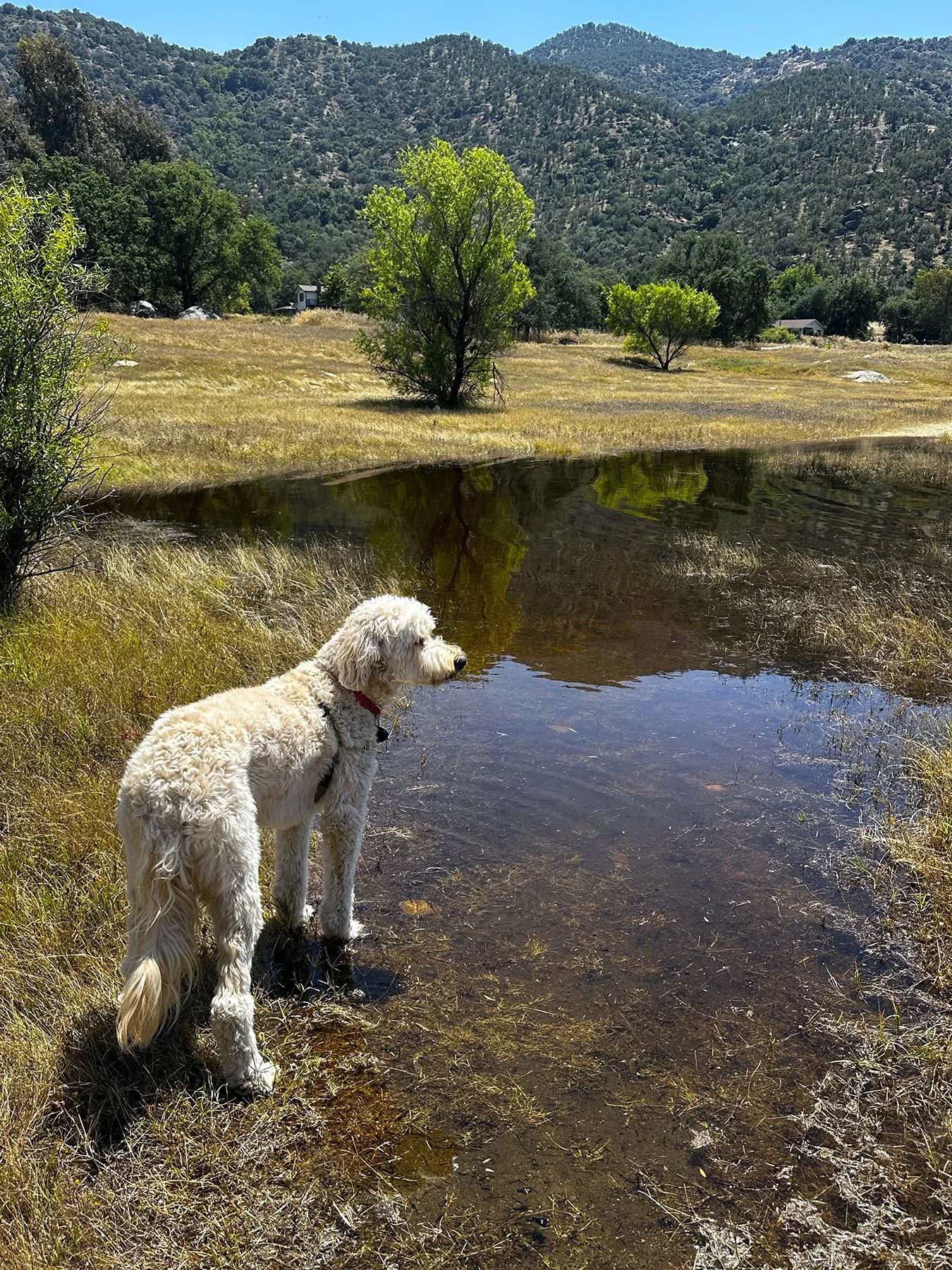
Day 4: Back to Sequoia NP
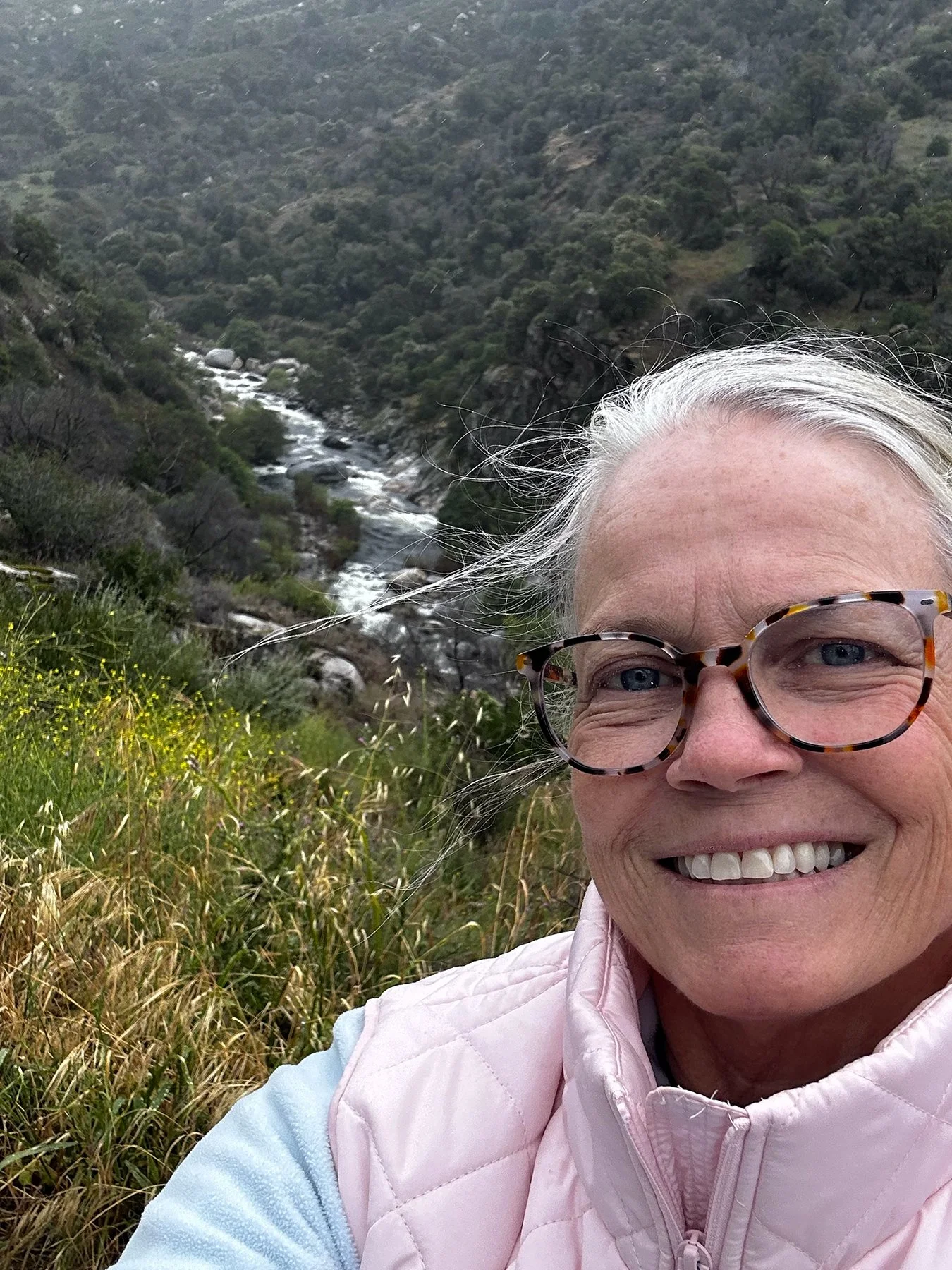
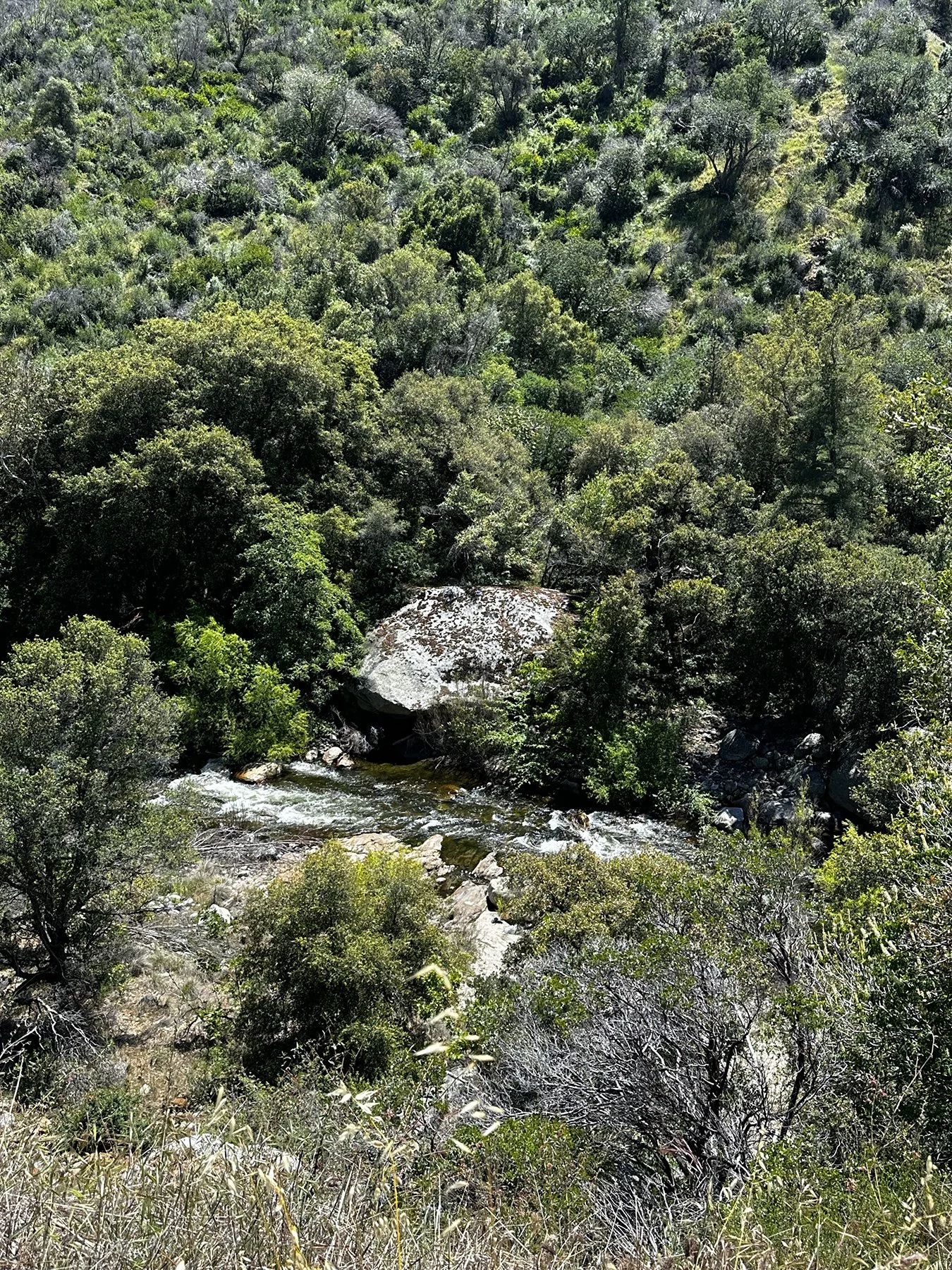
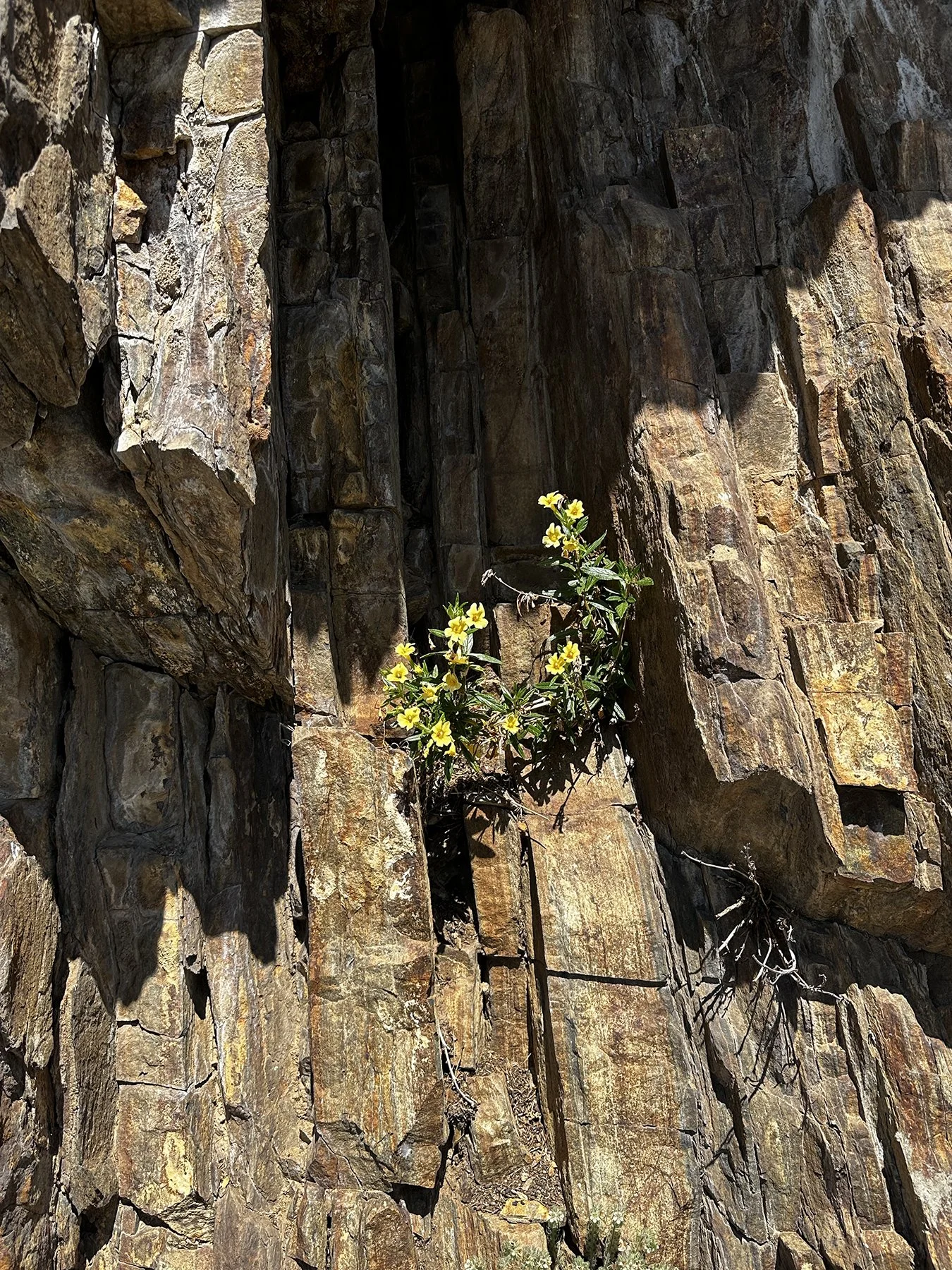
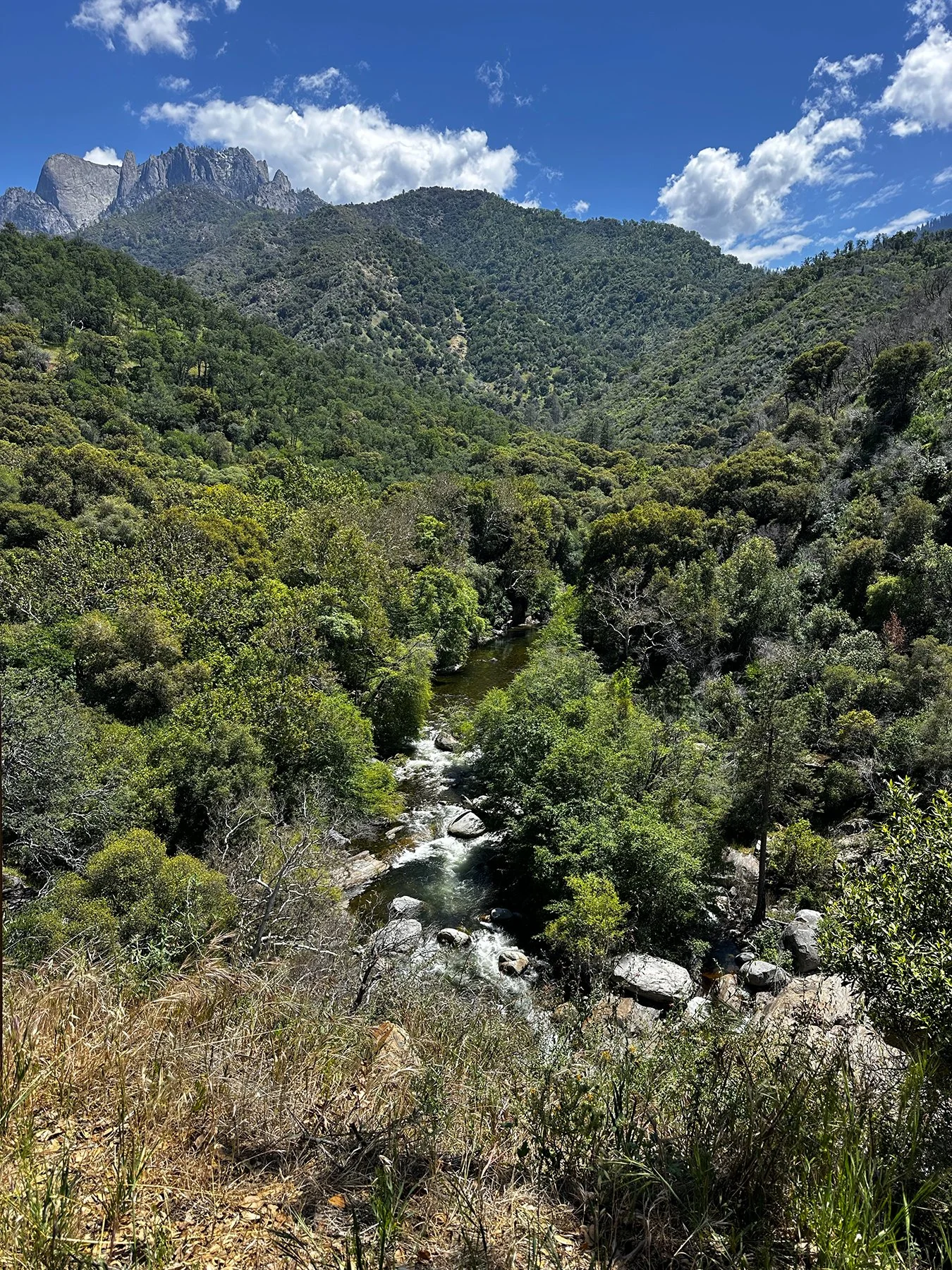
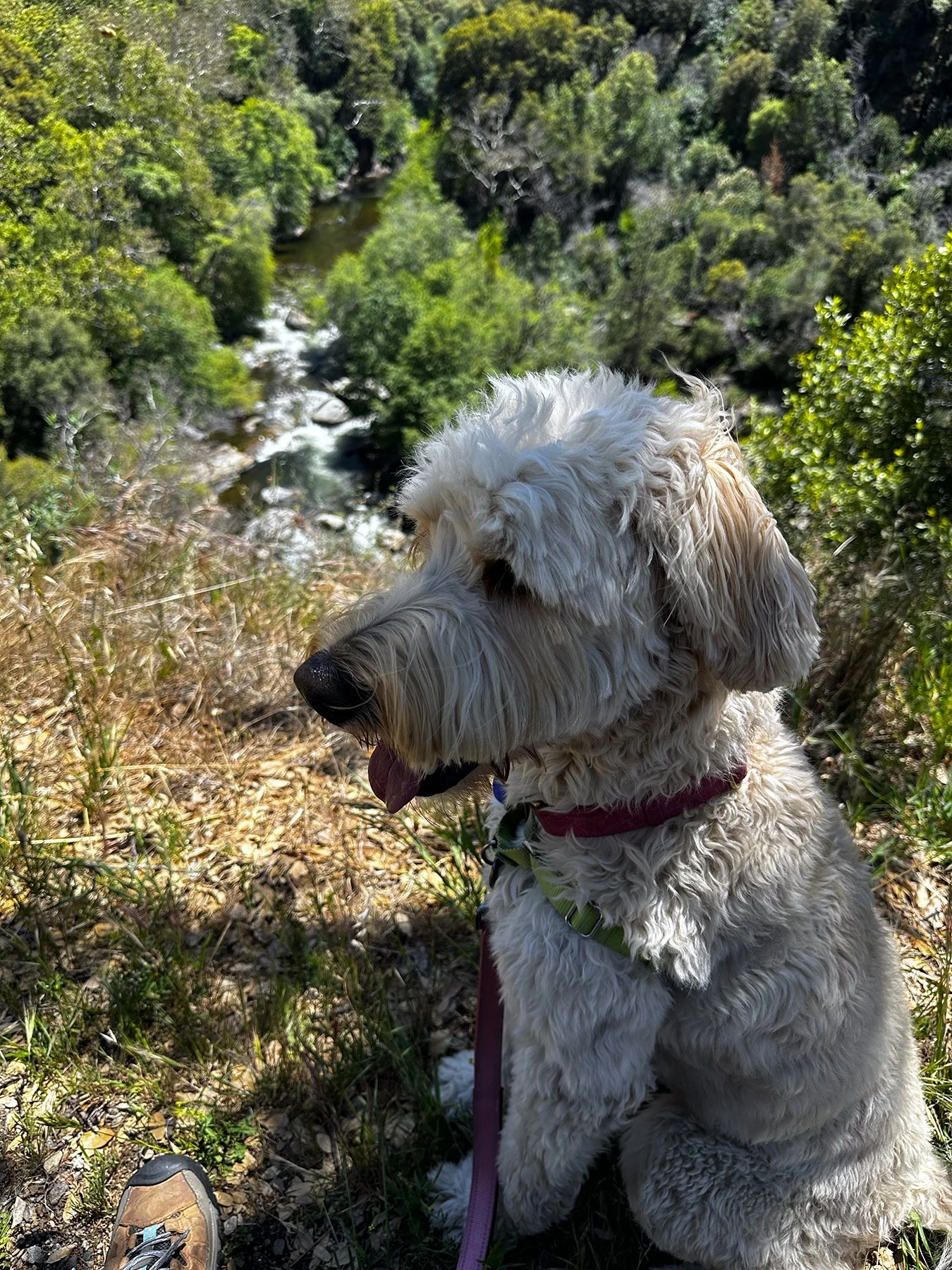
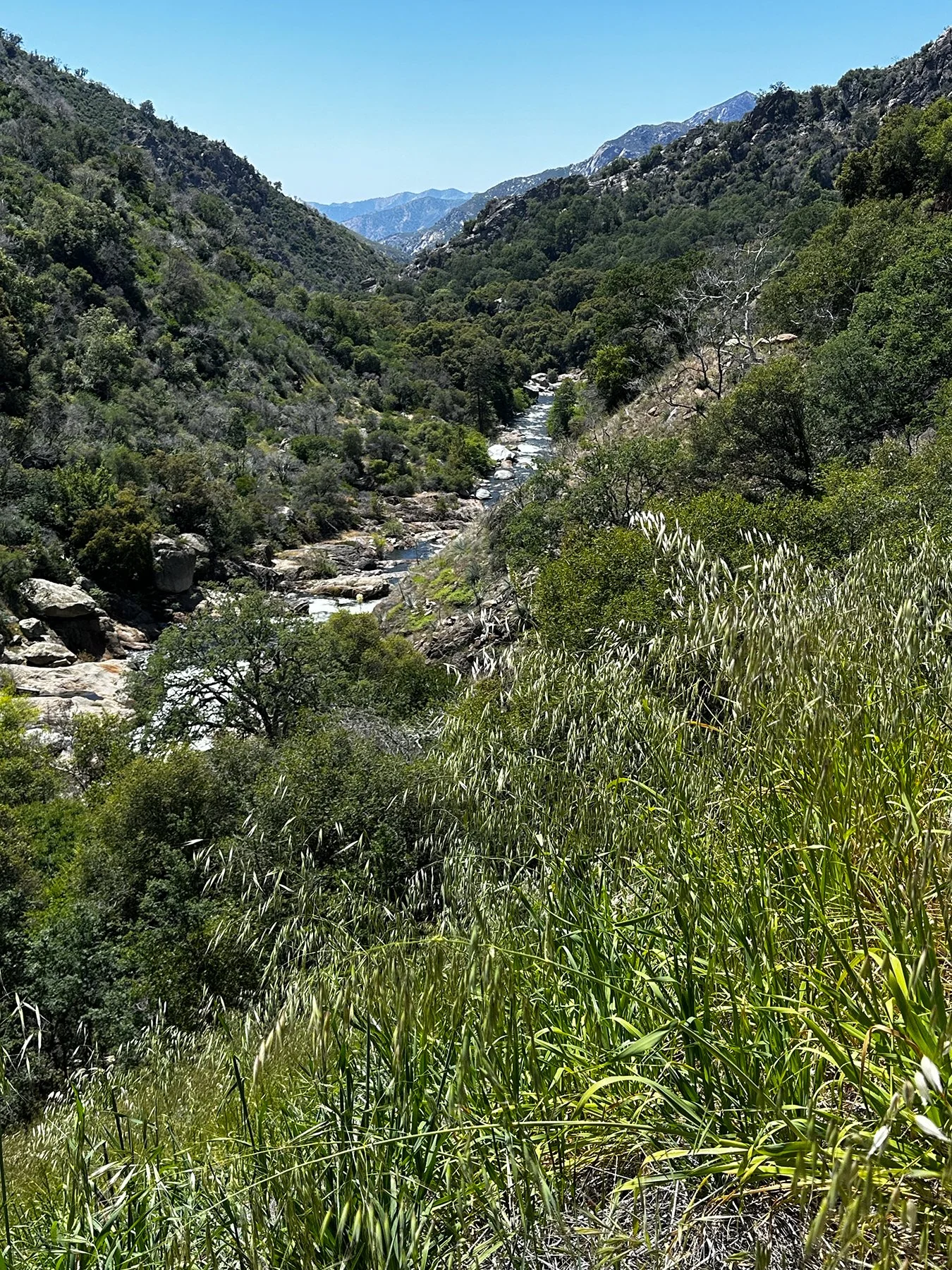
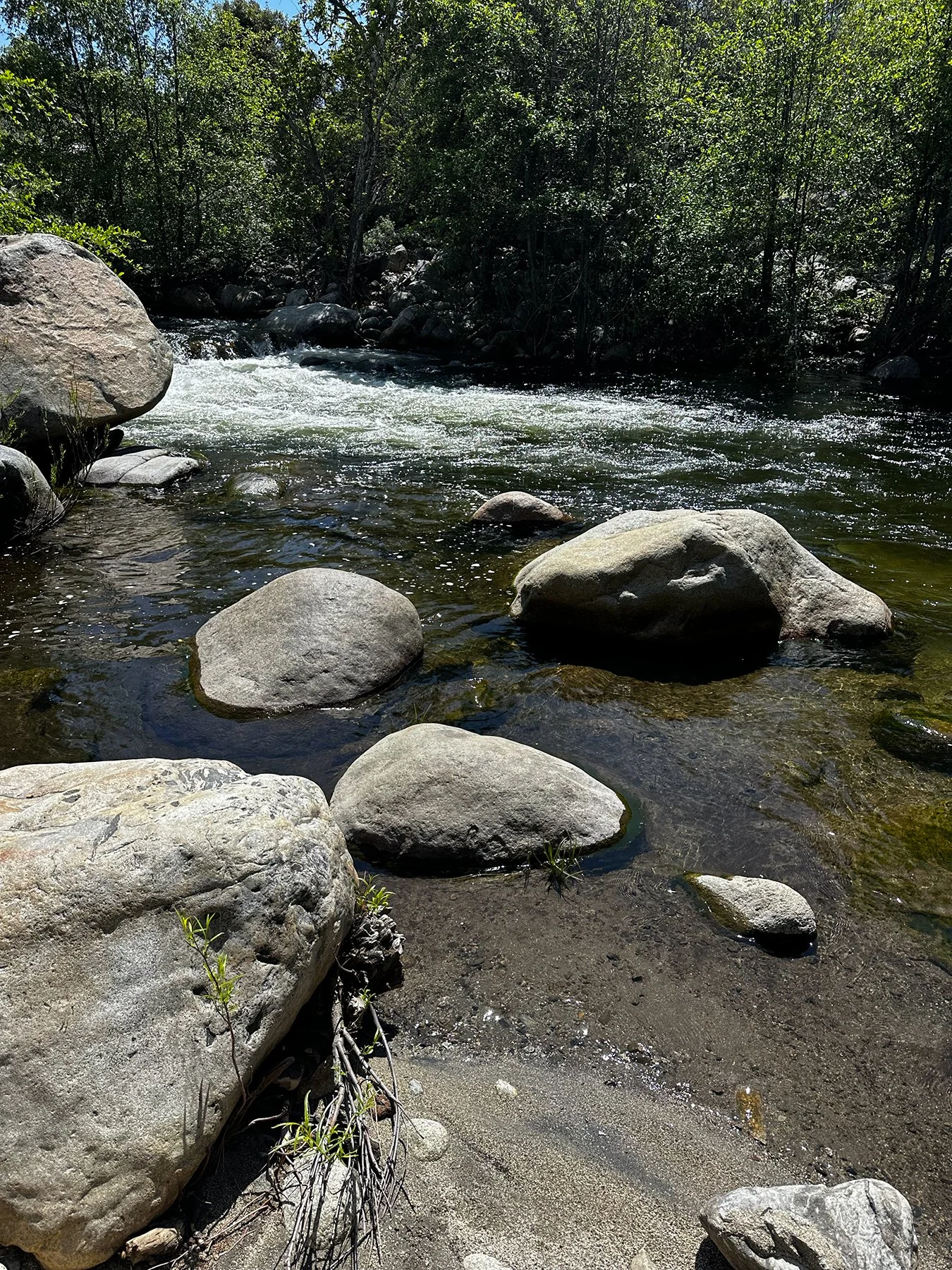
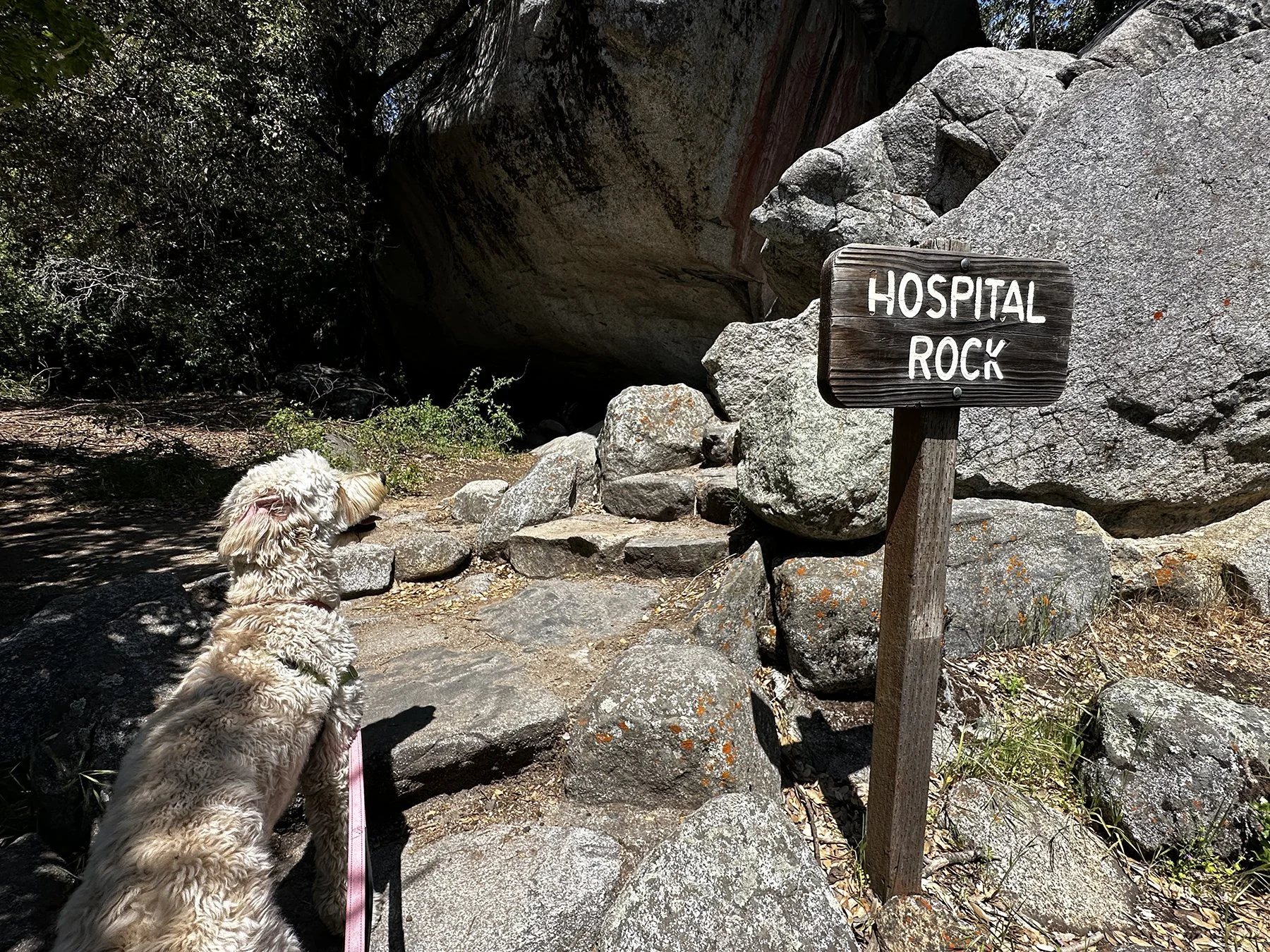
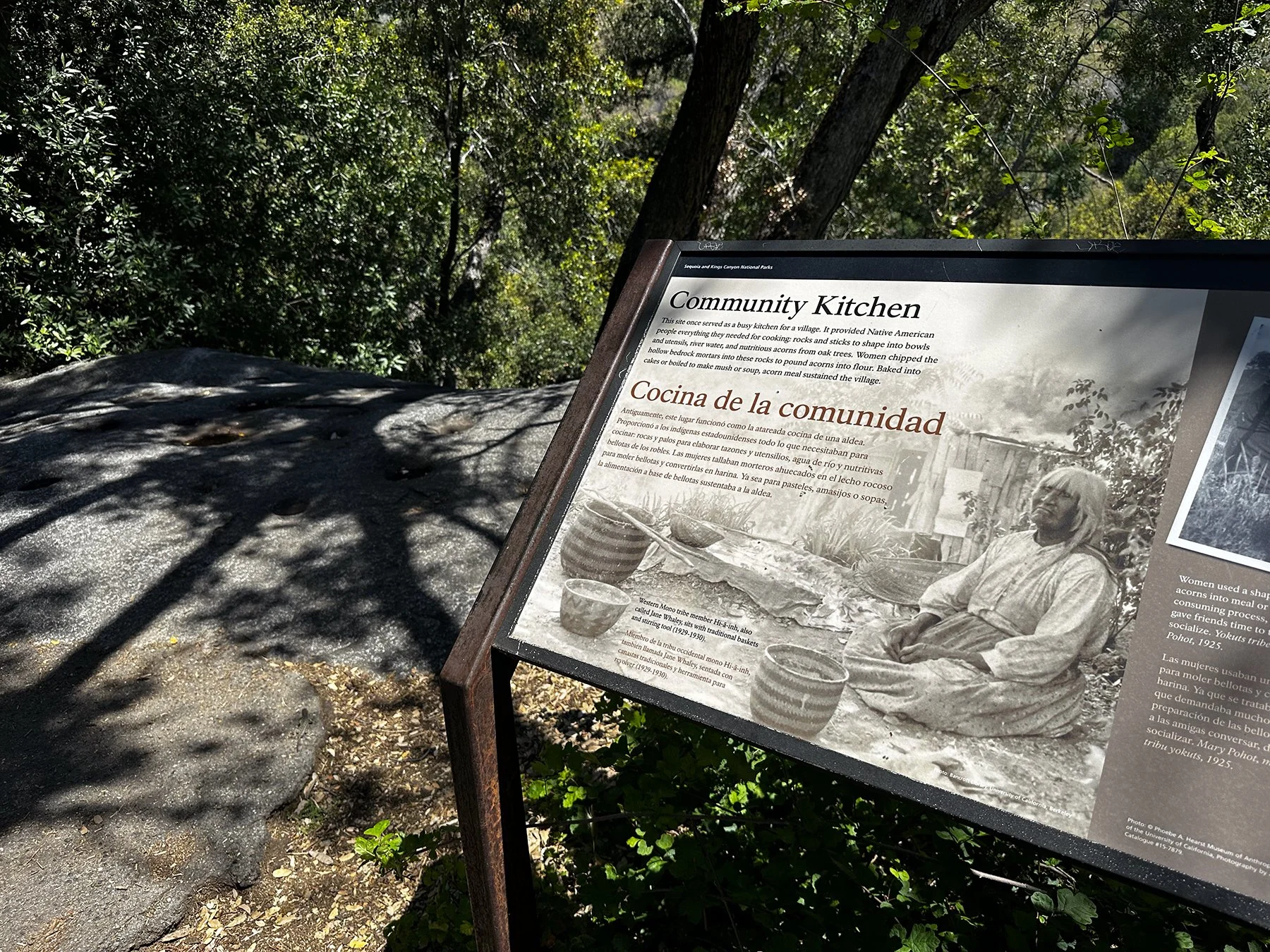
I just couldn’t help heading back to the park one more time! While this wasn’t necessarily going to be an epic NP day, we sure enjoyed a slower pace, a less-ambitious itinerary and the freedom of just winging it. We discovered another closed road not too far from the closest entrance to us. Our path took us along the Middle Fork Kaweah River, with beautiful cliffs on one side and cold blue water flowing over boulders on the other. What a treasure! We stopped by Hospital Rock, a large quartzite rock that is a sacred site for local California Indian tribes whose ancestors lived and died there. Archaeological evidence shows settlement as early as 1350, and bedrock mortar sites and pictographs remain. Hospital Rock is on the U.S. National Register of Historic Places.
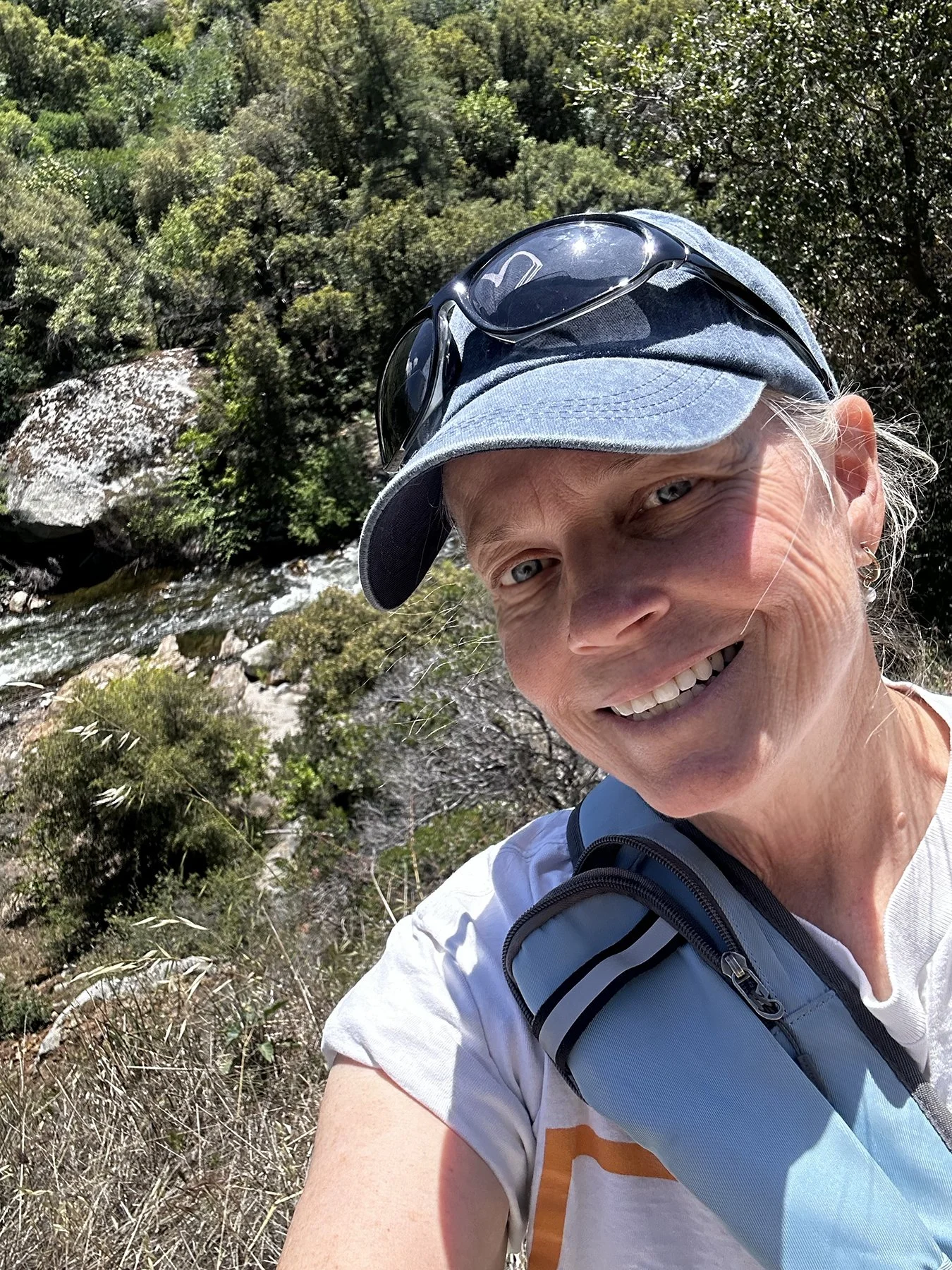
All in all, I am incredibly grateful for this opportunity to explore these amazing parks. As I’ve said numerous times, I wouldn’t have chosen the path that led me here—the loss of my husband who was my best friend, becoming an empty nester, and fully retiring, all within 6 months. But I count my blessings every day and do my best to see the world through Michael’s eyes. Thanks for coming on this journey with me.