Did Someone say Coastal Redwoods? Yes, Please!
How lucky am I that I have the opportunity to explore so much of God’s great creation that I’ve never experienced before? Well, maybe not lucky. But blessed. Losing the love of my life was hard, y’all. Hard. No matter that it was a long, slow decline. One can never really be totally prepared. These RV trips were going to be OUR trips. Michael loved the outdoors. And though he is in a totally different type of paradise right now, I am doing my best to experience the outdoors the way he would if he were still here. Our own little paradise on earth. I don’t think God wants me to spend too much time in the depths of mourning; he wants me to continue living my life, bringing Michael with me in my heart and seeing everything through his eyes.
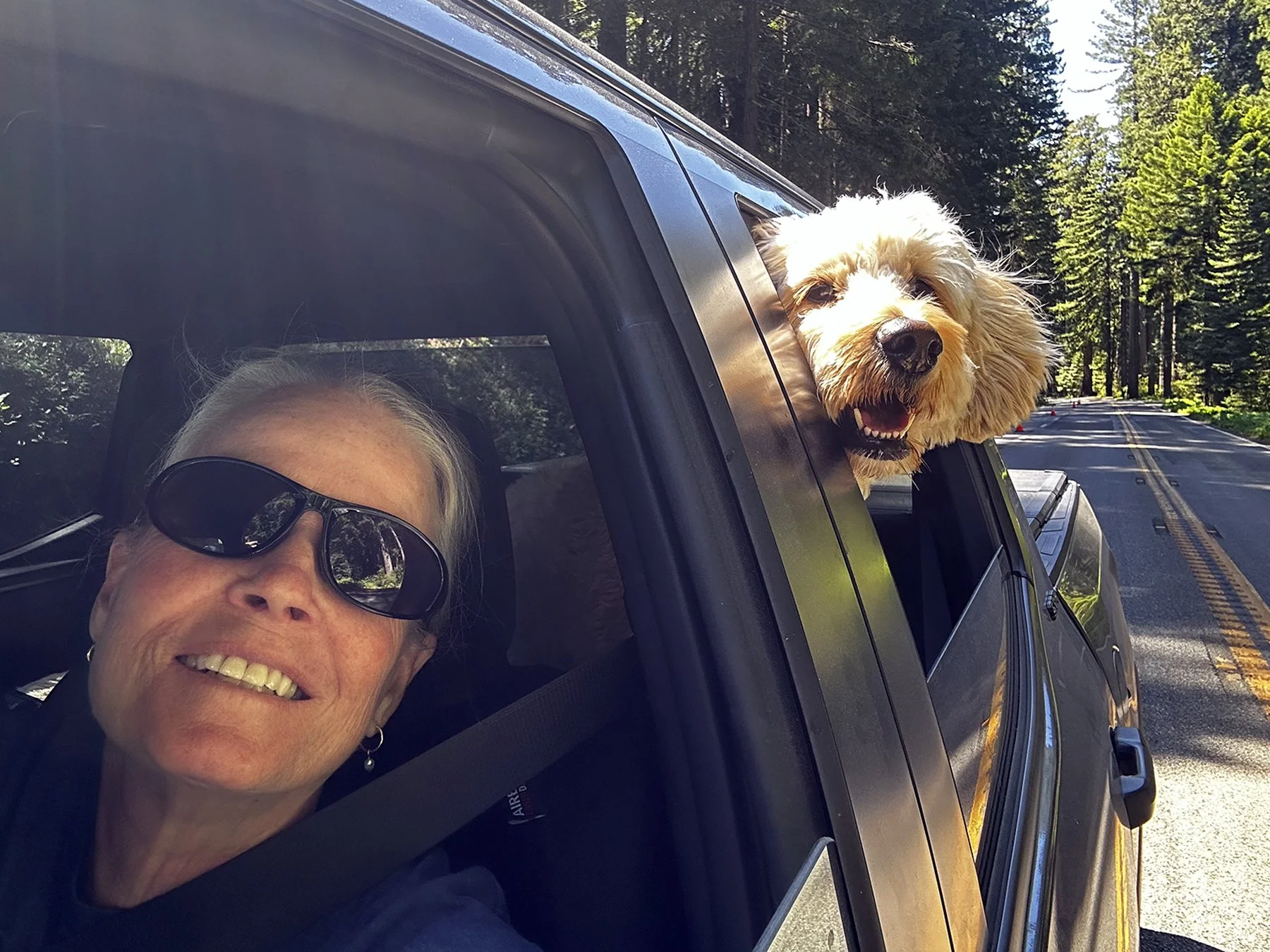
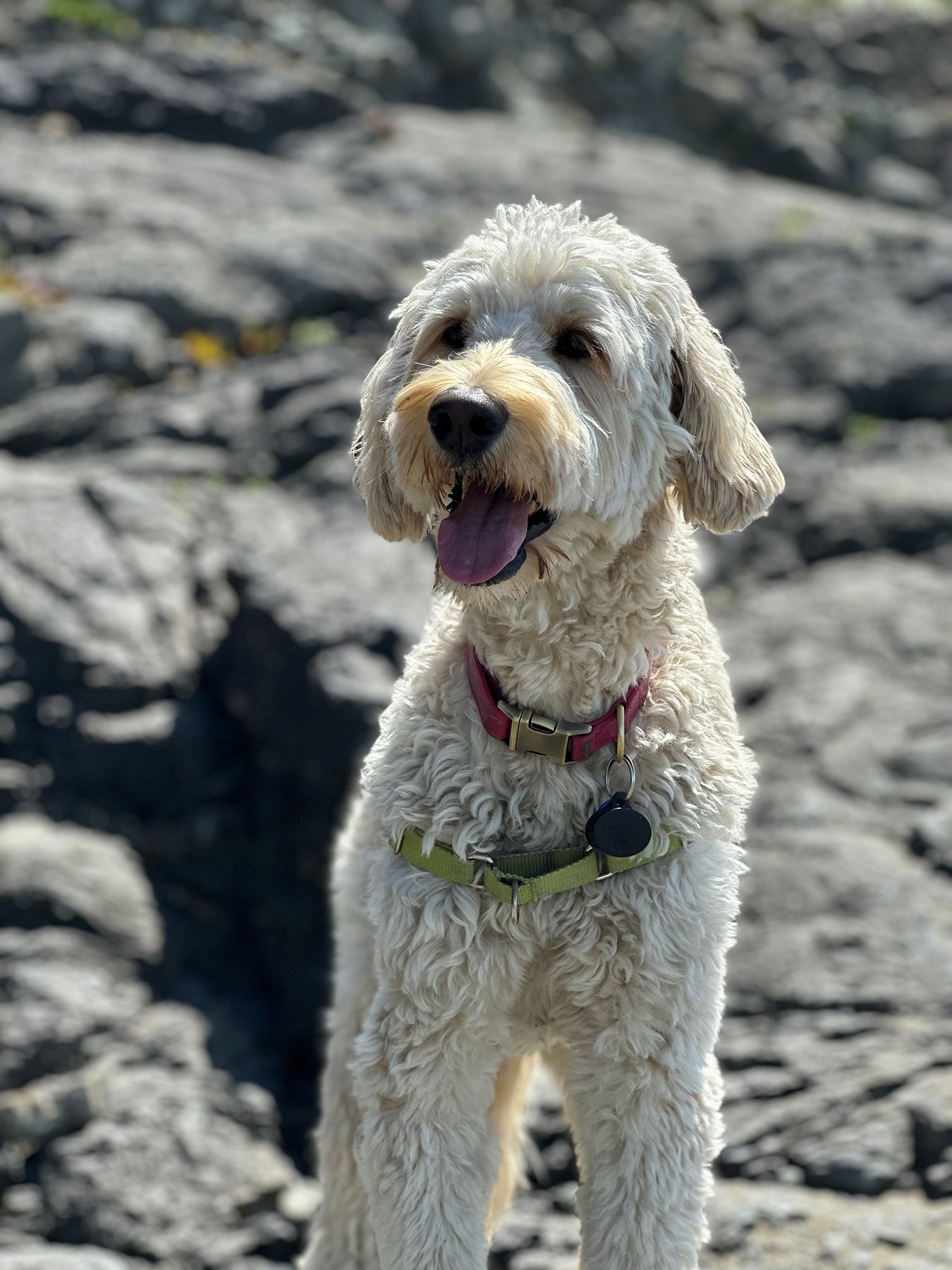
I do get lonely. I mean, Maisie is great company—and I honestly don’t think I could do this without her. Another warm body to talk to (kindof), take care of, and explore together. If you’re reading this and feel like reaching out to say hello, please do. Text, email, WhatsApp, or Messenger any time. I’m often in places without much cell reception, but I’d love to hear from you and what’s going on in your life.
Well, after salivating over the majestic Giant Sequoias in Sequoia and Kings Canyon National Parks last month, I was thrilled to be back in an area where massive redwood trees thrive. I did not know at the time that there are actually three types of redwoods:
• Giant Sequoia (Sequoiadendron giganteum): The most massive trees by volume. They are found only in higher elevations (4,000–8,000 feet) on the western slopes of California's Sierra Nevada mountain range.
• Coast Redwood (Sequoia sempervirens): The tallest trees on Earth. They thrive exclusively in the moist, temperate fog belts of the Pacific Coast, stretching from central California to the very southwestern corner of Oregon.
• Dawn Redwood (Metasequoia glyptostroboides): The only deciduous redwood. They thrive in fertile, moist river valleys and are native exclusively to Lichuan County in central China.
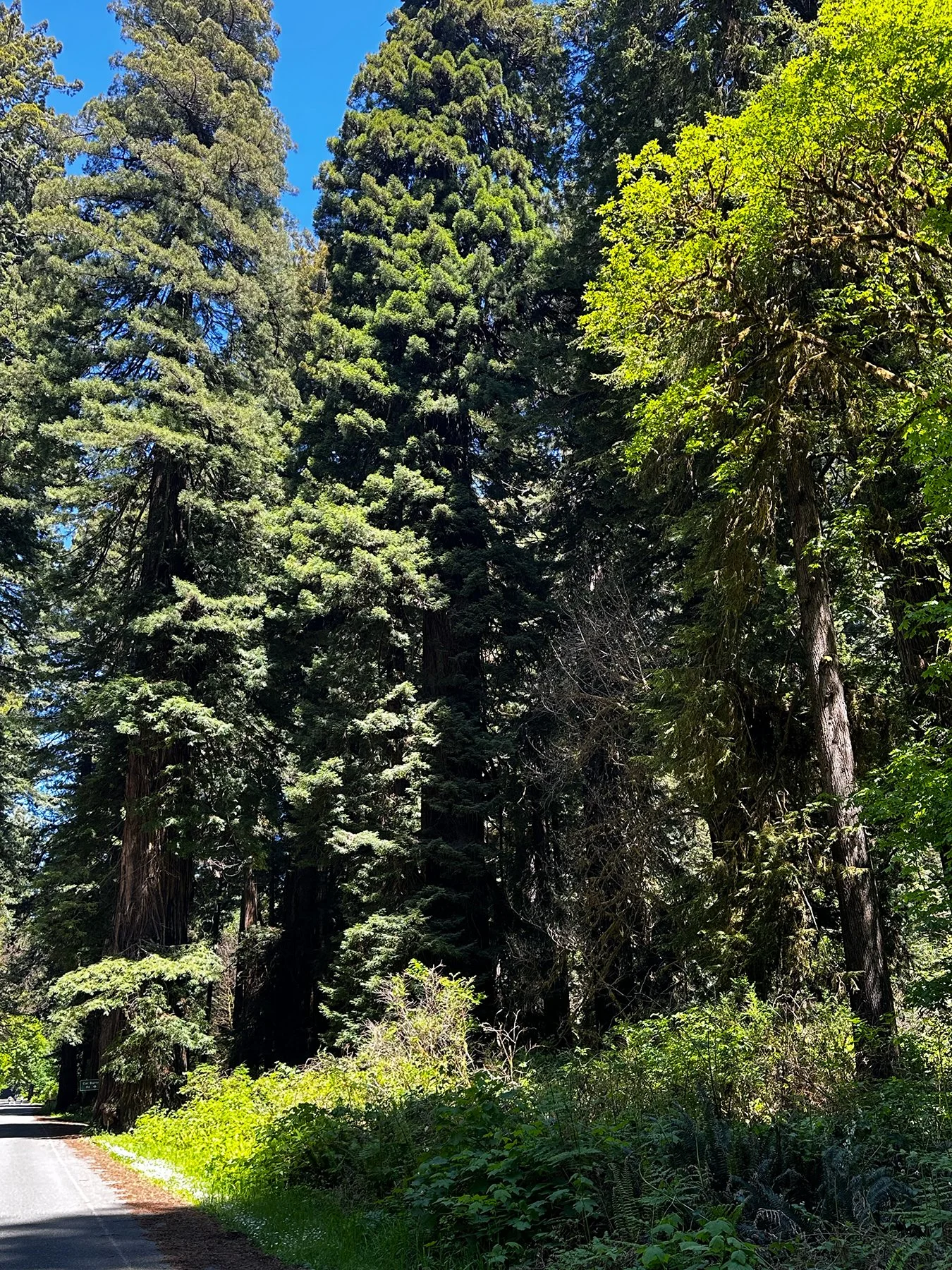
When they say that the Coast Redwoods are the tallest trees on Earth, they are not kidding! After leaving San Francisco, I spent four glorious days exploring the Redwood National and State Parks in Northern California. Only here are the conditions right for growing the world’s tallest—and some of its oldest—living things. I’m going to need my neck worked on as I spent most of the time looking up to try to see the tops of the trees!
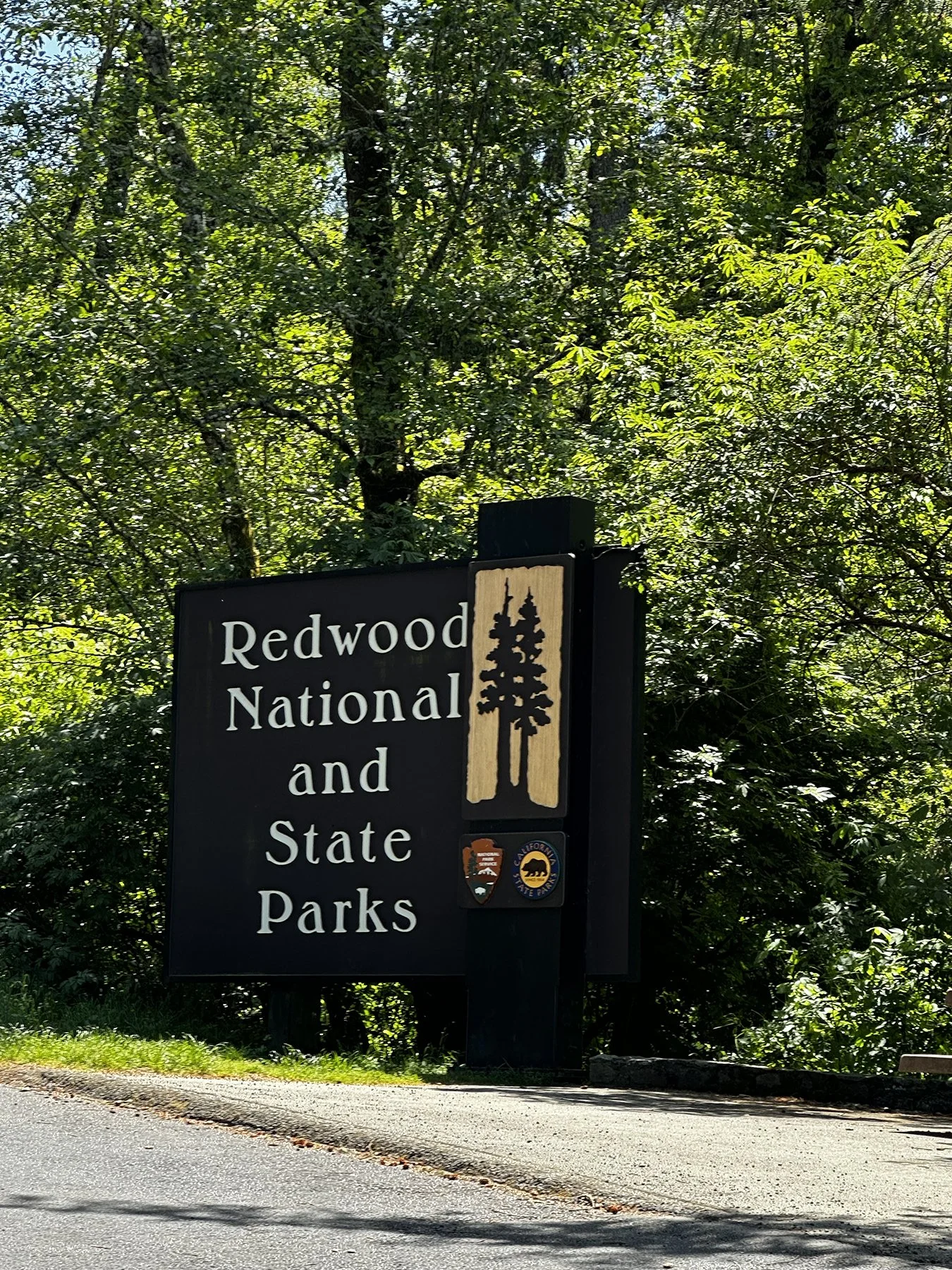
As the National Park Service notes, Redwood’ NPs landscapes span from open prairies and oak woodlands to pristine rivers and untamed coastline. This ancient home has supported people for thousands of years. Redwood National Park is jointly managed with three California state parks—Jedediah Smith Redwoods State Park, Del Norte Coast Redwoods State Park, and Prairie Creek Redwoods State Park. Together, the National Park Service and the California Department of Parks and Recreation cooperatively operate all four as a single entity known as Redwood National and State Parks. They work together to safeguard and rejuvenate these lands for everyone’s enjoyment, learning, and inspiration.
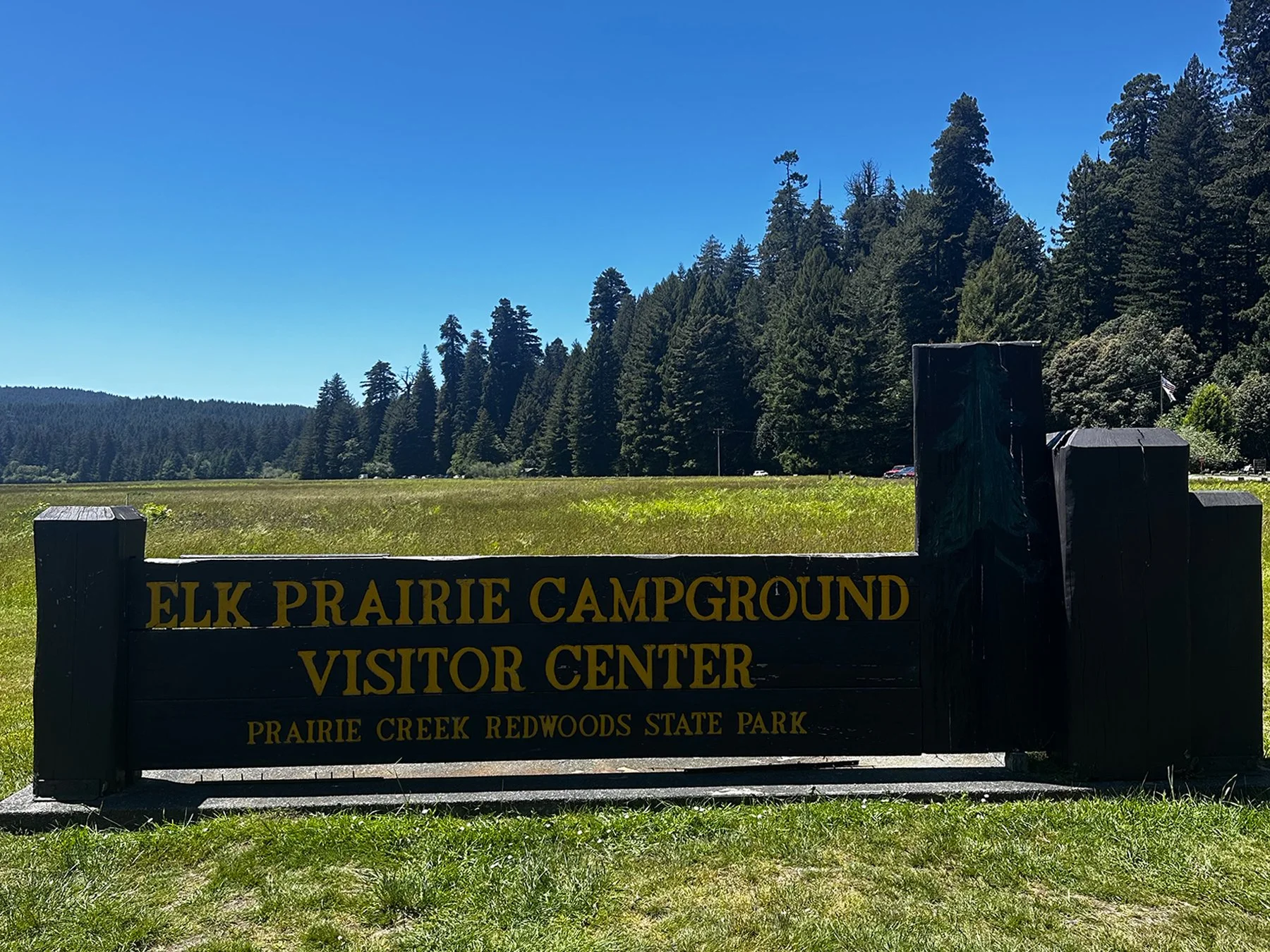
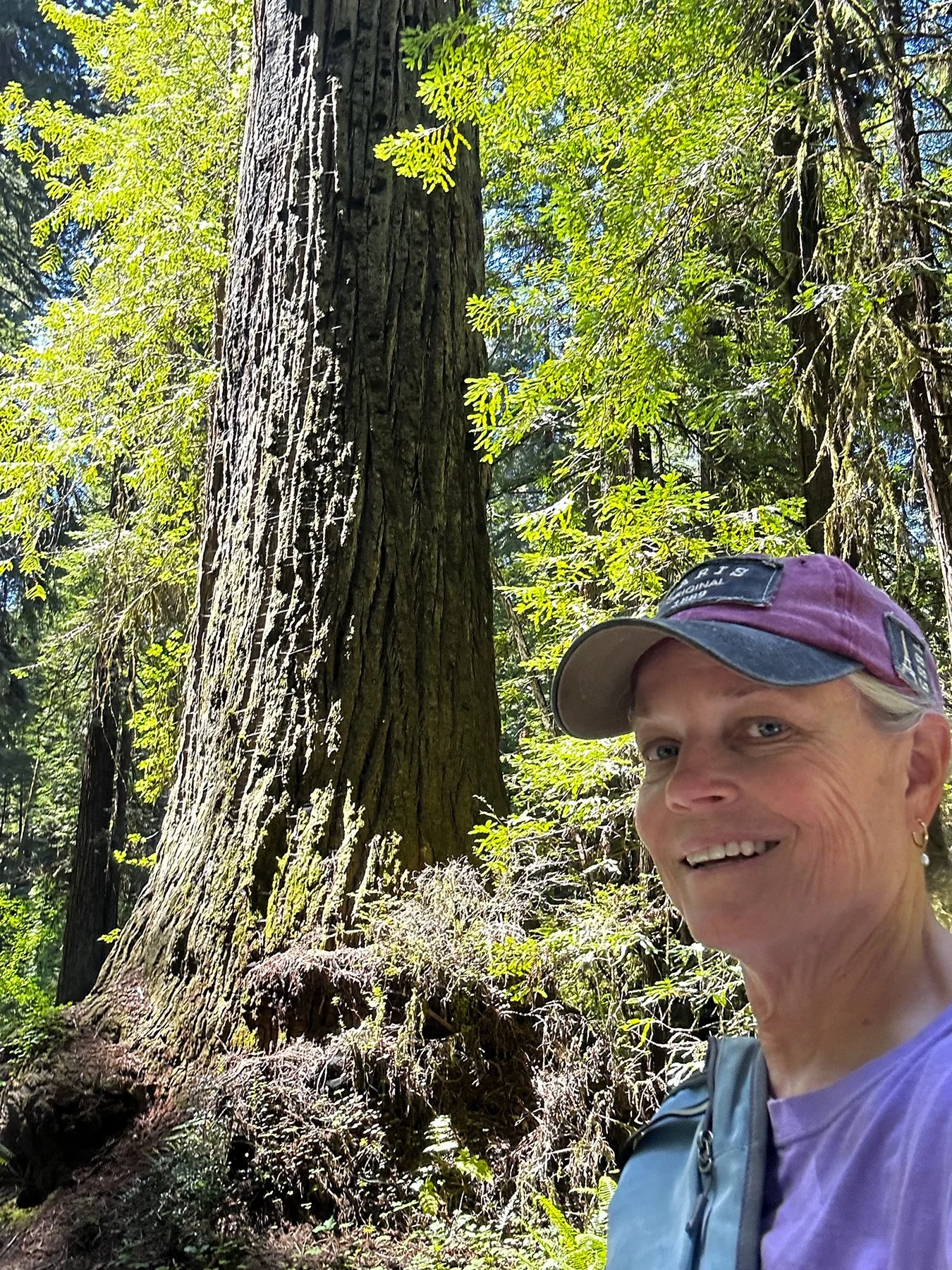
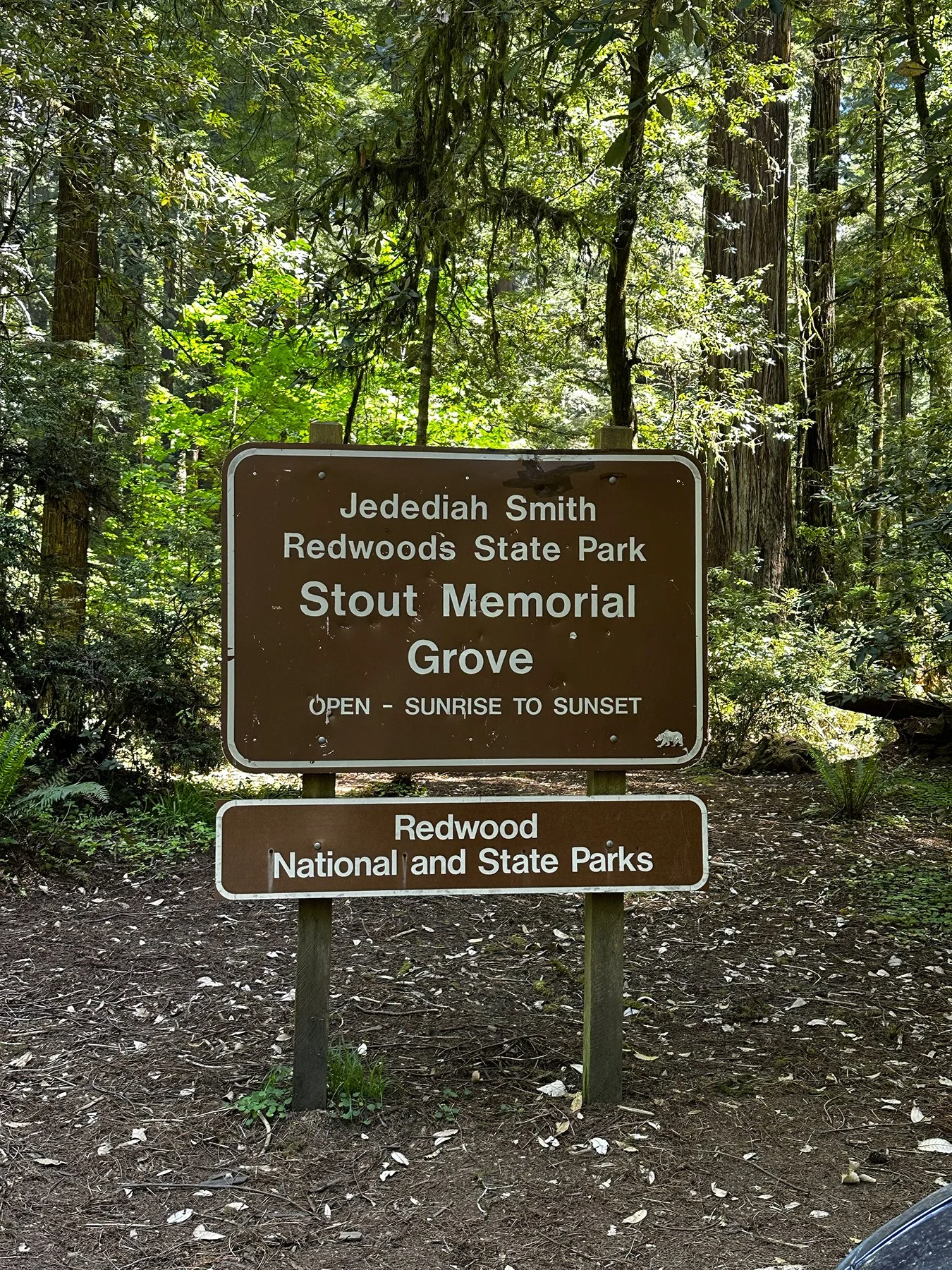
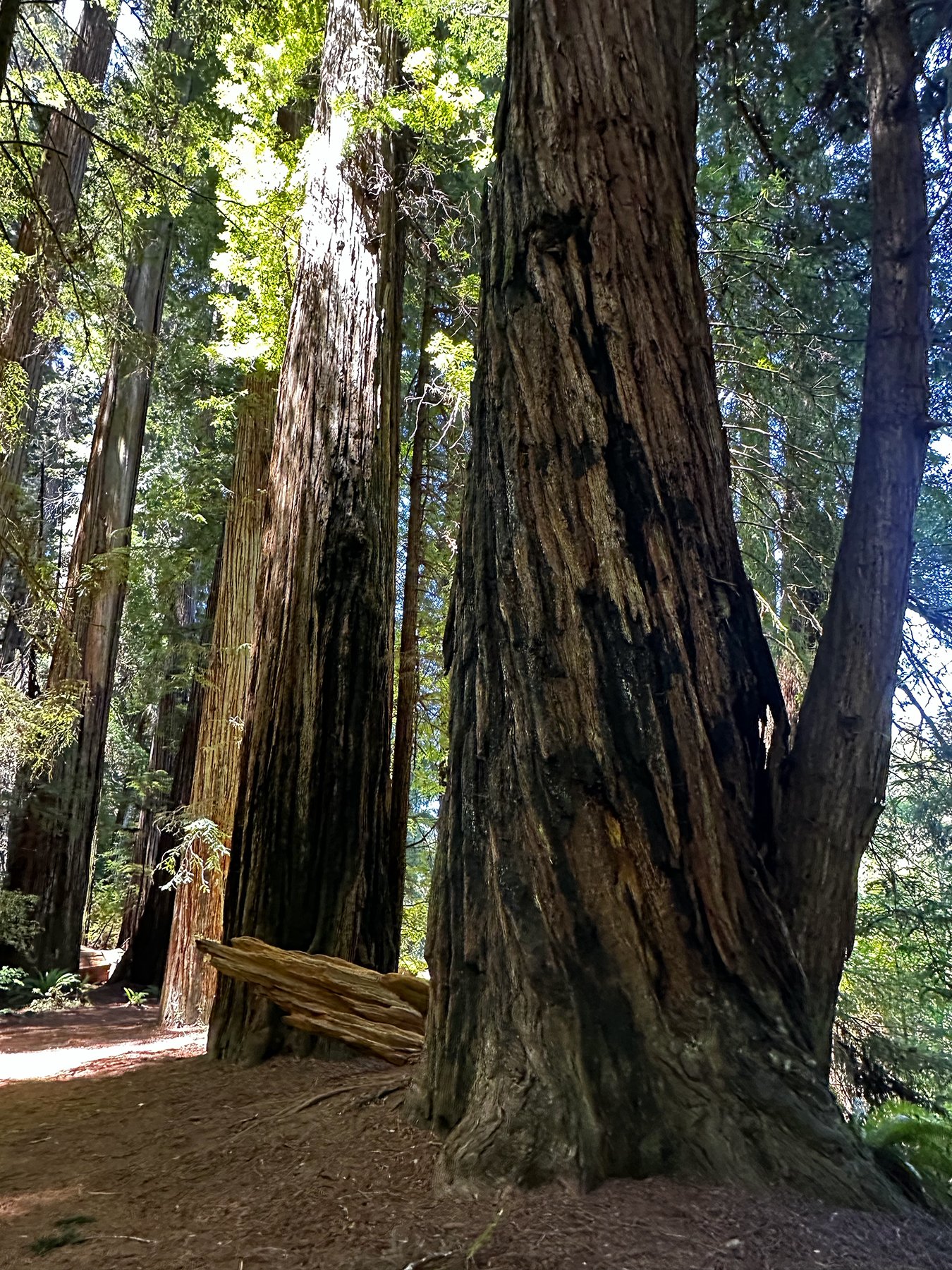
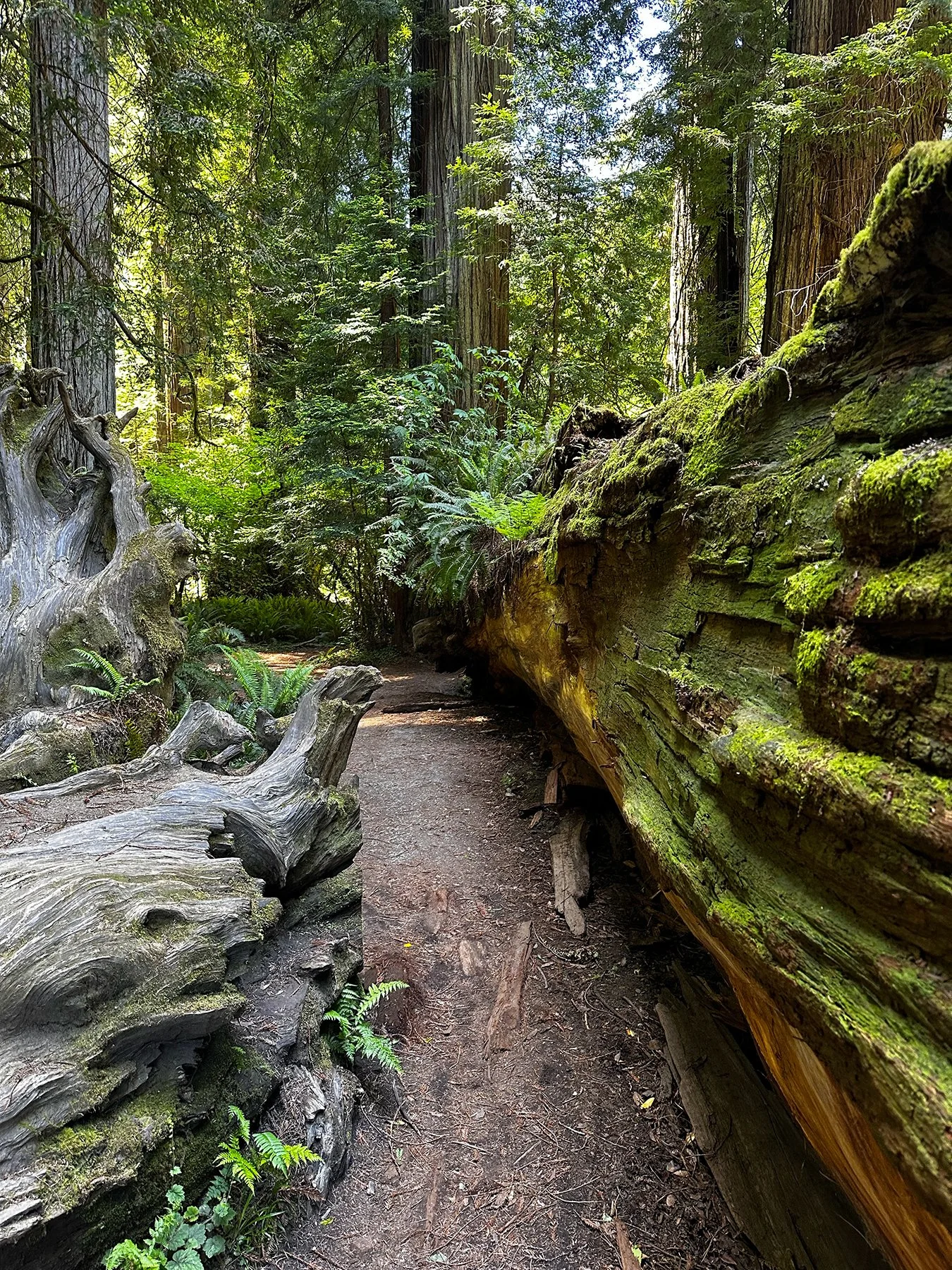
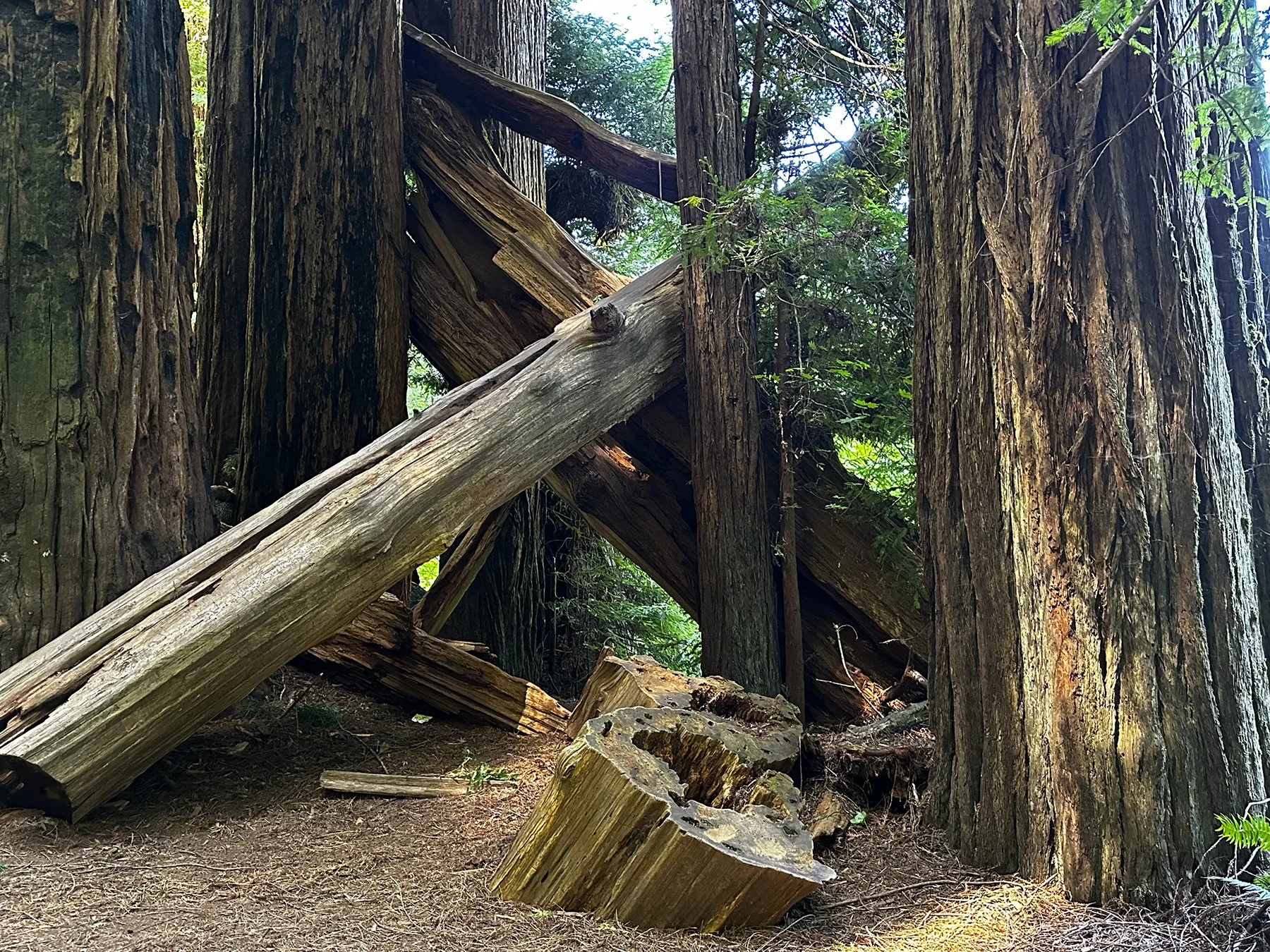
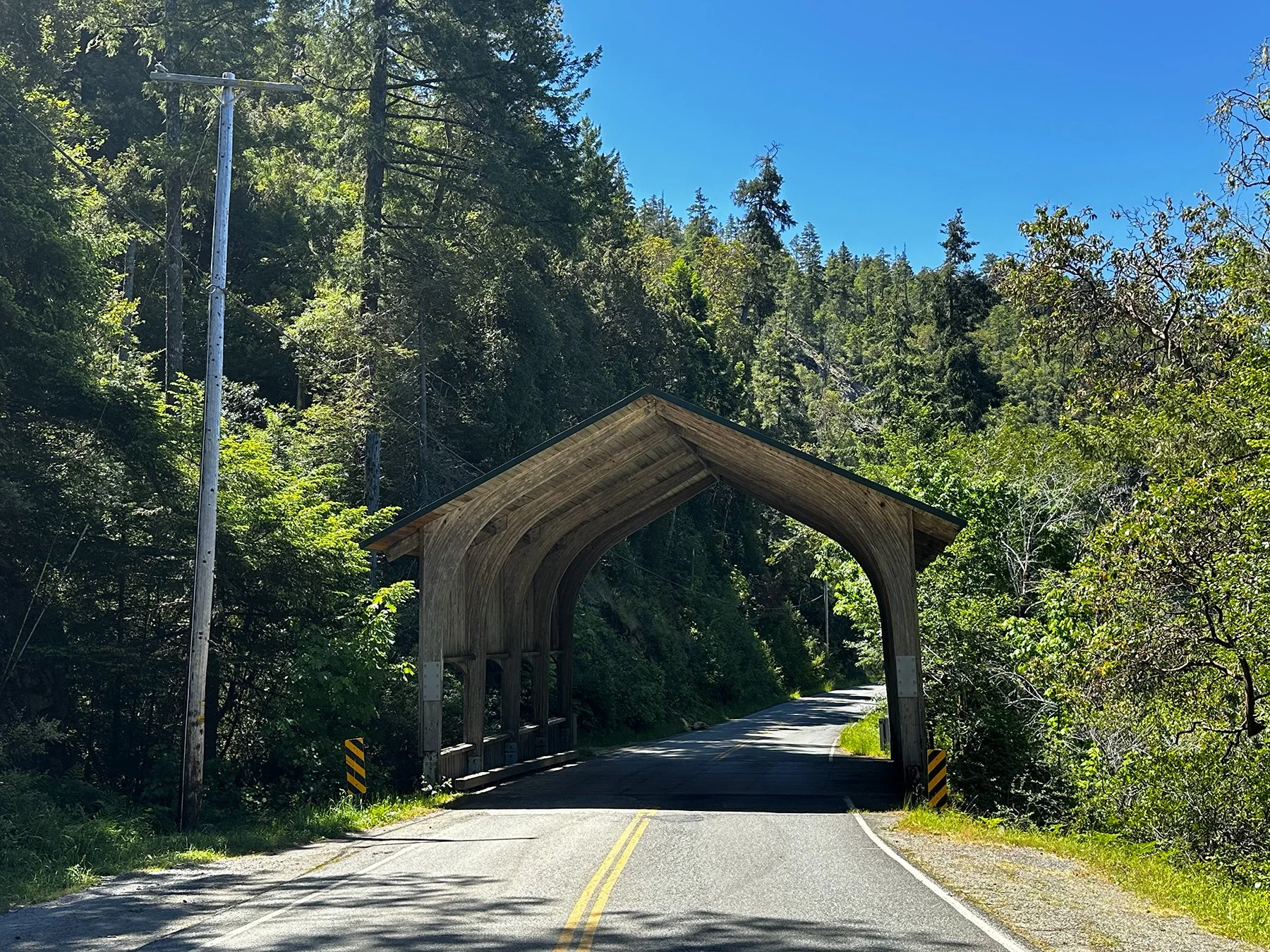
Enjoy, learn and be inspired indeed! Before embarking on this year’s RV trip to the west coast, I decided I wanted to focus a little more on hiking. This area of California surely provided an abundance of opportunities, with trails through prairies and redwood forests and along the Northern California coast. Here are some glimpses of the majesty of the forests we explored, as well as Elk Prairie, where I did actually see a few young elk:
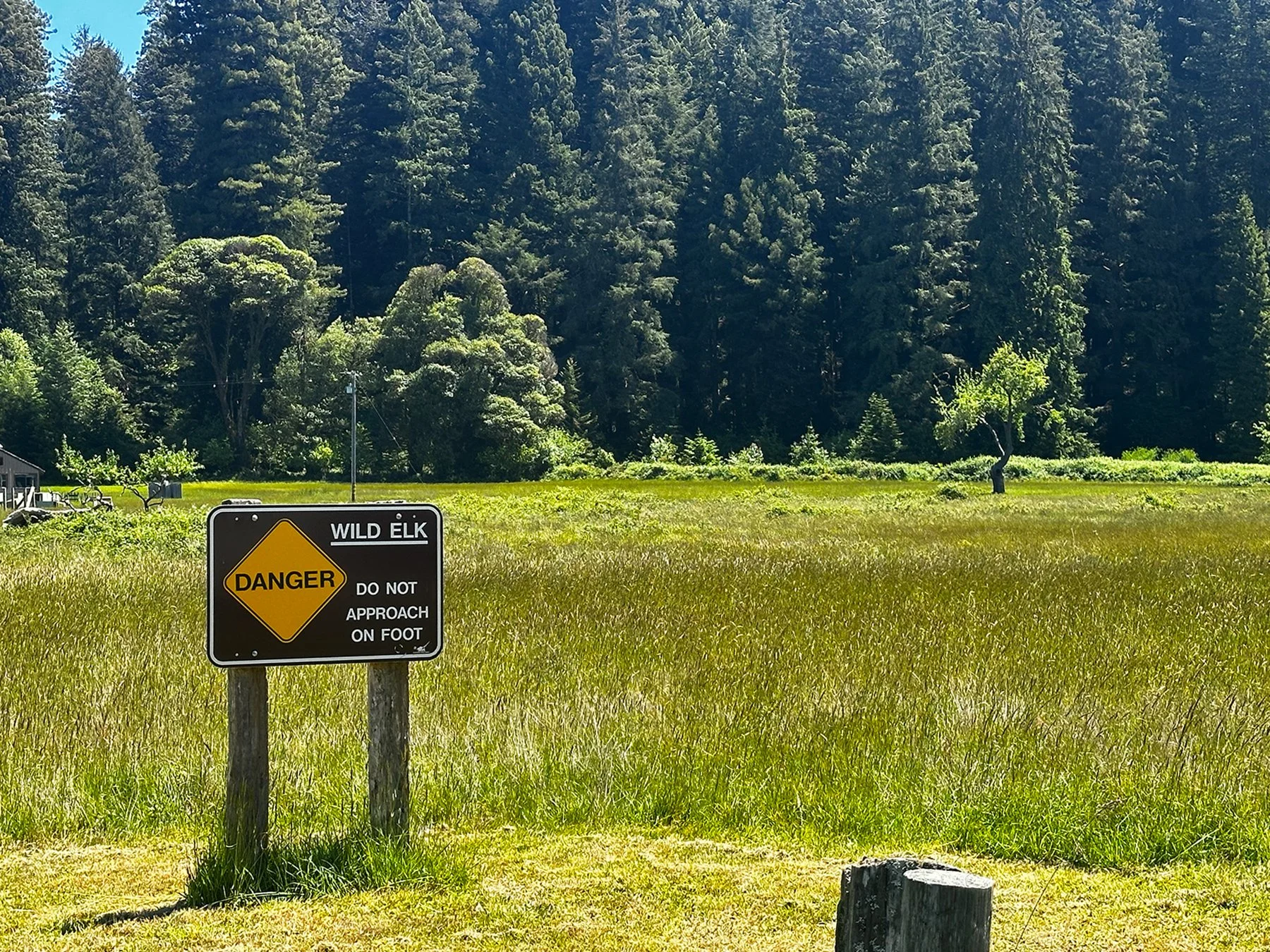
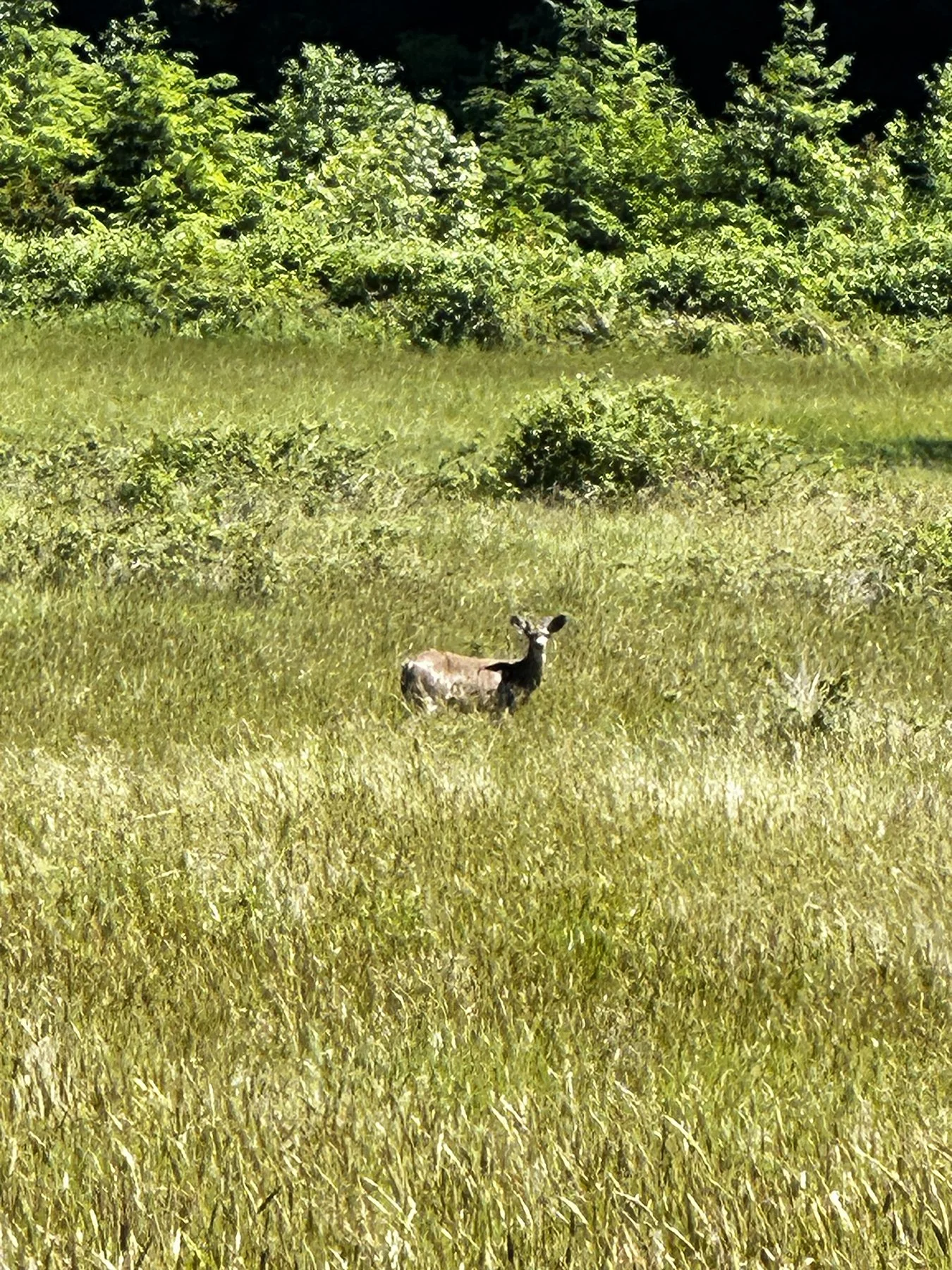
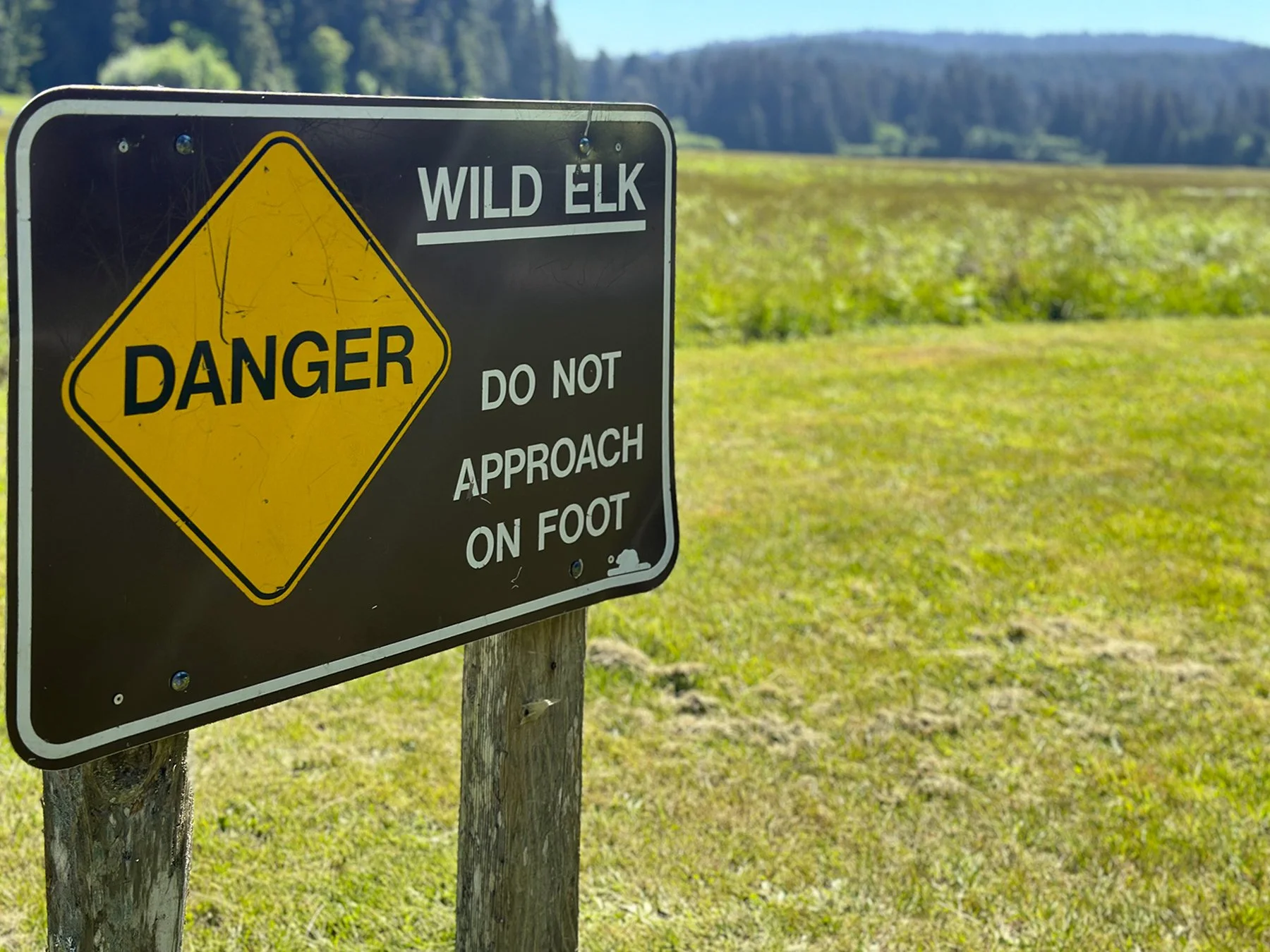
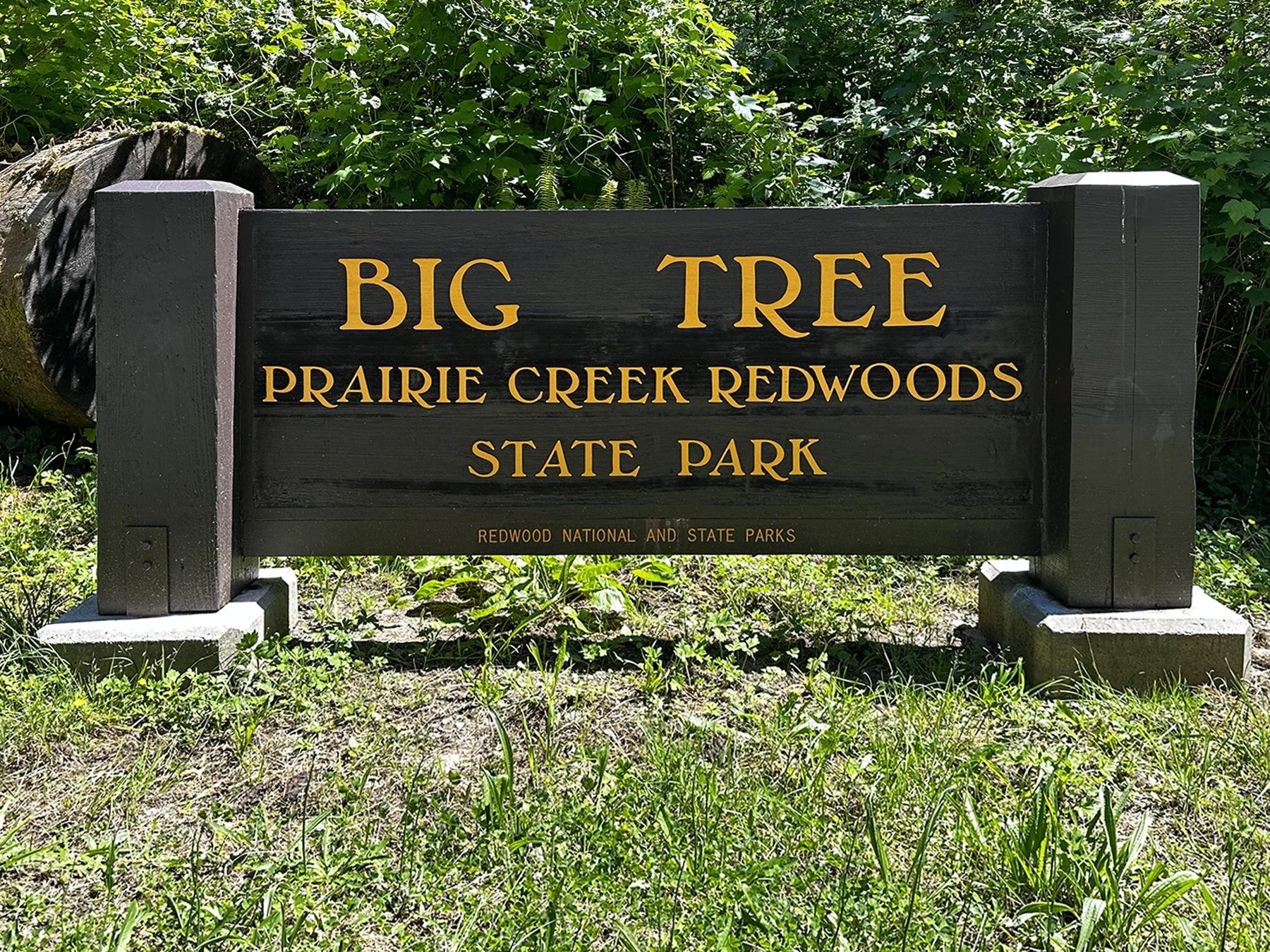
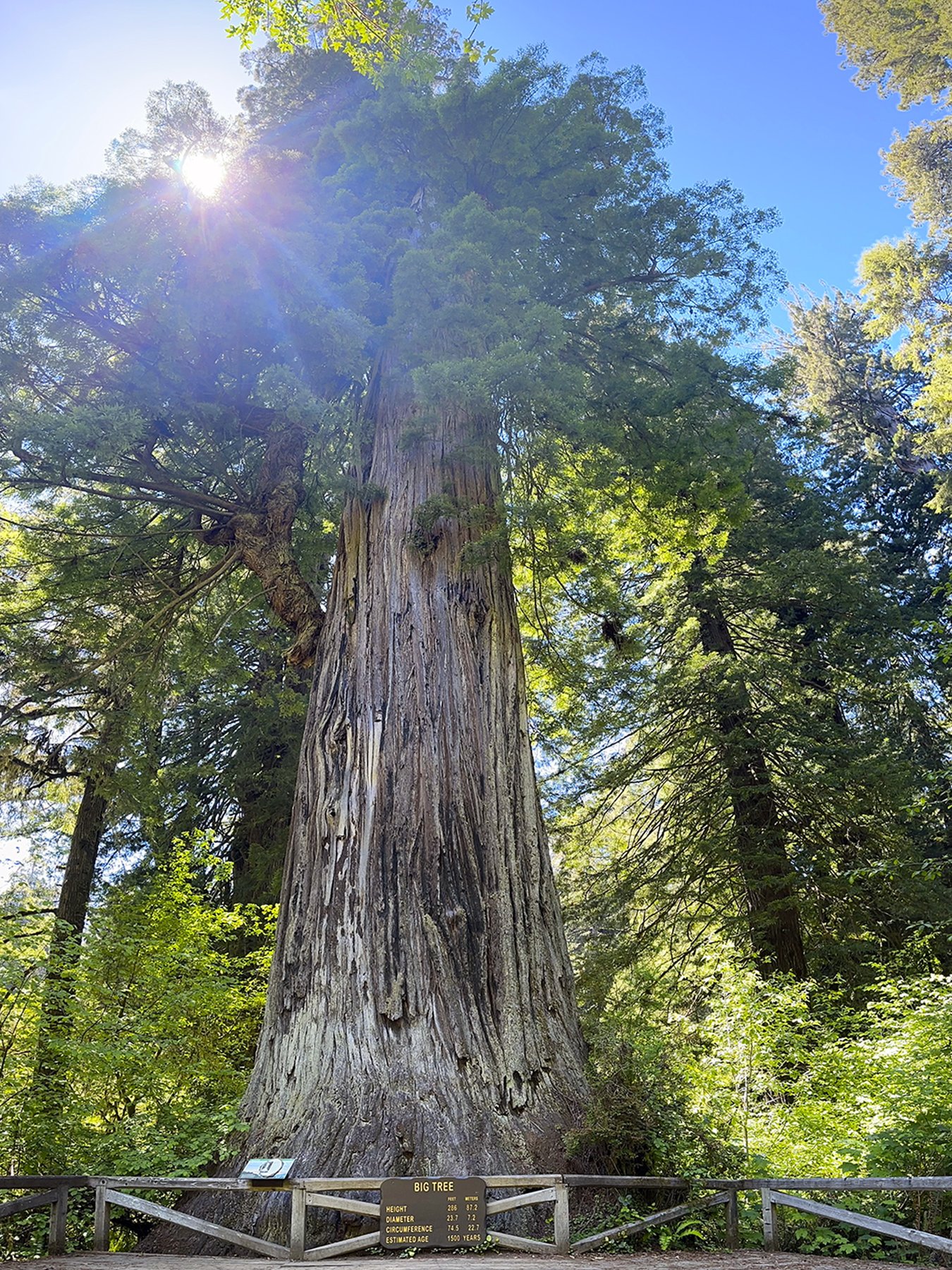
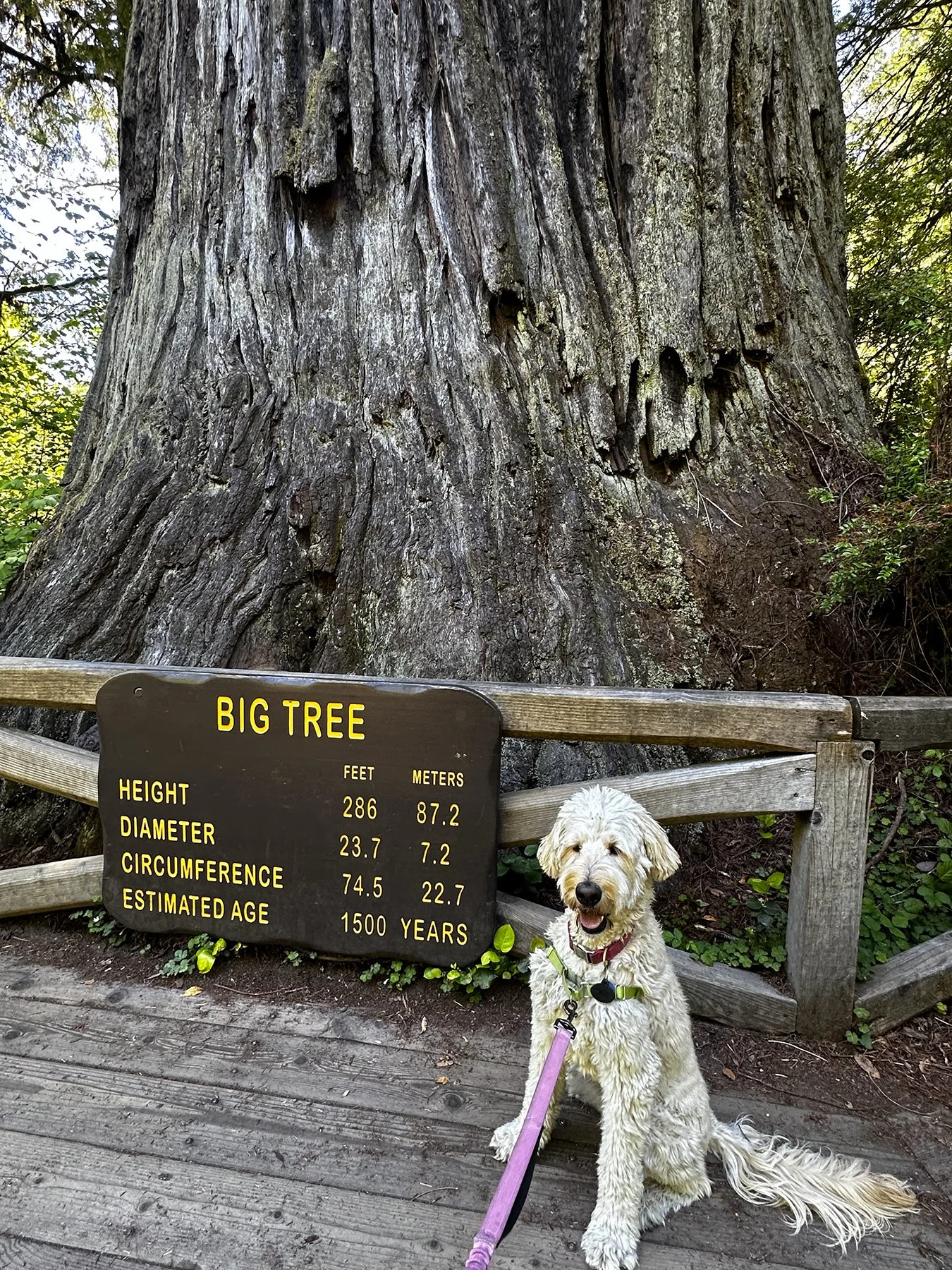
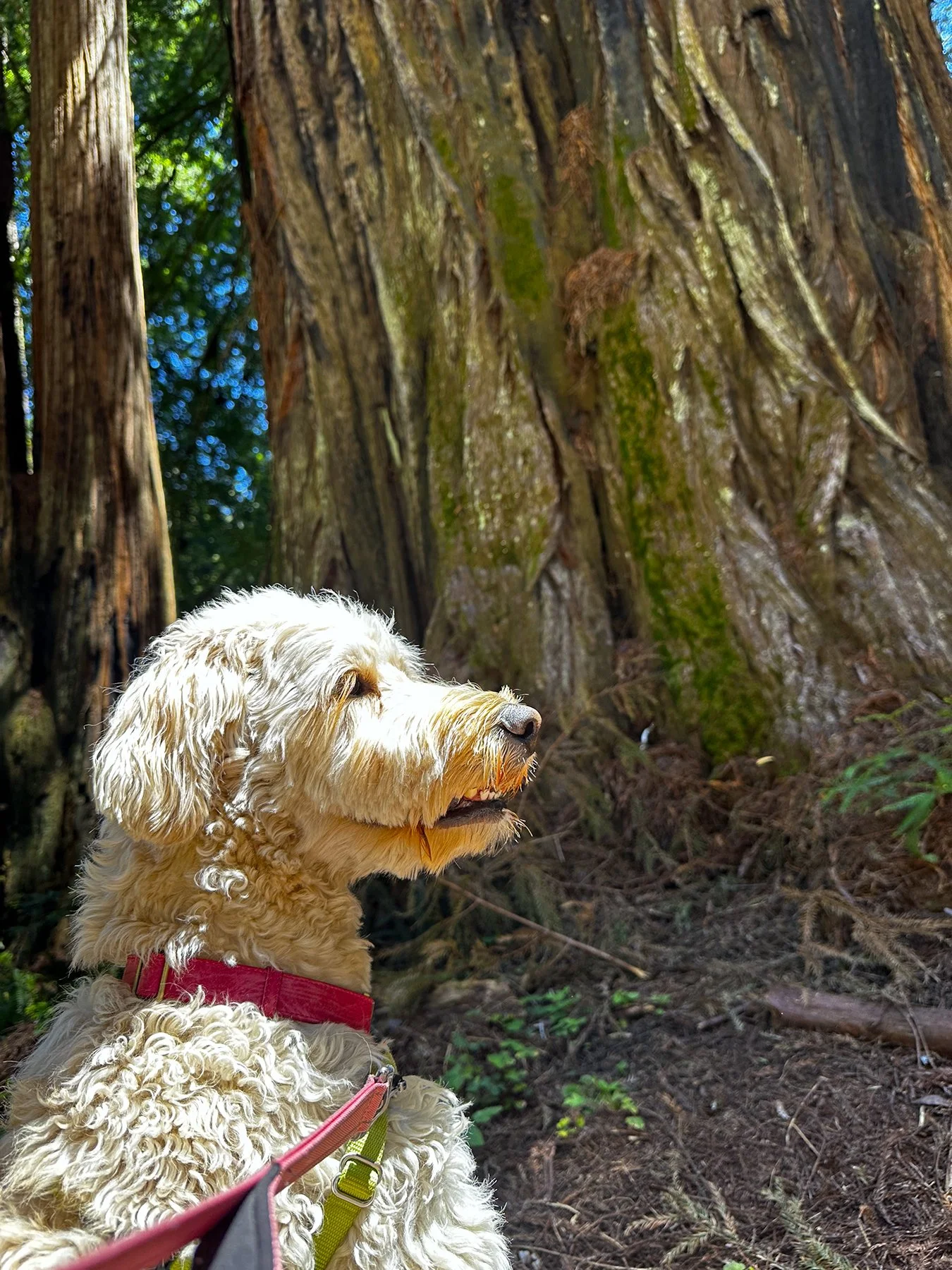
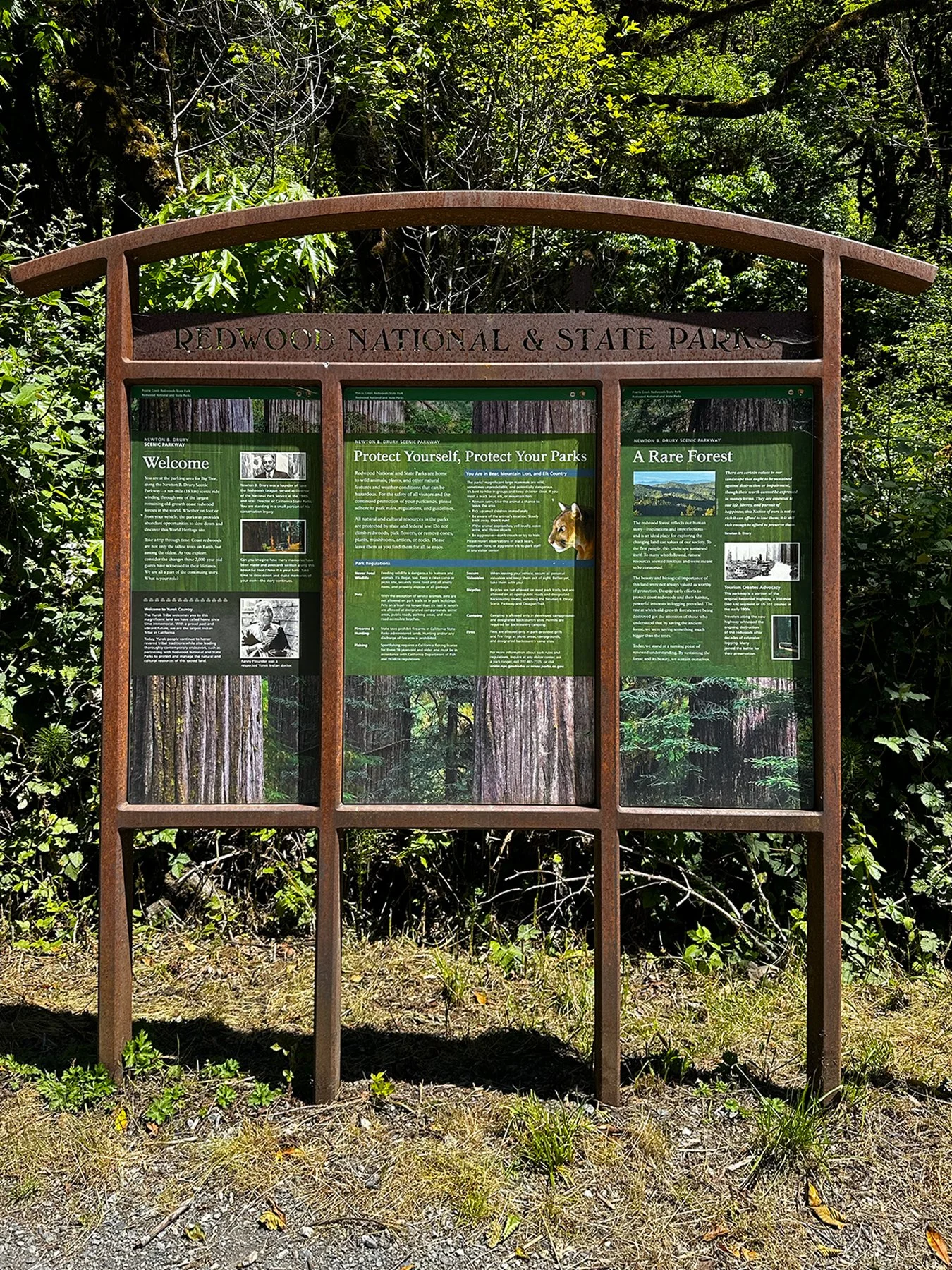
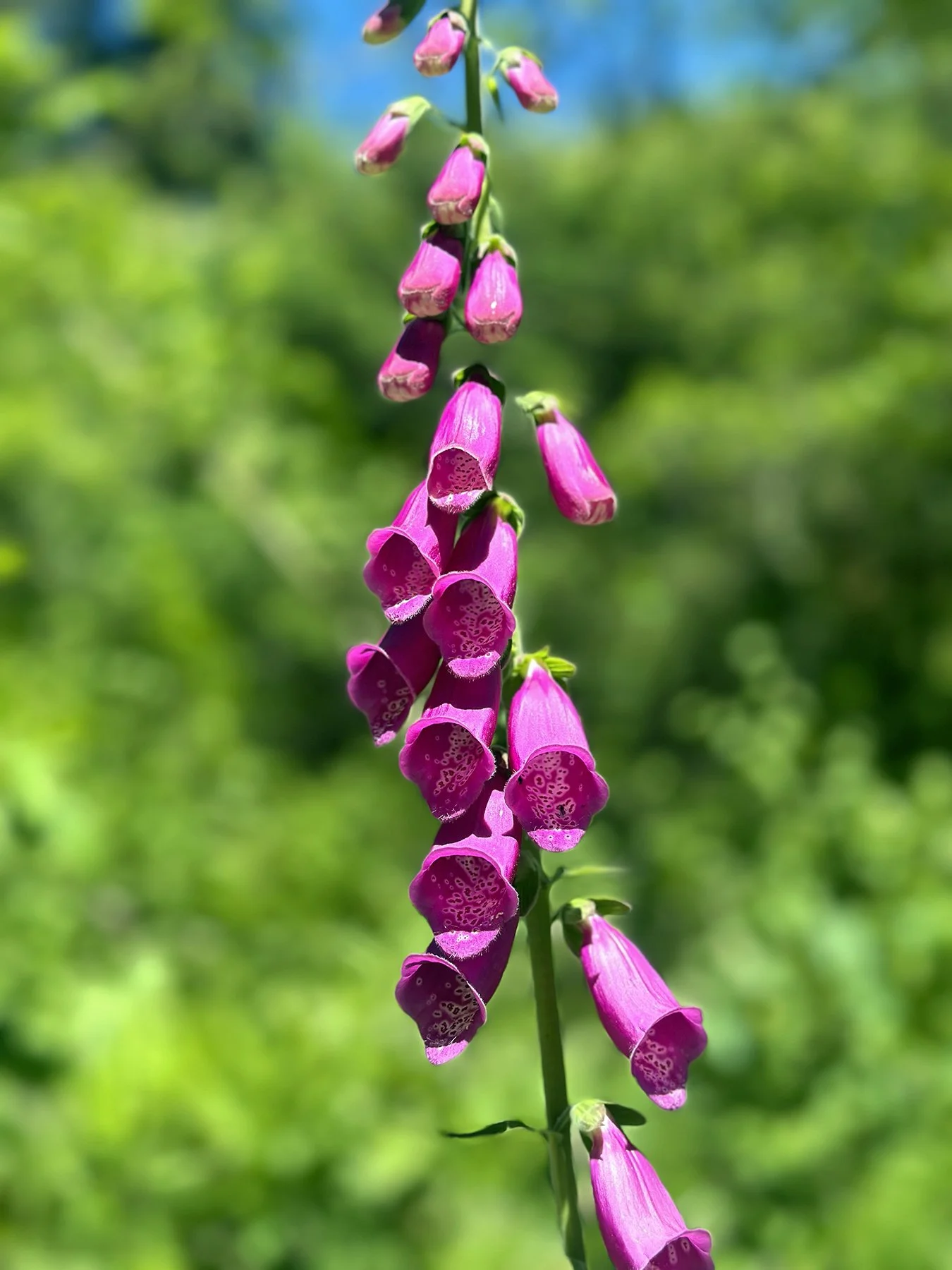
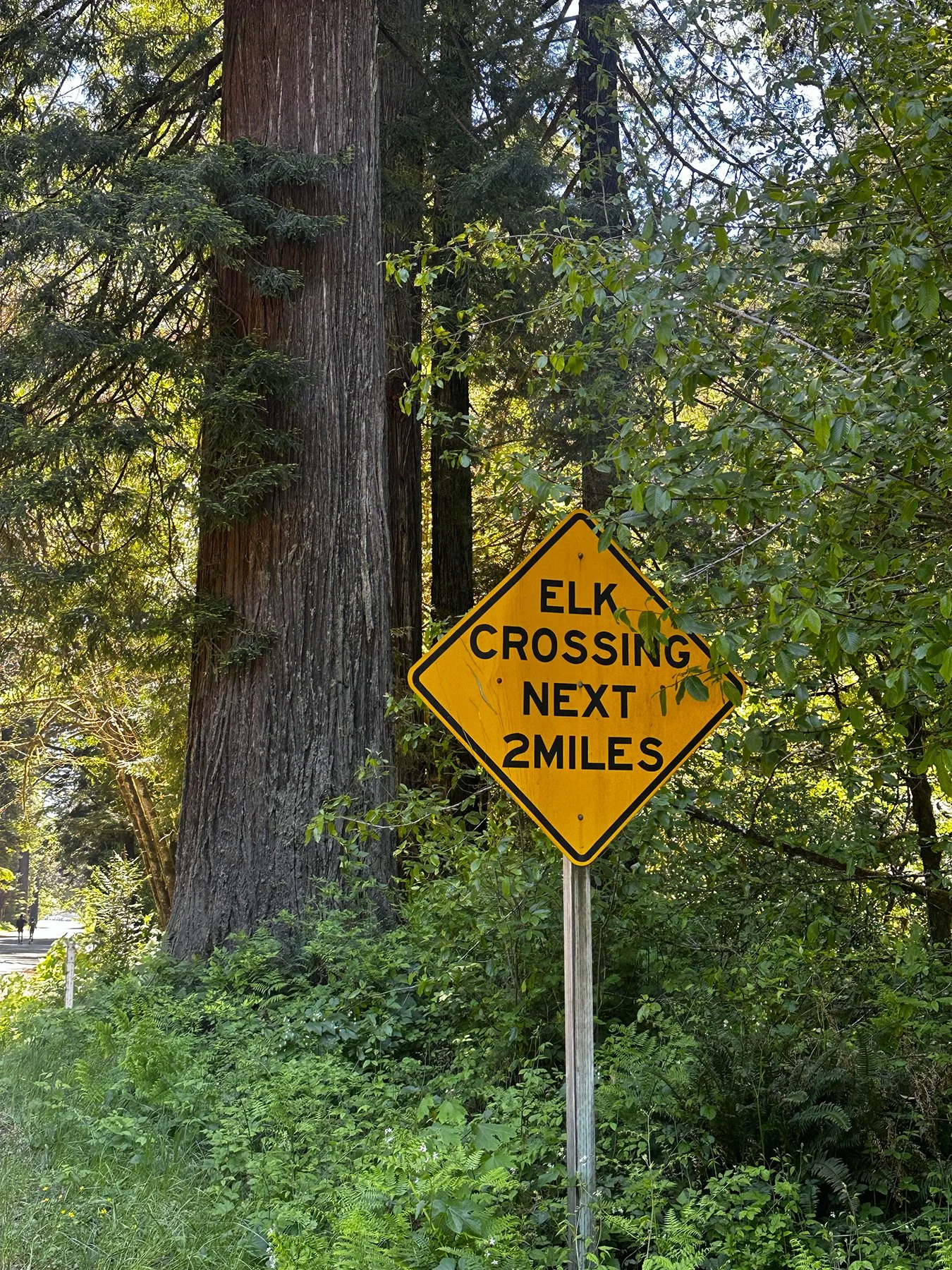
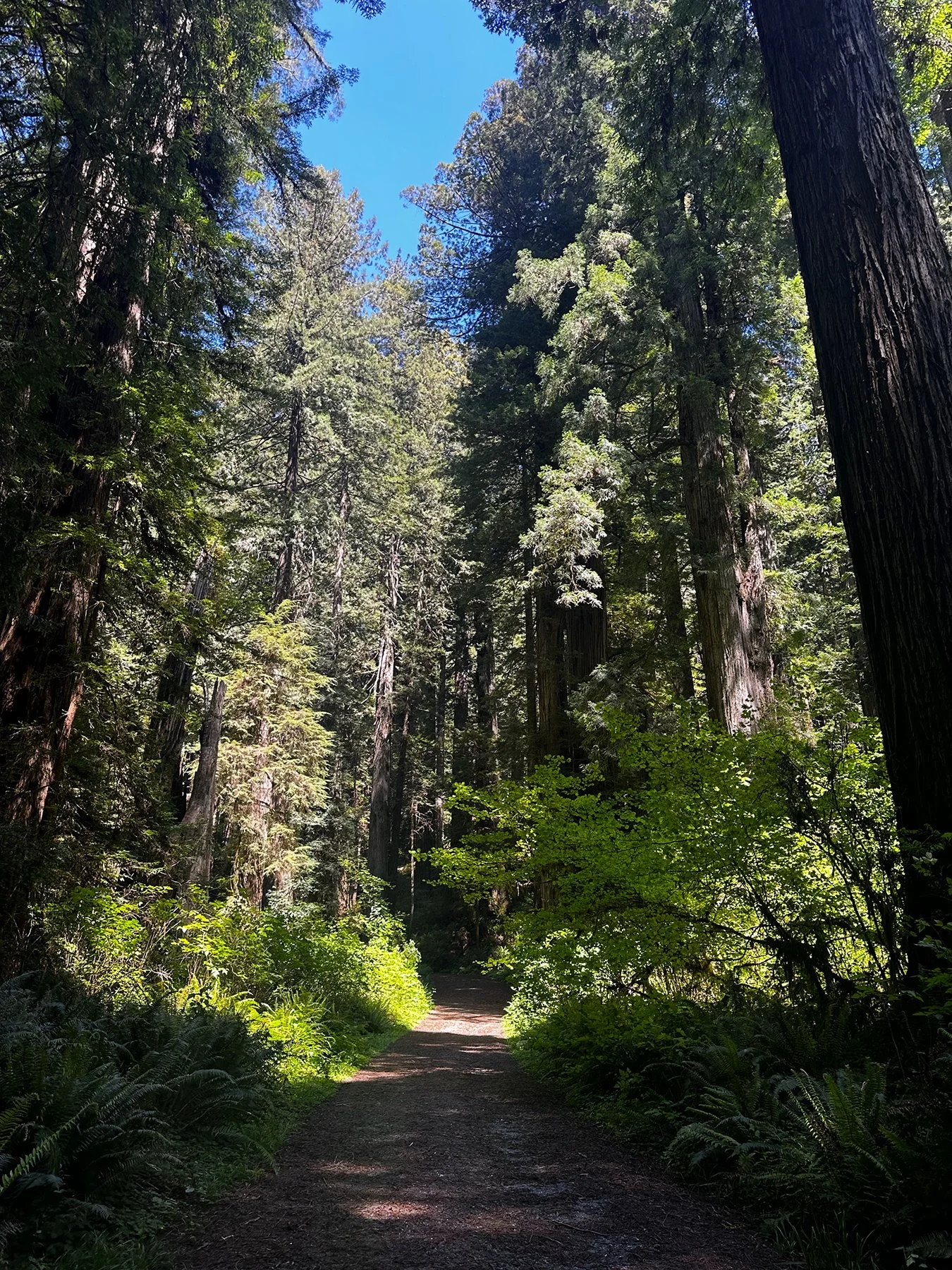
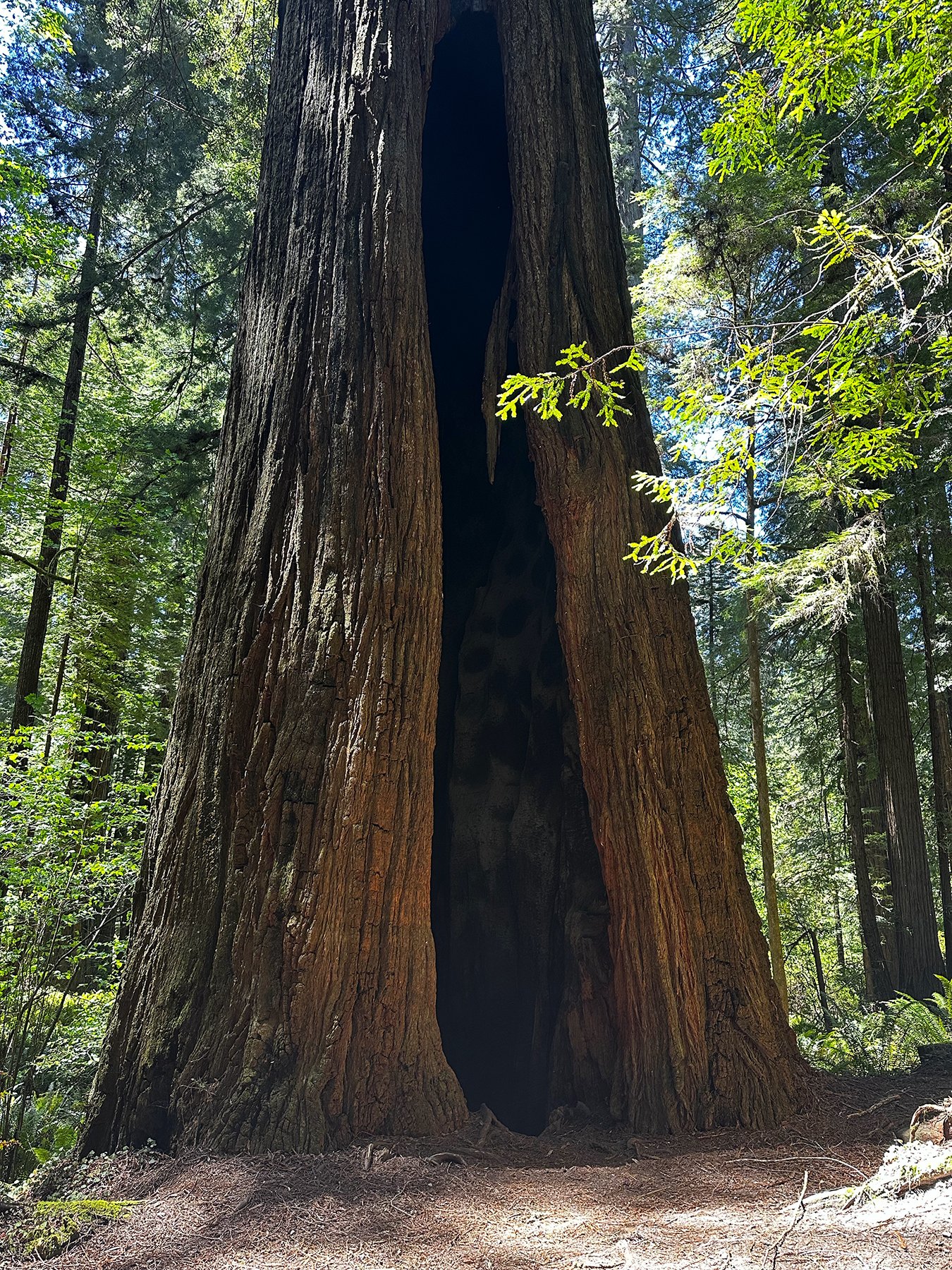
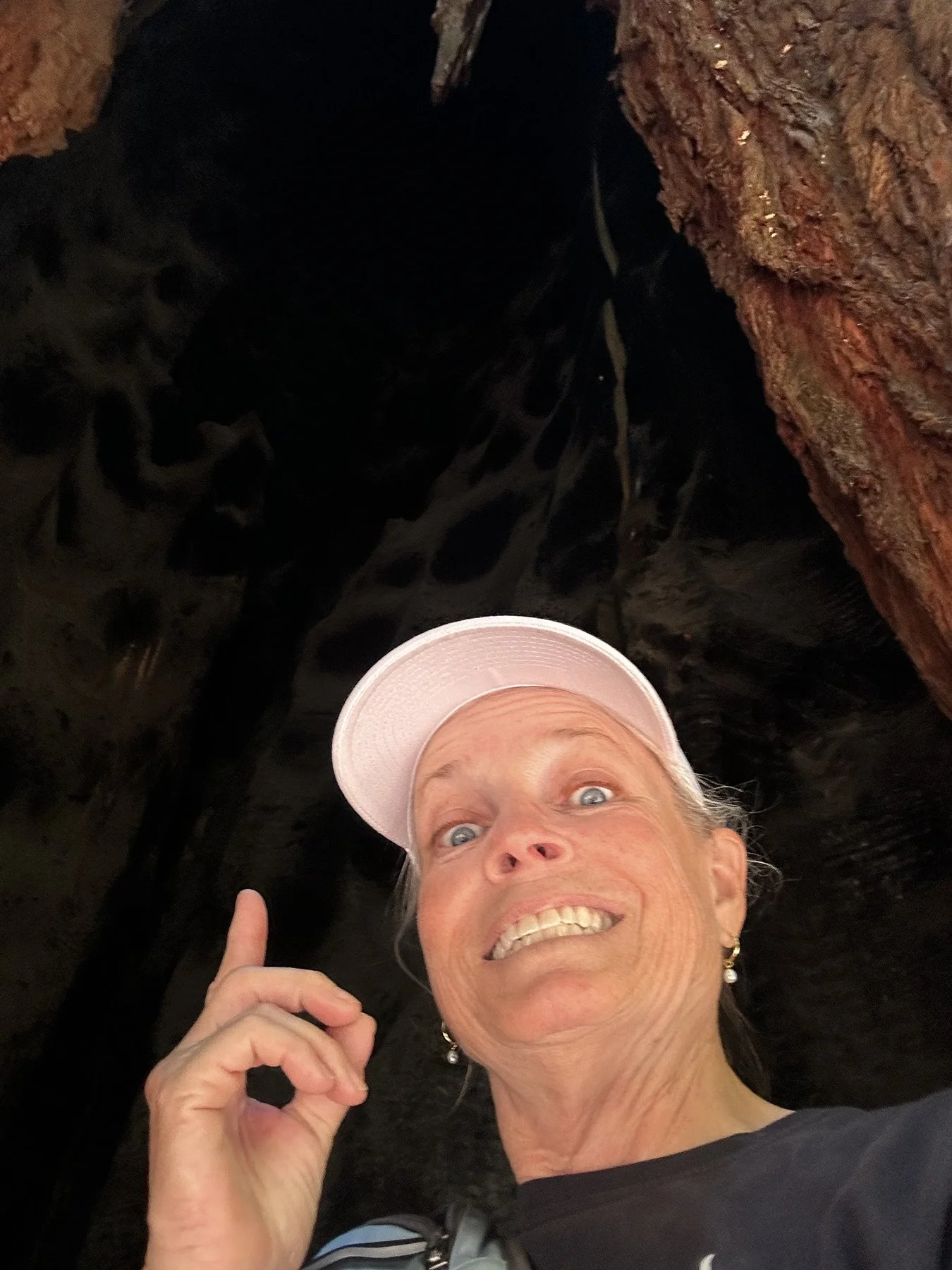
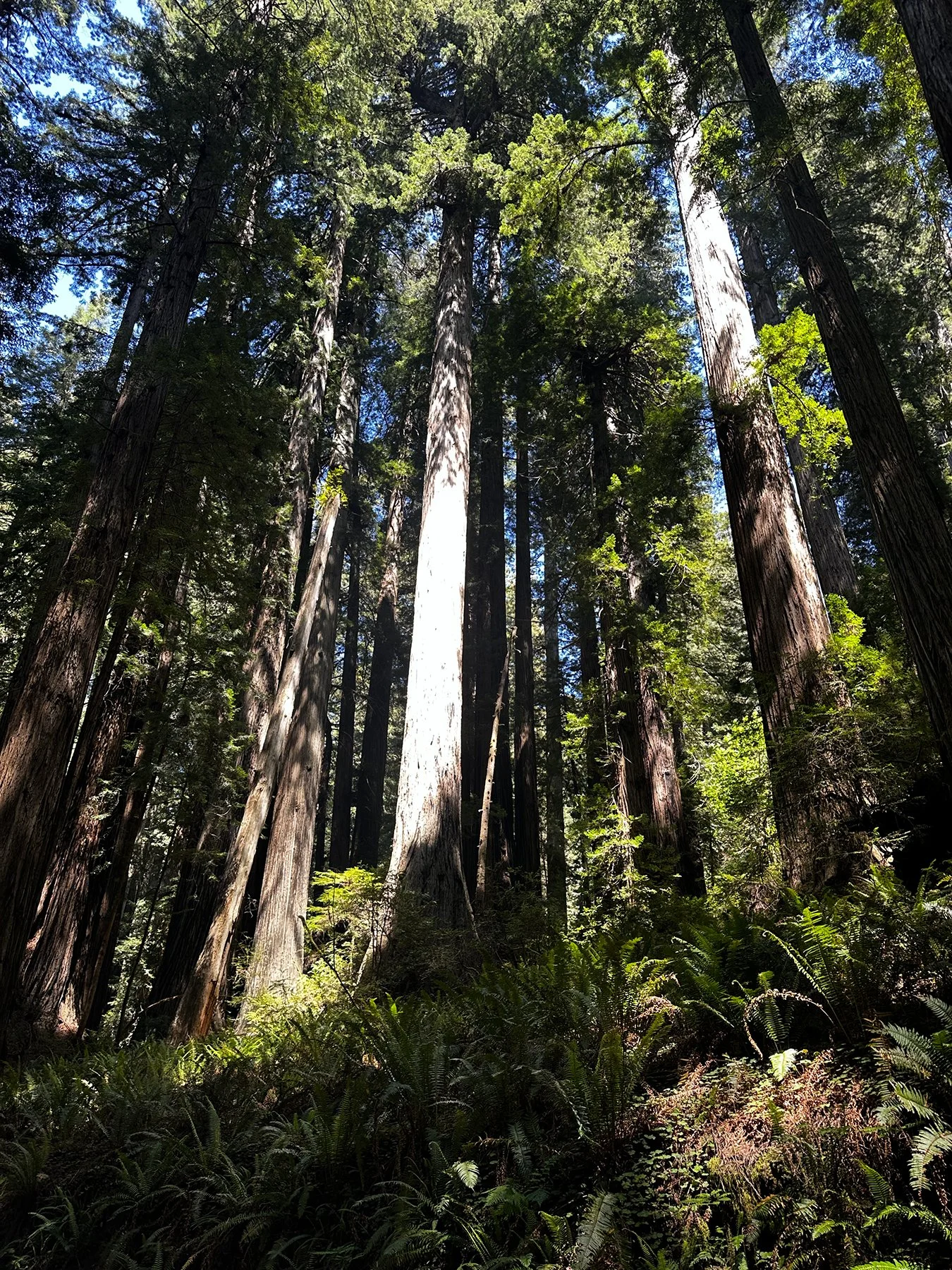
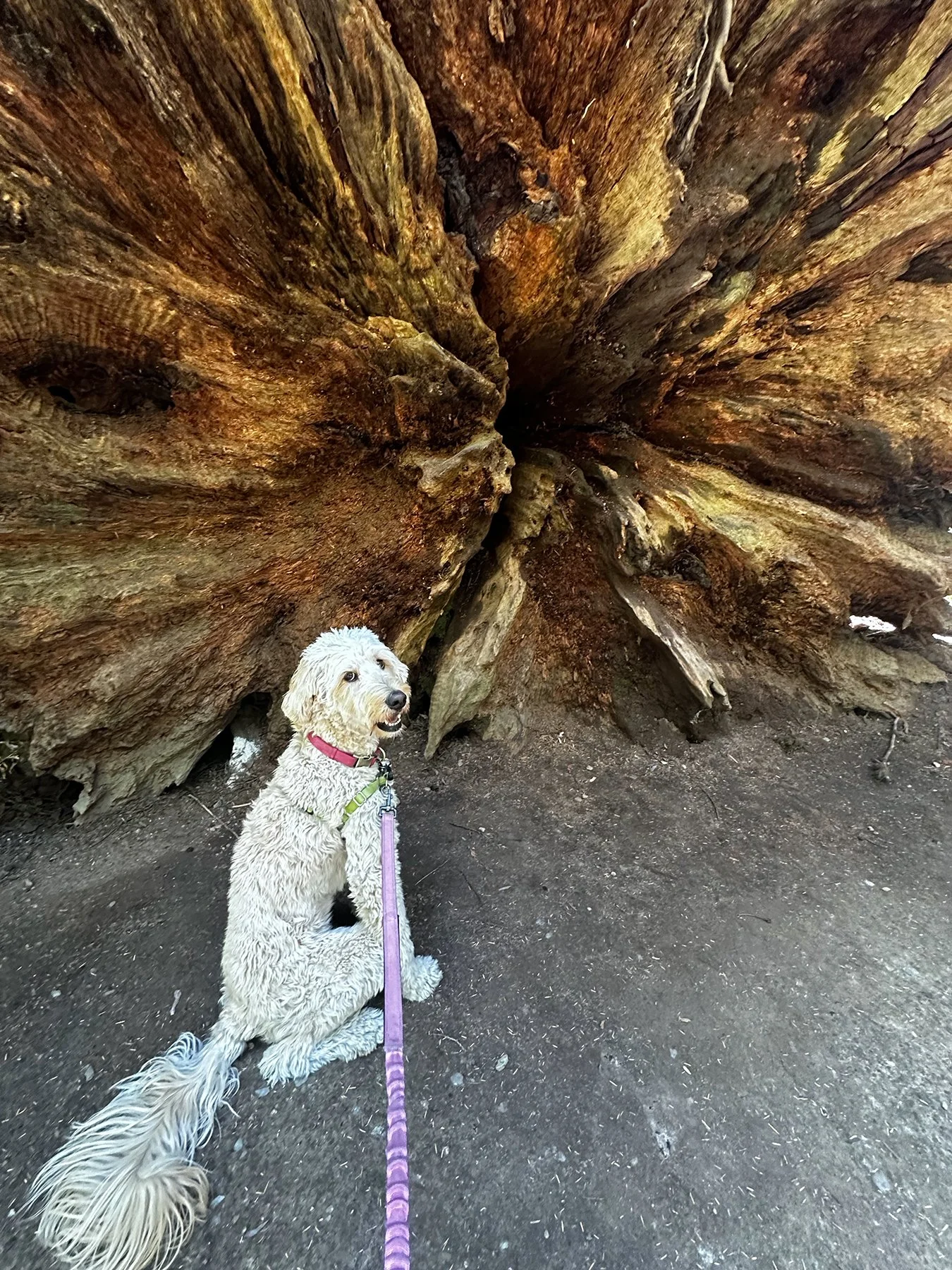
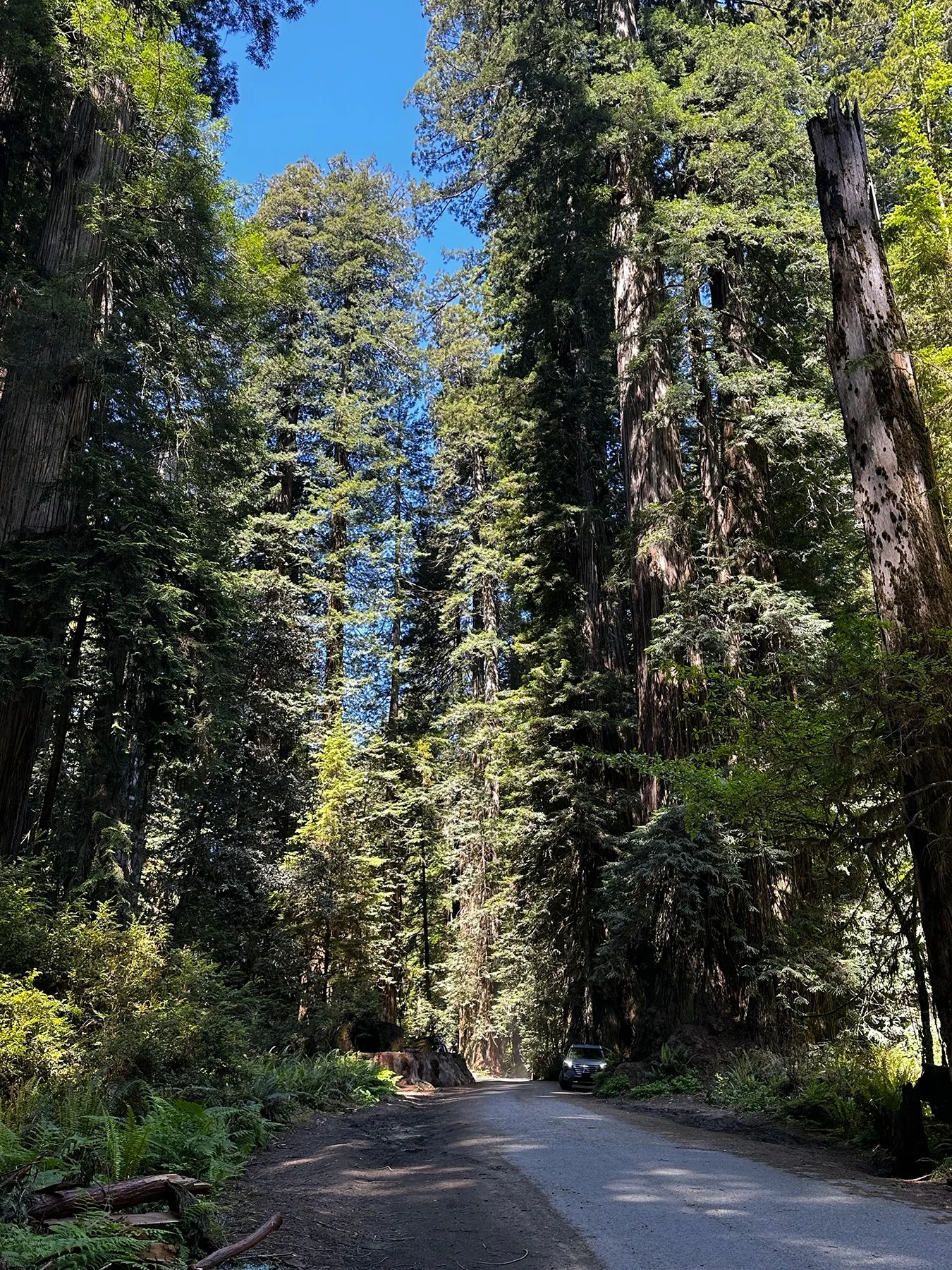
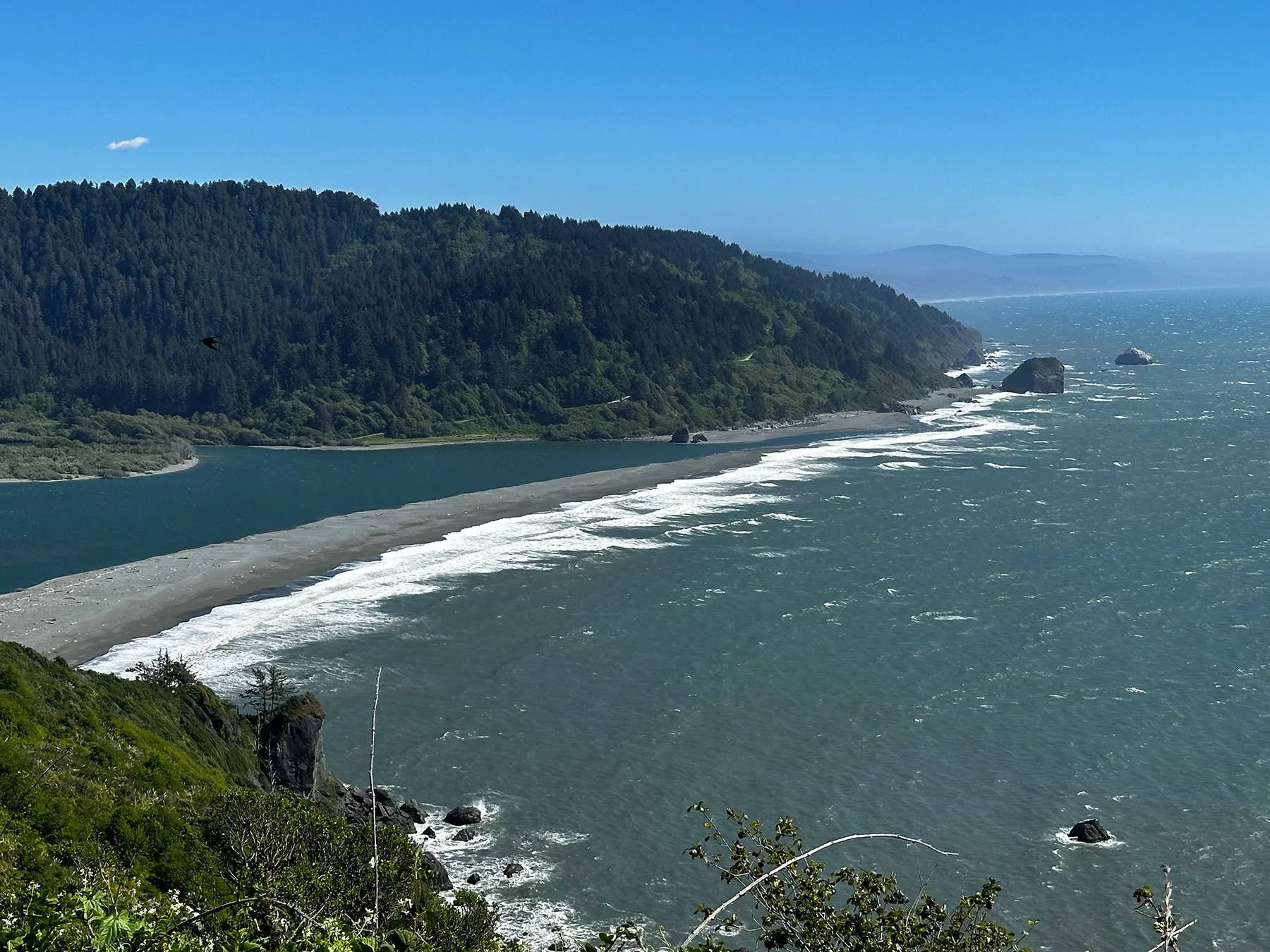
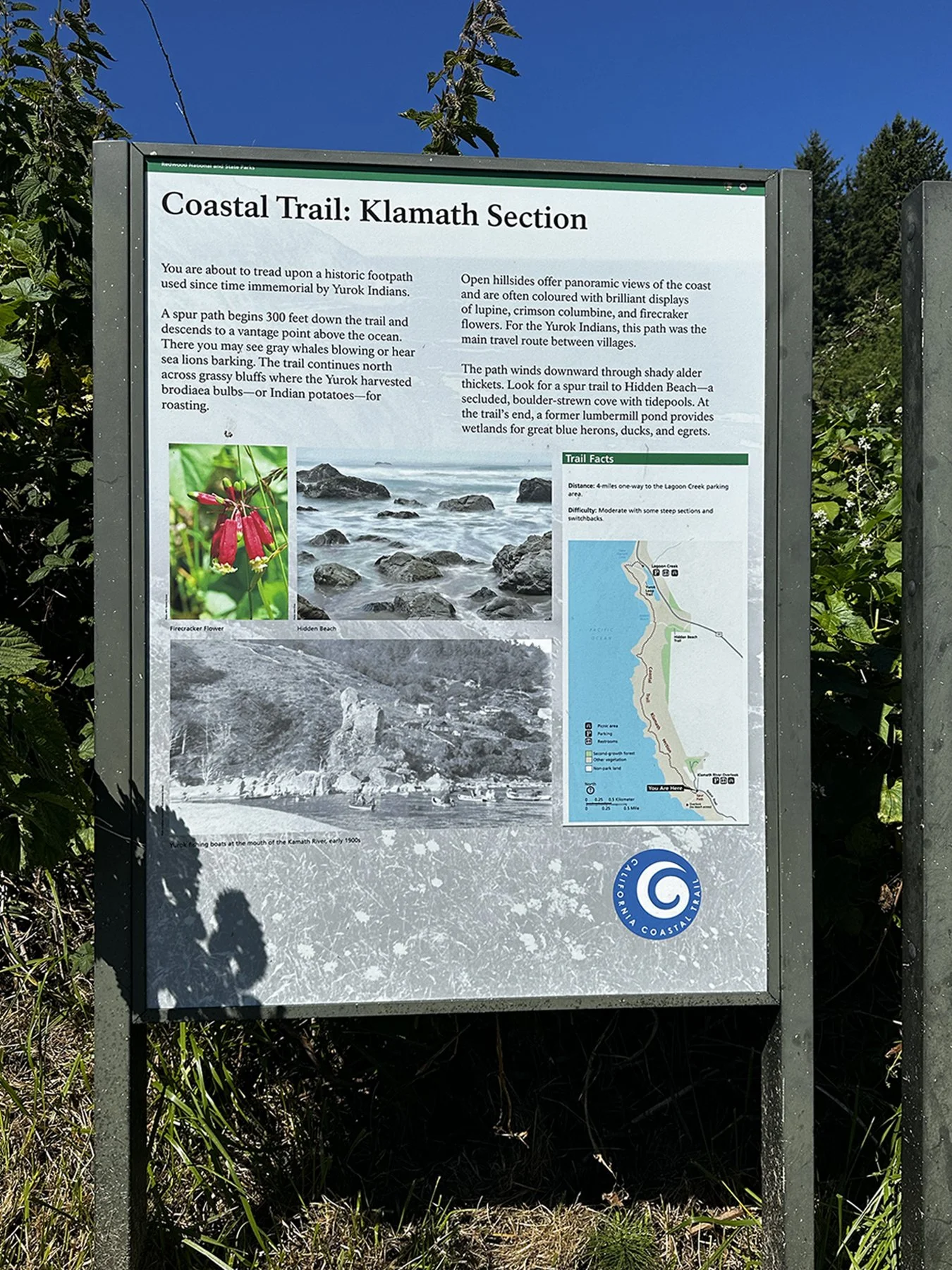
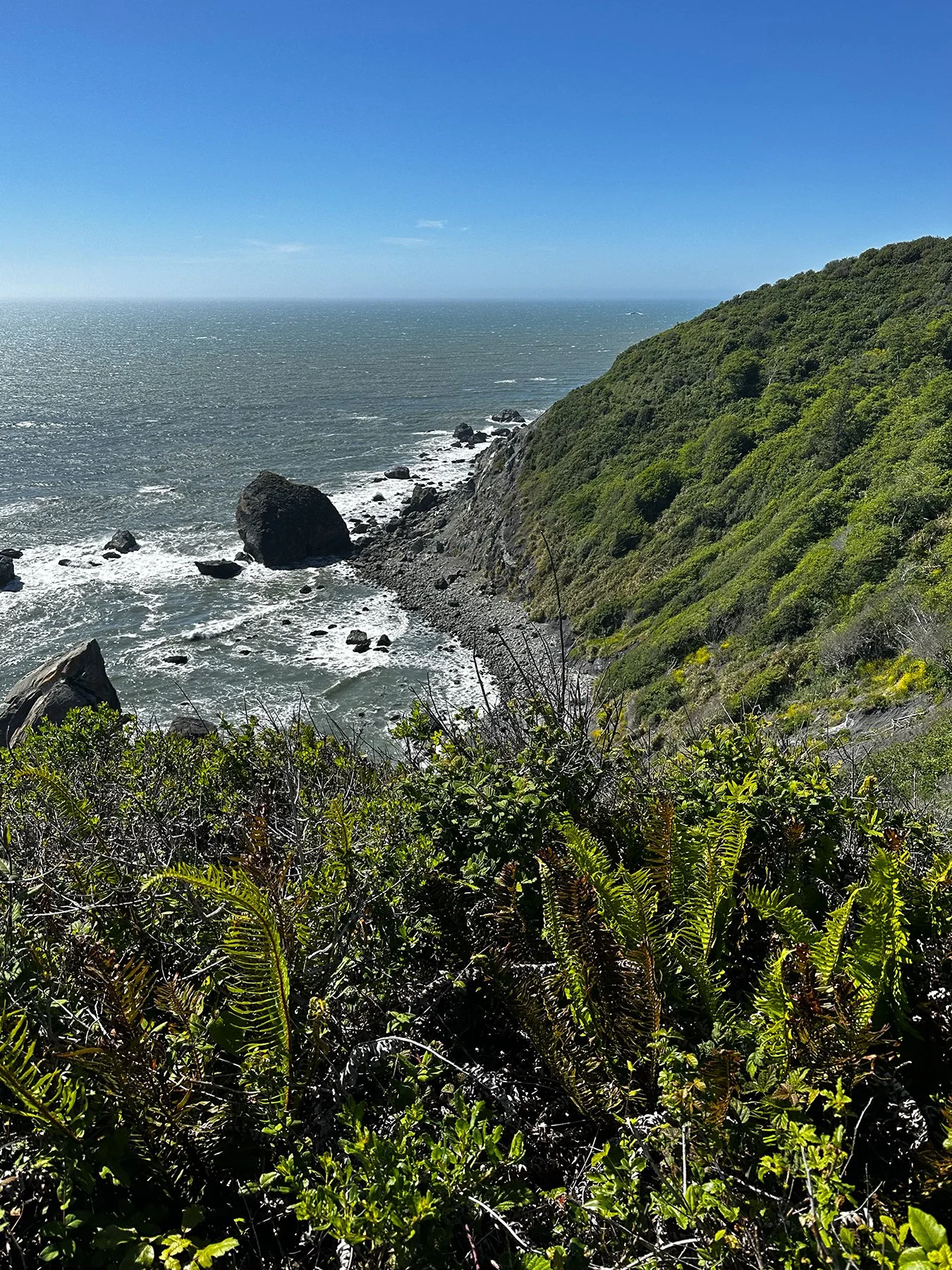
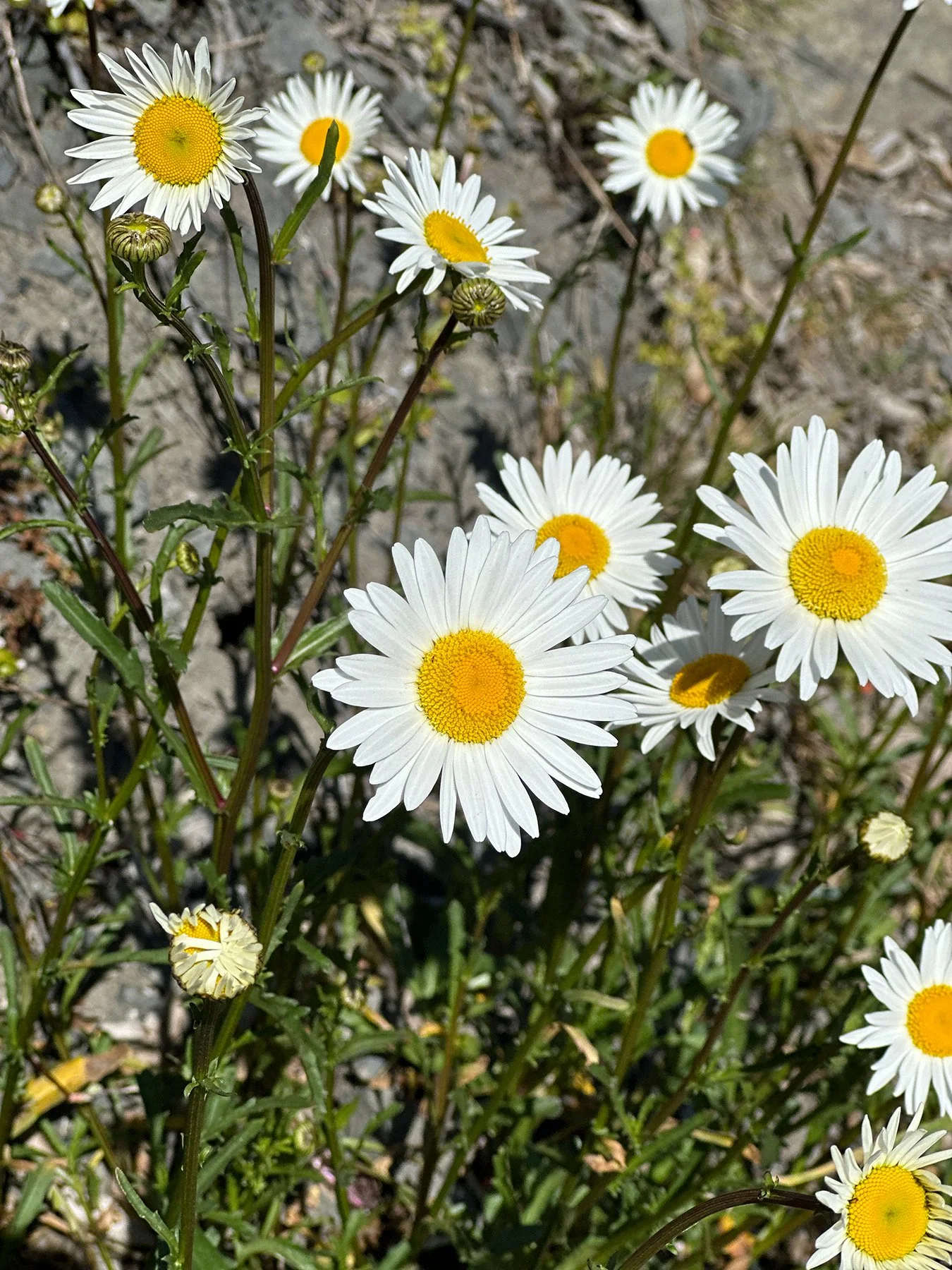
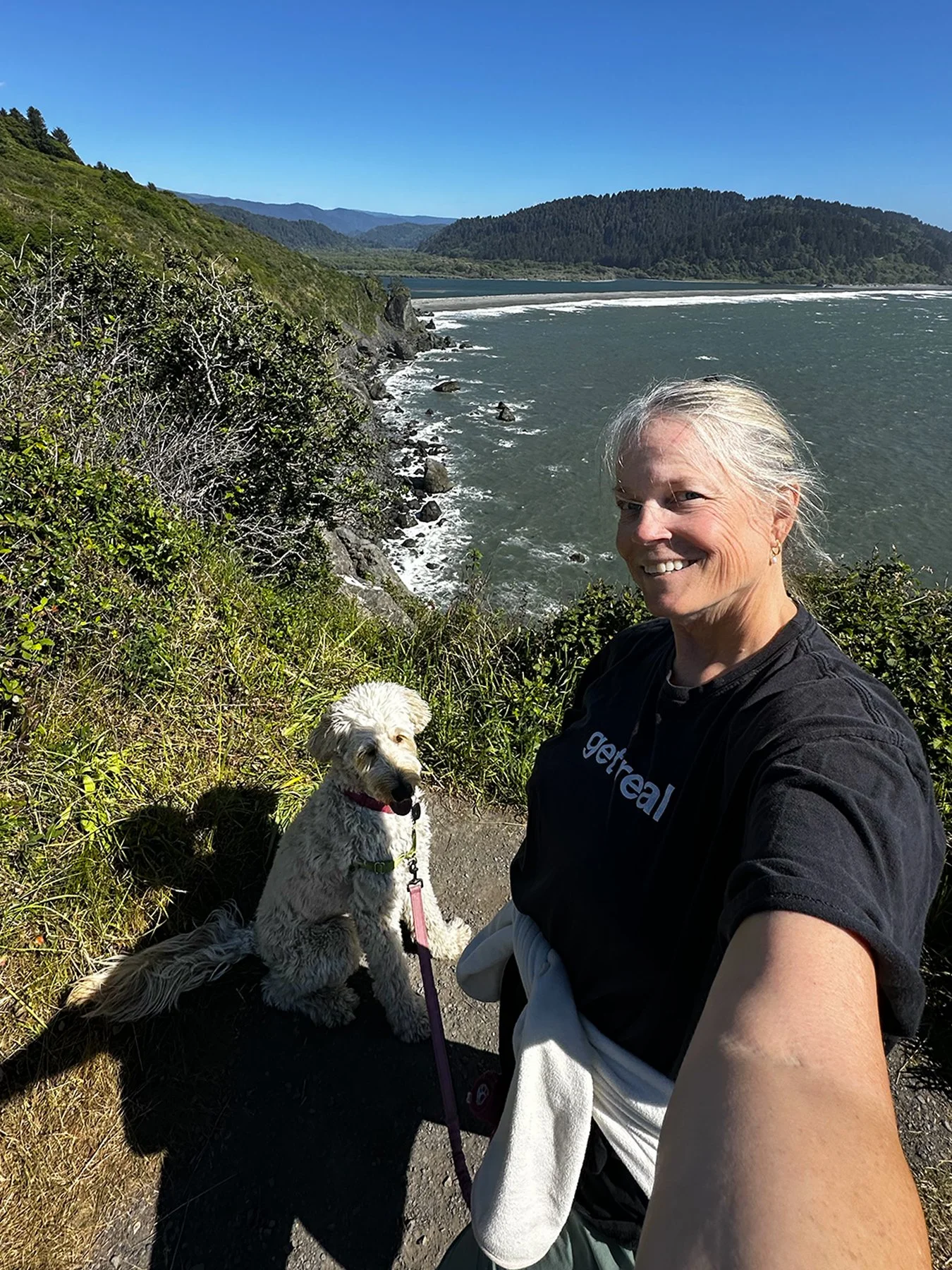
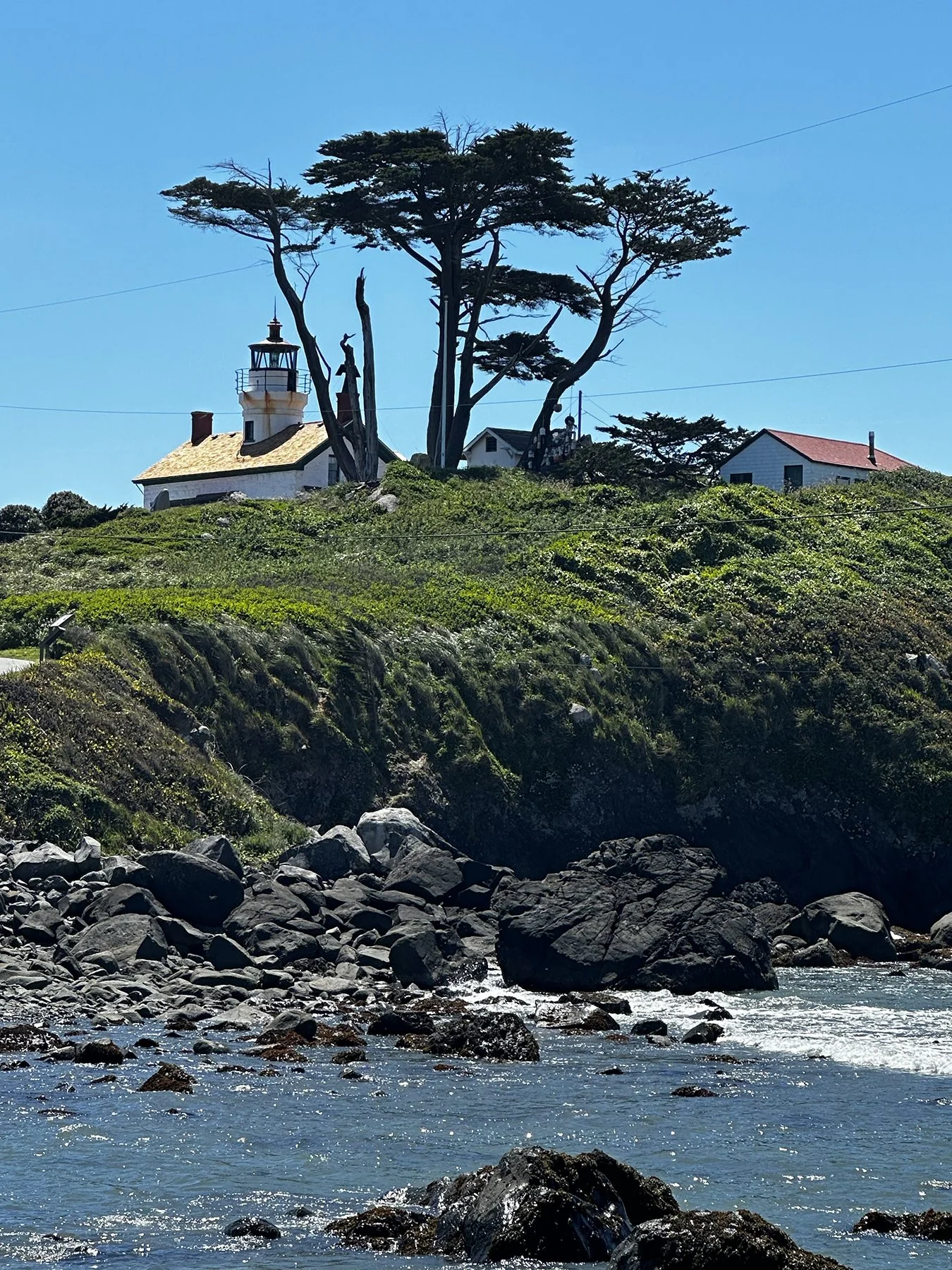
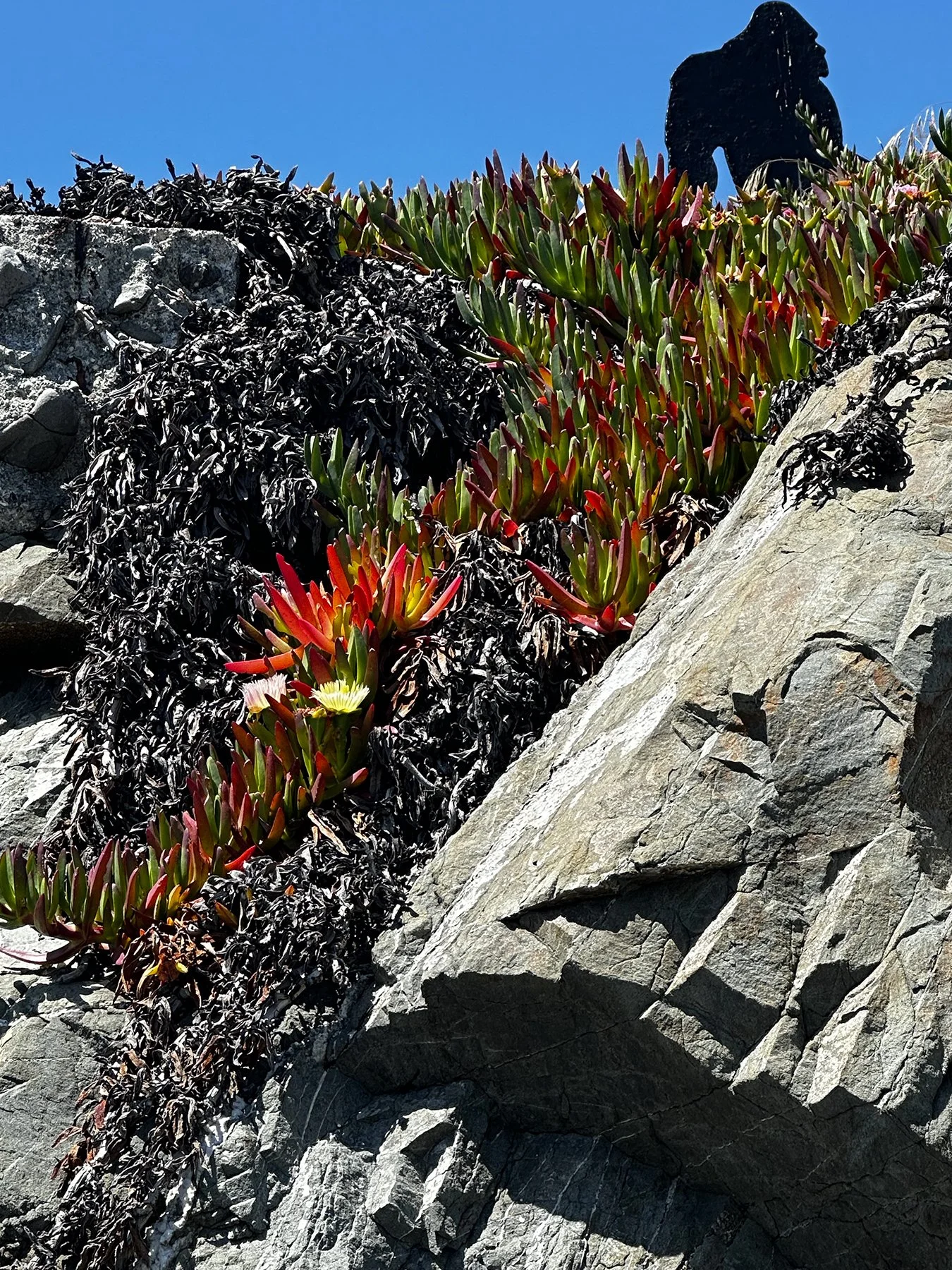
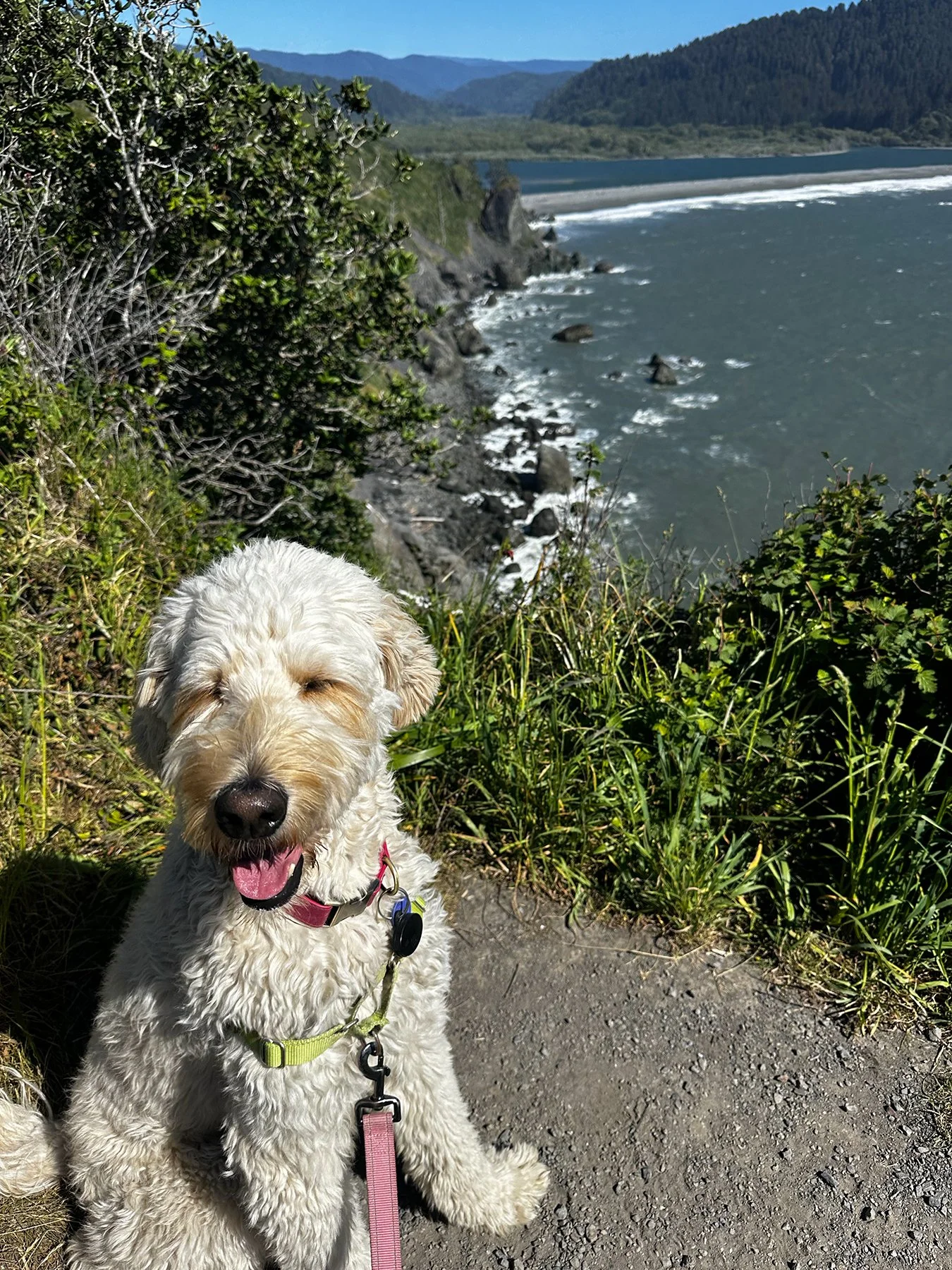
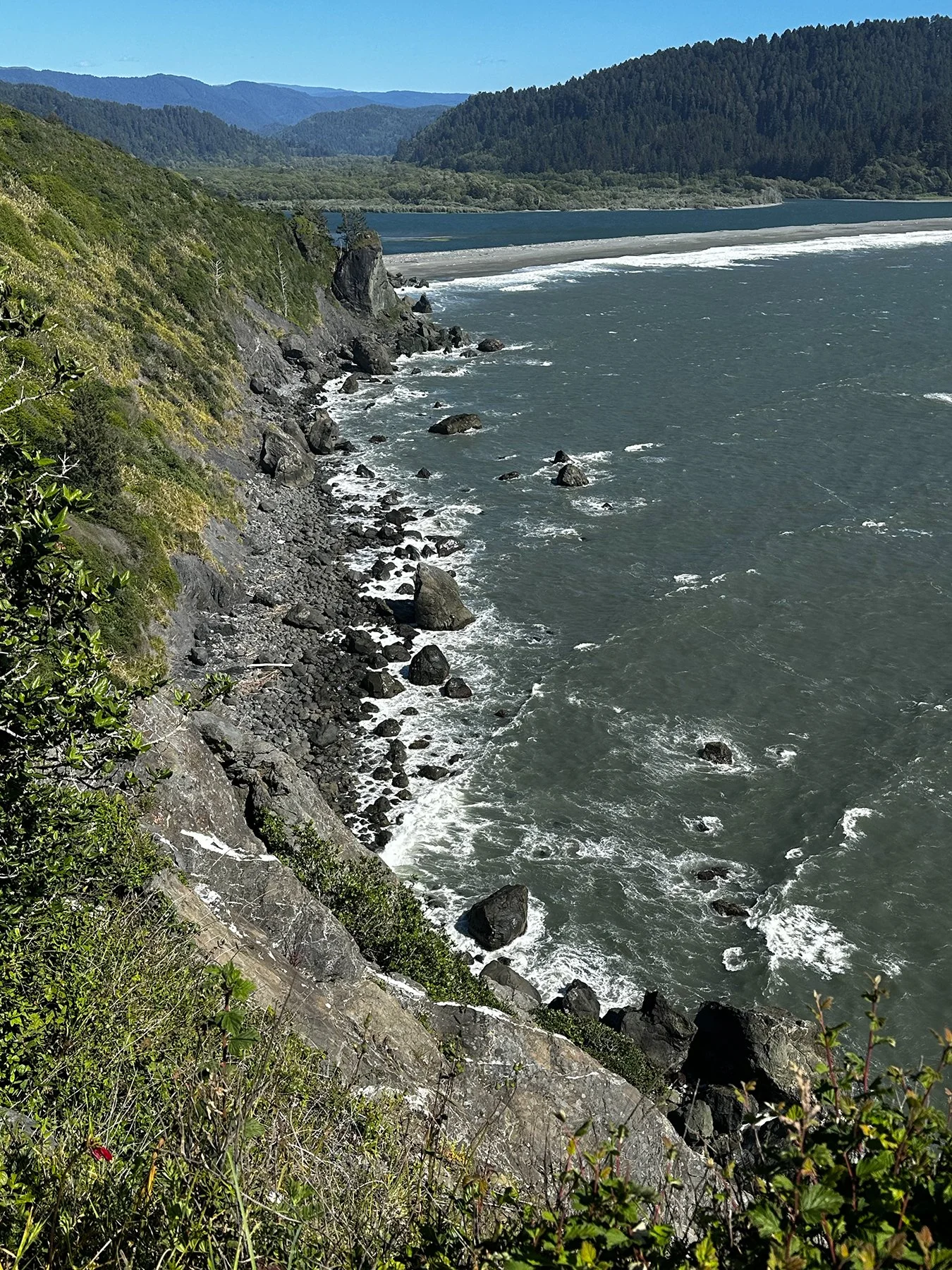
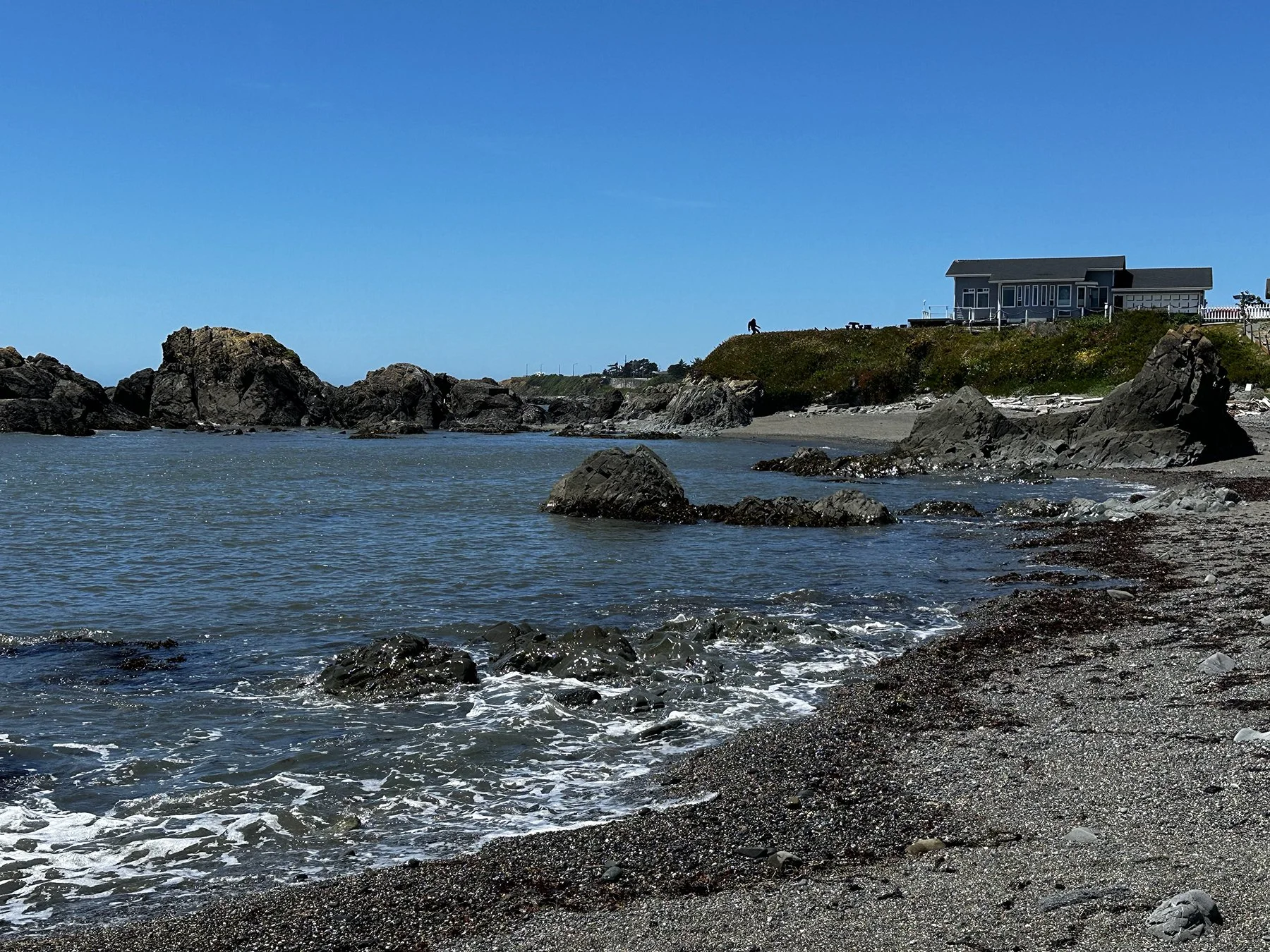
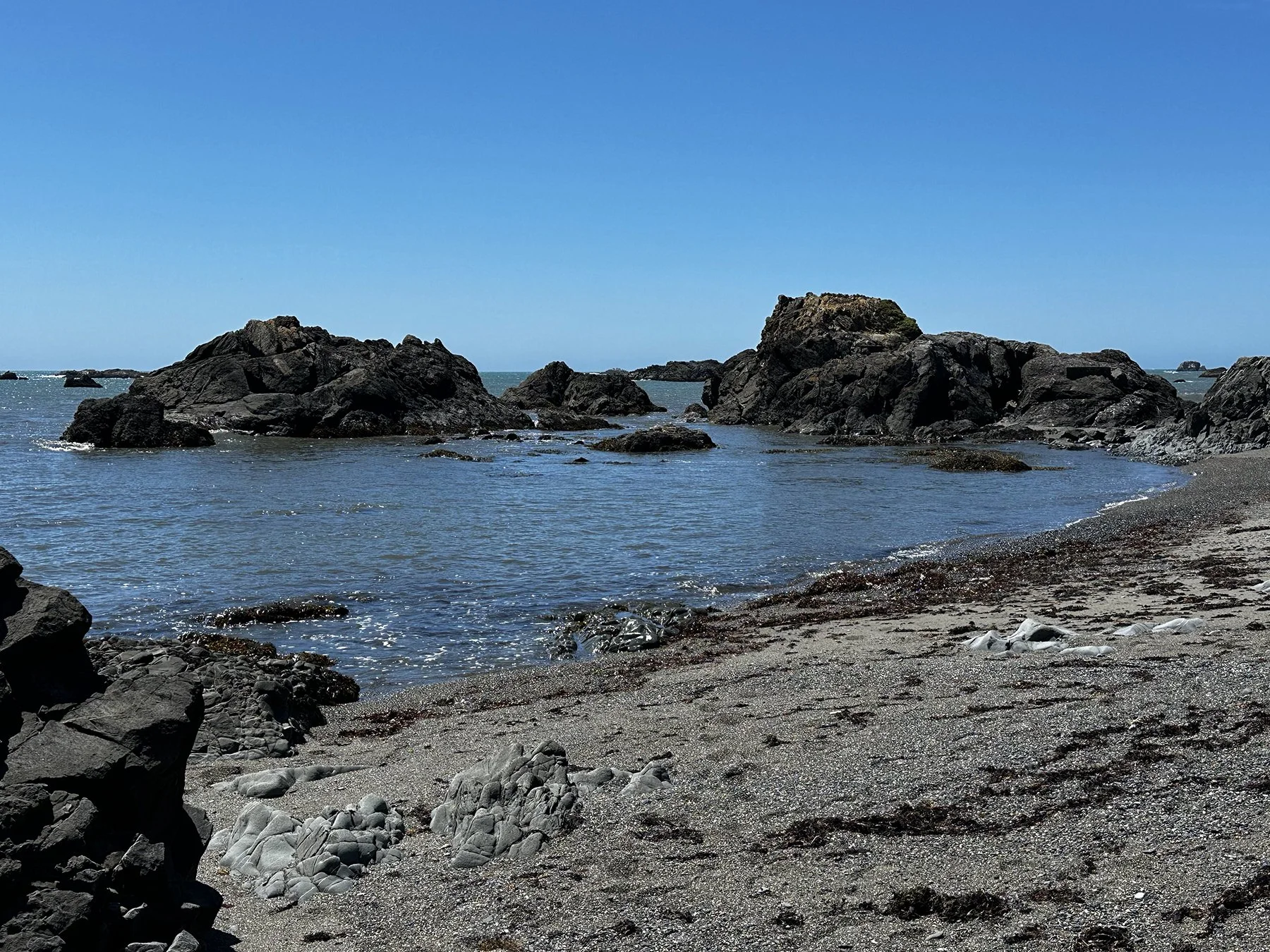
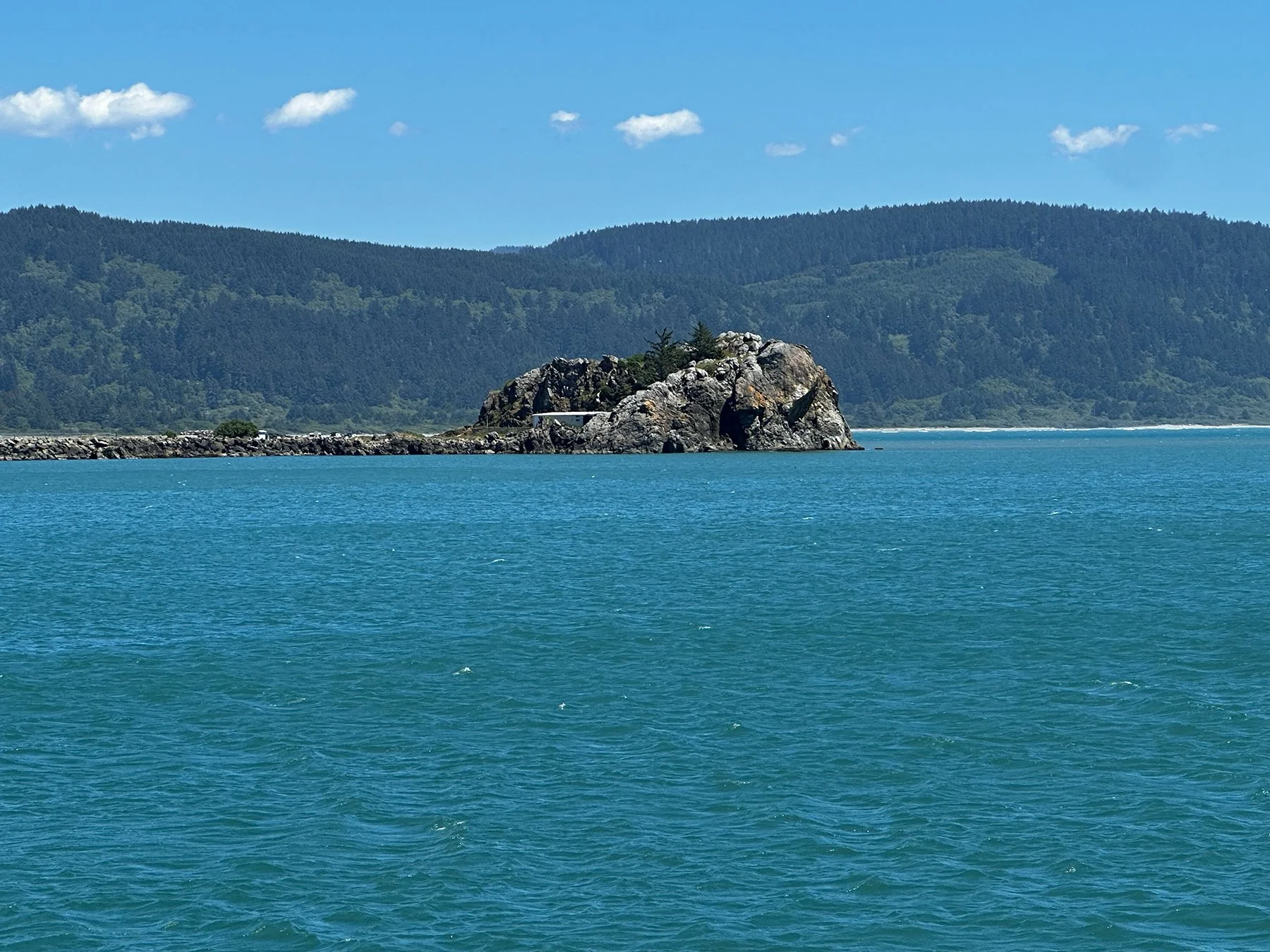
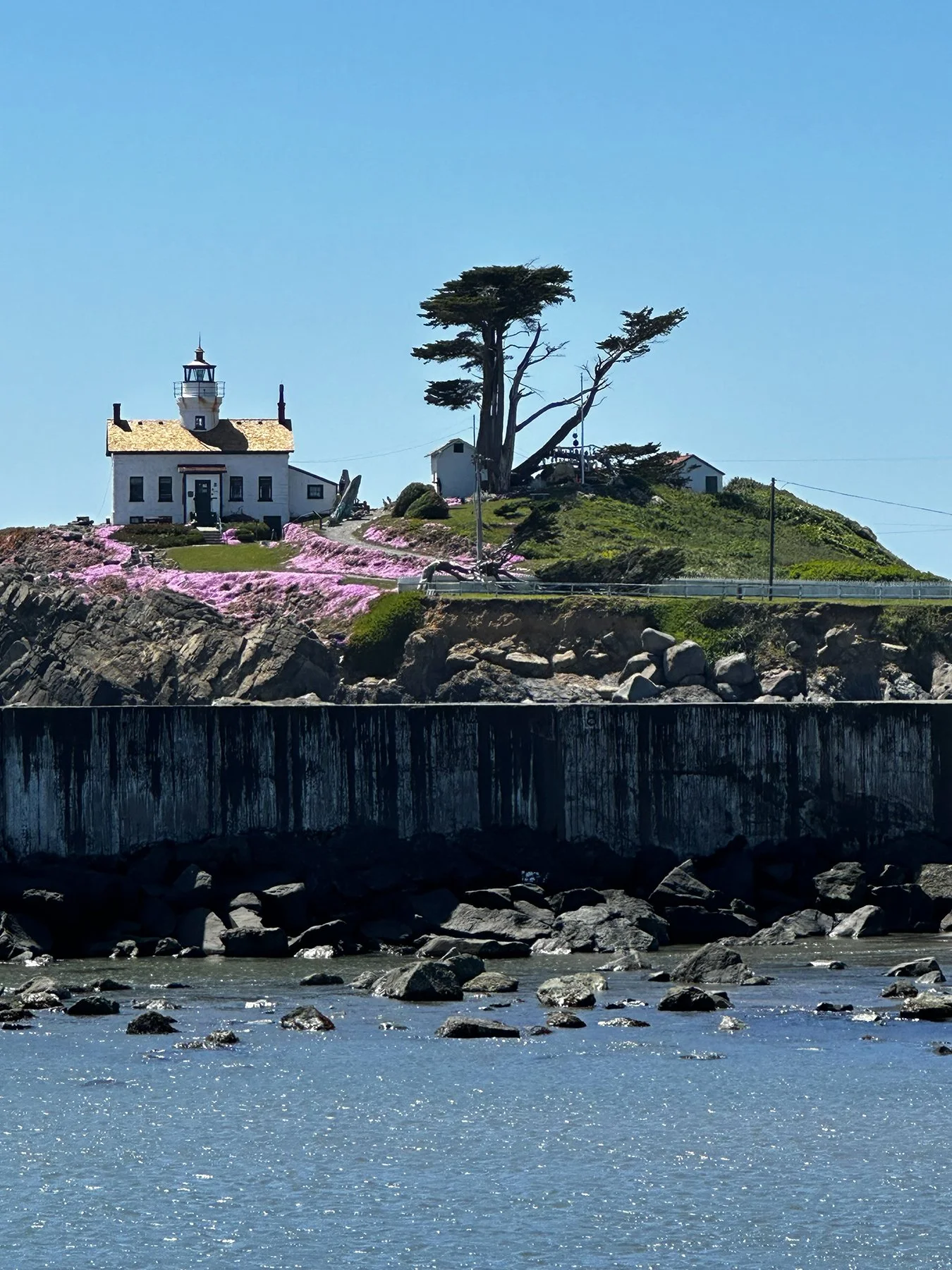
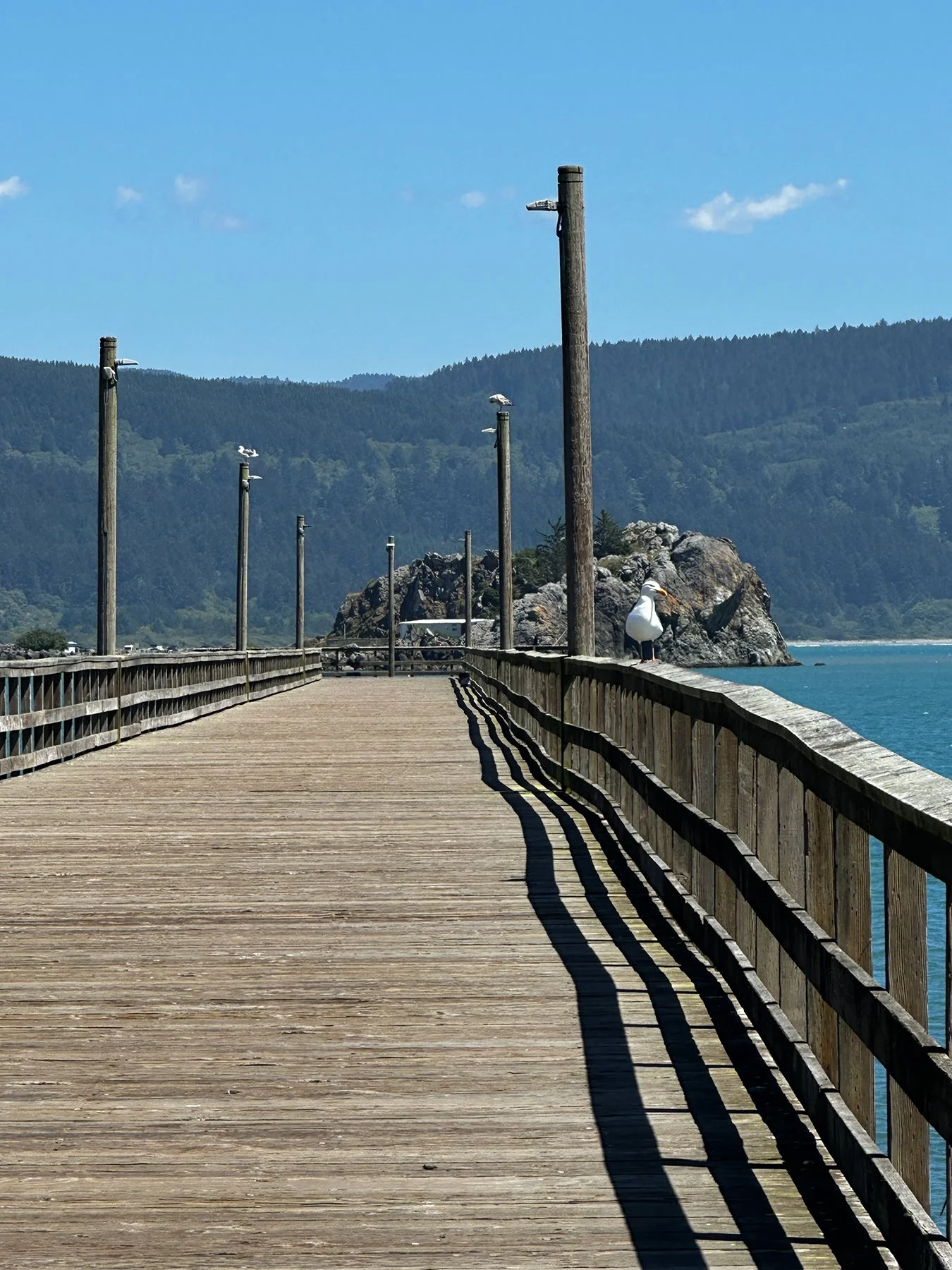
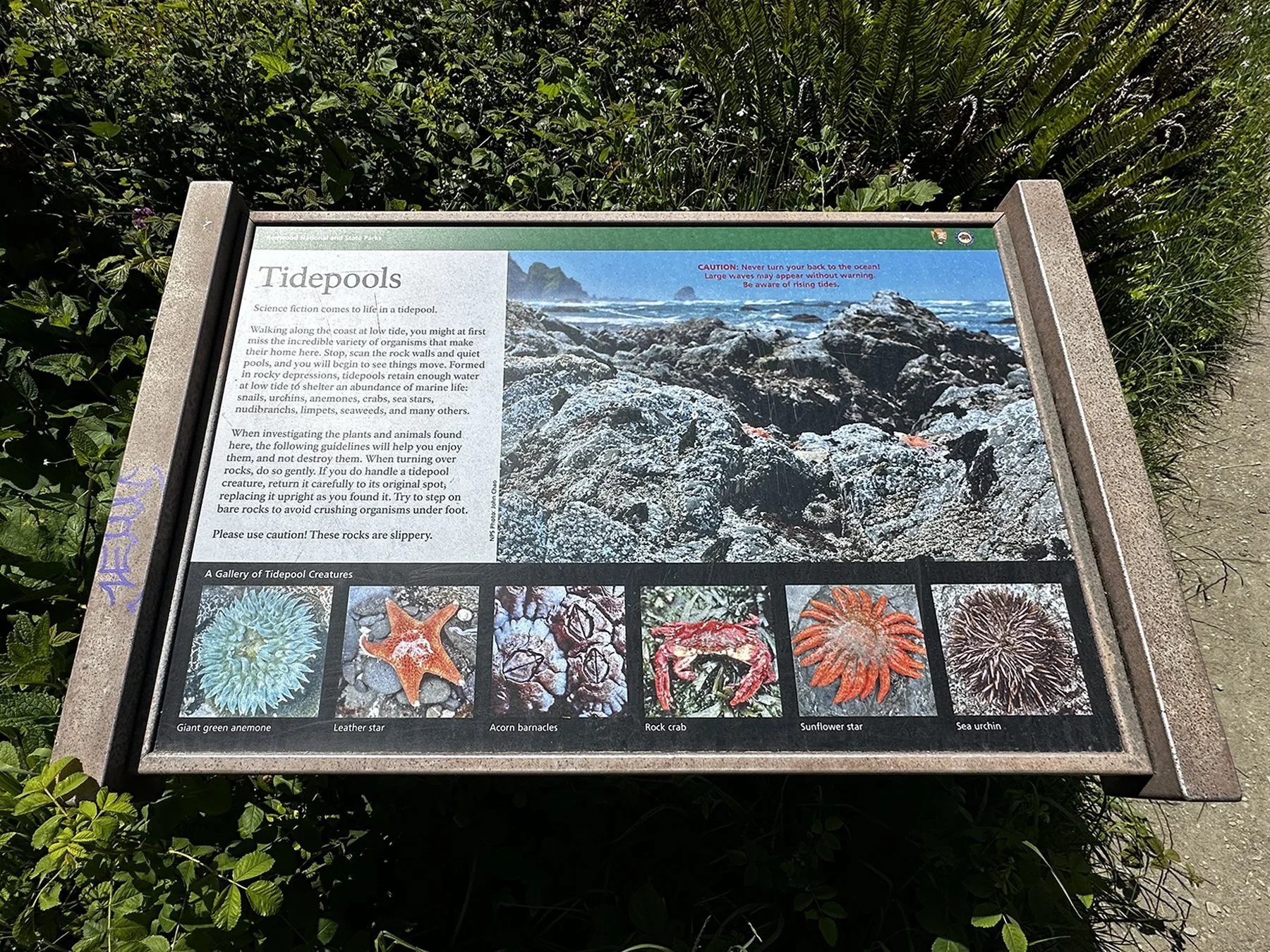
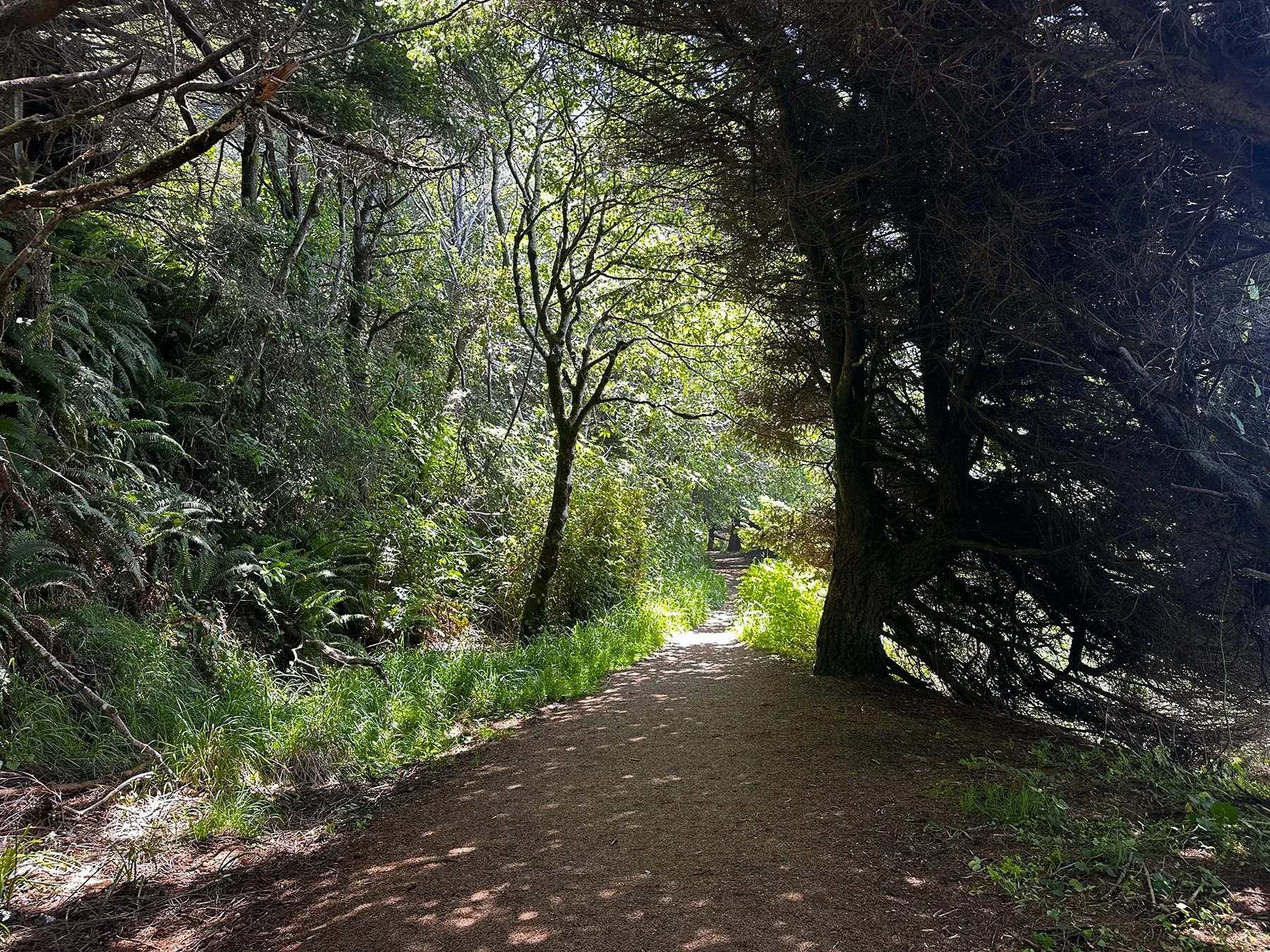
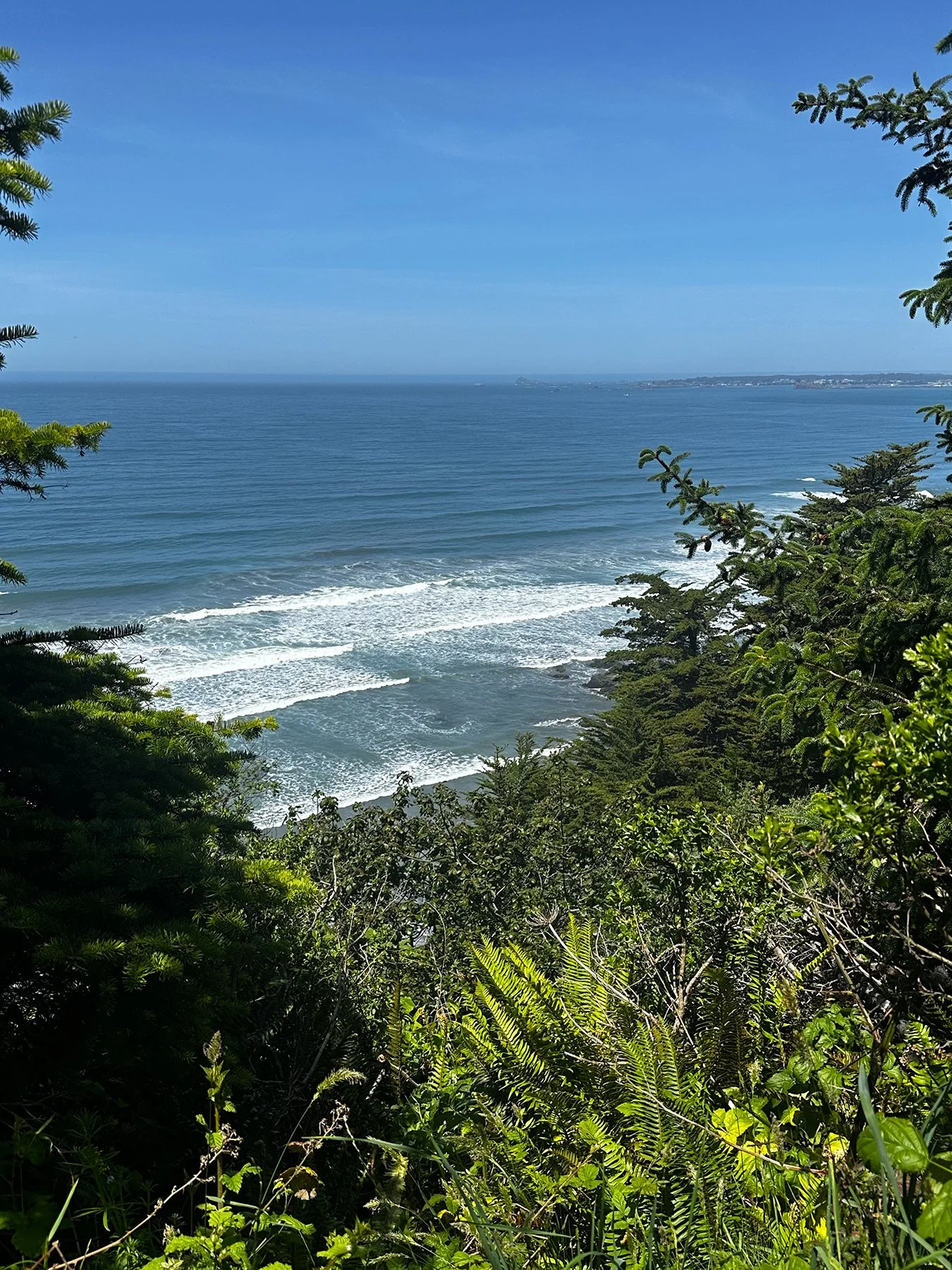
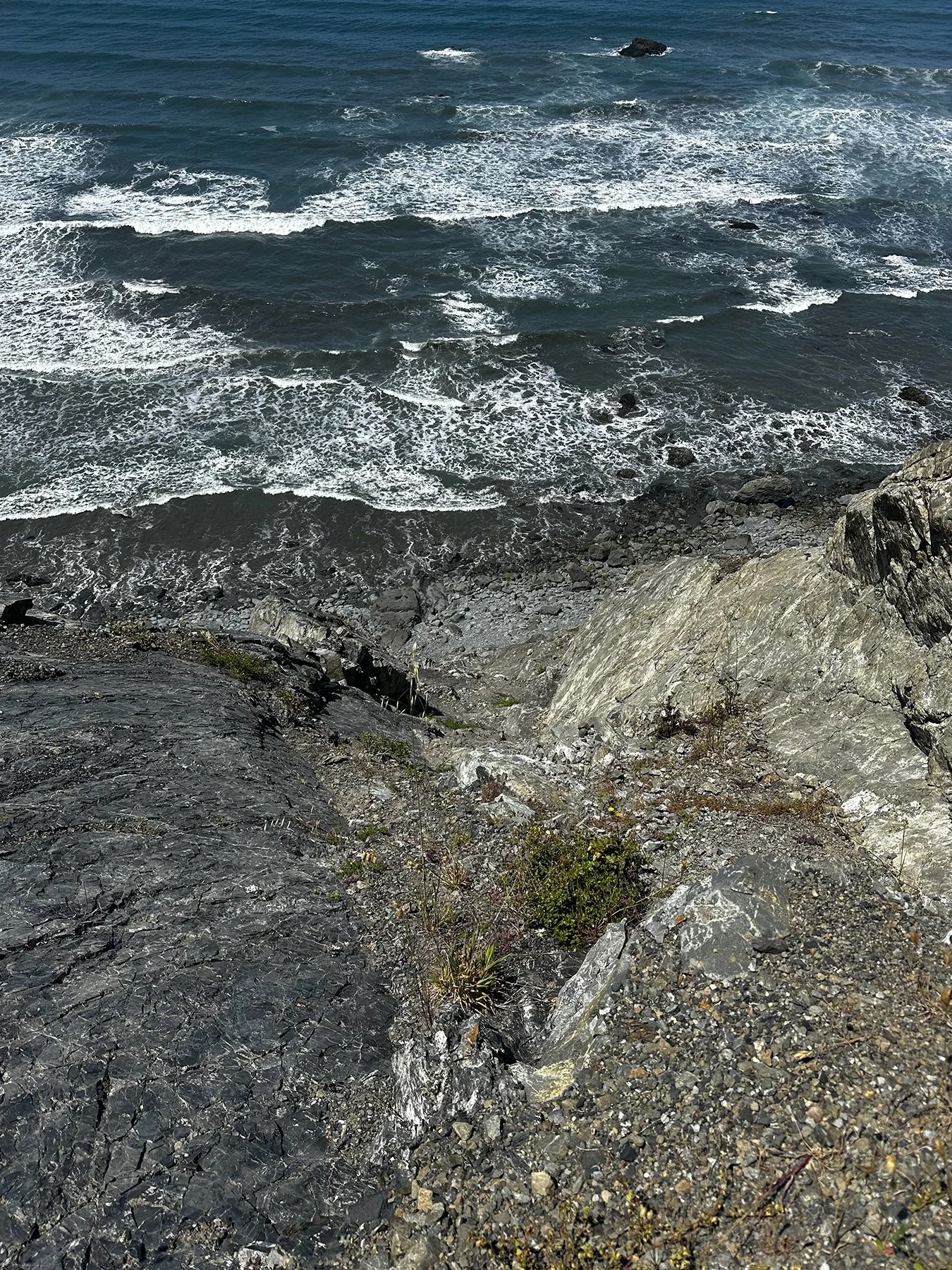
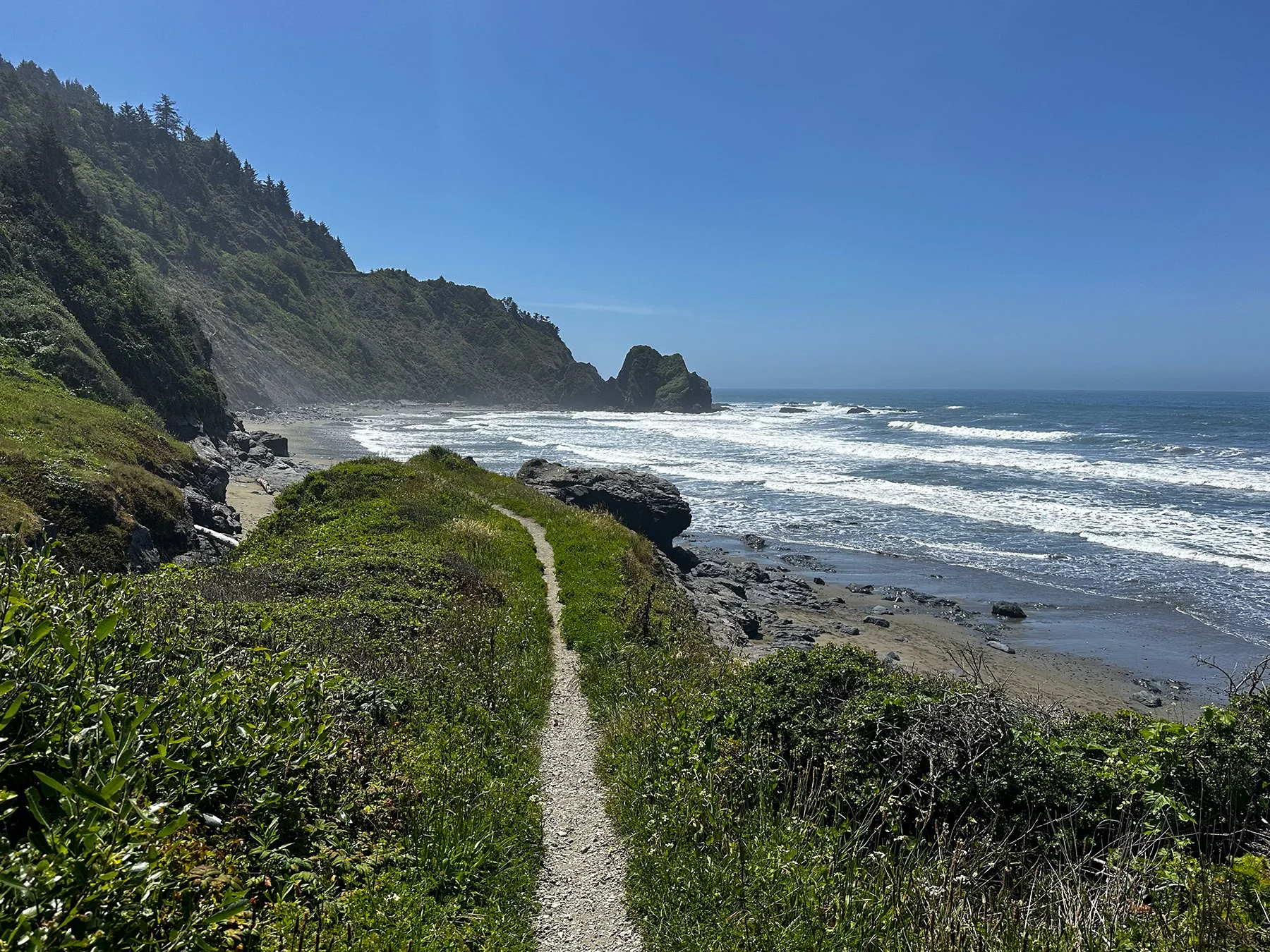
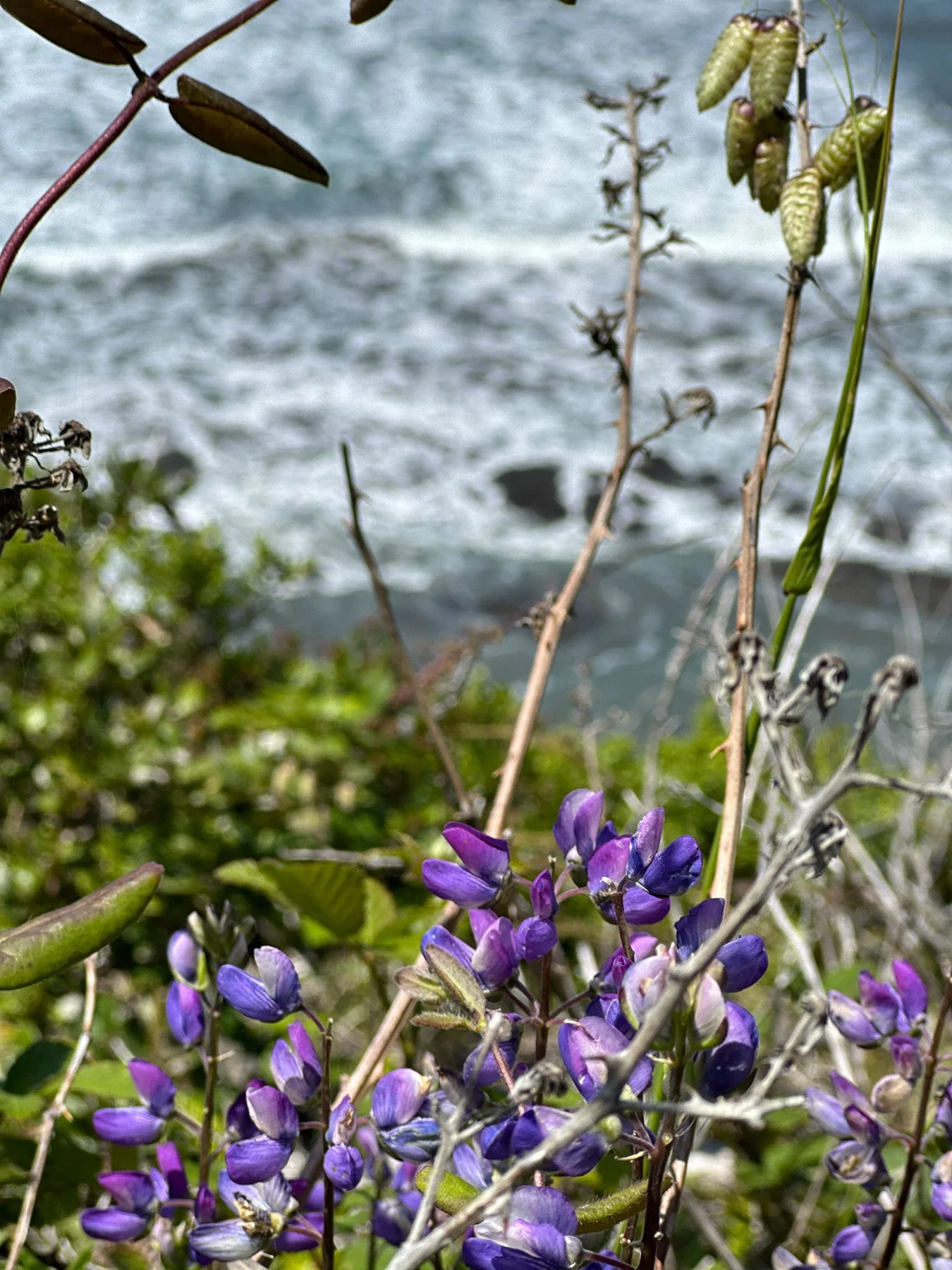
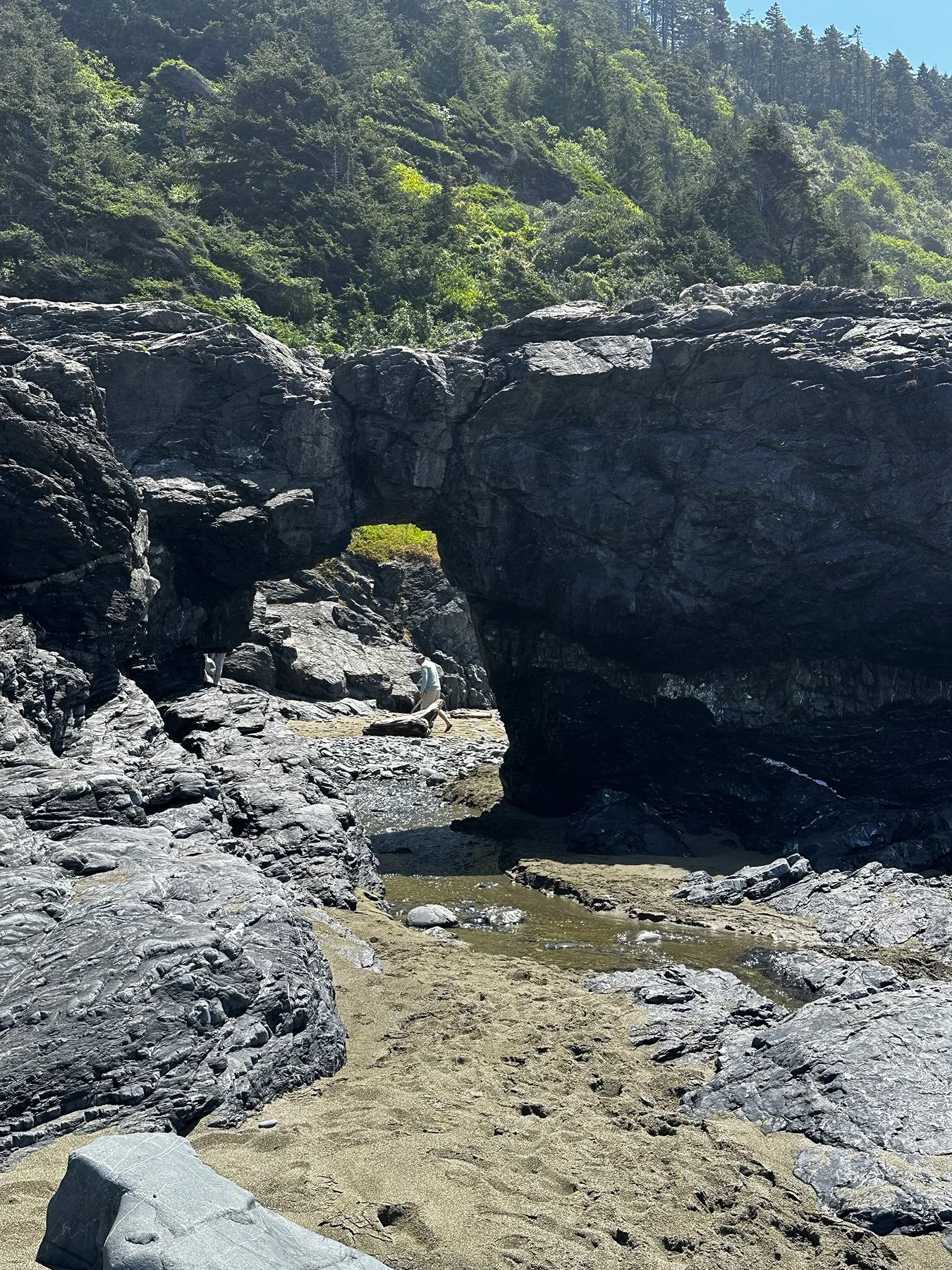
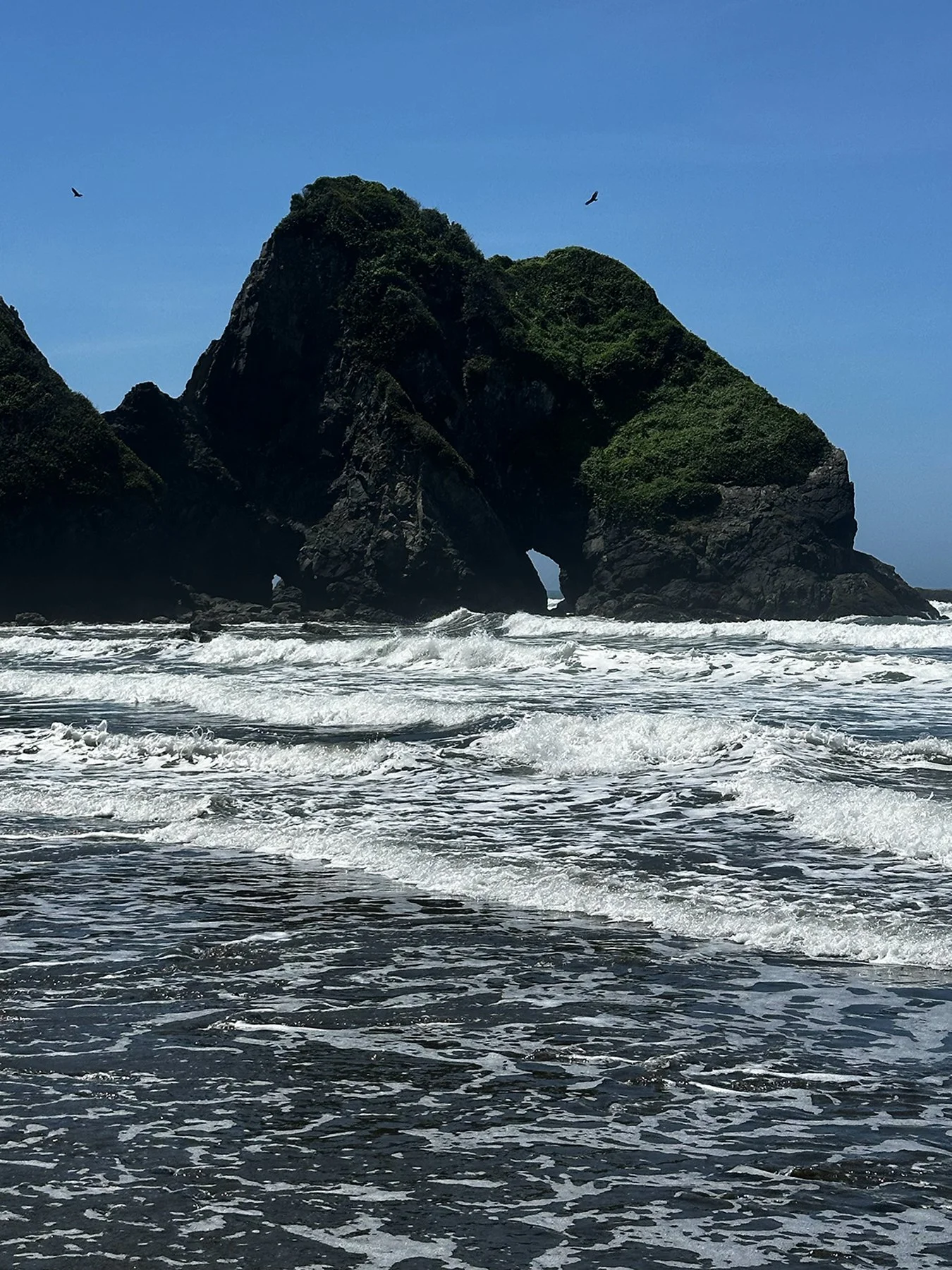
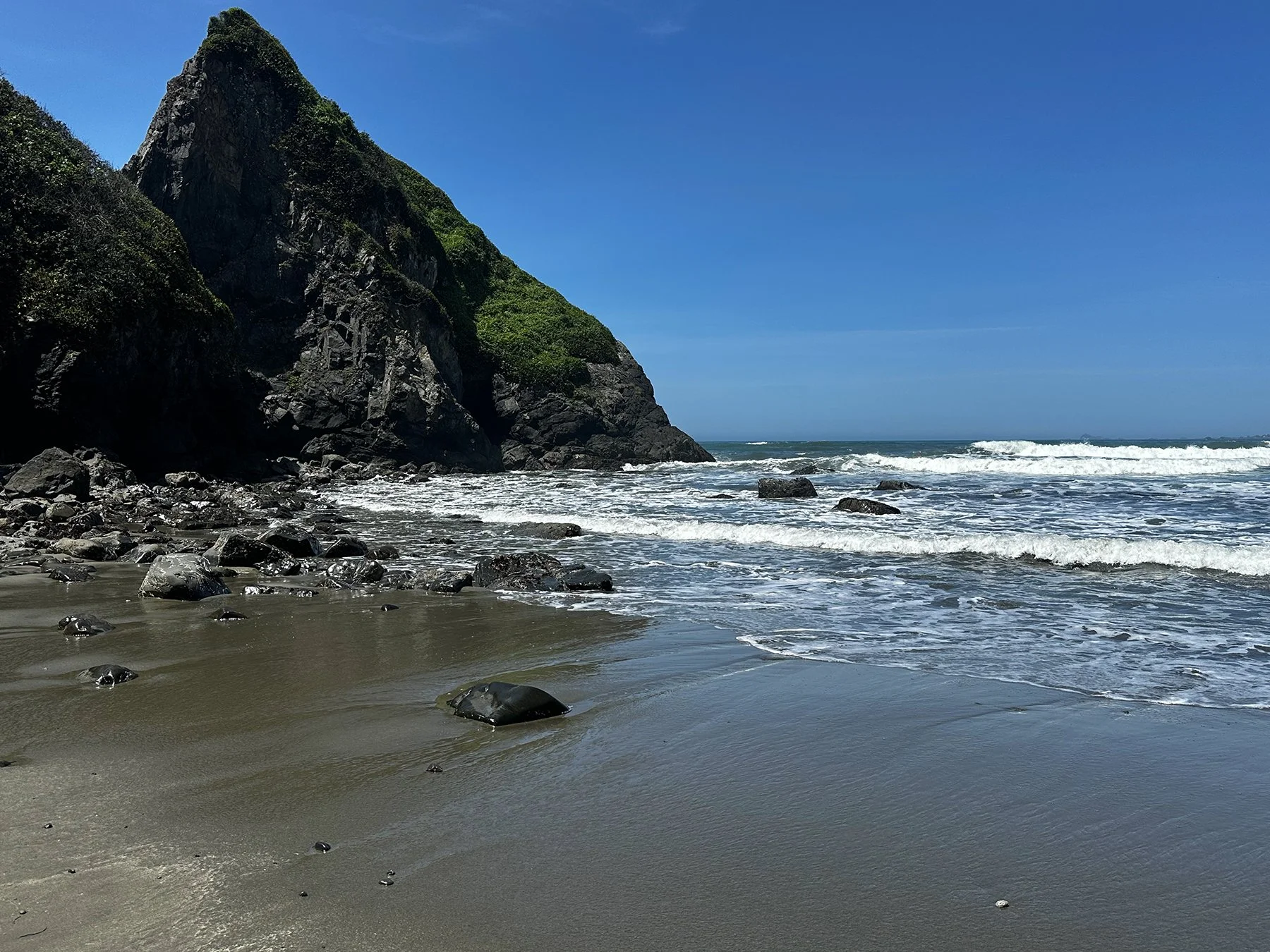
We also had to opportunity to hike along the coastline near Crescent City – sometimes down steep switchback paths to the ocean, and at times along the rocky beaches:
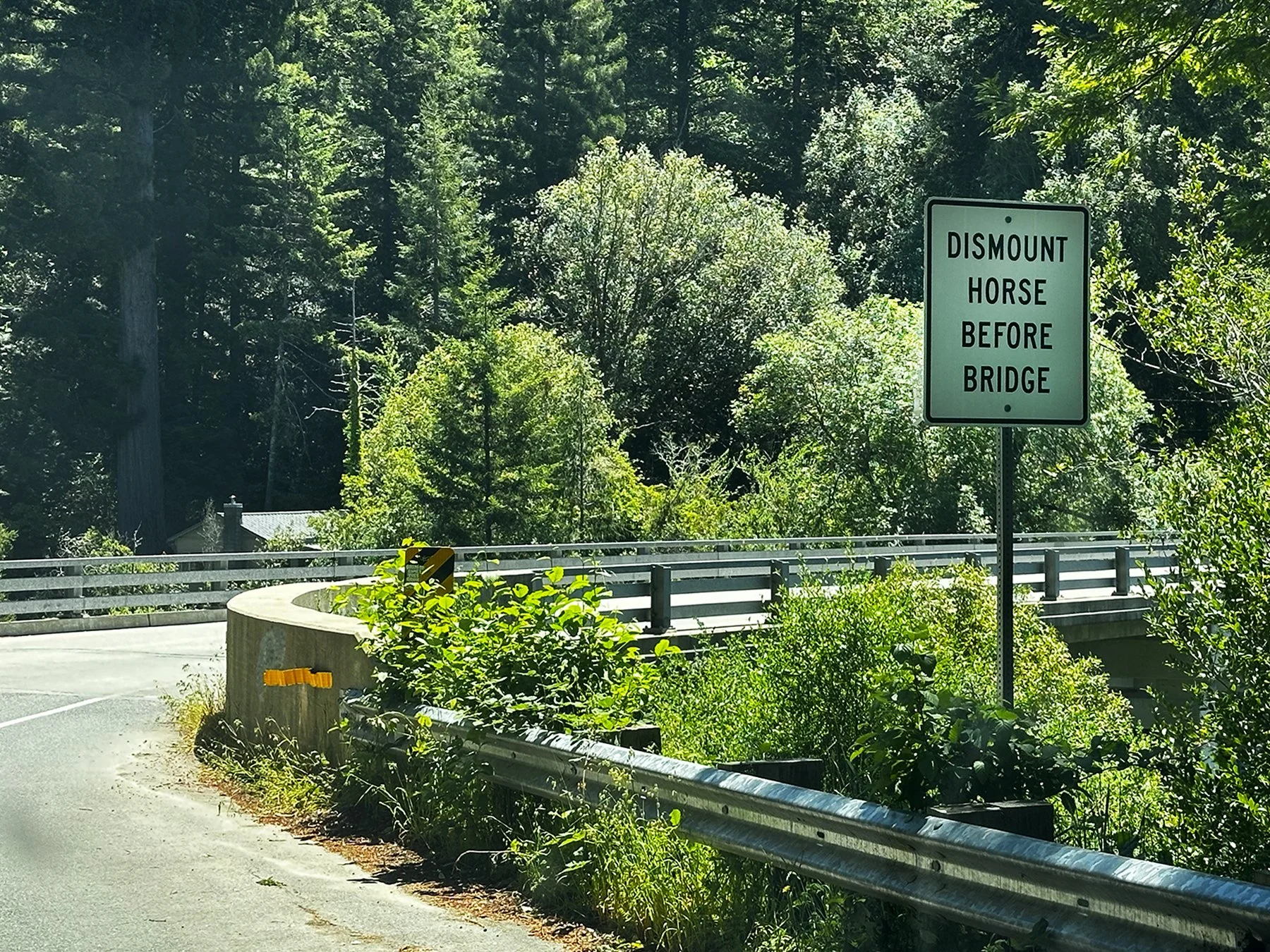
Best sign of the day? “Dismount Horse Before Bridge”!