le Mounts de Washington
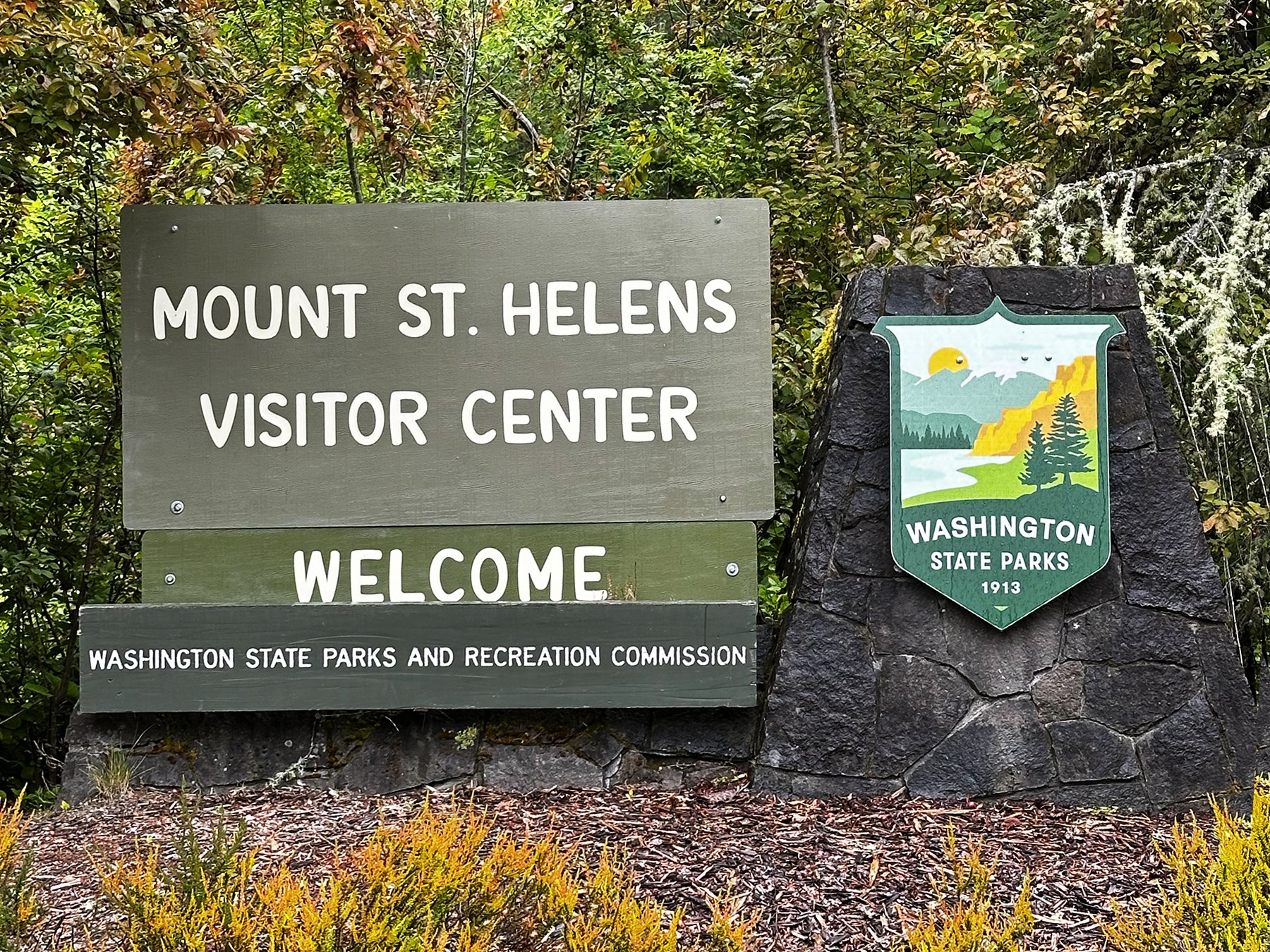
Mount St. Helens
Were you alive when Mount St. Helens erupted? If you have to ask what year that was, then you weren’t alive. Or you were too young to see it on the news on your tv where you got four whole channels, or too young to read about it in the newspaper, or hear about it on an actual radio—the three main forms of news dissemination those days.
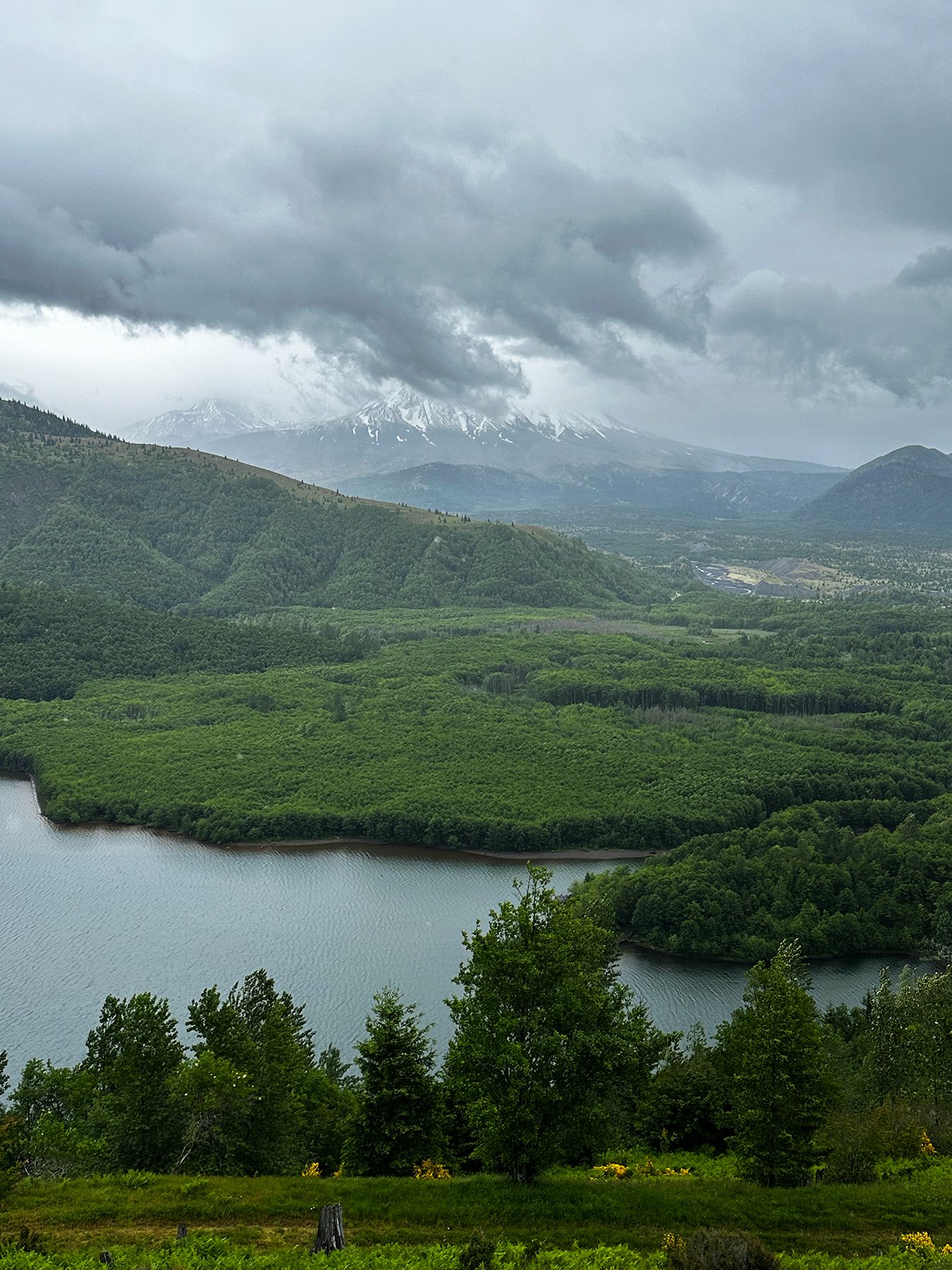
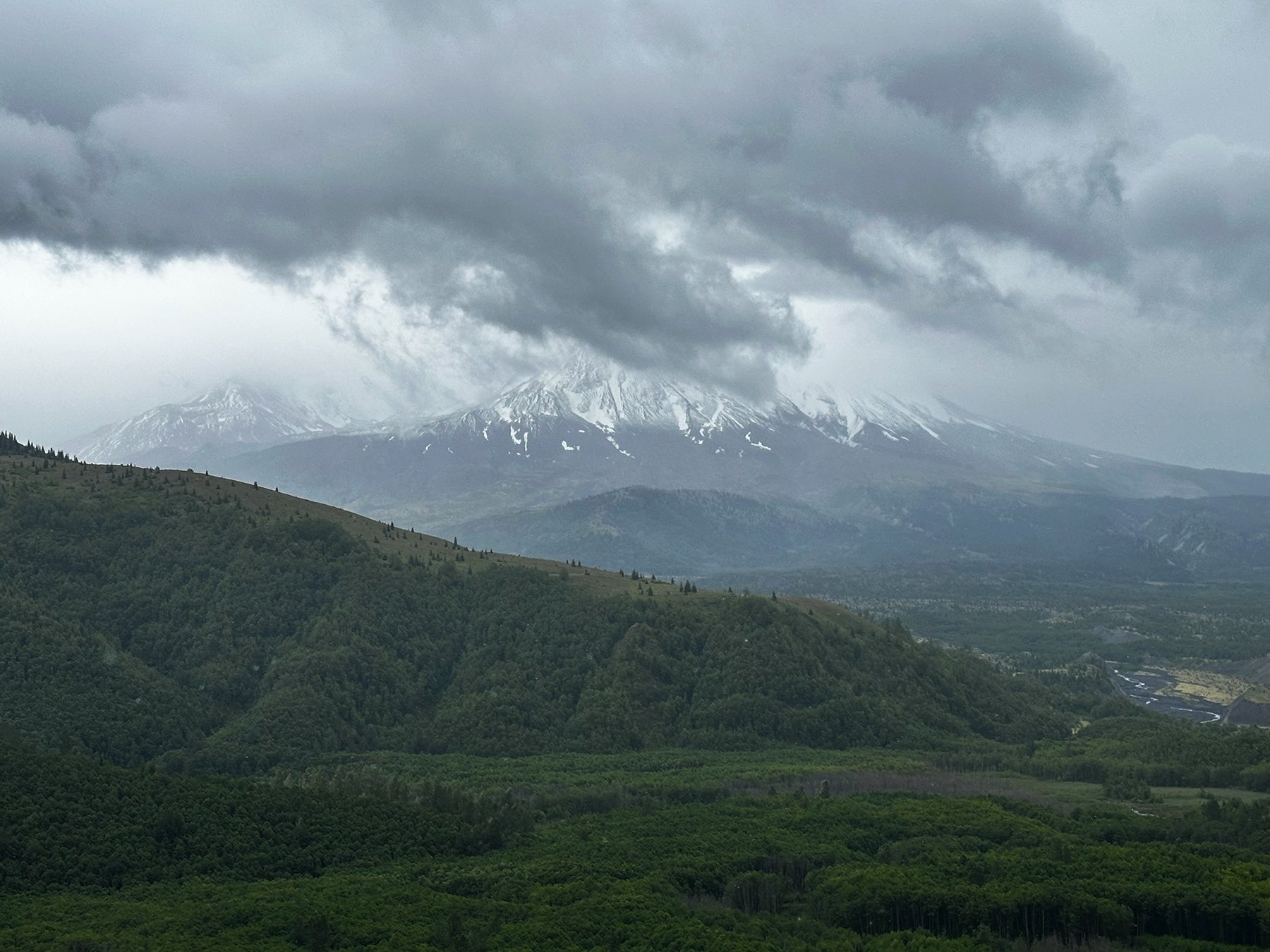
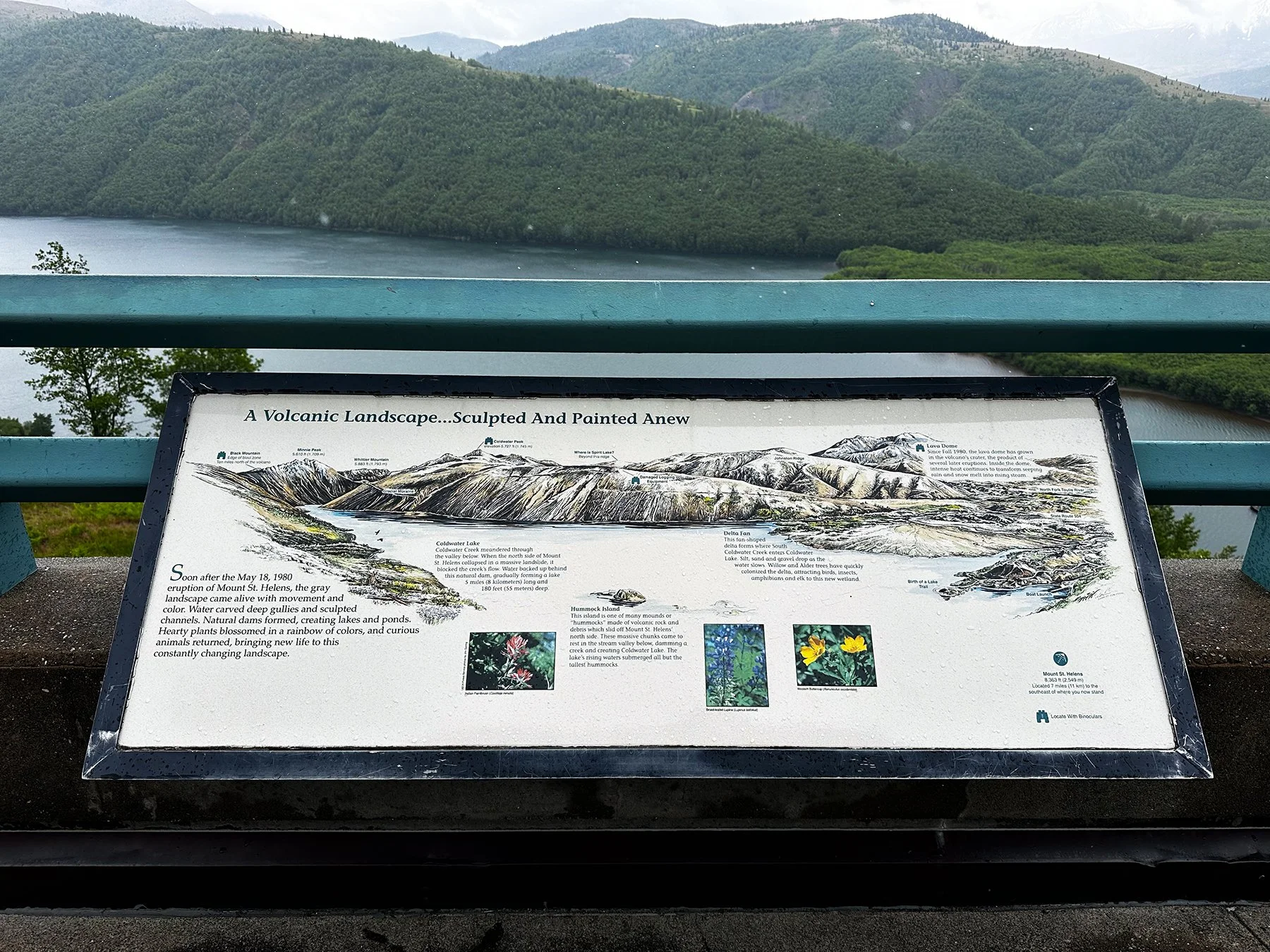
I was finishing up my junior year in high school when the volcano erupted on May 18, 1980. It was—and still is—the most economically destructive volcanic event in U.S. history. 57 people were killed and 200 homes, 47 bridges, 15 miles of railways, and 185 miles of highway were destroyed. A massive debris avalanche—triggered by a magnitude 5.1 earthquake—caused a lateral eruption that reduced the elevation of the mountain's summit from 9,677 to 8,363 ft (a difference of 1,314 ft!), leaving a 1-mile-wide horseshoe-shaped crater.
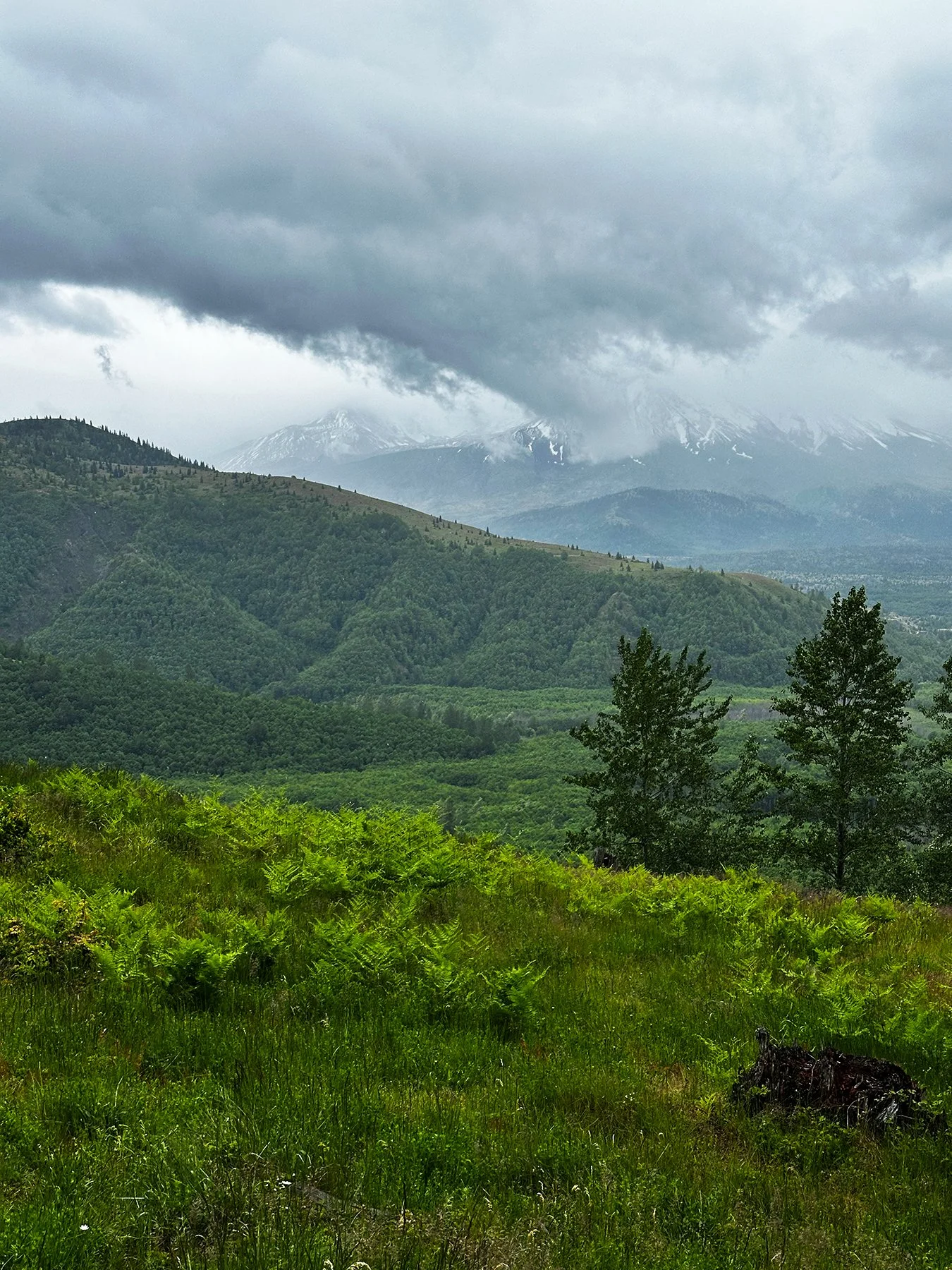
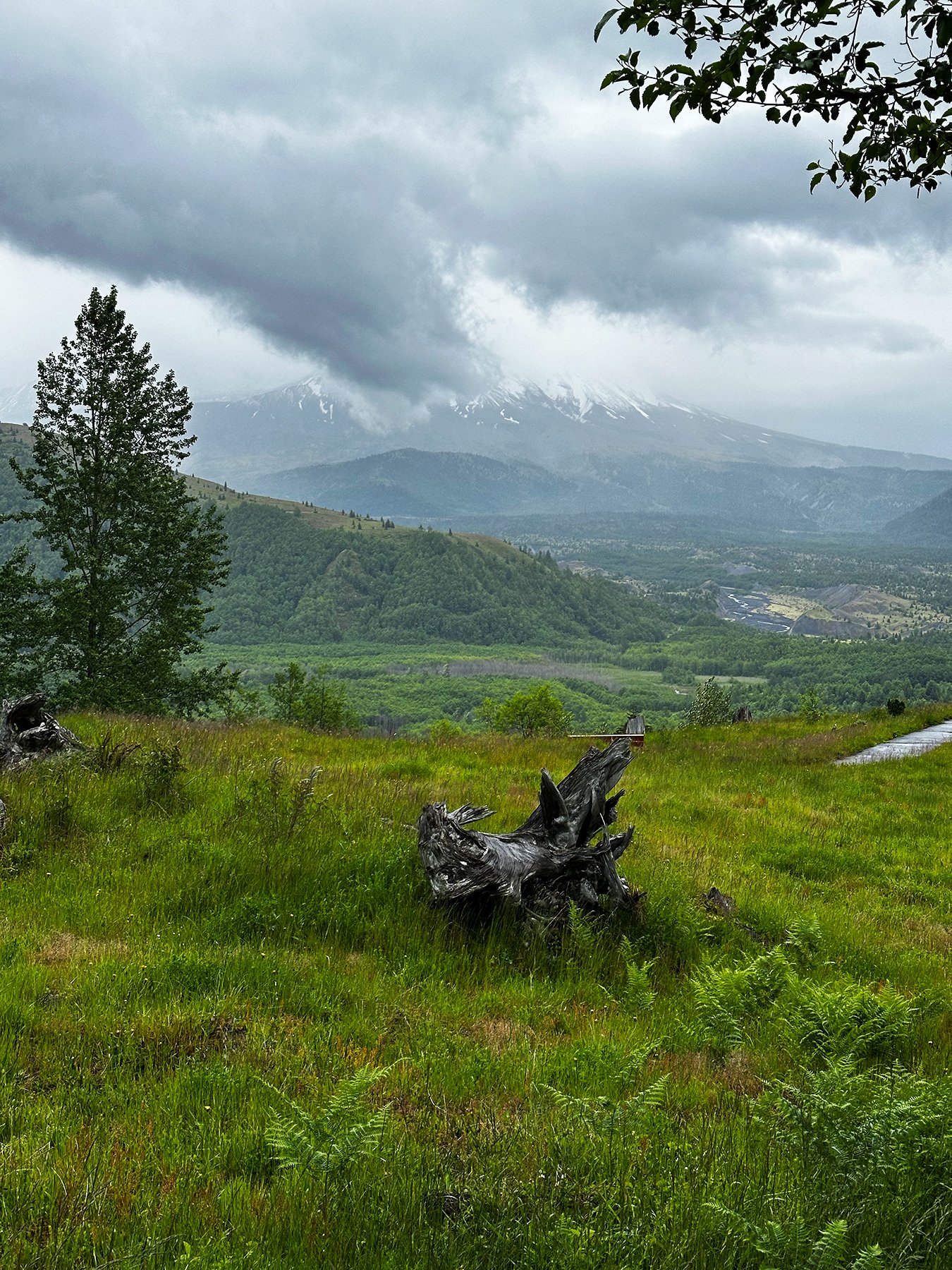
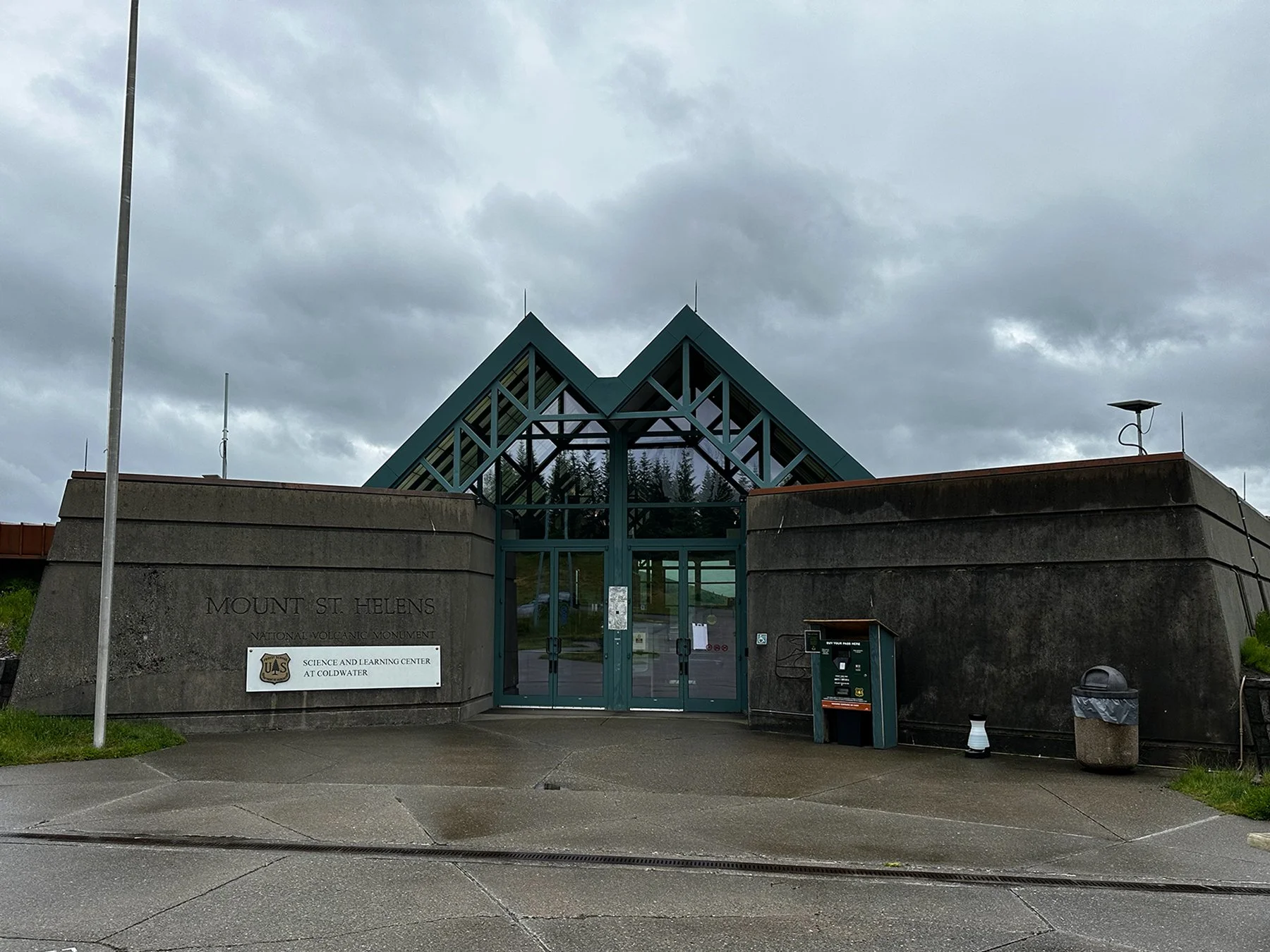
After leaving Portland and the Columbia River Gorge area, I was thrilled to be able to ‘swing by’ Mount St. Helens on my way to Mount Rainier. Though cold and rainy that day (shocking for the PNW, I know), it was fascinating being able to take in the history of the event up close. I watched a documentary on the eruption the night before, since it had been, what, 46 years since it took place? I’ve slept since then. LOL
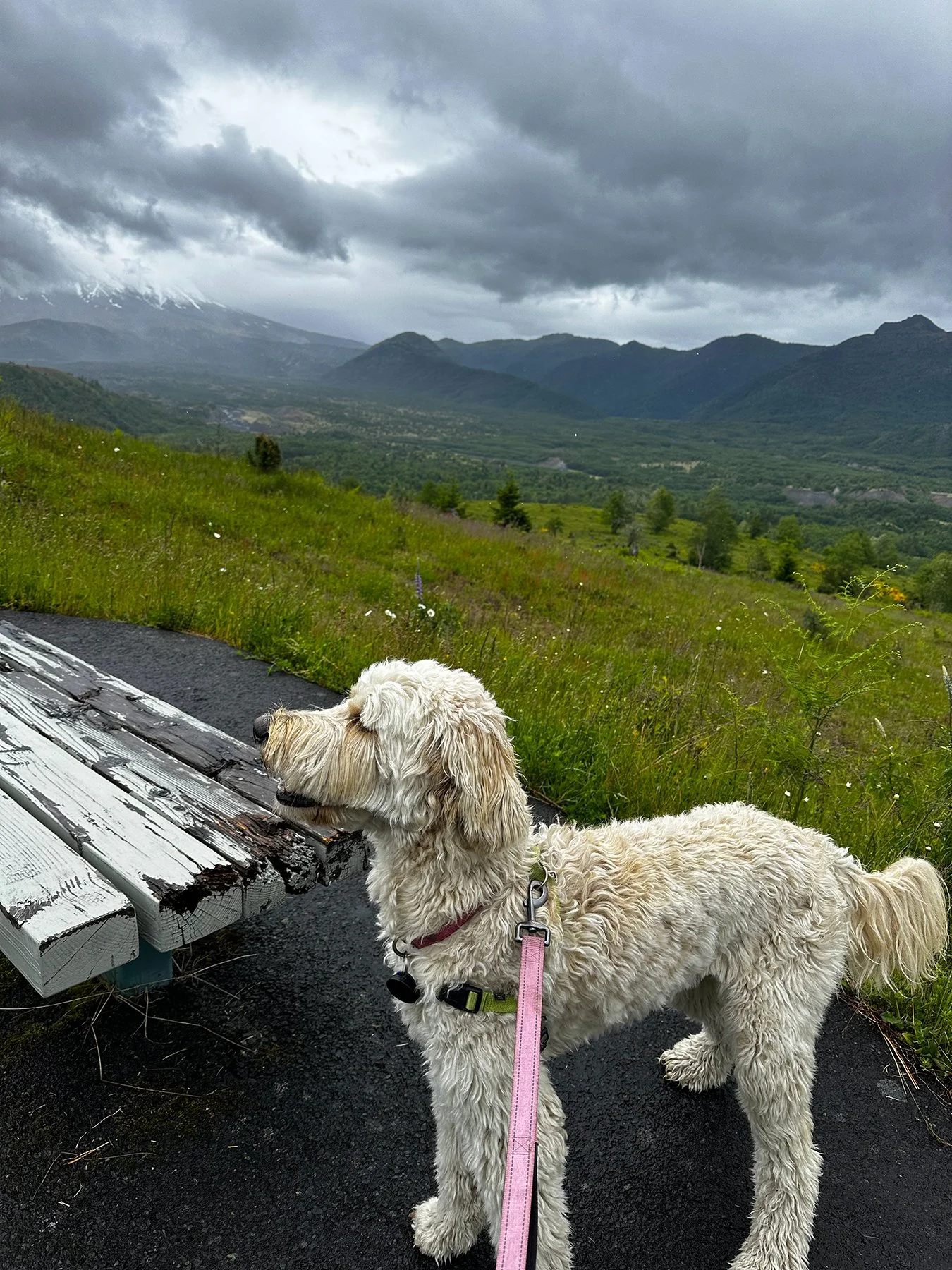
Maisie enjoyed the short hike on the interpretive trail around the visitor’s center. Another epic day in the life of Maisie!
Mount Rainier
We headed on up to our campground not too far from Mount Rainier, looking forward to another fantastic representation of America’s National Park system. A mountain of immeasurable inspiration, Mount Rainier is the center of the nation’s fifth national park (and my 23rd in the last year, if you’re counting ;-). At 14,410 feet, the mountain is the tallest volcano in the Cascade Mountain Range and the most glaciated peak in the continental United States. Glaciers—massive rivers of ice up to 750 feet deep(!)—flow down its rocky slopes. Yet, on the summit, steam escapes from deep within the mountain’s core, a reminder that it is still an active volcano. Crazy, right?
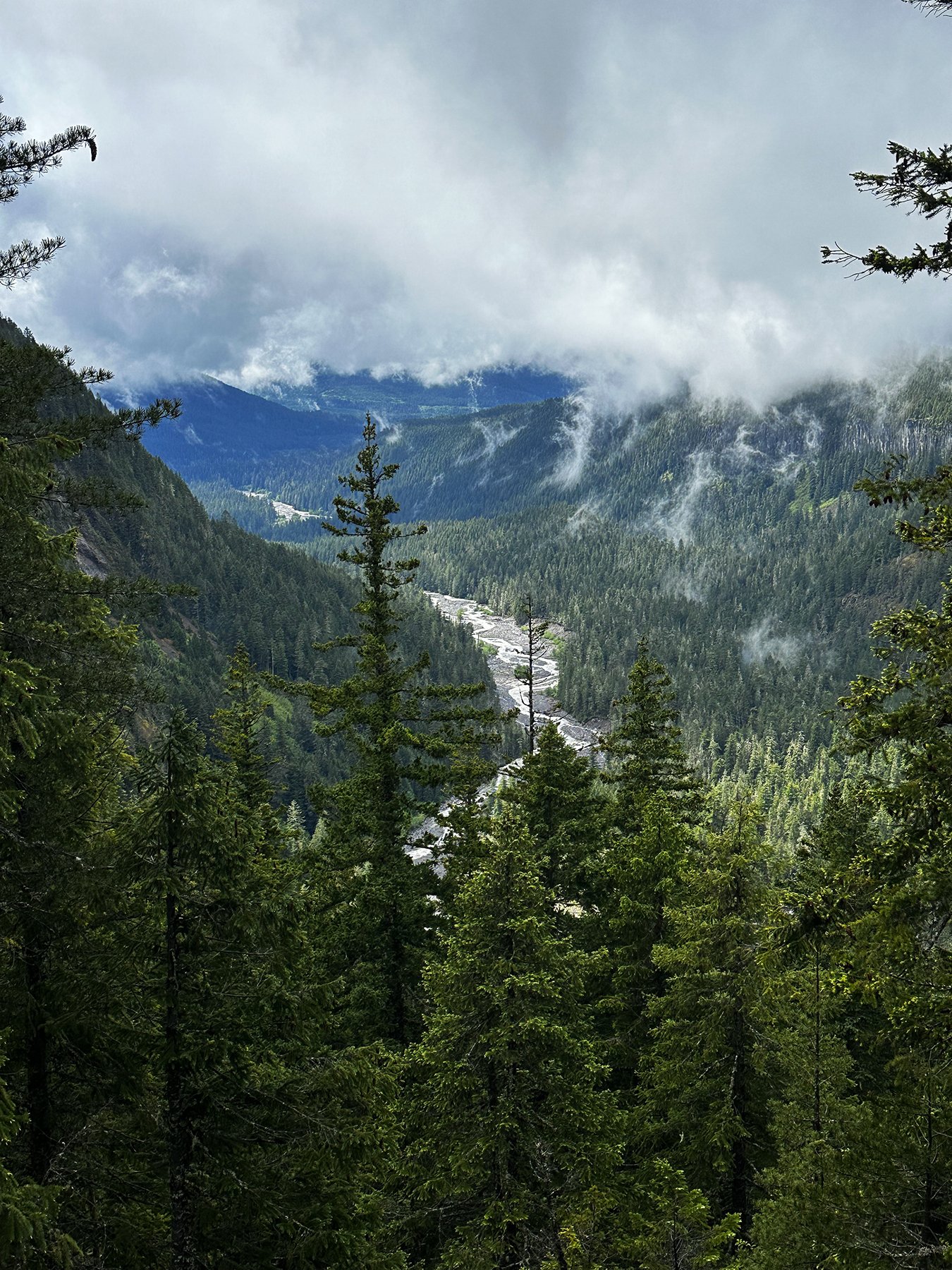
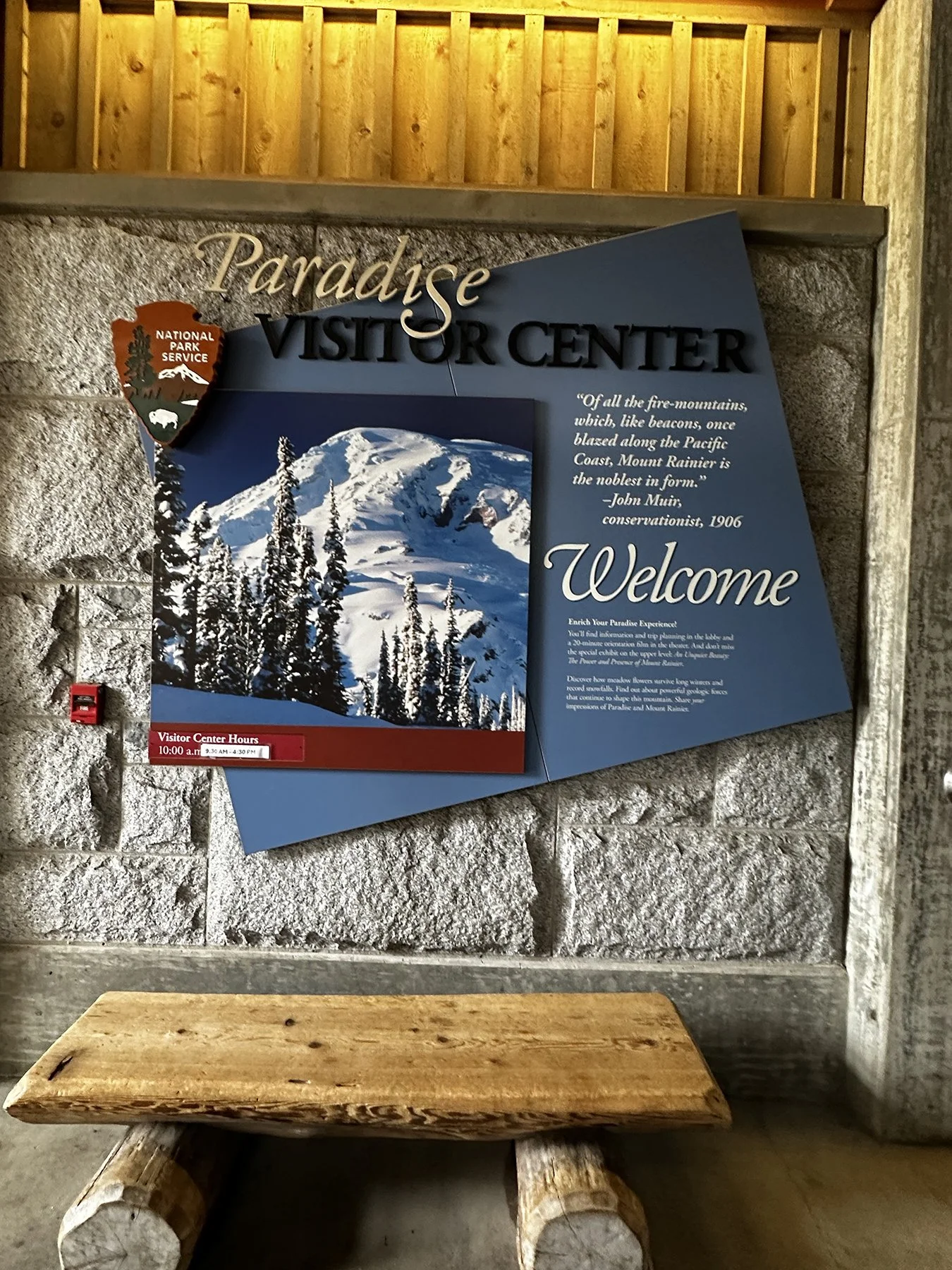
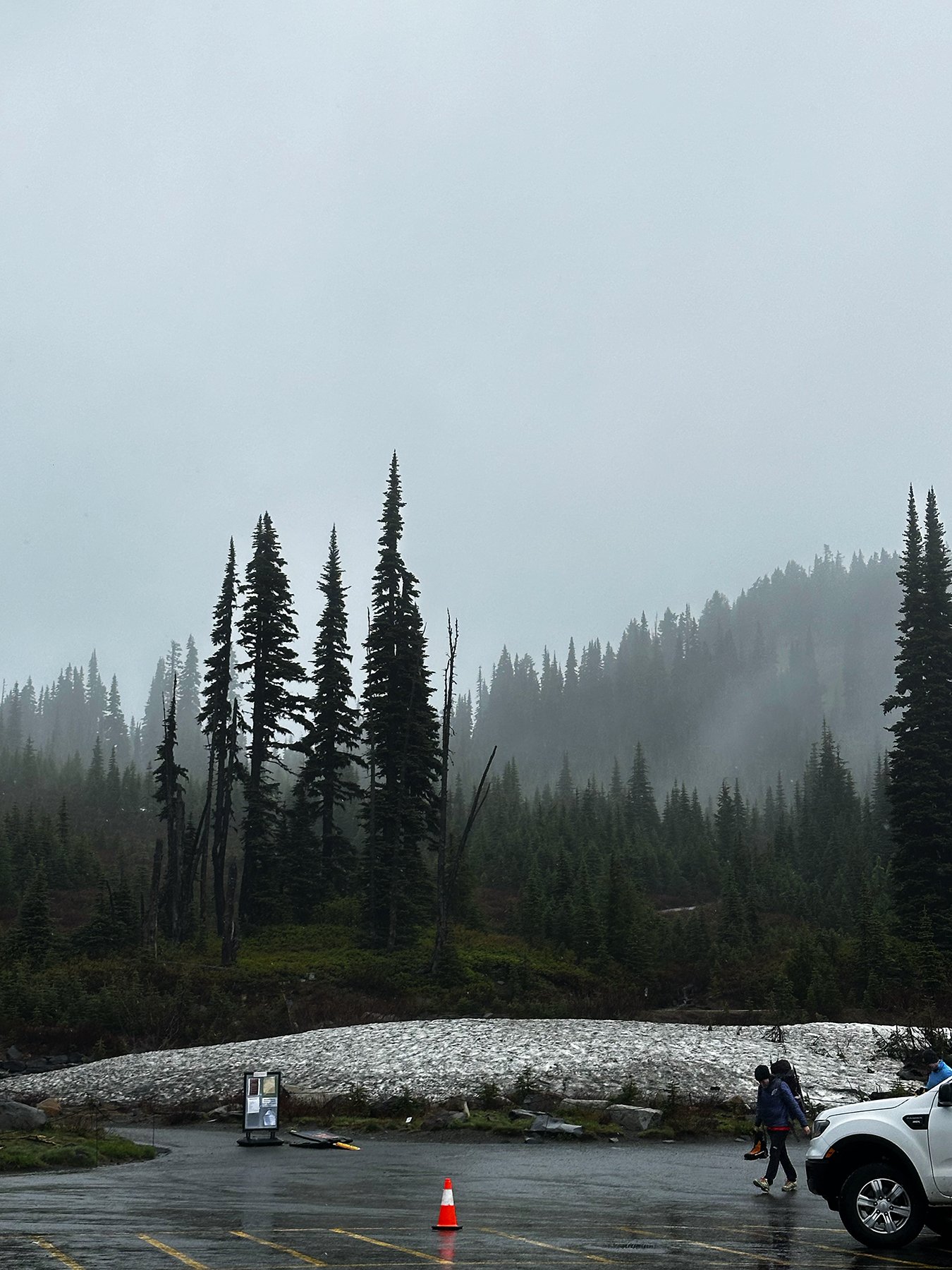
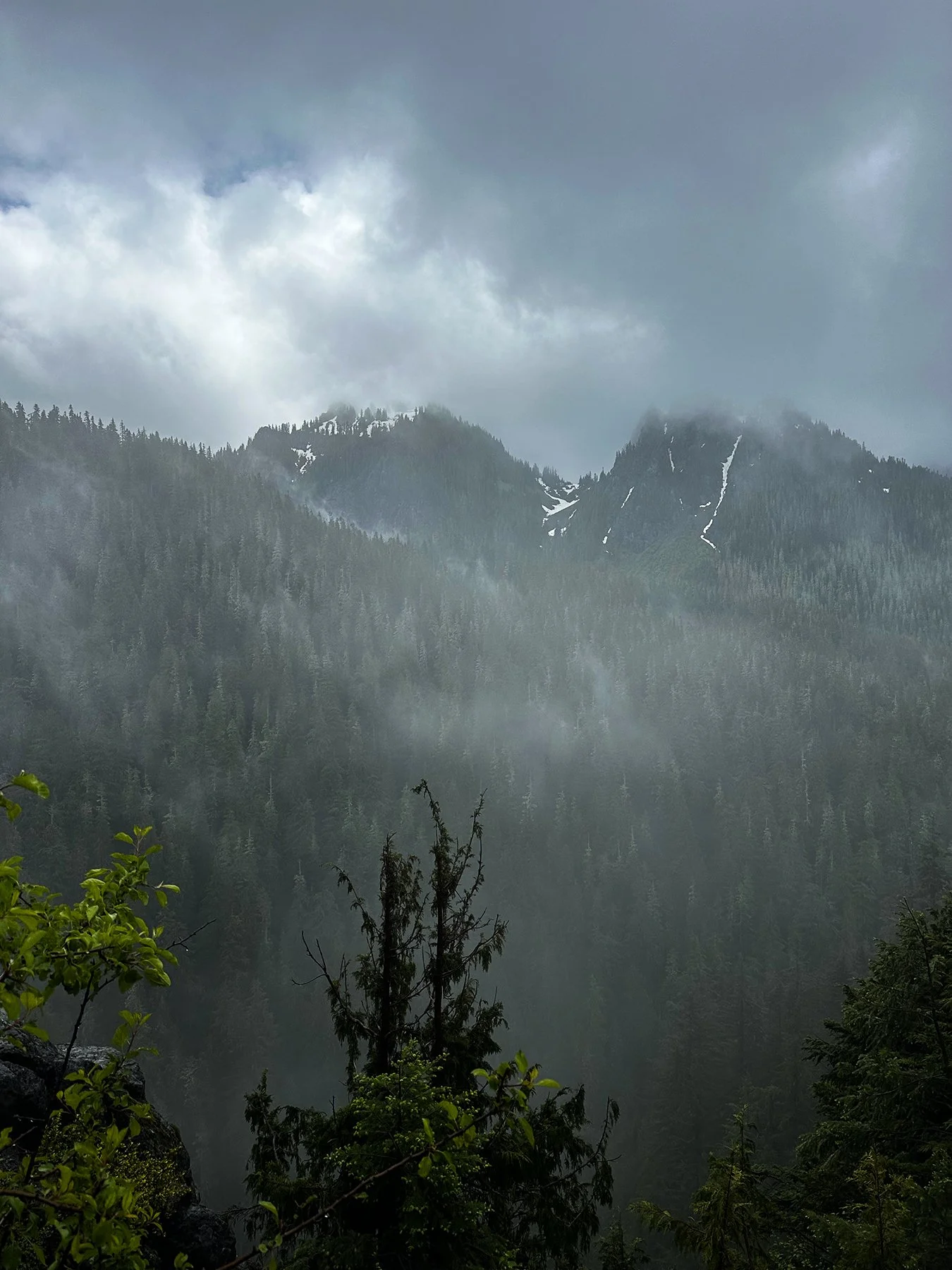
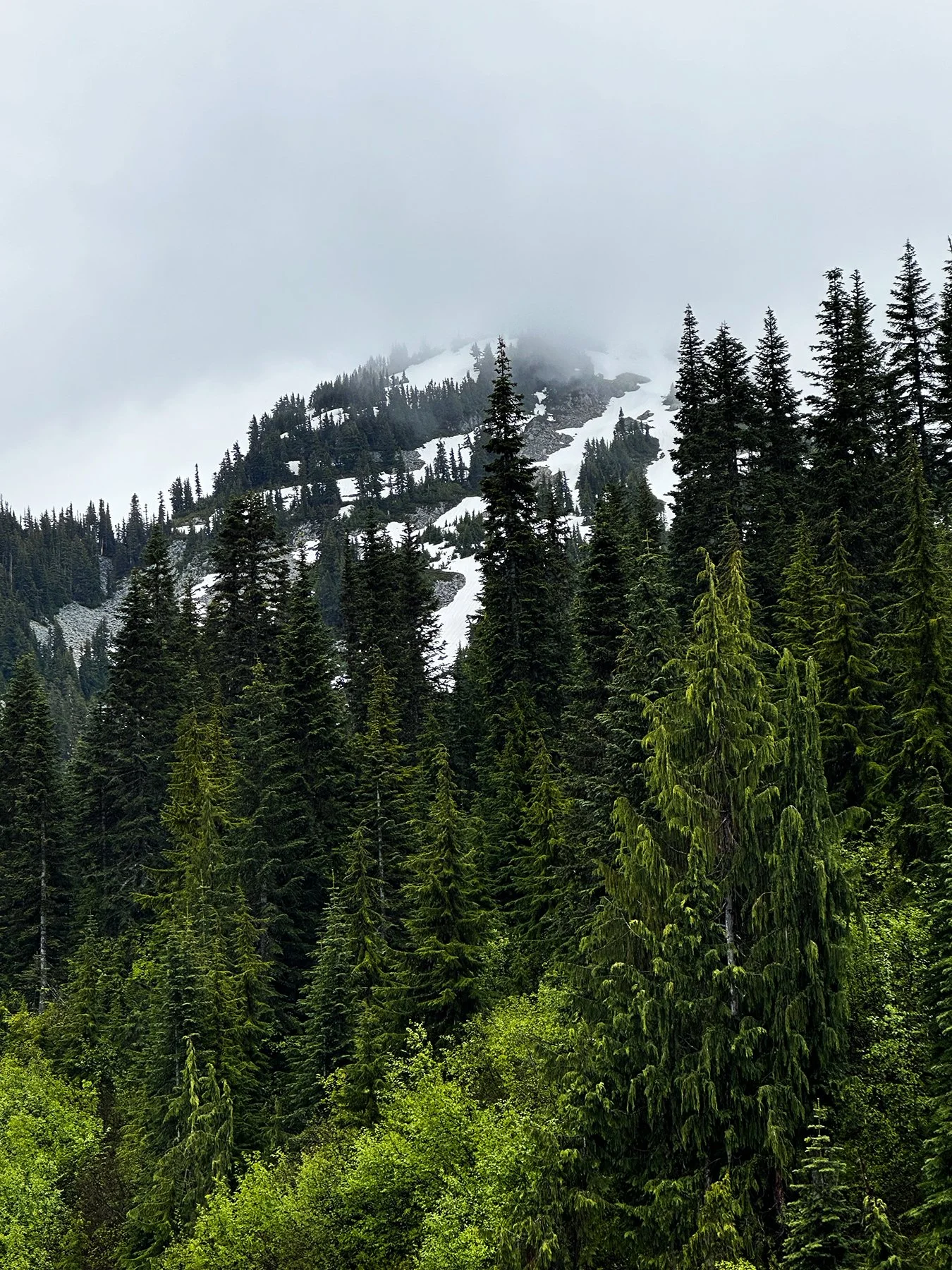
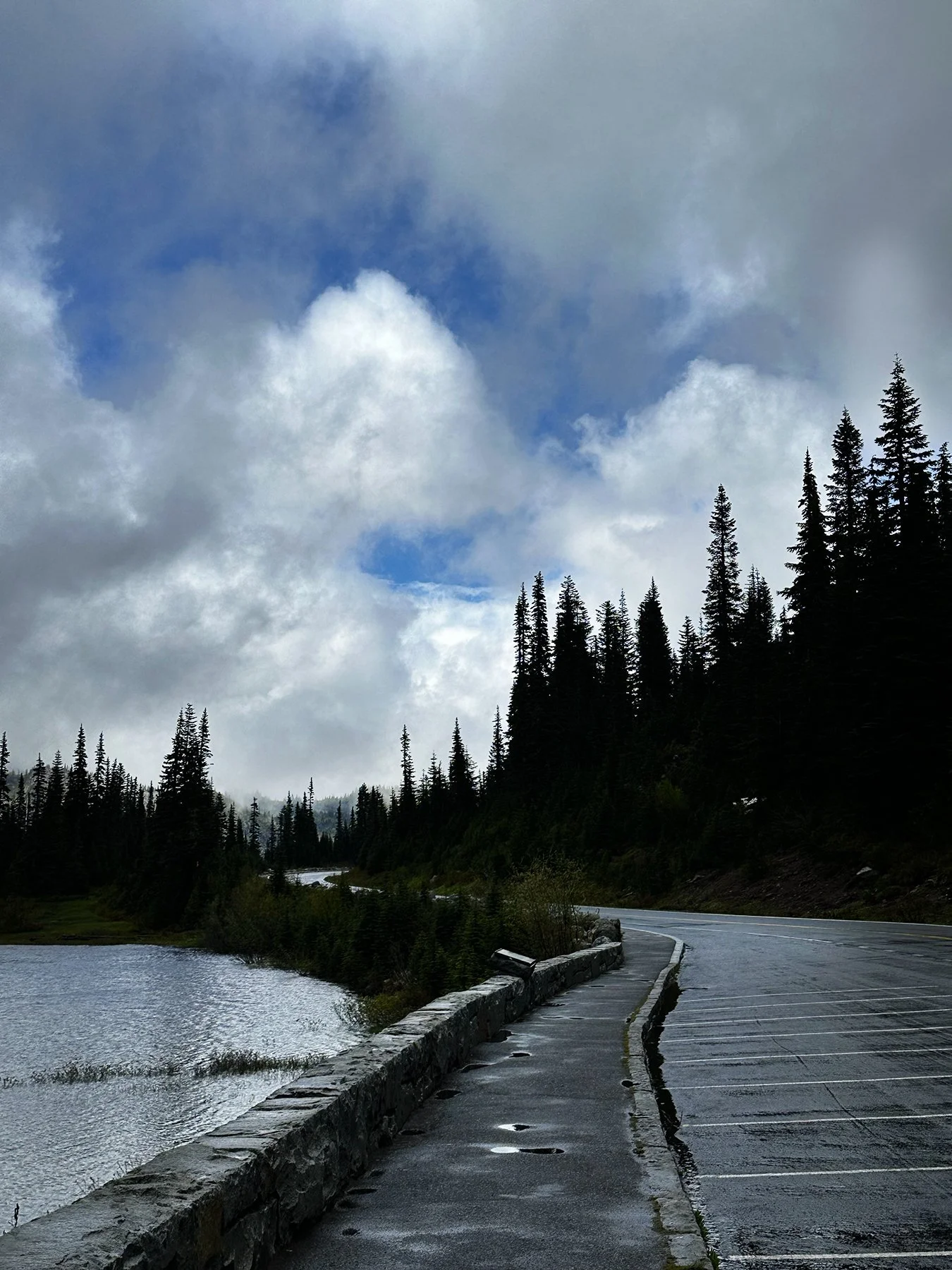
While disappointed that the peak was just about impossible to see due to the rain and the gray, cloudy skies—even when standing directly below it!—it certainly opened my eyes to the intense beauty further down the mountain. Think of wooden pedestrian bridges, countless powerful waterfalls and flowers beginning to bloom in pristine meadows … more on that in a bit.
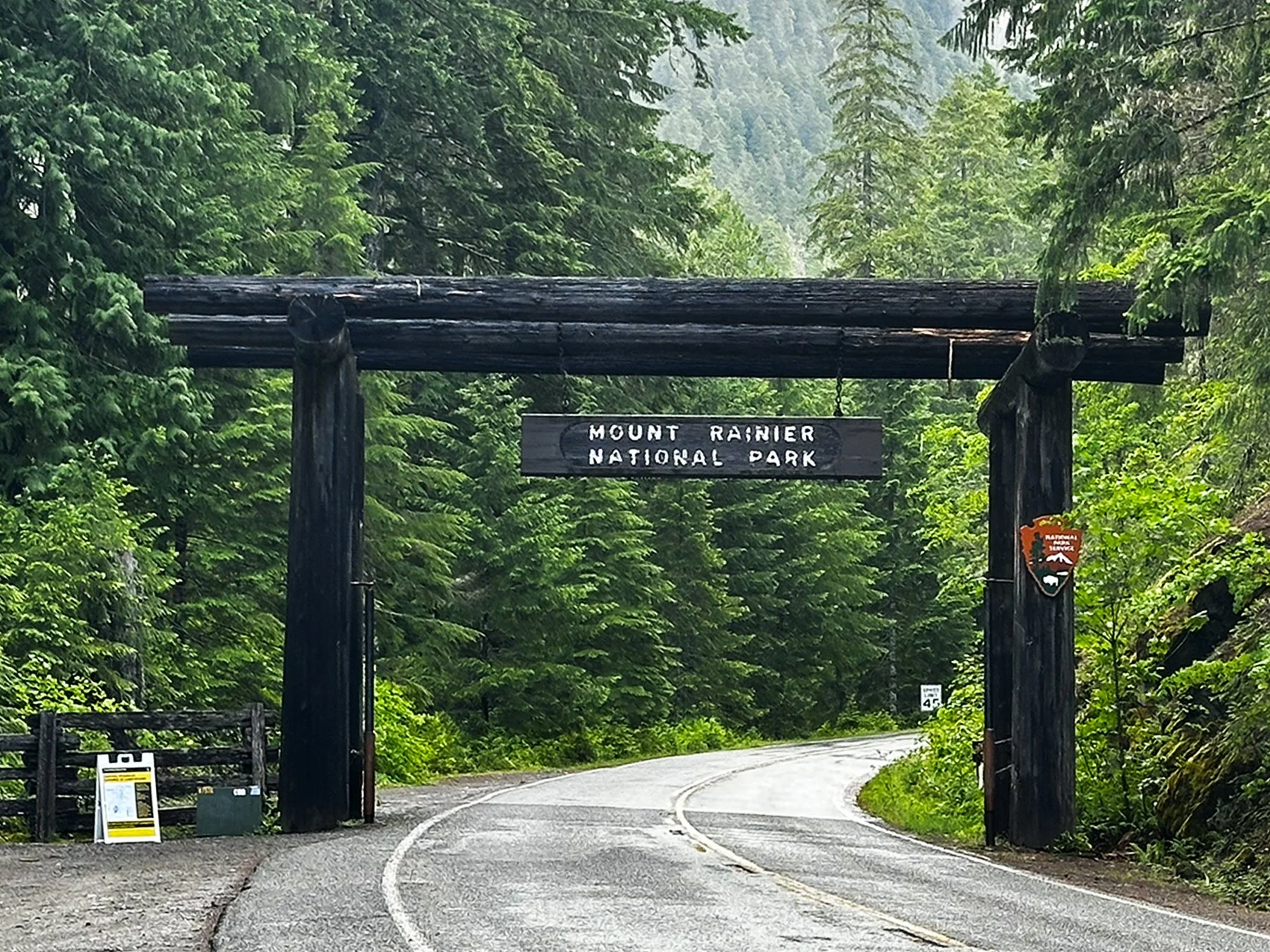
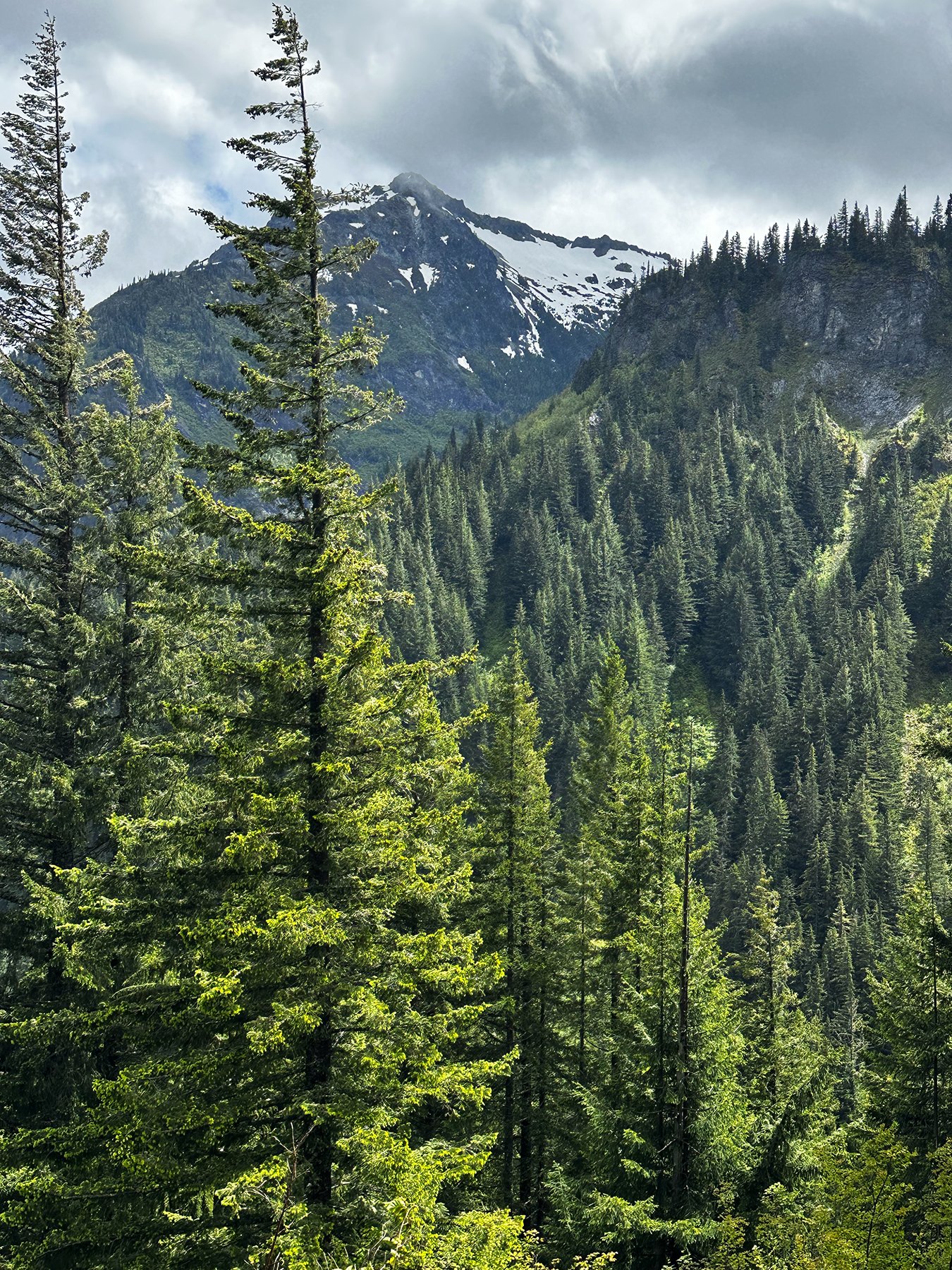
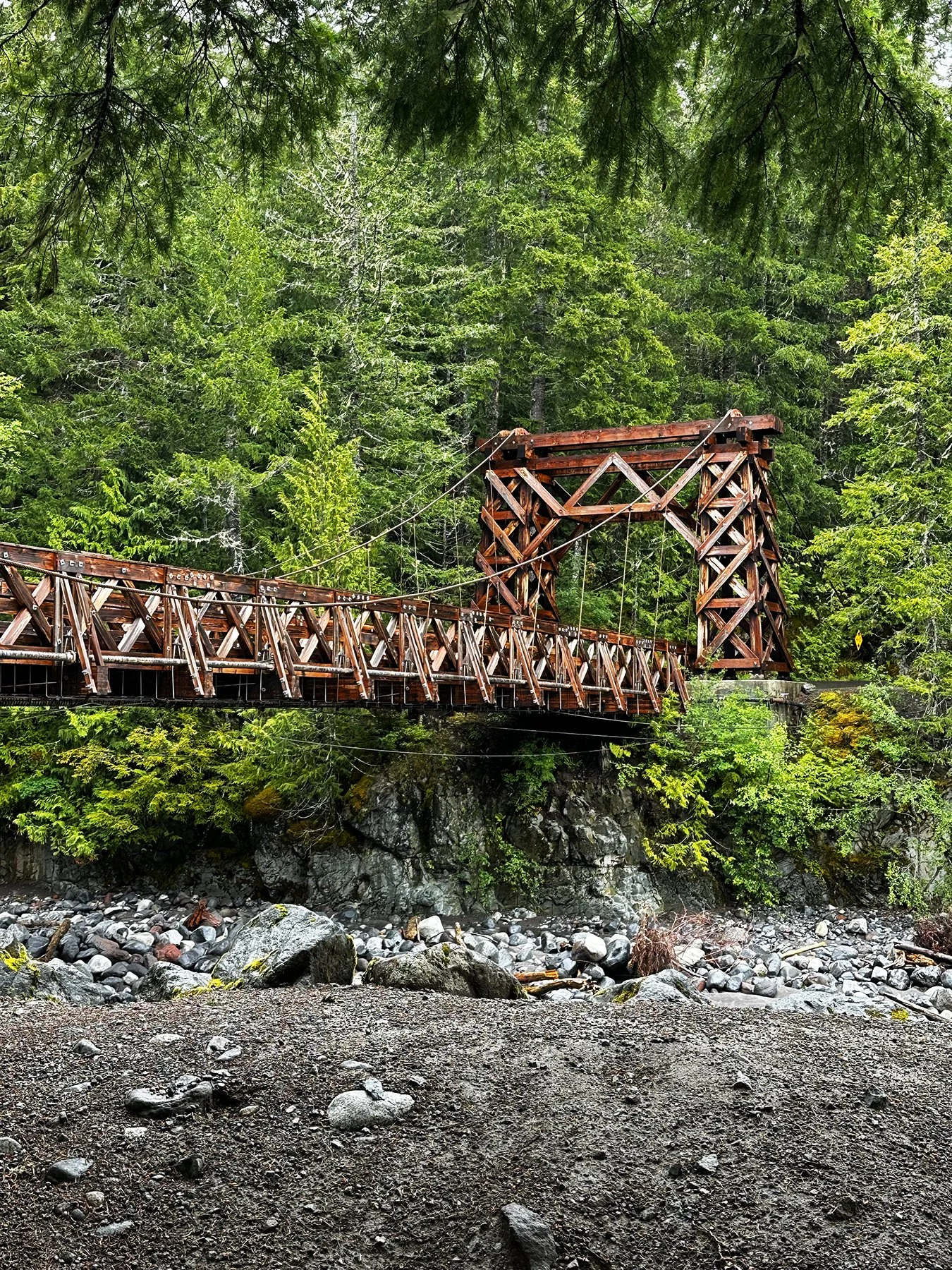
The Nisqually Suspension Bridge (below)is located in the Longmire area of Mt. Rainier National Park. It was built in the early 1920's to reach a planned automobile campground on the south side of the Nisqually River. This magnificent bridge is listed on the National Register of Historic Places as part of the Longmire Historic District. This achievement was due to the unique “NPS rustic” architecture, or "Parkitecture". ("Parkitecture" is a unique design approach that attempts to make buildings & structures appear as if they were meant to be in the natural spaces where they were built.)
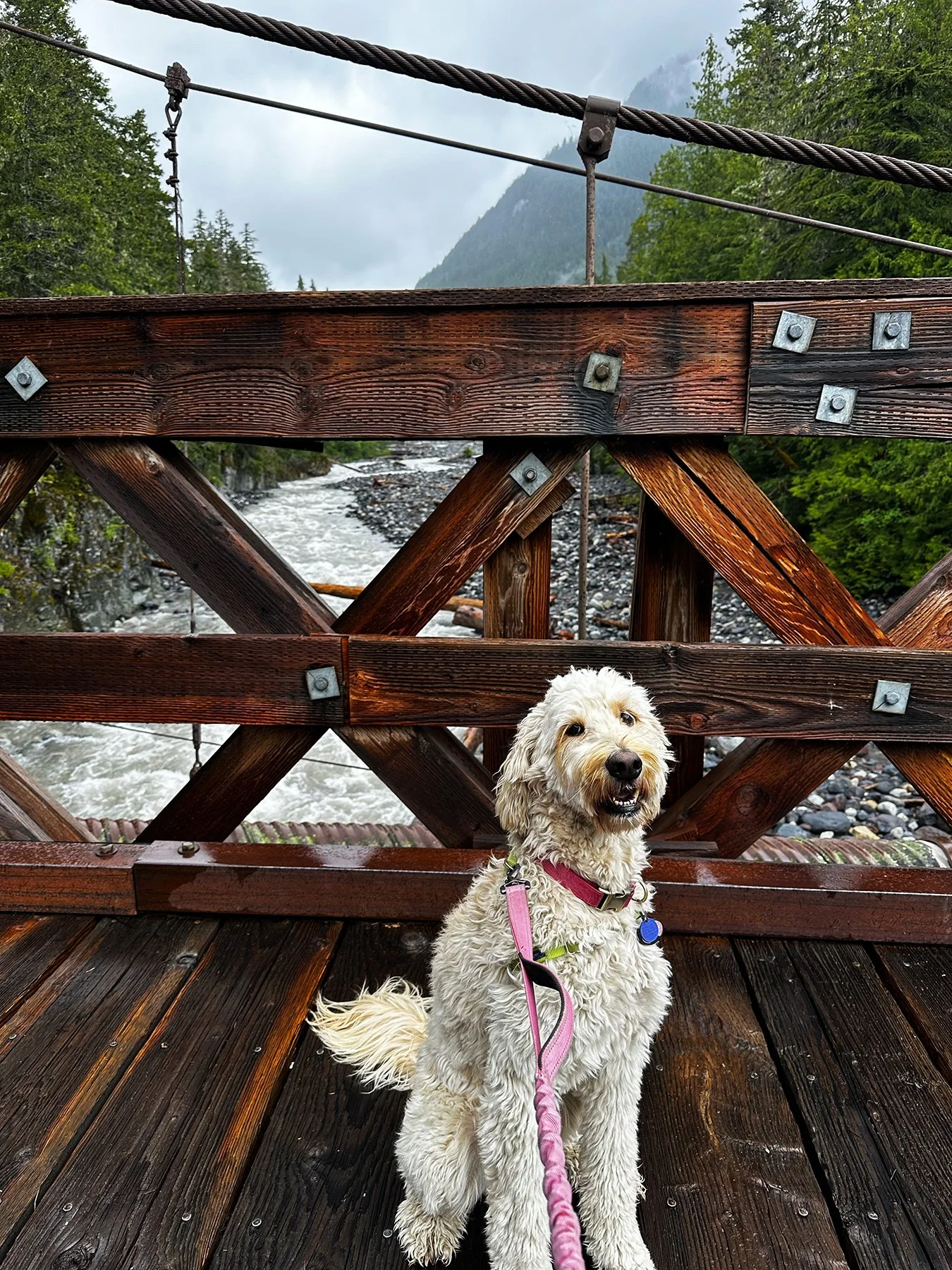
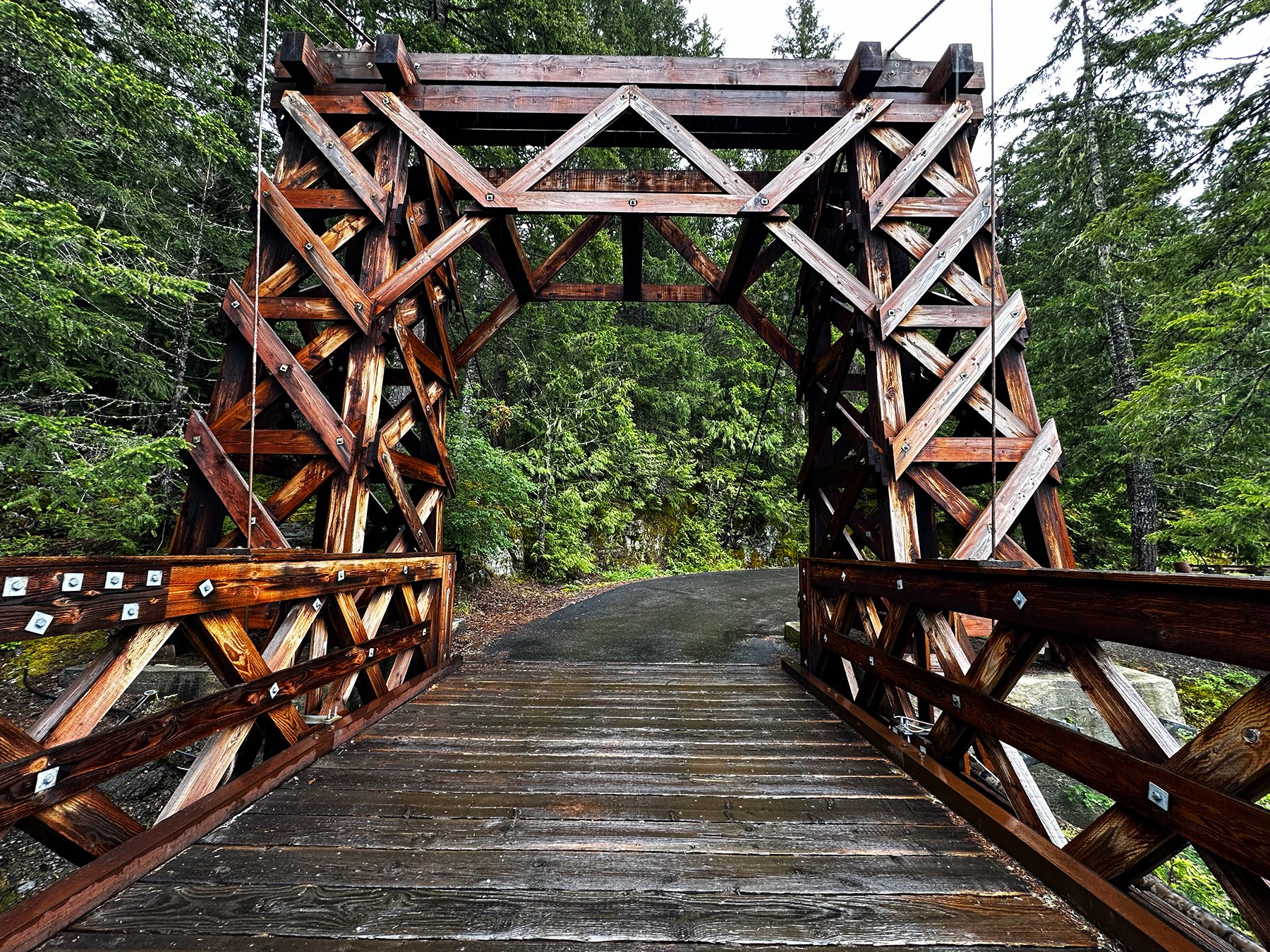
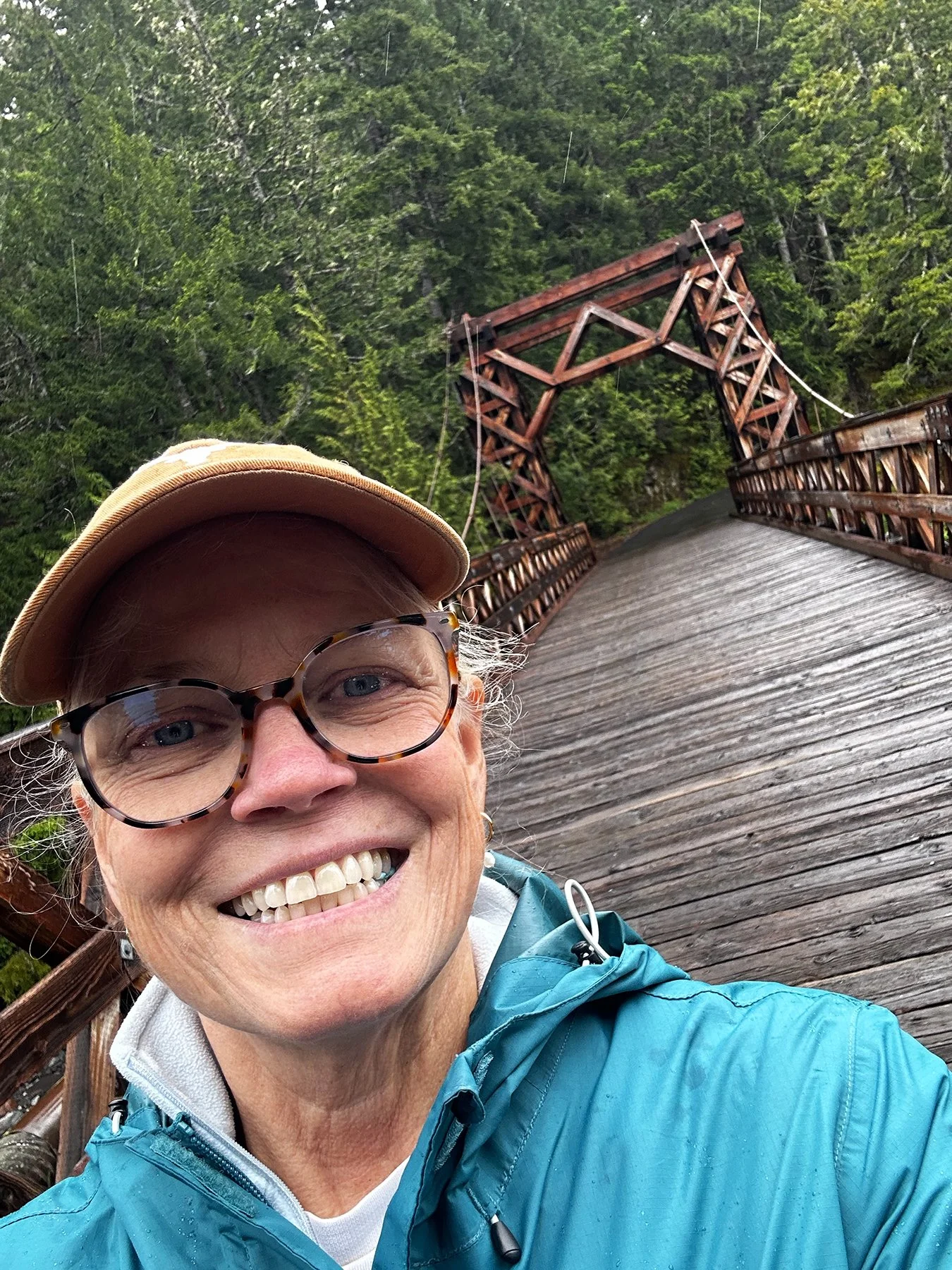
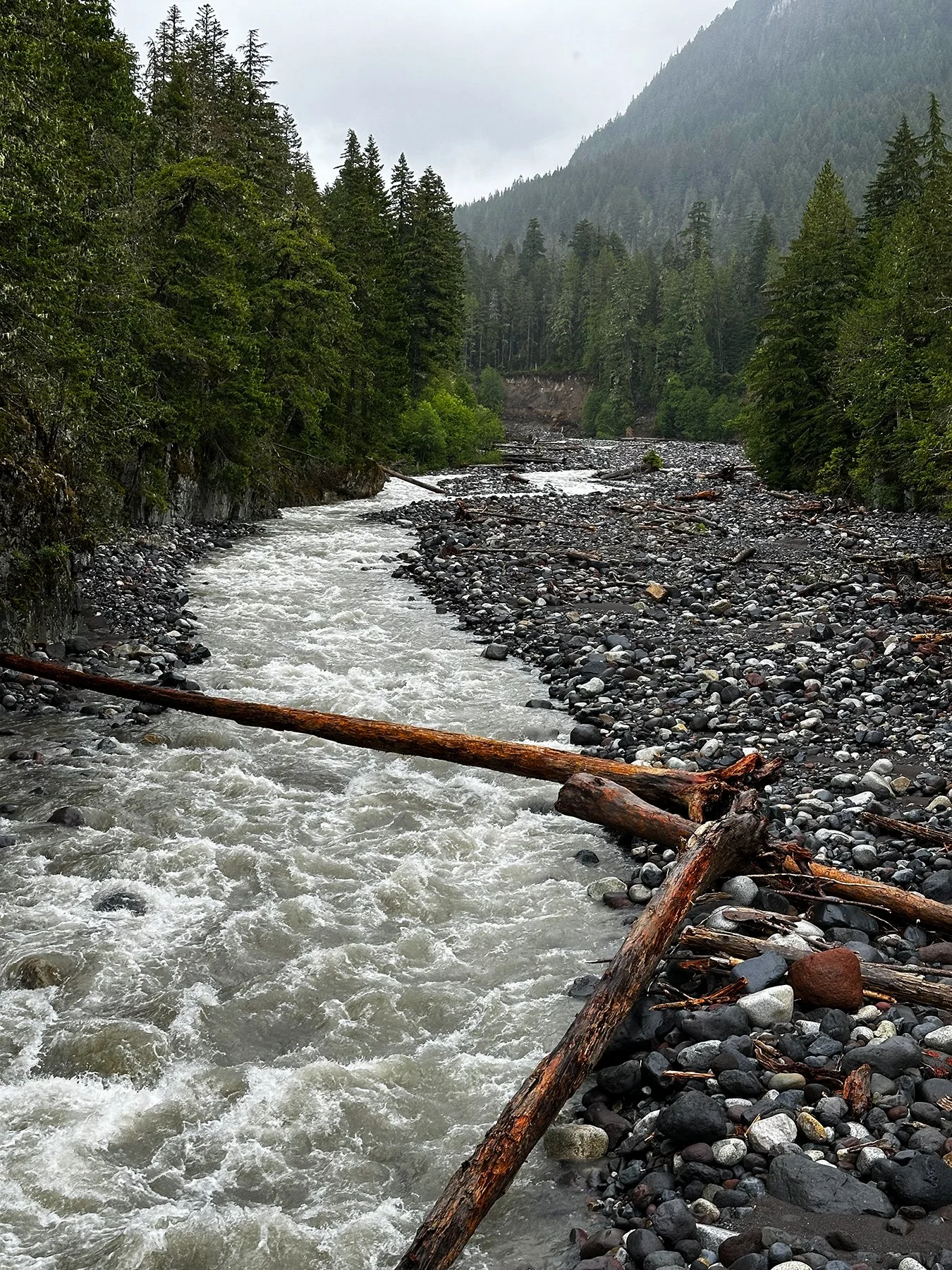
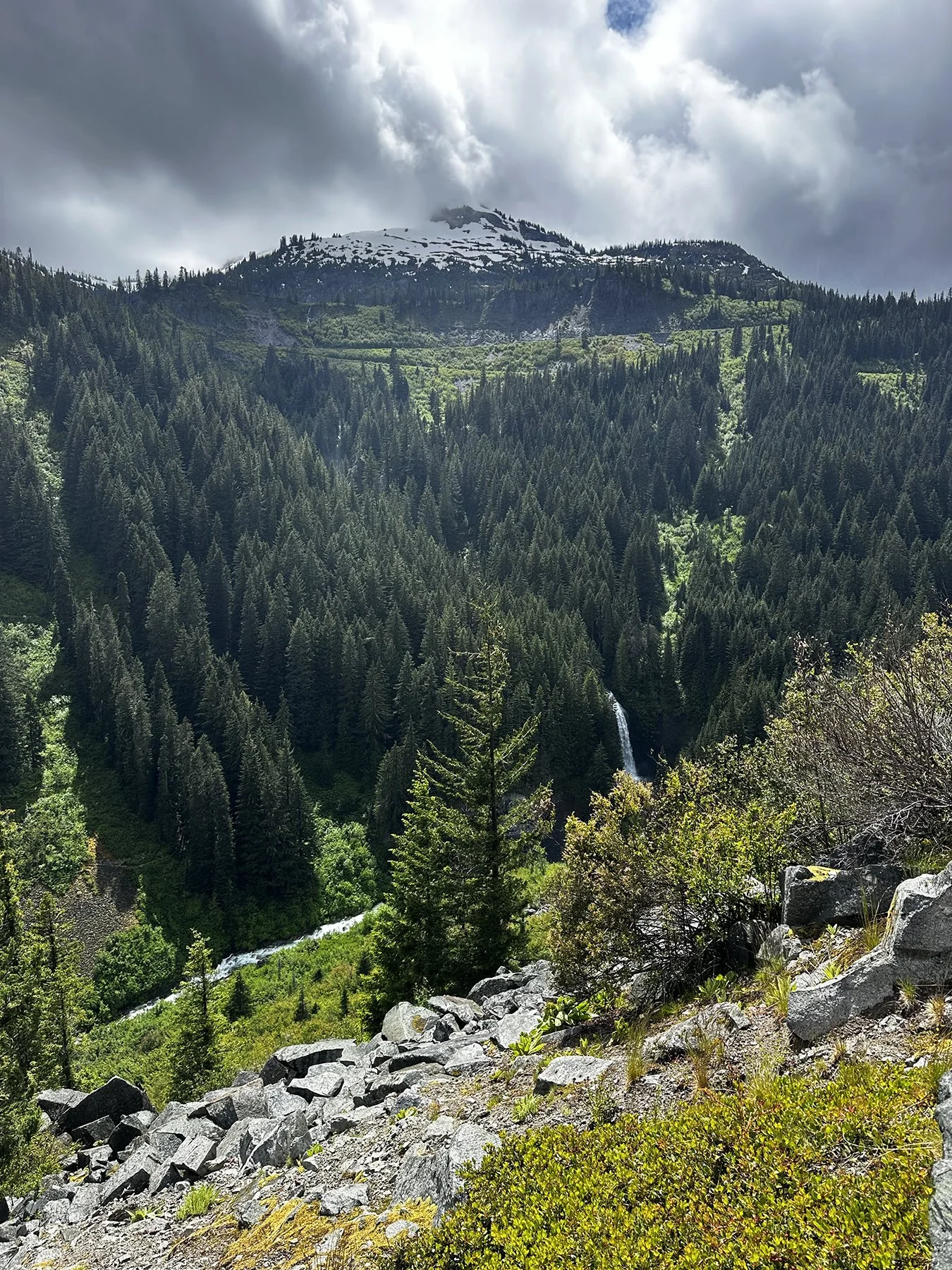
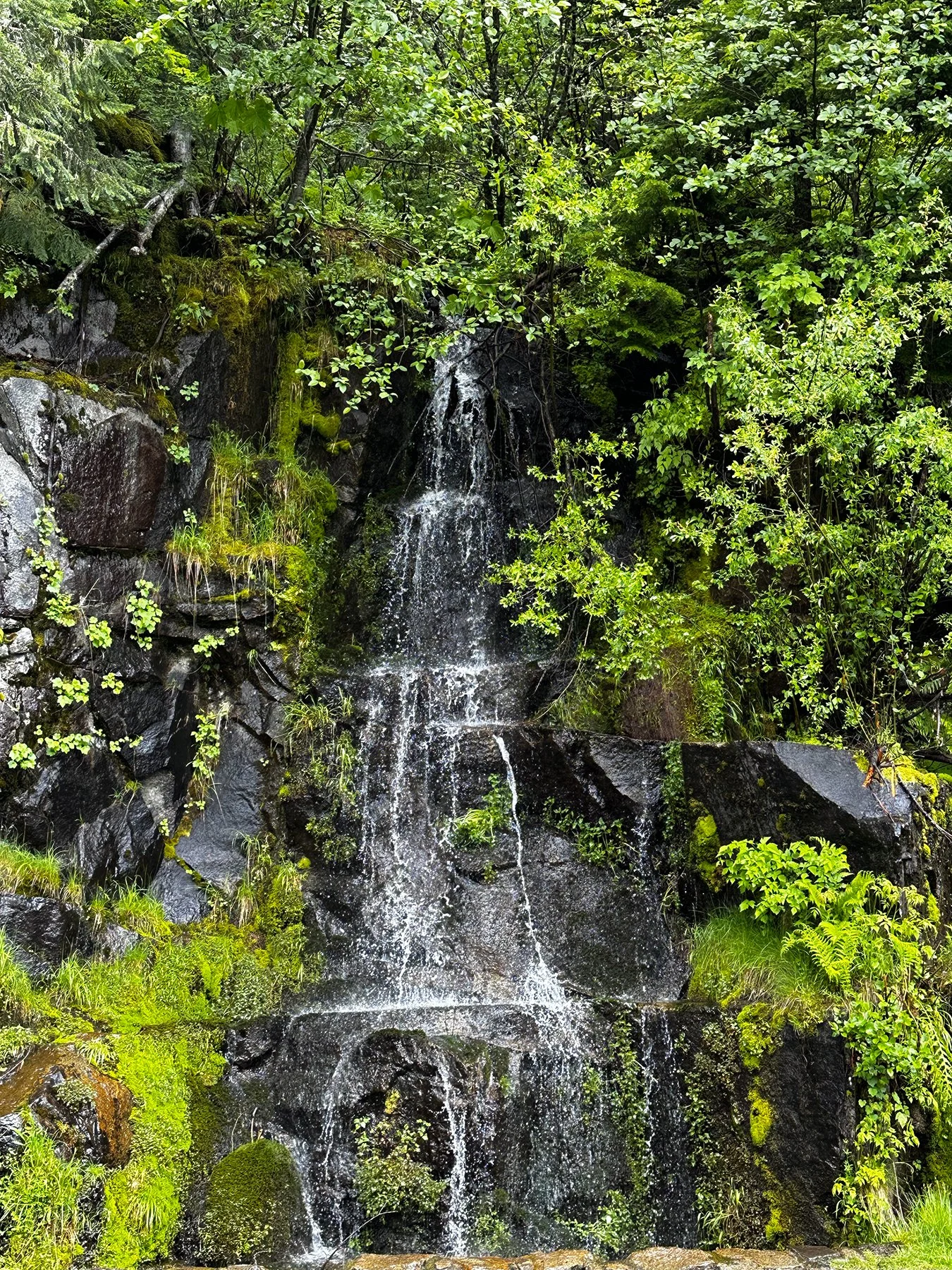
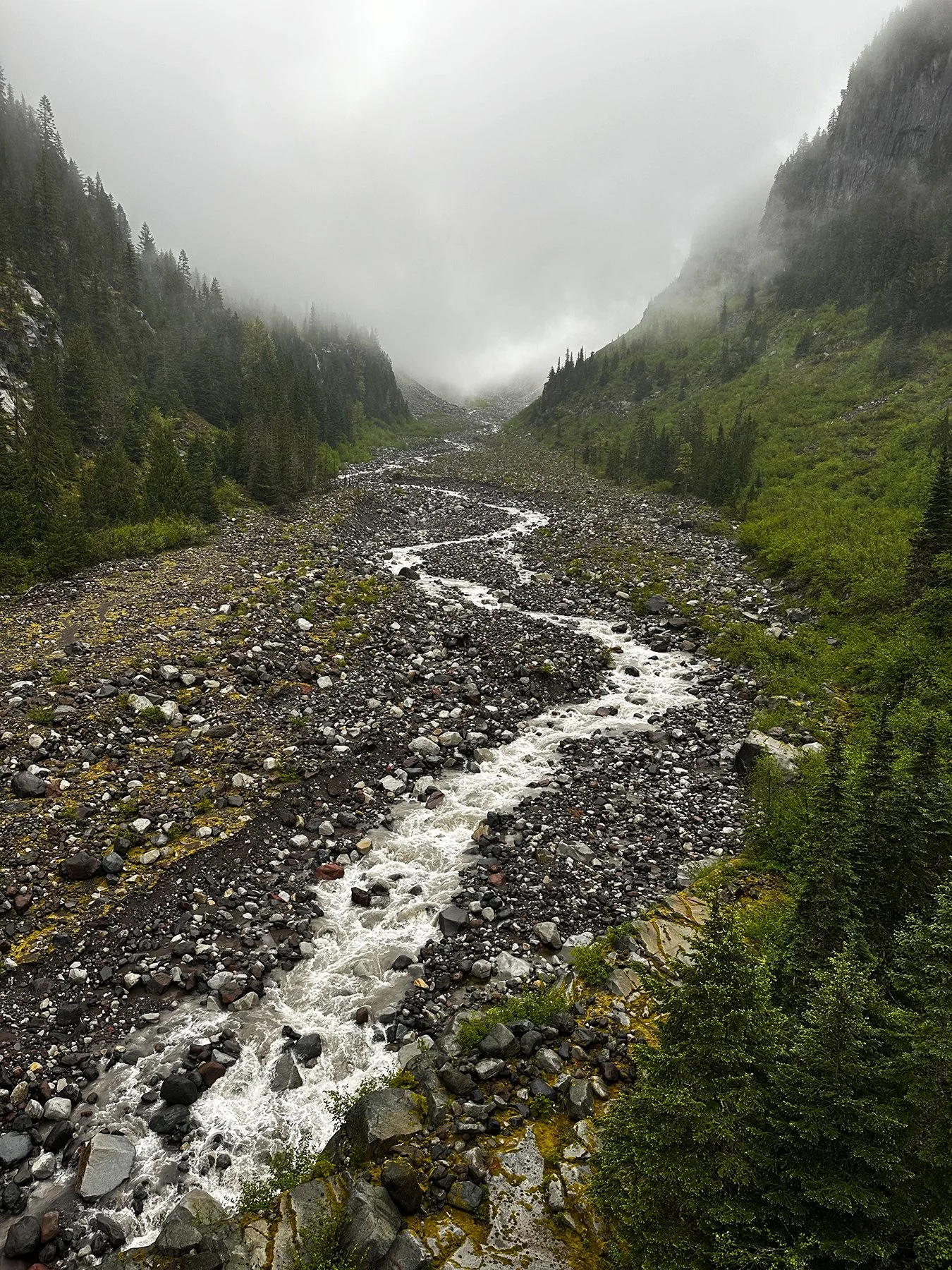
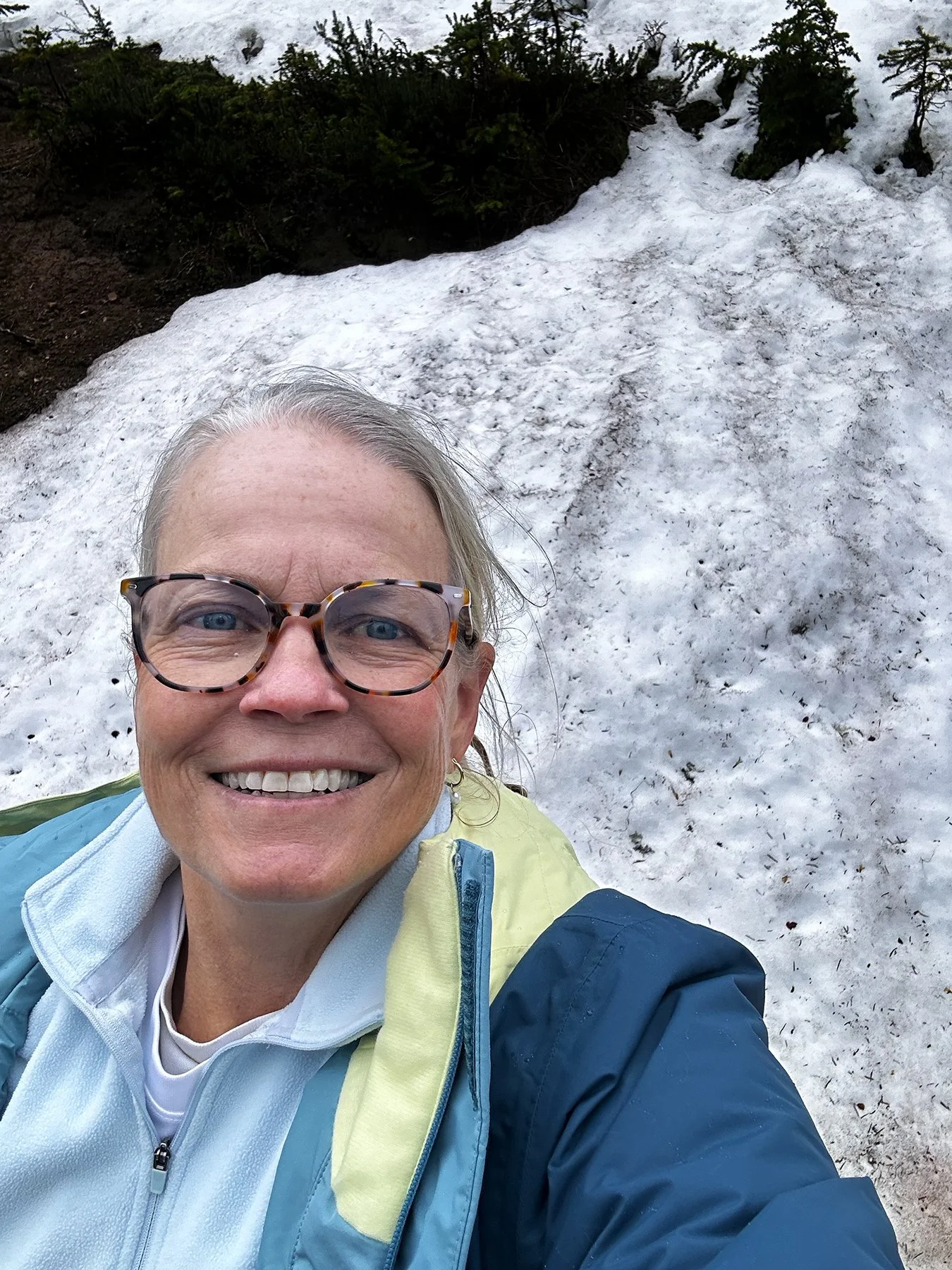
The foggy conditions leant an eerie quality to the magnificent foliage and water features. We stopped at every pullout to see what was to greet us around each corner. From ancient stone bridges to snow-covered hillsides, we traipsed through the off-and-on rain and gazed upon massive, powerful waterfalls. What a treat!
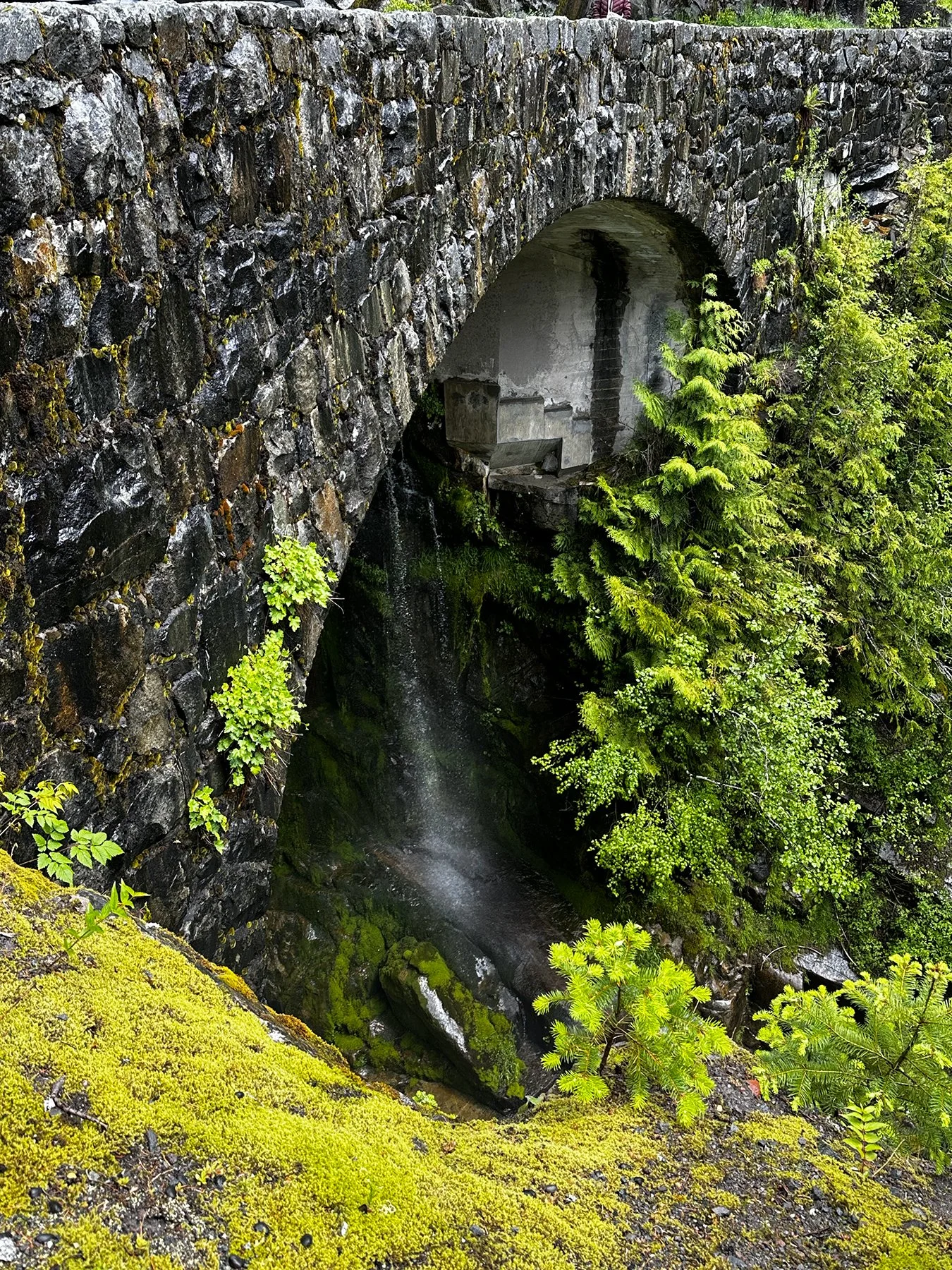
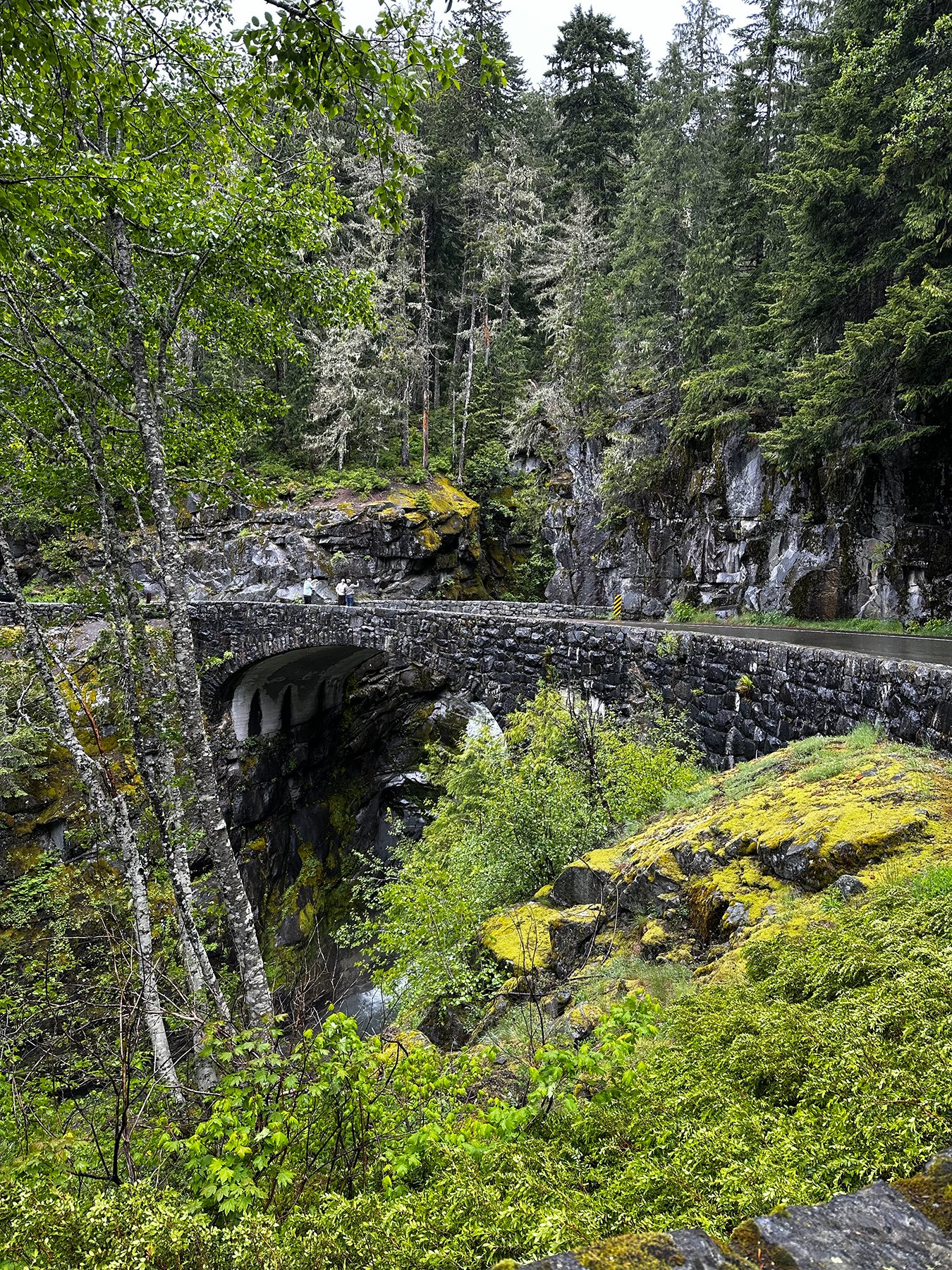
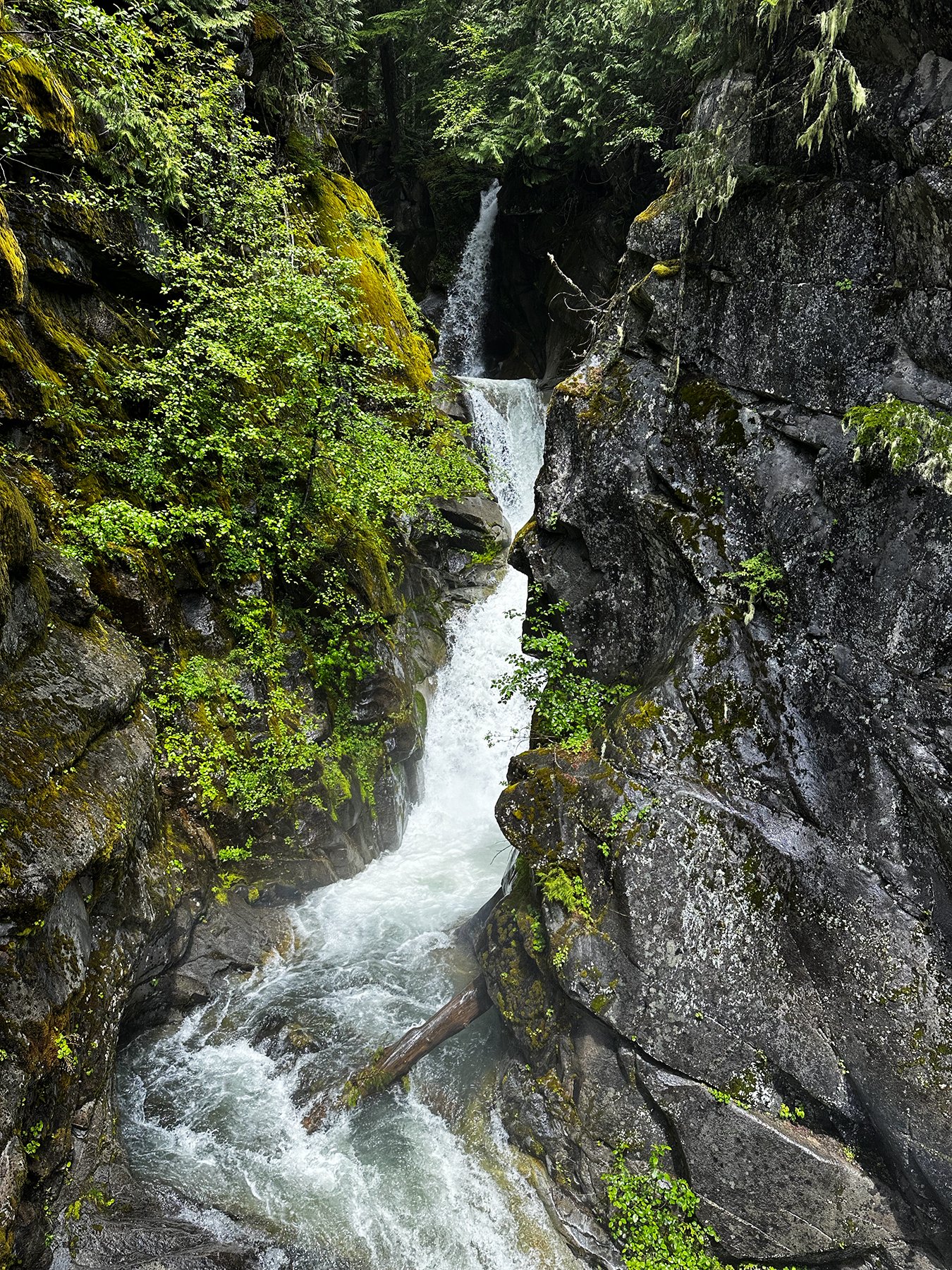
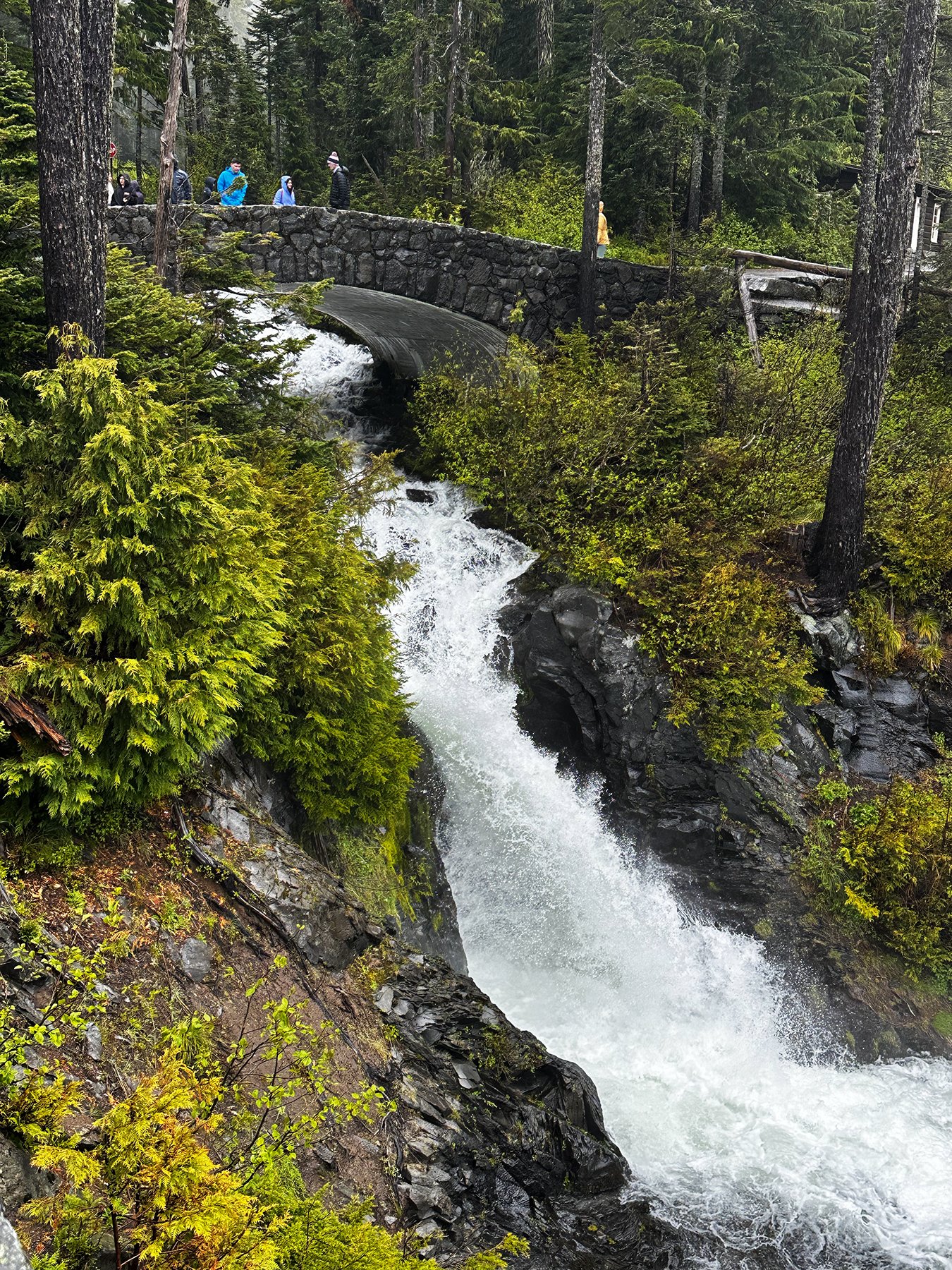
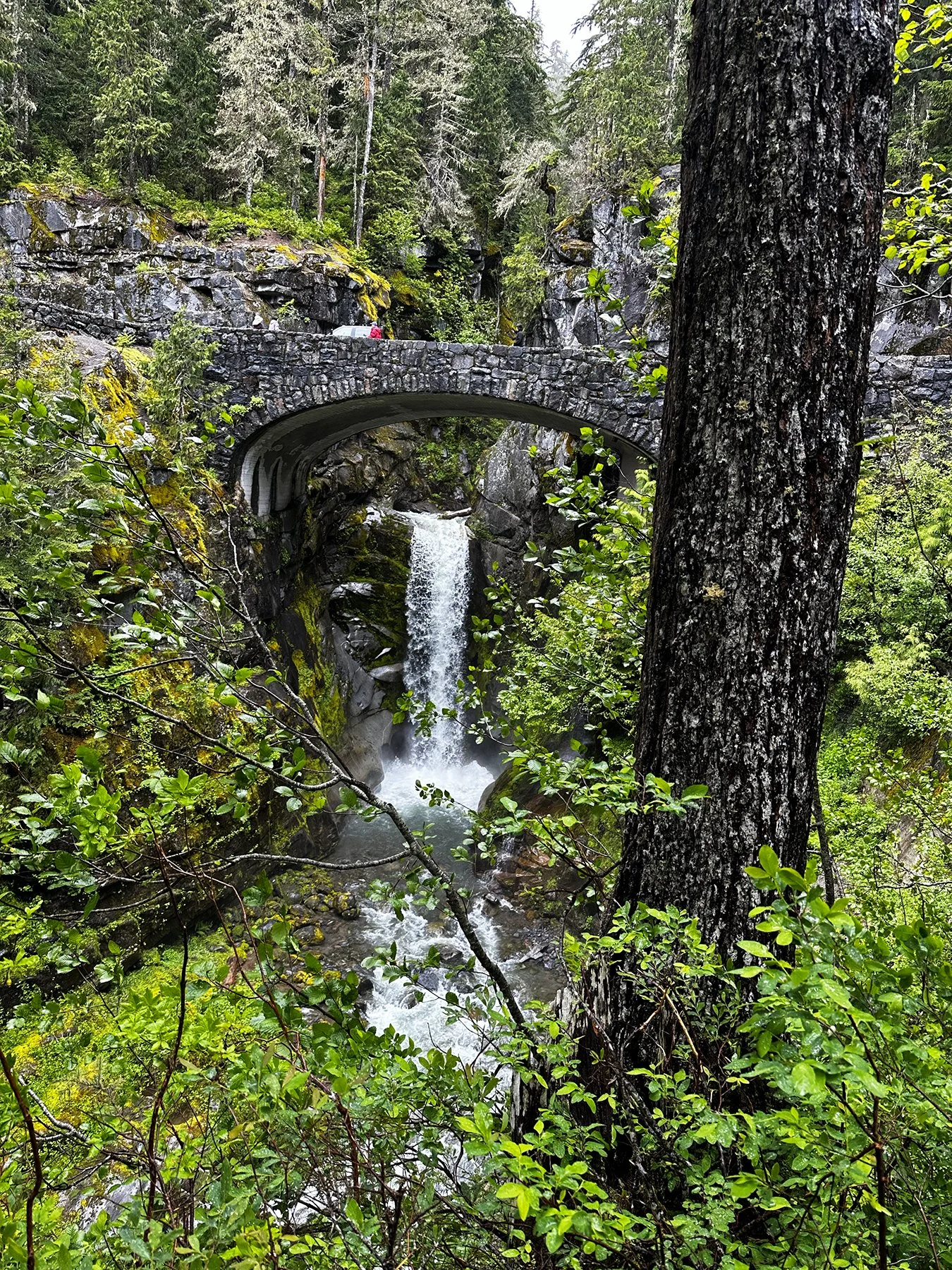
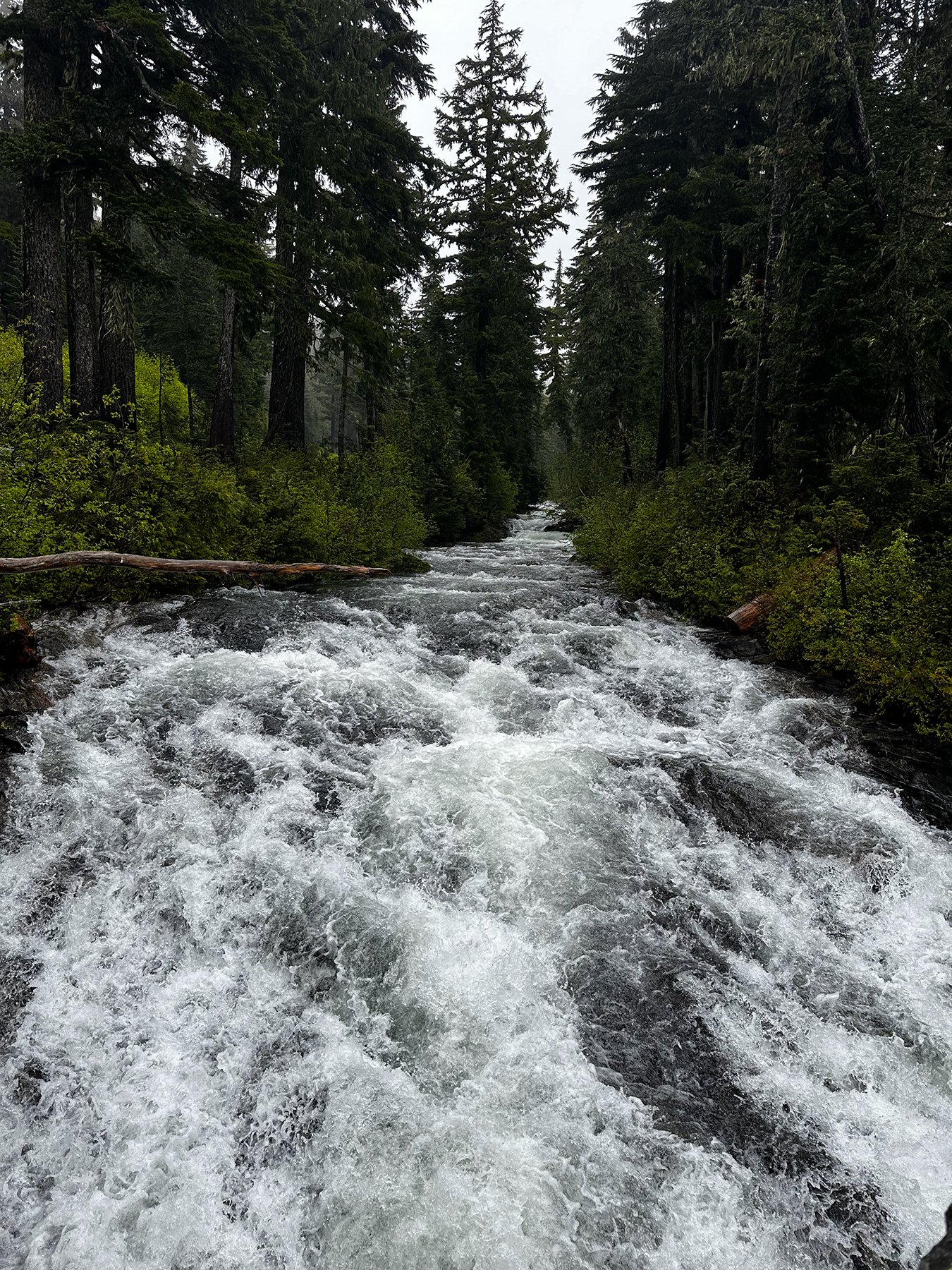
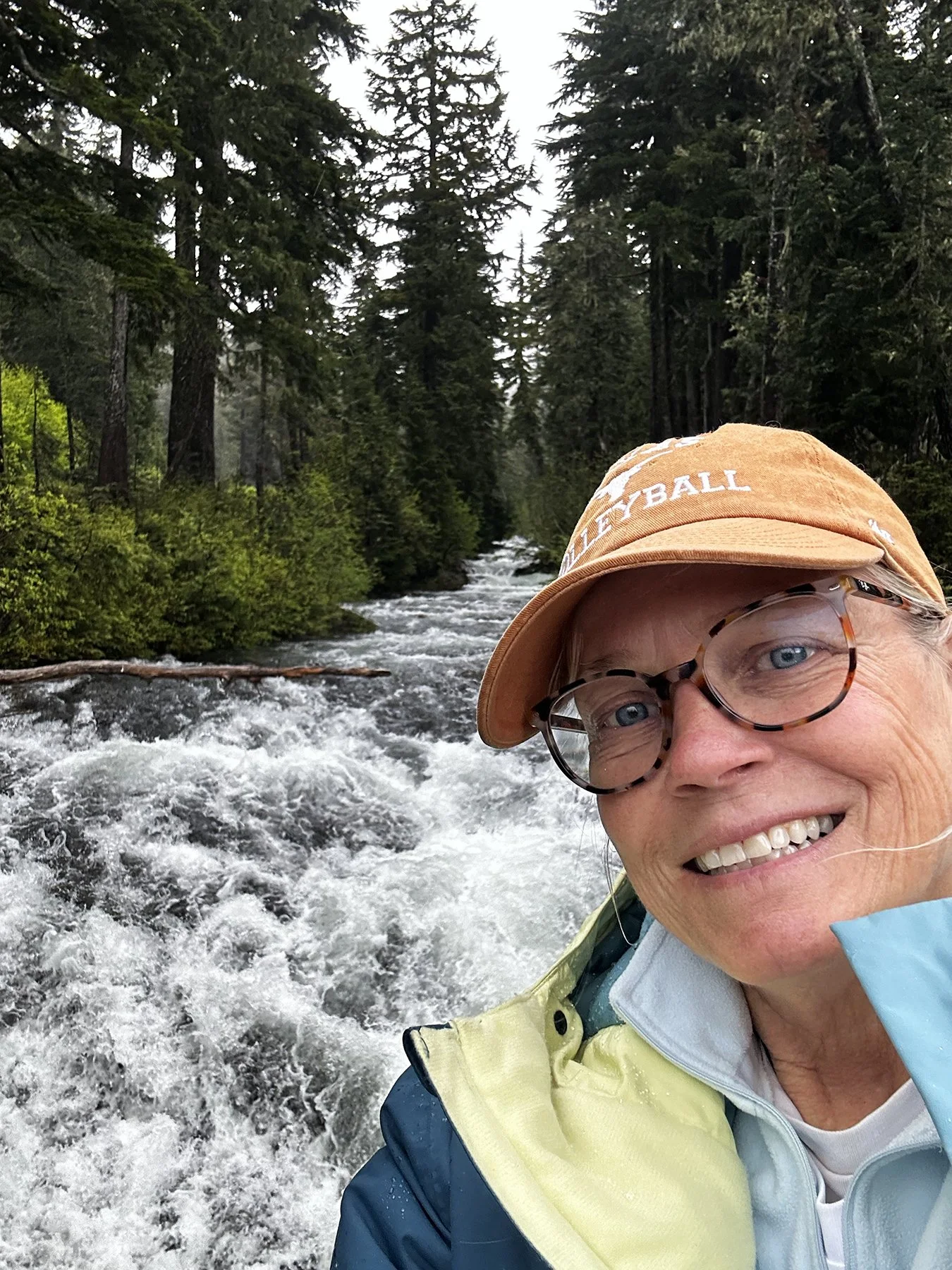
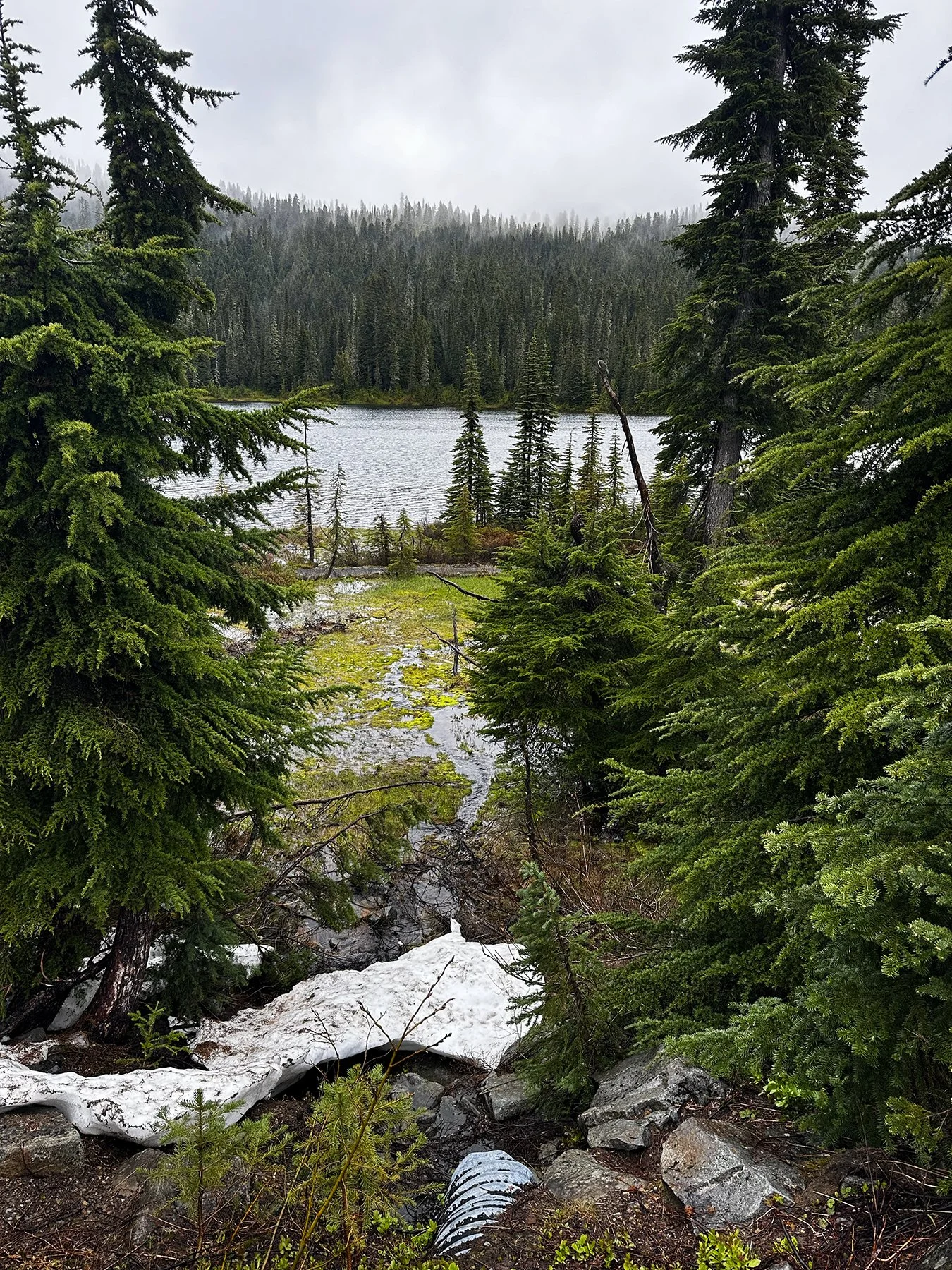
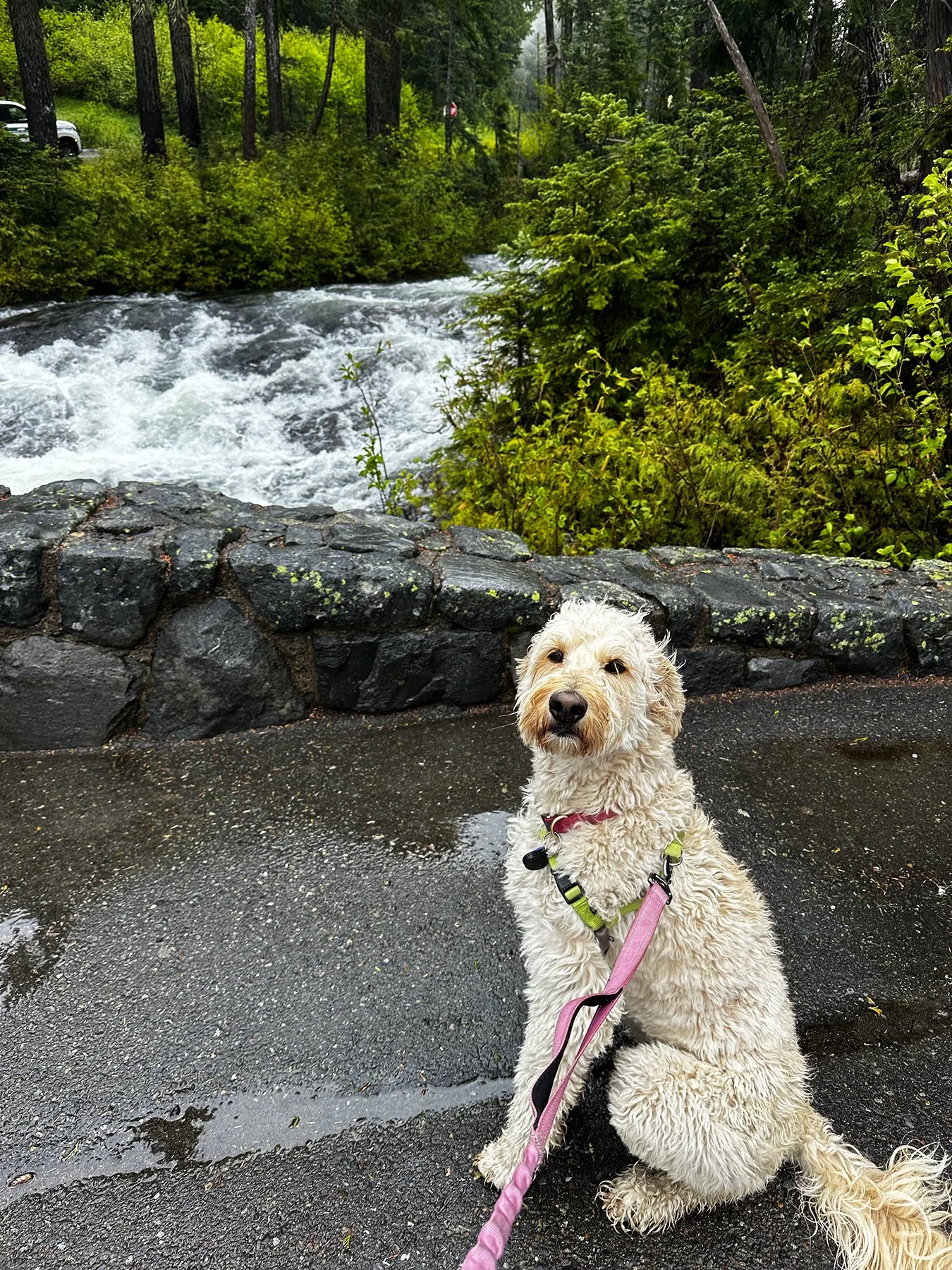
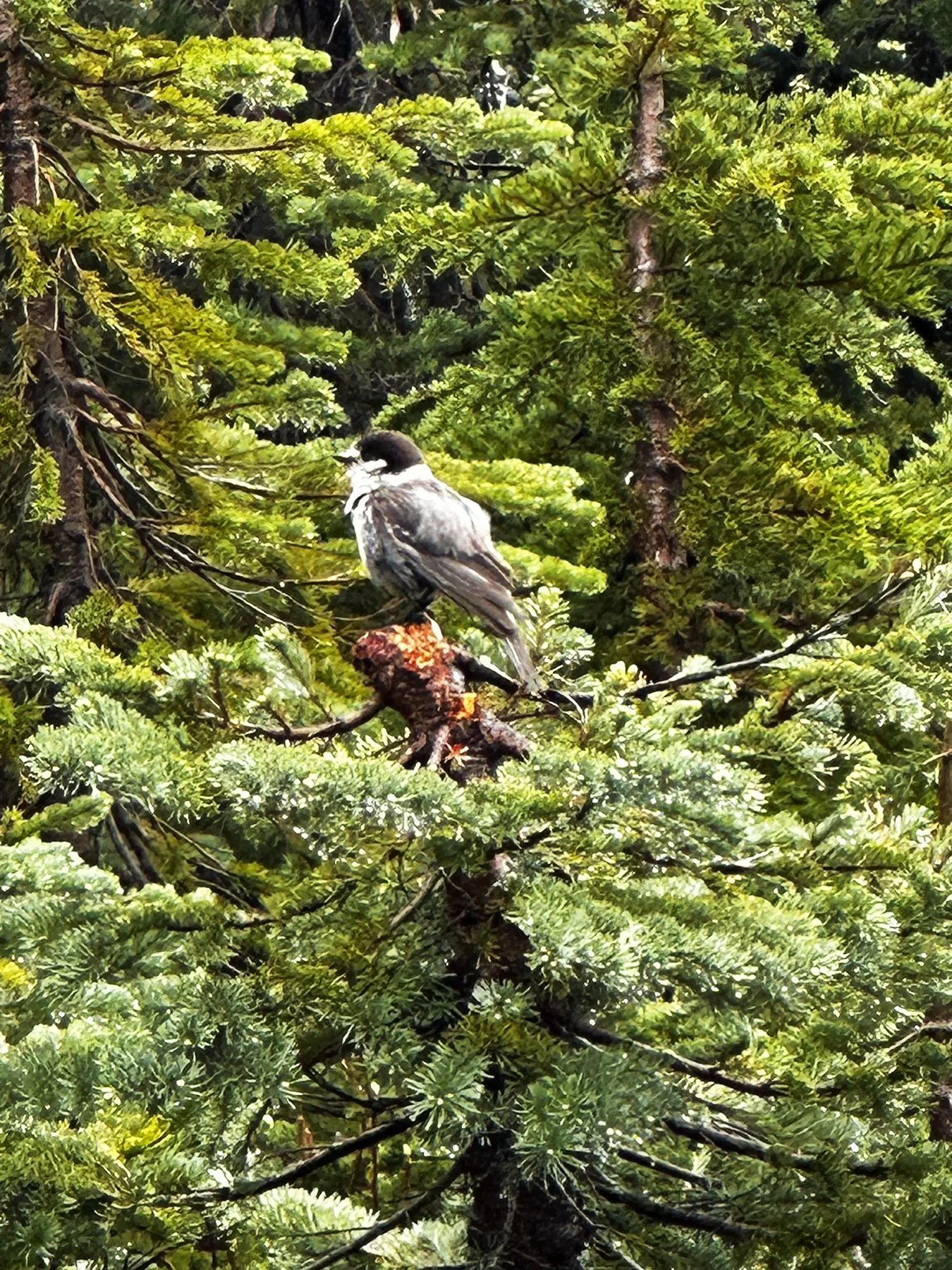
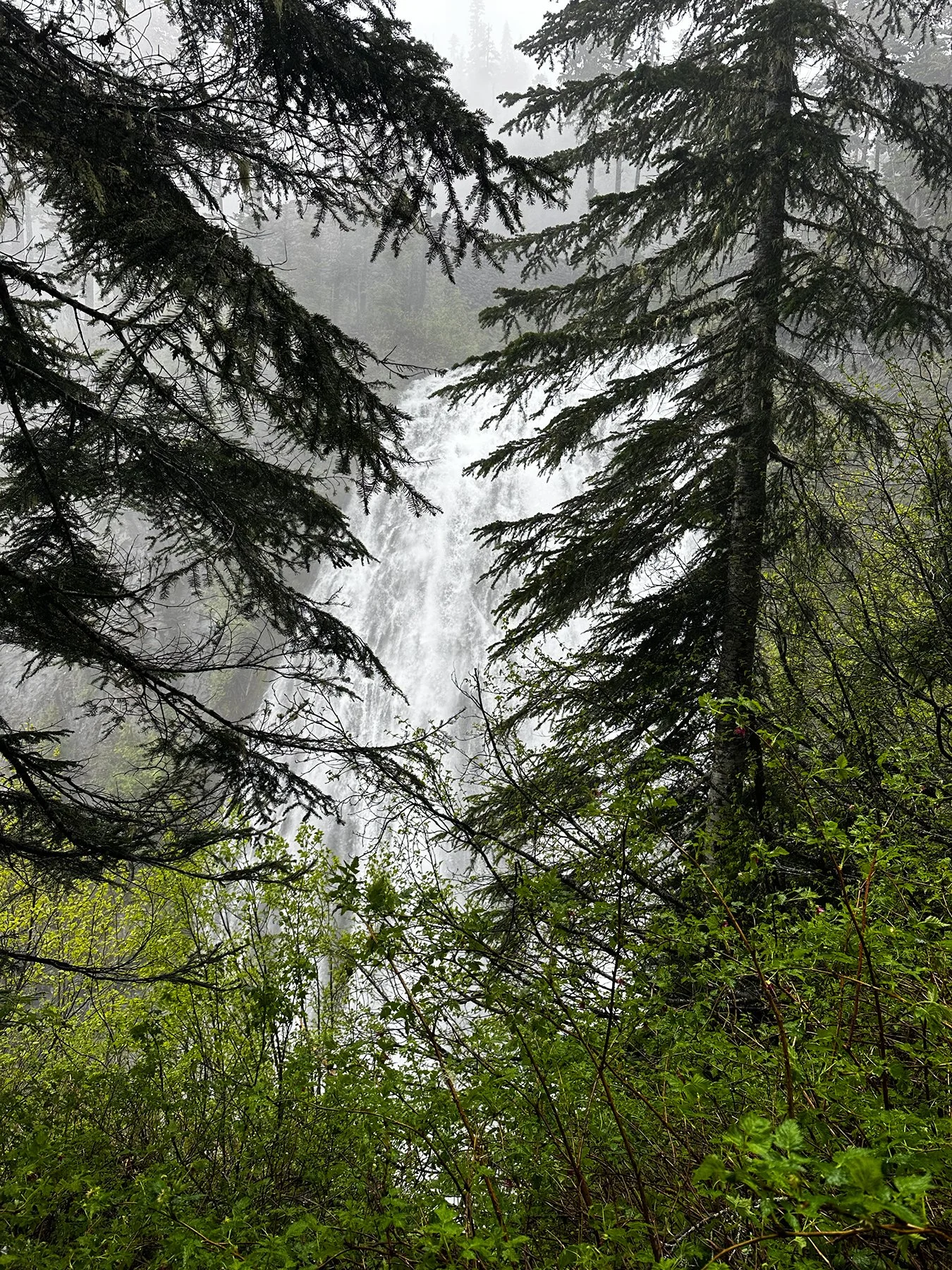
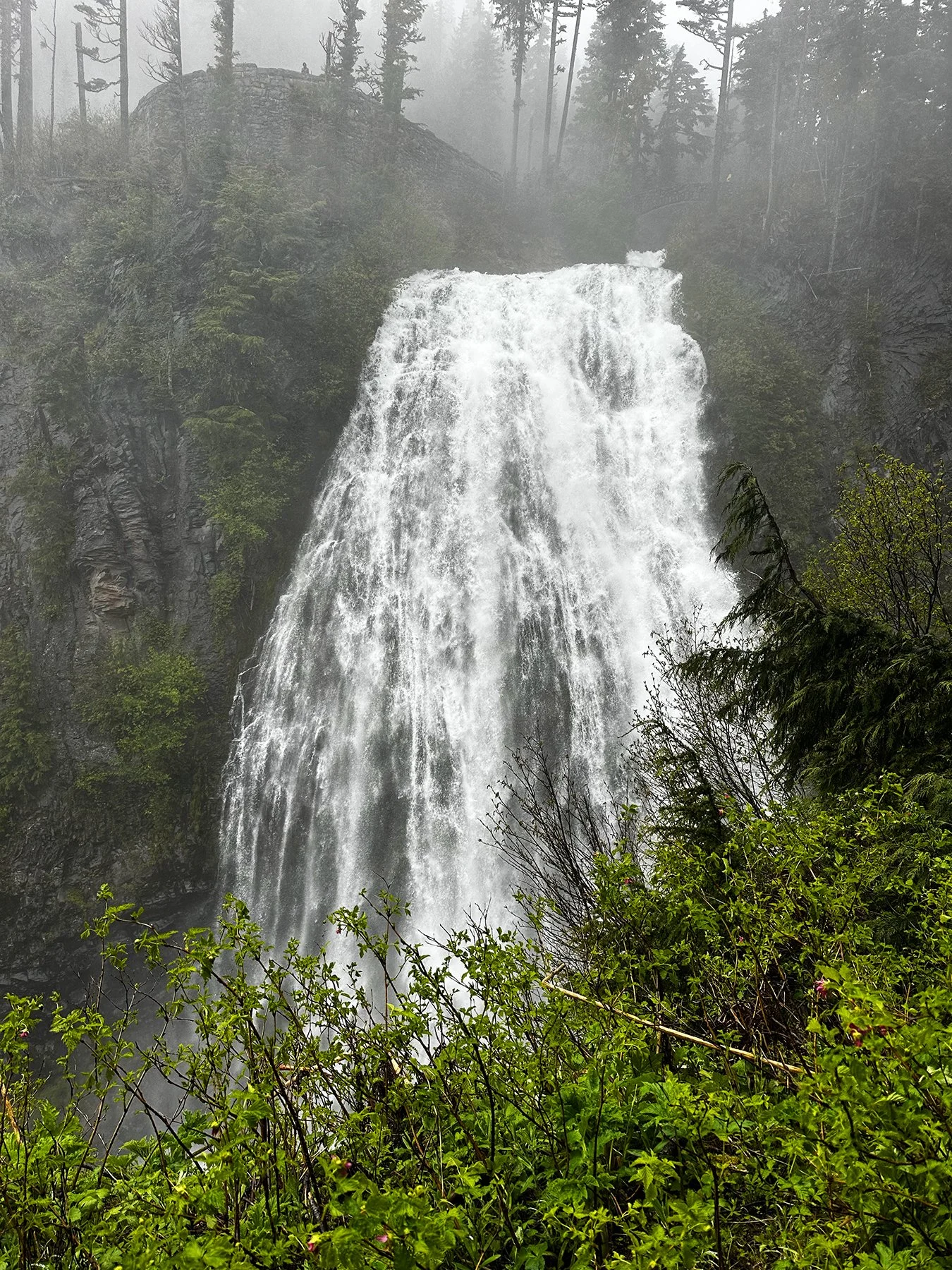
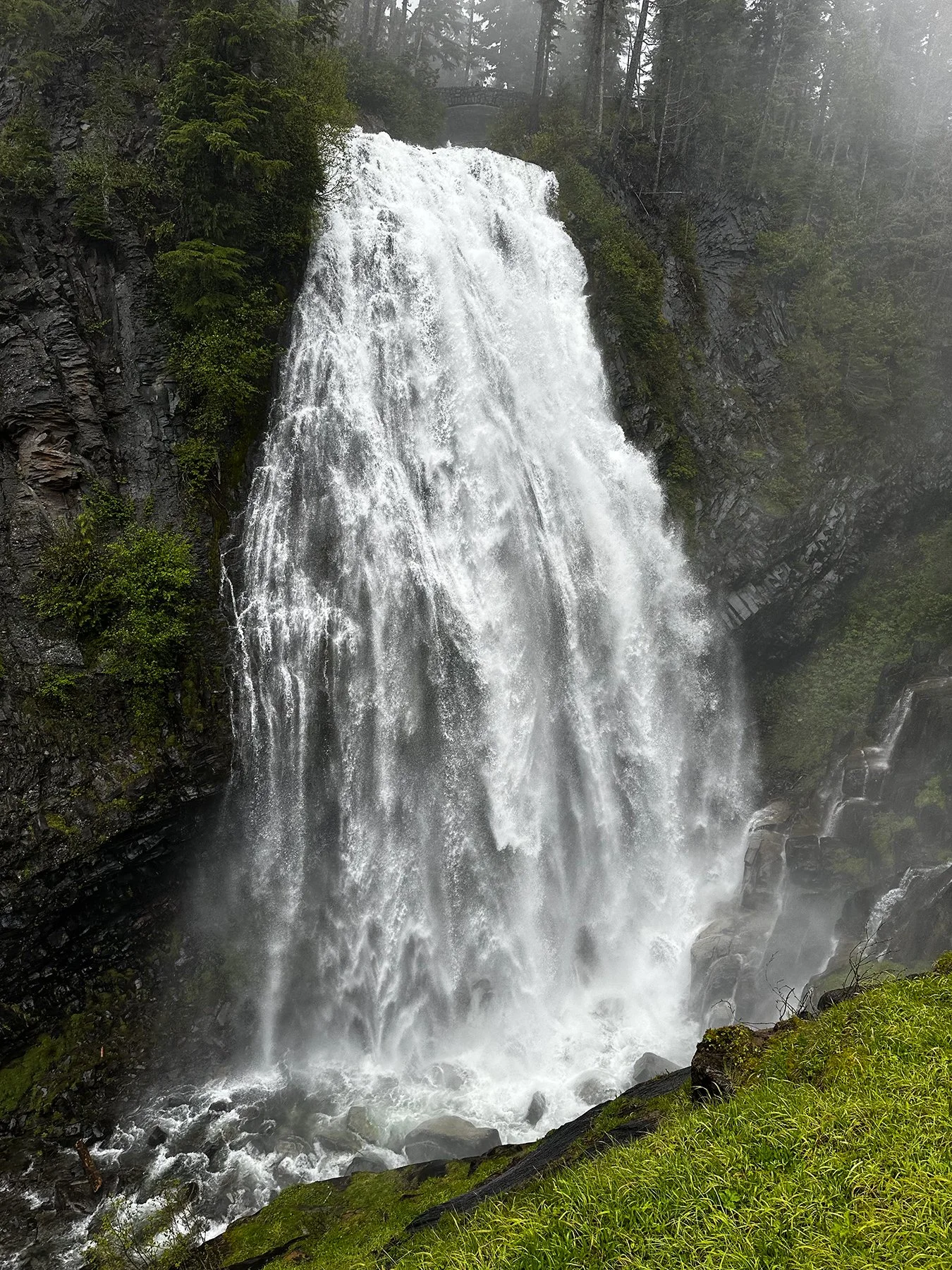
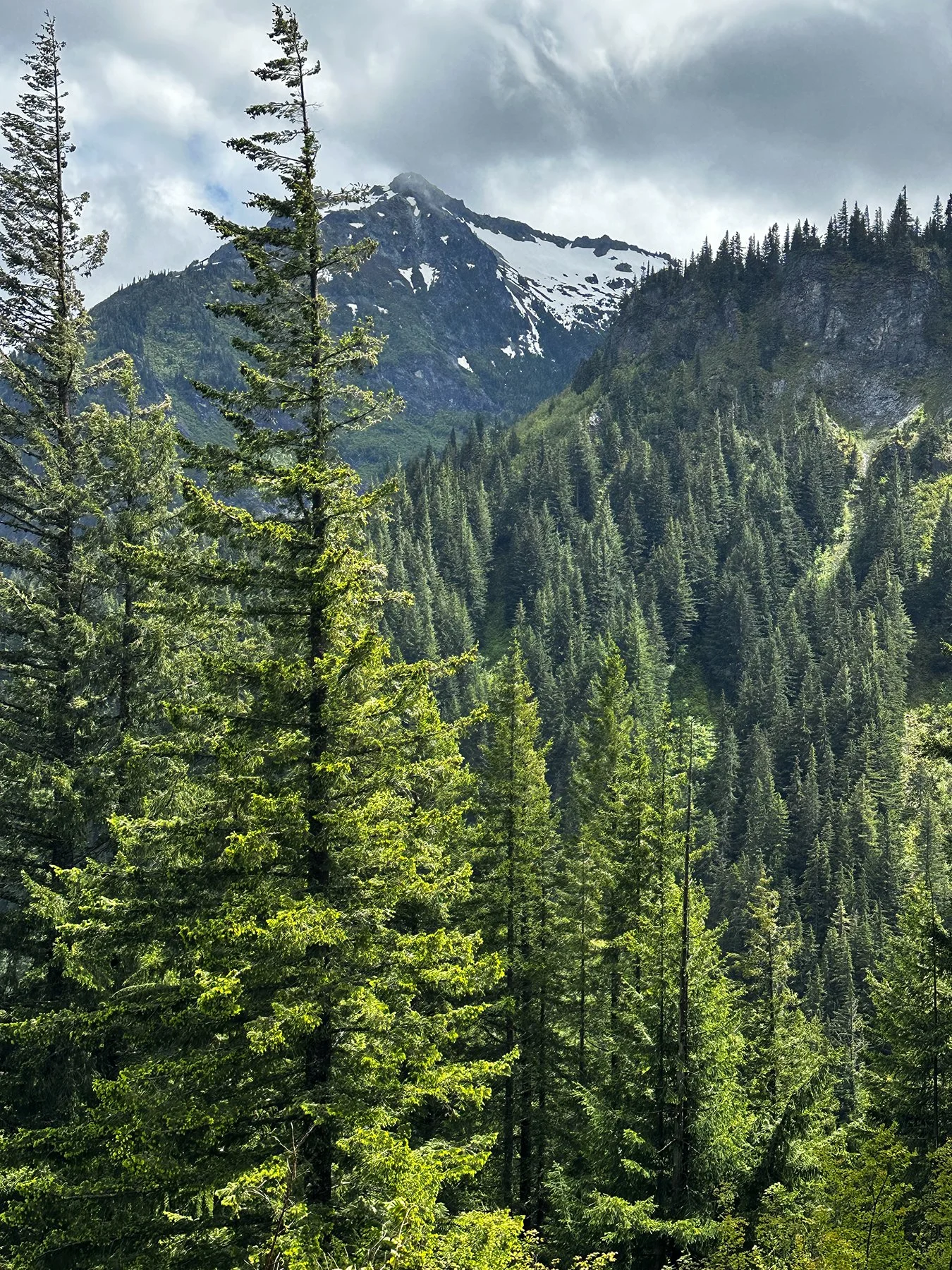
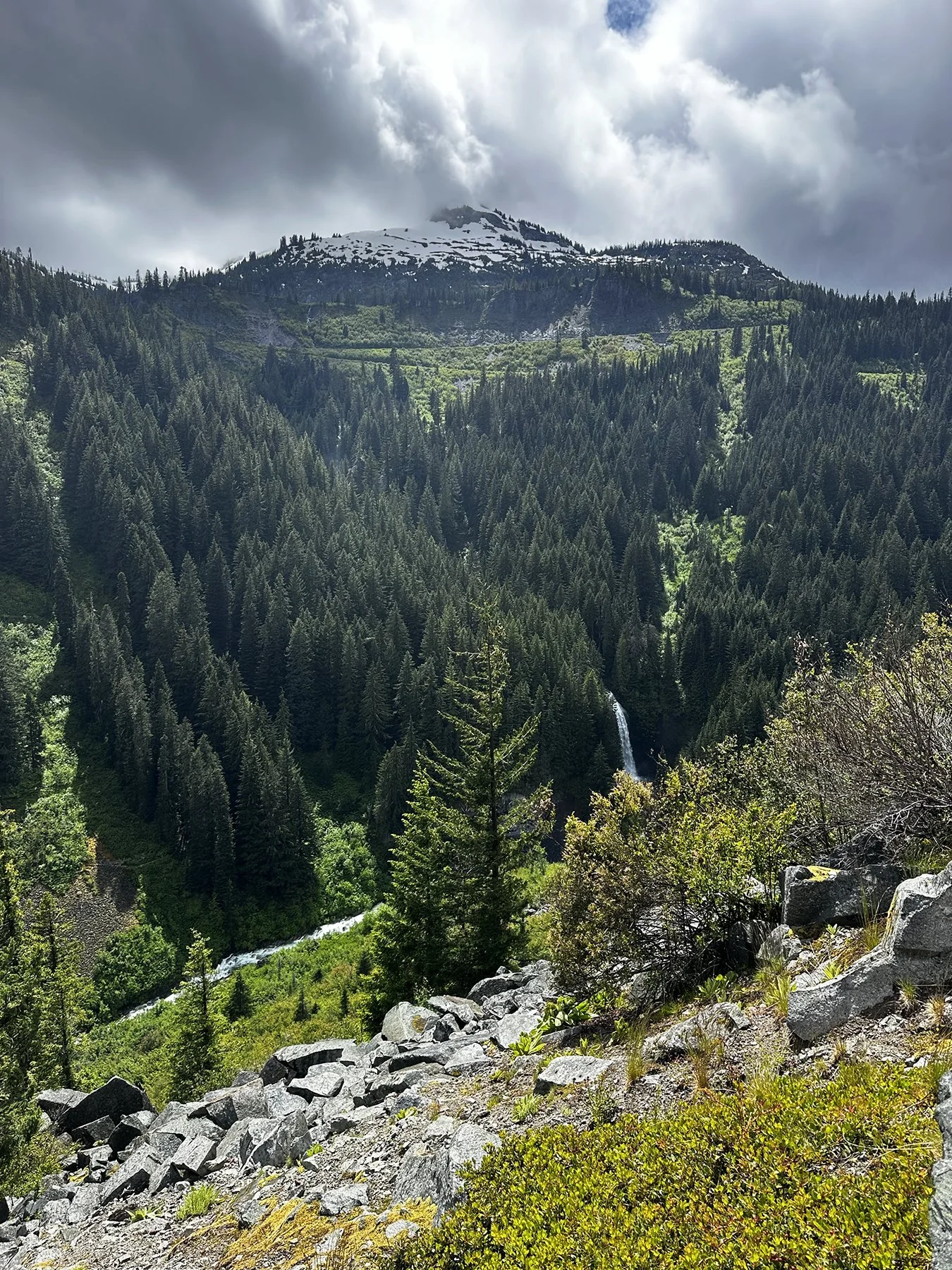
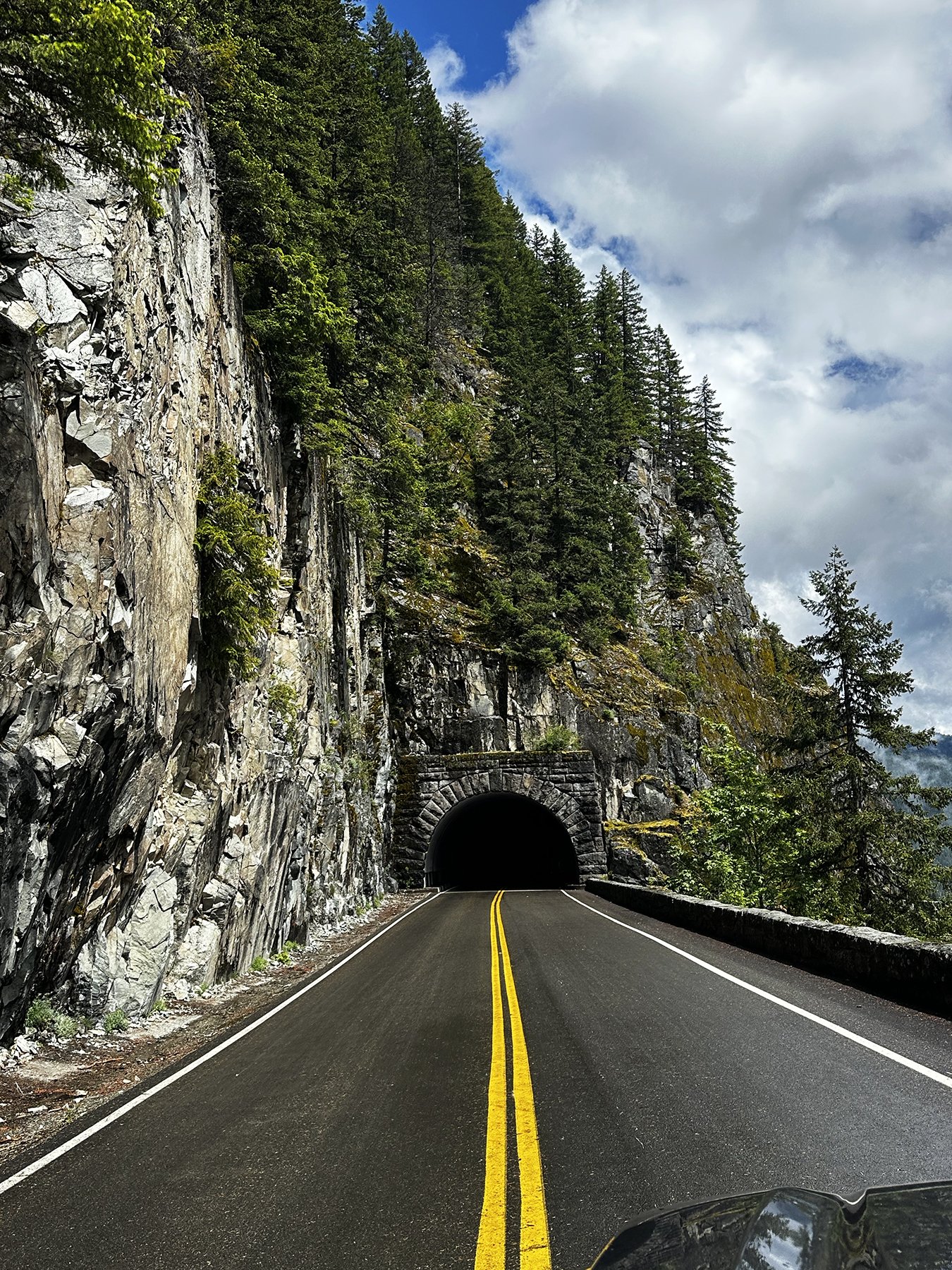
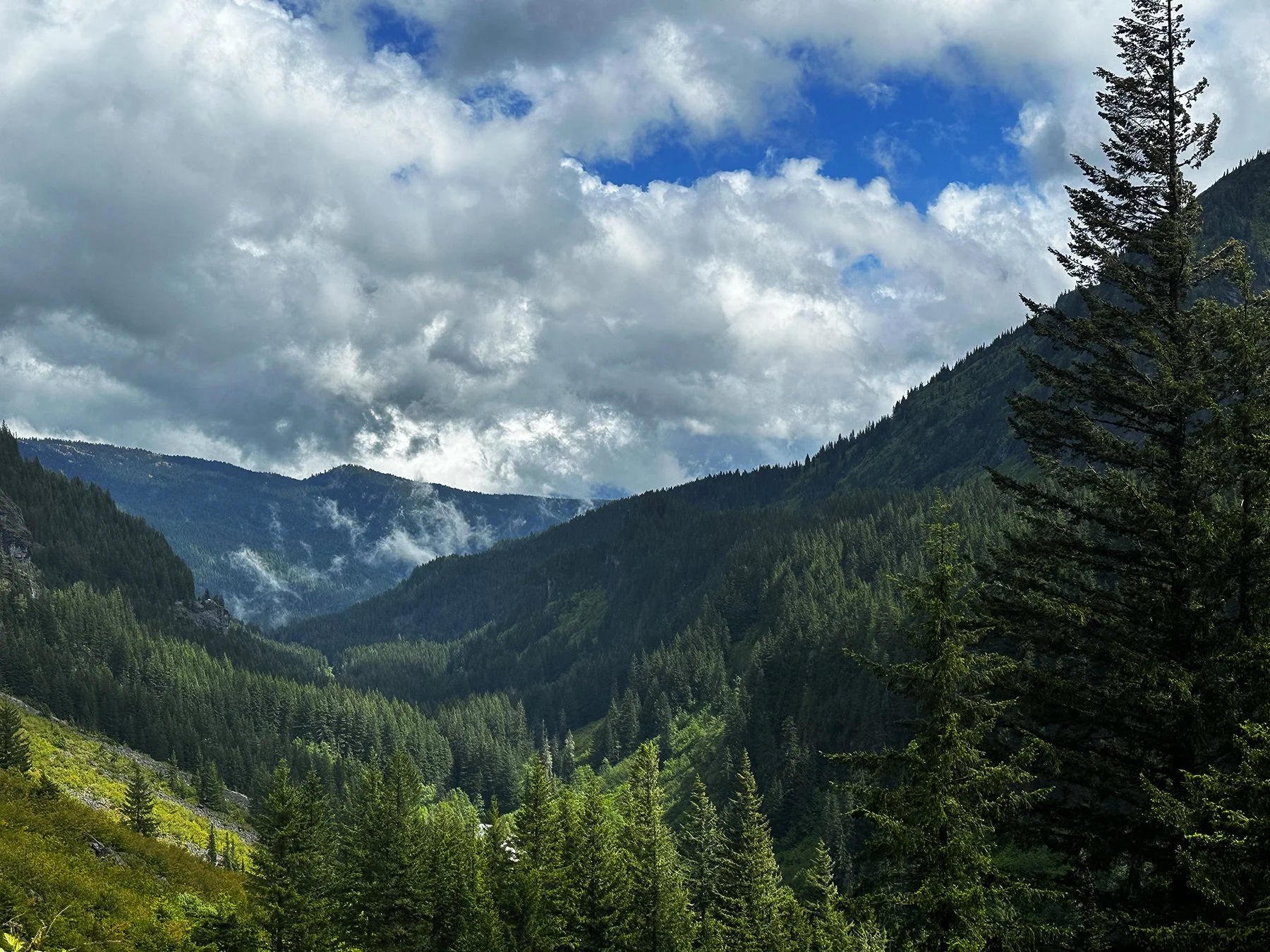
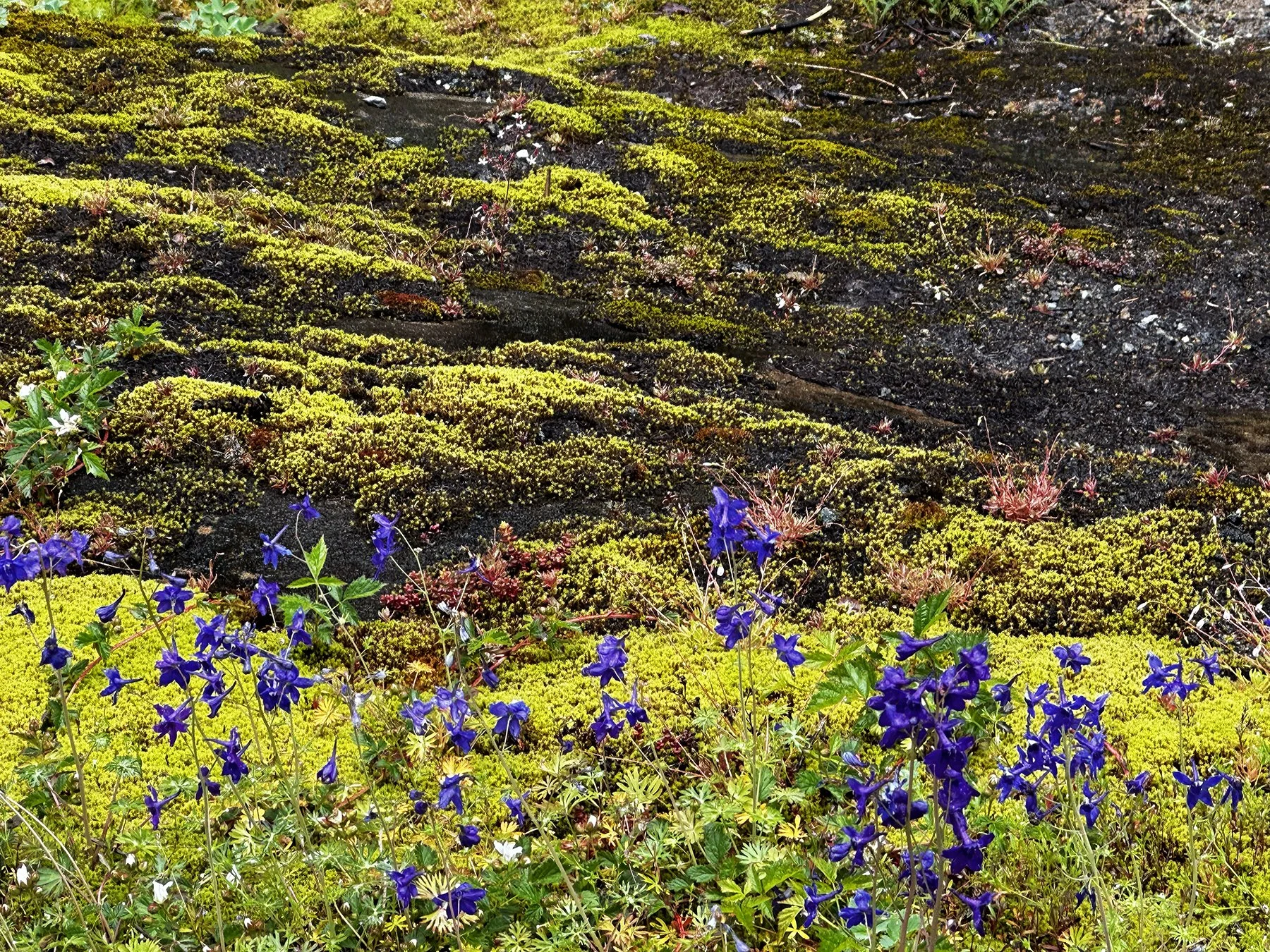
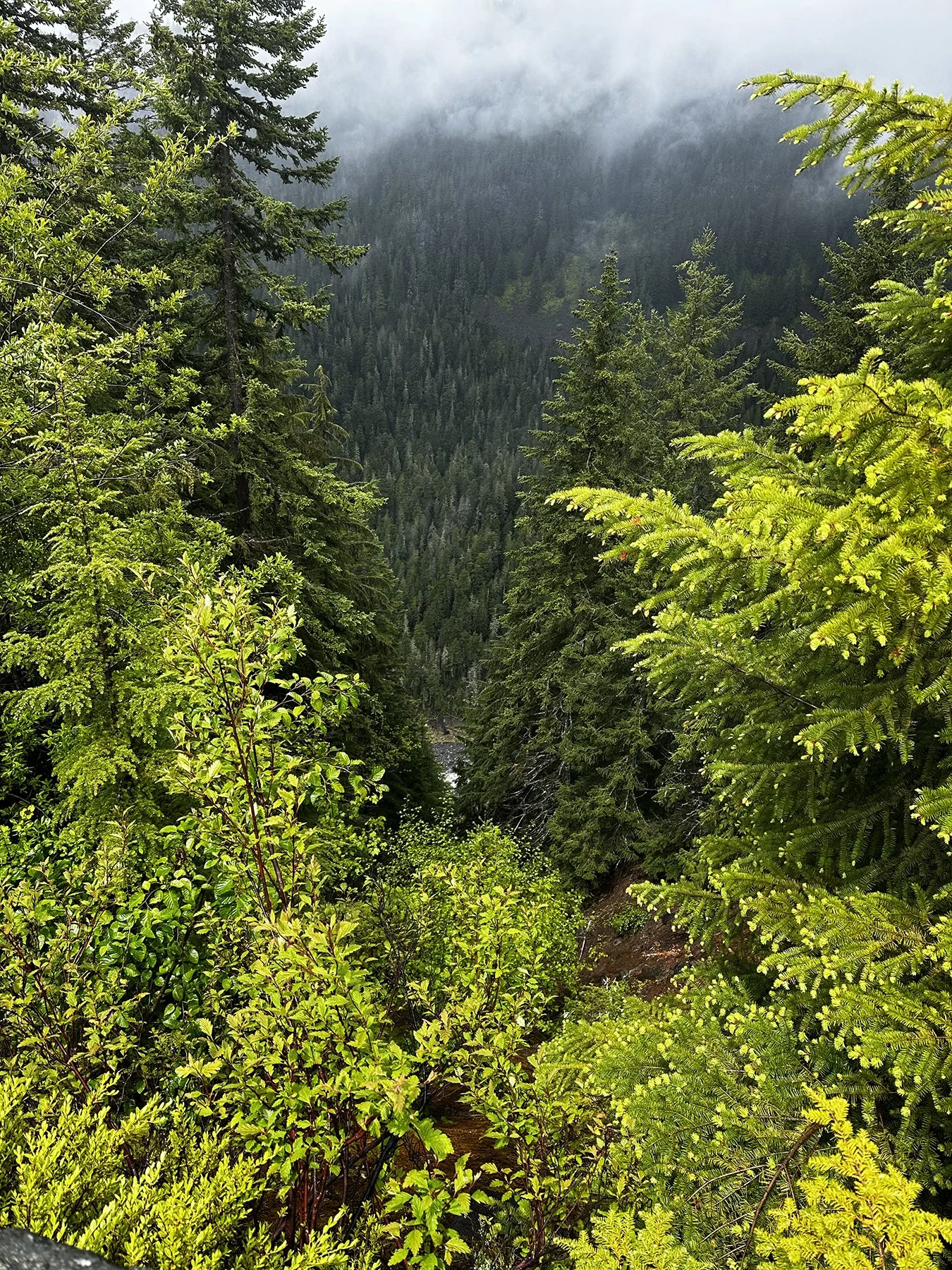
And then we discovered Box Canyon. Y’all, I just can’t. Box Canyon is a dramatic 180-foot deep, 13-foot-wide slot canyon carved by the glacier-fed Muddy Fork of the Cowlitz River. We approached it from an easy, 1/2-mile loop trail, stopping on a historic stone bridge directly over the chasm. The canyon is so narrow that you can peer straight down into the rushing, milky glacial water. You can also spot the striations on the exposed bedrock, left behind by historical glaciers. It’s 115 feet from the bridge down to the water’s surface.
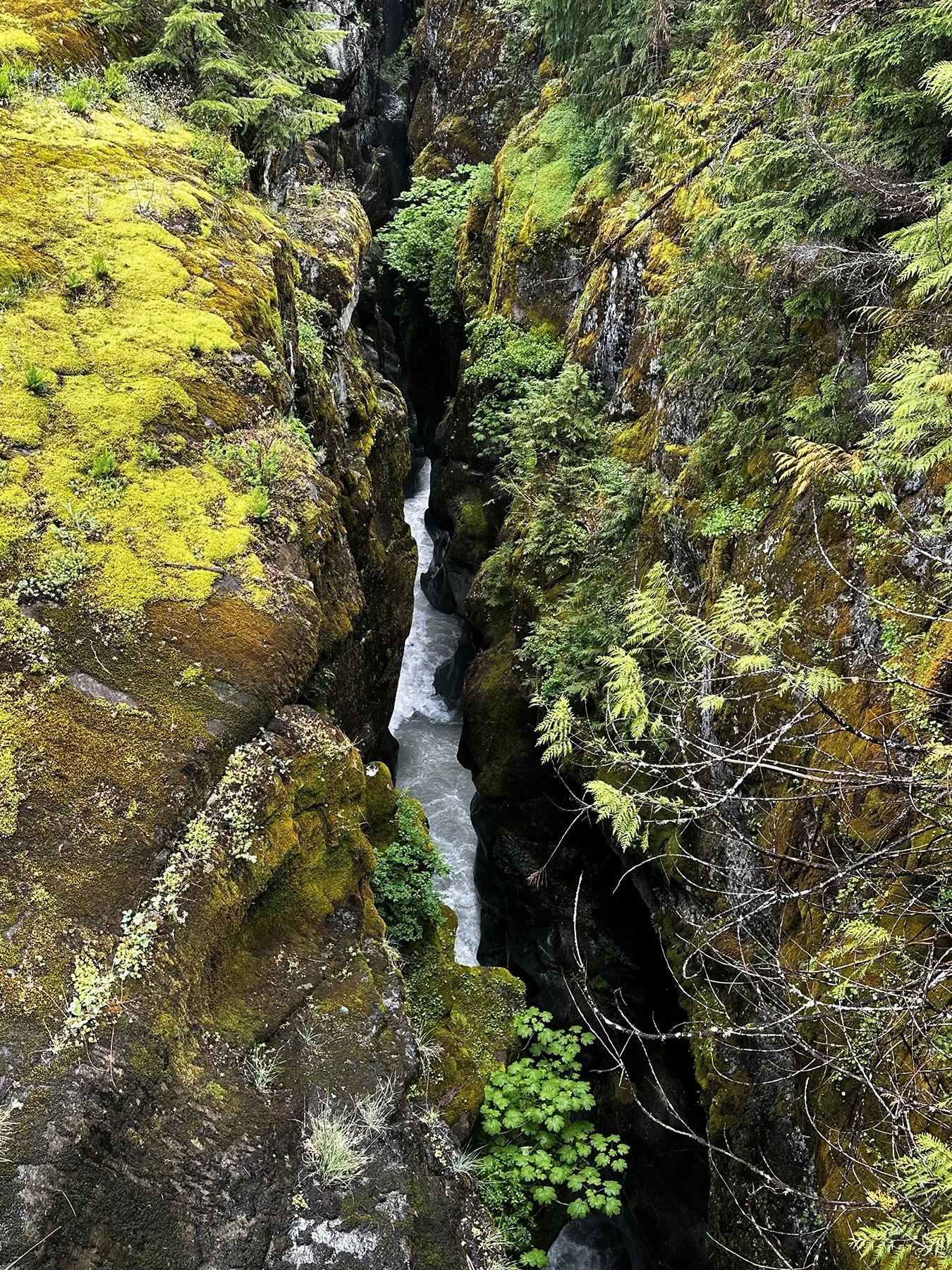
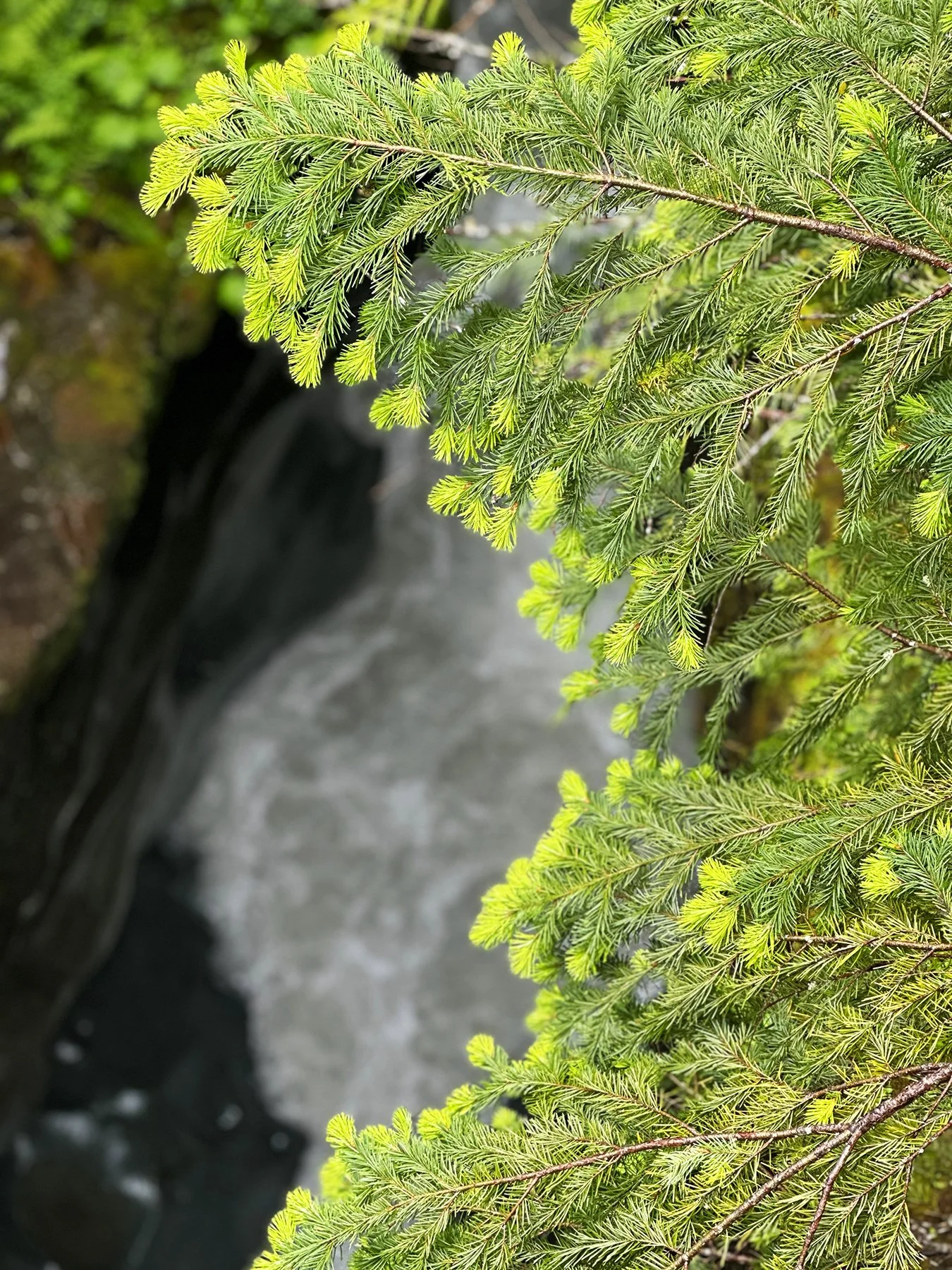
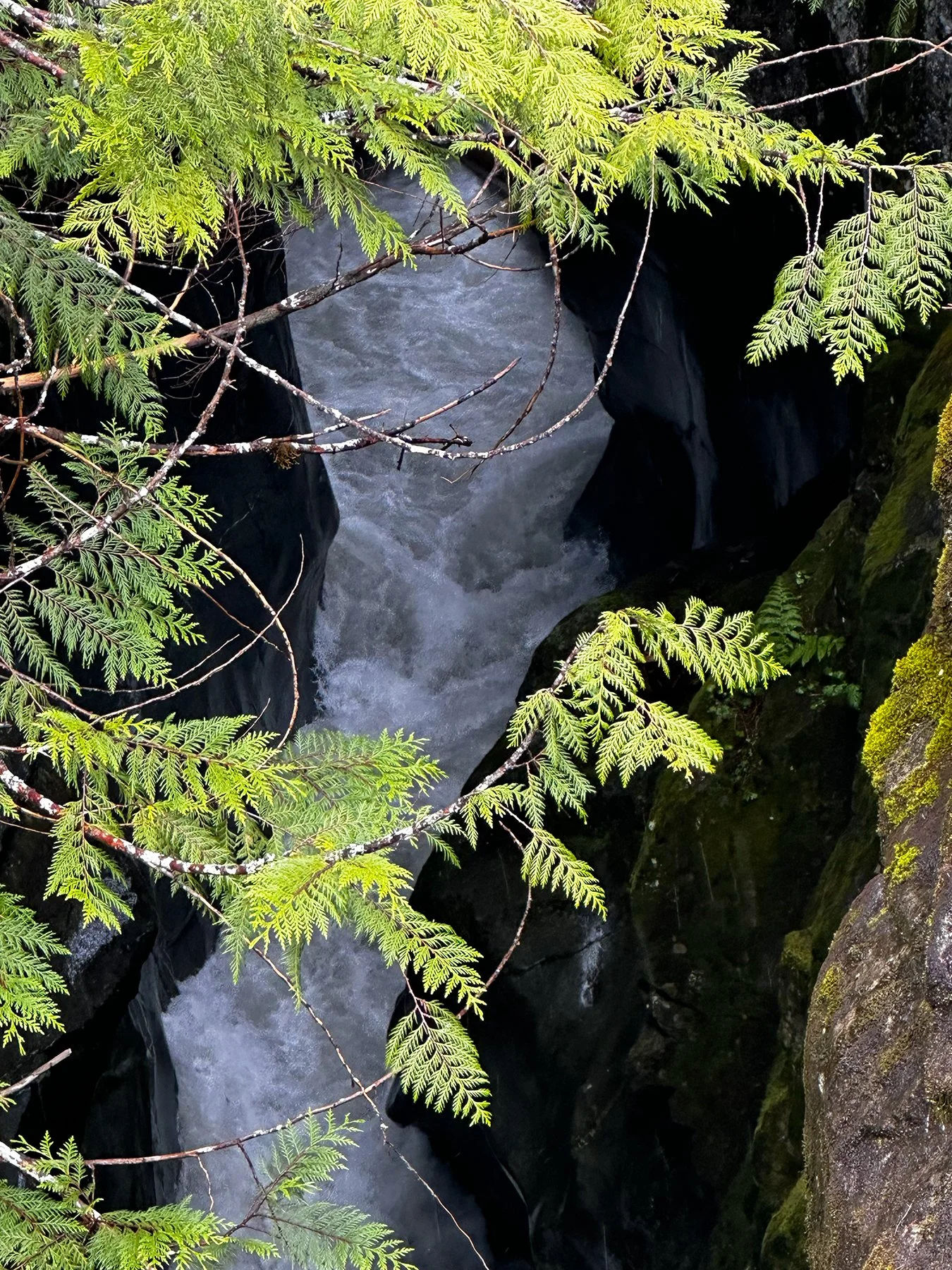
All in all, we spent a fabulous few days around these iconic national treasures, and I will never forget its splendor!
Bavaria in America?
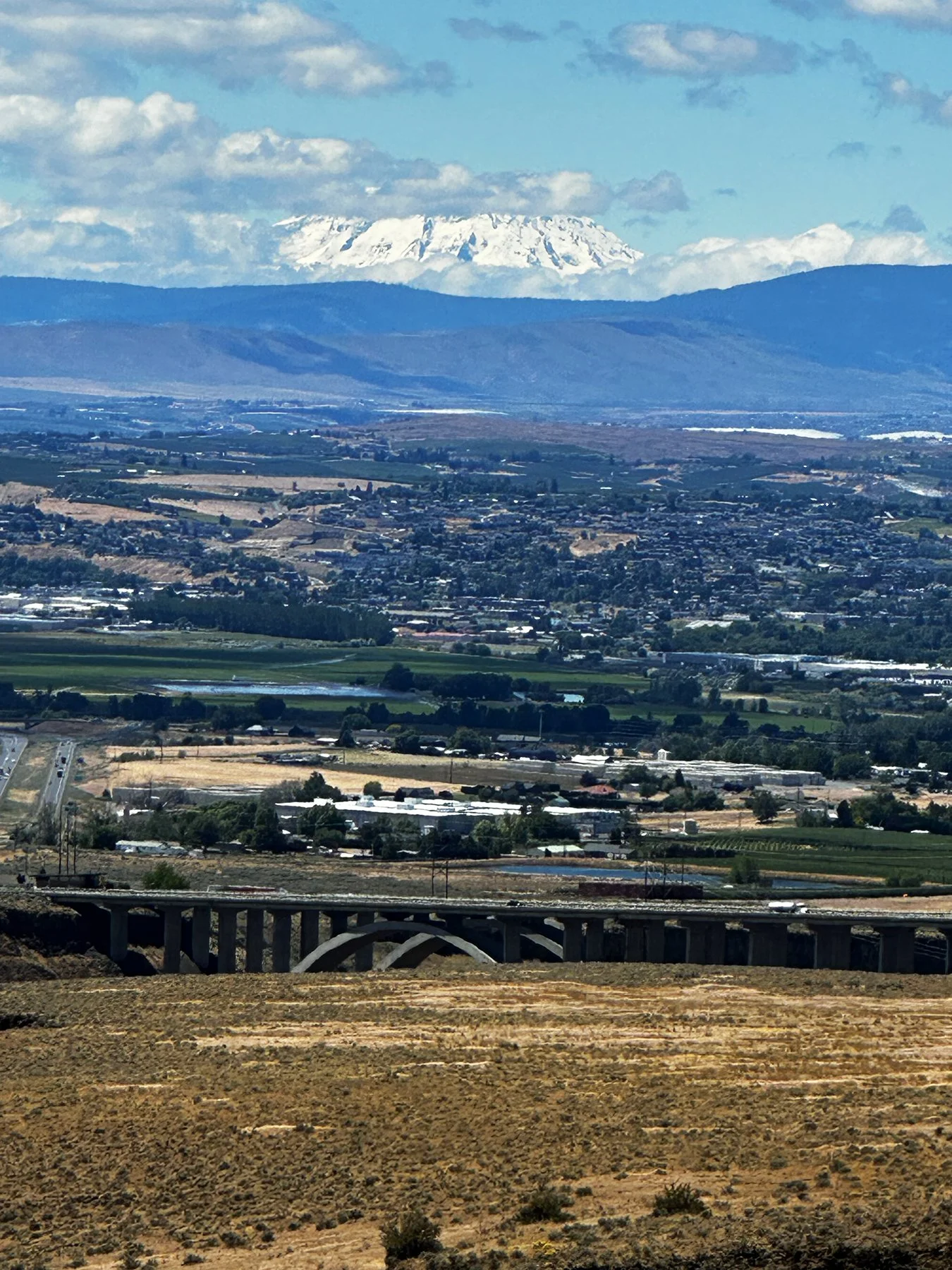
What a jewel we found northeast of Mount Rainier, just a couple of hours east of Seattle. I had read about this magical place called Leavenworth in a Travel & Leisure article about the best alpine villages in America.
Leavenworth’s history is quite interesting … it evolved from an Indigenous salmon-fishing site to a bustling railroad and logging hub. When the Great Northern Railway bypassed the town in the 1920s, the economy collapsed. As the railroad departed, major sawmills closed, plunging Leavenworth into a severe economic depression that lasted decades and threatened to turn it into a ghost town.
"Project Alpine" (1965): Facing total economic ruin, local business owners and consultants decided to capitalize on the town's stunning resemblance to the Swiss Alps.
Alpine Makeover: Storefronts and buildings were mortgaged and privately remodeled into an Alpine/Bavarian village to attract tourists.
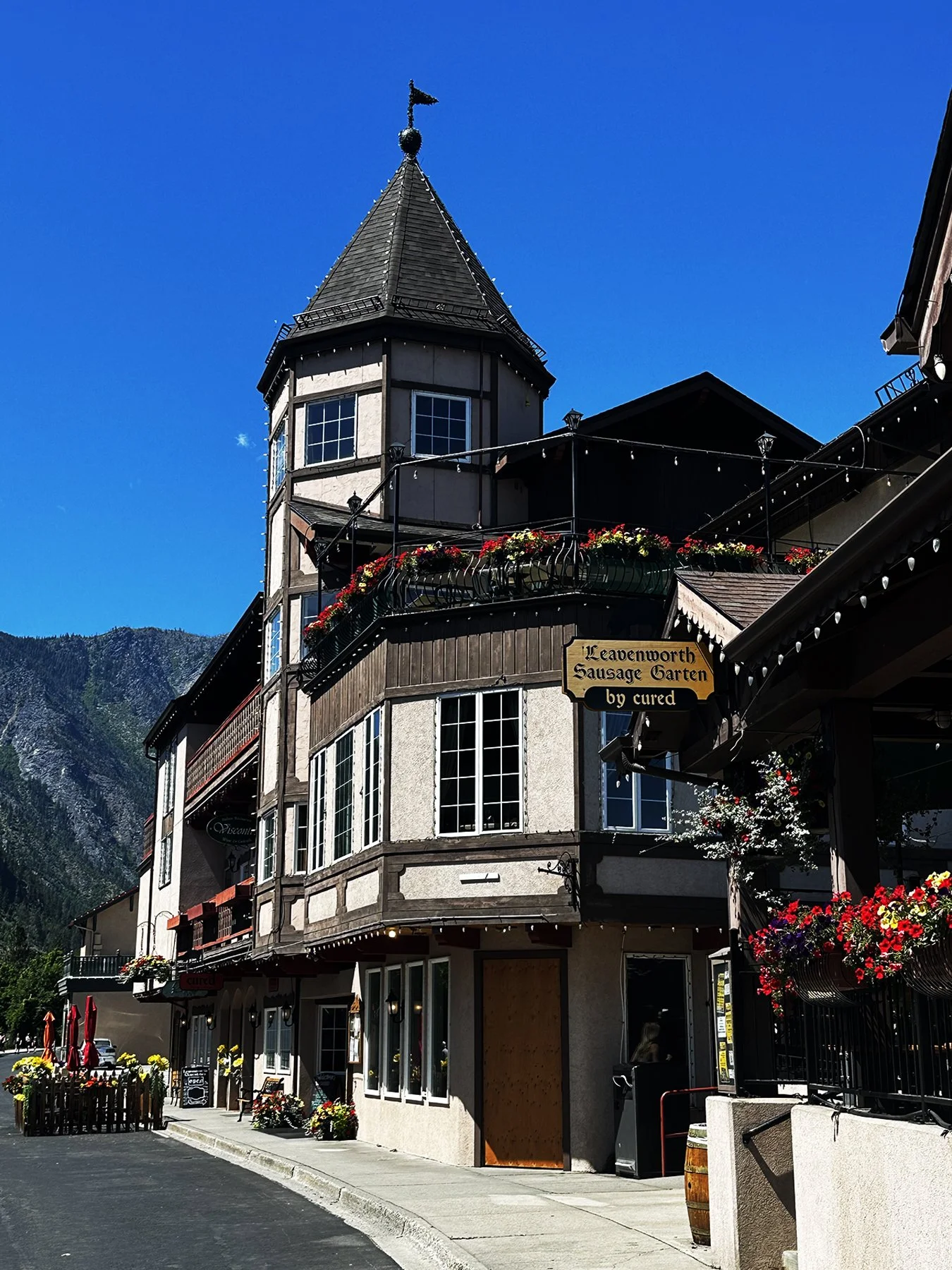
Sound a little kitschy? I thought so, too, but wanted to give it a chance. And I was not disappointed! The mayor and city leaders work hard to keep up with the cultural trends of the real Bavaria, and to create an experience that is unlike any other here in the States. I believe they did an exceptional job! If not for the fact that everyone spoke English and, quite frankly, were very American, you would think you were in Germany.
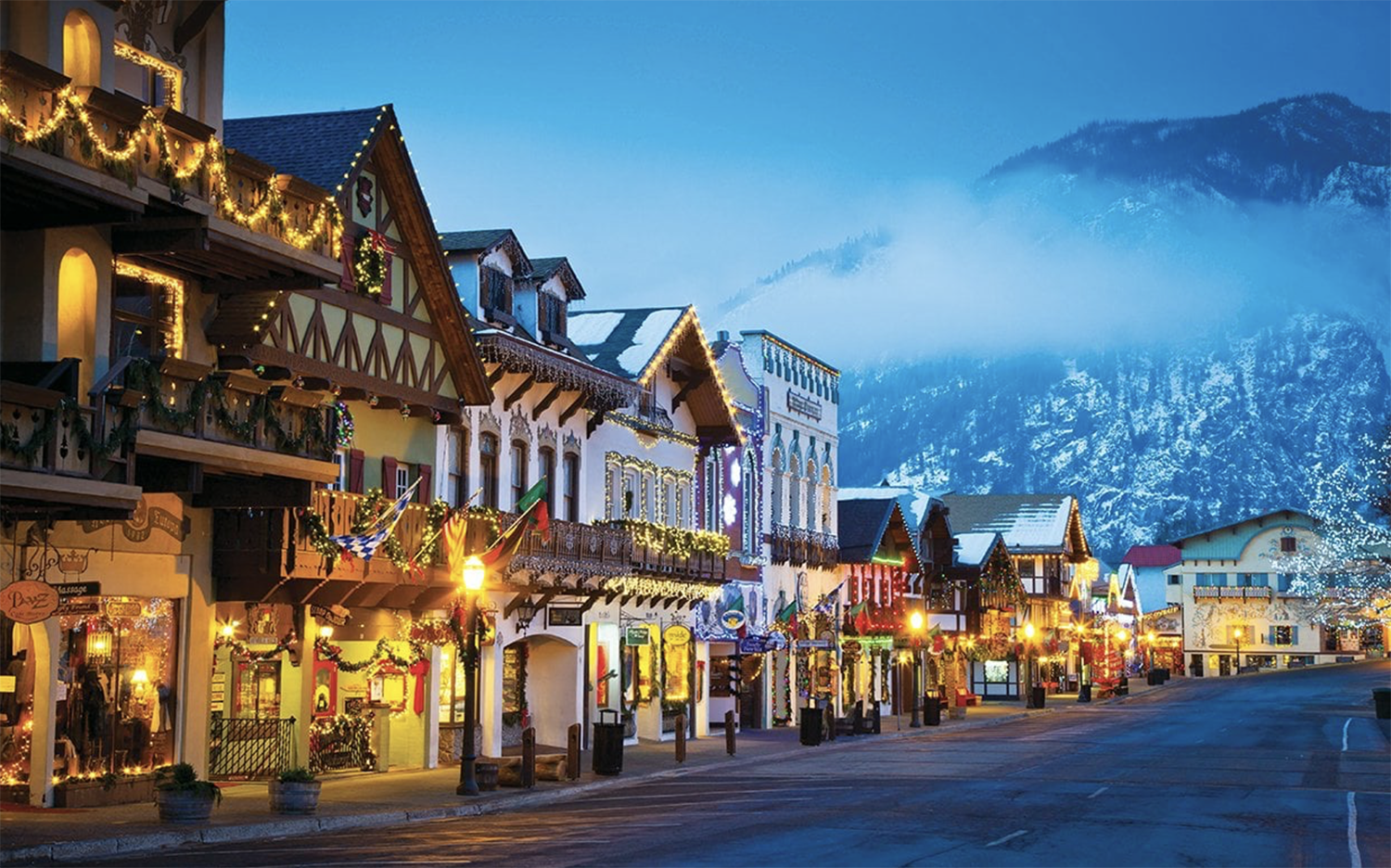
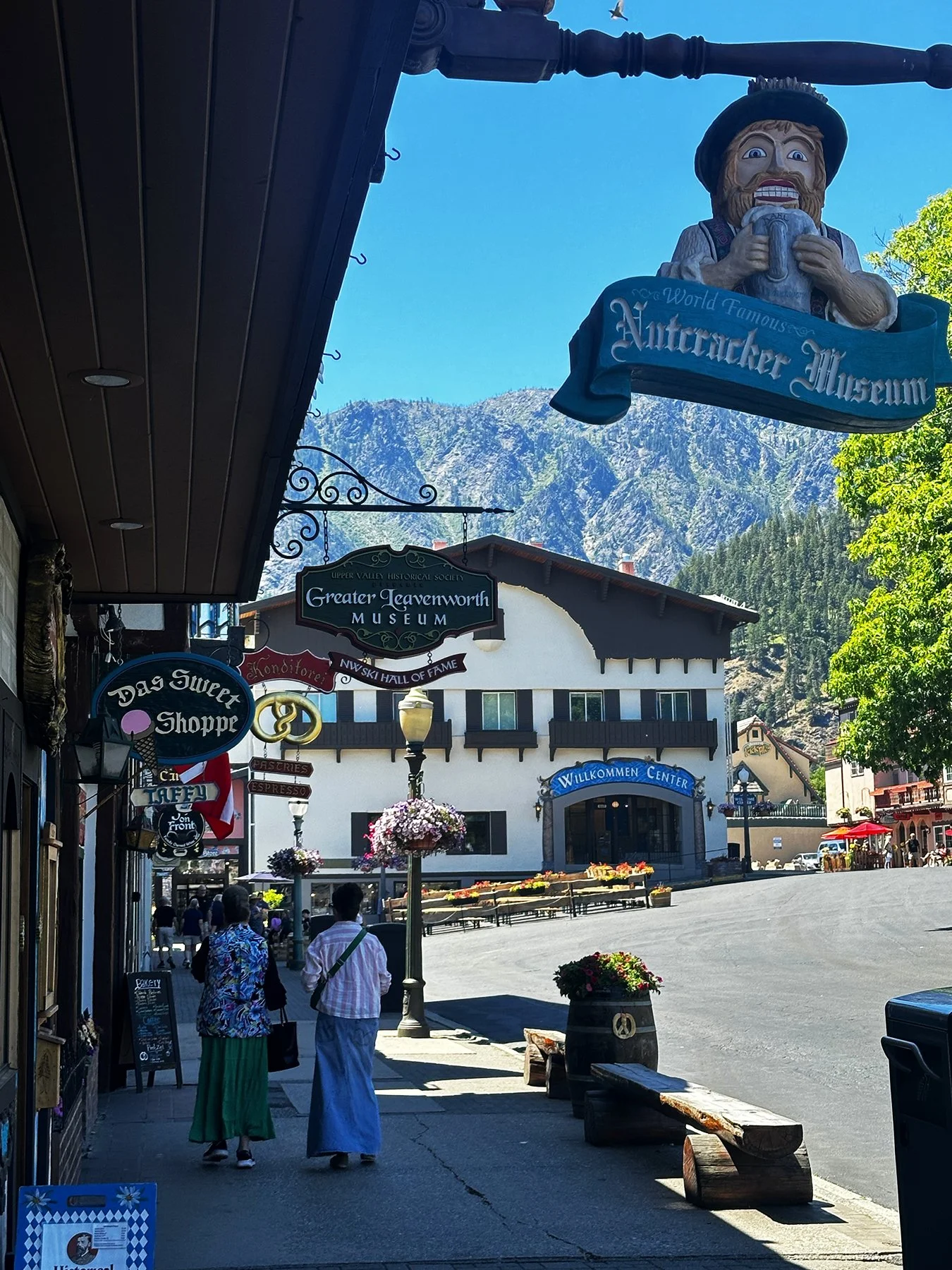
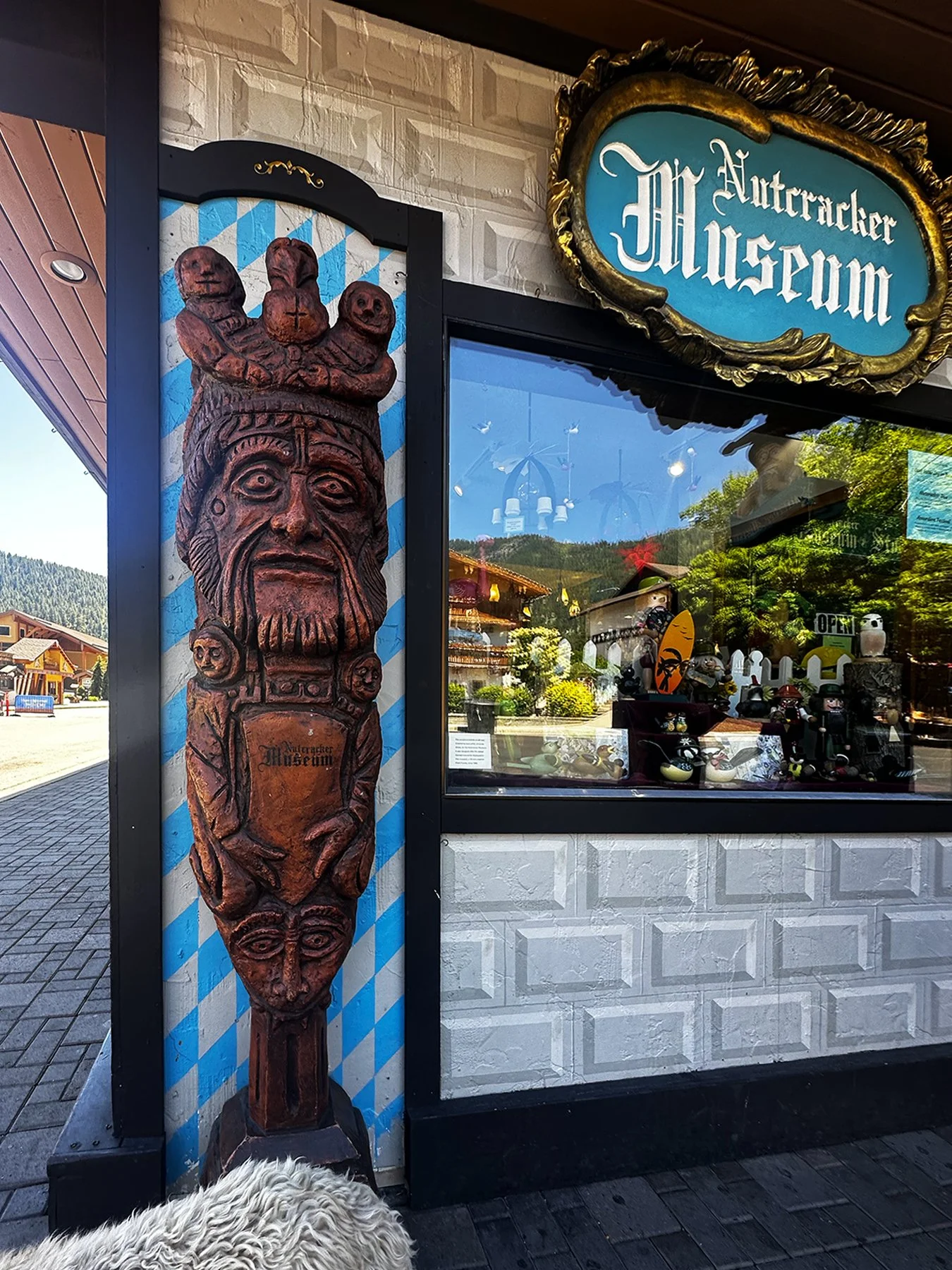
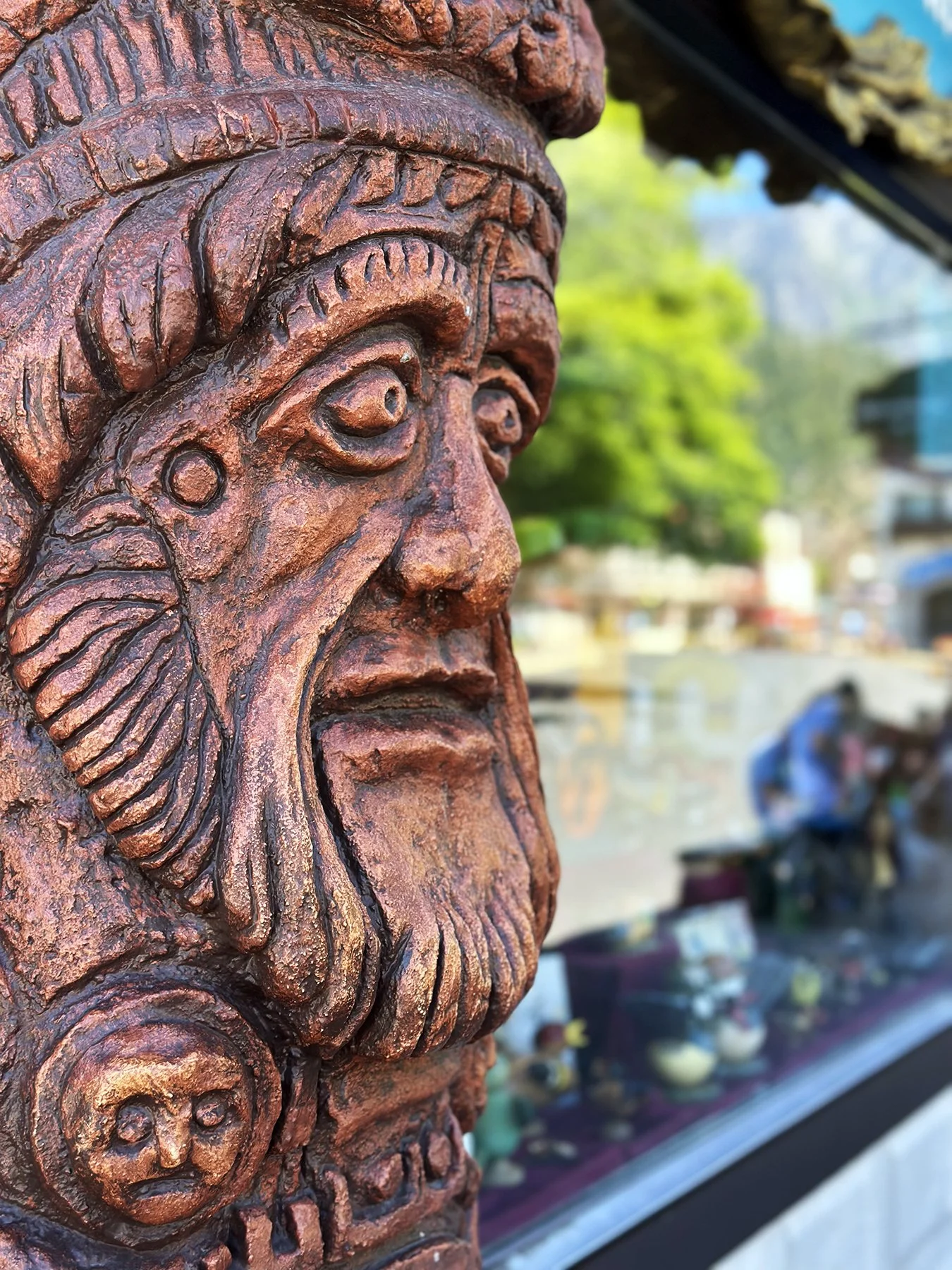
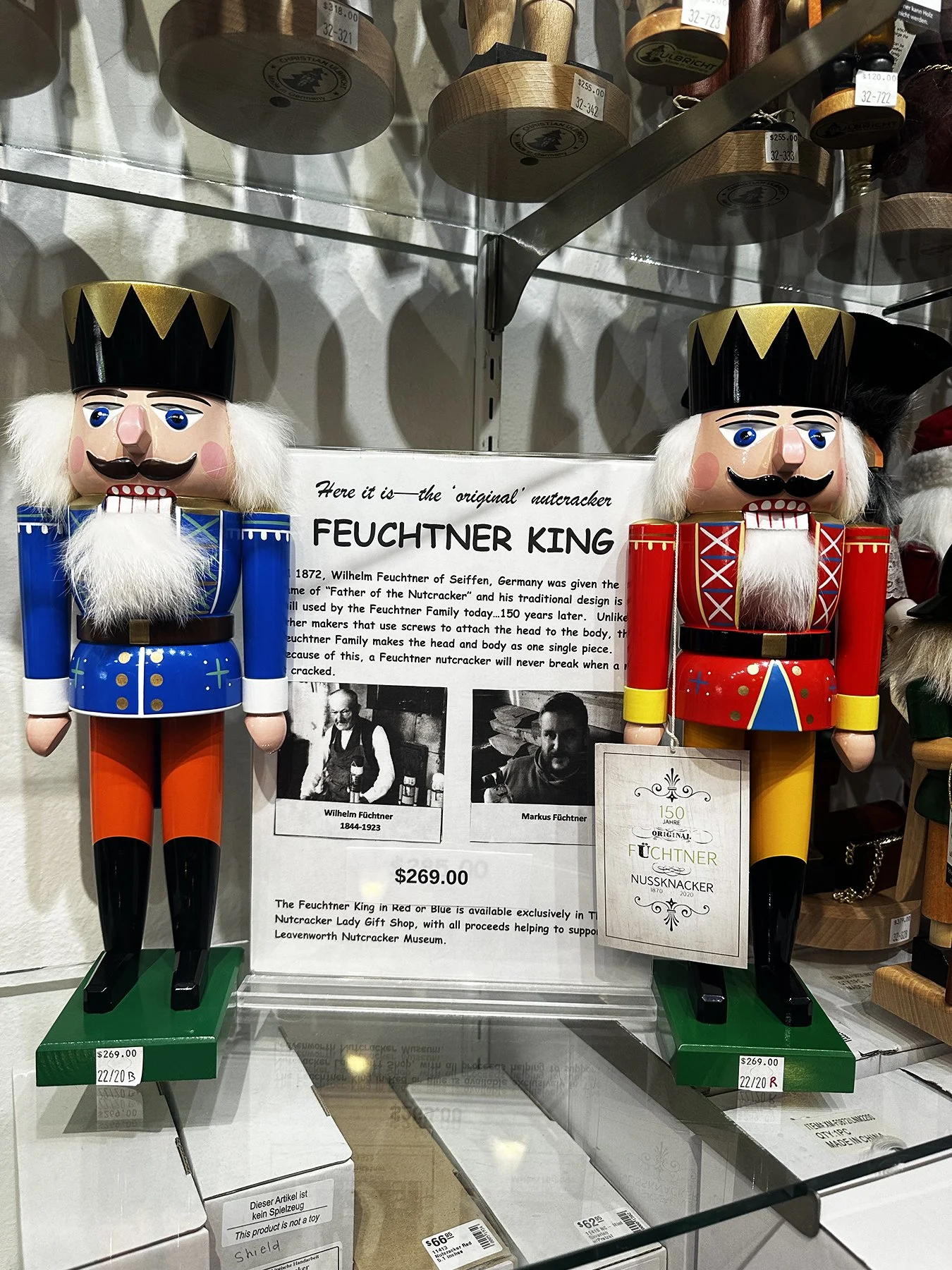
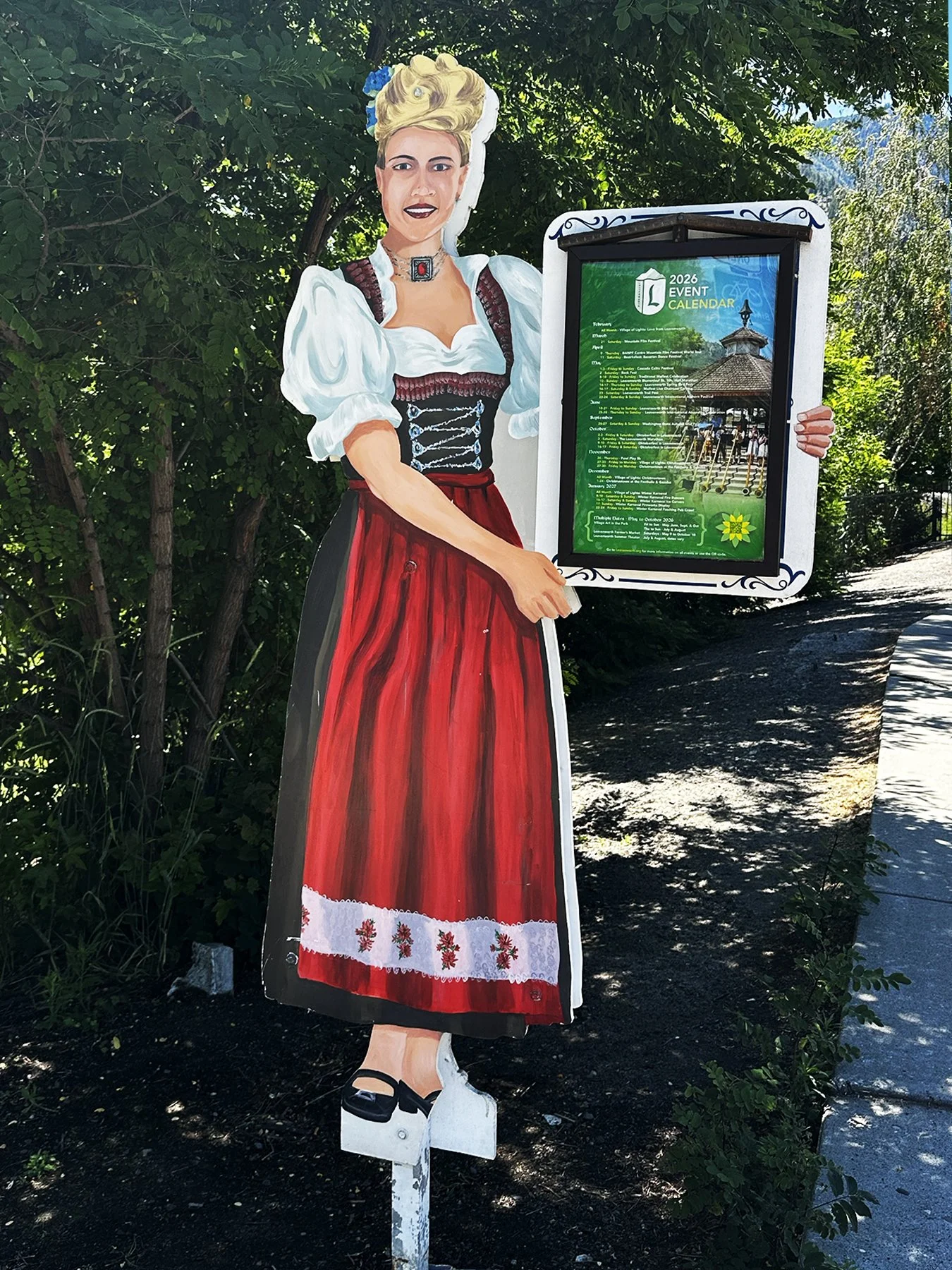
If you didn’t know—like I didn’t—“Bavarian” typically refers to the culture, language, or people of Bavaria (Bayern), the largest and historically distinct state in southeastern Germany. It encompasses a wide array of traditions, from distinct dialects to world-famous culinary exports. Here in Leavenworth, which is tucked into the beautiful Cascade Mountains, alpine-style buildings with restaurants serving German beer and food line Front Street along with Bavarian-themed bakeries, breweries, sweet shops, local arts and crafts shops and more. The Nutcracker Museum itself was mesmerizing, displays thousands of nutcrackers, some dating back centuries. The Wenatchee River also runs along the length of the town, with a beautiful accessible Waterfront Park where you might see ospreys and eagles. The village is also a gateway to nearby ski areas and wineries.
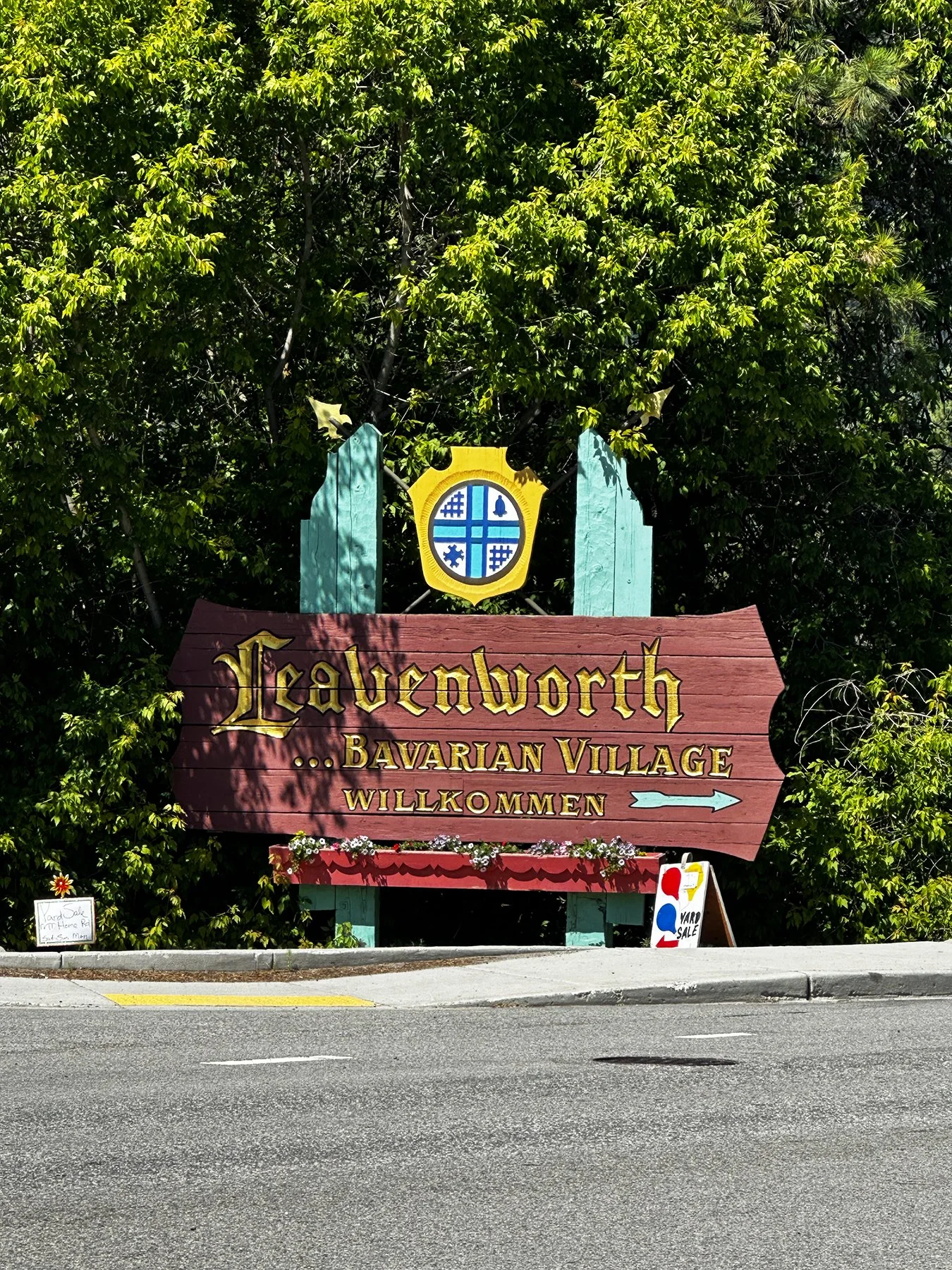
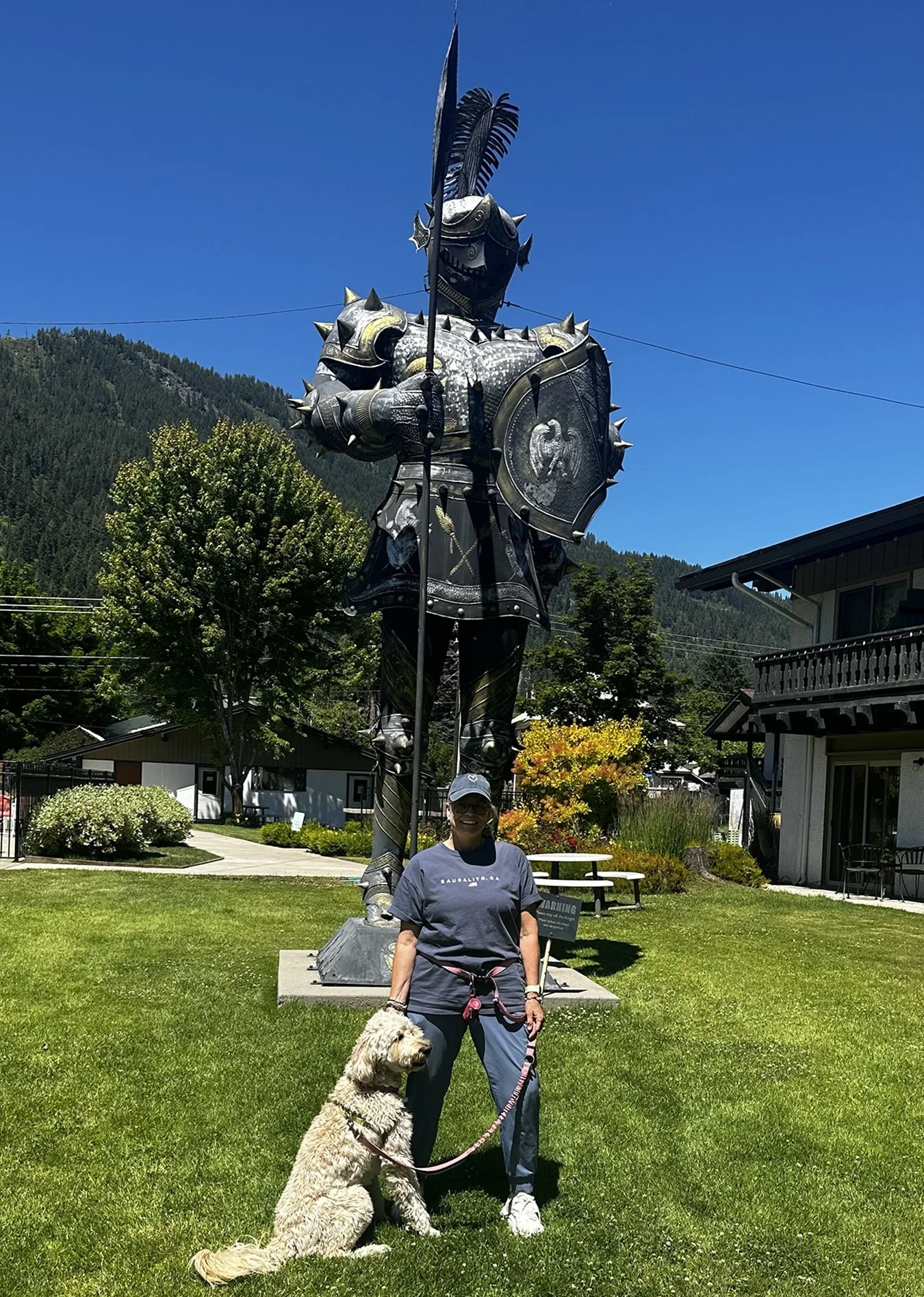
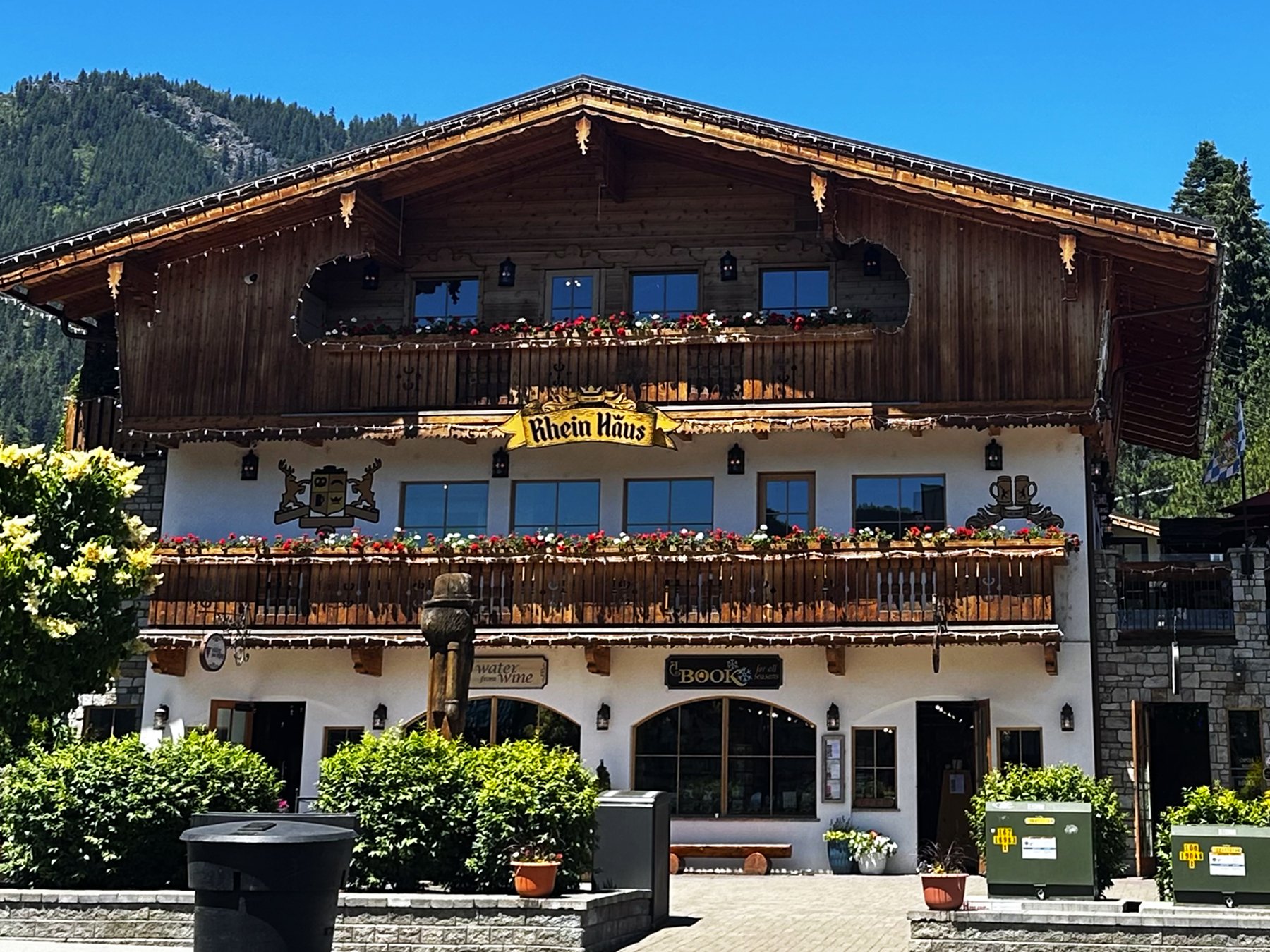
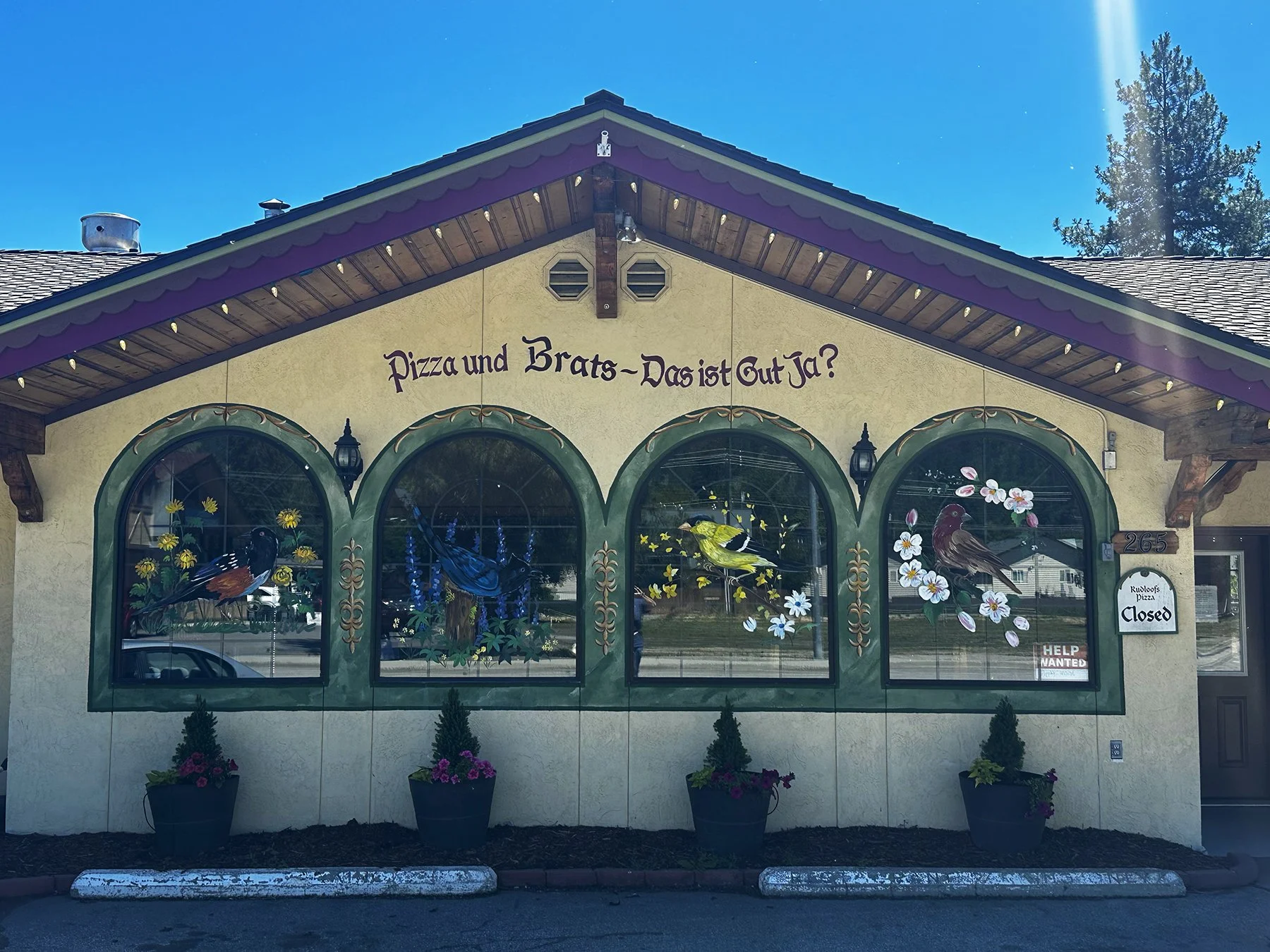
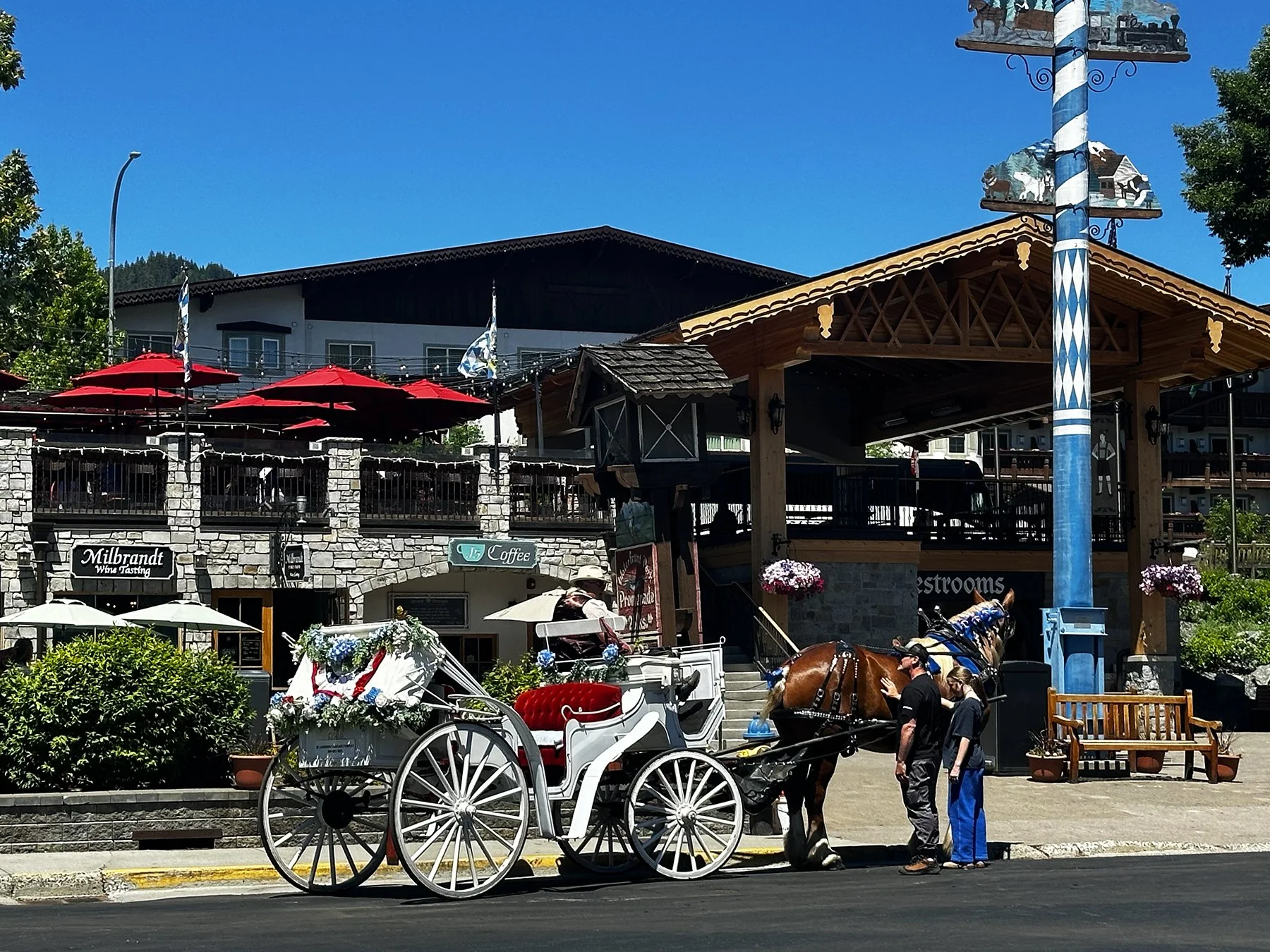
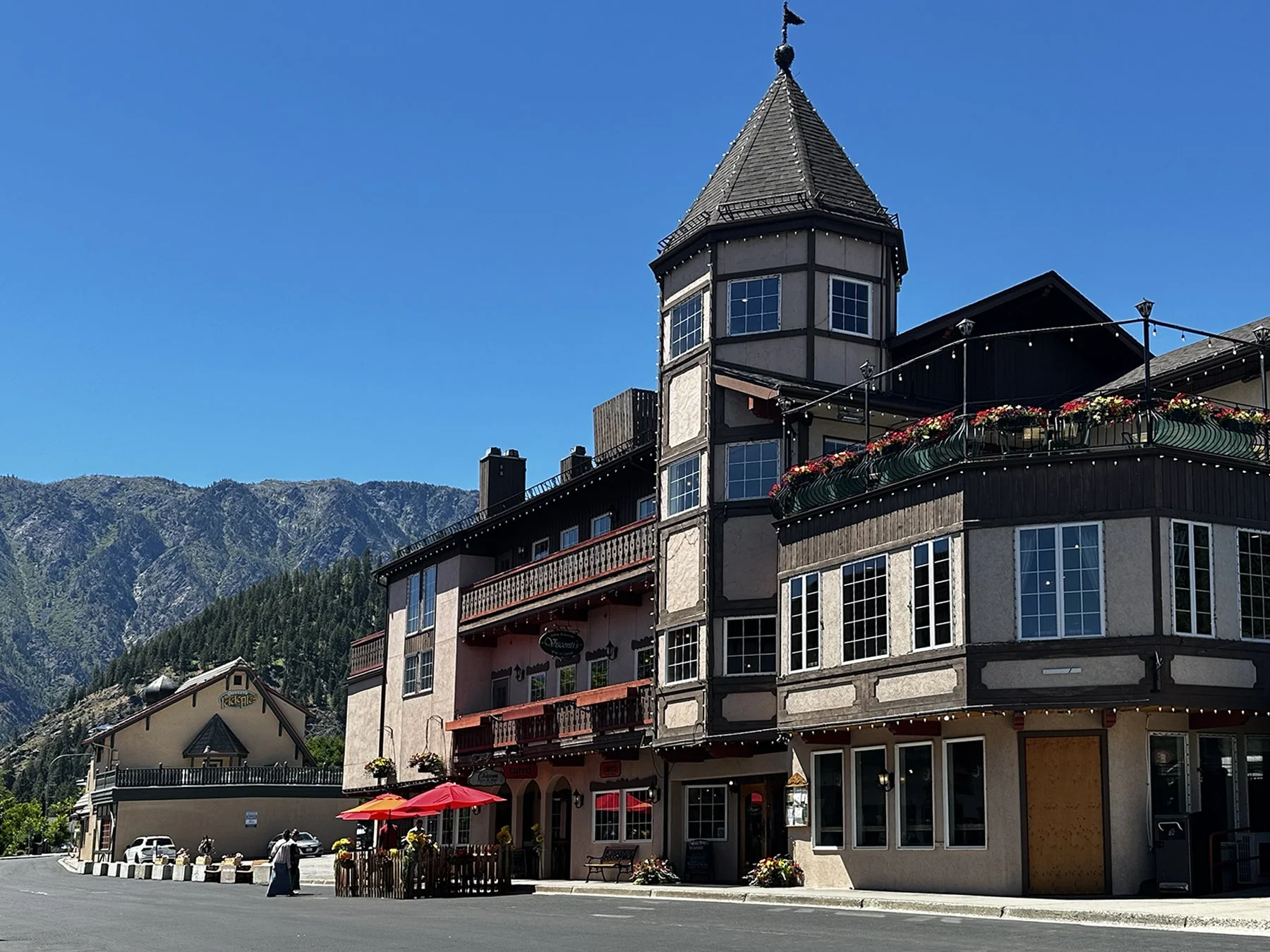
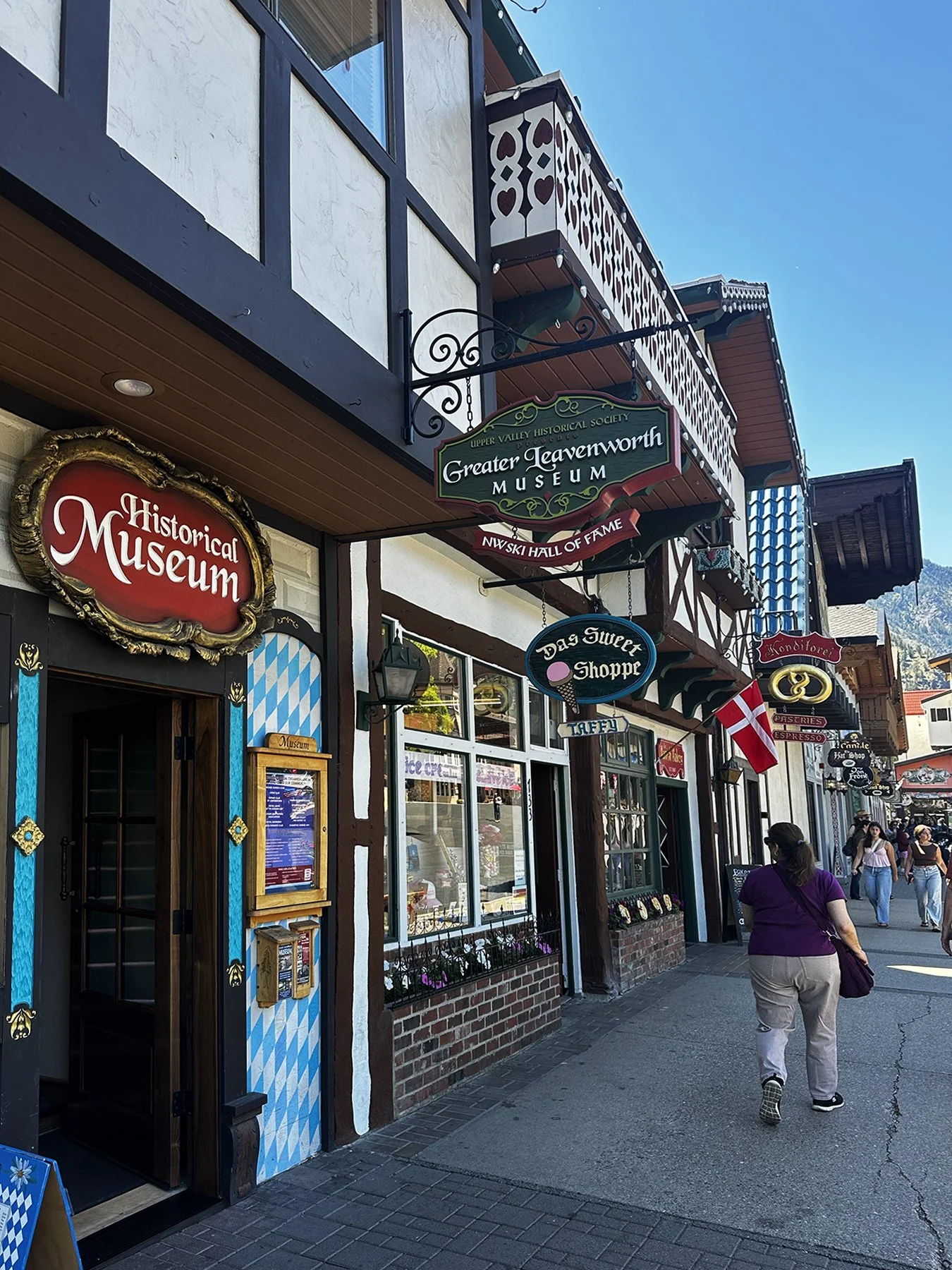


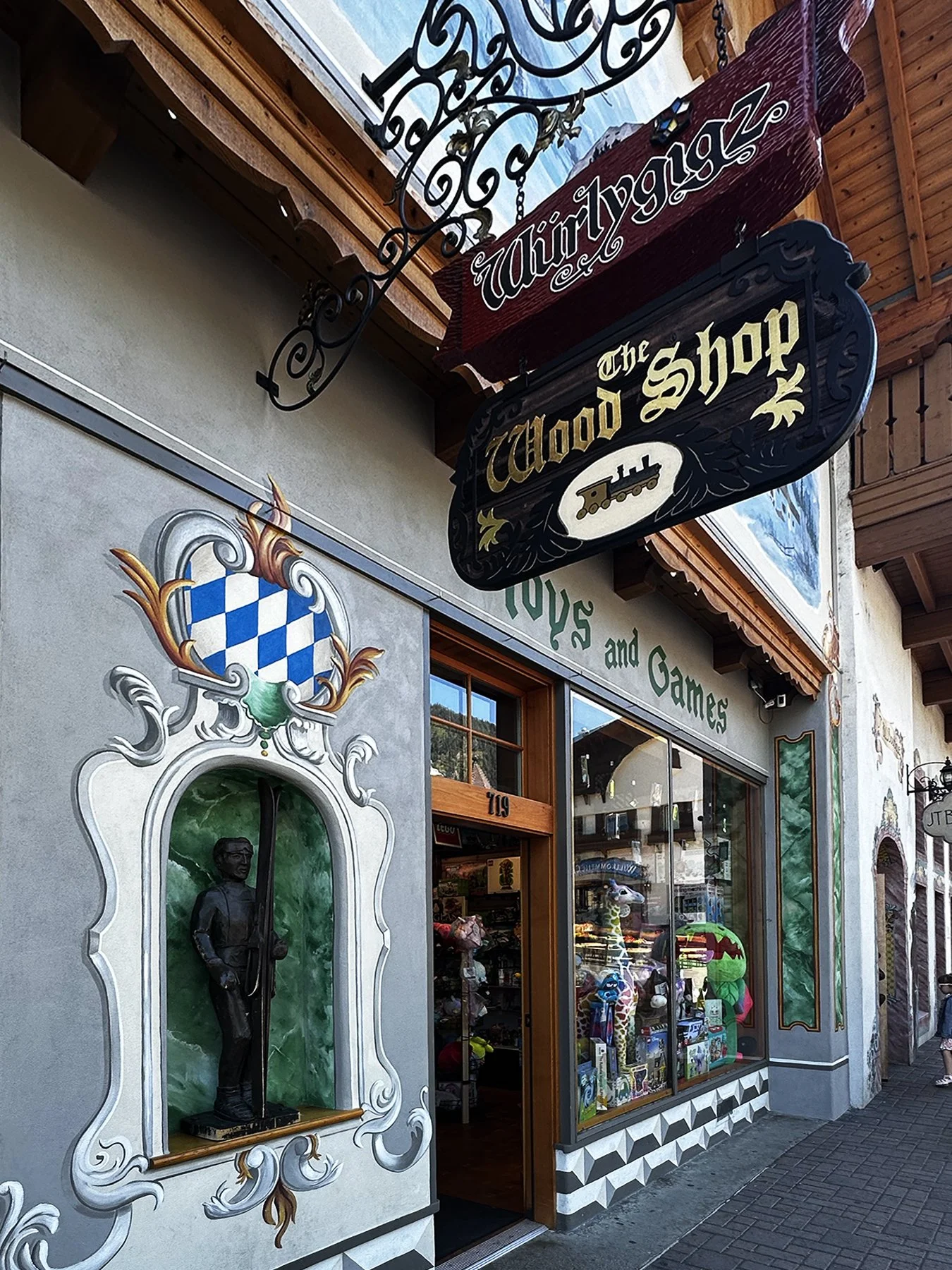
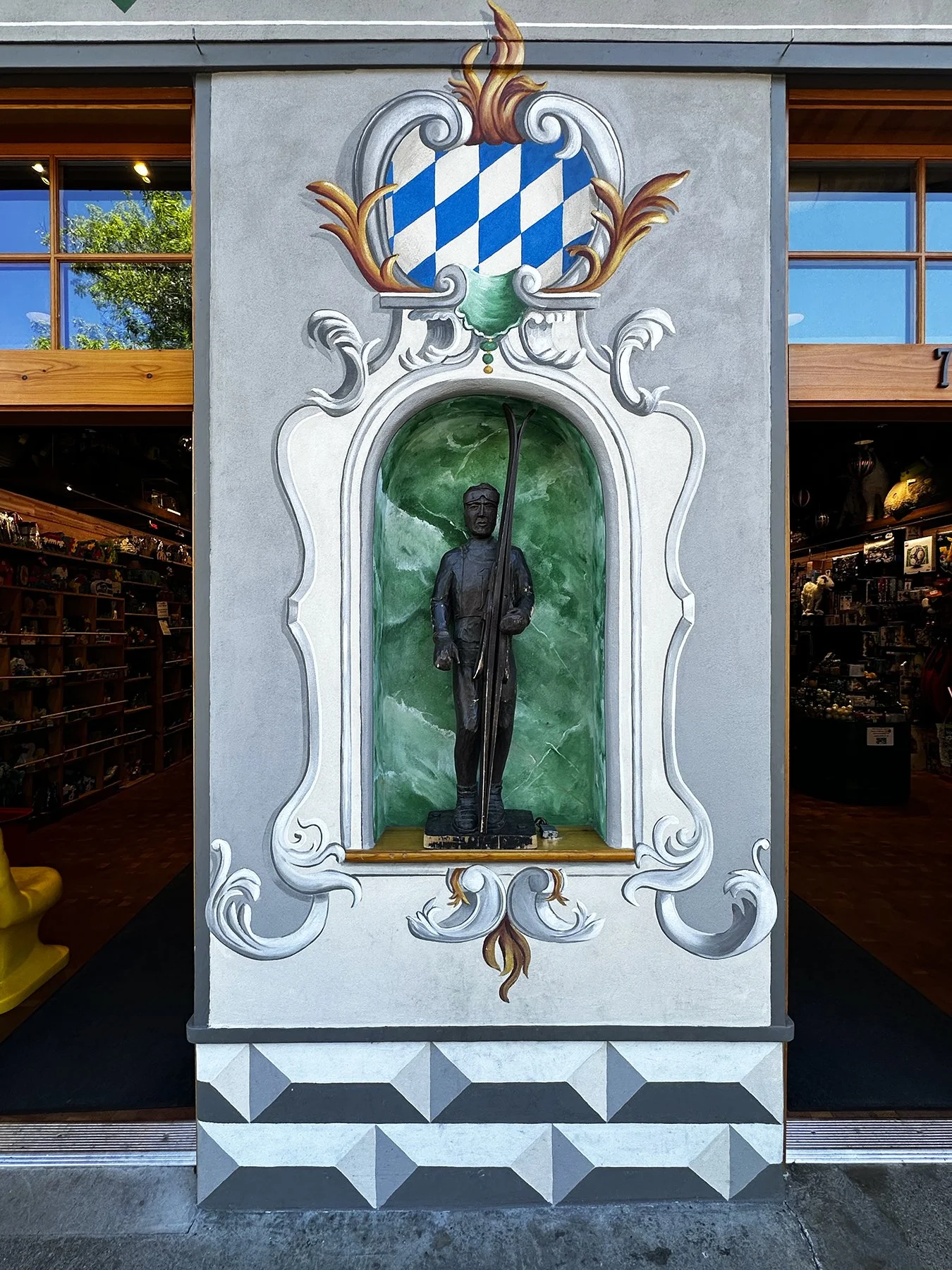
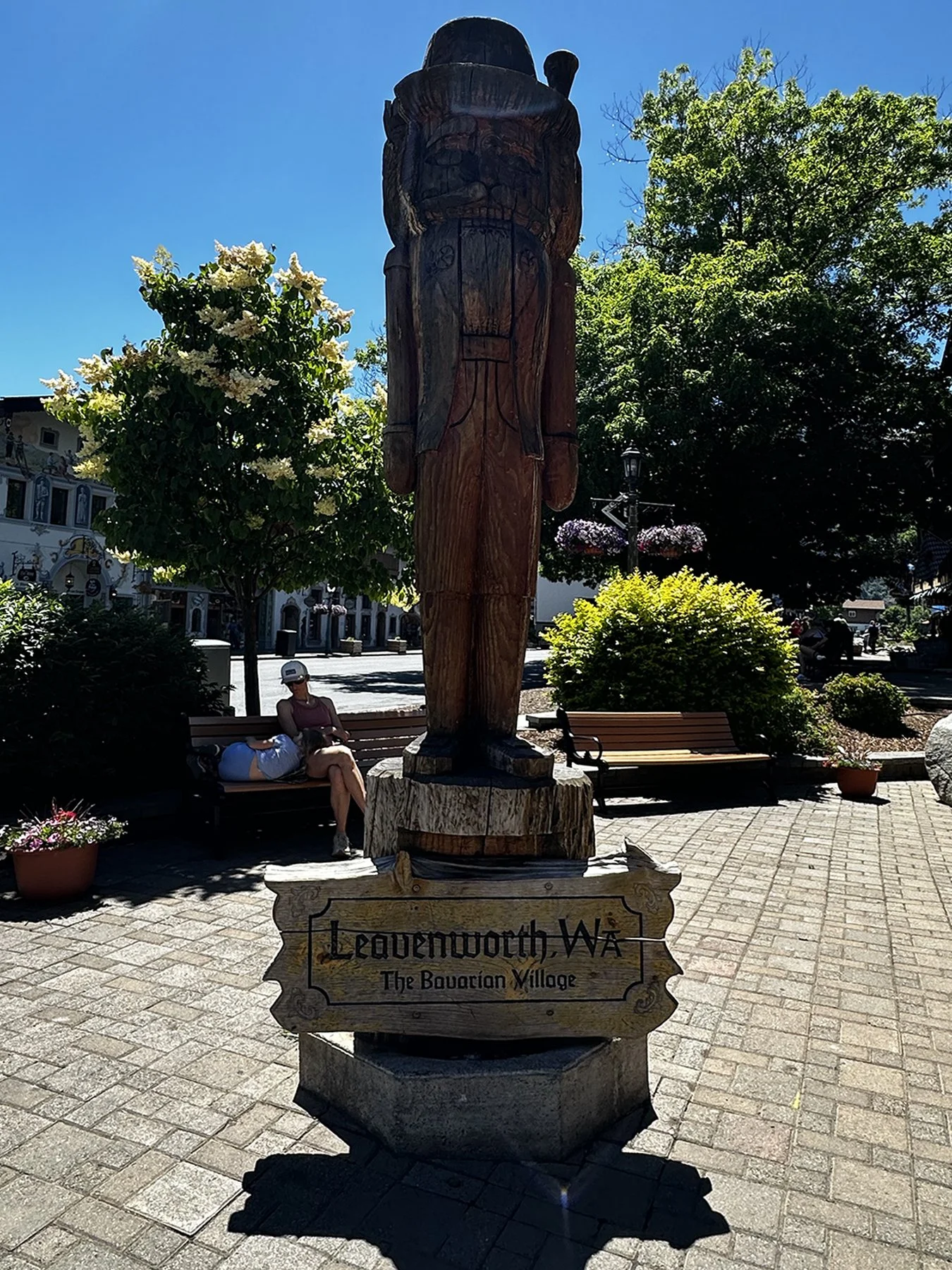
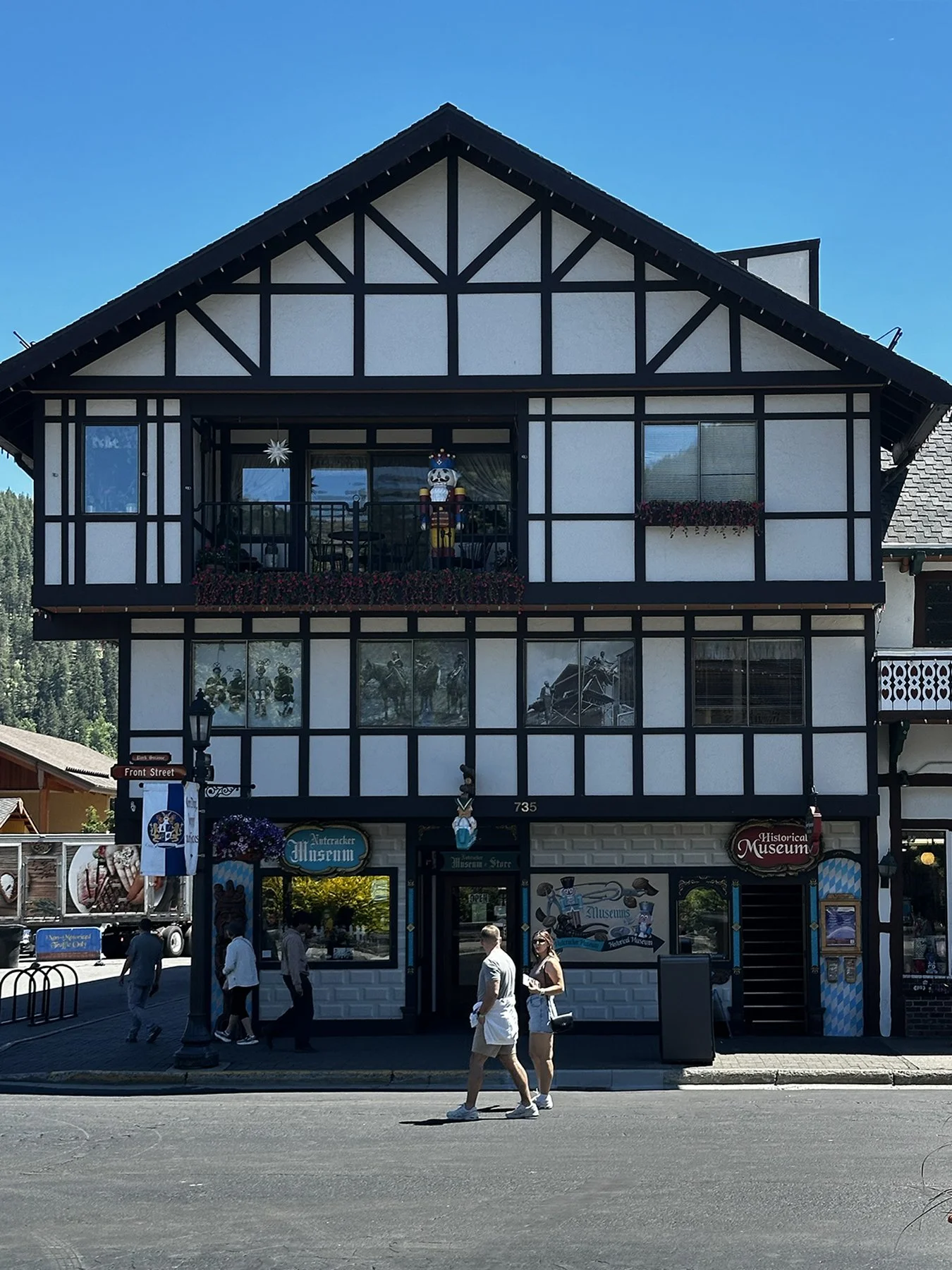
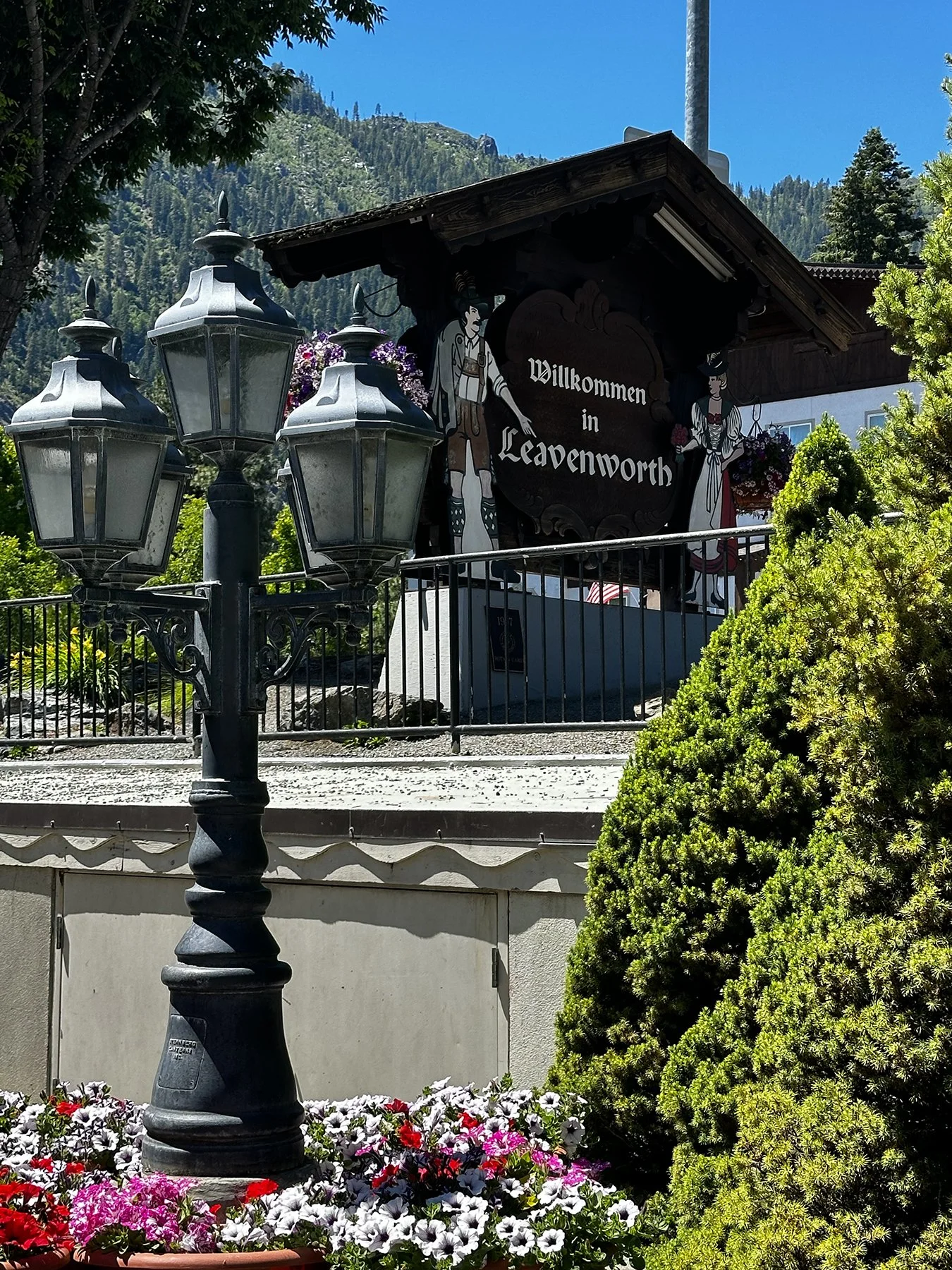
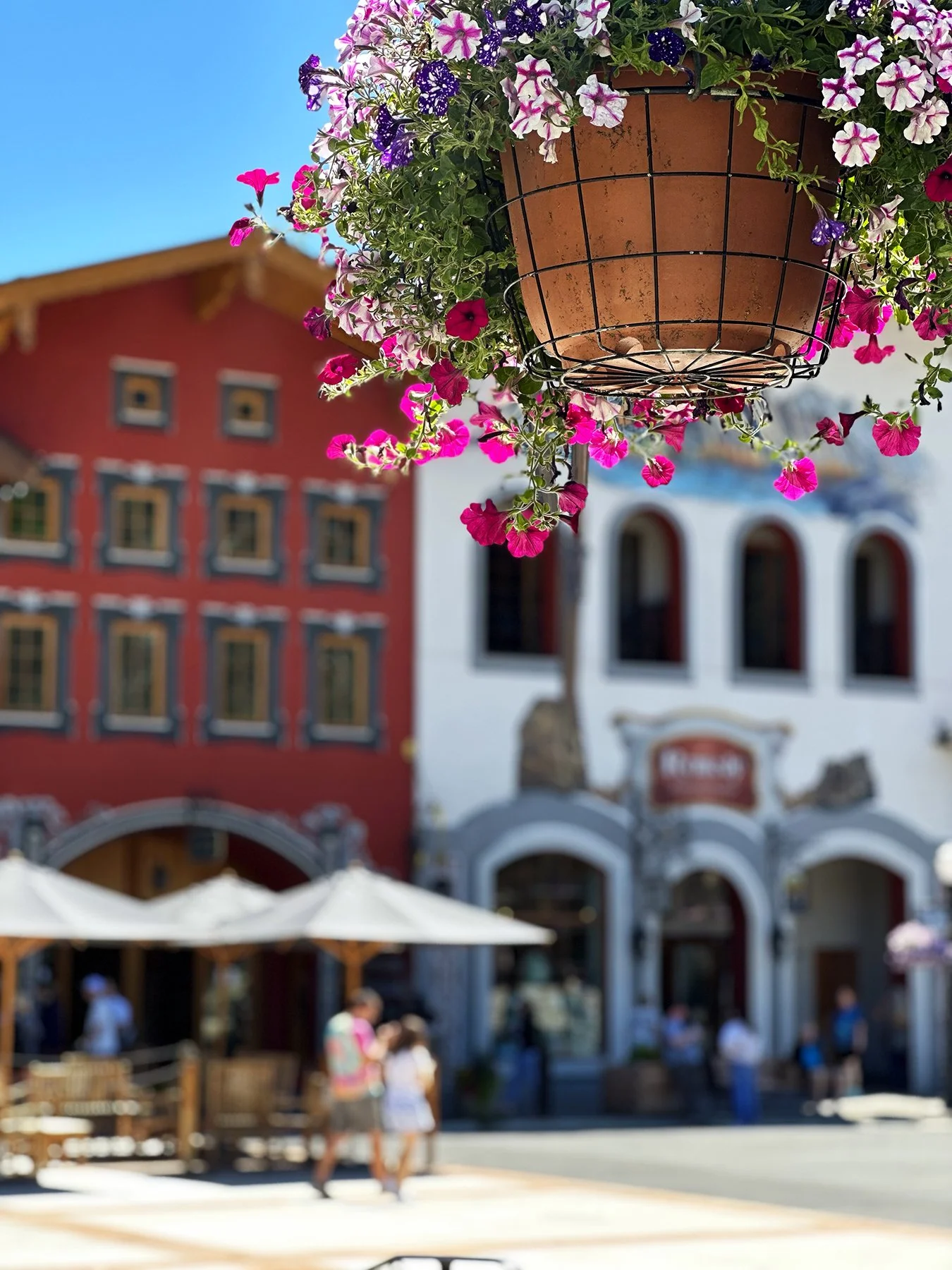
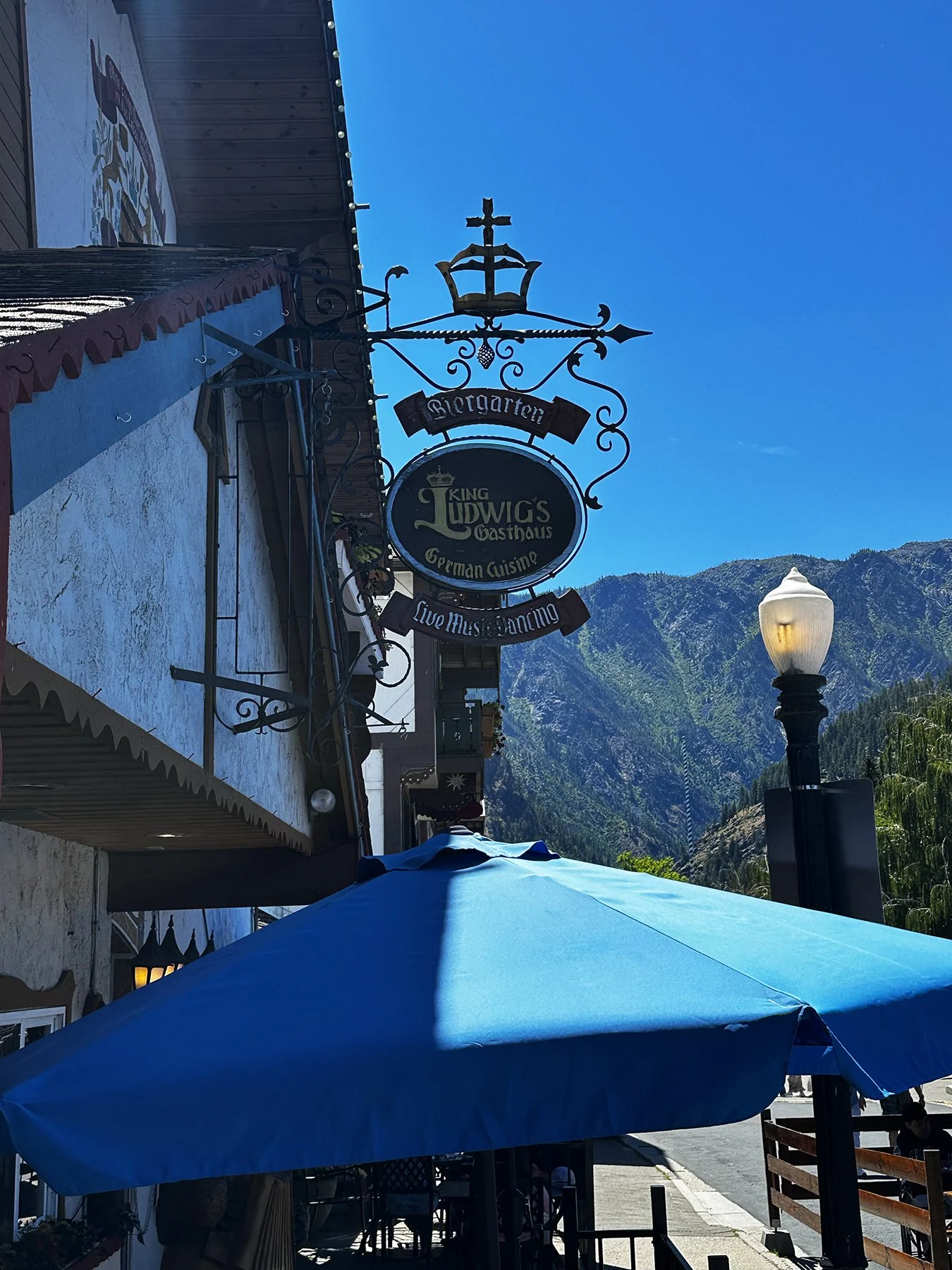
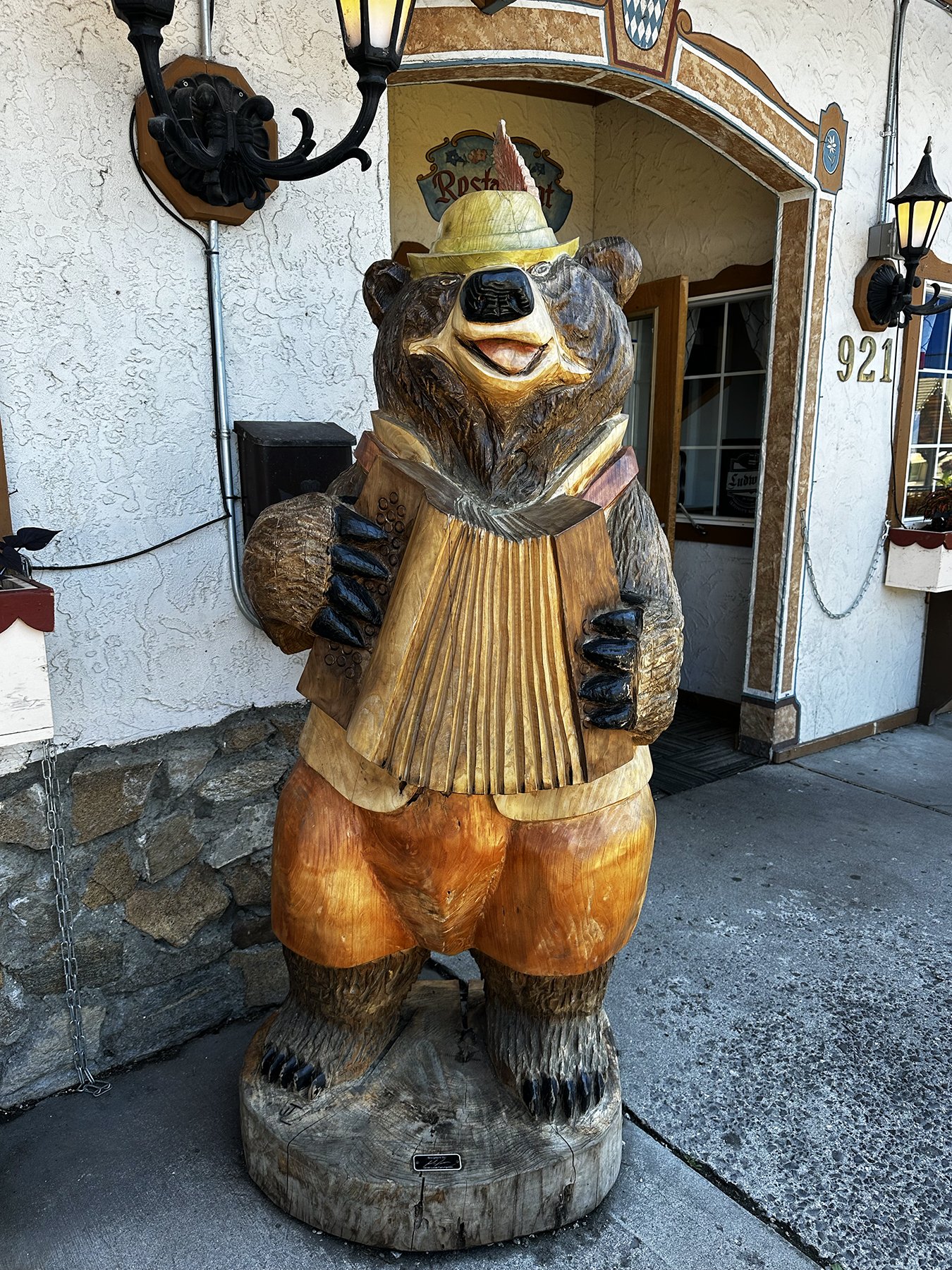
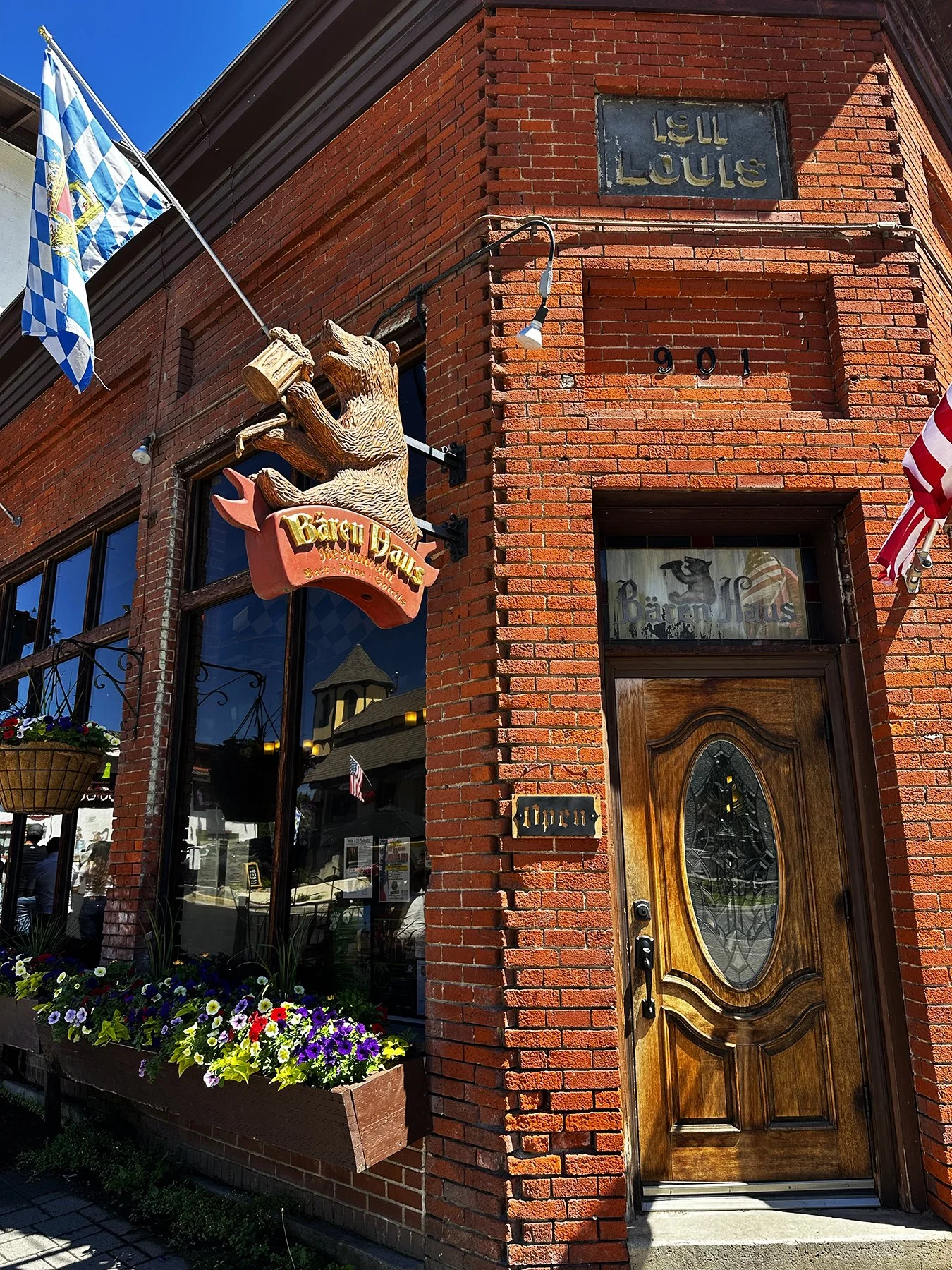
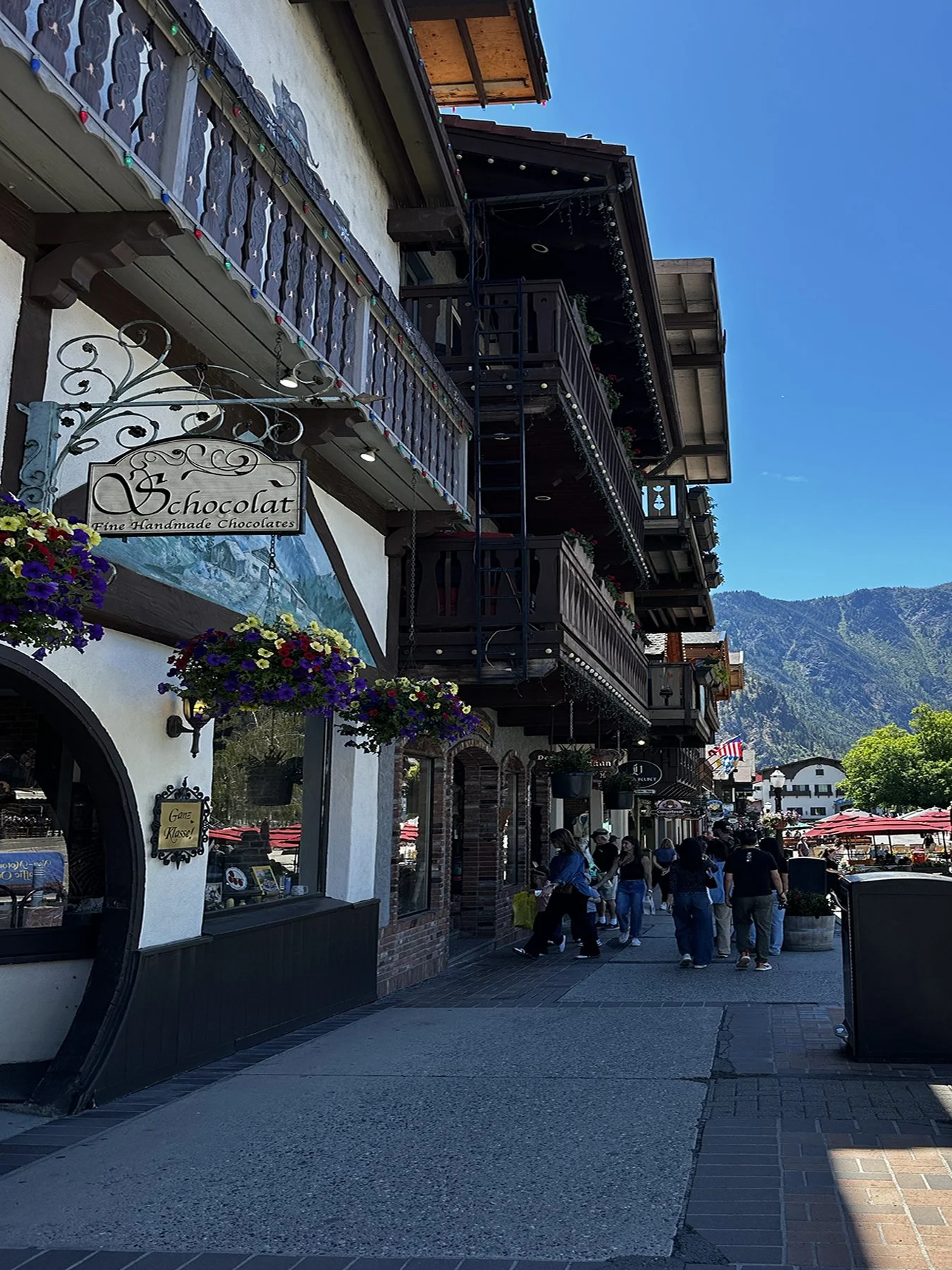
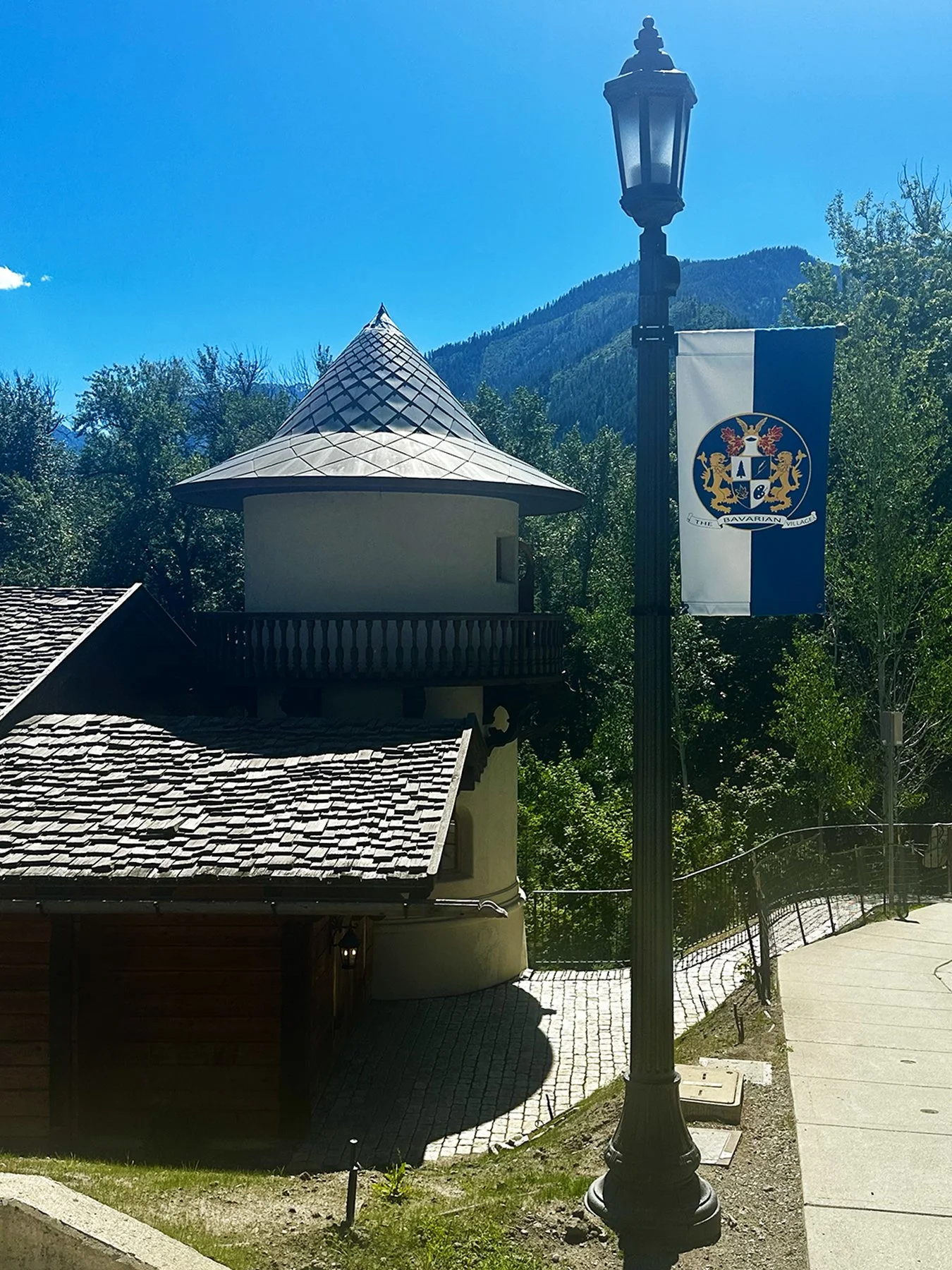
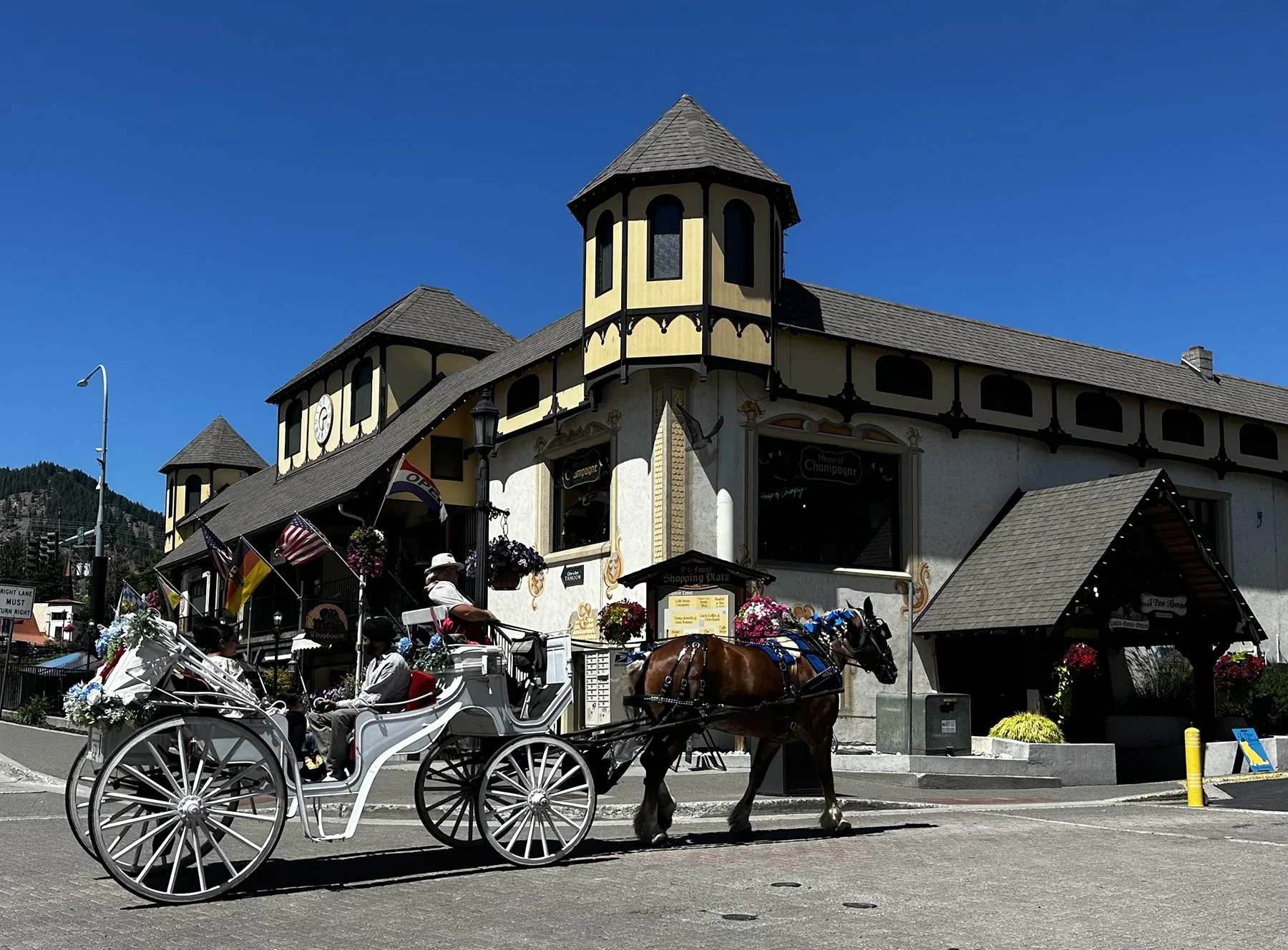
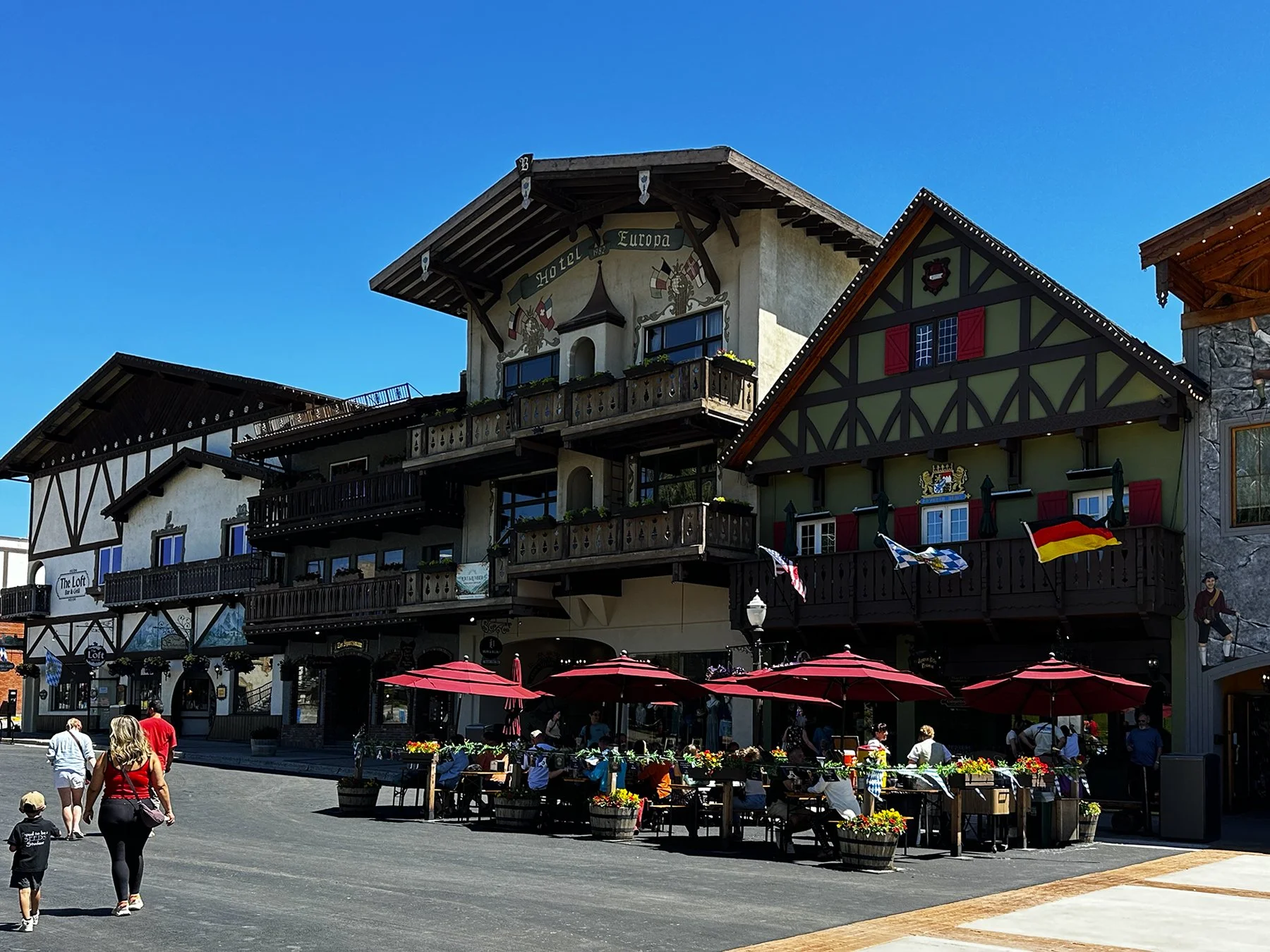
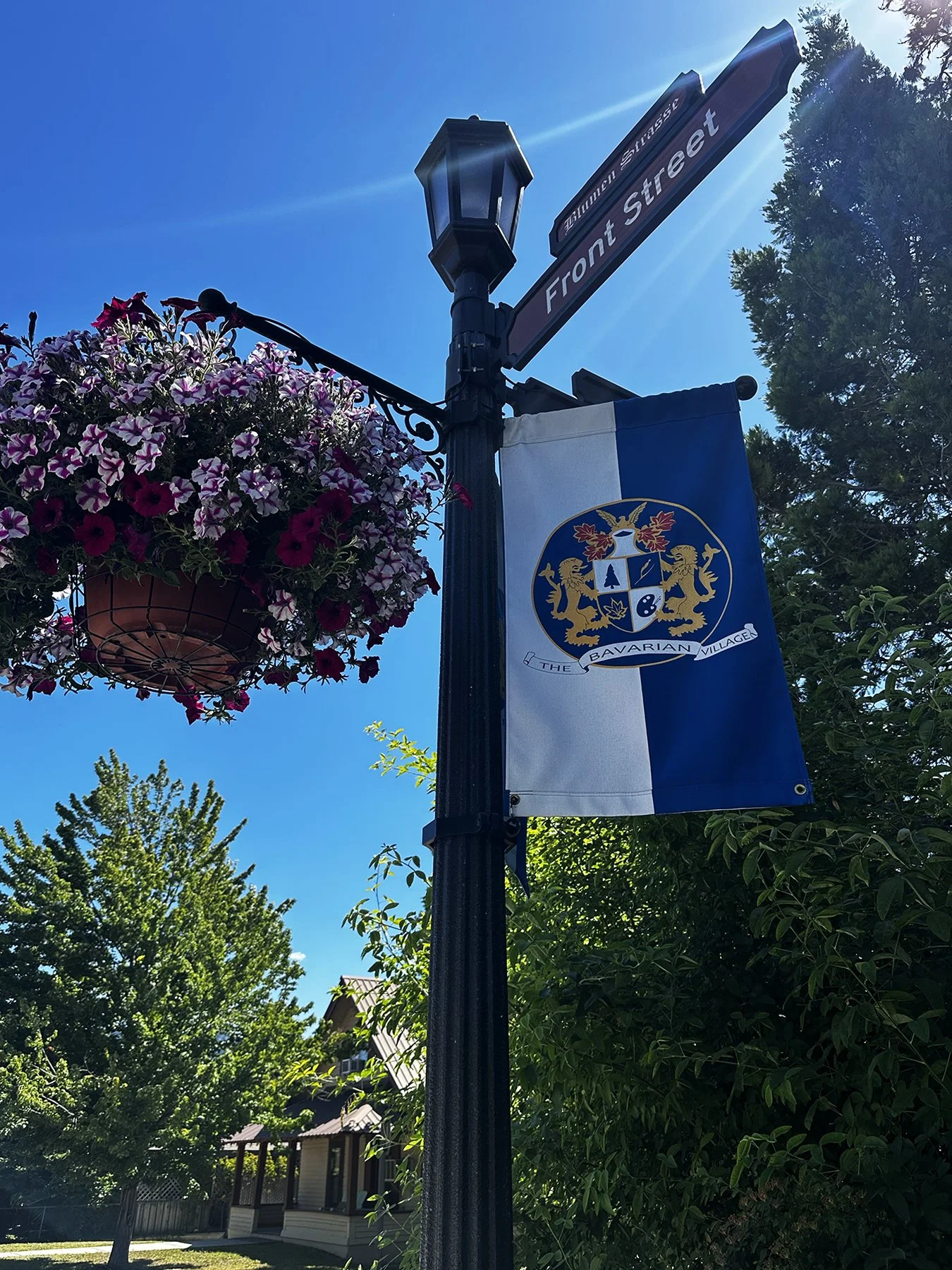
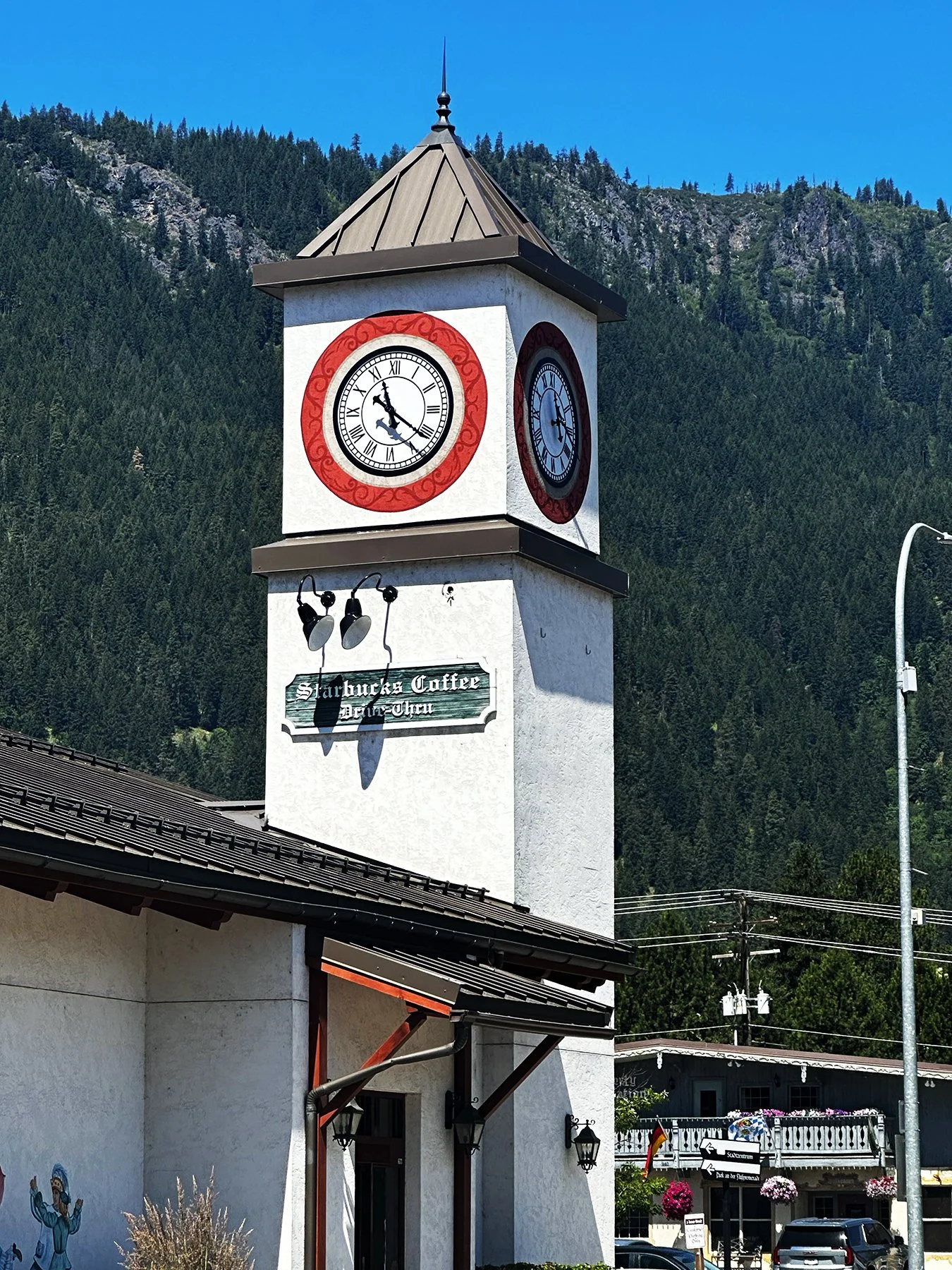
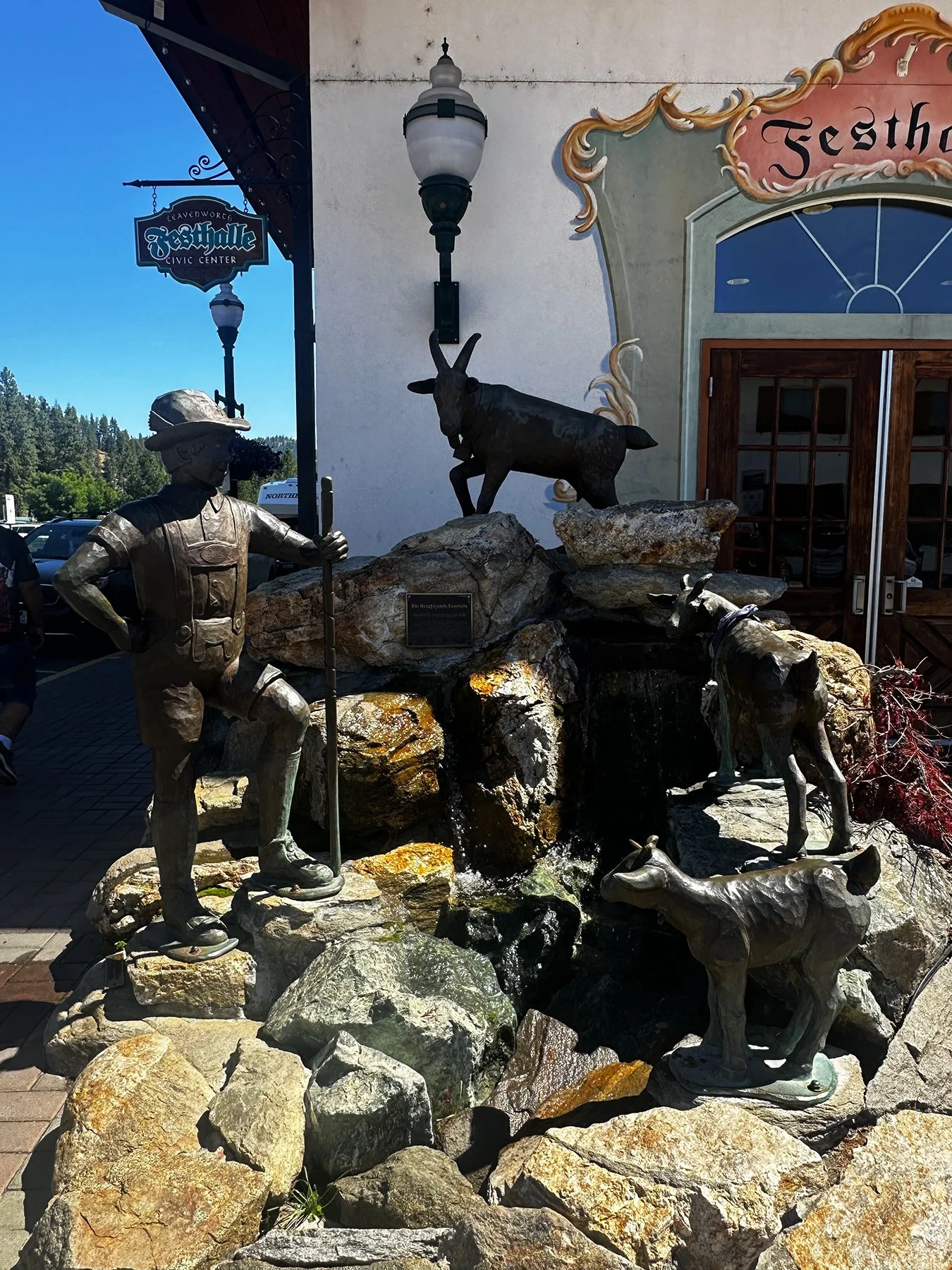
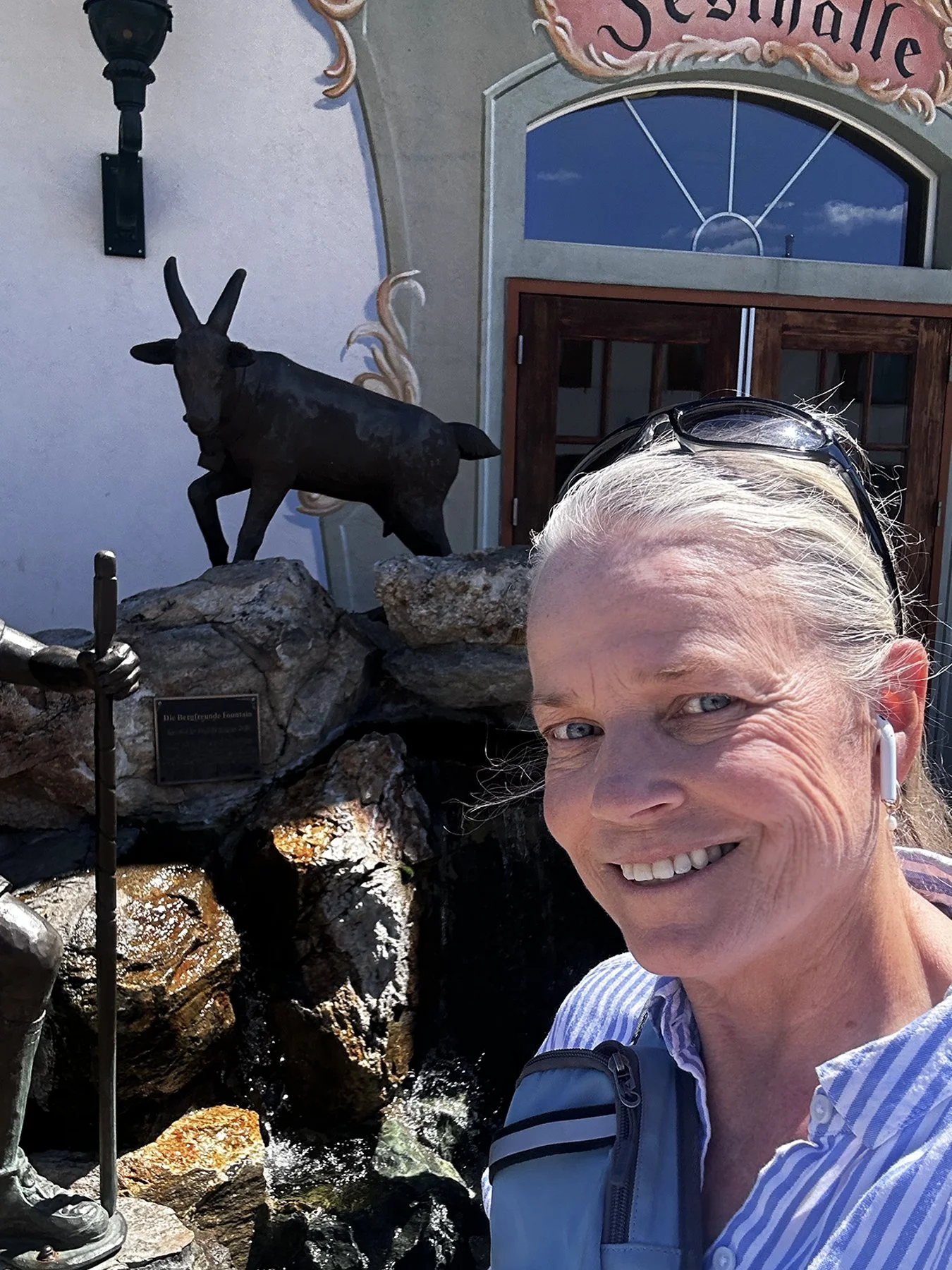
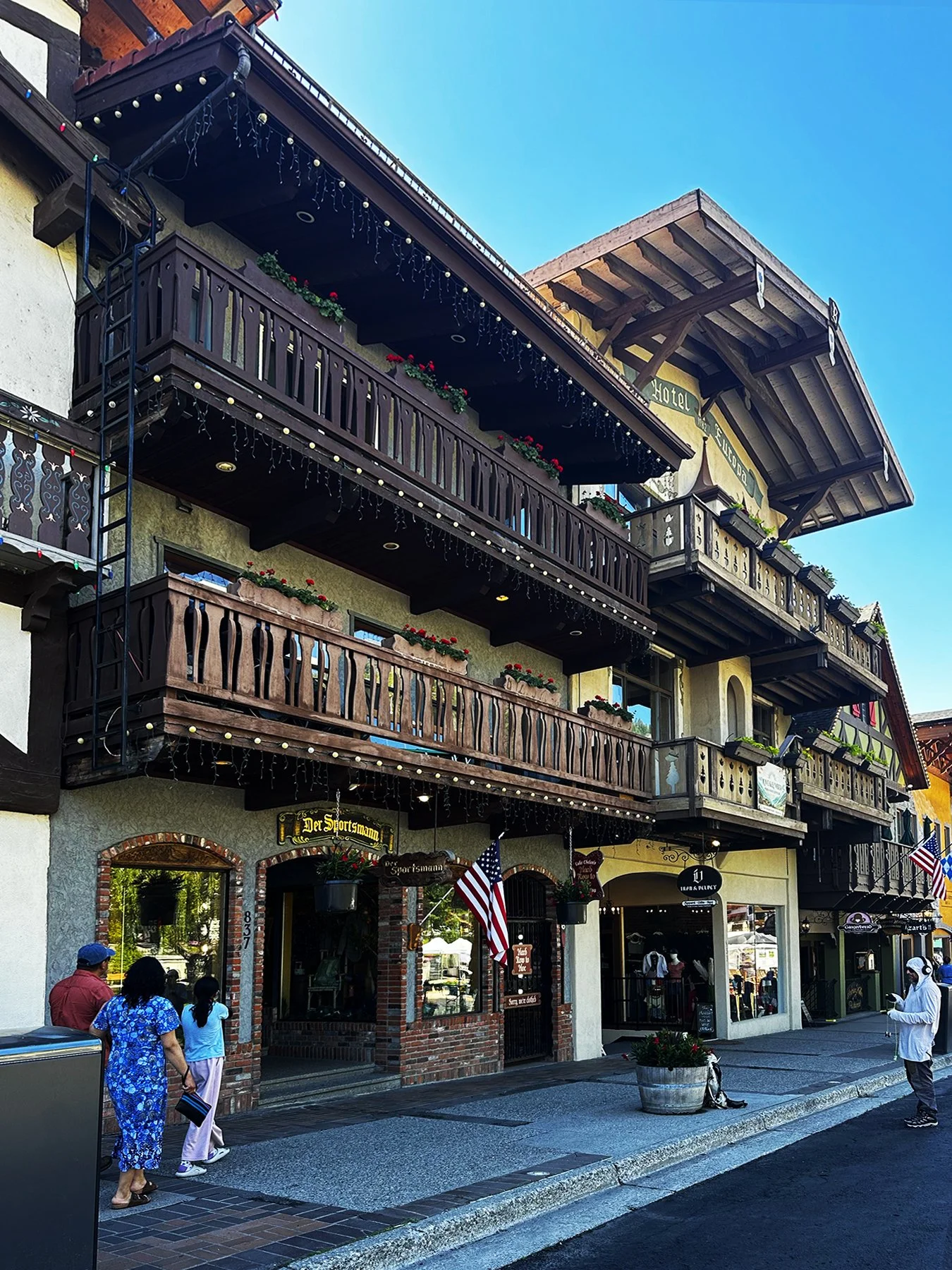
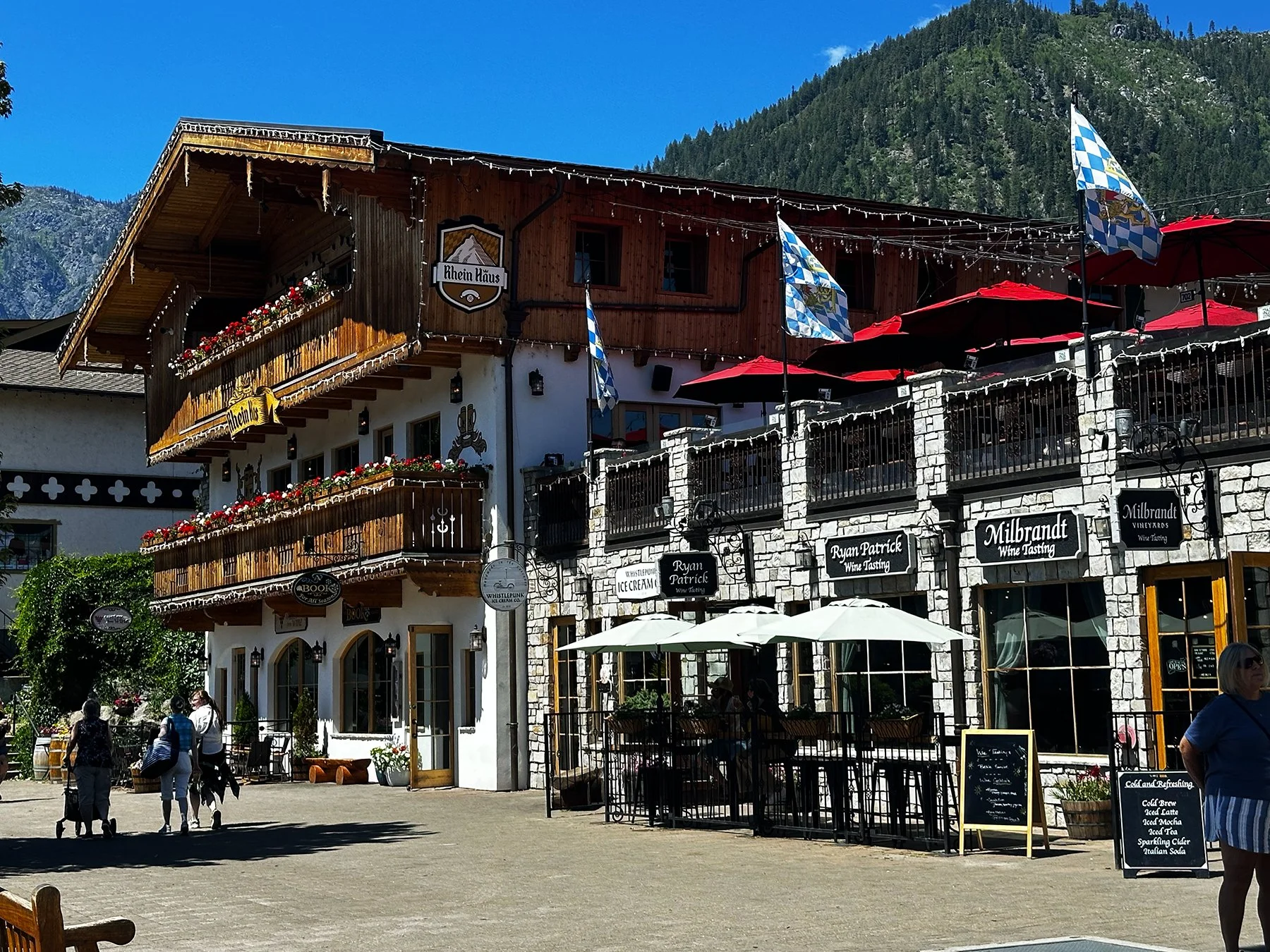
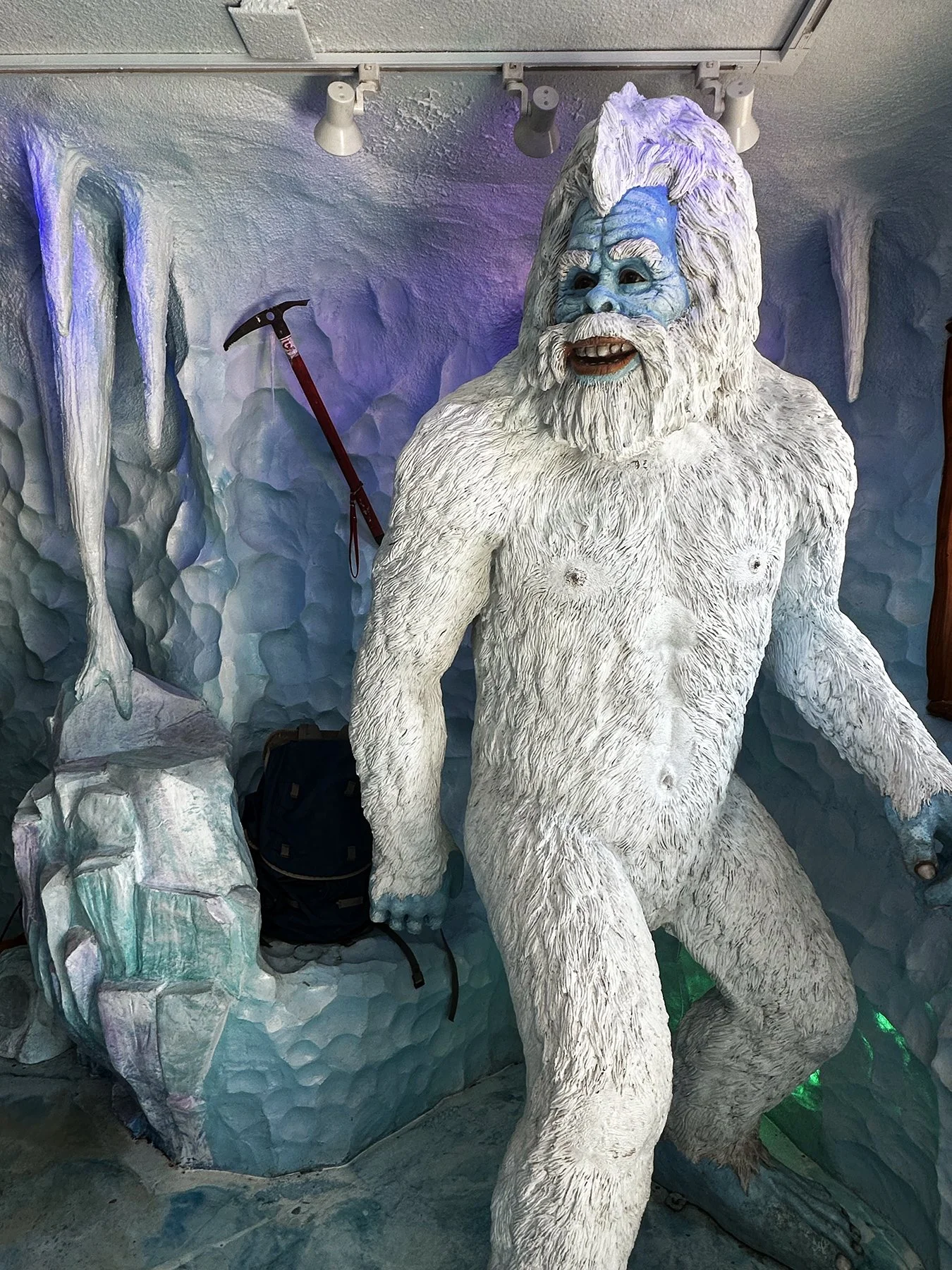
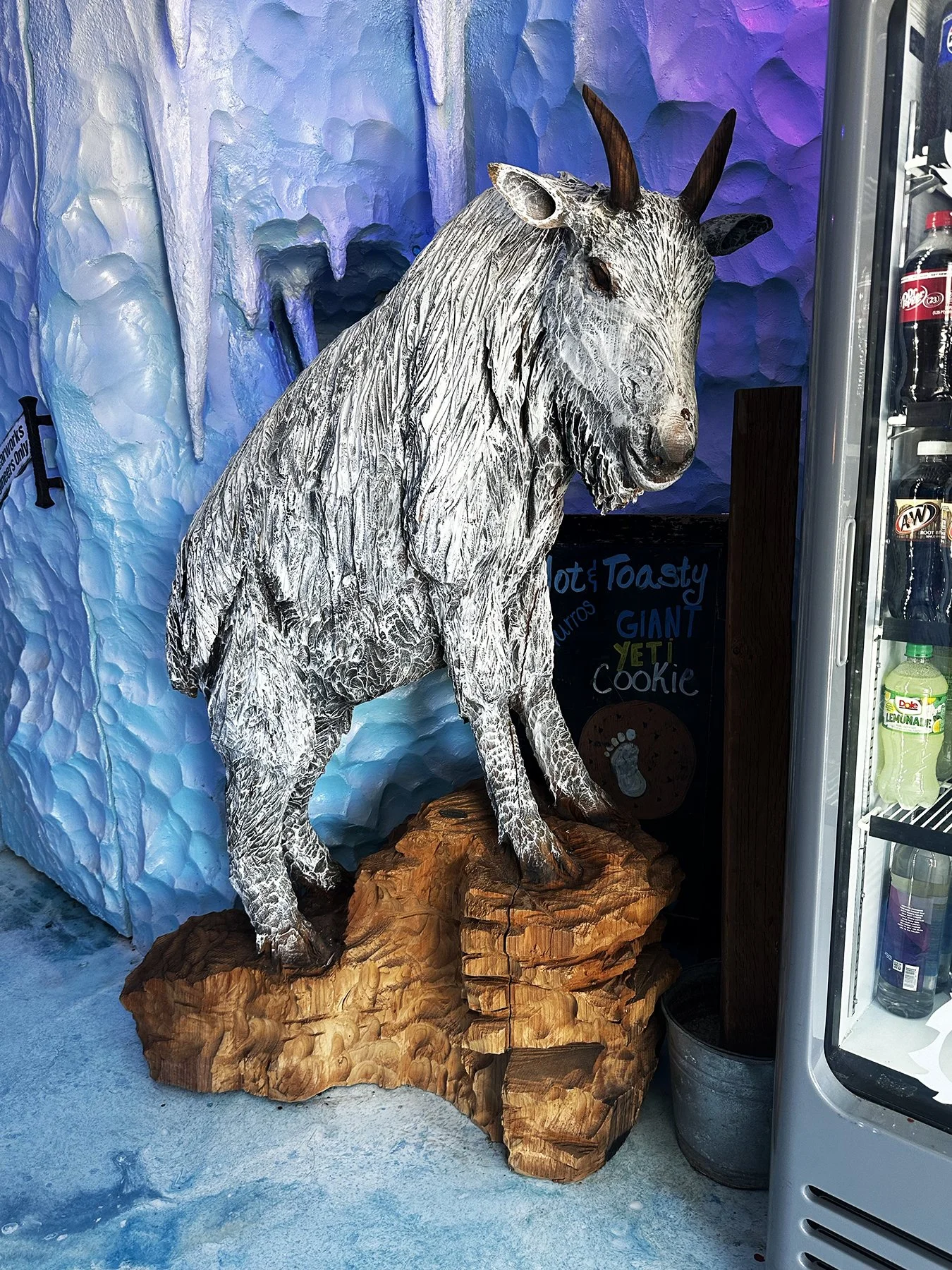
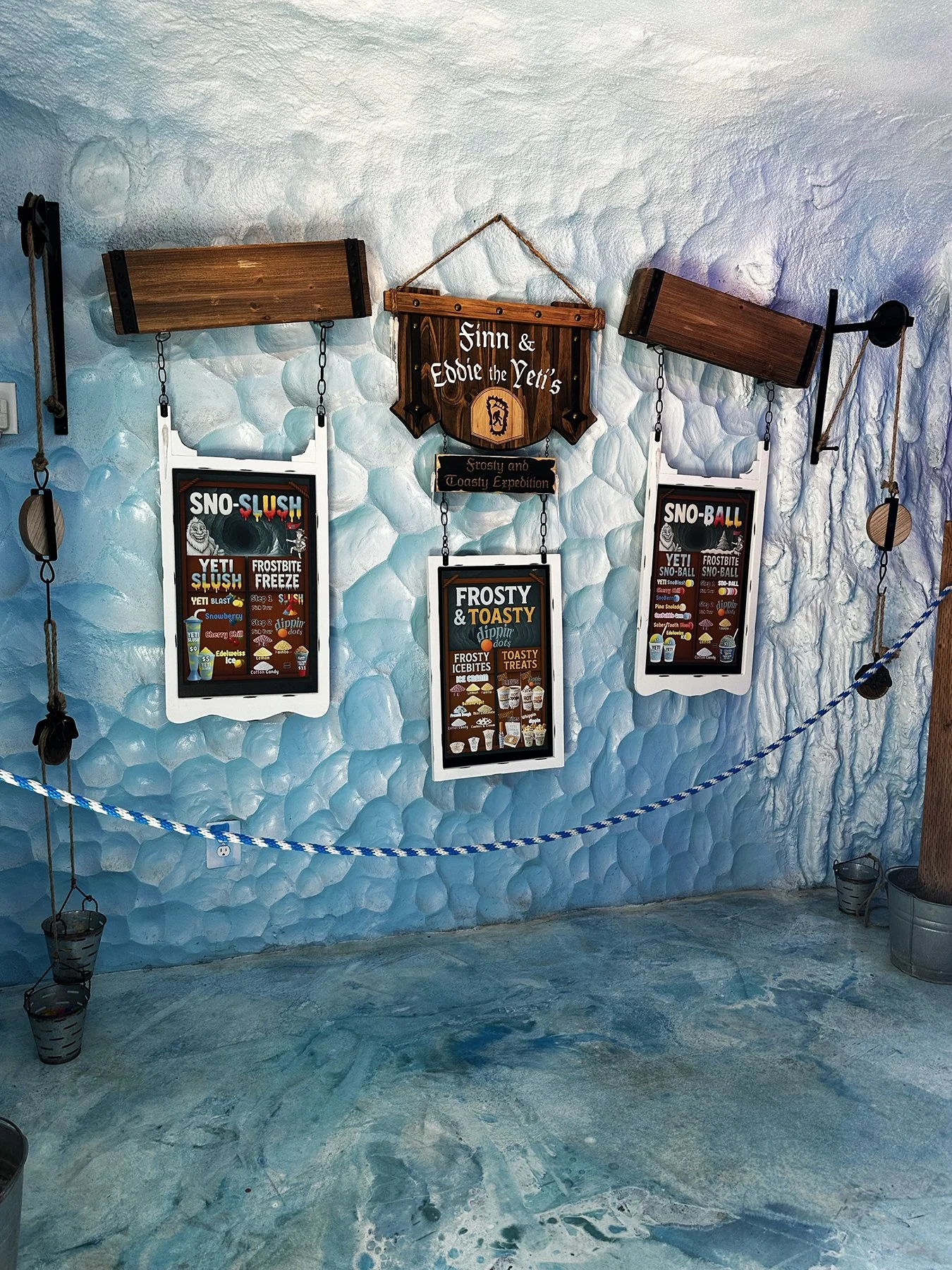
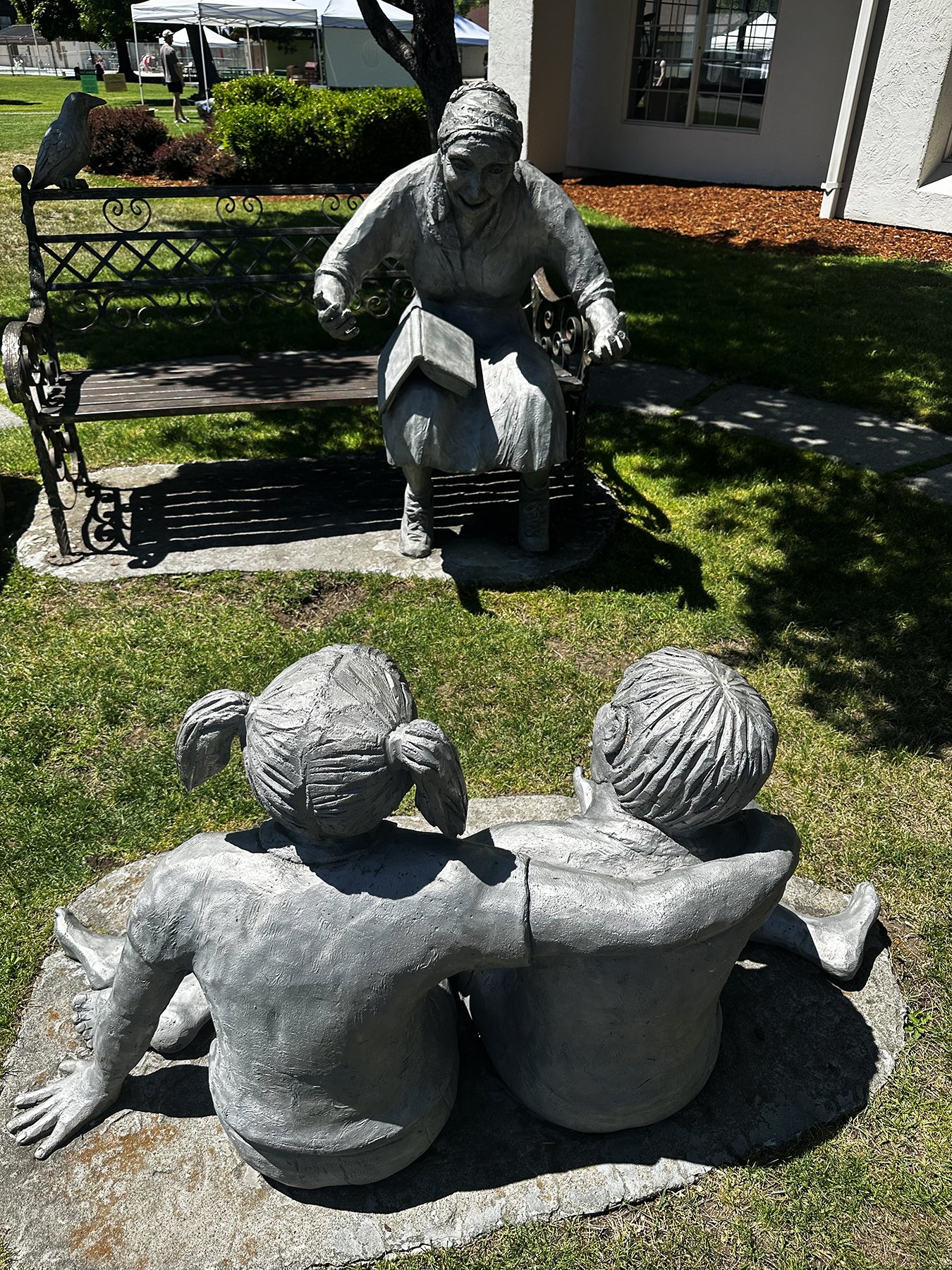
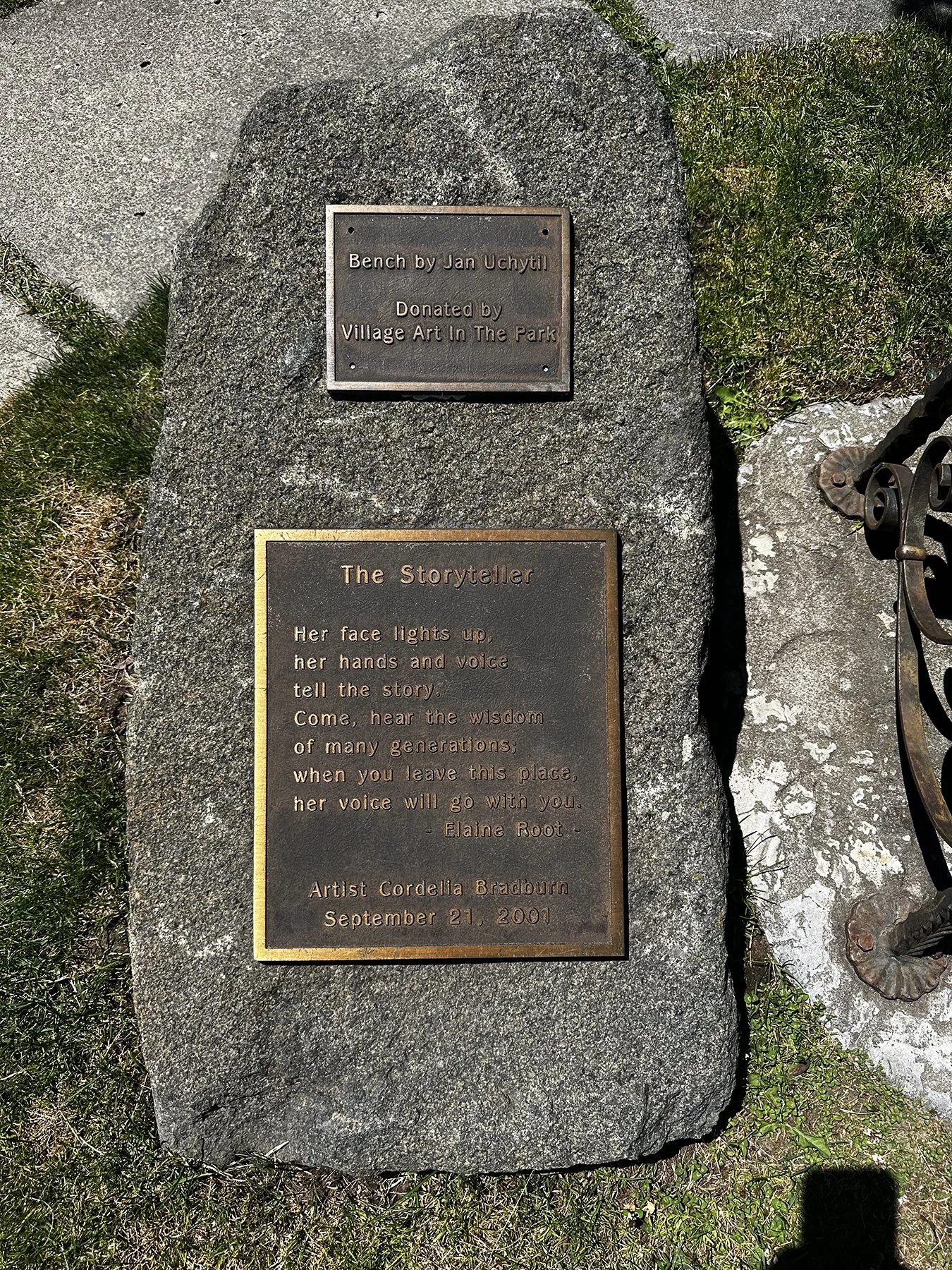
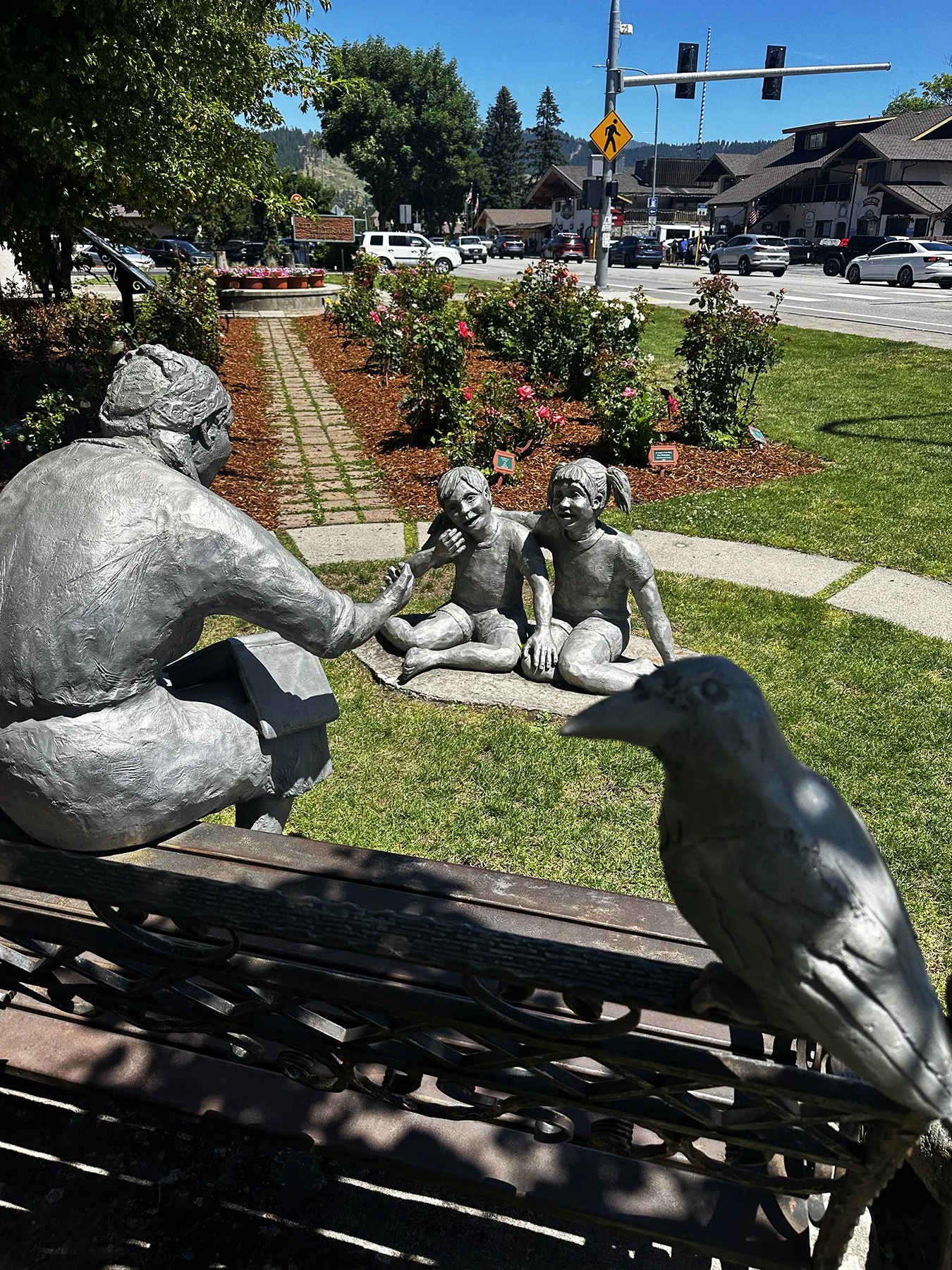
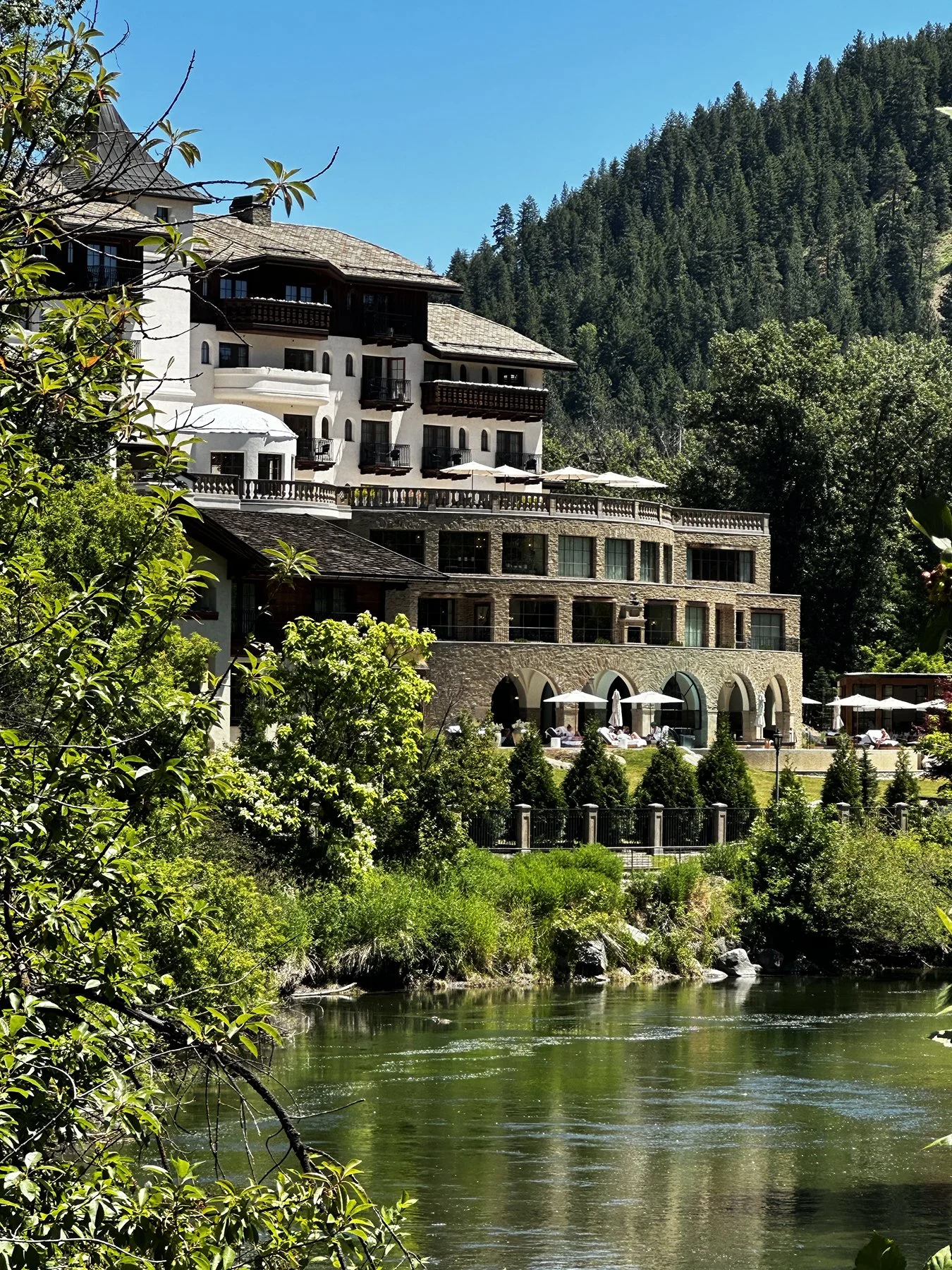
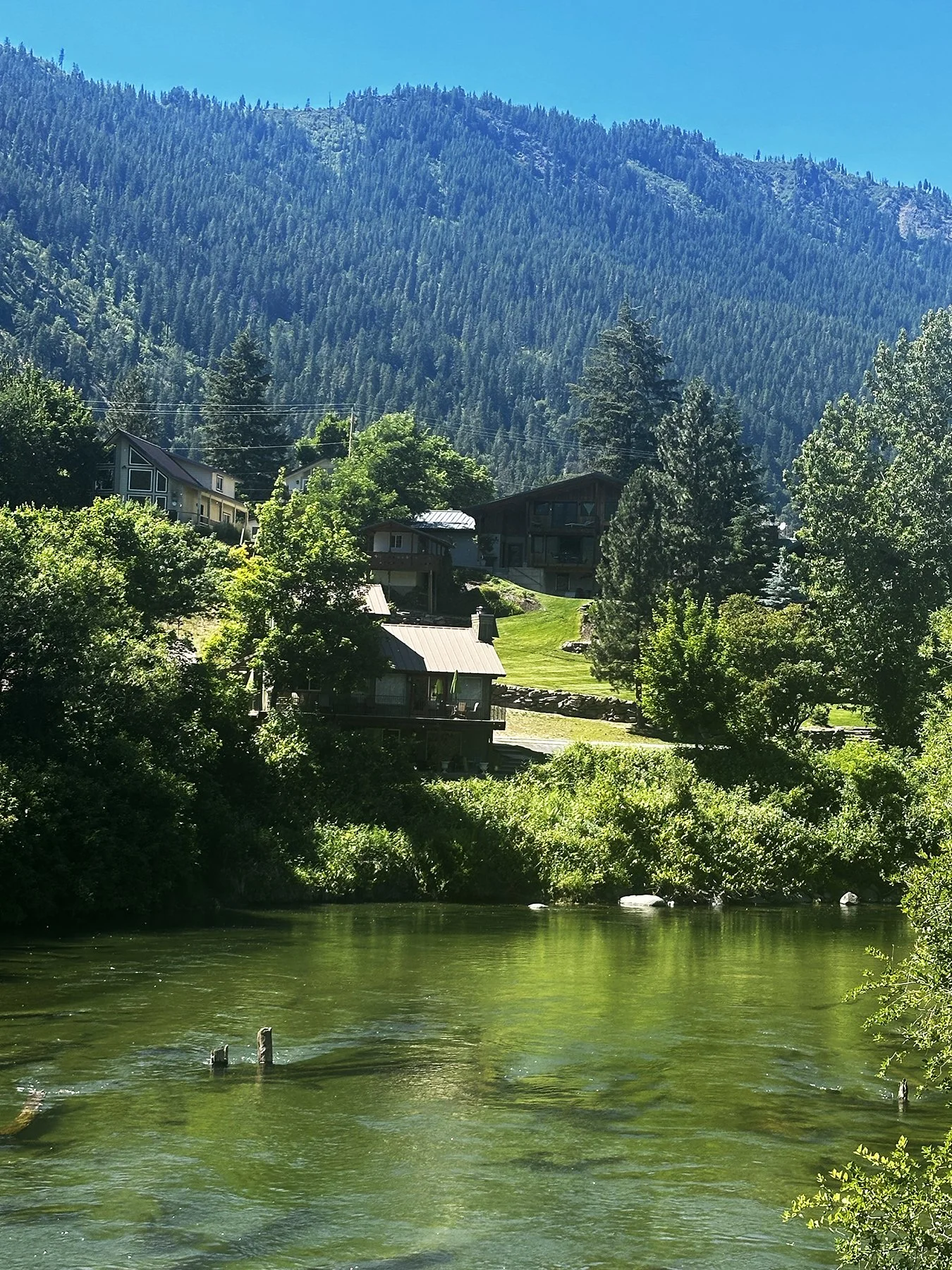
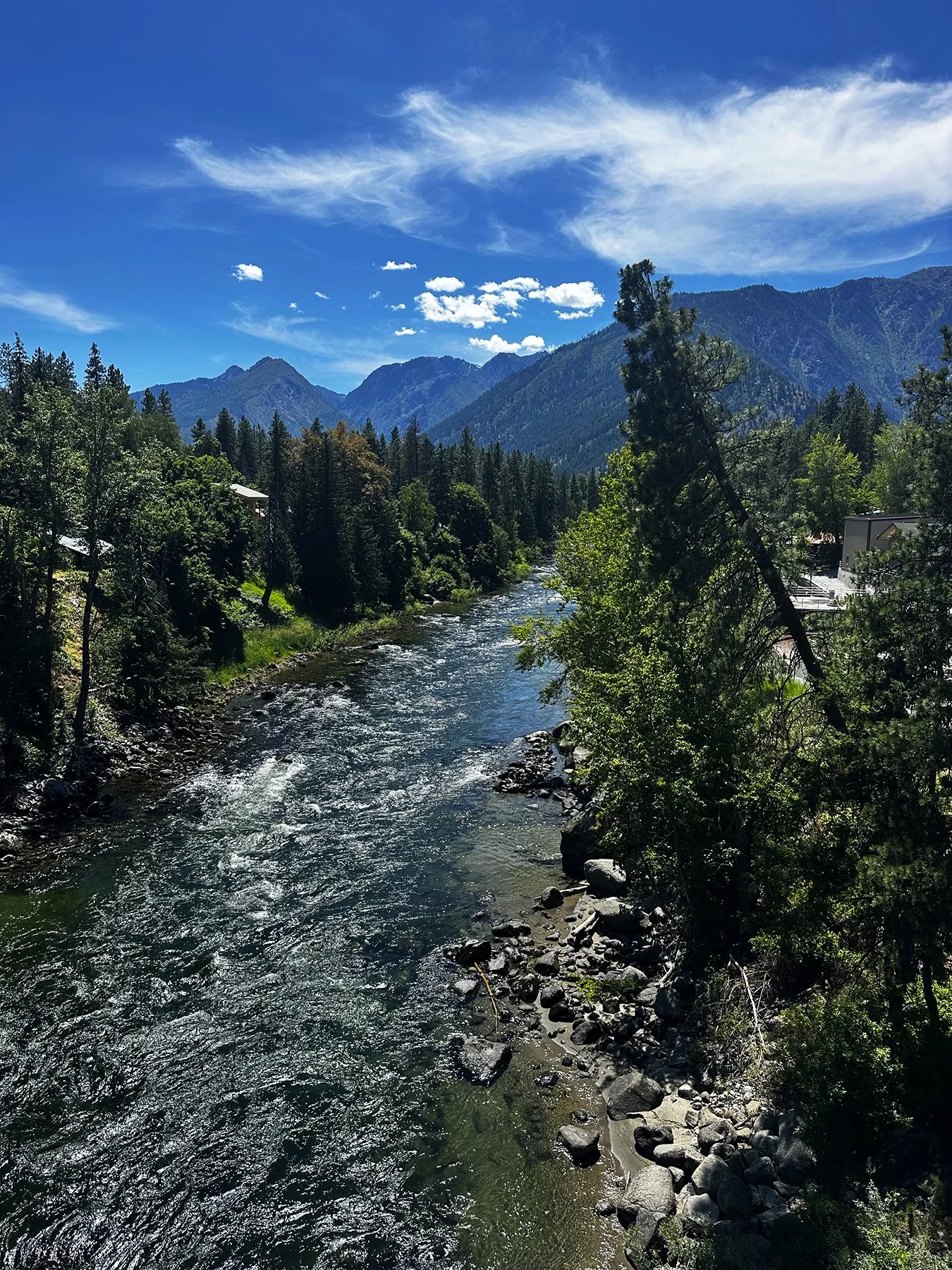
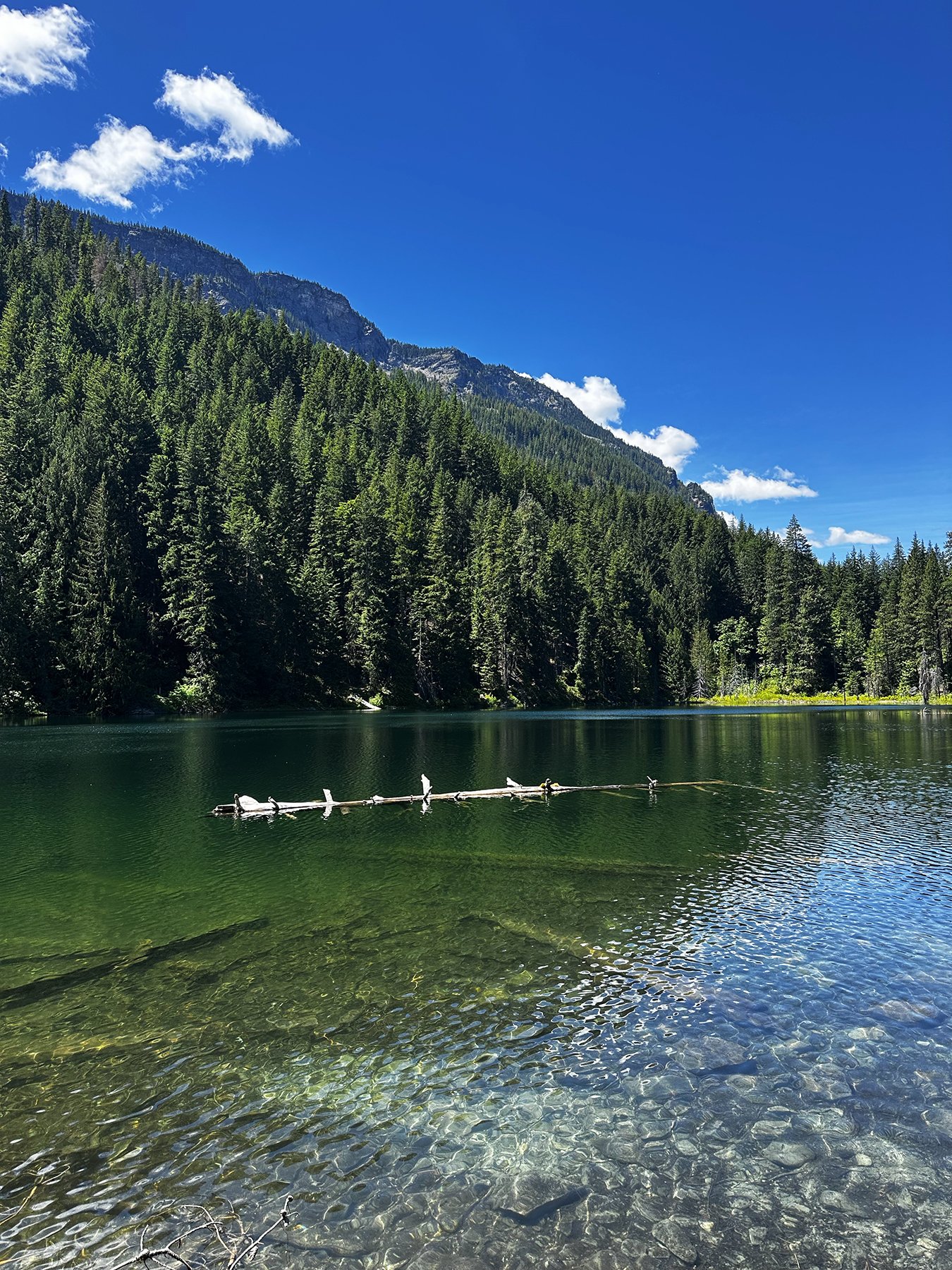
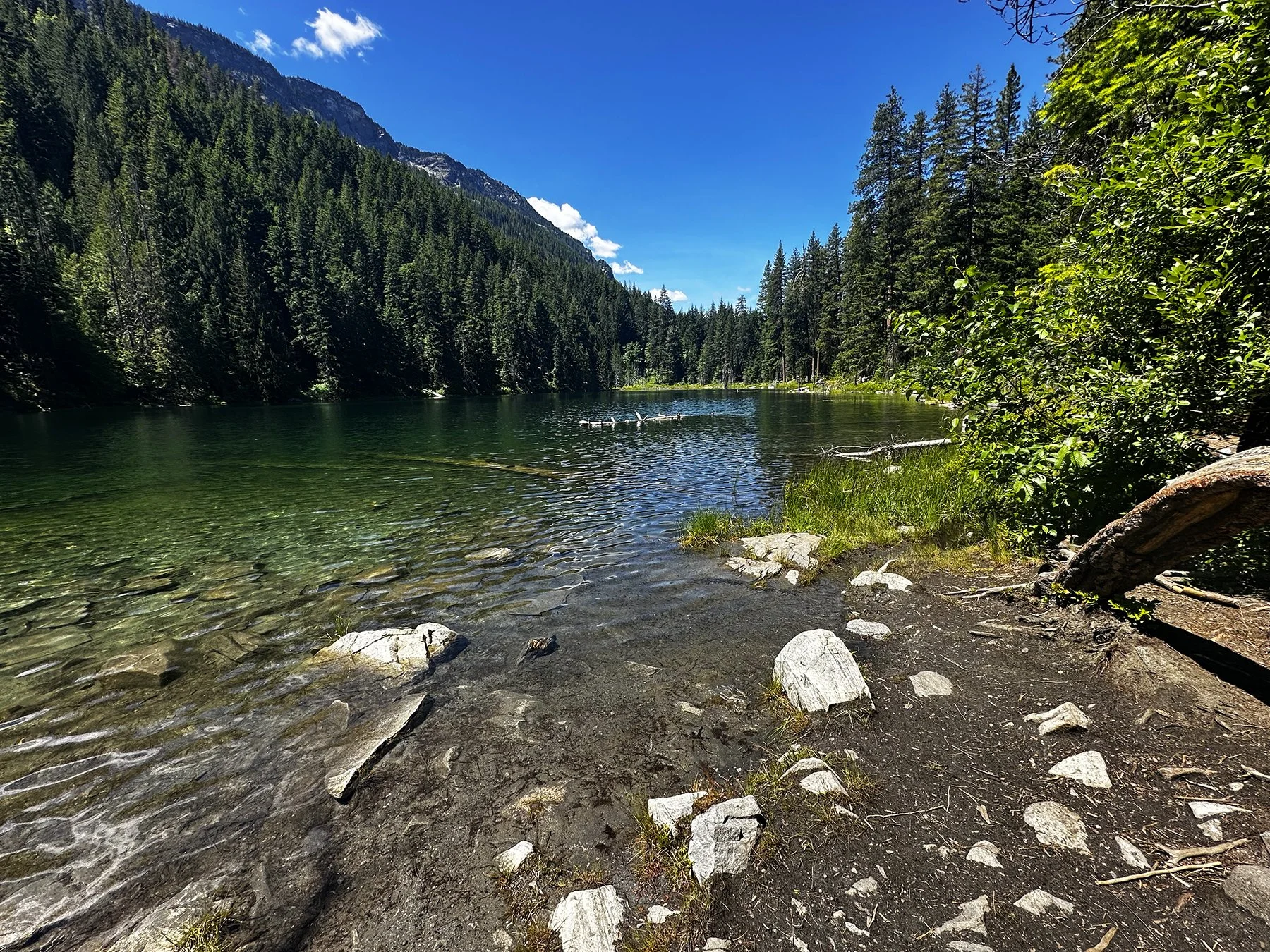
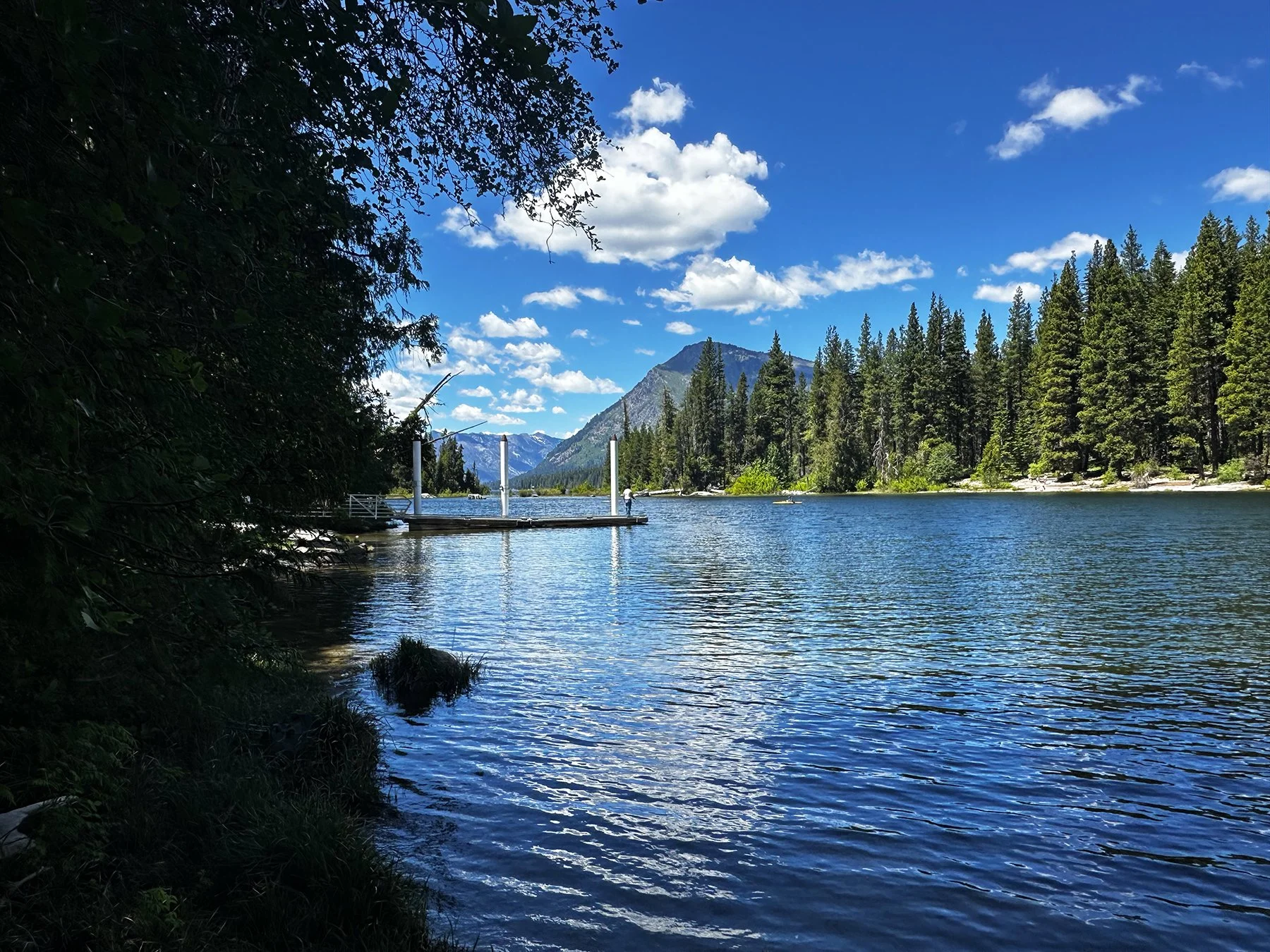
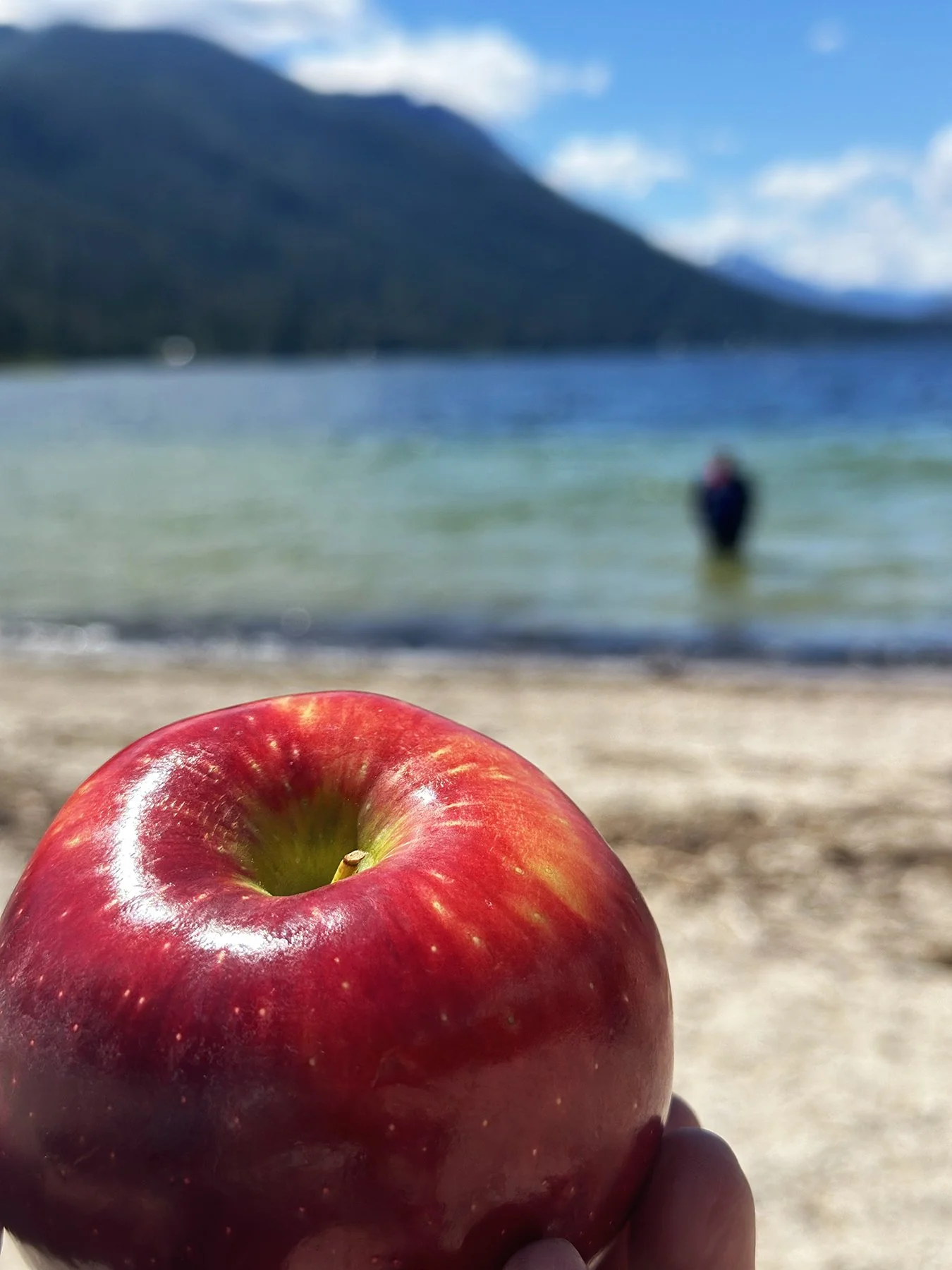
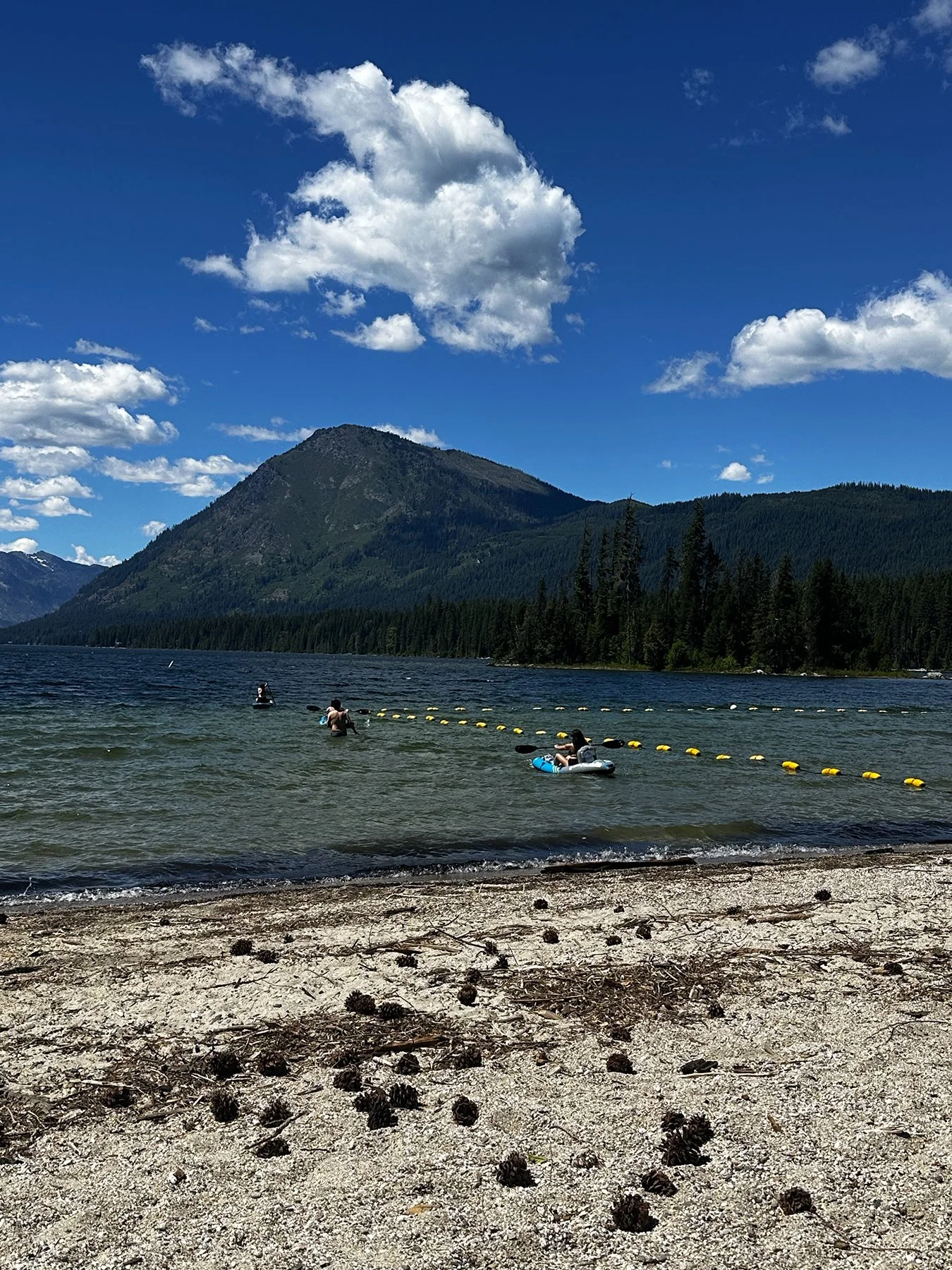
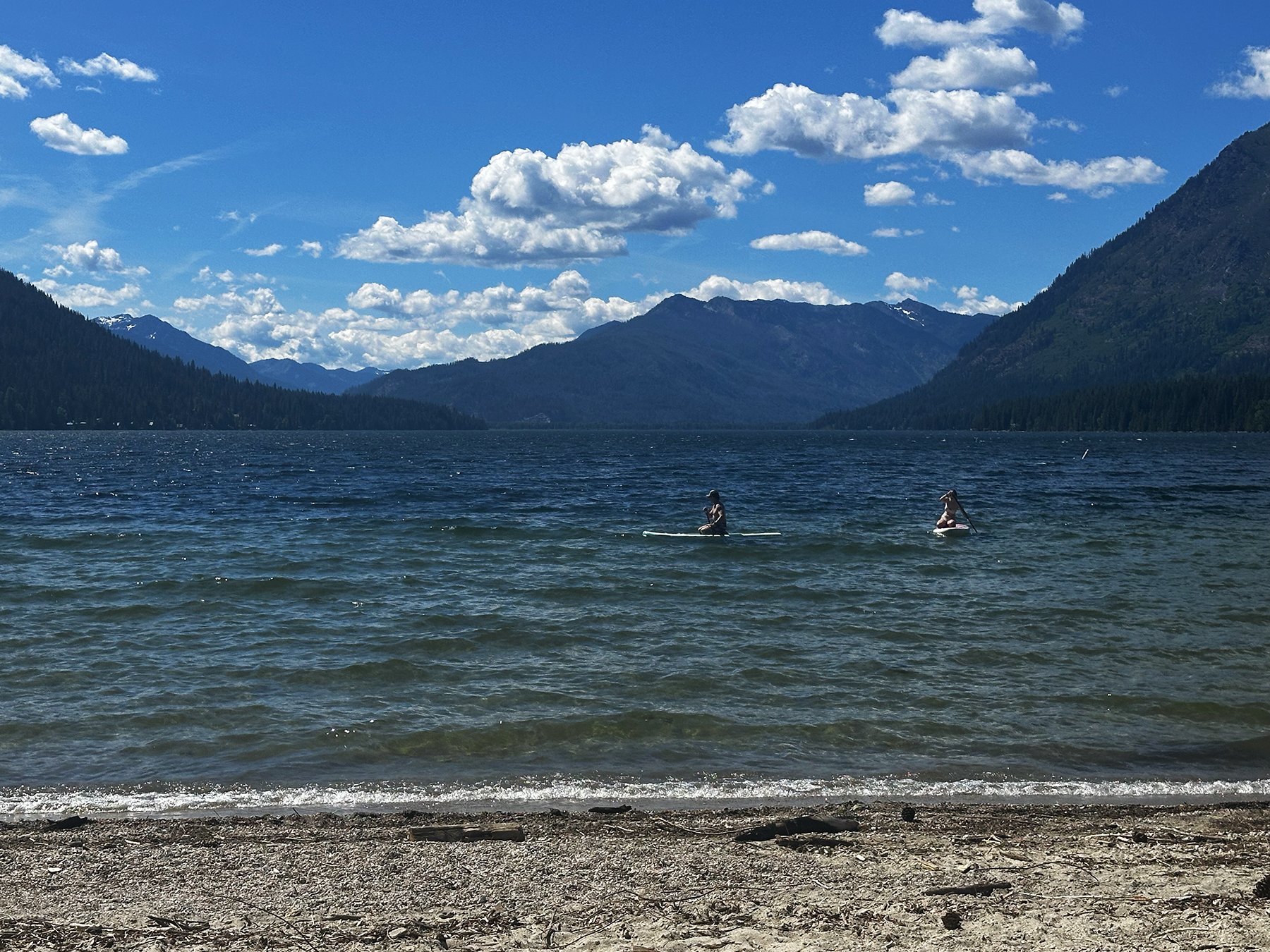
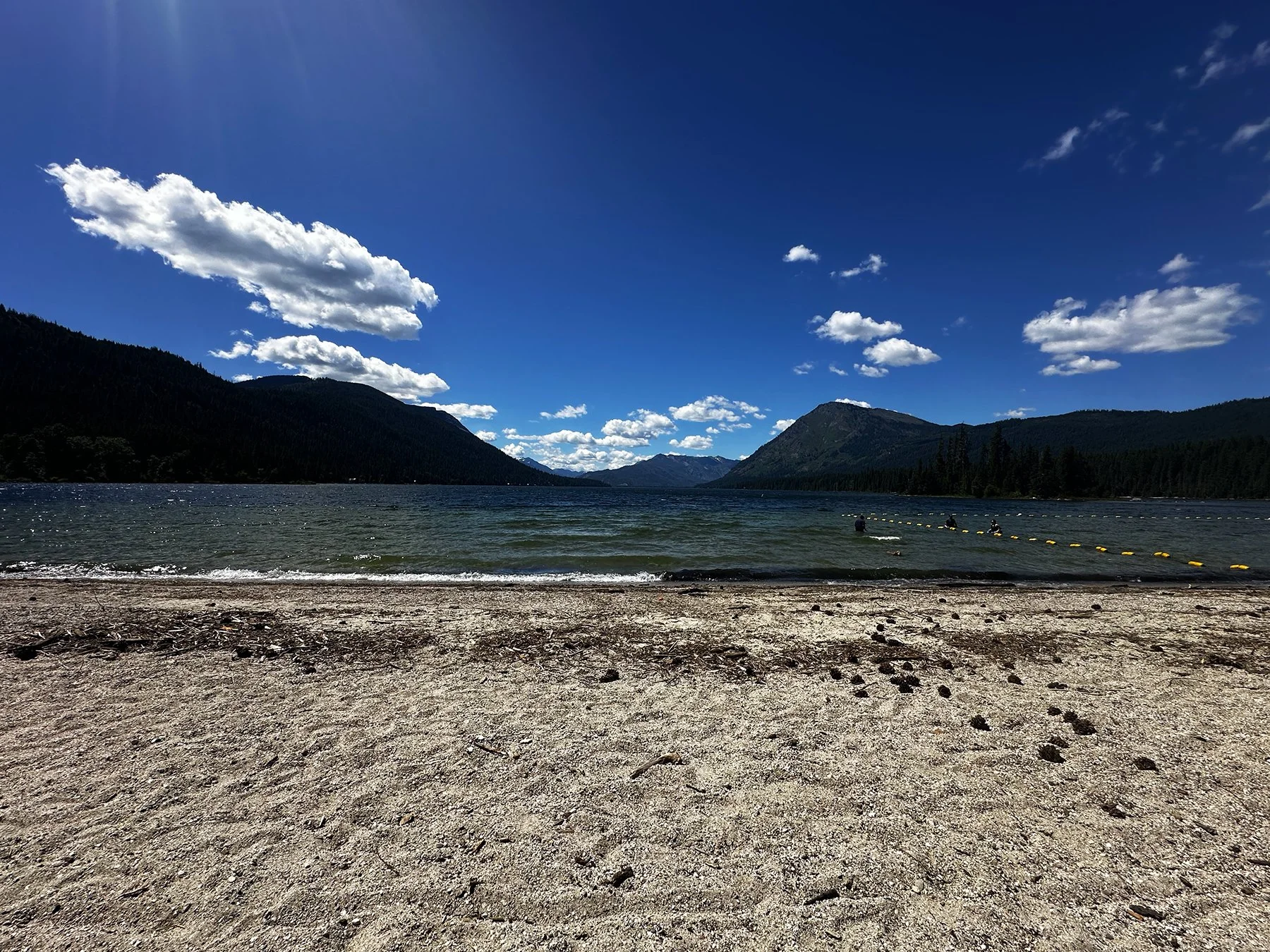
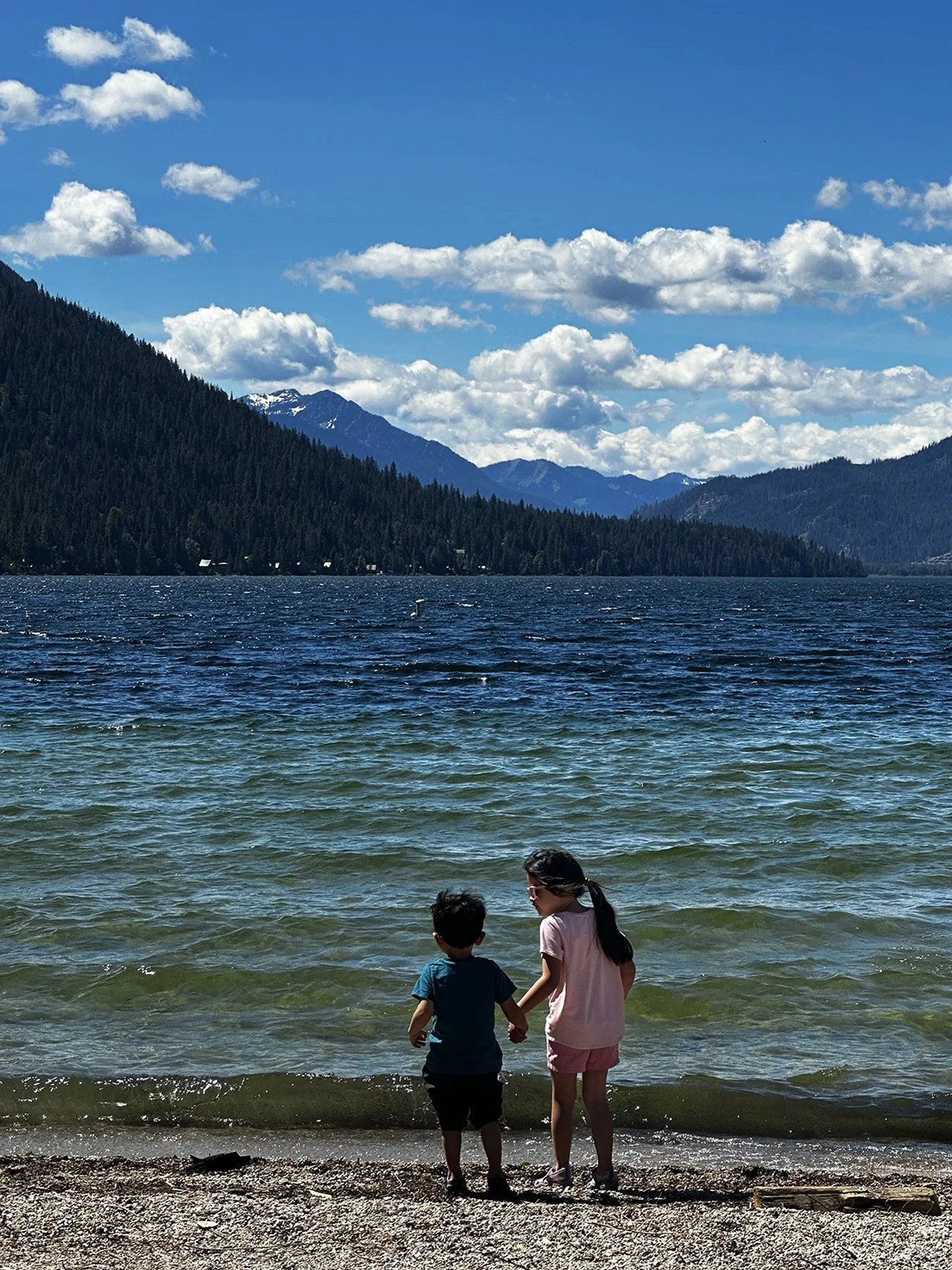
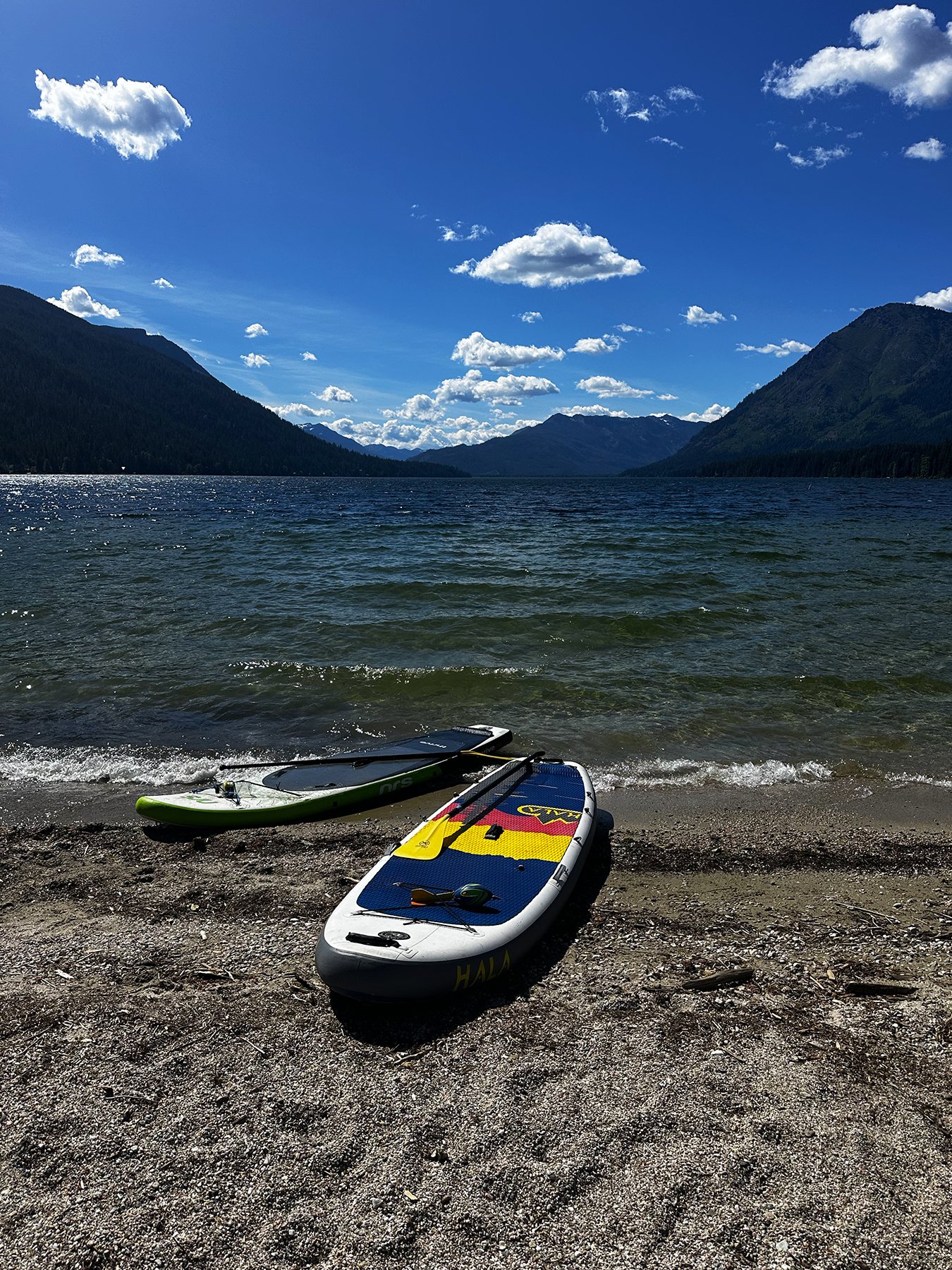
We also spent a day exploring Lake Wenatchee State Park, a 492-acre year-round montane park tucked into the Central Cascades just a short drive from Leavenworth. It offers direct access to a glacier-fed alpine lake, extensive camping, summer water sports, and winter Nordic ski trails. Features include a beautiful, roped-off sandy swimming beach with stunning, Switzerland-like mountain vistas, along with miles of gentle mixed-use trails that weave along the 5-mile-long shoreline, offering views of Emerald Island and Dirty Face Mountain. This is my kind of place!

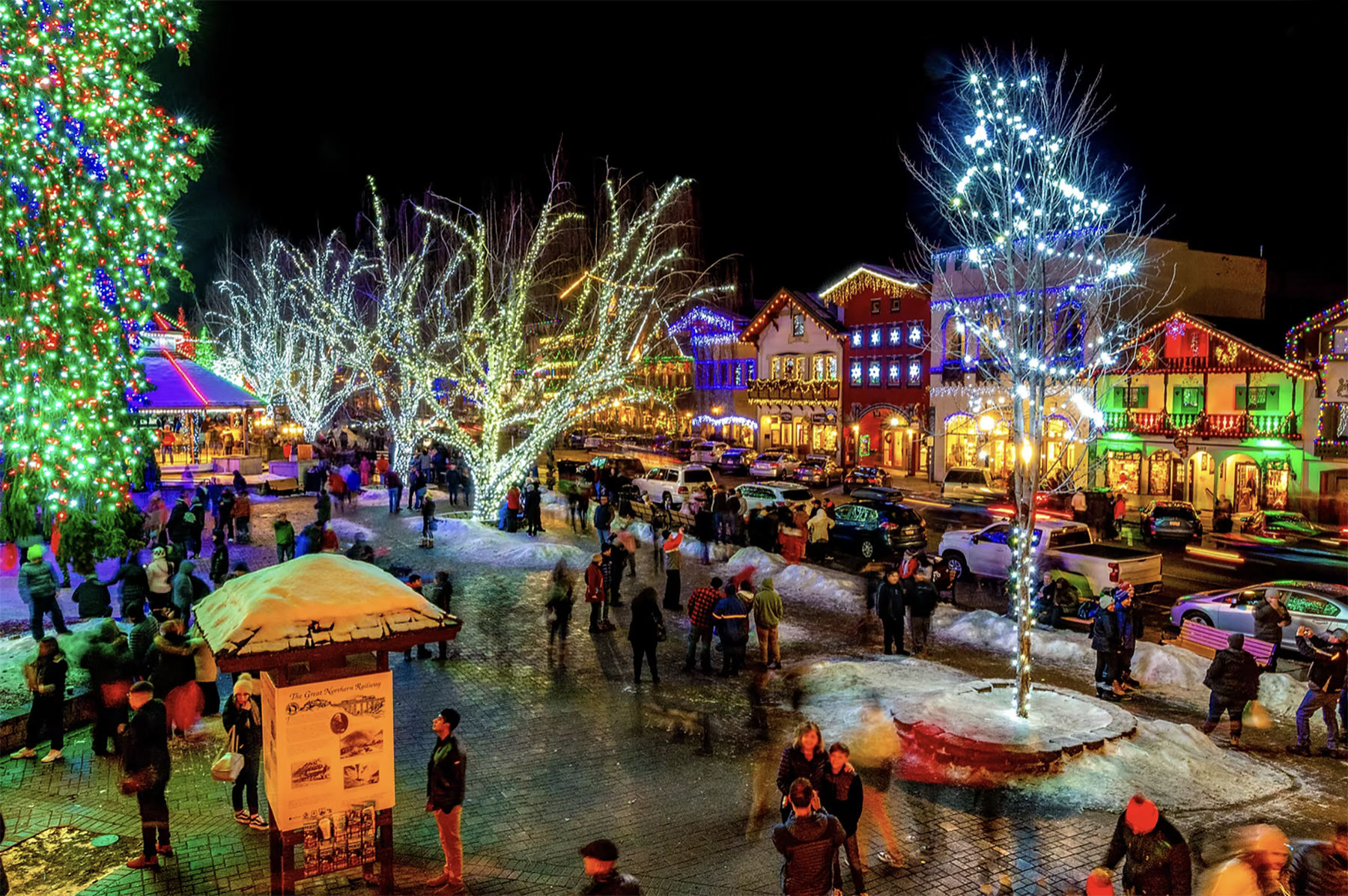
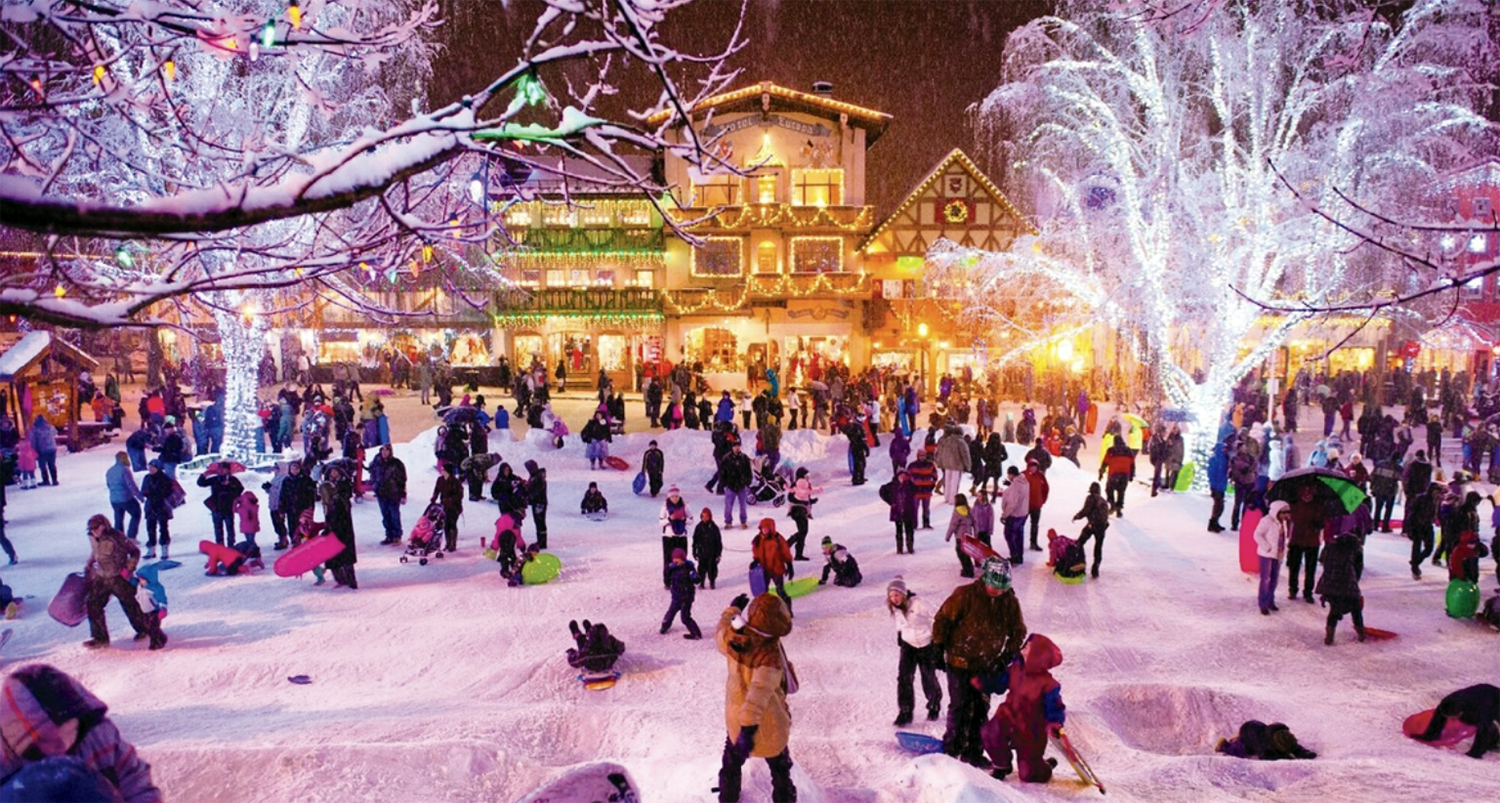
I can’t wait to come back and visit during the Christmas holidays, where the city transforms into a wonderfully lit winter wonderland. (“Lit” both literally and figuratively ;-) From the photos I’ve seen, it’s like living in a Hallmark Christmas movie! LOL. This is what the Chamber of Commerce has to say about it:
The Leavenworth Village of lights turn on at Thanksgiving and stay lit through Valentine’s Day! When the Christmas lights are up it gives this slice of Bavaria an unbelievable radiance that is guaranteed to get you into the holiday spirit. What is Christmas in Leavenworth like? It’s a Bavarian-style Christmas that is fun for the whole family and filled with Trachten and Dirndells. This much-loved and popular Pacific Northwest tradition features wonderful and authentic Bavarian foods, handmade arts and crafts, as well as other local gifts. A winter getaway in Leavenworth has to include this family-friendly Christmas-themed Bavarian Village.
Below are some photos I found online about Leavenworth during the holidays (“Christmastown”).
I’d love to go back and go skiing, snowmobiling, snowshoeing and everything else you can do in a winter wonderland. Who wants to join me?