Olympic National Park
I was super excited to head out to our next national park: Olympic. I’ve read about its mist-shrouded, primeval grandness with lush rain forests, wild coastlines, imposing mountains, and ancient glaciers. All in one place. And well, it’s a really big place.
I was actually quite surprised to learn that Olympic National Park is only the 13th biggest NP in size (at 922,651 acres and 1,442 square miles), because Y’ALL. This. Park. Is. Massive. Perhaps it seemed more so because there are no roads that allow you to traverse through the park. So to get from where I was staying on the east end of it to the west—near the Pacific Ocean and where my-bucket-list-Hoh Rainforest is—it would take three hours to drive to. To be honest, when I first made my campground reservation, I saw that it was near-ish to one of the park entrances, so thought it would be great to make that my home base, making different day trips to see the majority of the park. Day trips? Sorry, but I was not going to drive 3 hours to the Hoh, hike and explore for a few hours, then drive 3 hours back all in one day. I mean, I spend enough time on the road between campgrounds, so I just wasn’t up for that. So, I altered my plans slightly, tagging on a few days at the end of the week to stay on north end, then a few days on the west. Lemonade, anyone?
This whole area is pretty indescribable—even for me, who never seems to be at a loss for words. If I had to describe it in just a few, I think I would choose … wild, untamed, diverse wilderness. Yeah, that’s the ticket. This magnificent place is home to some of the biggest trees in the nation—fir red cedar, and spruce among them—as well as some of the wettest spots on the planet.
“Starry night skies, melodic flowing waters and silent places to seek solitude all speak to the wilderness character of Olympic National Park. A sanctuary for wildlife and for the human spirit, this diverse landscape sets the stage for wilderness adventure.” – NPS
“There are no words that can tell of the hidden spirit of the wilderness.” – Theodore Roosevelt
Hurricane Ridge
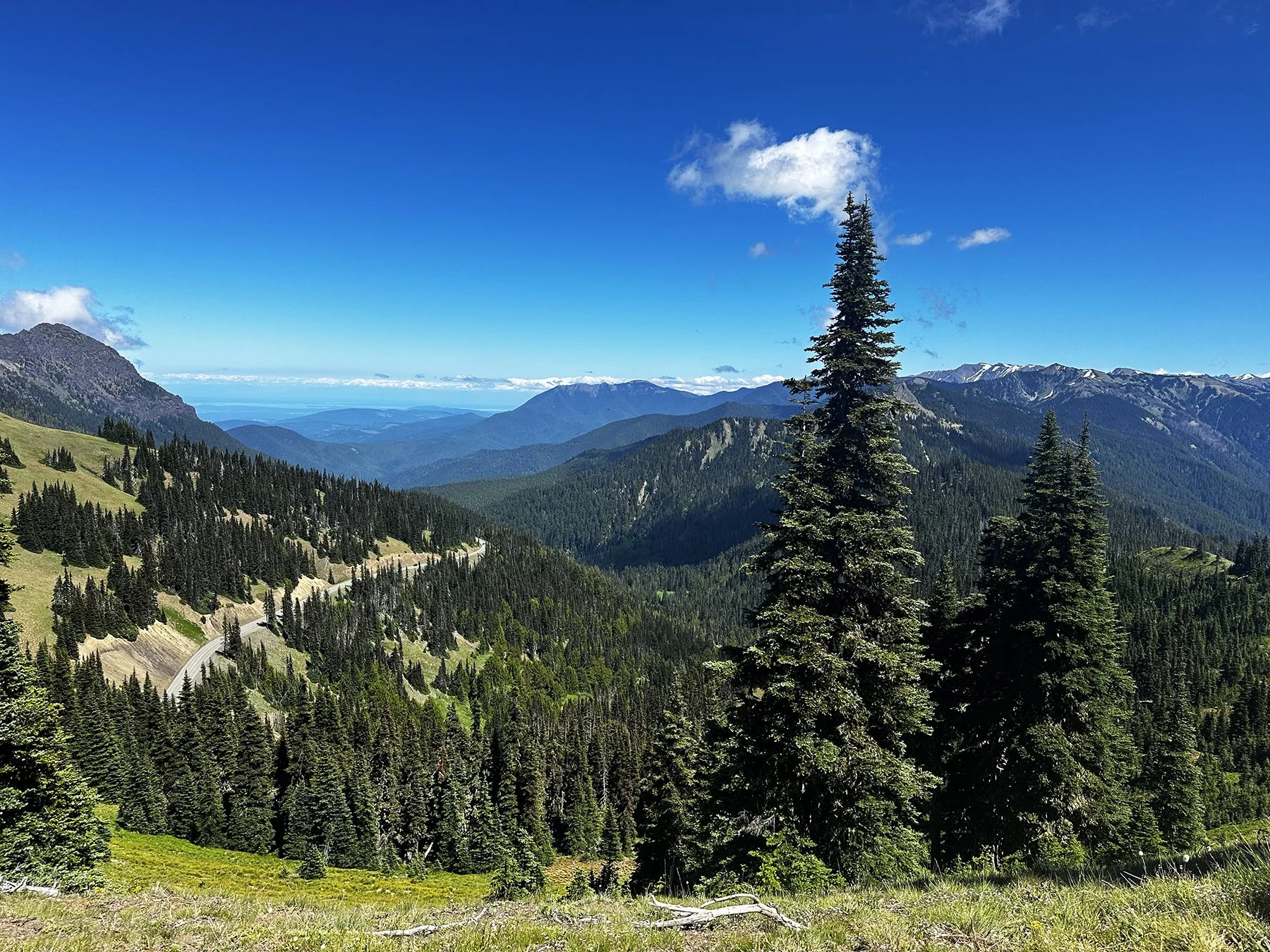
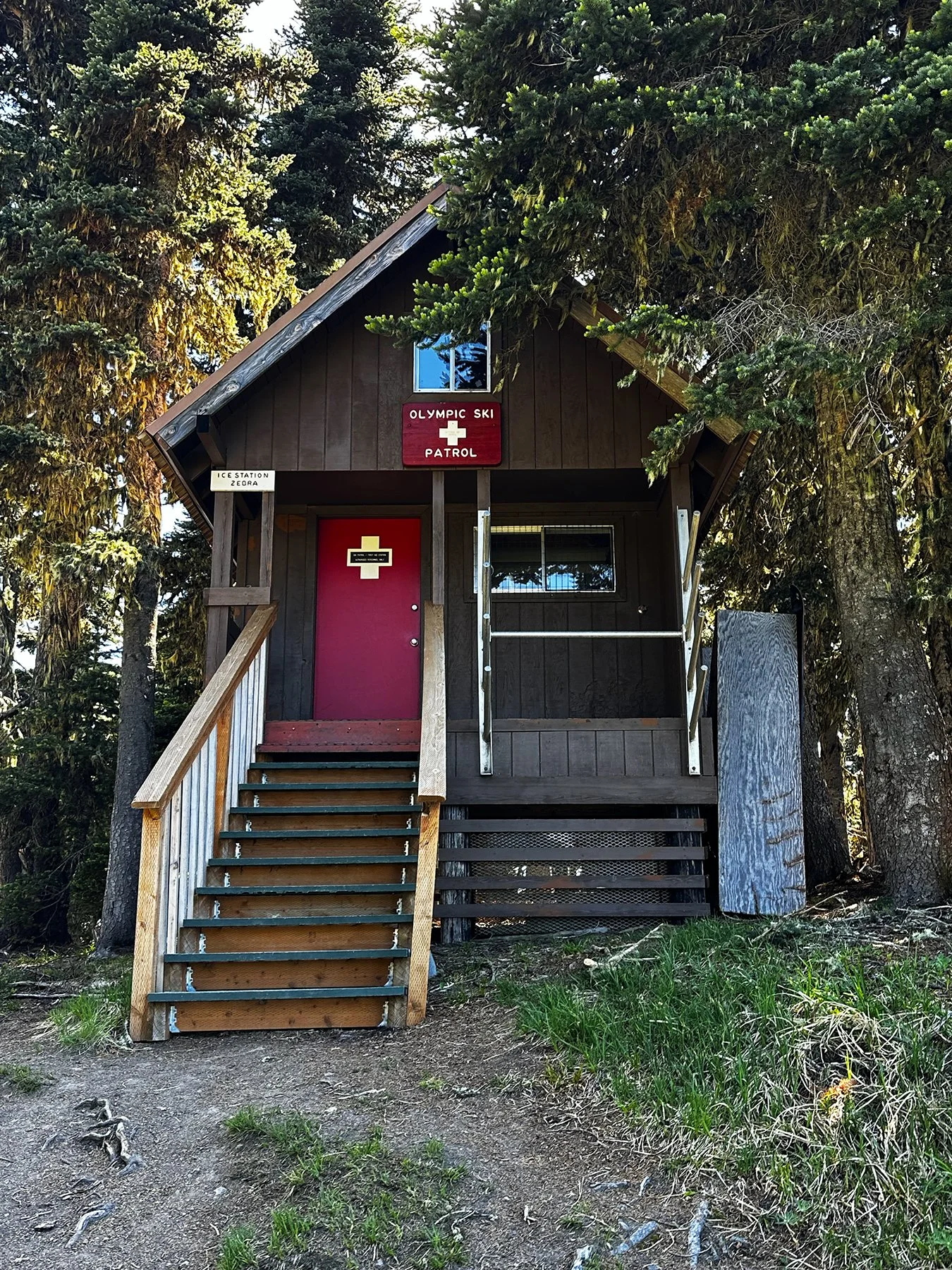
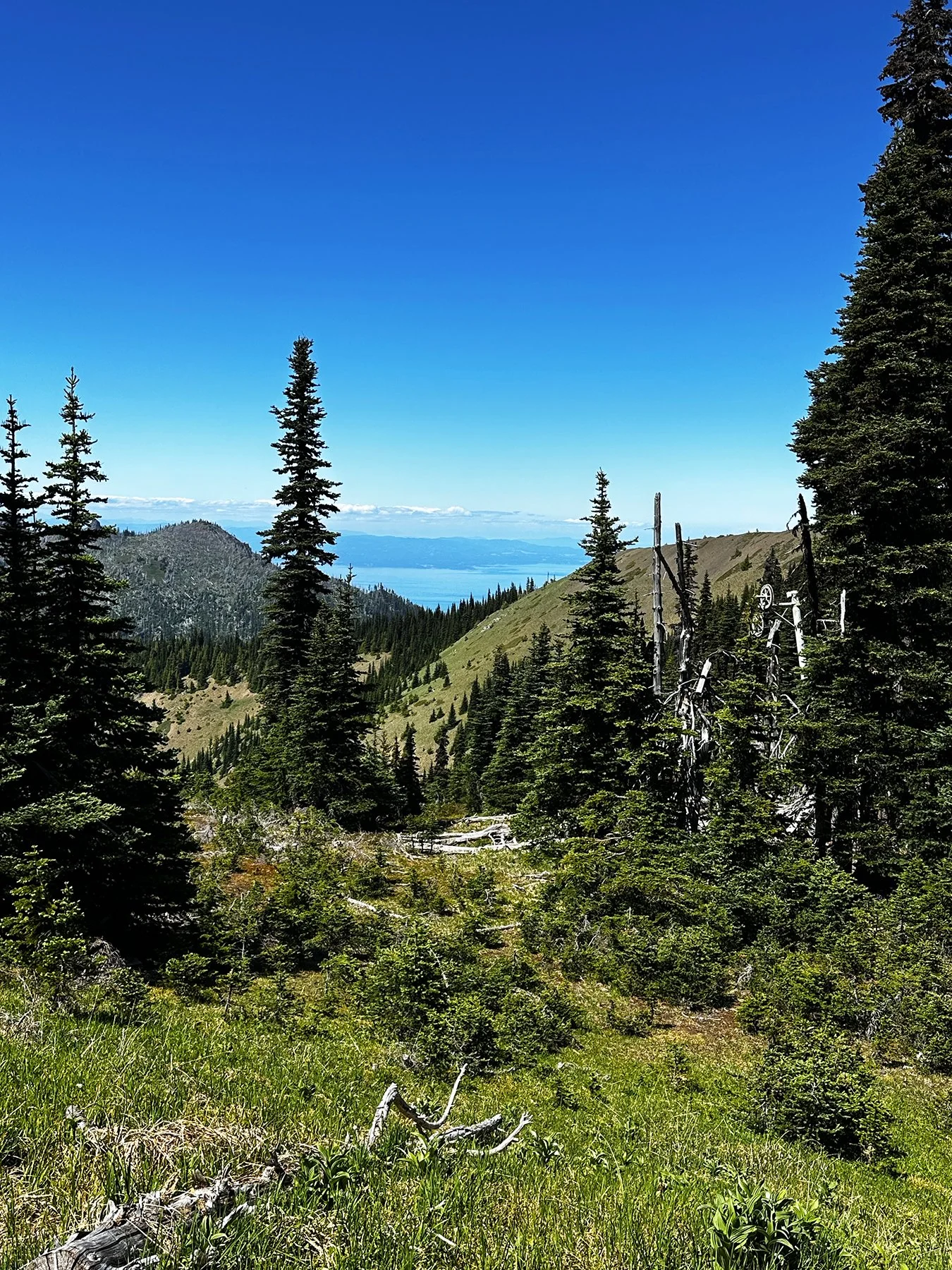
Like most national parks, Olympic is so intensely beautiful. We started our journey in Port Angeles and took the iconic drive up Hurricane Ridge to unbelievable panoramic views of the Olympic Mountains. The 17-mile drive is a winding, narrow 2-lane road with steep ascents climbing over 5,000 feet. While it is fully paved, it does have guardrails in most dangerous areas (thank God!), and it climbs quickly up a 7% grade with several sheer drop-offs and blind curves as you break the treeline. But the views once you reach the top? Jaw-dropping. Even for those who might drive the Ridge while strangling the steering wheel, white knuckles and all, would find it worth it. (That’s not me, BTW, I love it!)
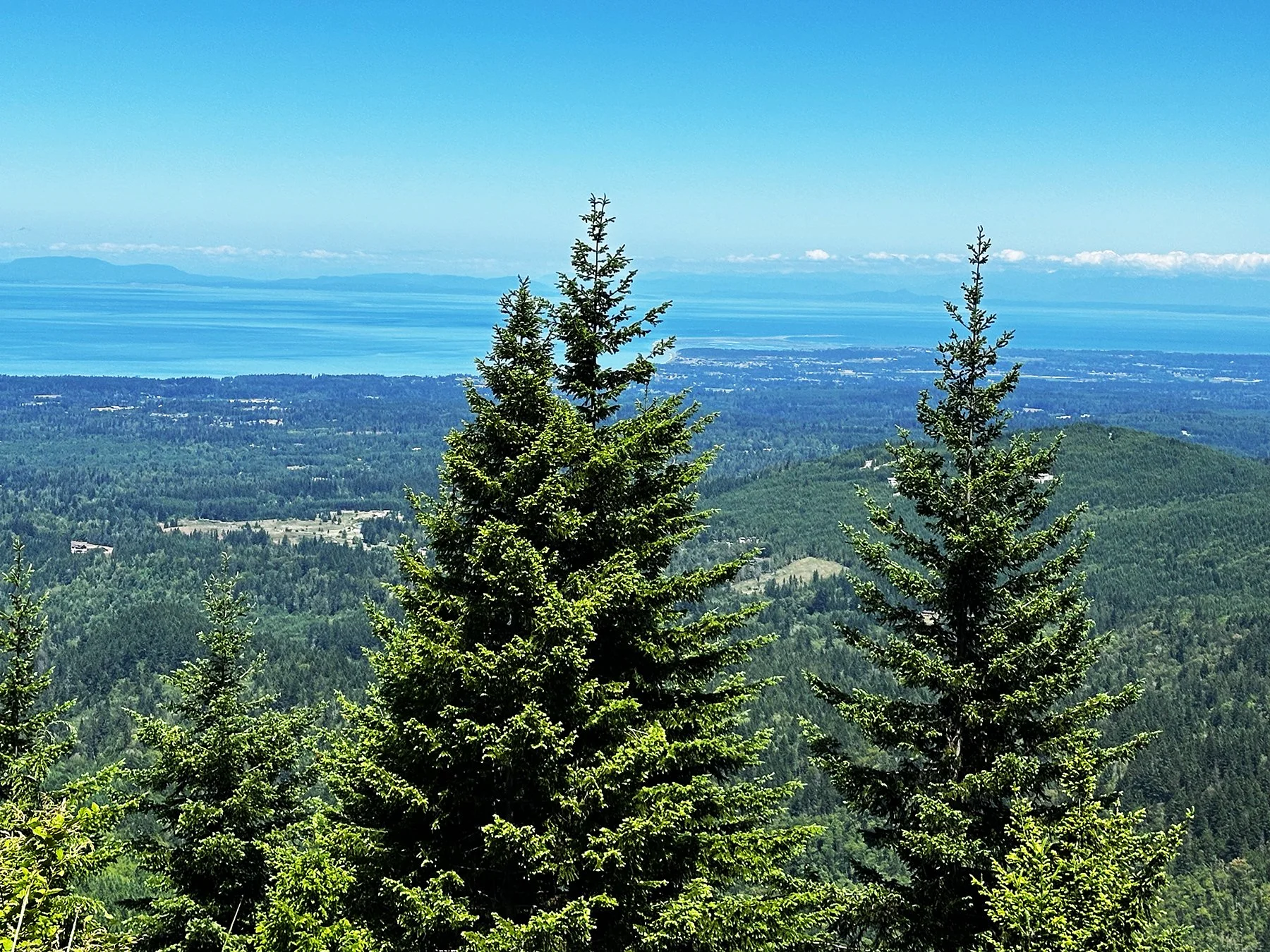
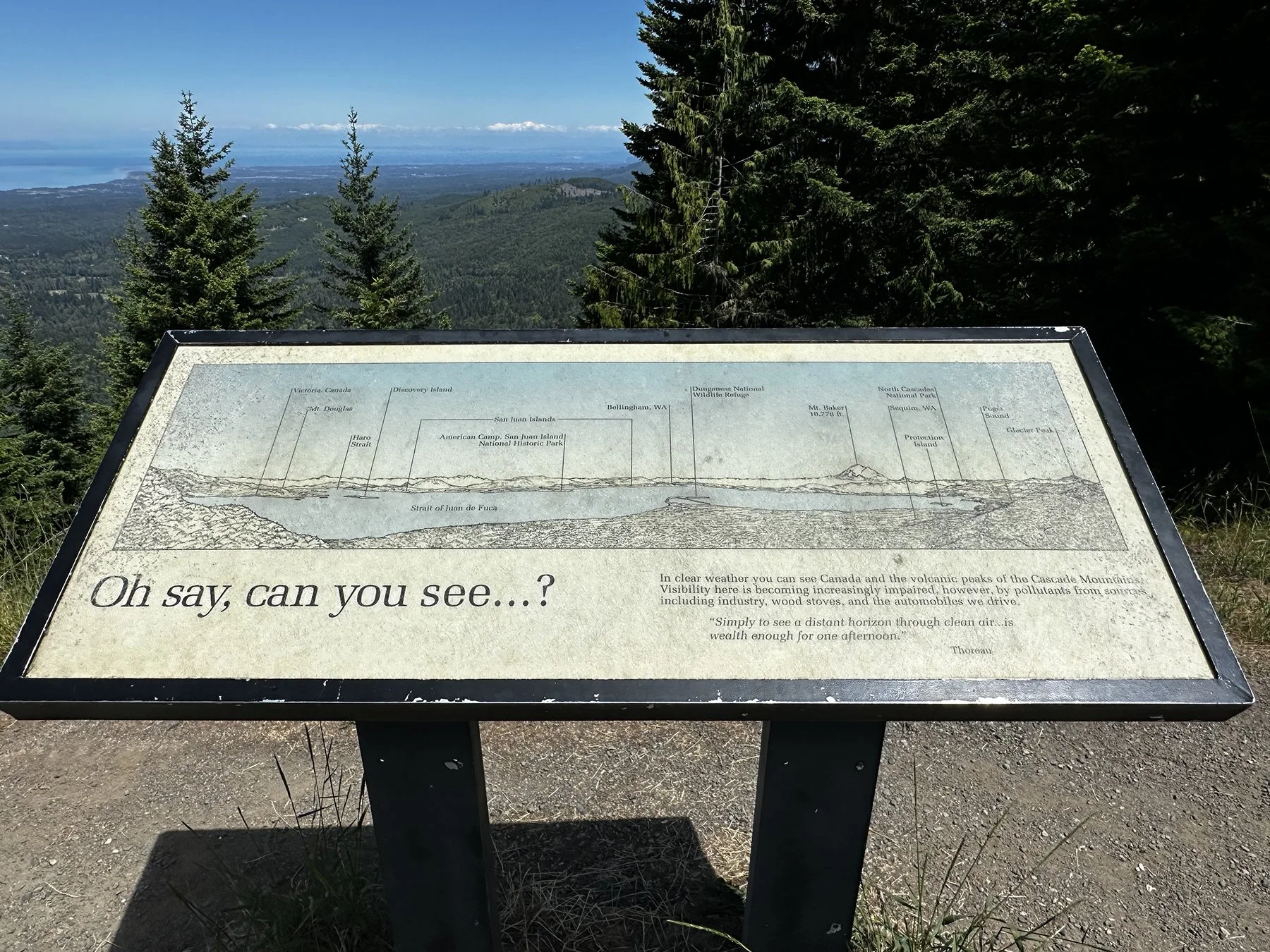
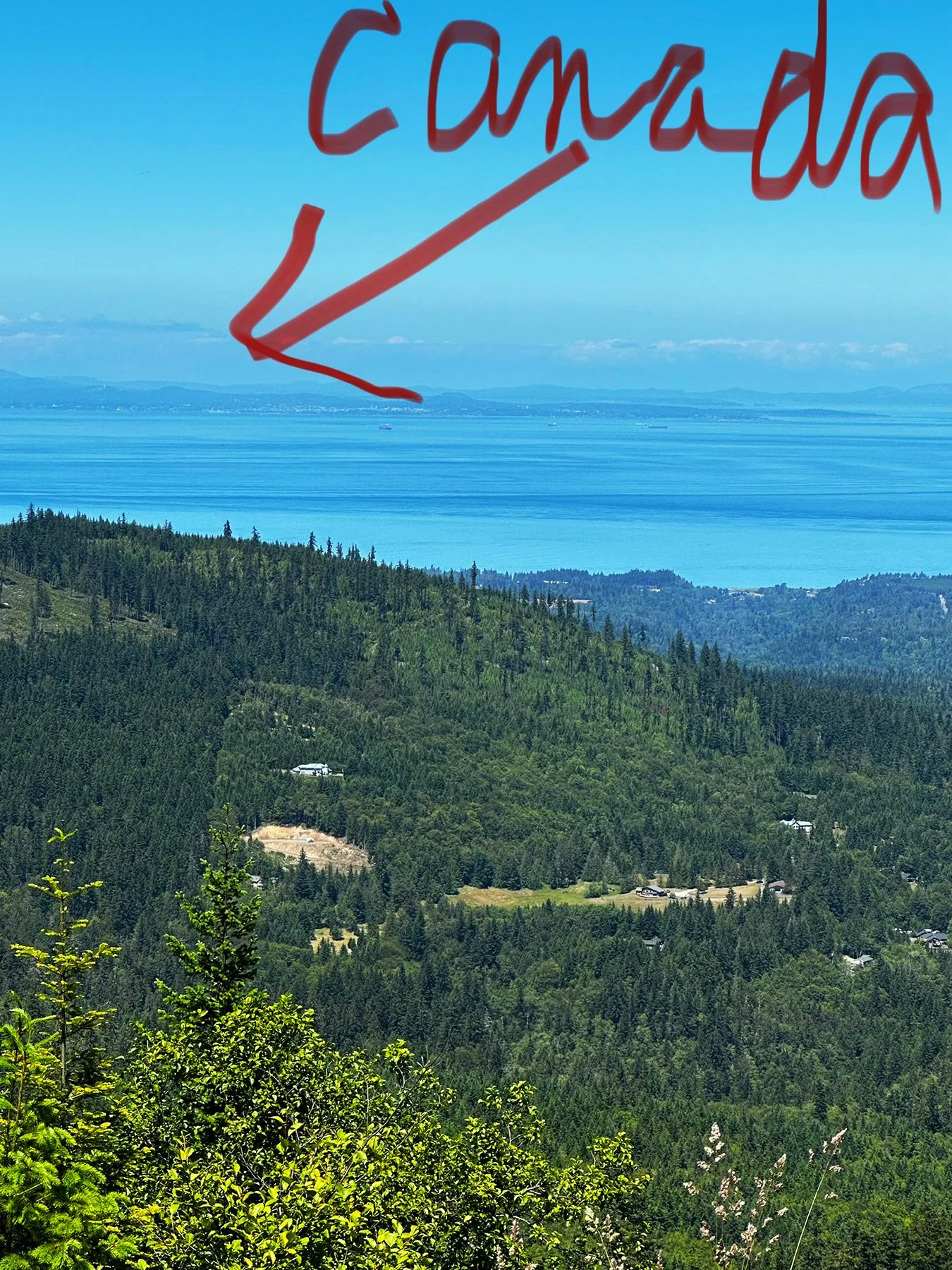
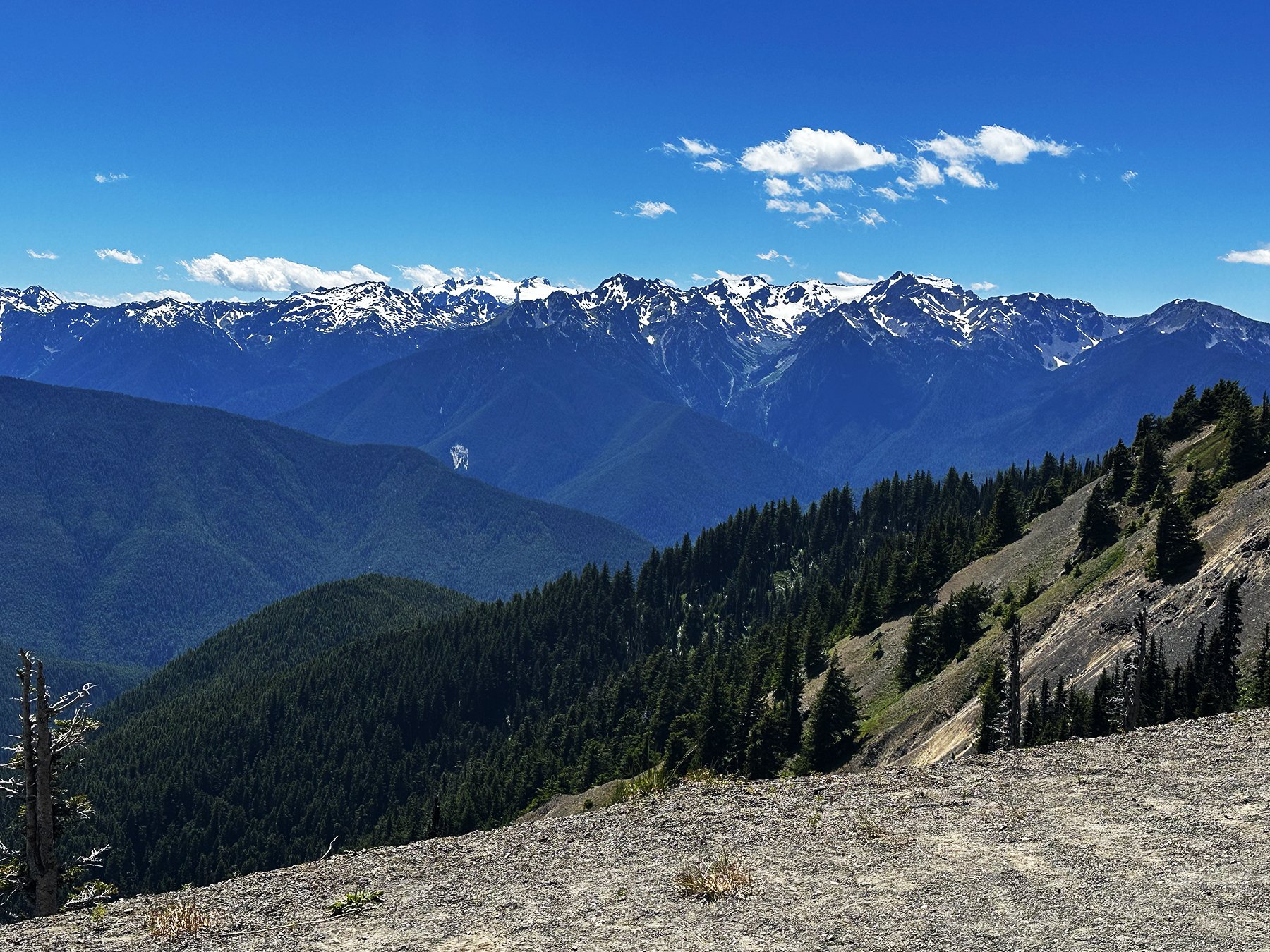
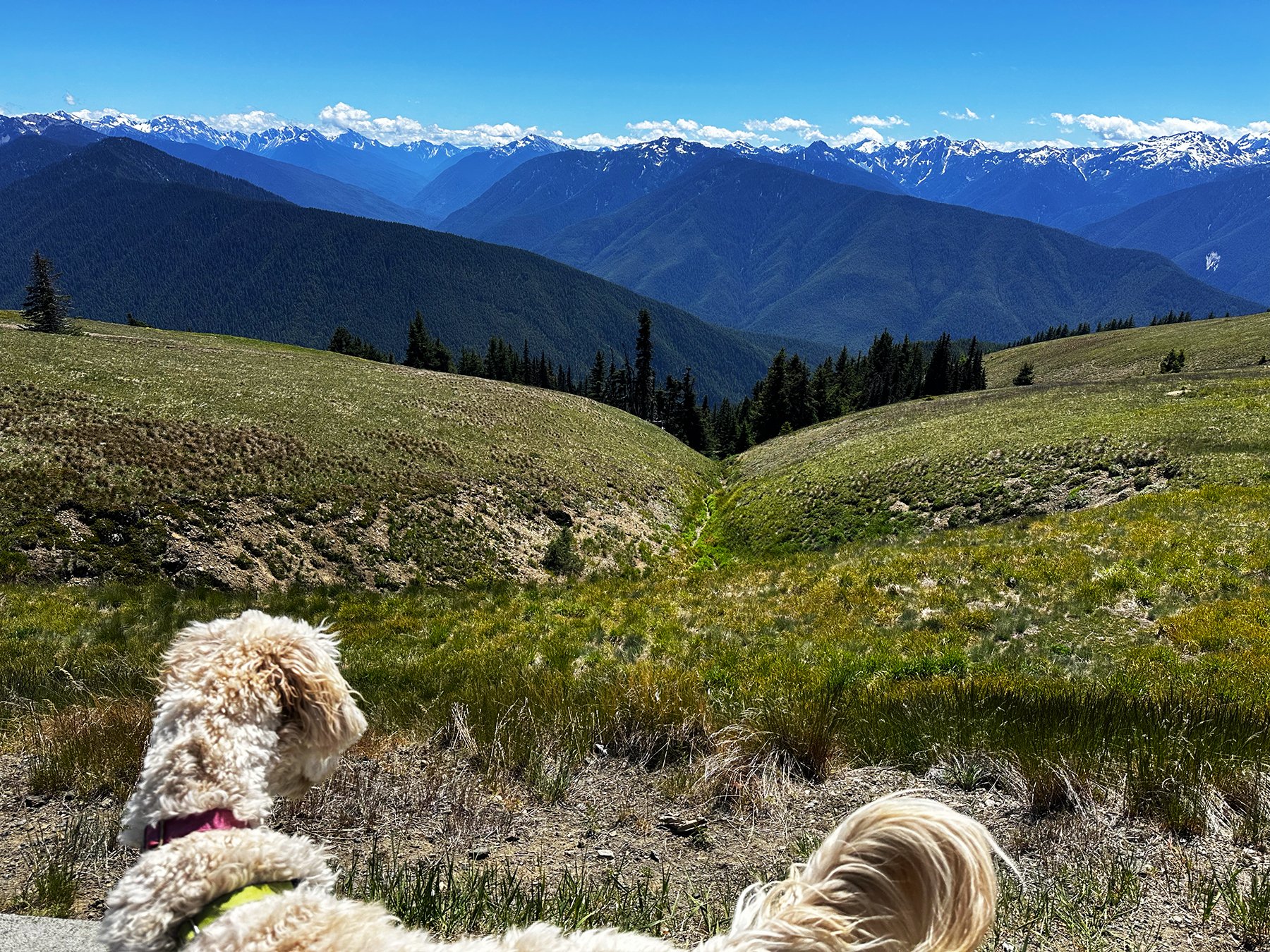
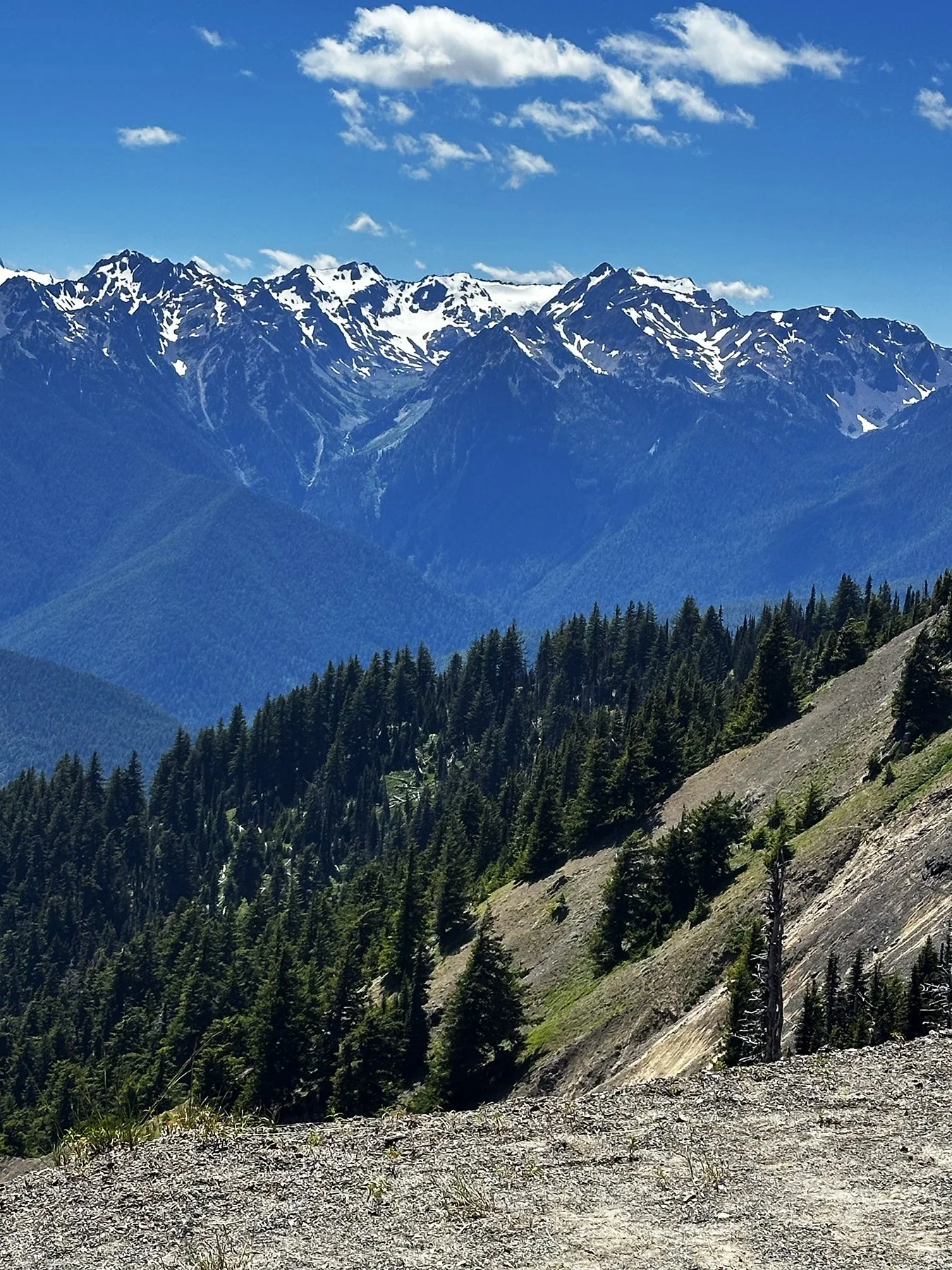
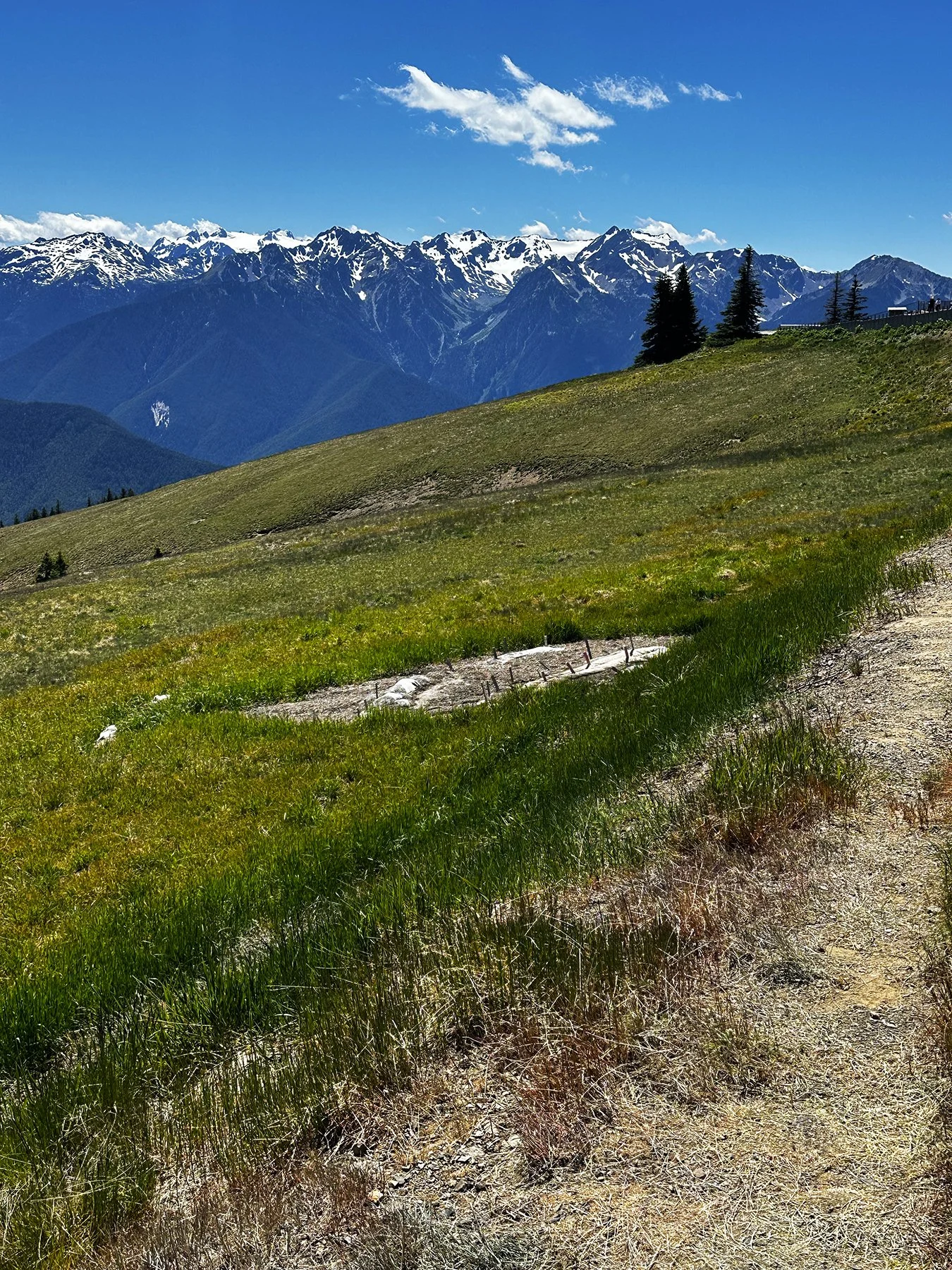
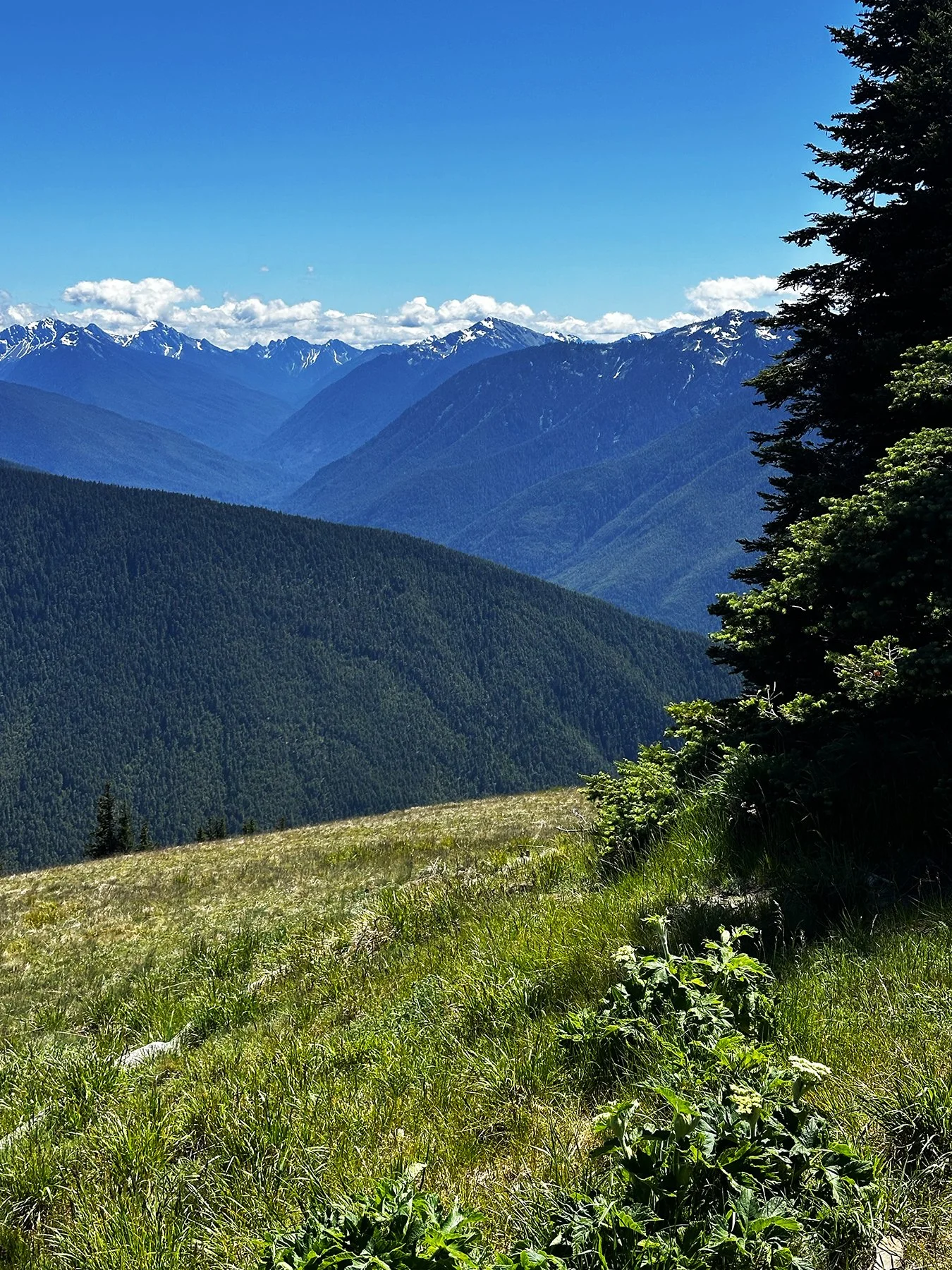
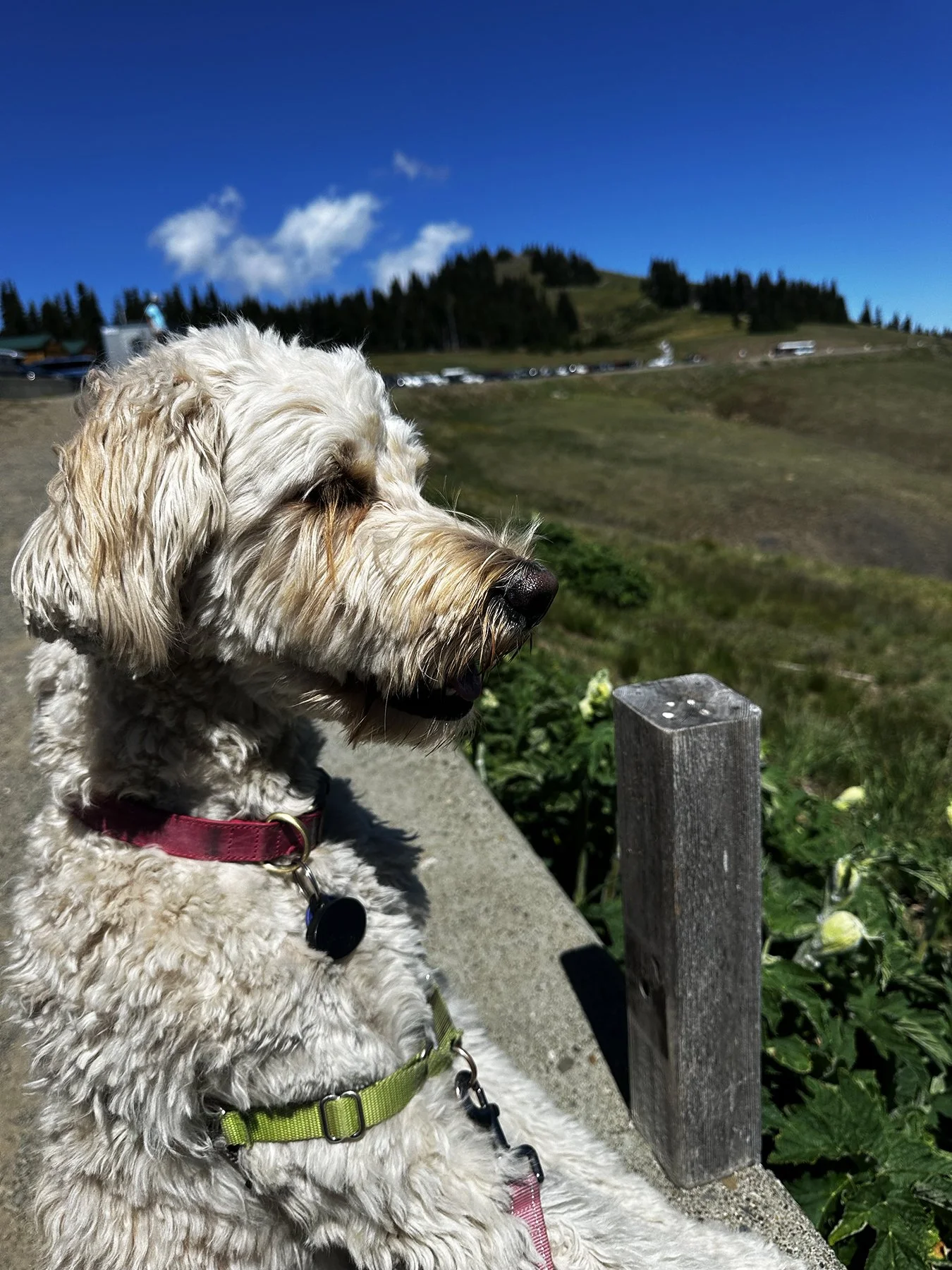
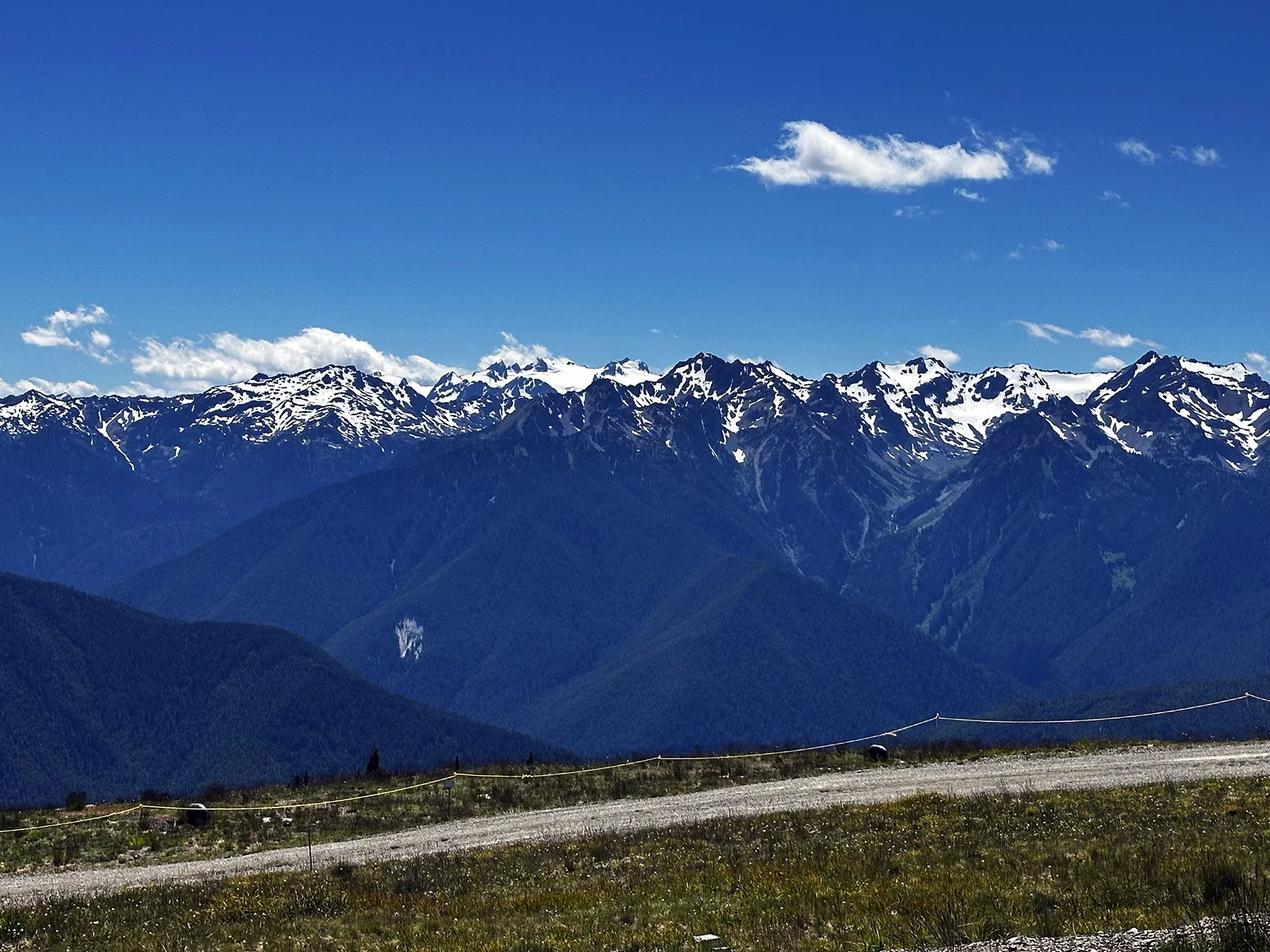
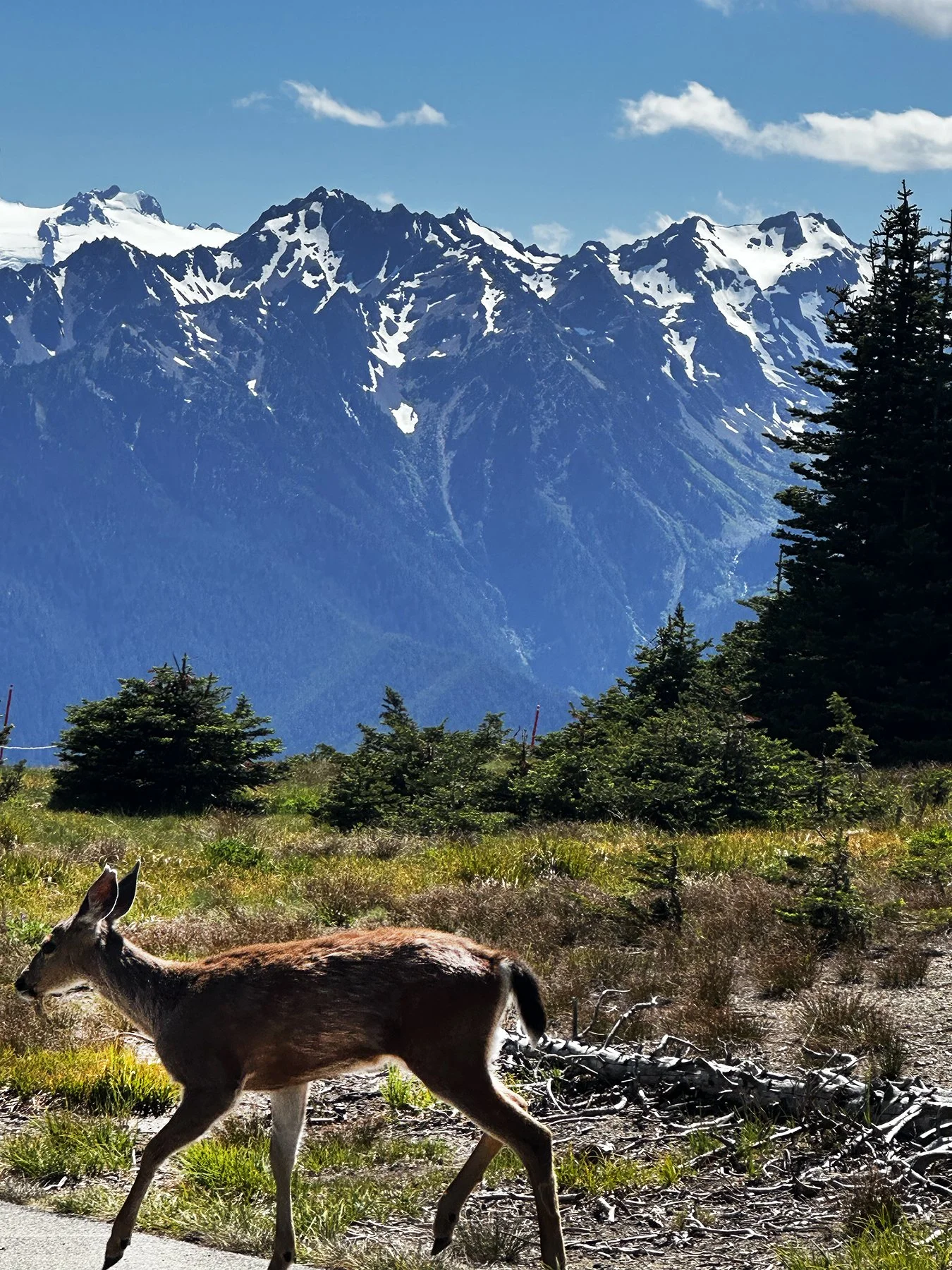
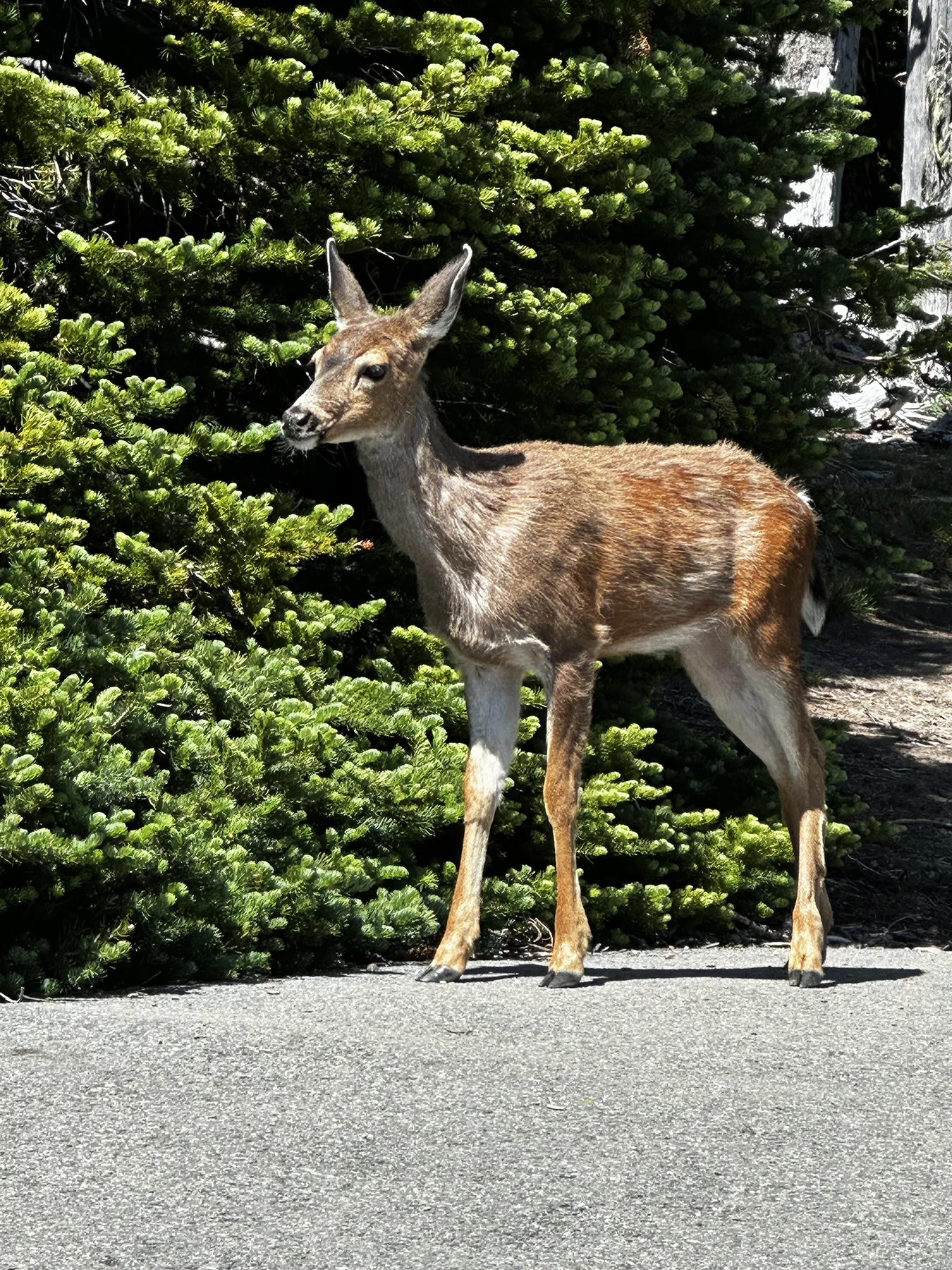
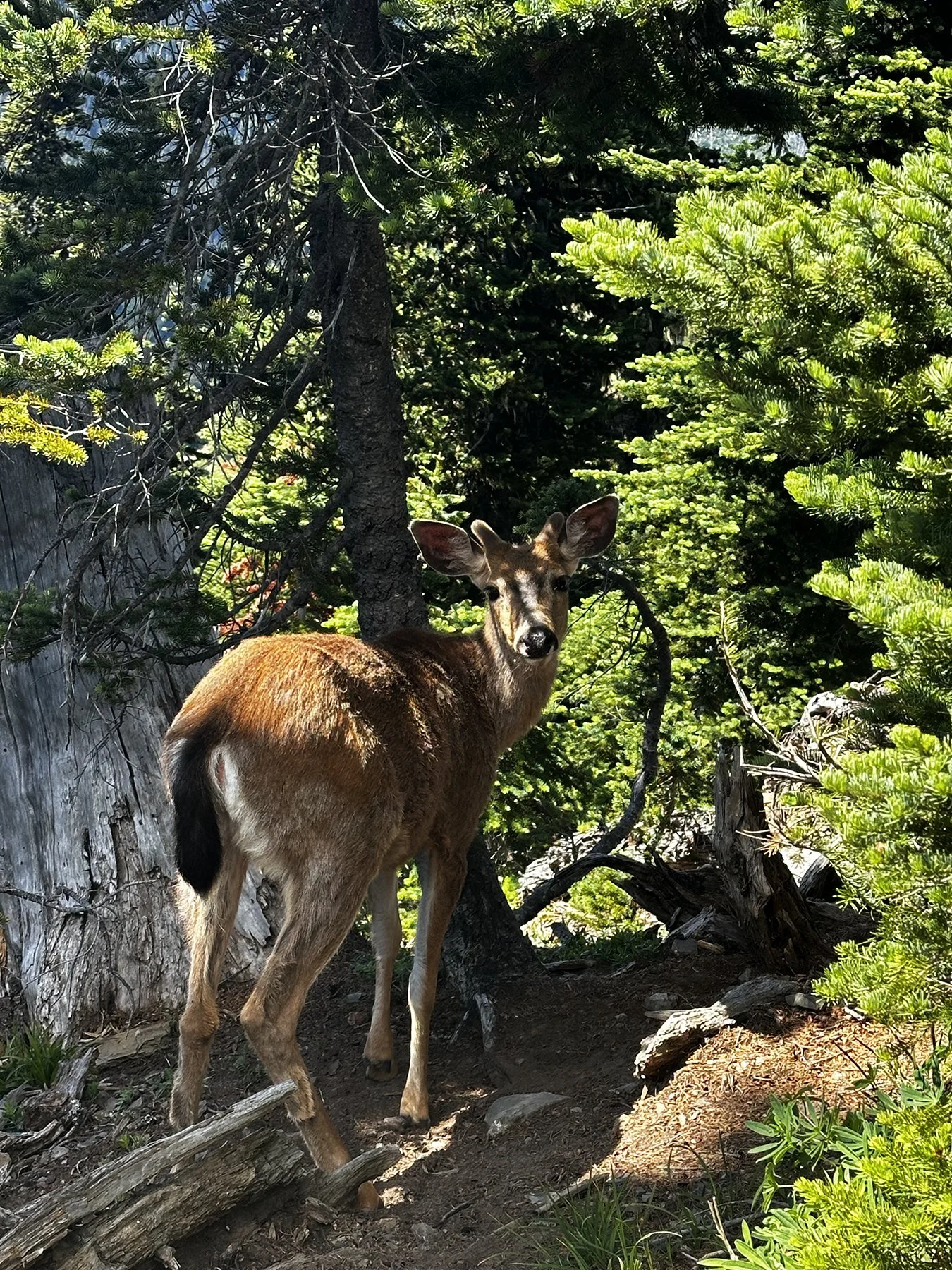
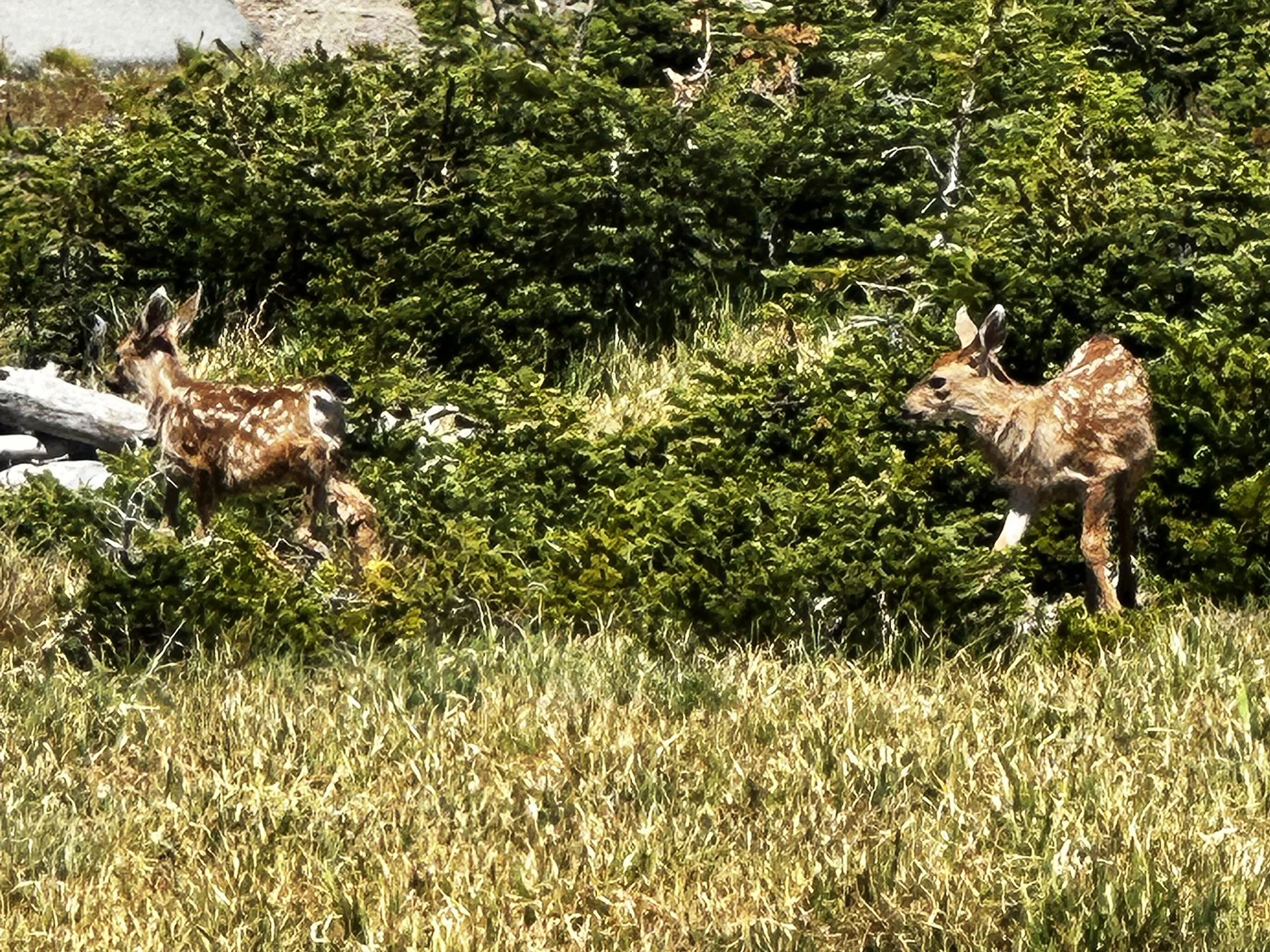
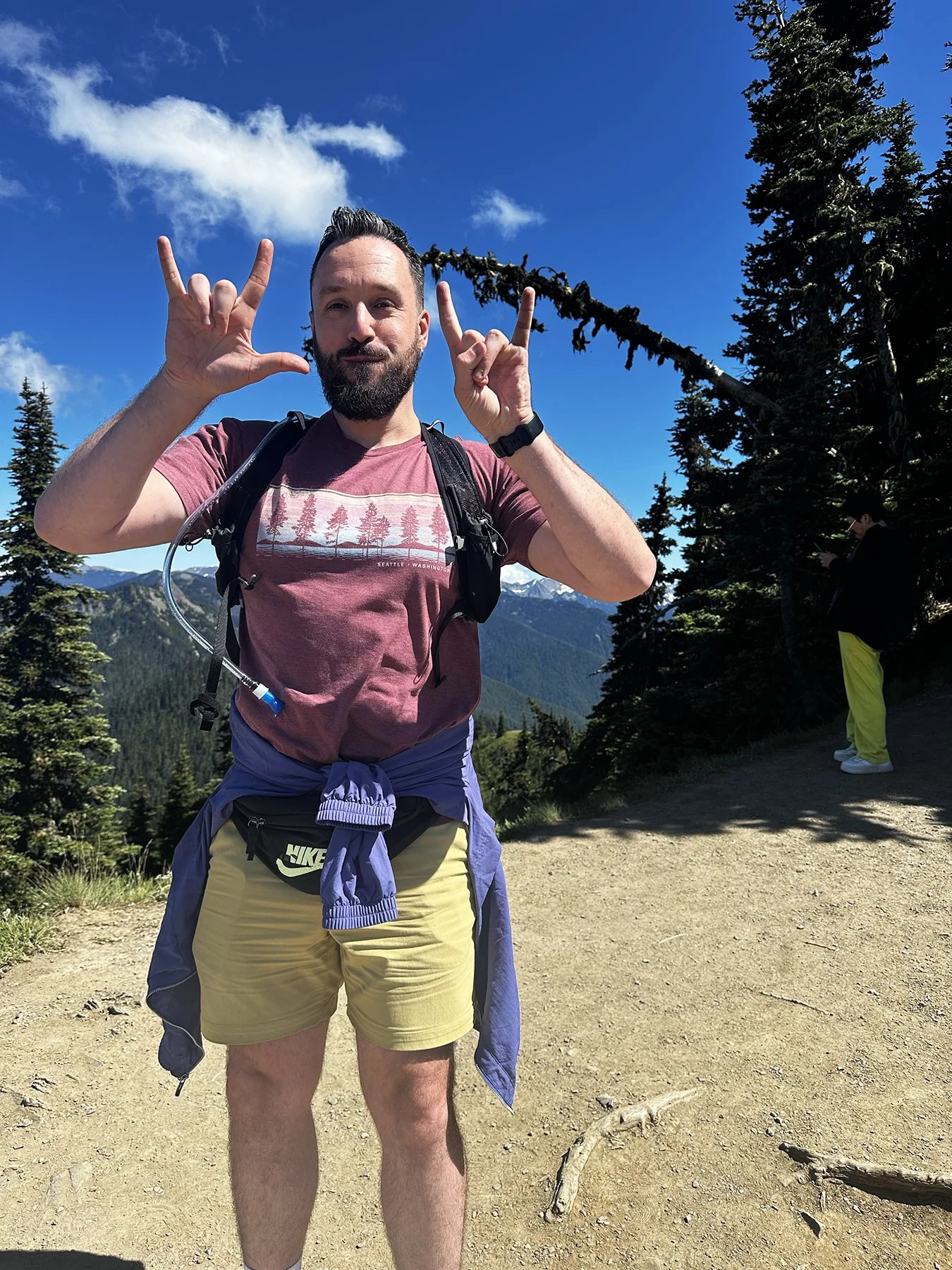
Maisie wasn’t allowed on any of the trails there, but we were able to see quite a lot from just the large parking lot up at the top. After taking in the majestic views for a while (and helping others take pictures of themselves), I noticed a graded path up a hill above where we were, and just had to get to the top to see what was promised to be 360° views. Could I leave Maisie in the car for just a bit? Fortunately, the temps were in the 50s—yes, in June!—so doing so would not be dangerous, at least. I still hate to do it, though! This trail was just a mile round trip, so I wouldn’t be gone long. And man, was it worth it! There were deer wandering around everywhere, not afraid of humans at all. How refreshing! I even spotted some fawns. Naturally, I also talked to a bunch of people along the trail. And you know what? One of the guys I met is not only from Austin, but lives very near where we did in Circle C, and we actually have a friend in common. What?! It is such a small world!
The Olympic Peninsula
Famous for its dramatic natural contrasts, the Olympic Peninsula is a massive, ecologically diverse chunk of land in the northwestern part of Washington state. Spanning nearly a million acres and containing three distinct ecosystems—alpine mountains, lush temperate rainforests, and the rugged Pacific coastline—the peninsula is home to the Olympic Mountains (anchored by glacier-clad Mount Olympus) and temperate rainforests like the Hoh and Quinault, which are among the wettest places in the Lower 48. Quite a far cry from Texas! Stretching along the Pacific, the 70-plus-mile wild coastline features dramatic sea stacks, tide pools, and driftwood-heavy shores. All of the areas I’ll talk about below are contained in this area.
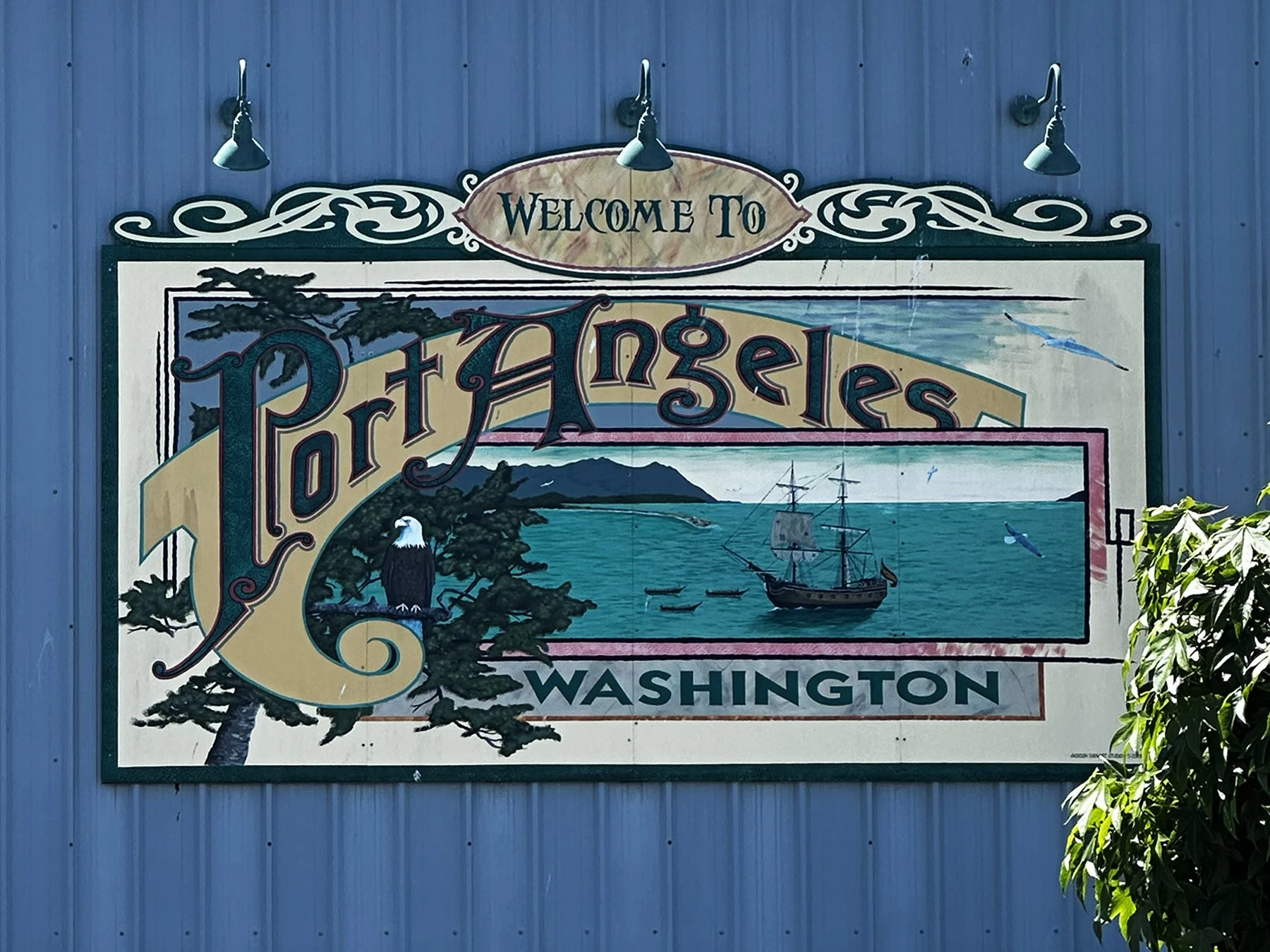
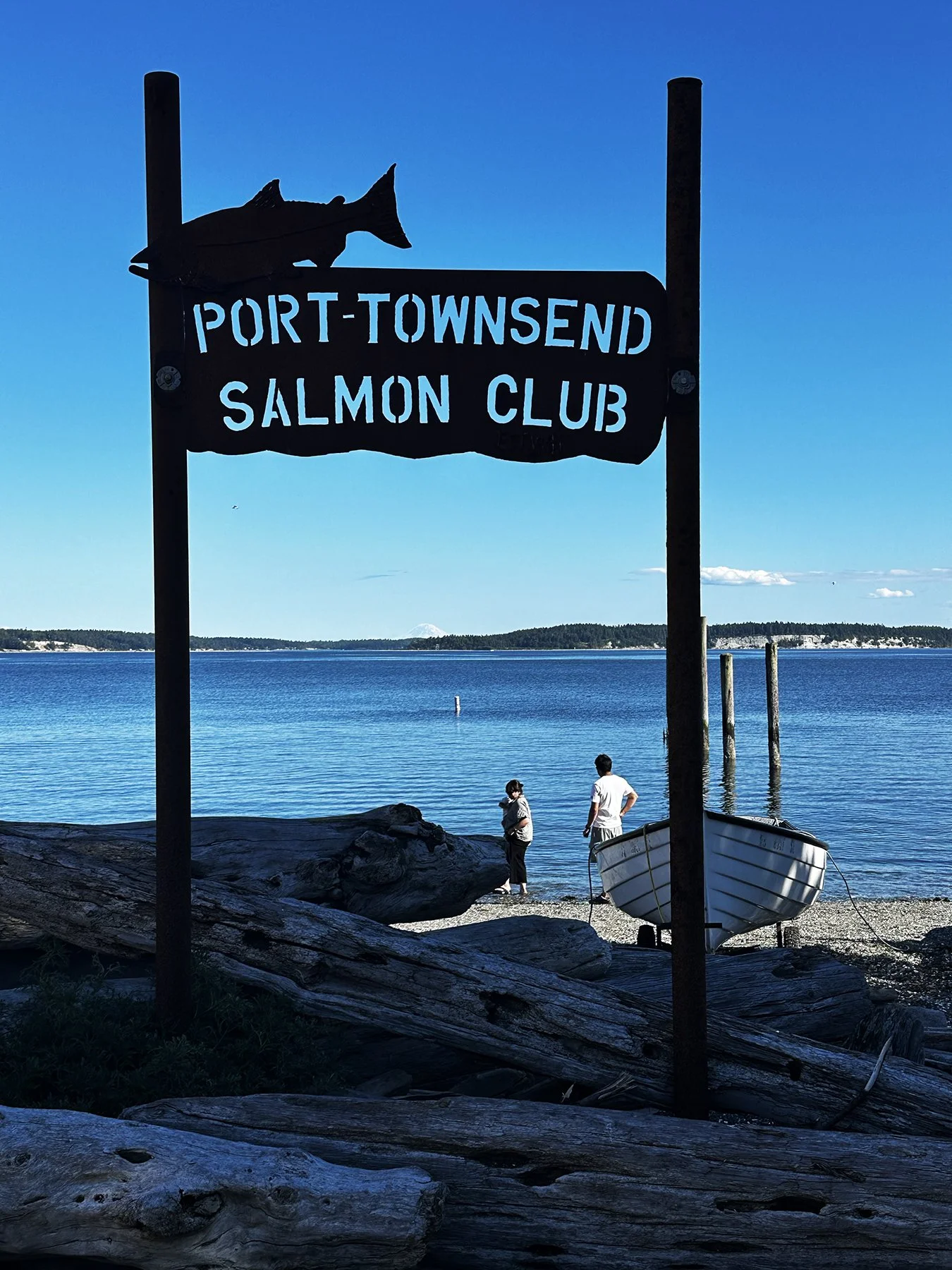
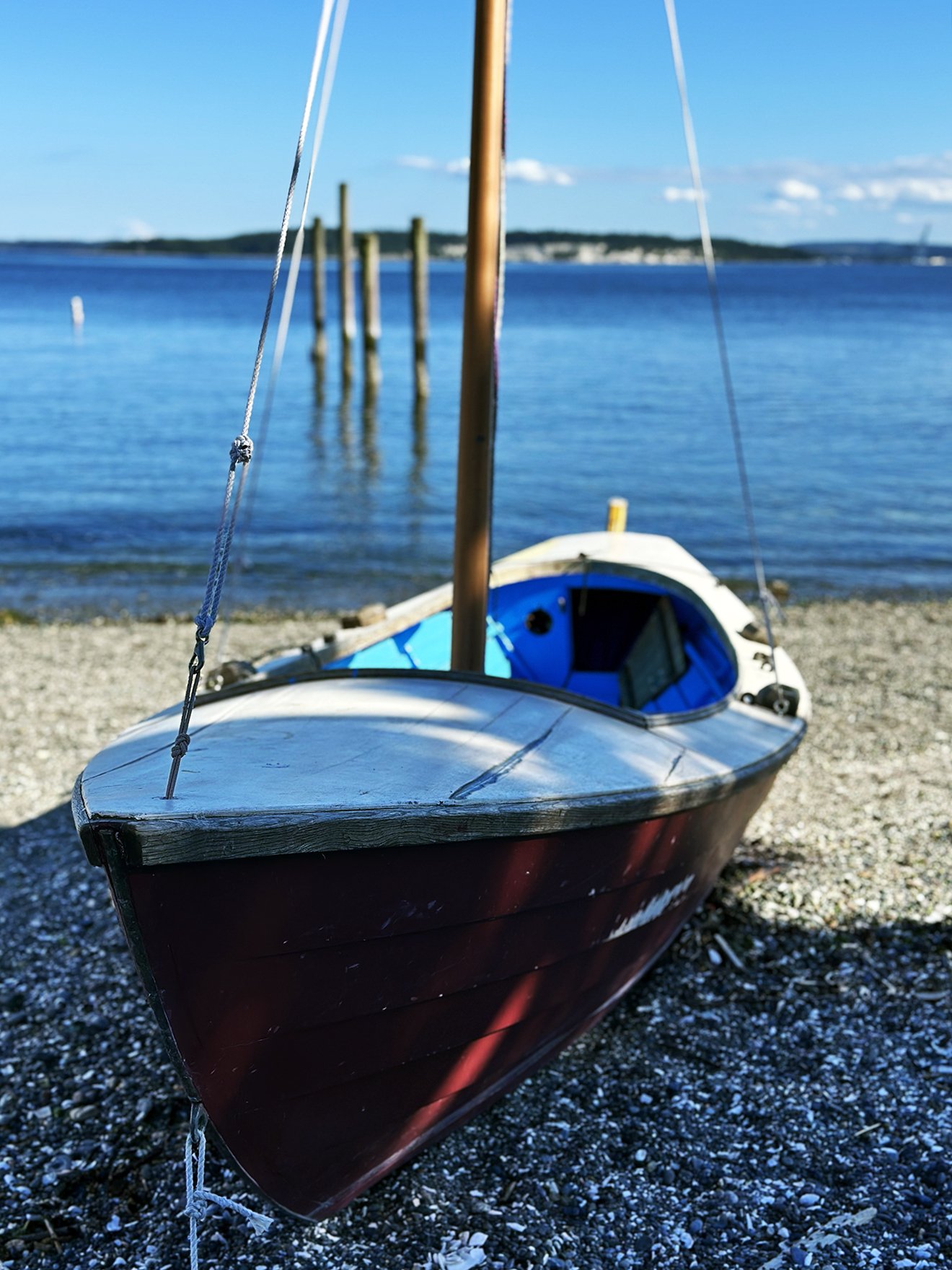
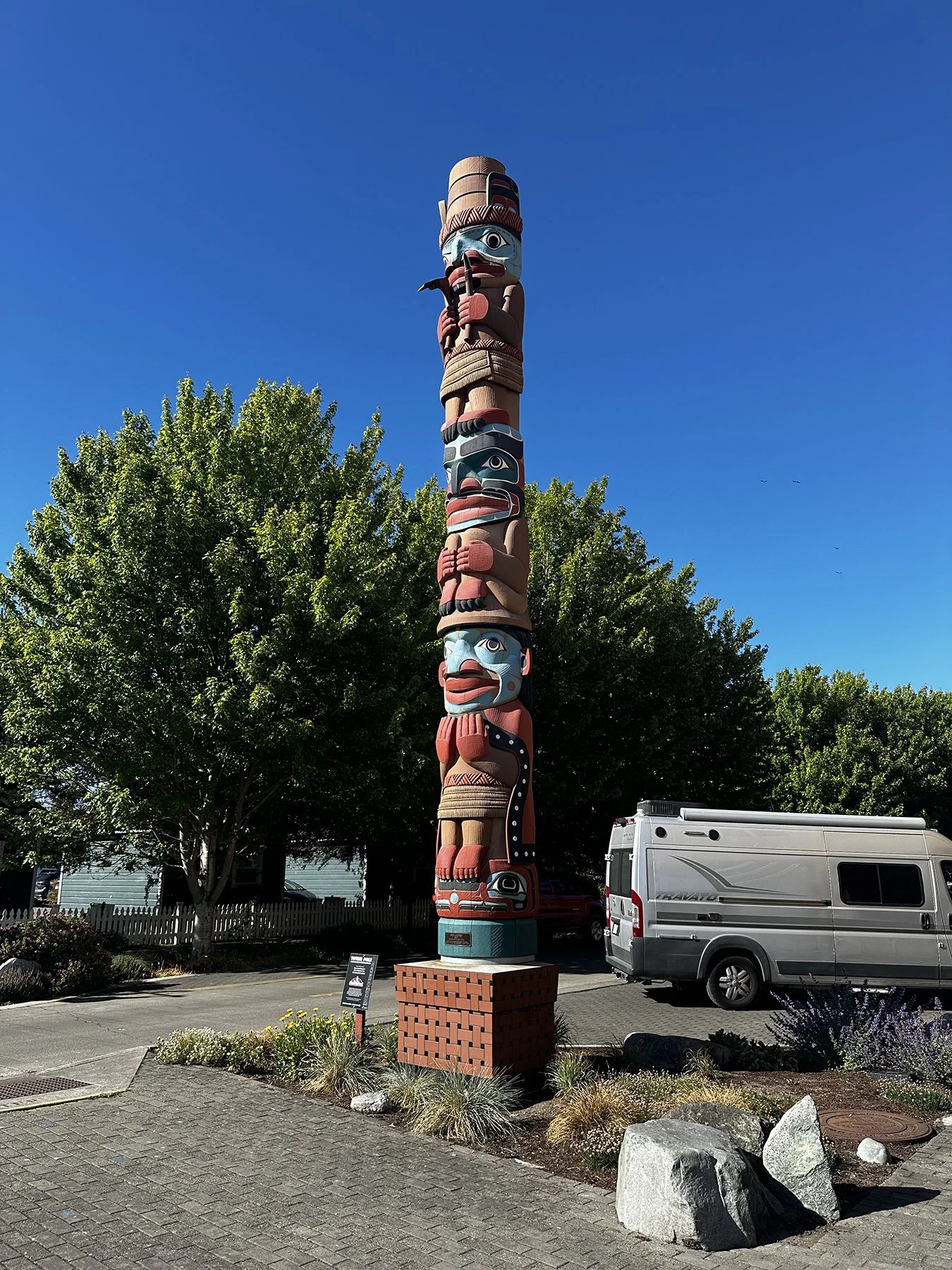
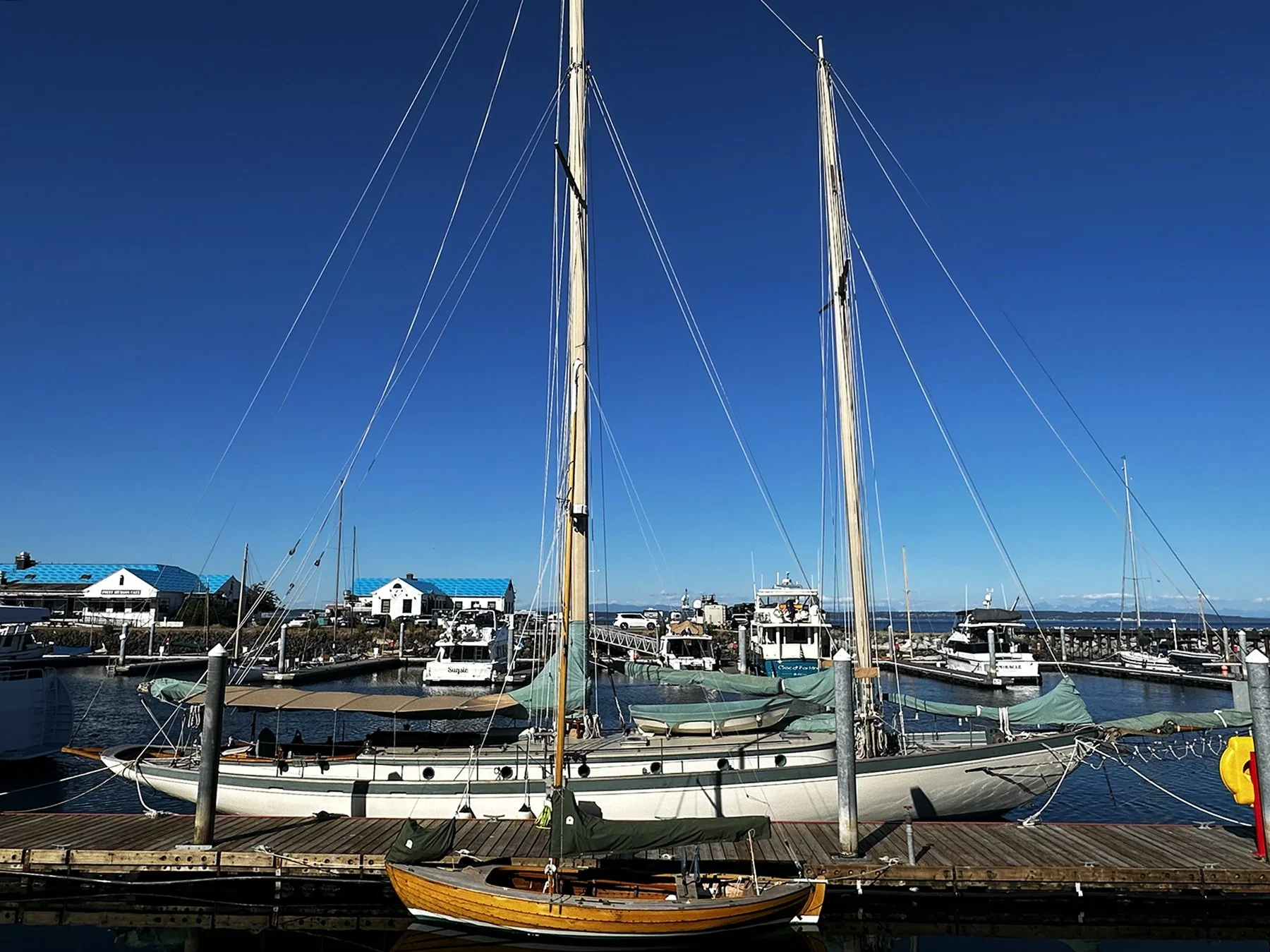
Port Angeles + Port Townsend
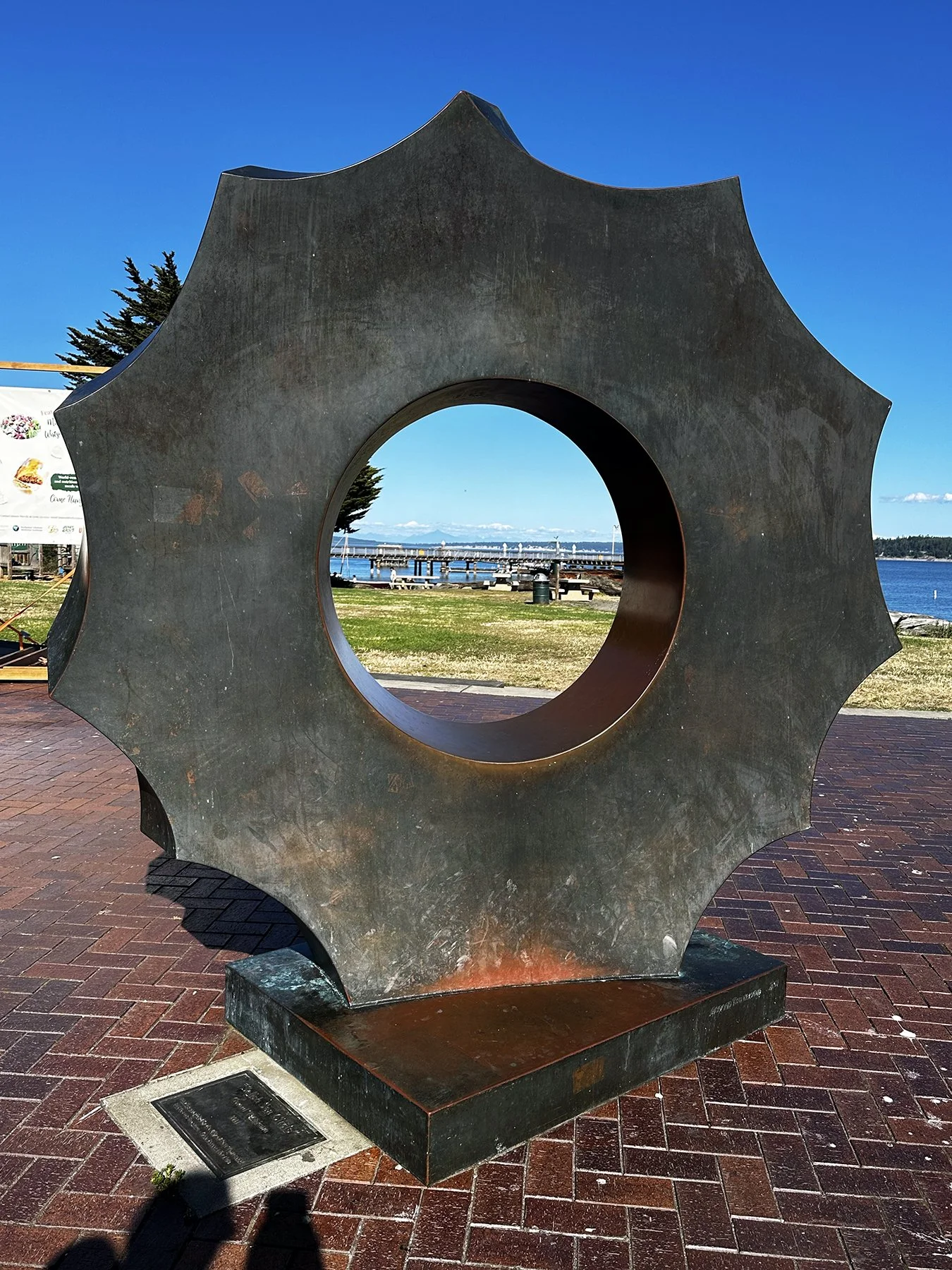
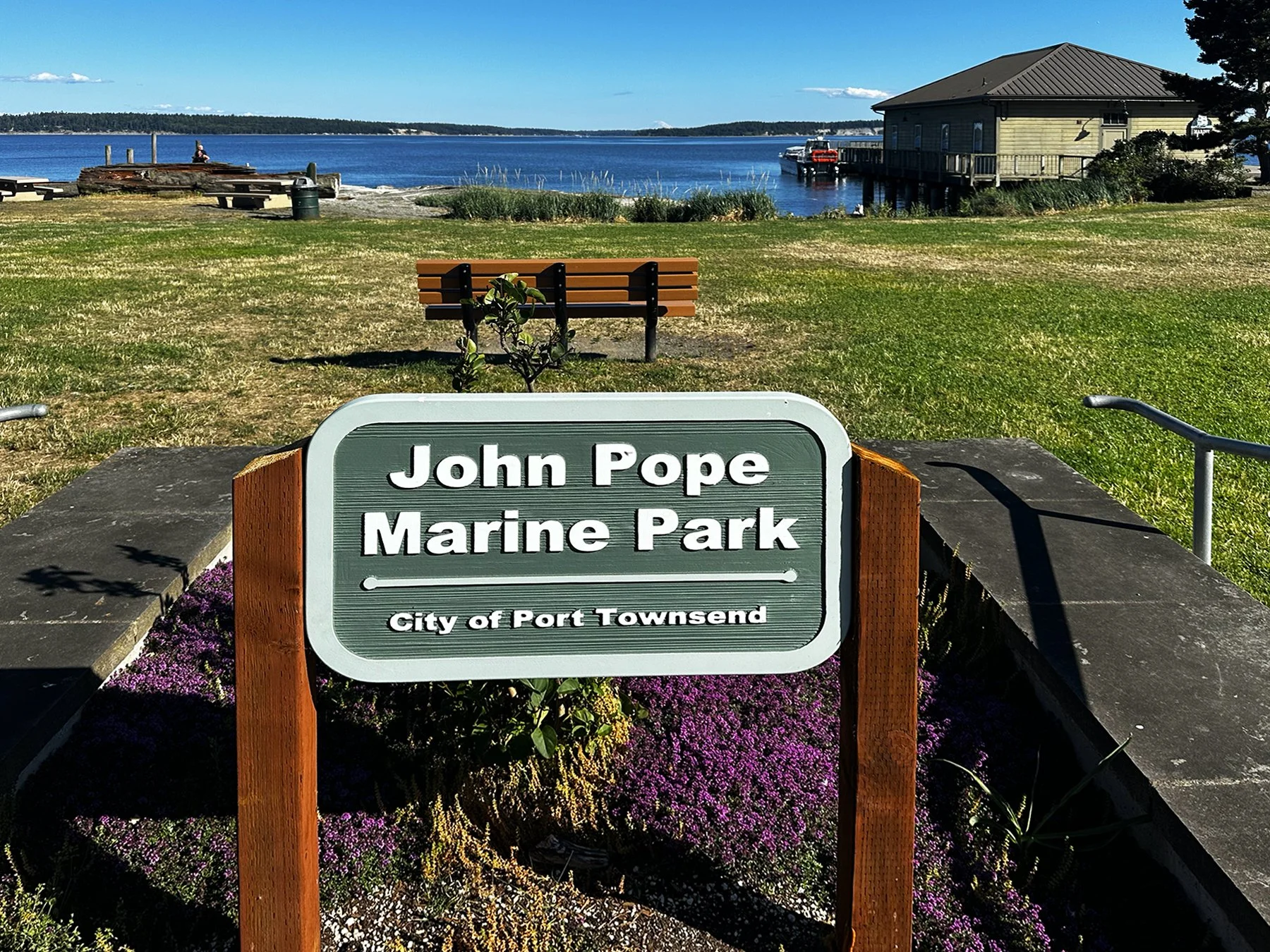
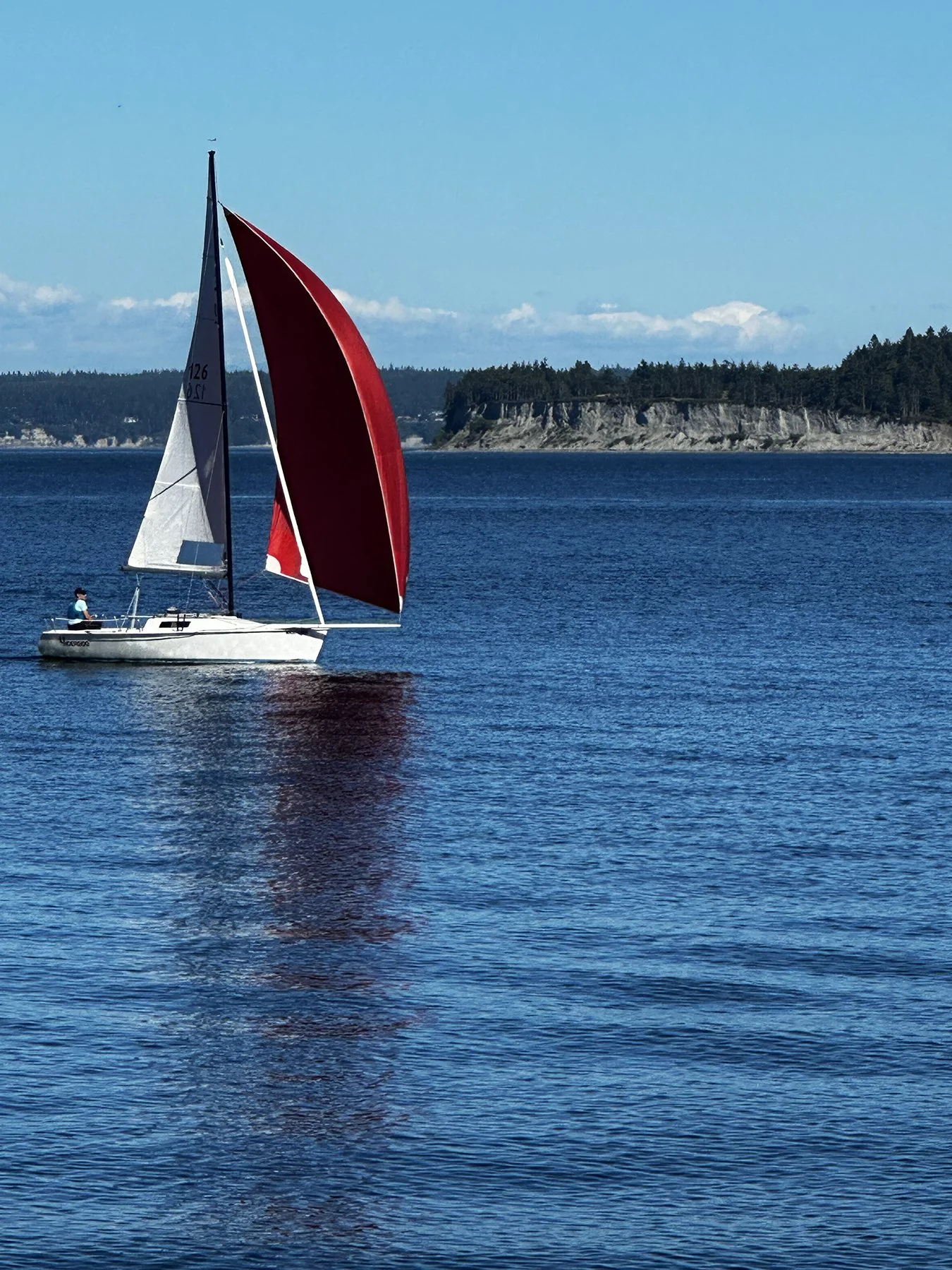
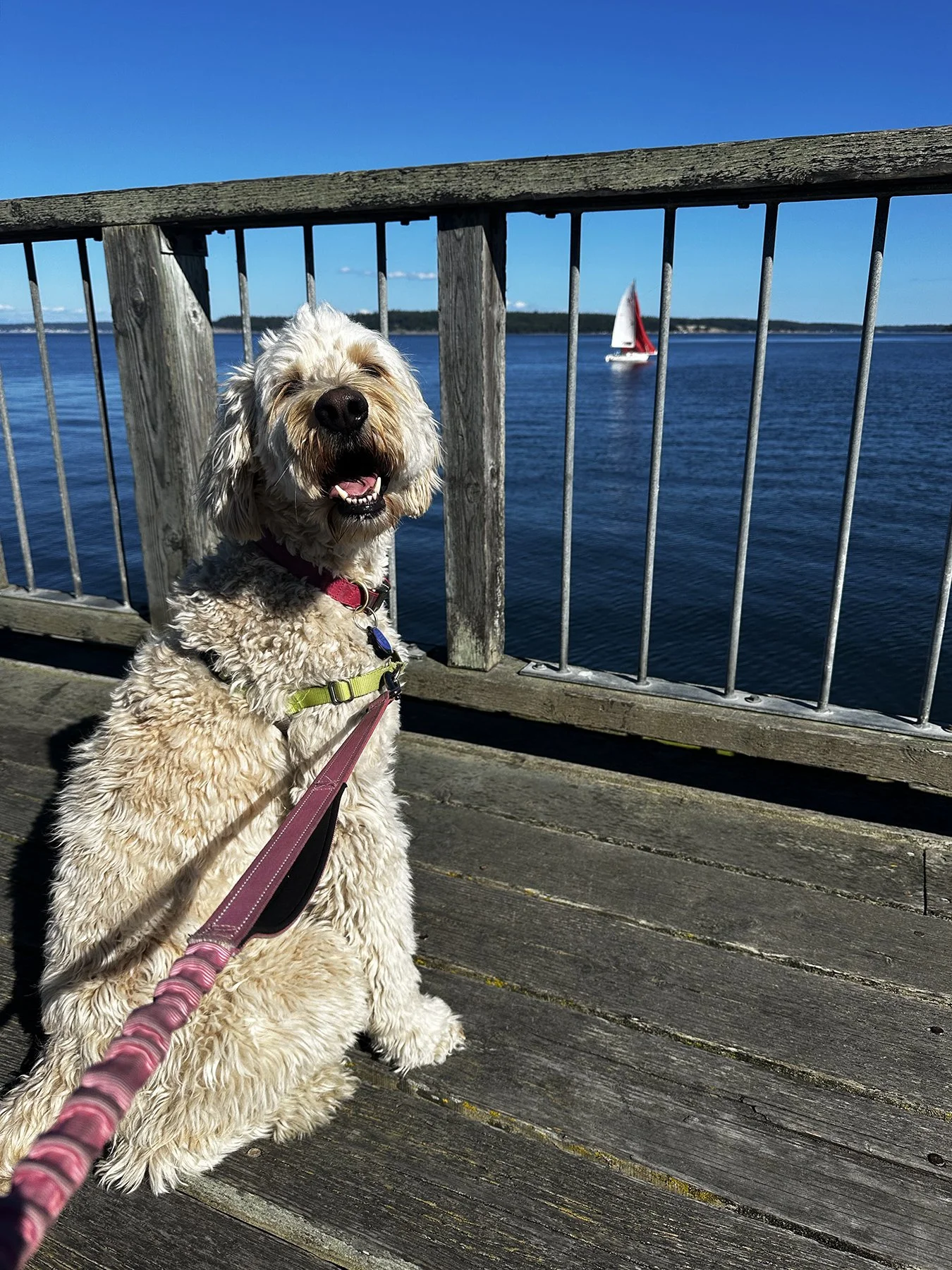
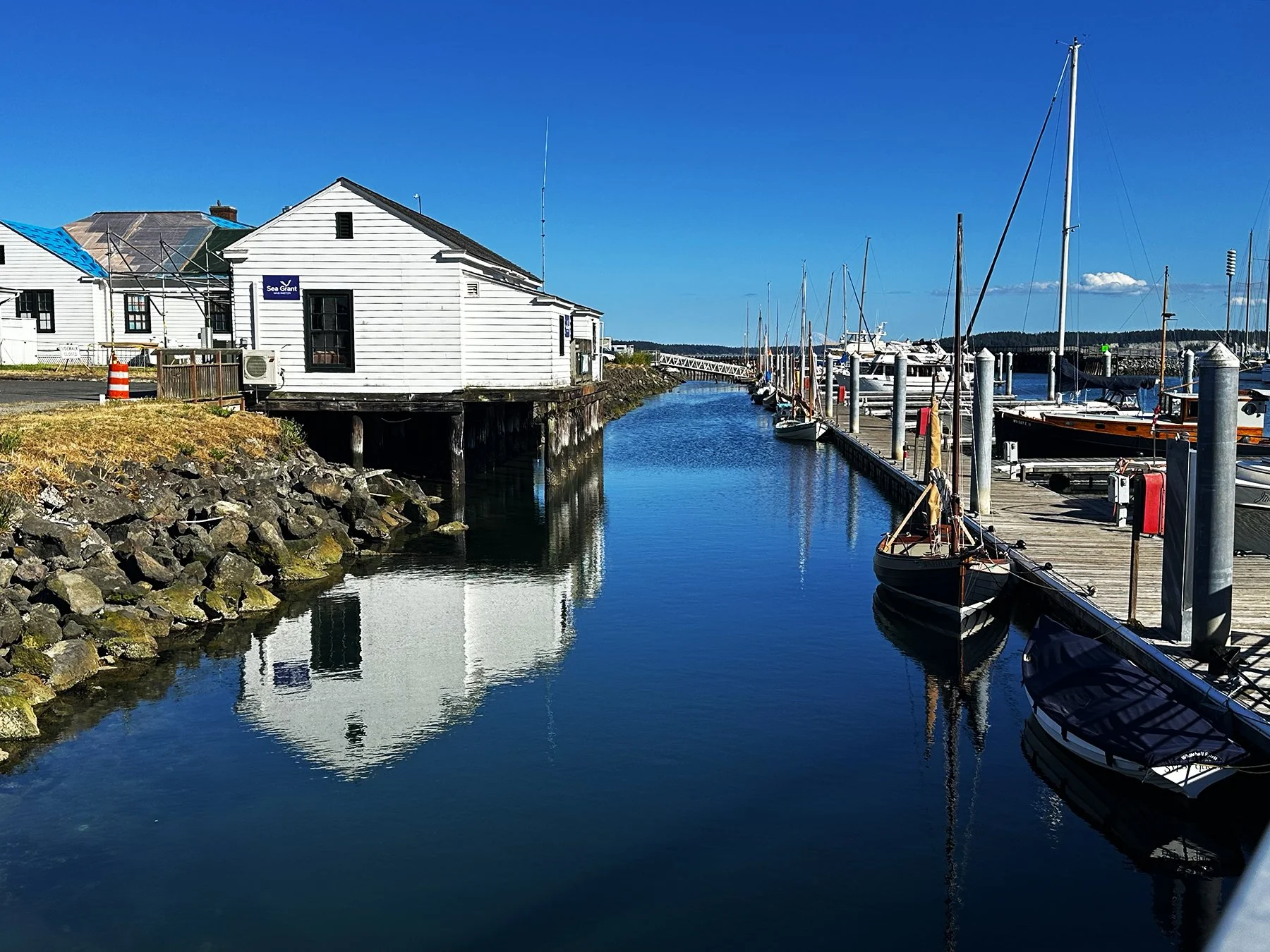
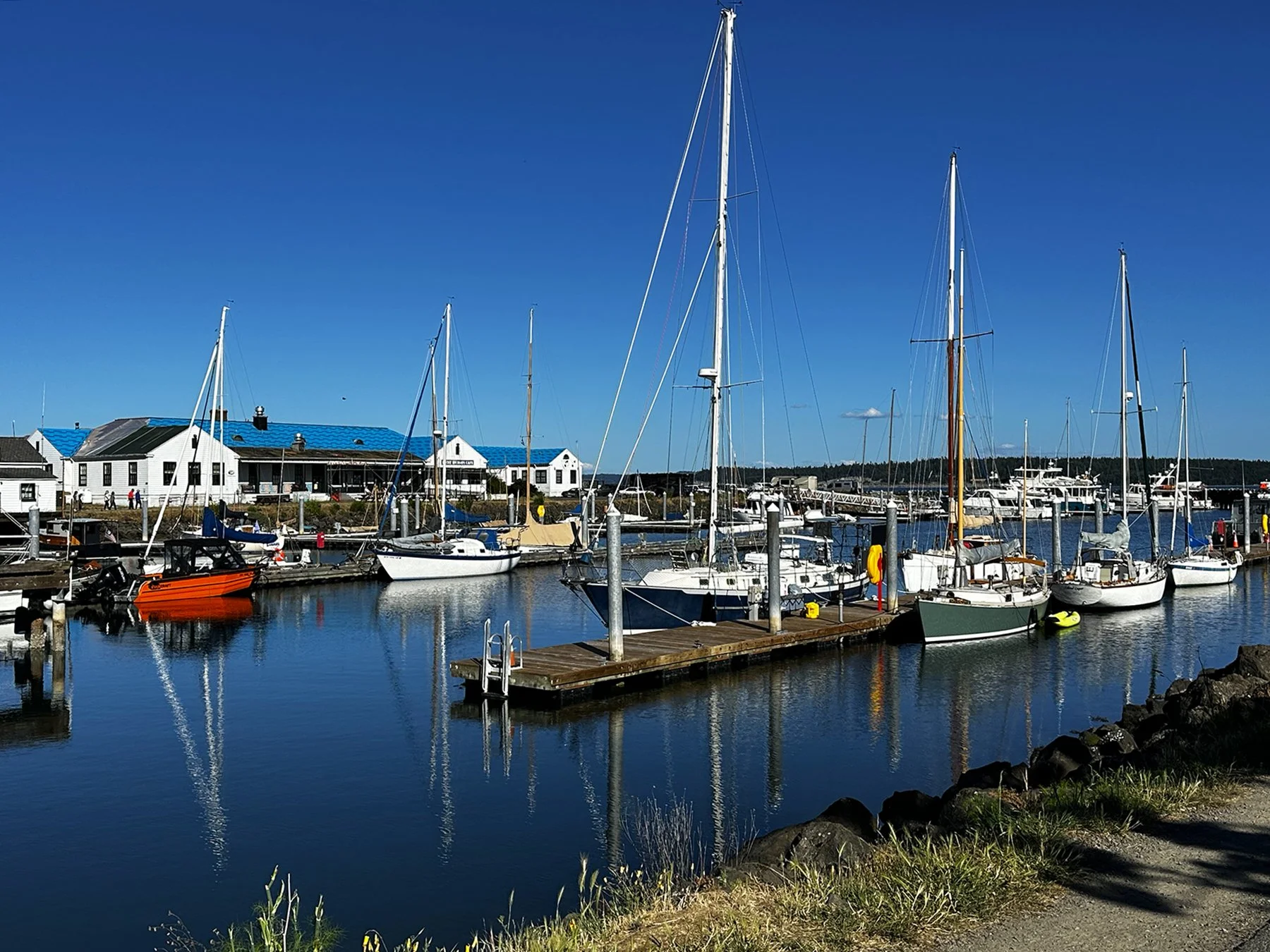
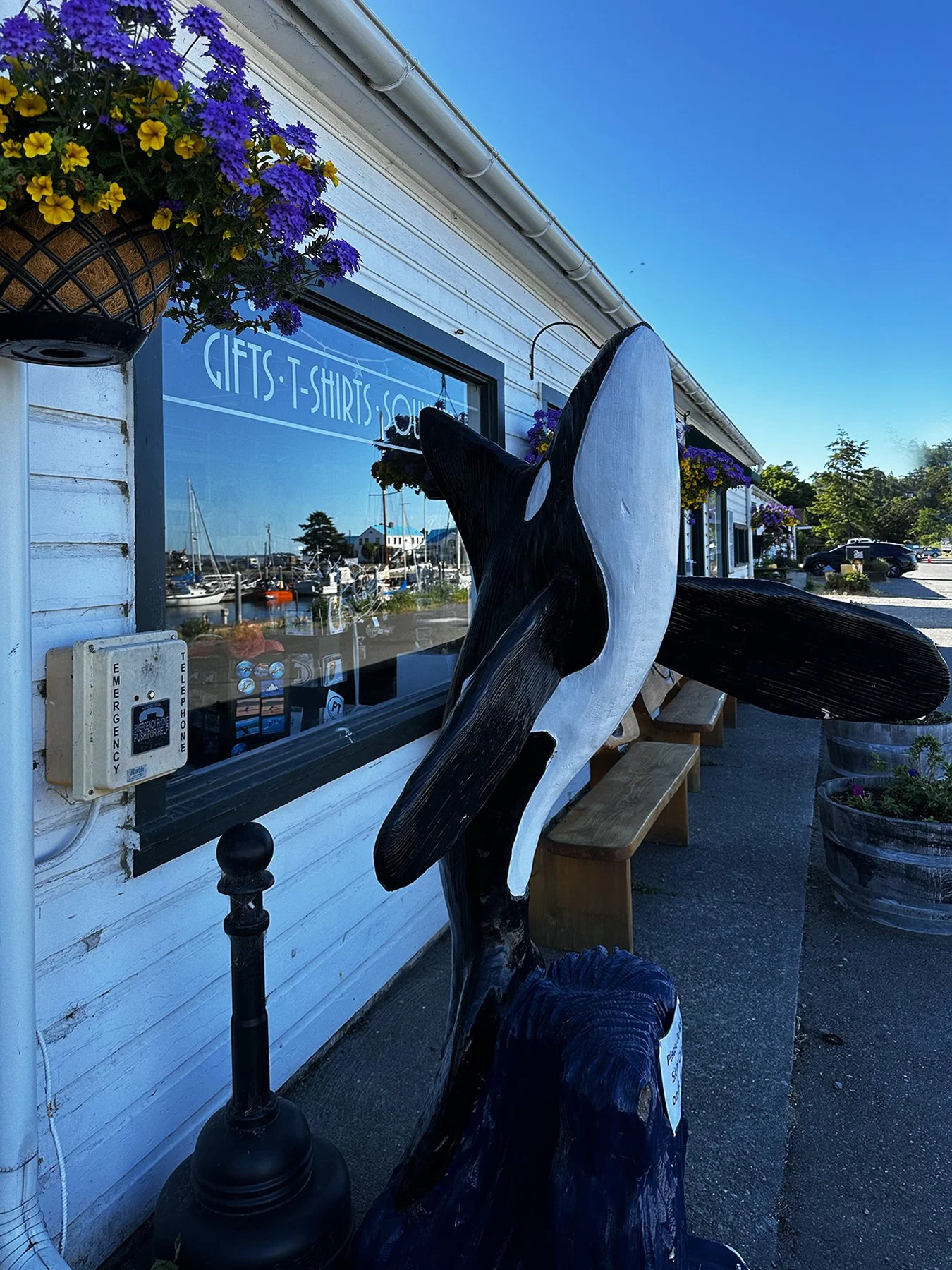
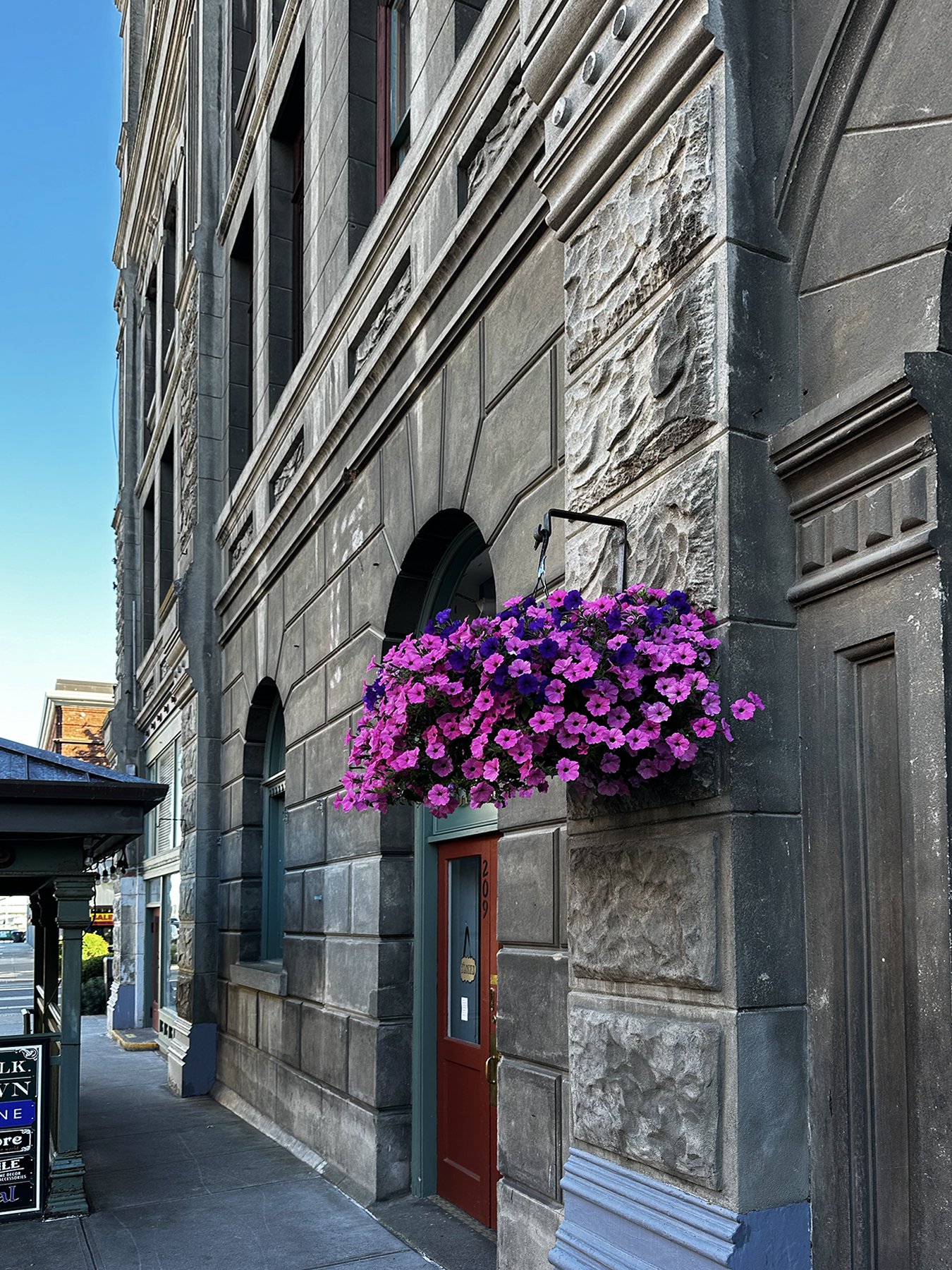
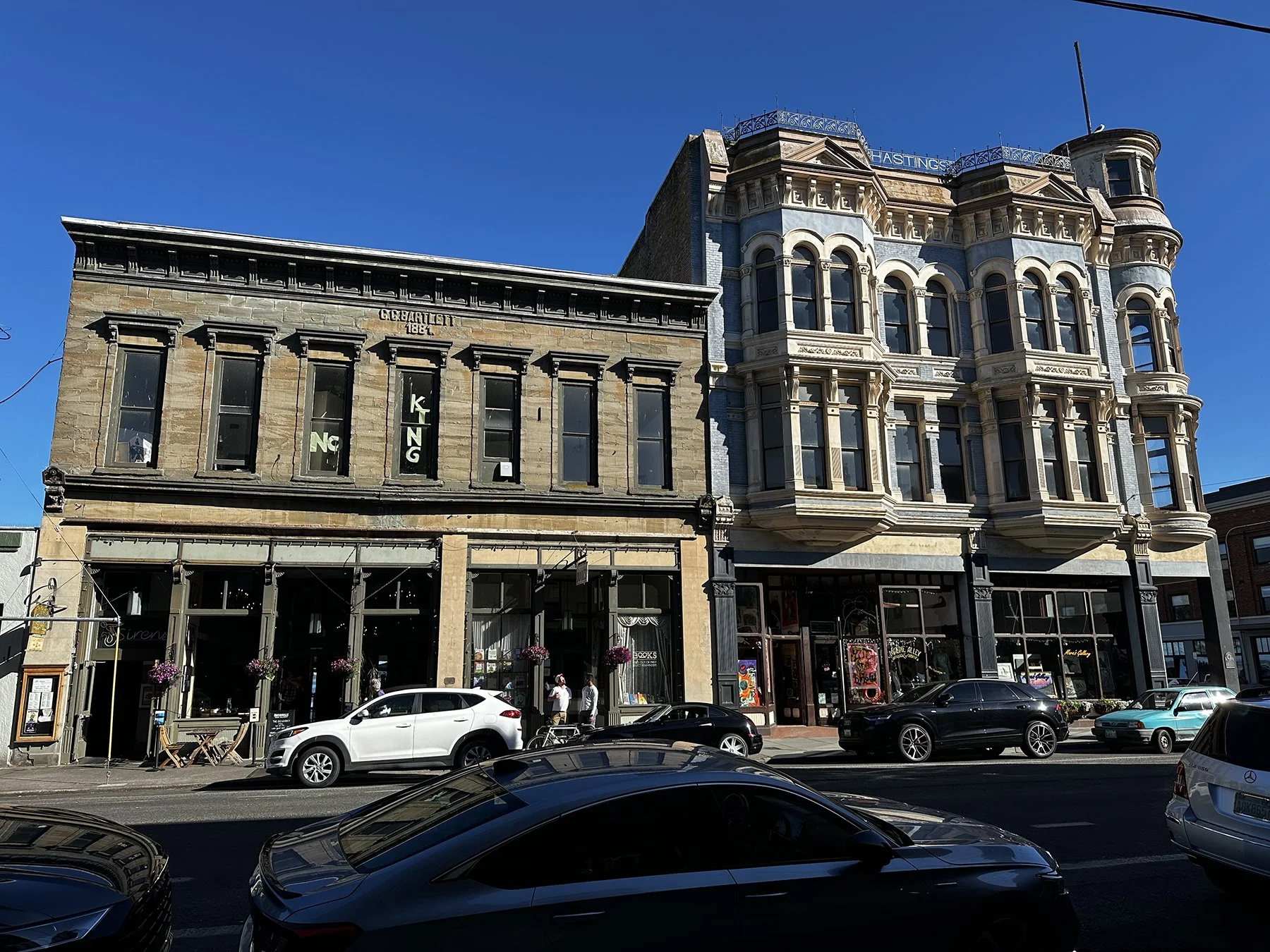
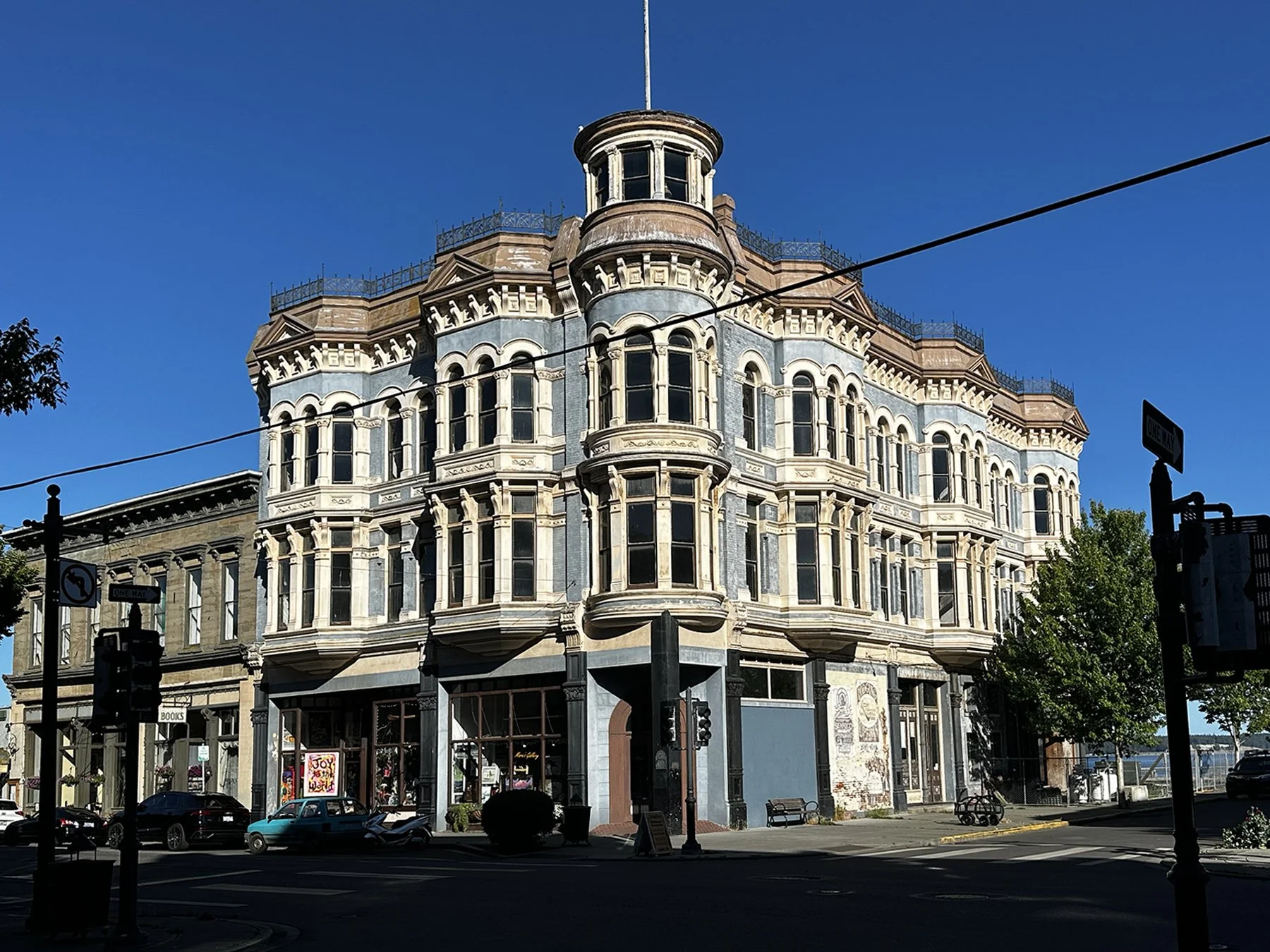
Lake Crescent
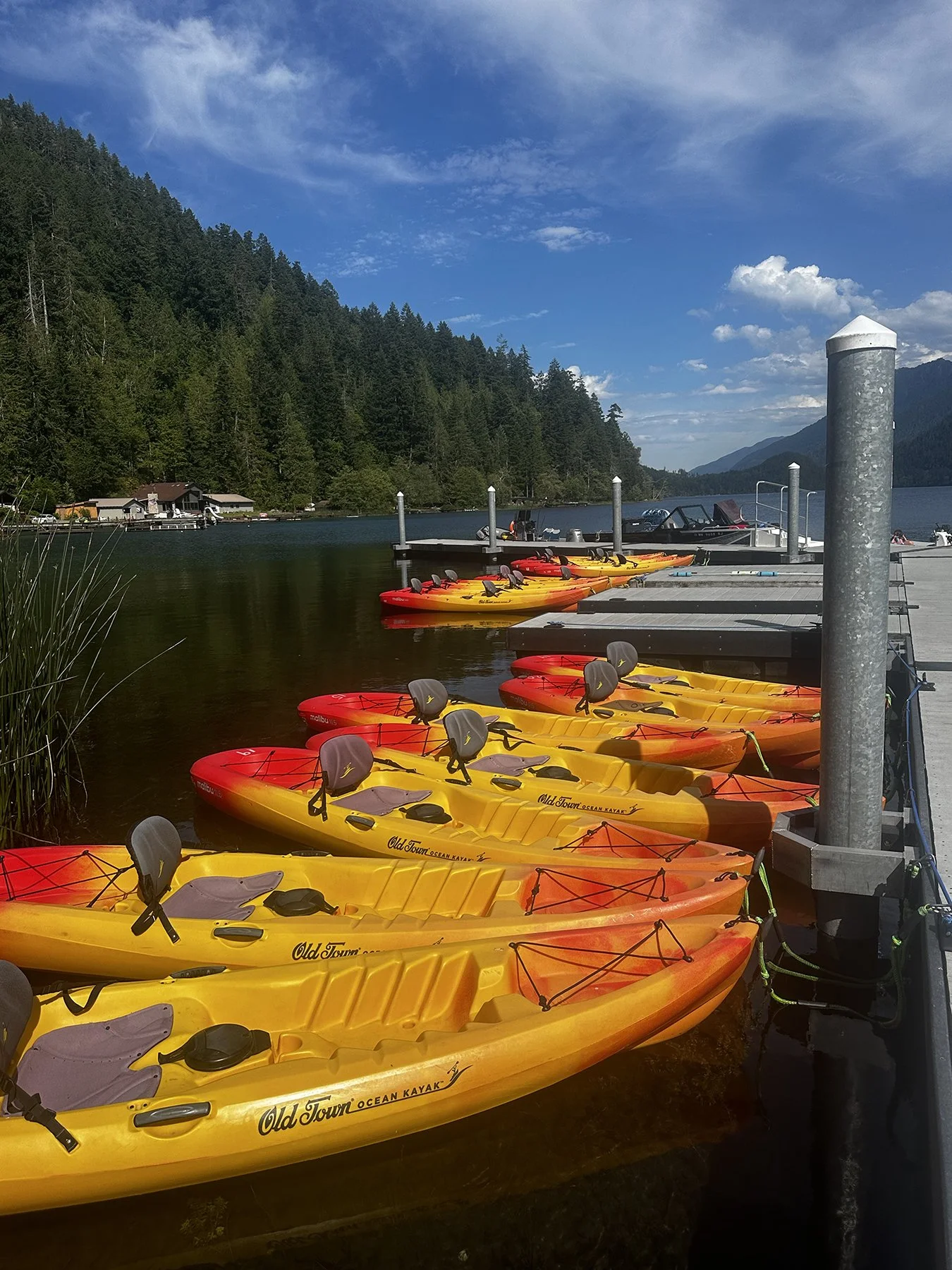
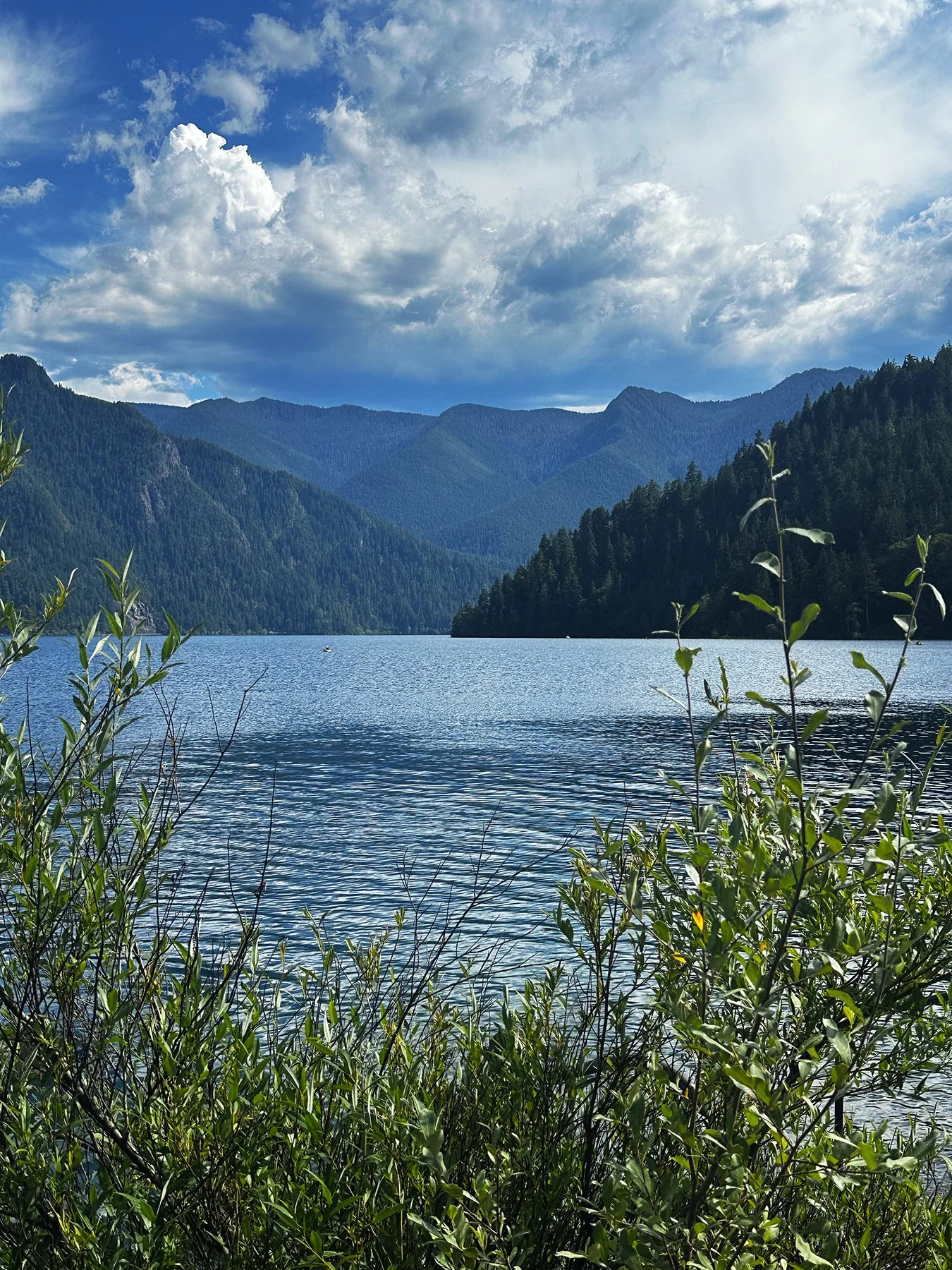
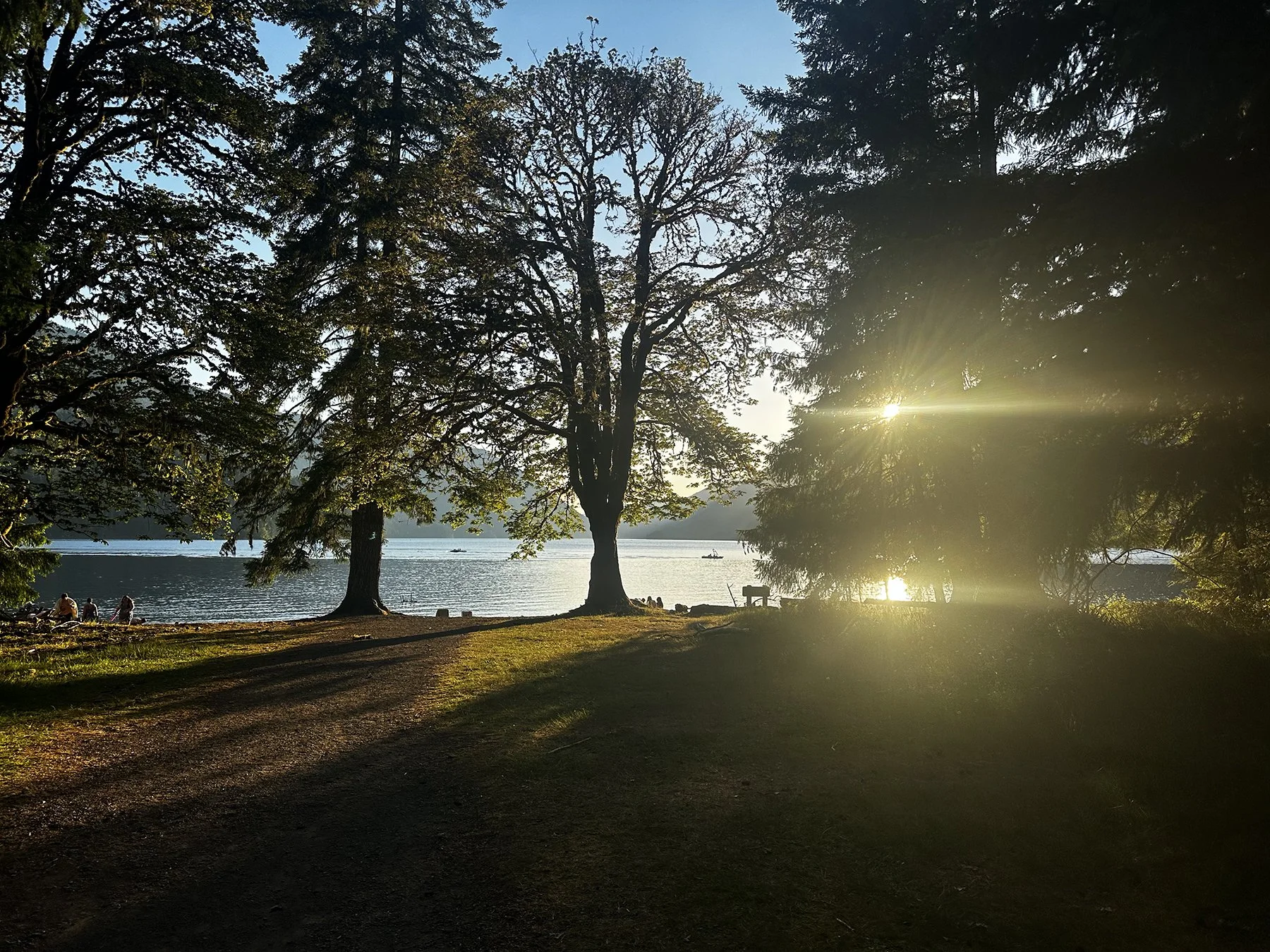
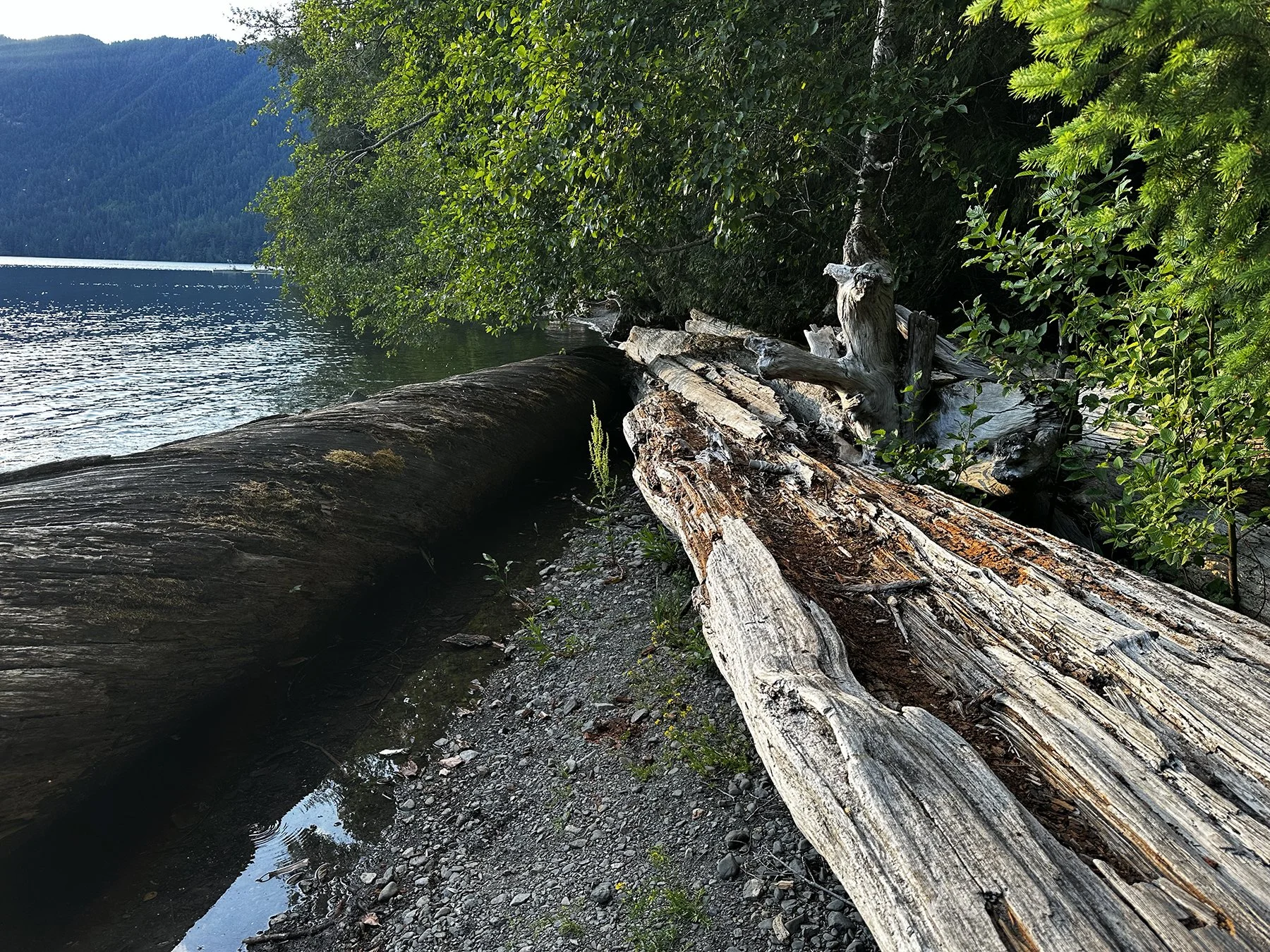
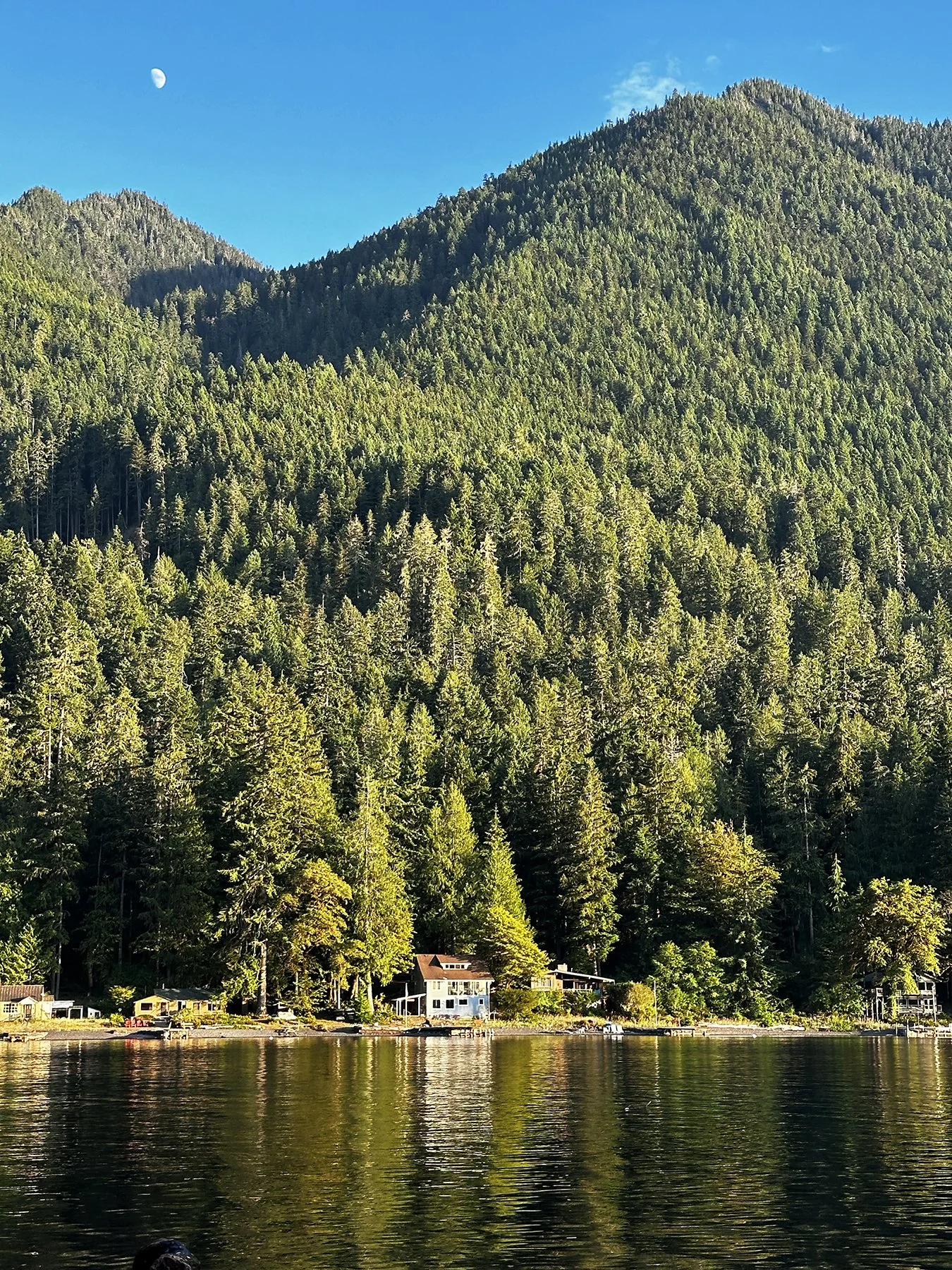
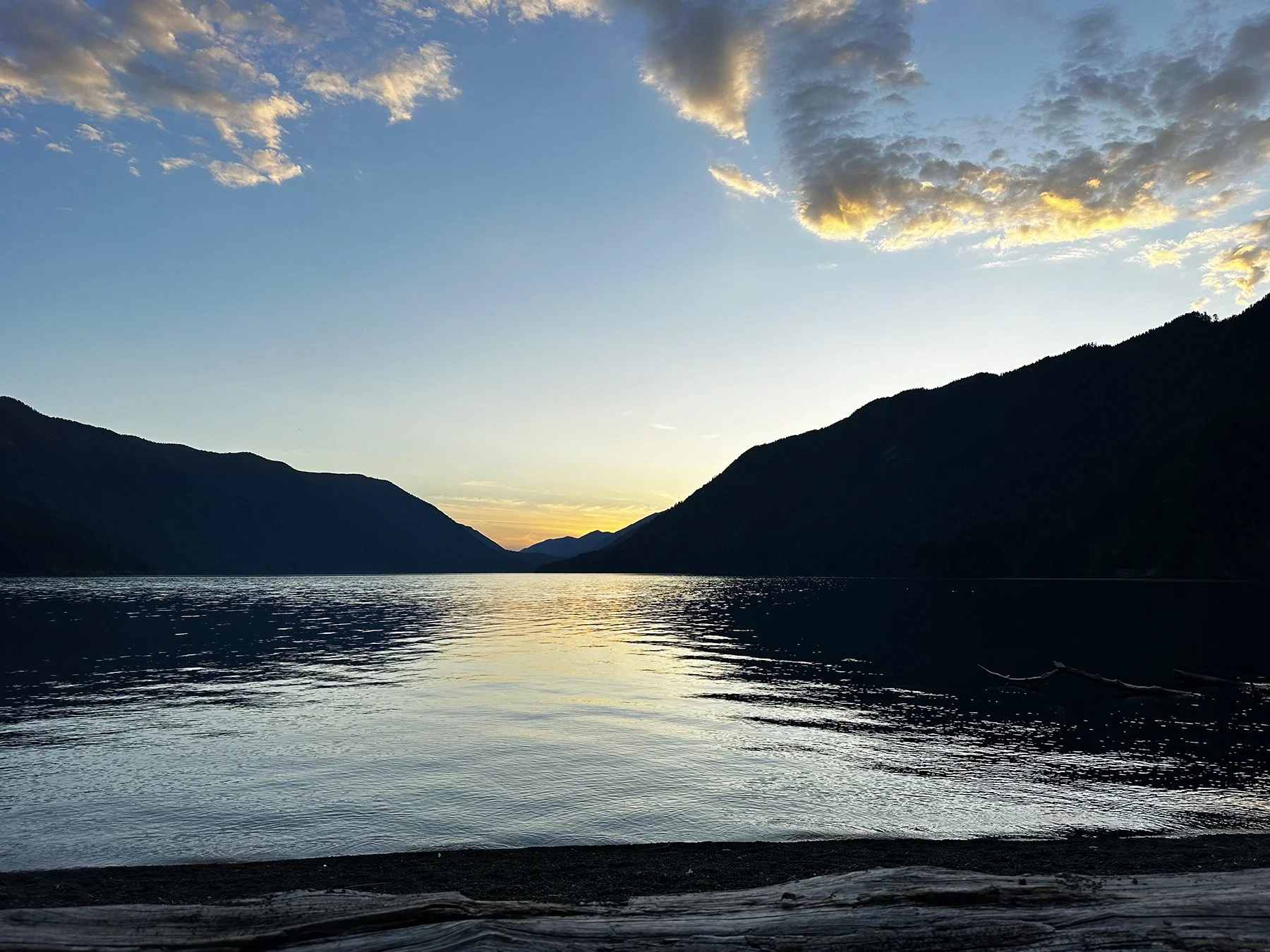
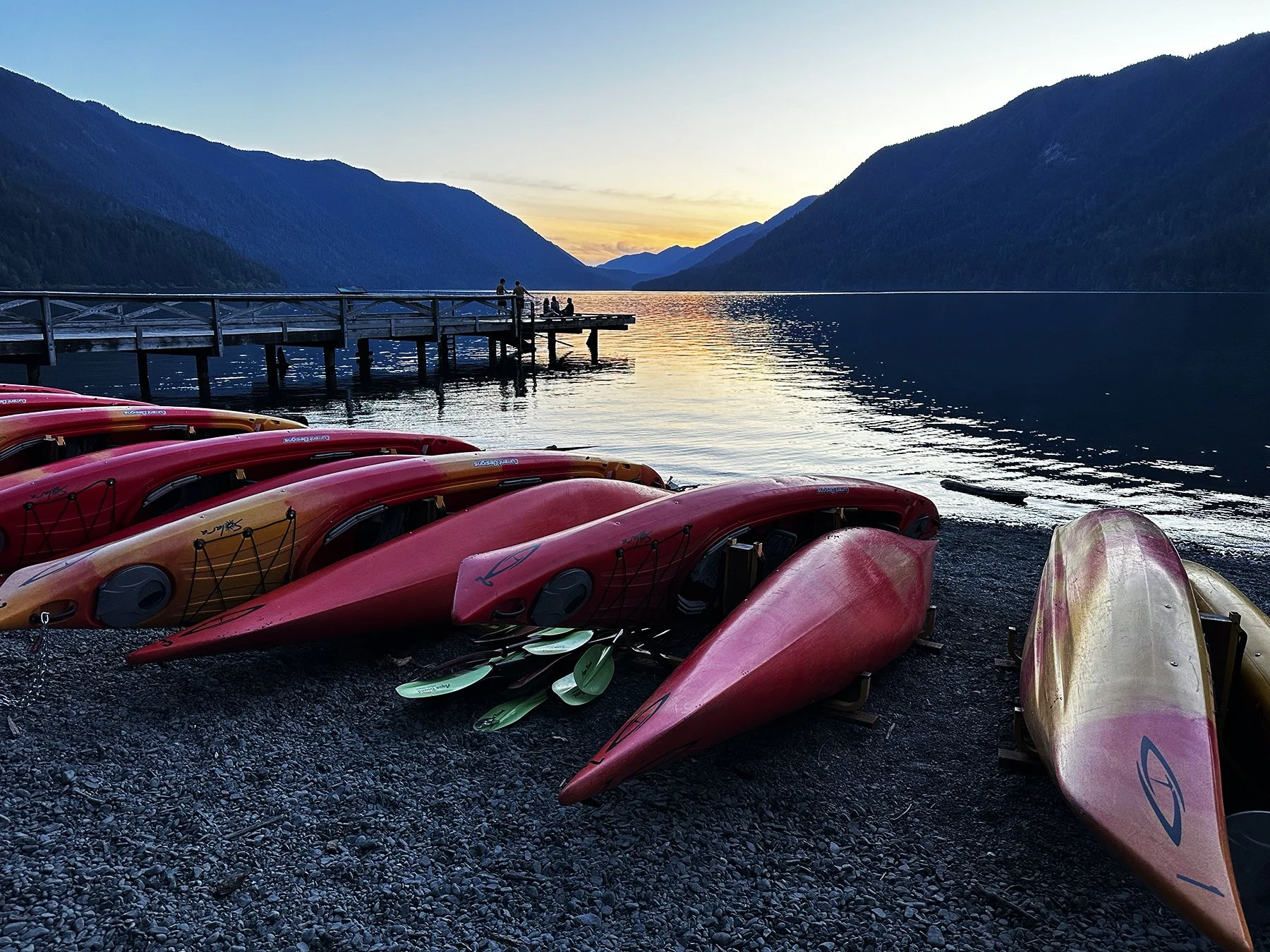
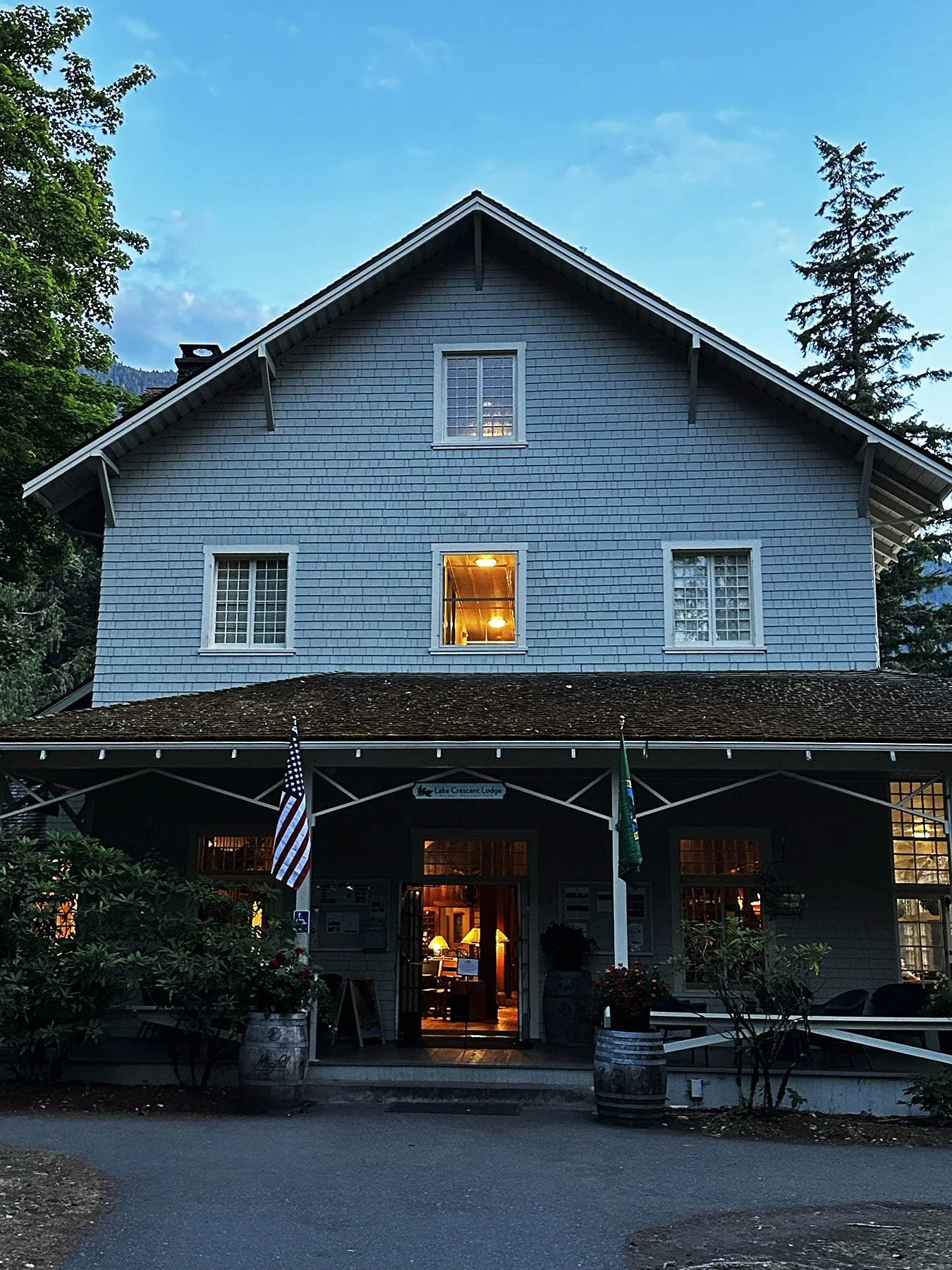
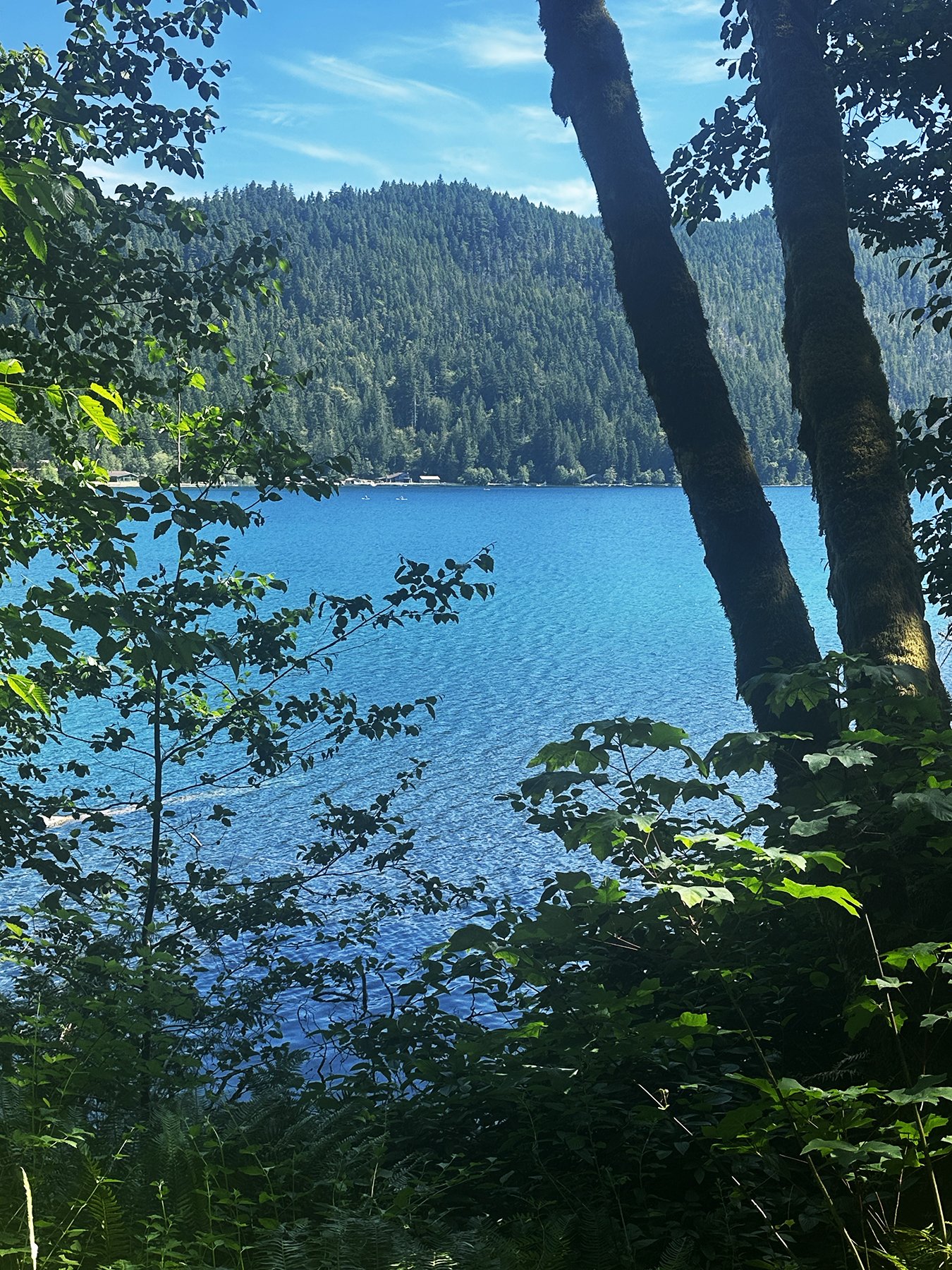
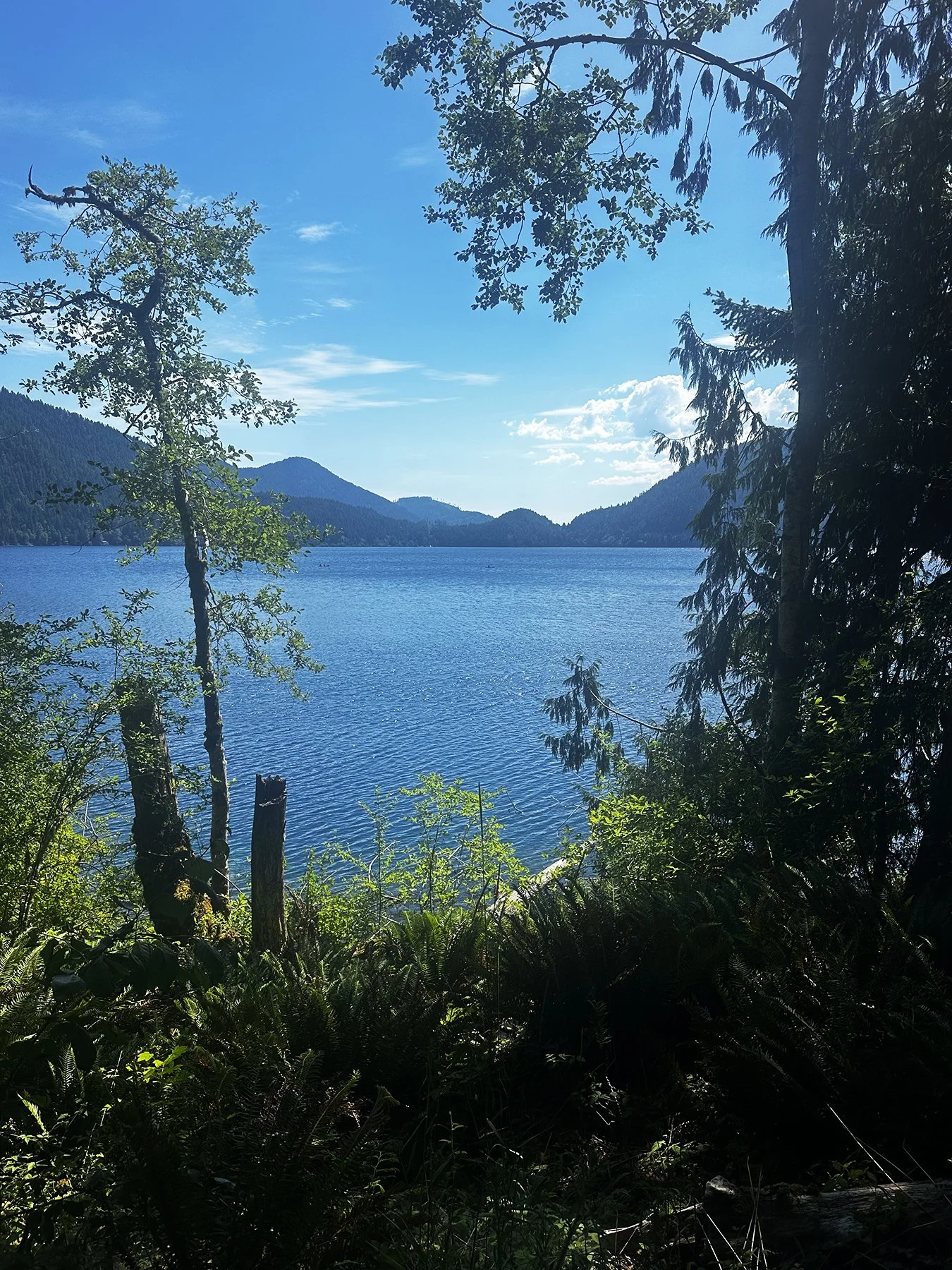
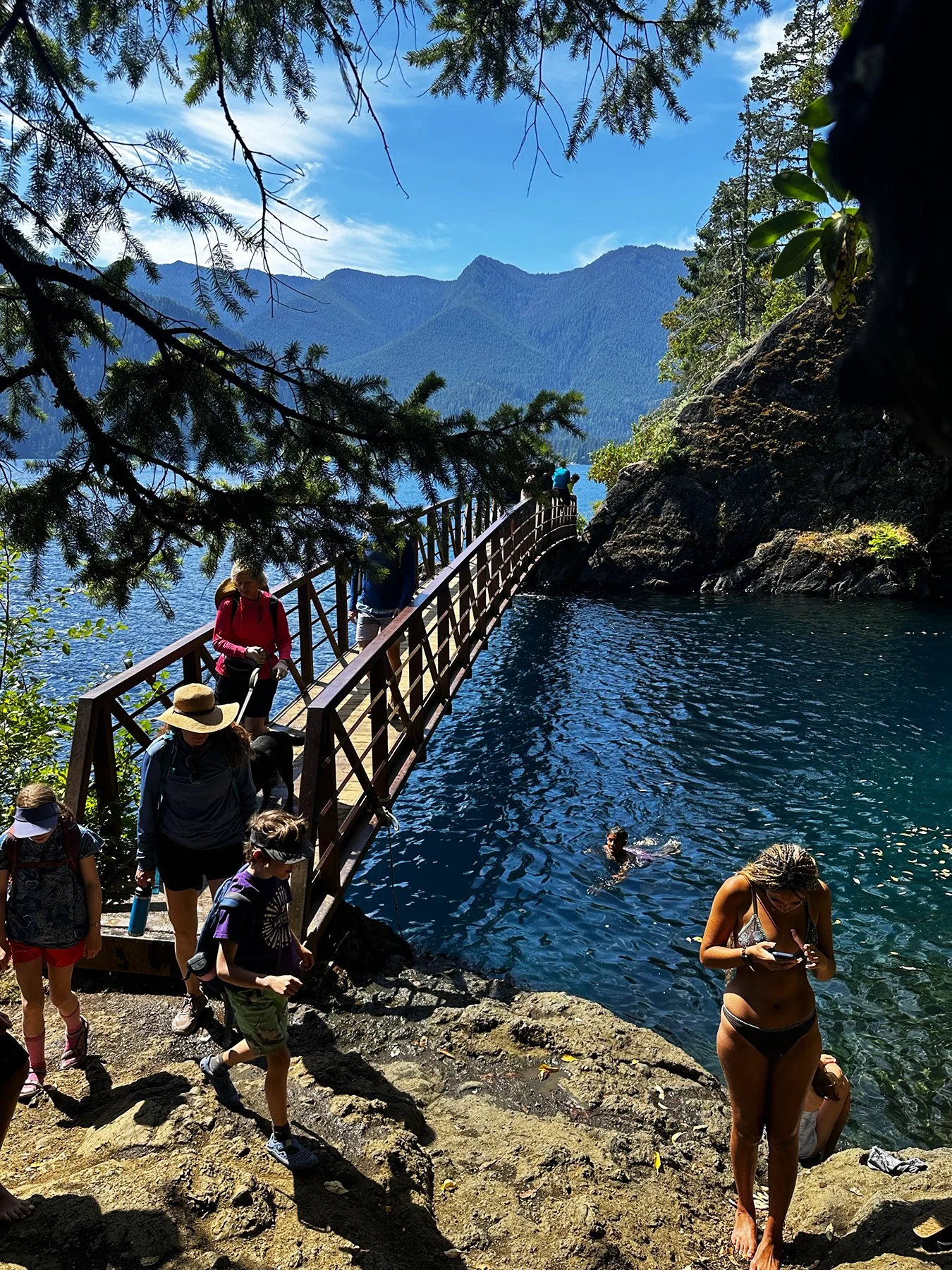
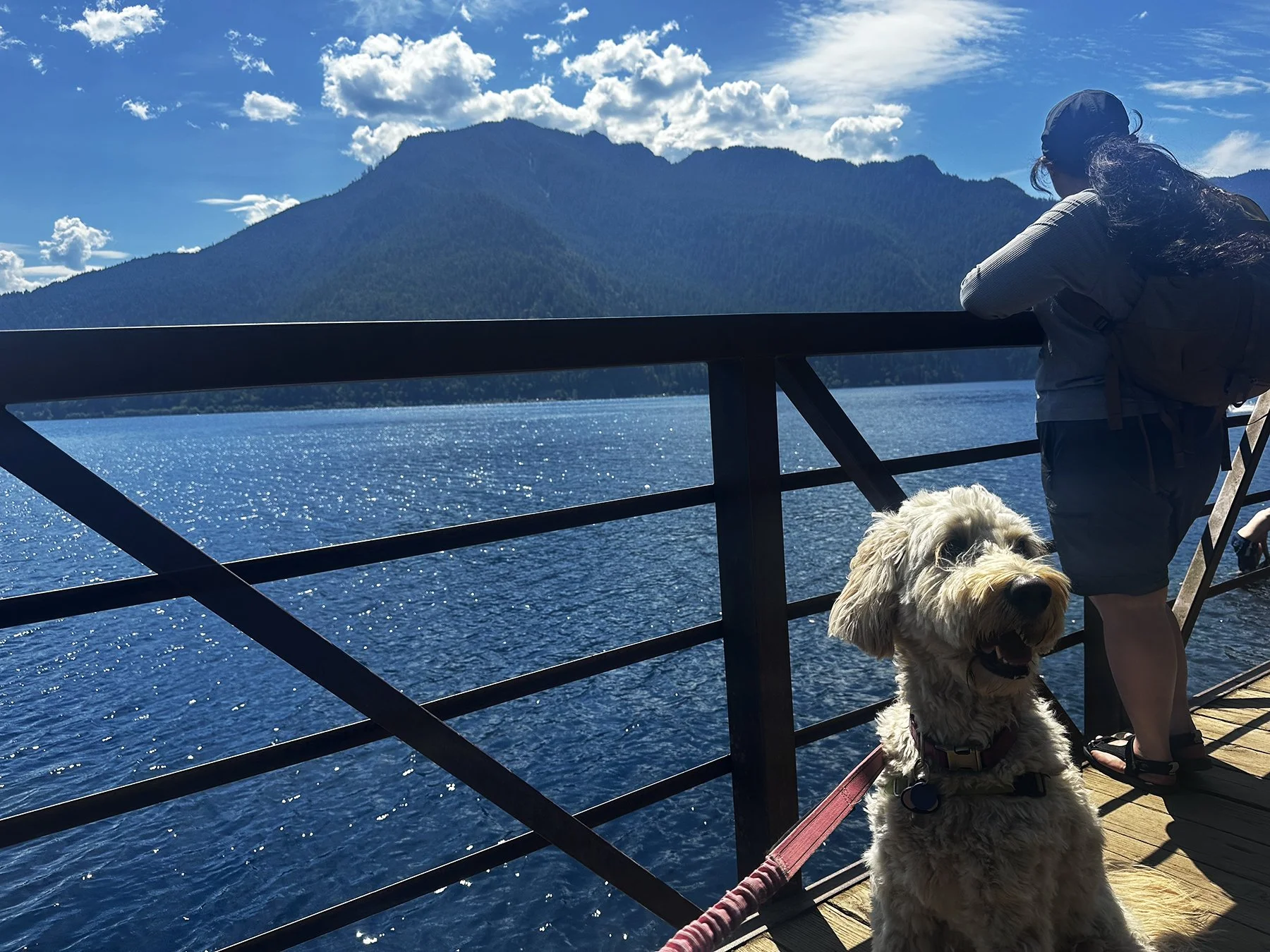
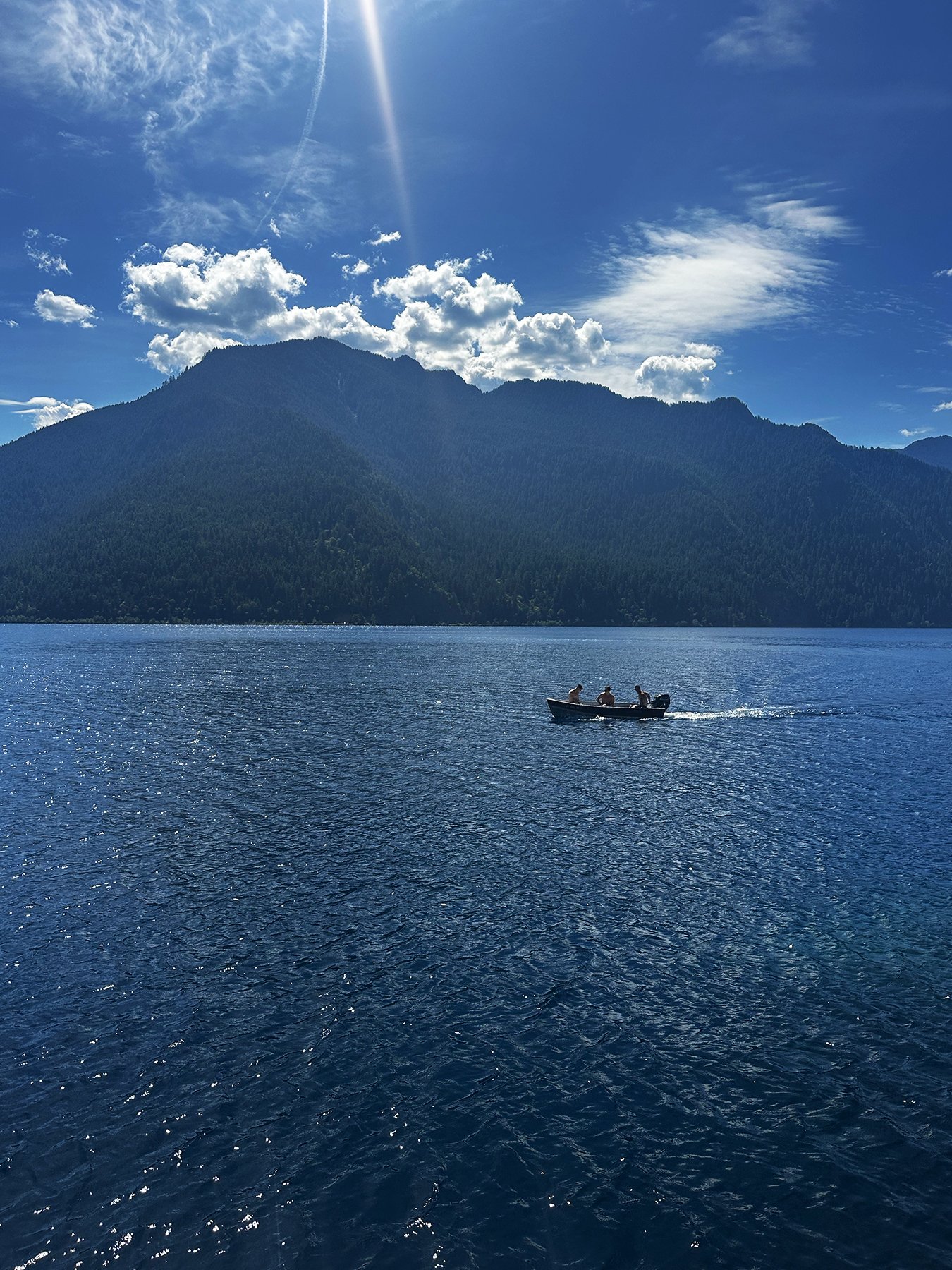
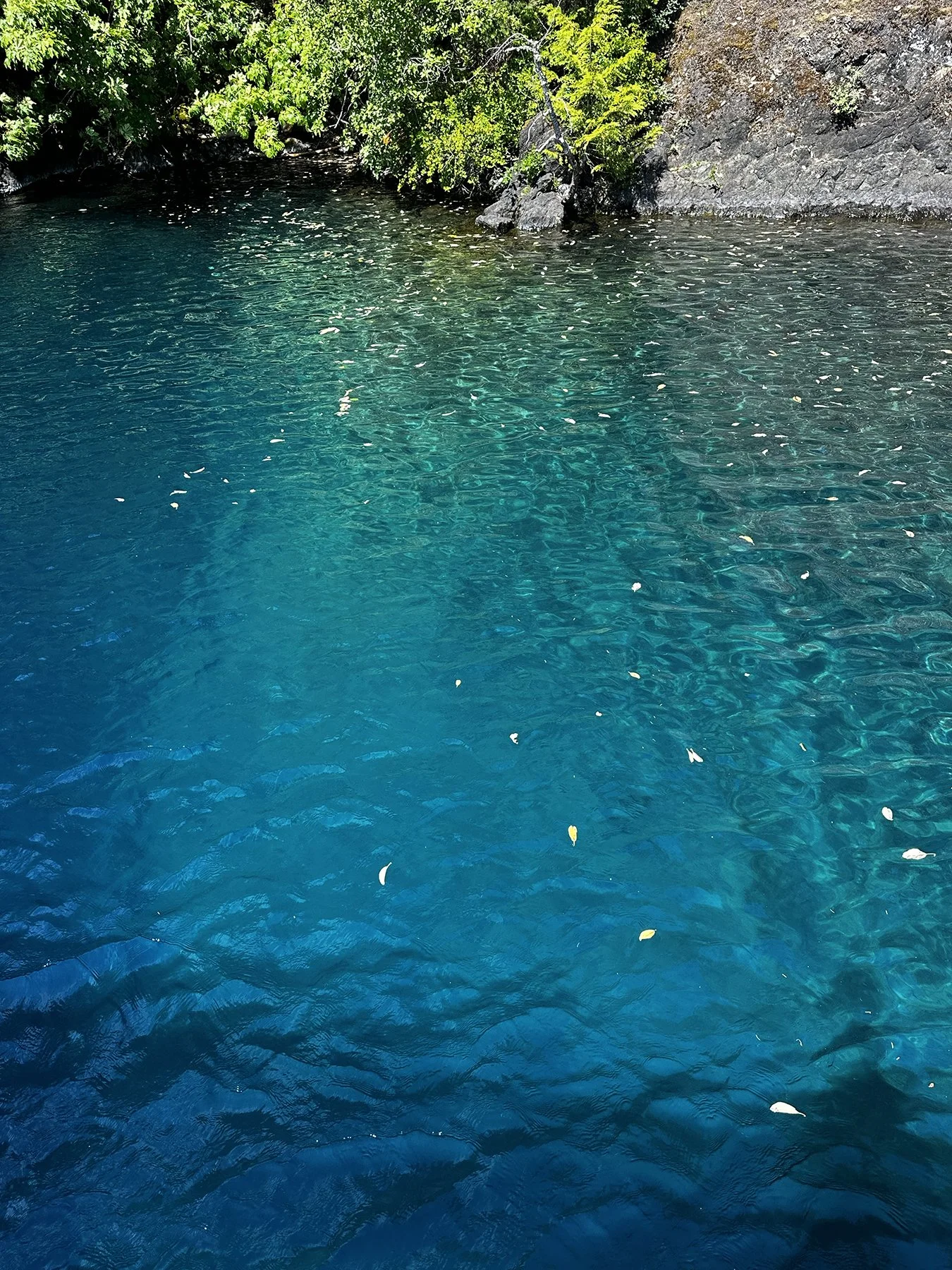
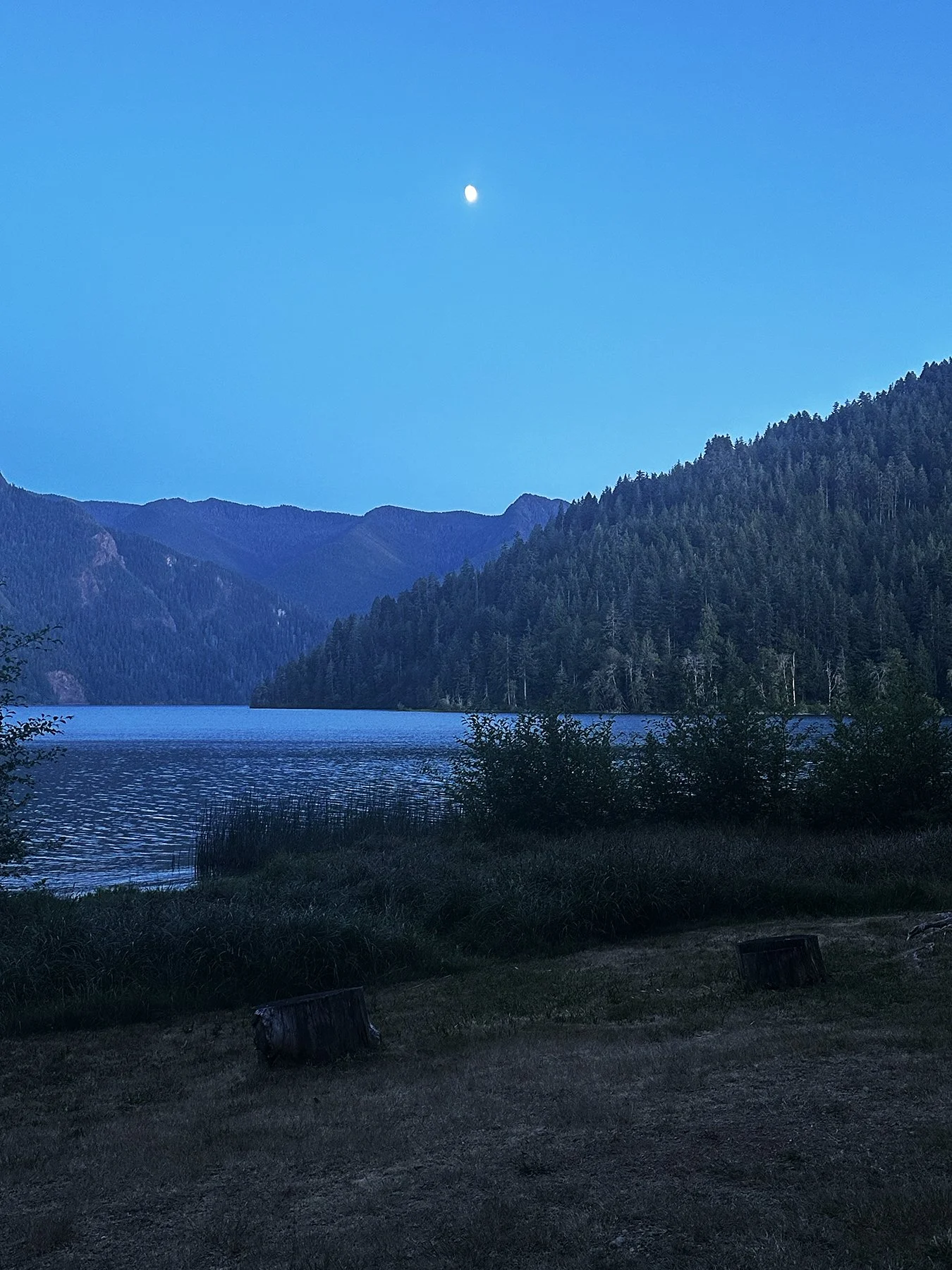
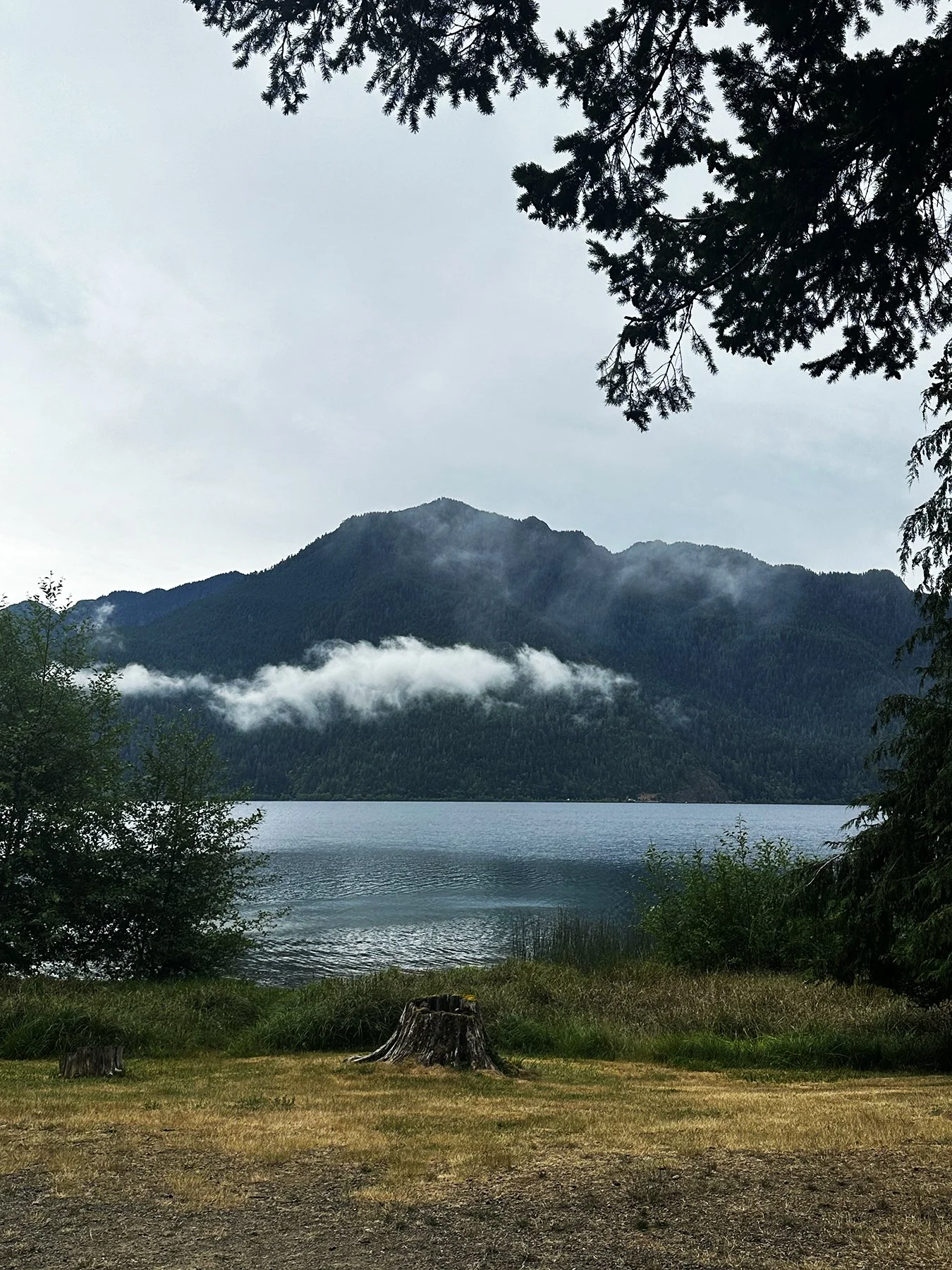
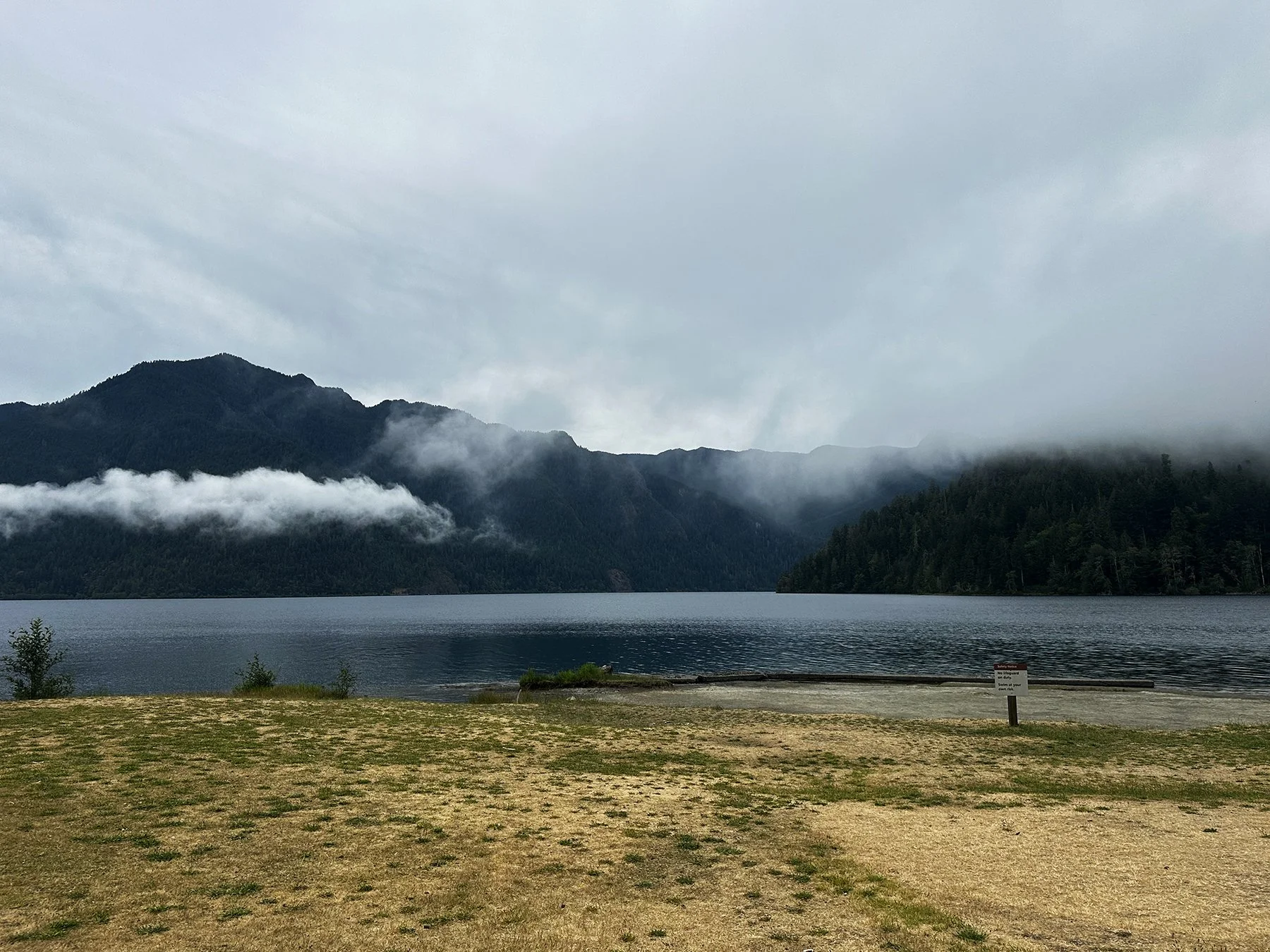
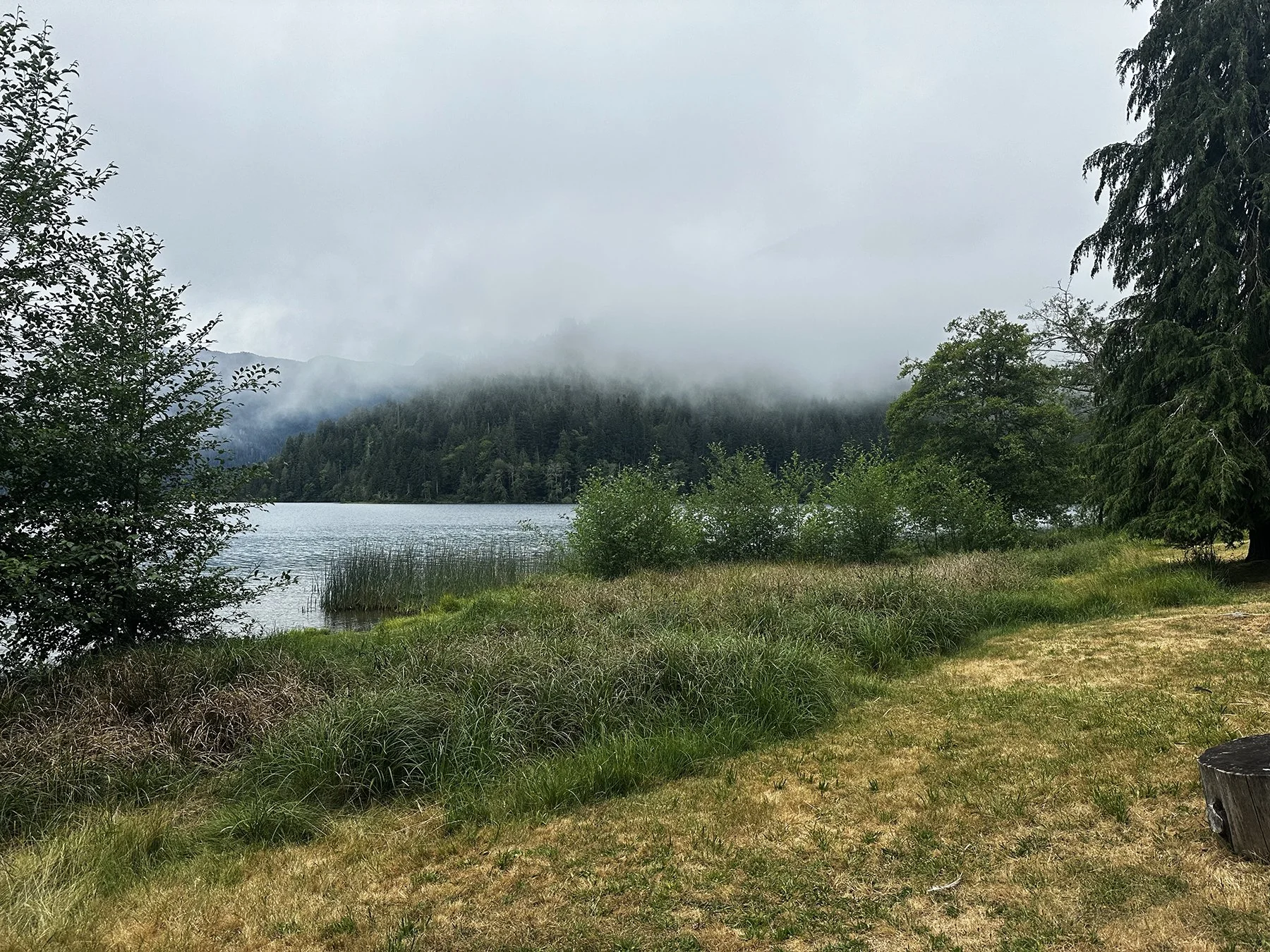
Okay, ya’ll, I found another ridiculously beautiful lake on my journey around the country! This one—Lake Crescent—I’d have to say sits in my top 3, along with Jenny Lake (Grand Teton National Park) and Lake Tahoe. Contained entirely within the Olympic National Park, the valley that holds this stunning blue lake was carved by a vast continental glacier—the ice retreated a mere 13,000 years ago, leaving a lake. Sometime after that, a series of landslides dammed the lake, raised the water level and partitioned off Lake Sutherland to the east. It is famous for its exceptionally clear, blue water and surrounding old-growth forests. It is the second-deepest lake in the state, with depths over 600 feet. I was fortunate to stay at a campground that was right on the edge of the lake. Oh, and Crescent Lake is COLD!! When it comes to getting in cold water (literally, not figuratively!), I am President of the One Inch at a Time Club. Why do I do this to myself? I wasn’t sure if it was worth risking a heart attack by jumping in all at once. Seriously, it’s cold. But people were swimming in it like it was nothing. #somedaythatwillbeme
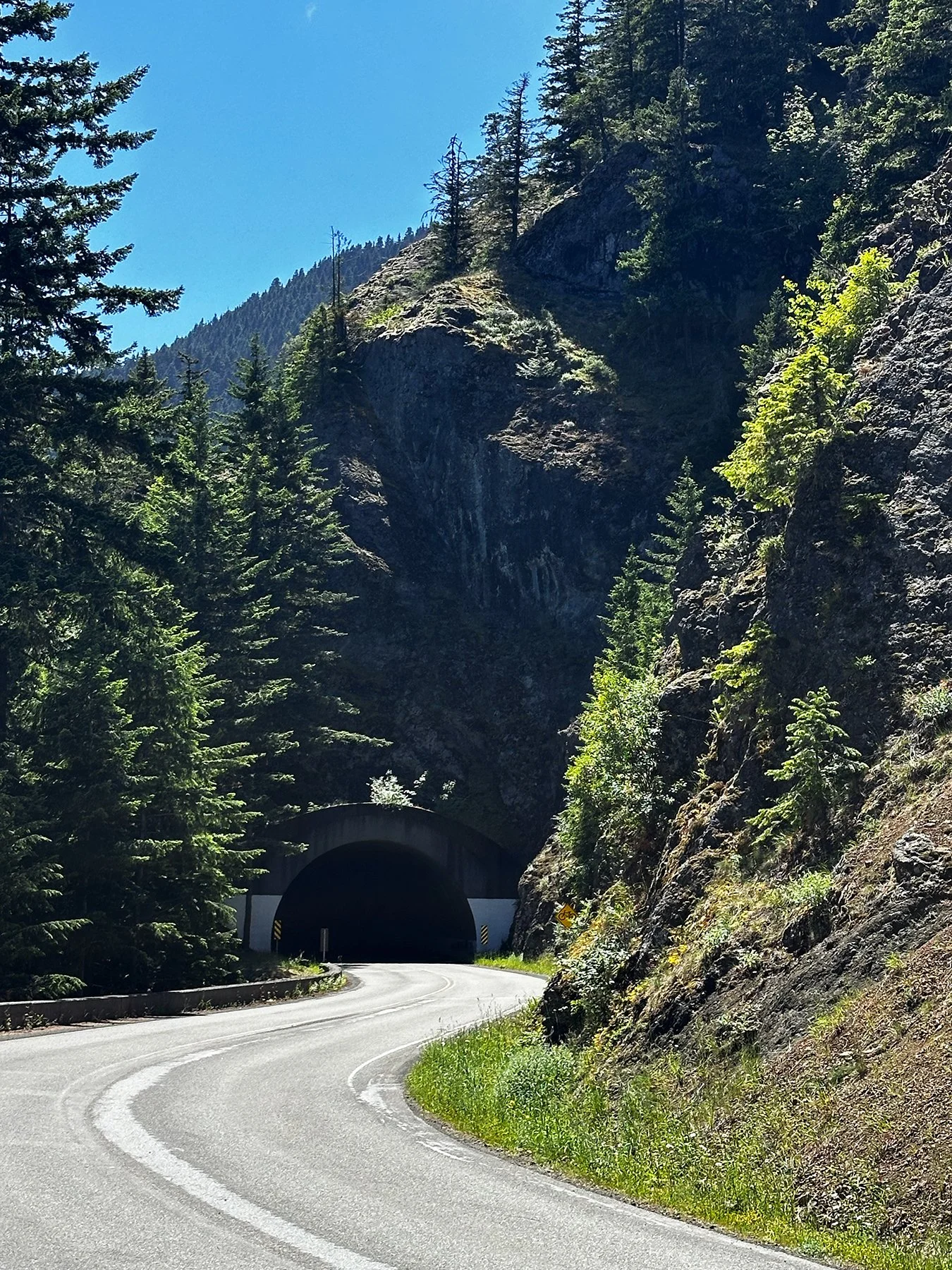
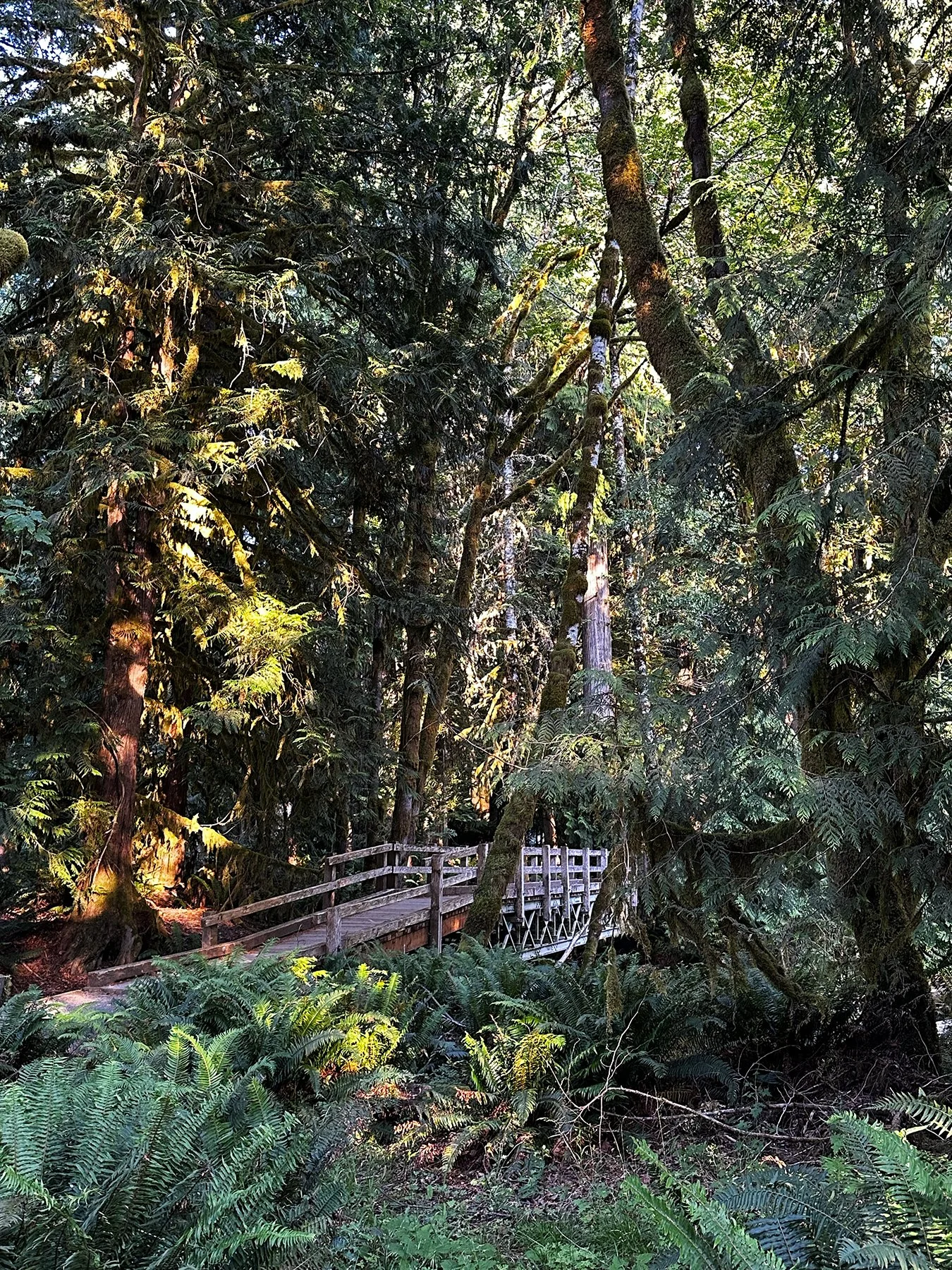
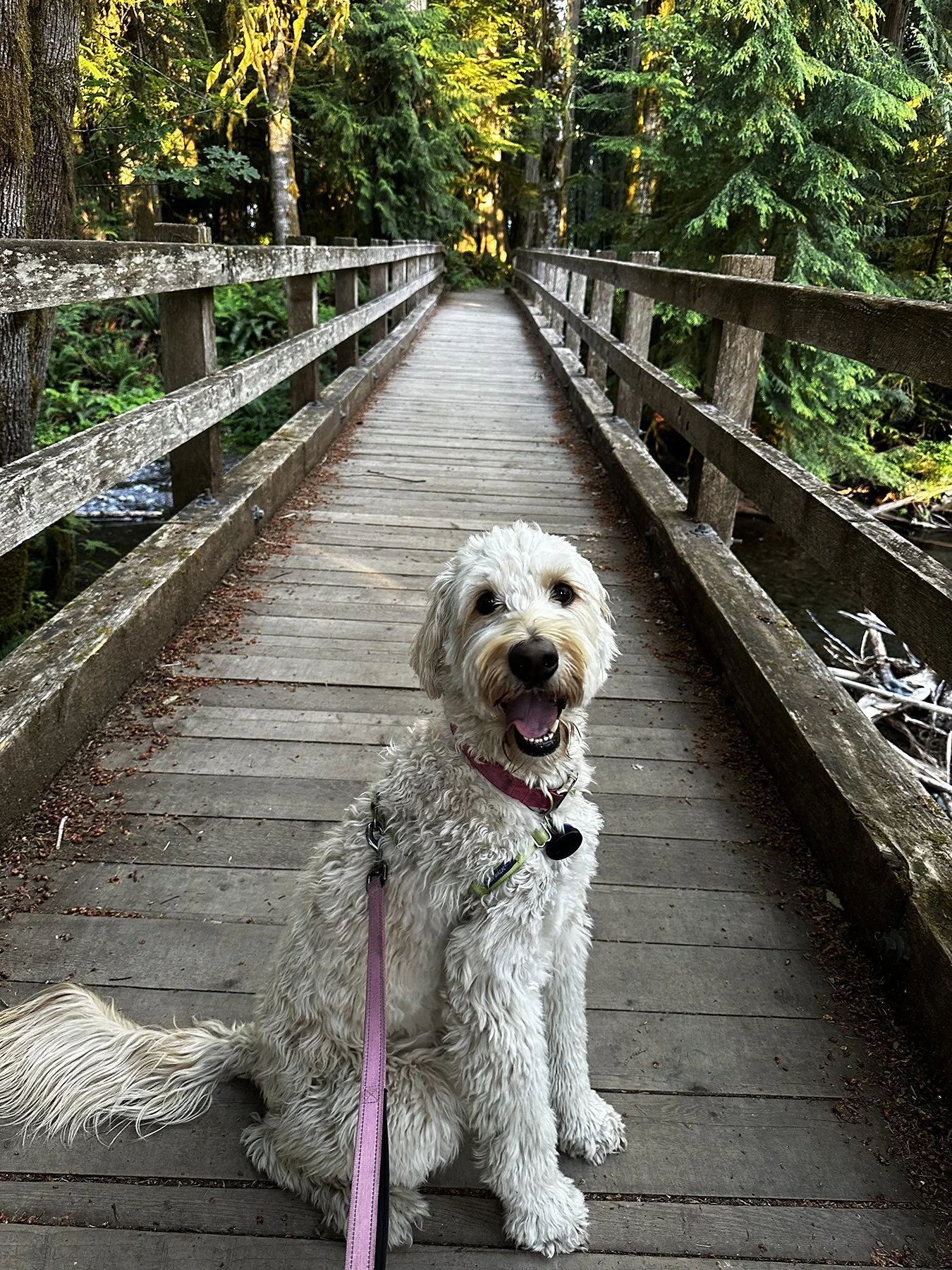
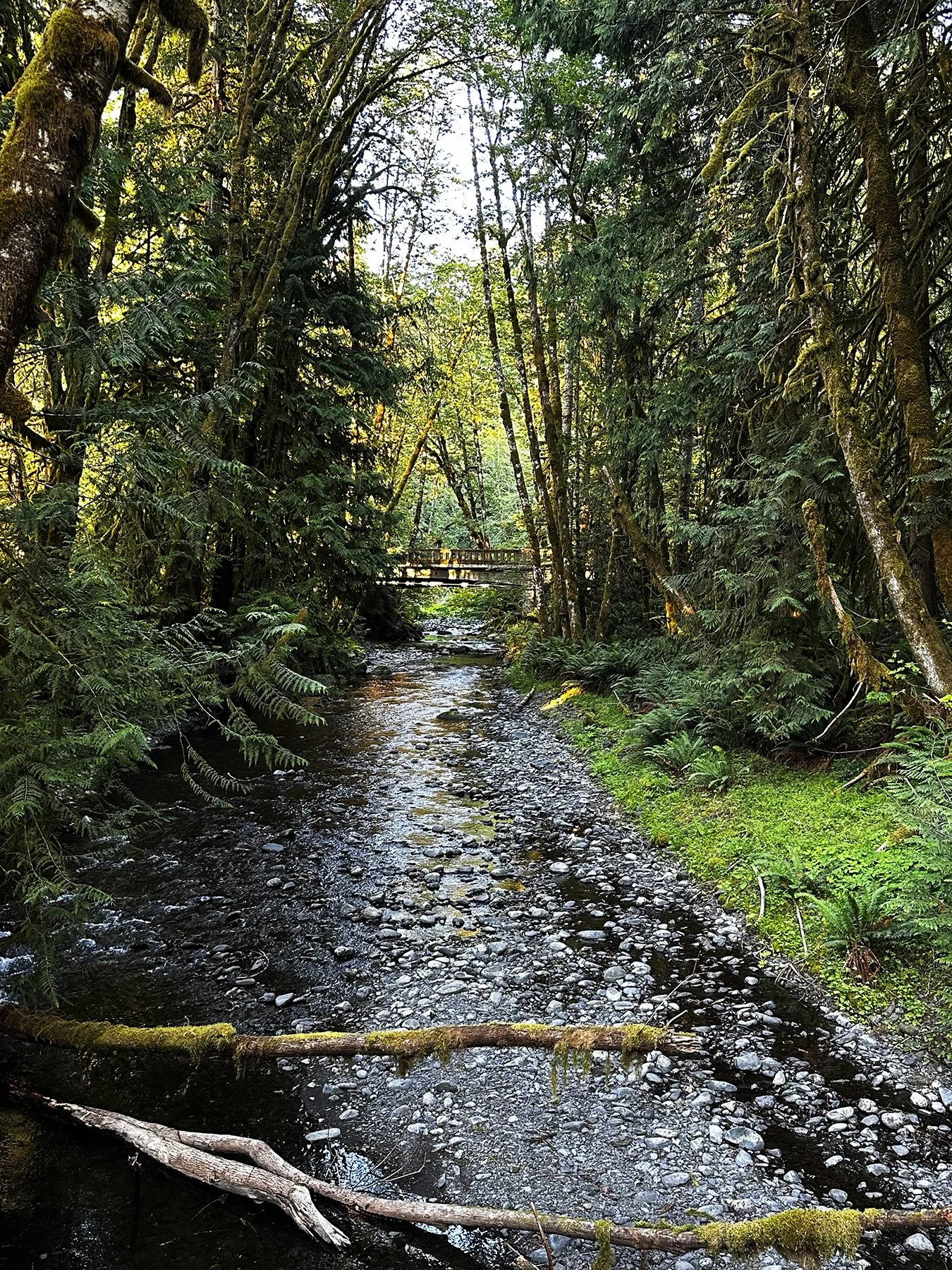
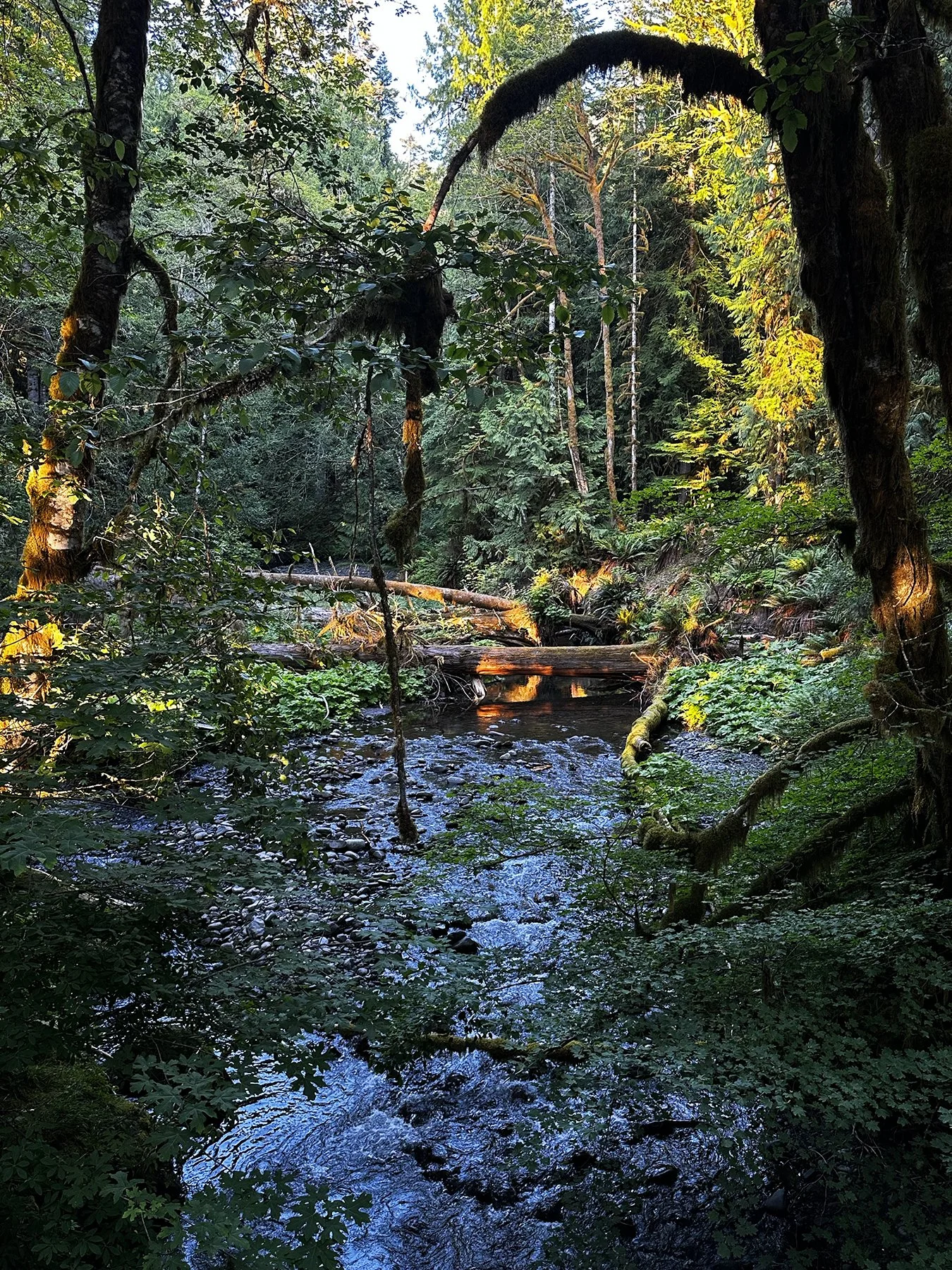
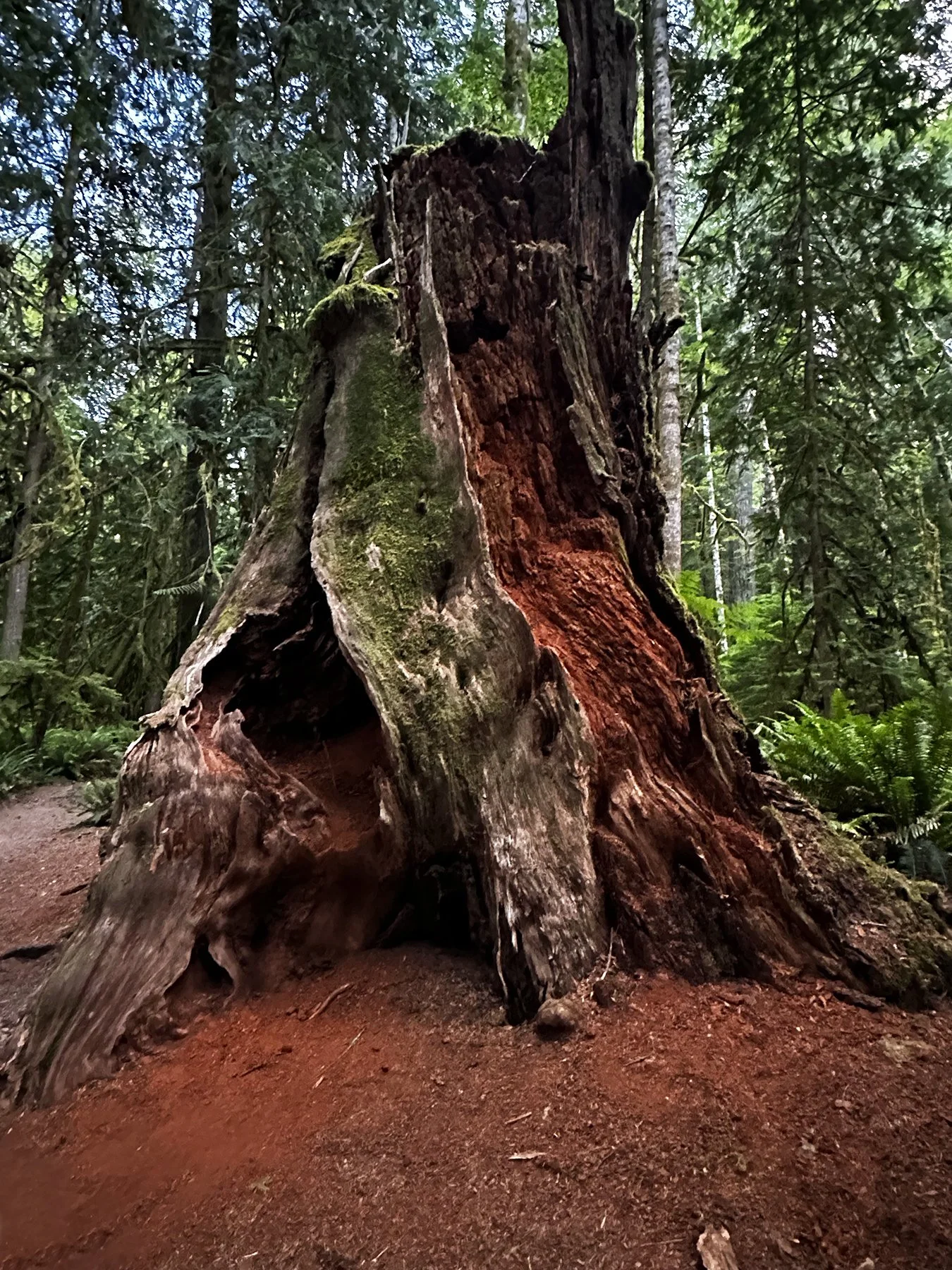
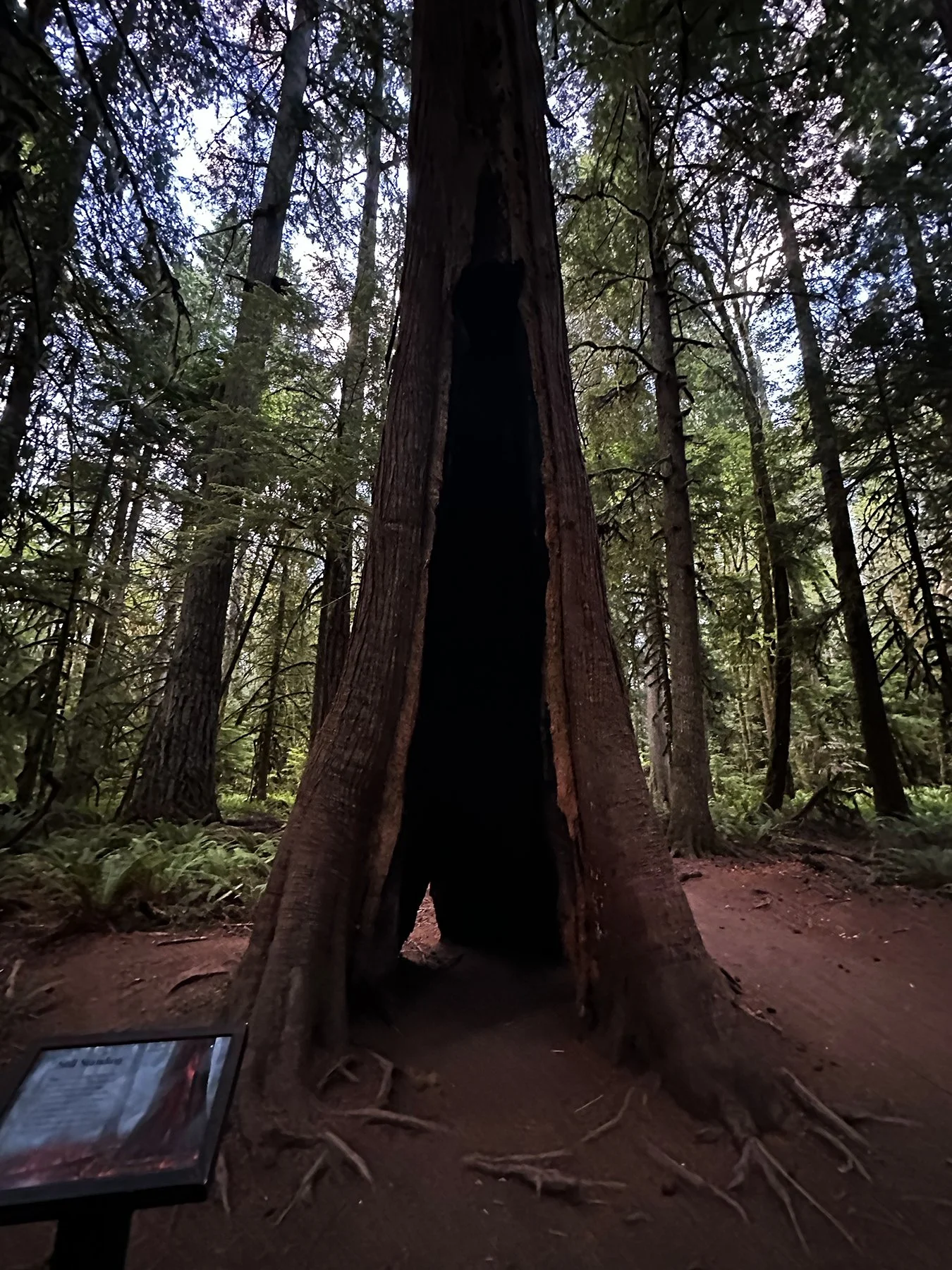
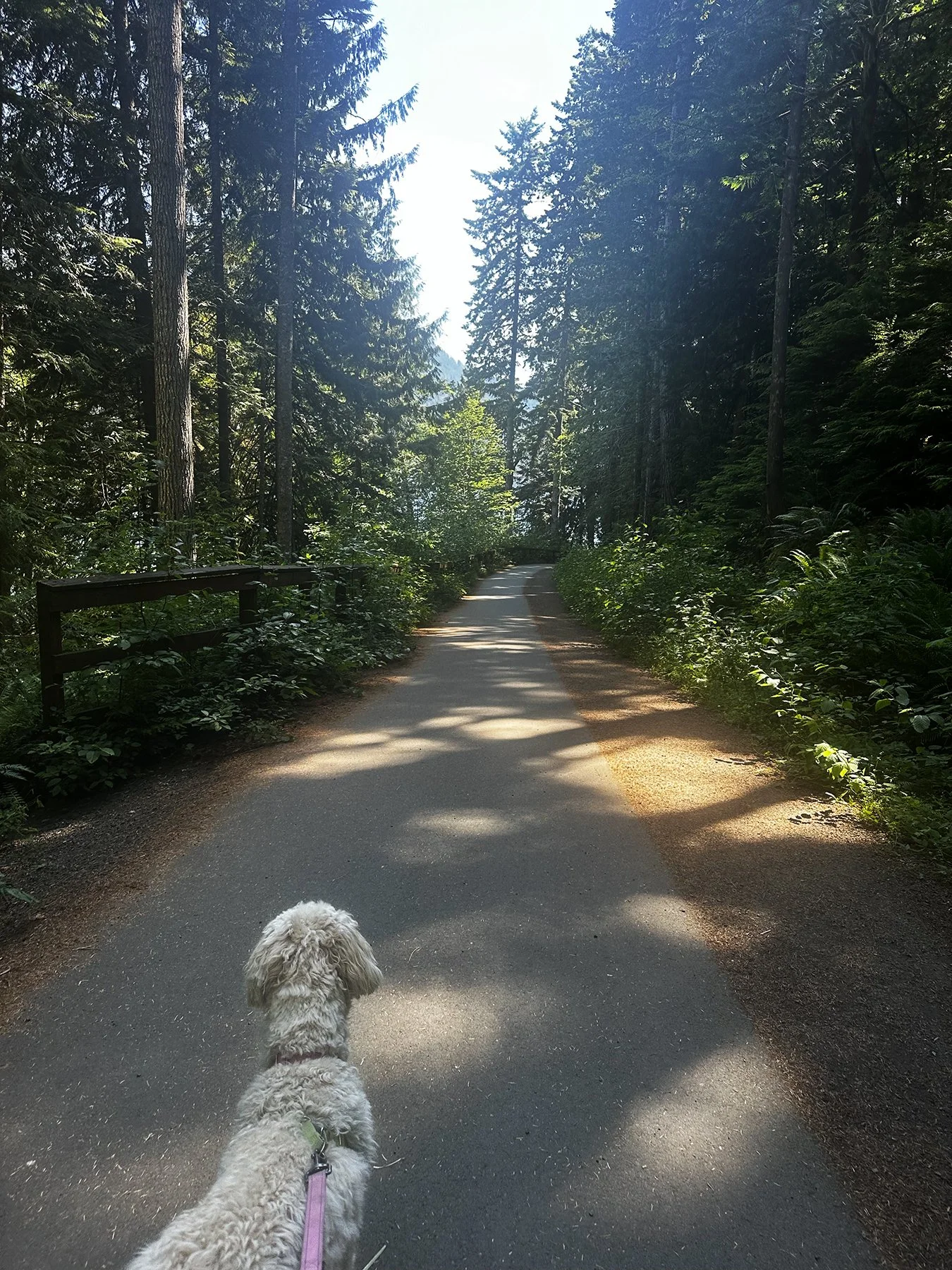
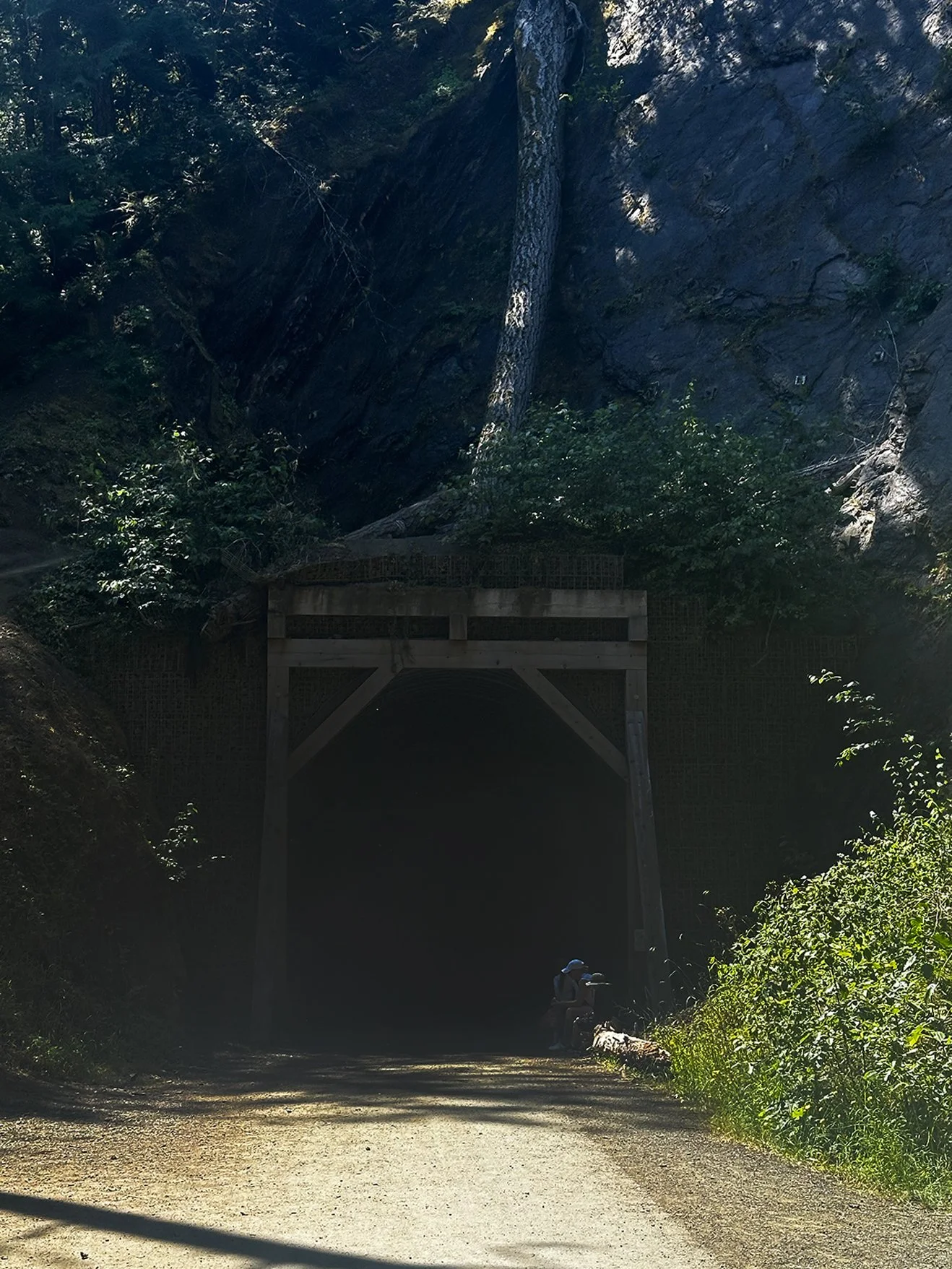
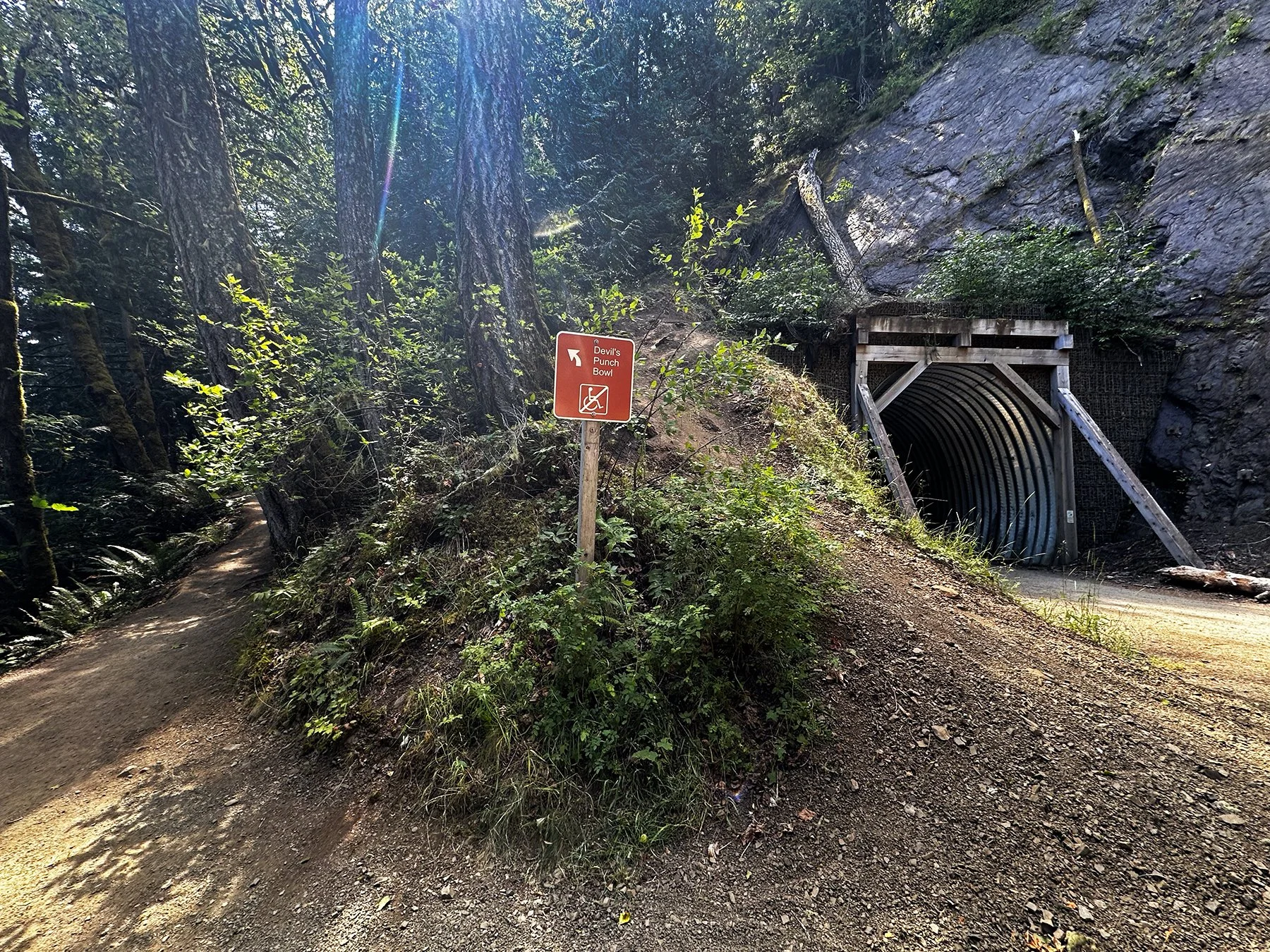
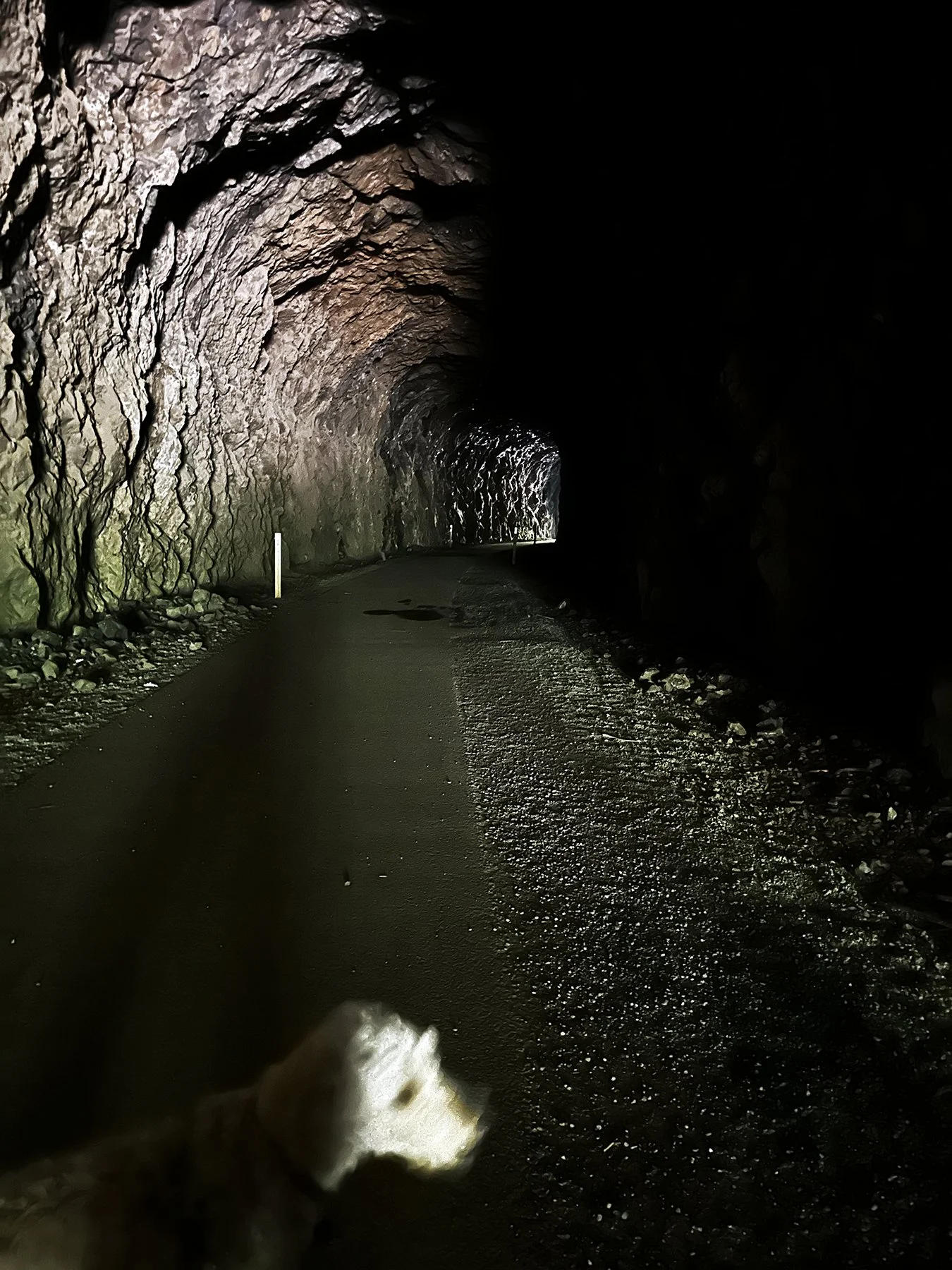
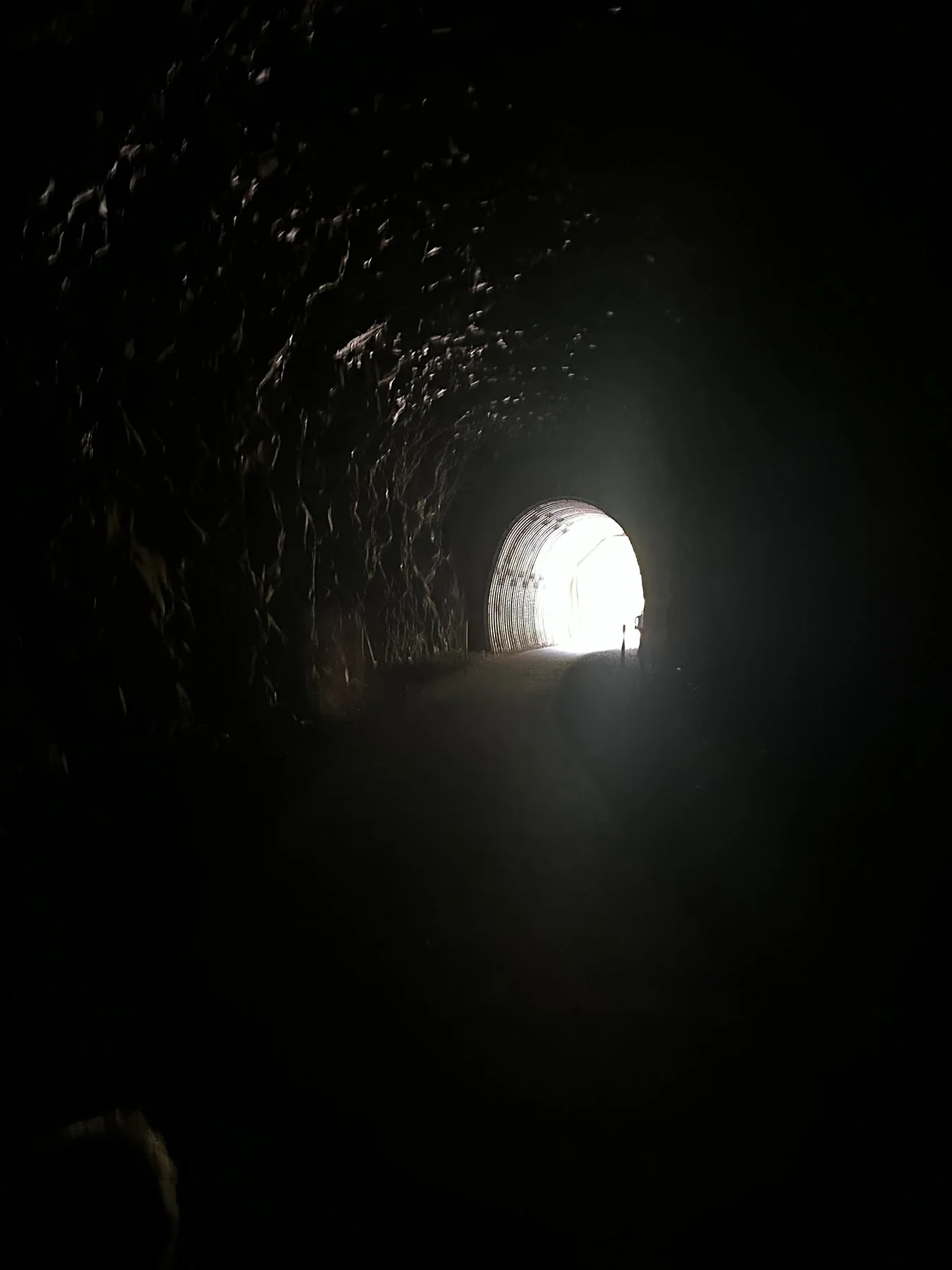
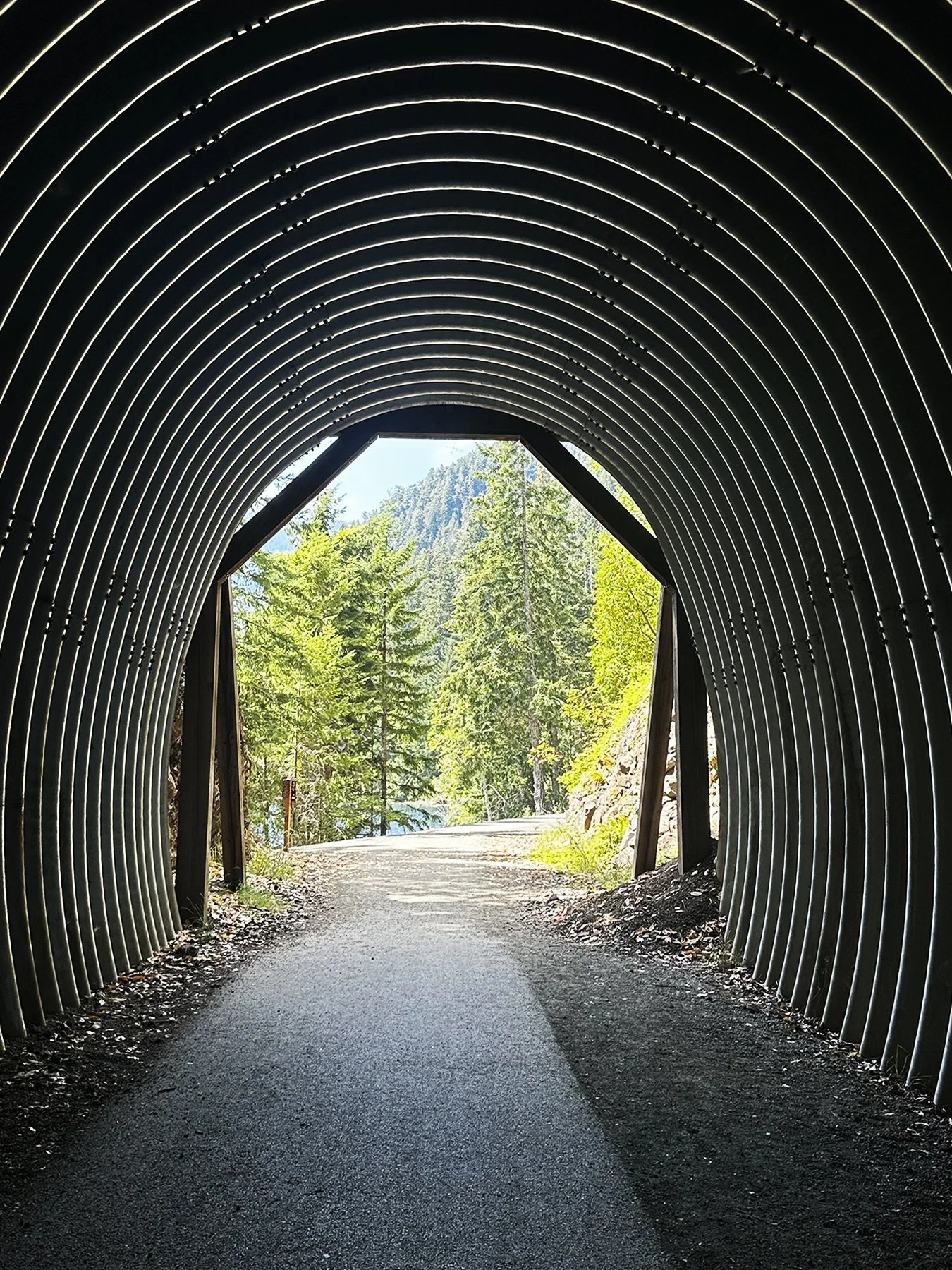
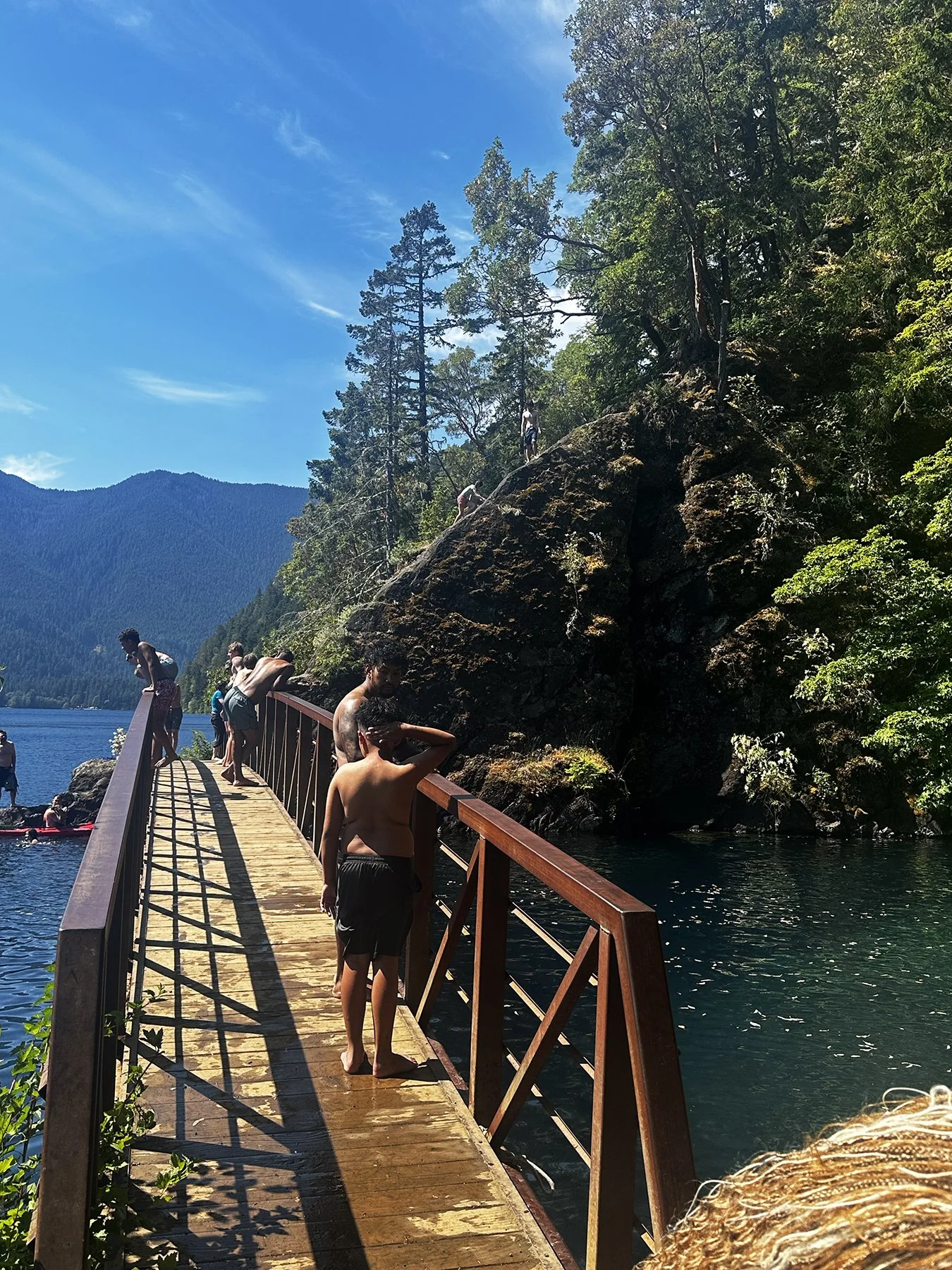
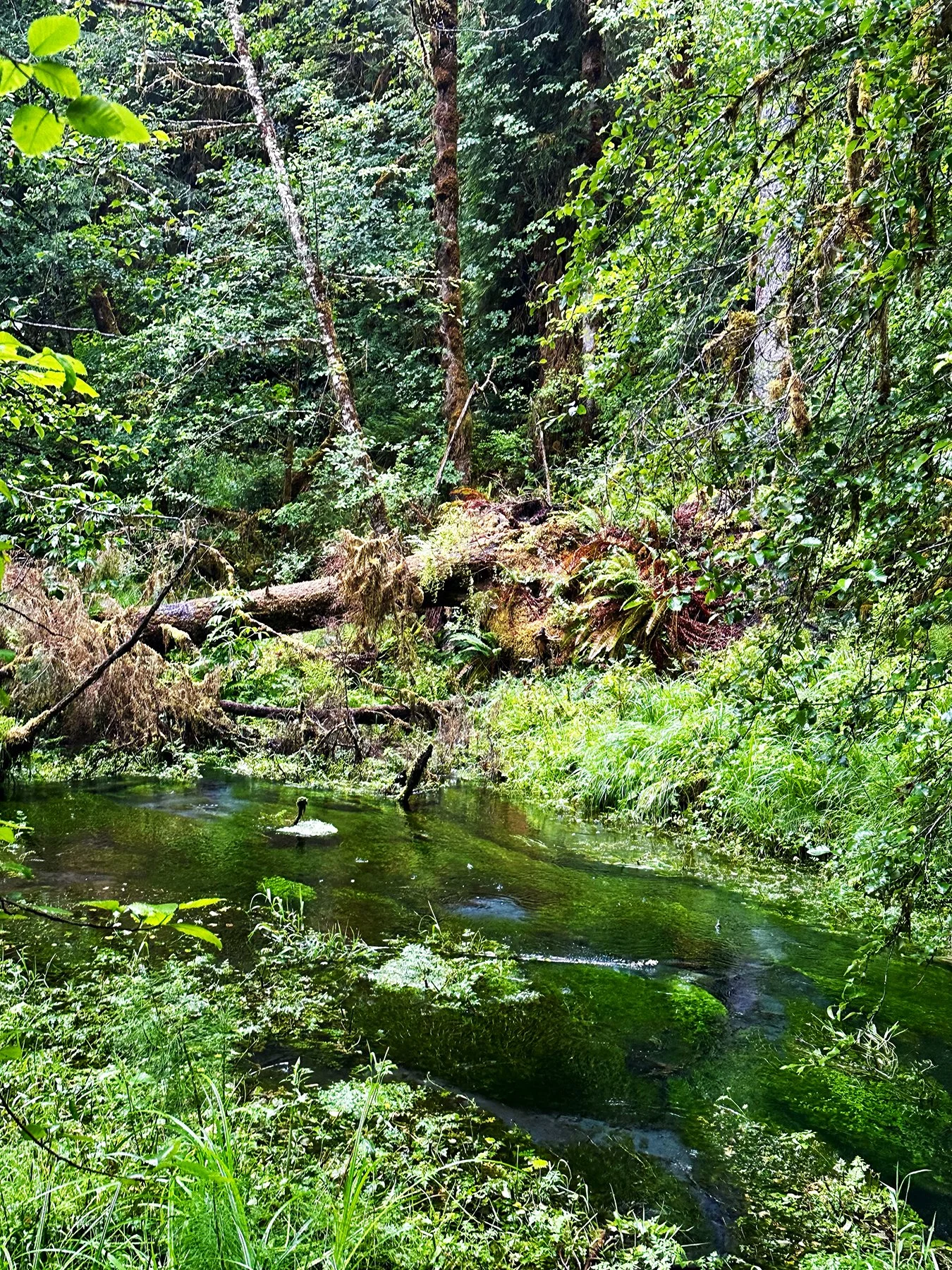
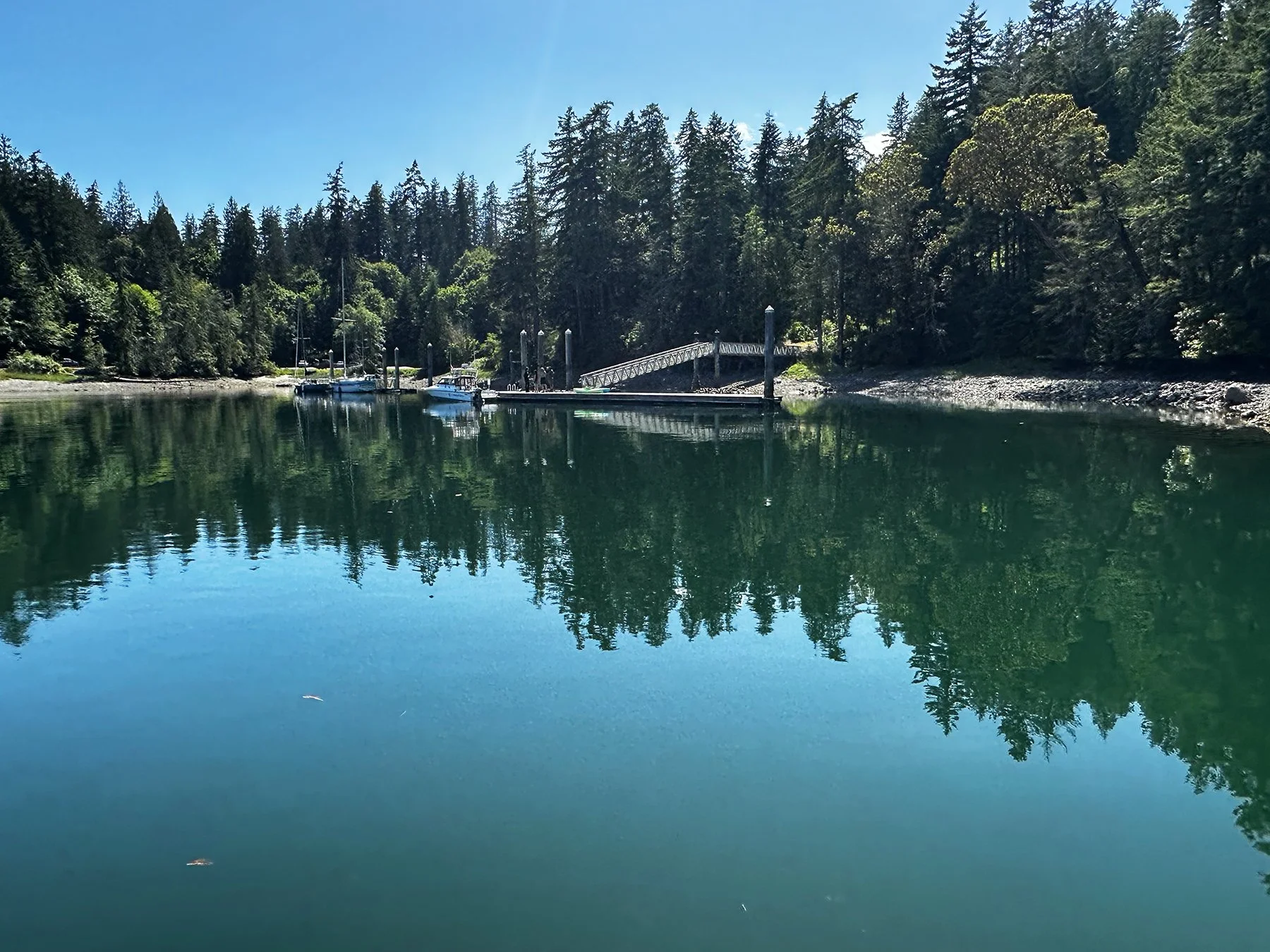
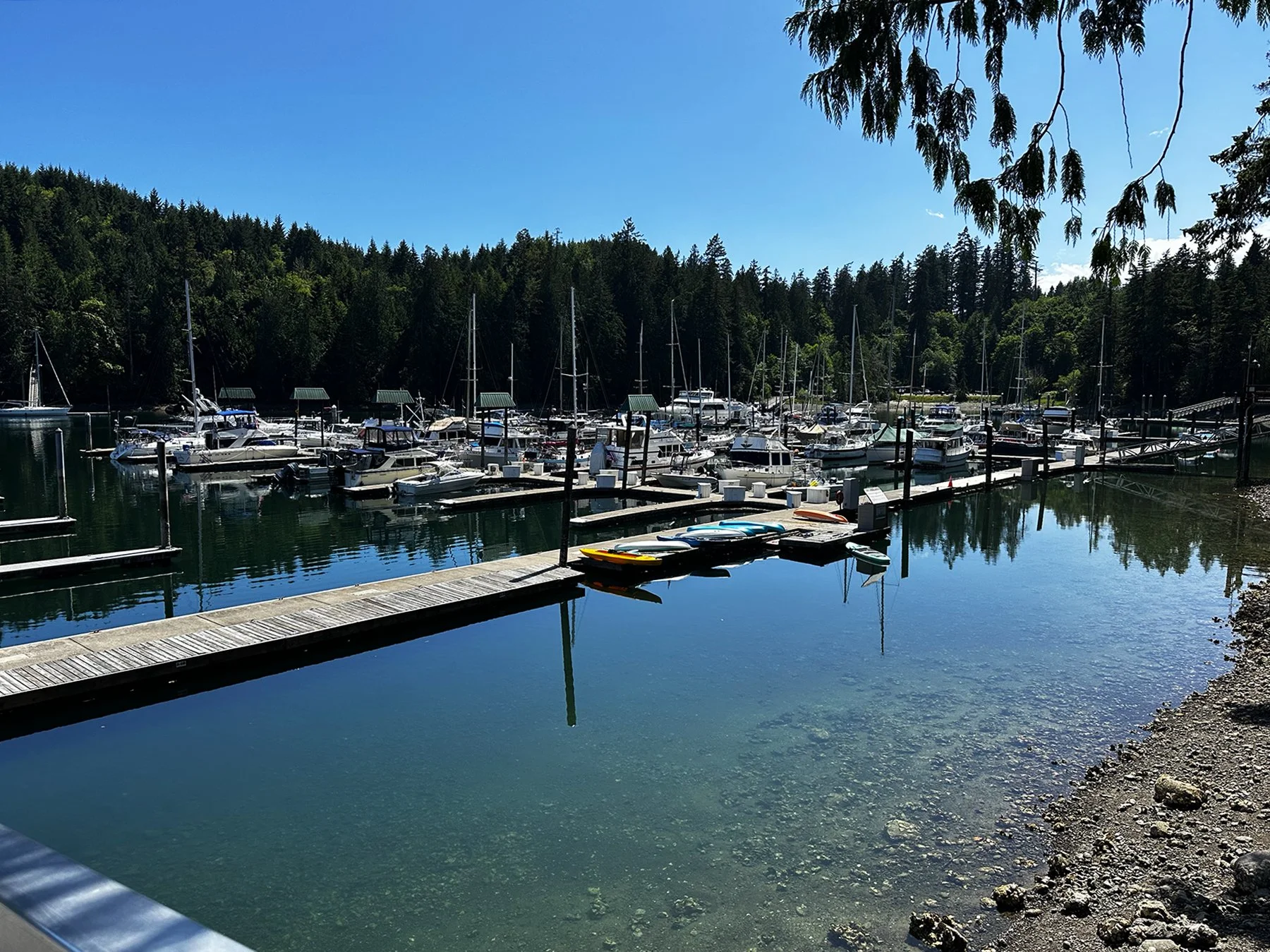
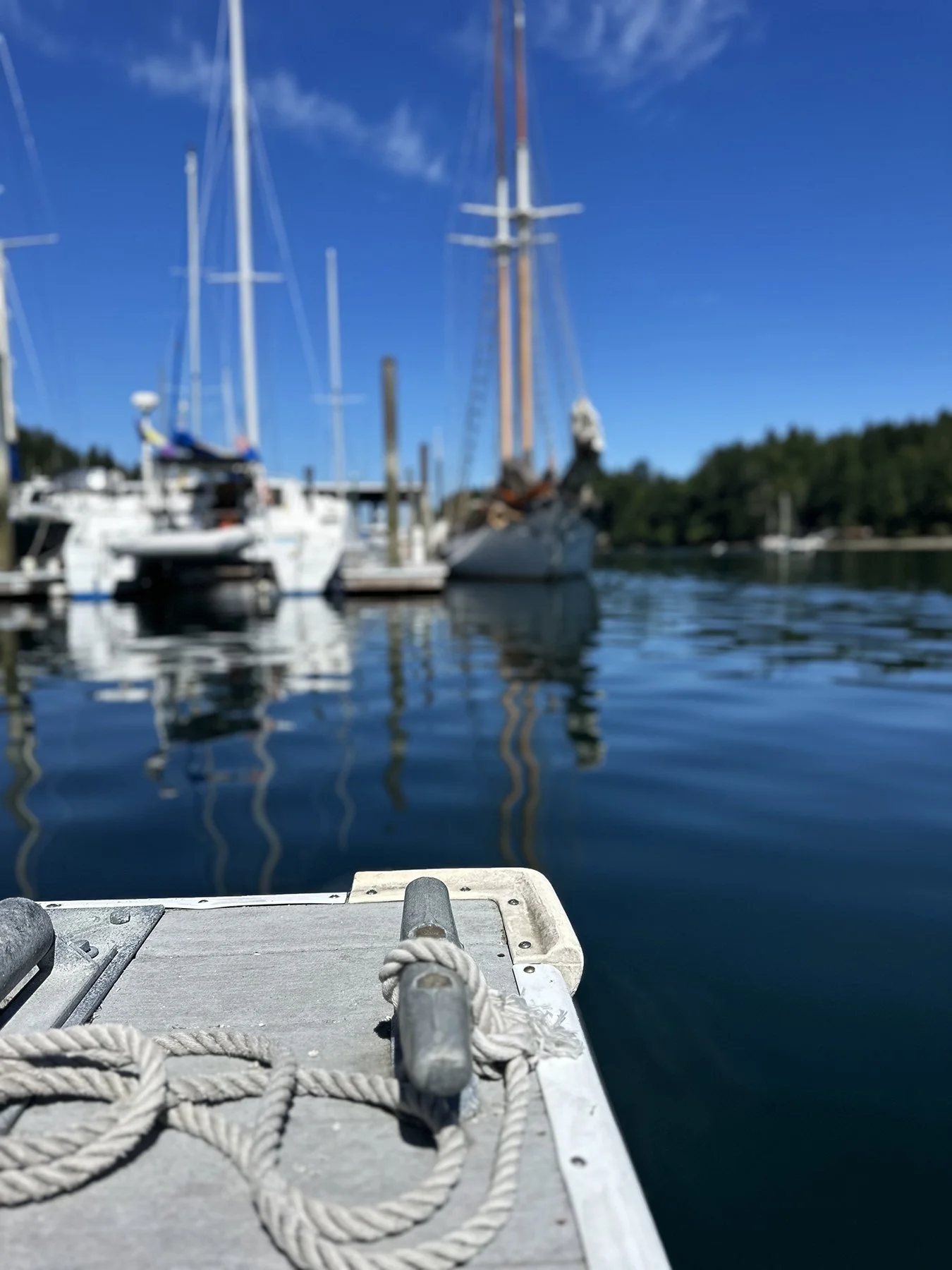
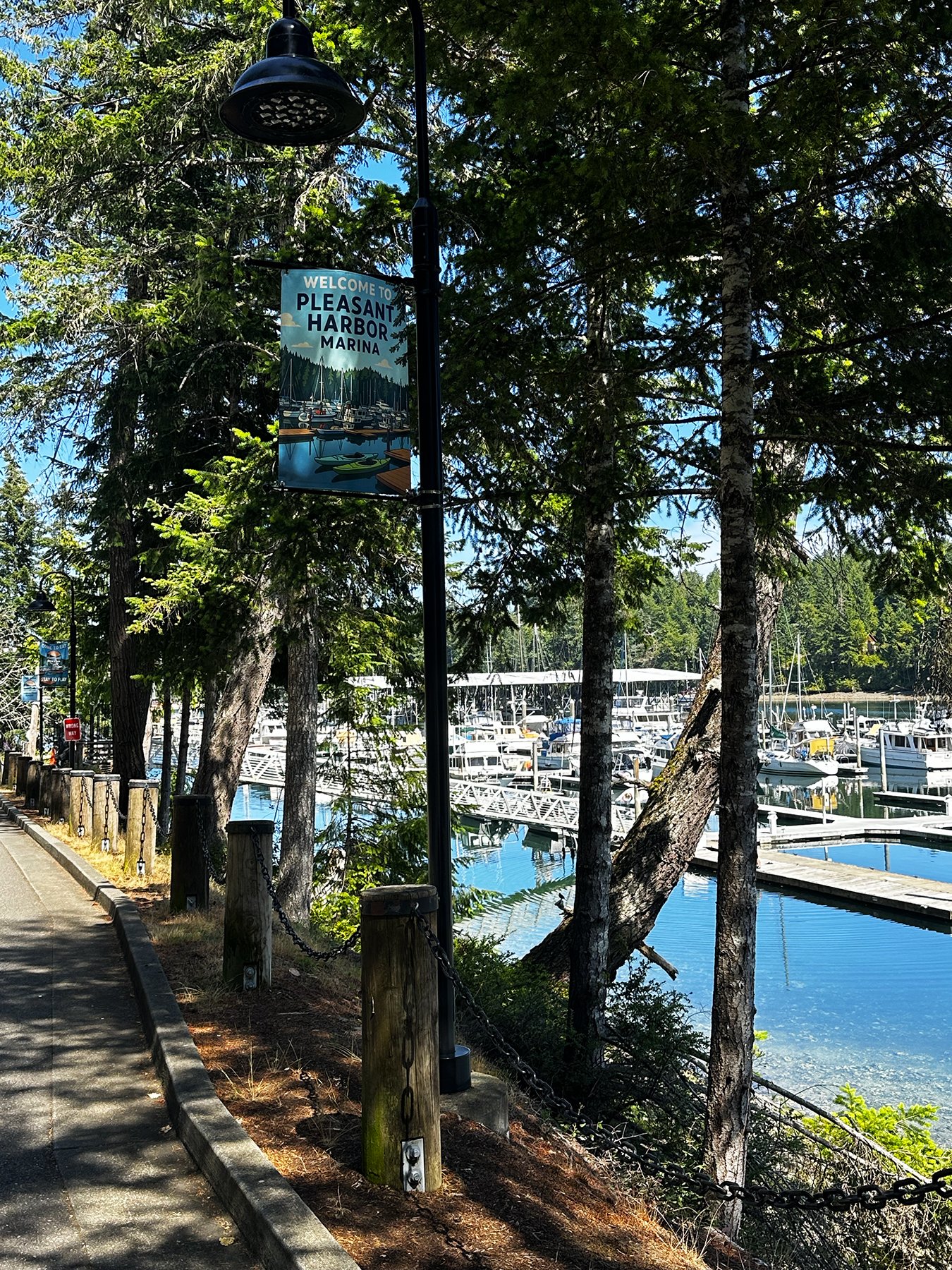
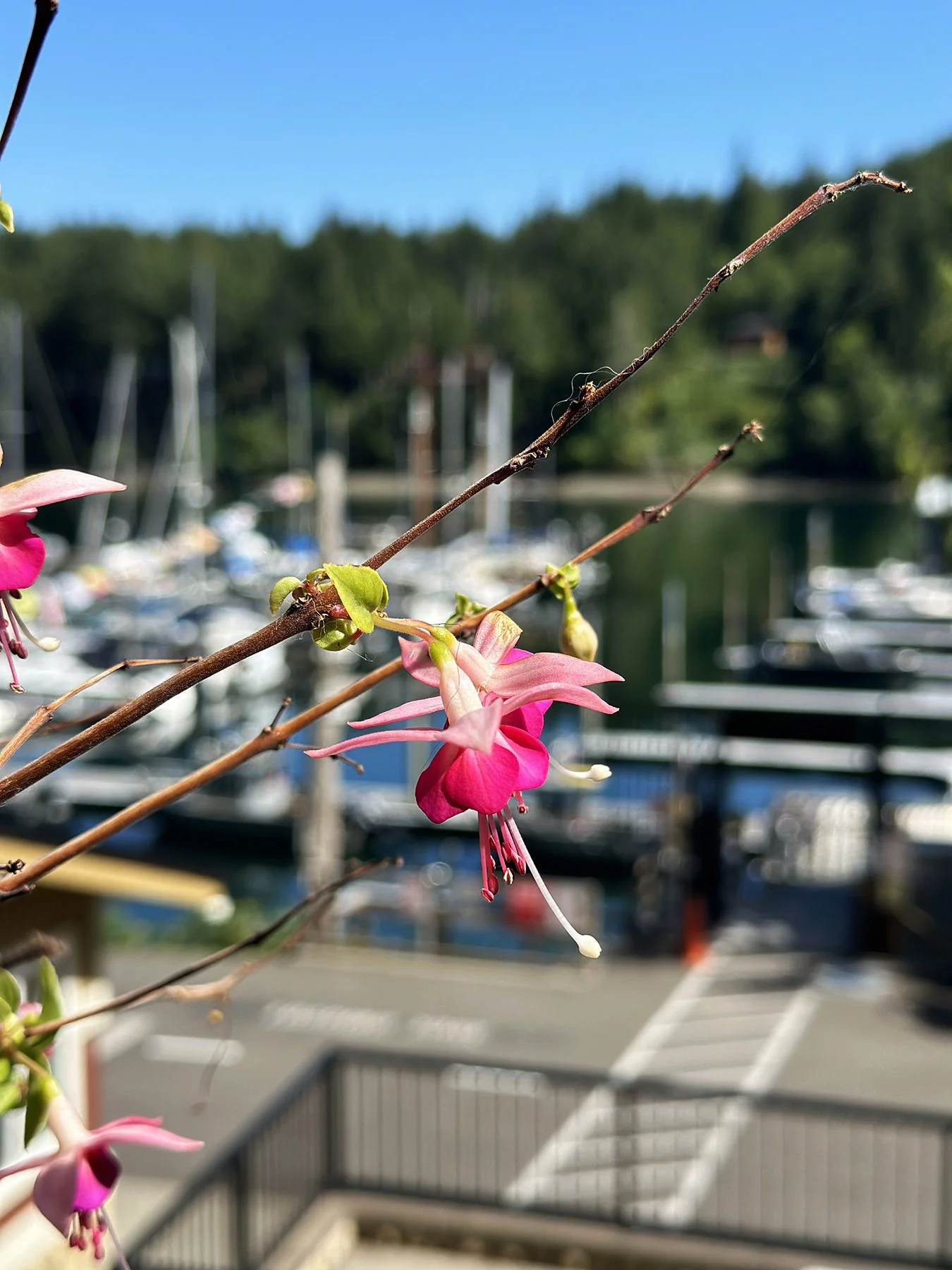
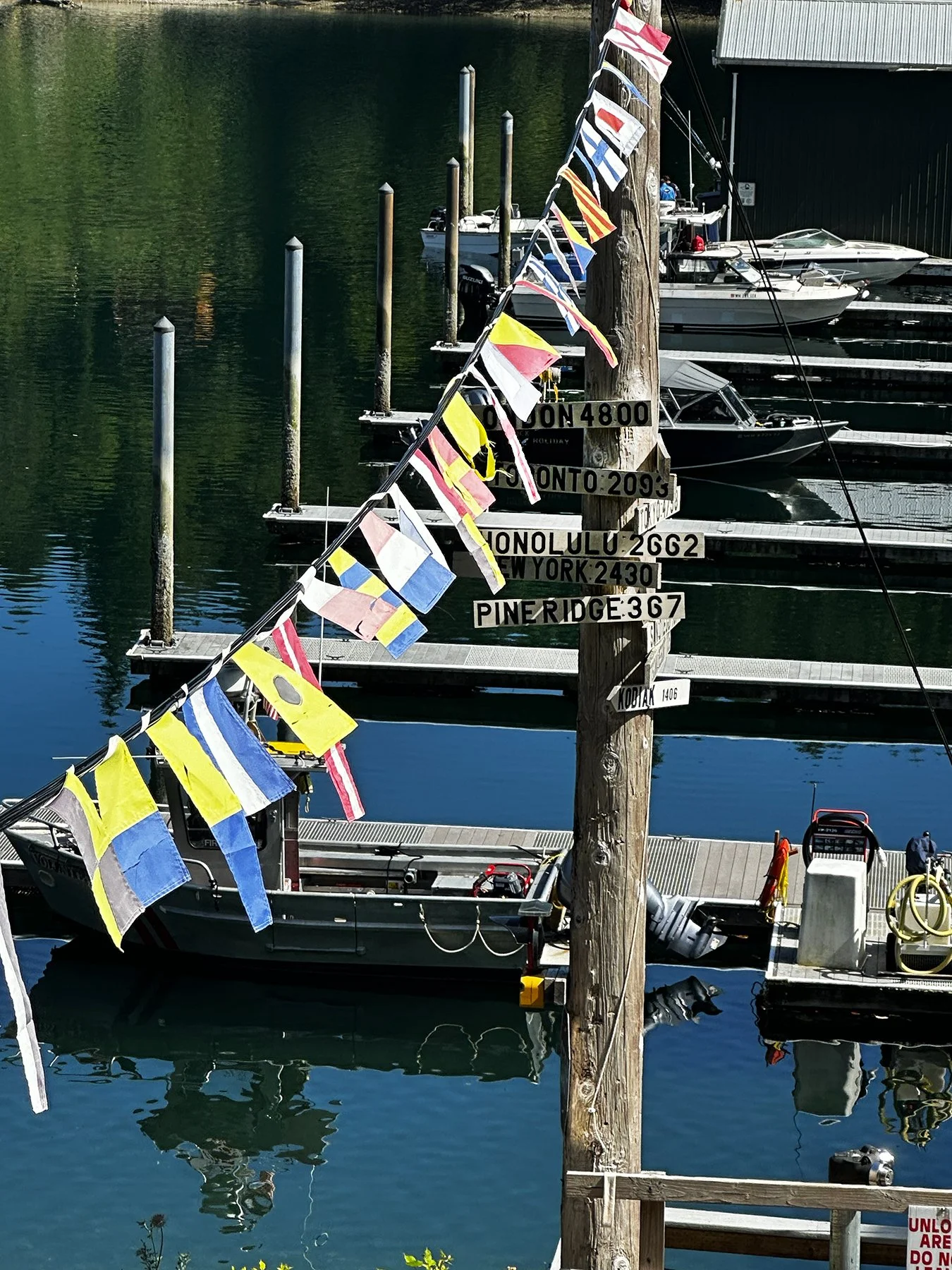
It was fantastic spending a couple of days there—hiking around the lake, exploring lovely trails through mossy forests, watching crazy teenagers jump off a rock 20 feet high into the lake at Devil’s Punch Bowl (would you?), and even walking through a long, dark tunnel on the Spruce Railroad Trail. Spooky! We also got to explore a cute little marina called “Pleasant Harbor Marina Resort”—how could I not with a name like that? It yes, it DID live up to its name :D.
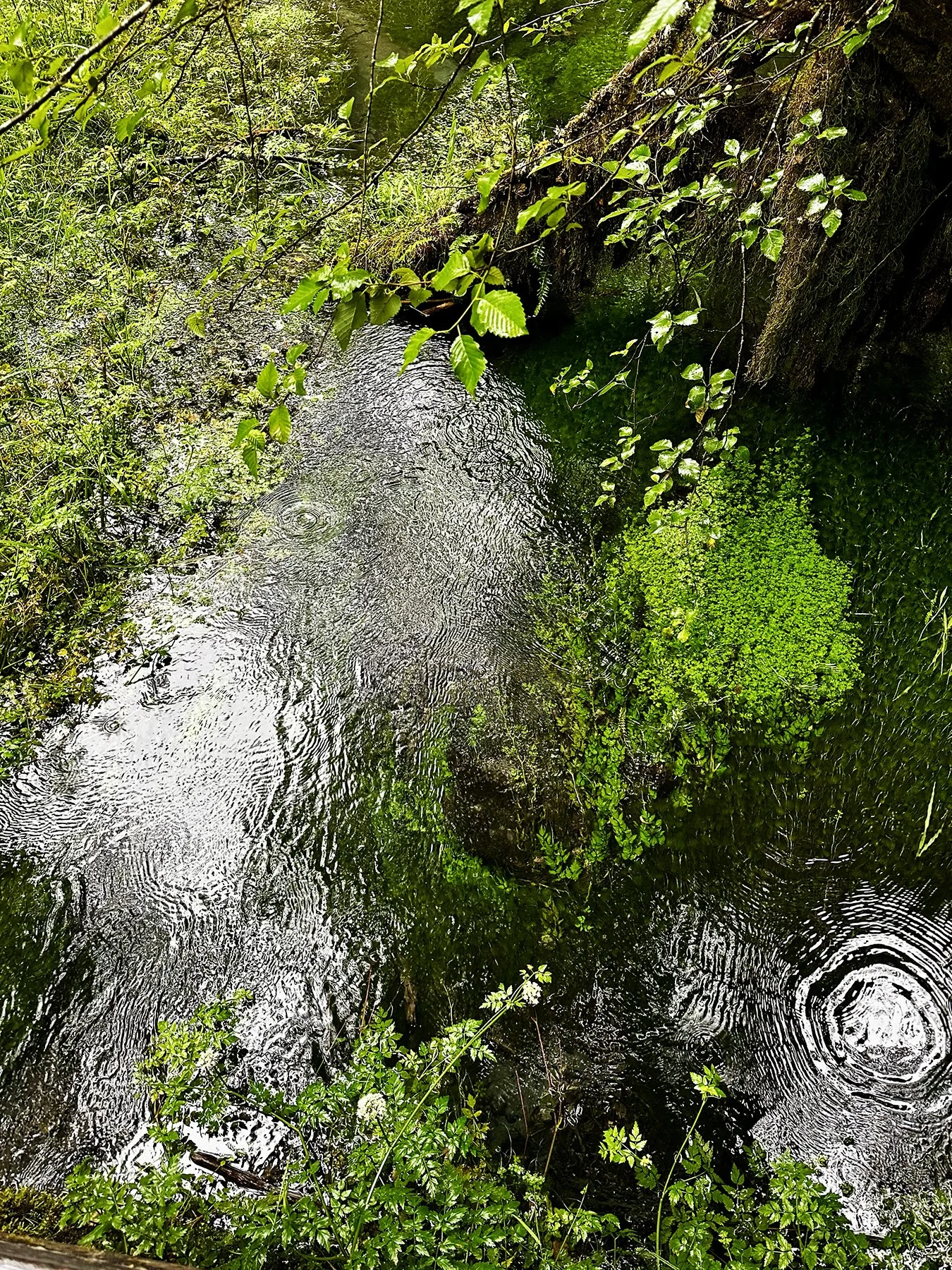
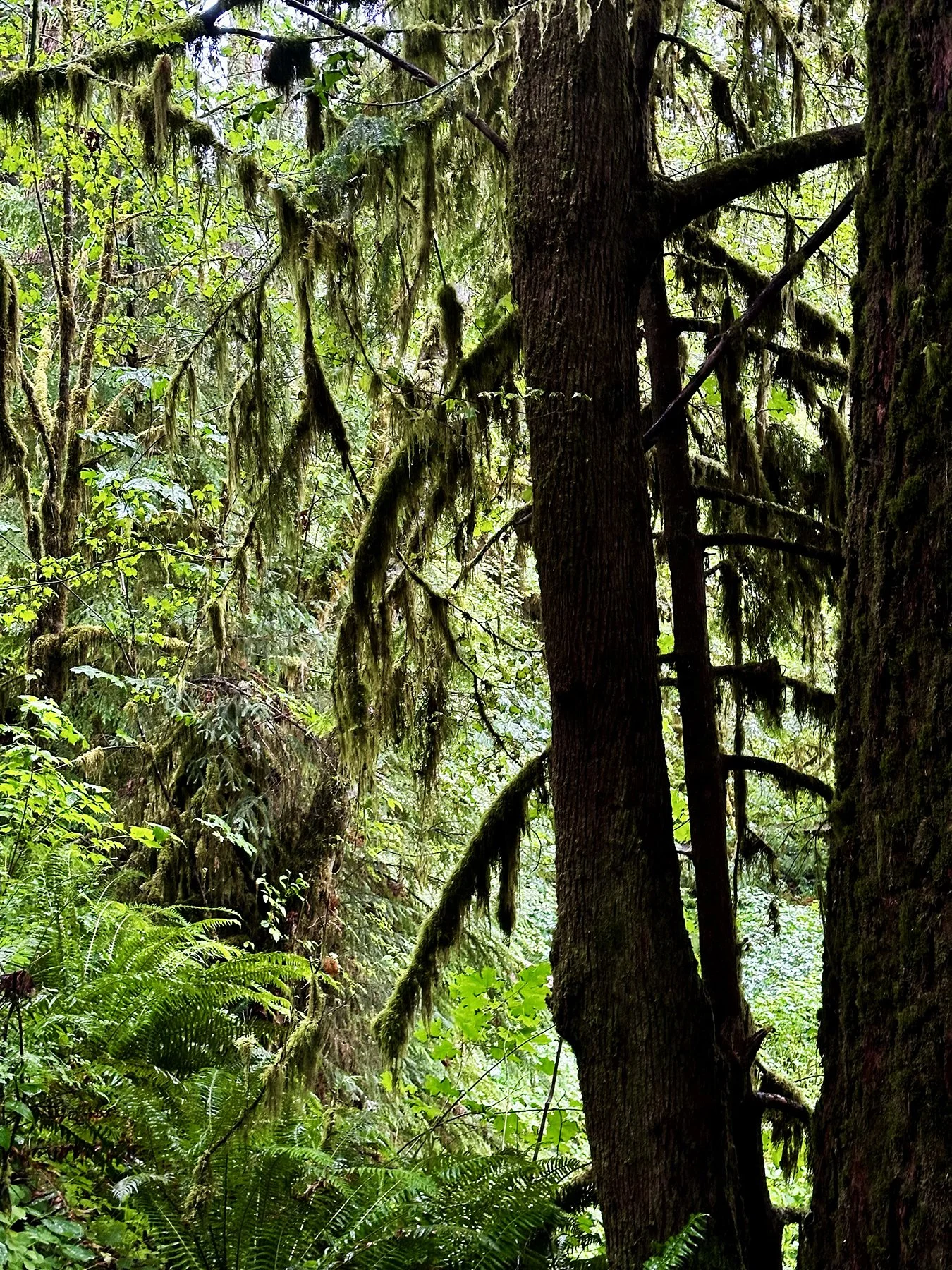
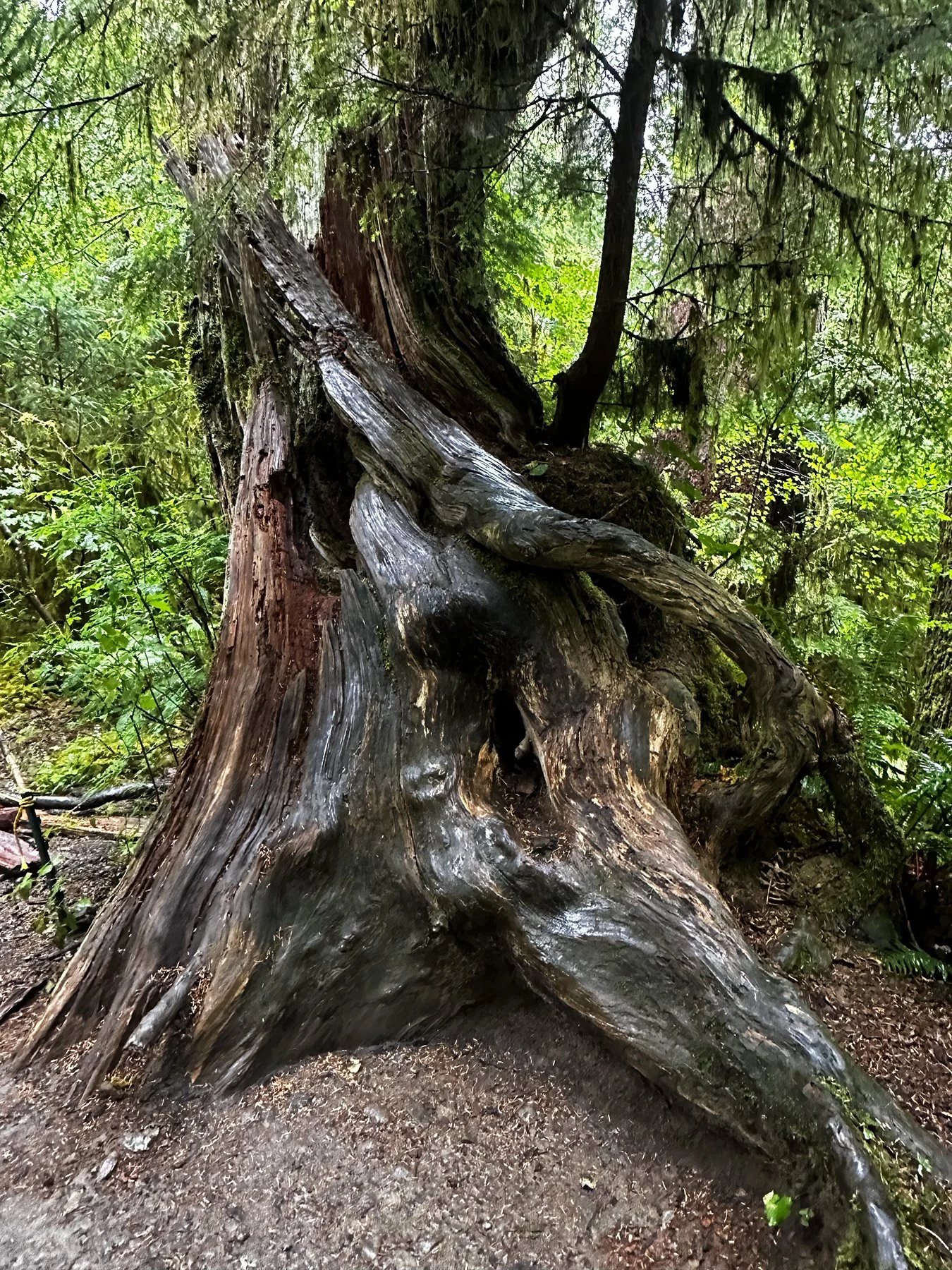
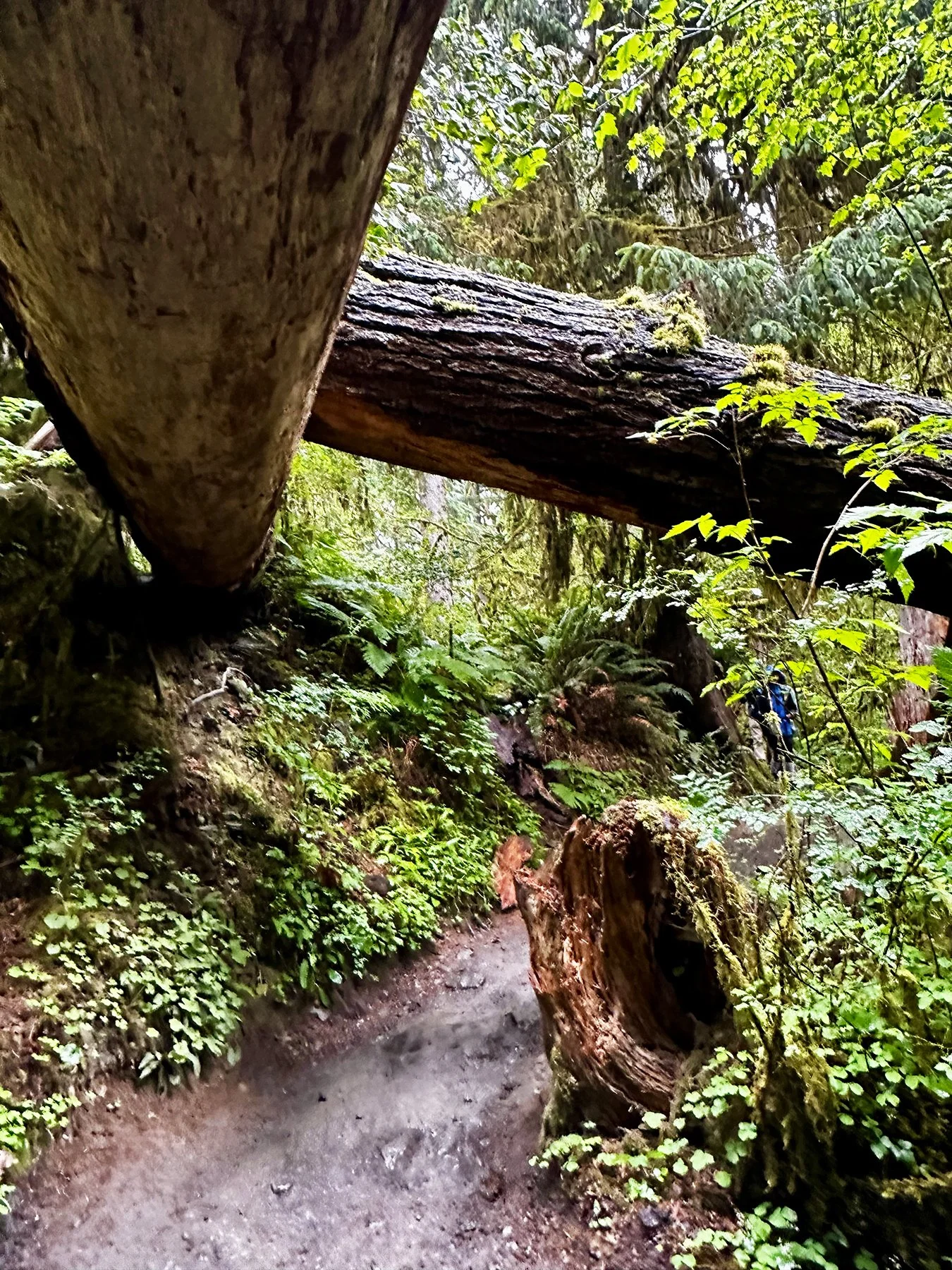
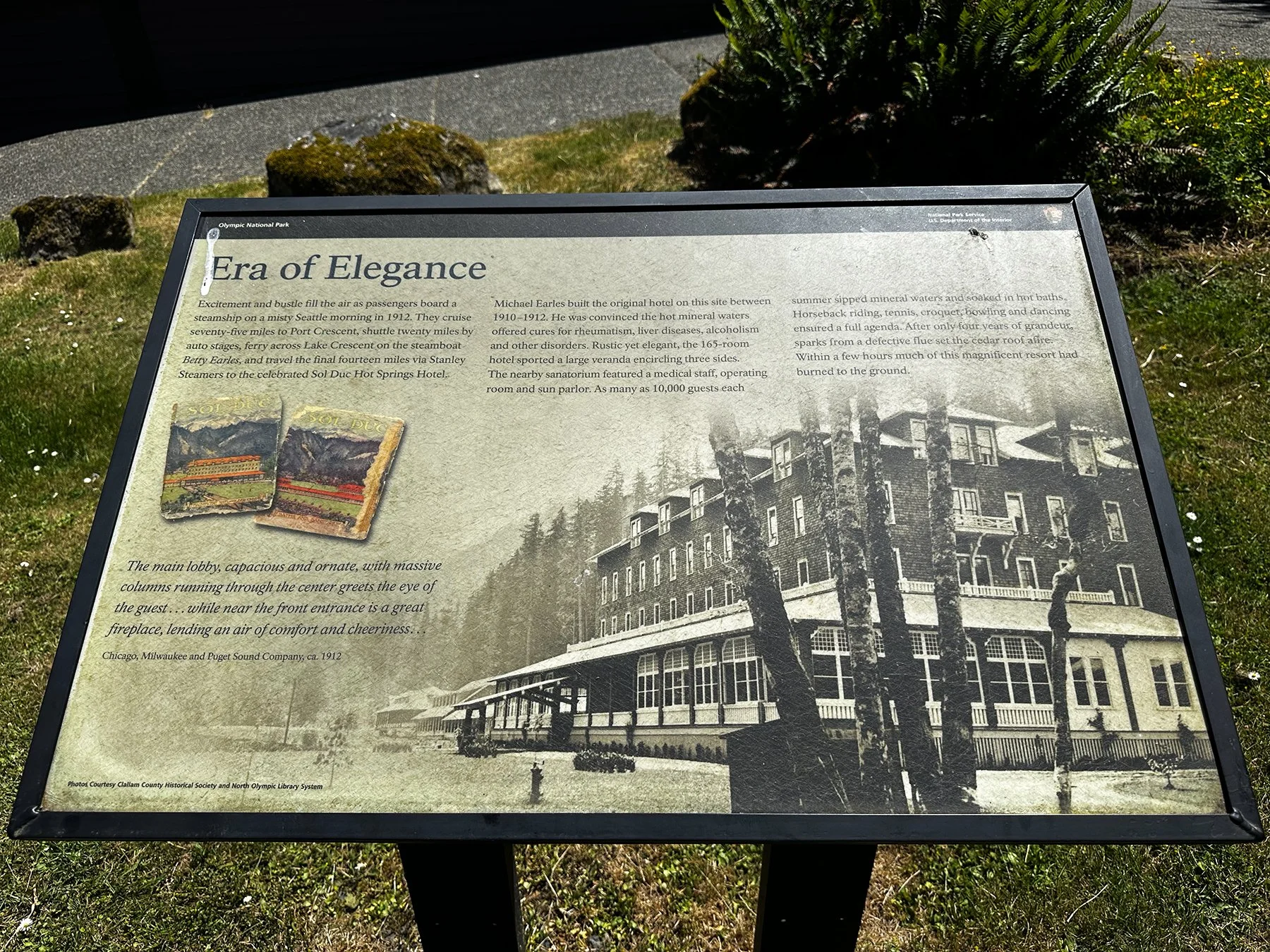
Sol Duc
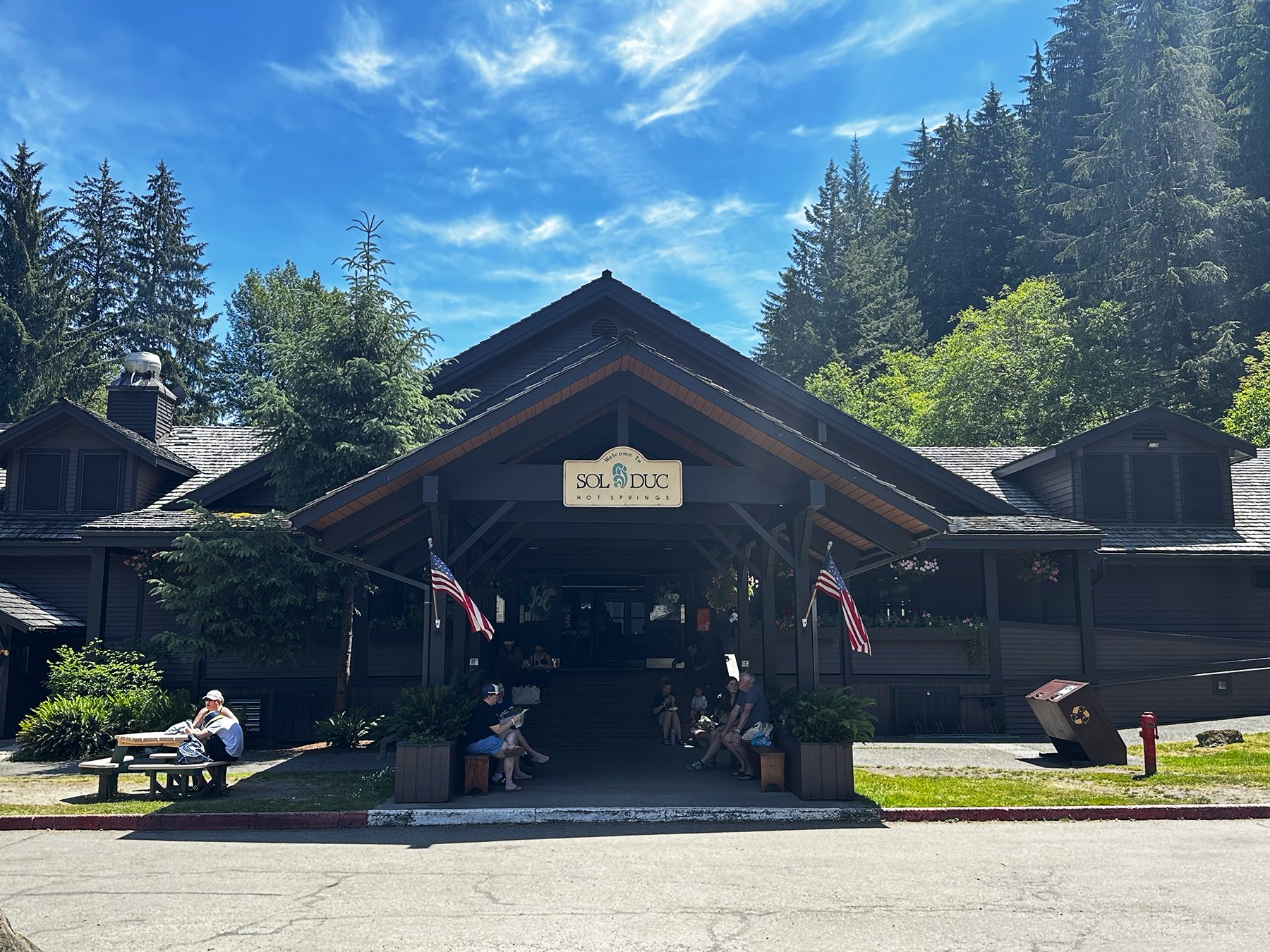
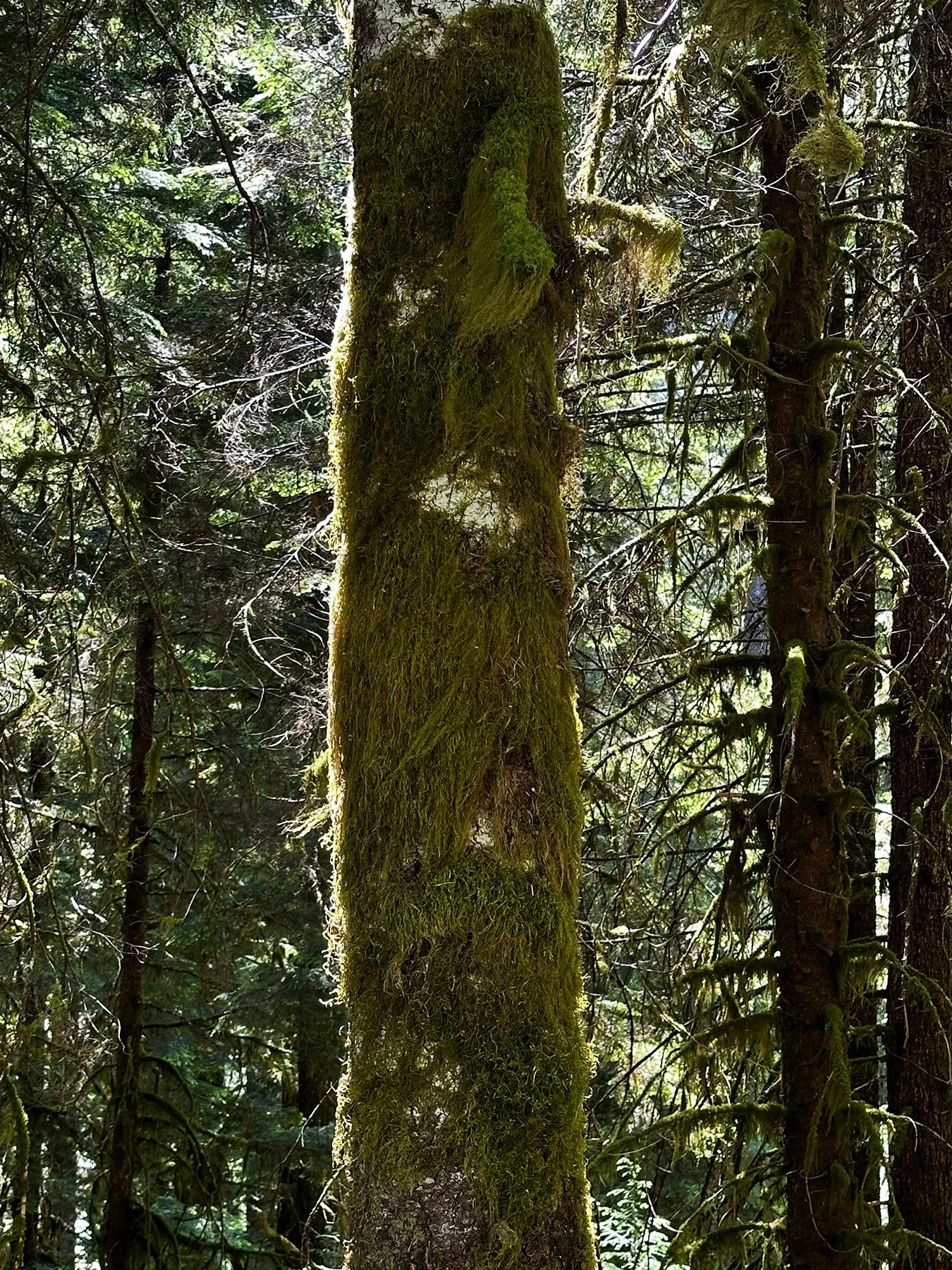
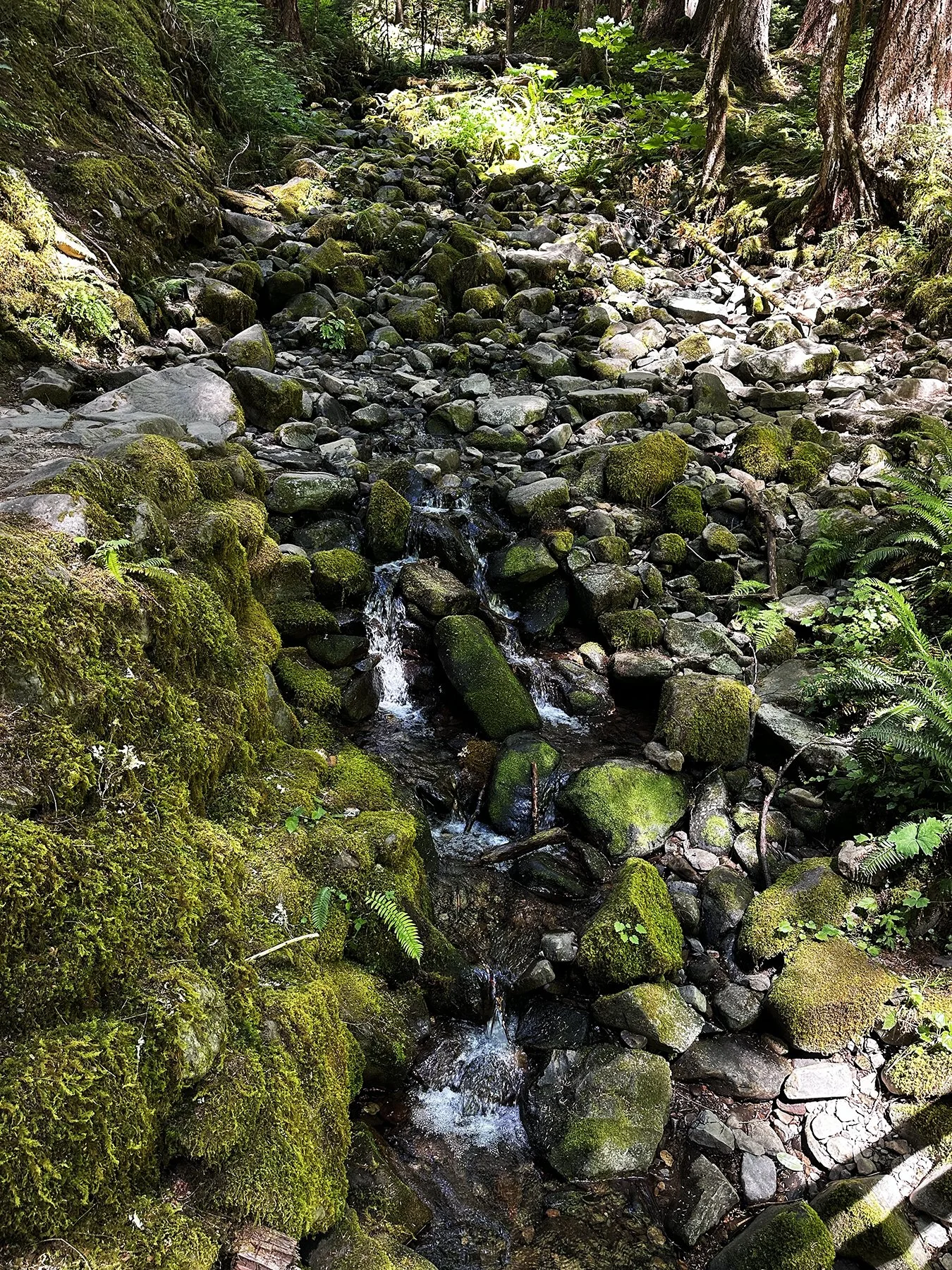
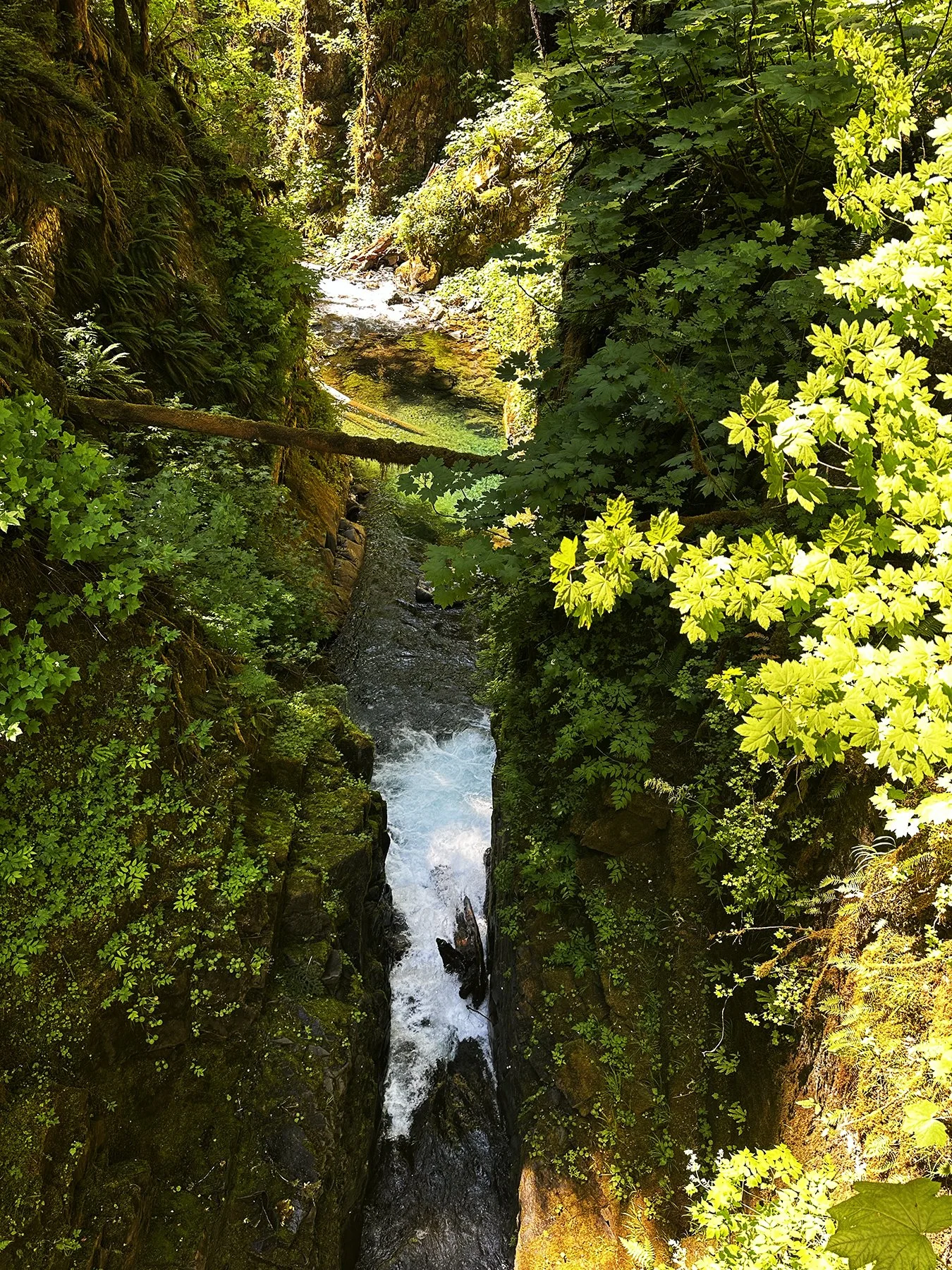
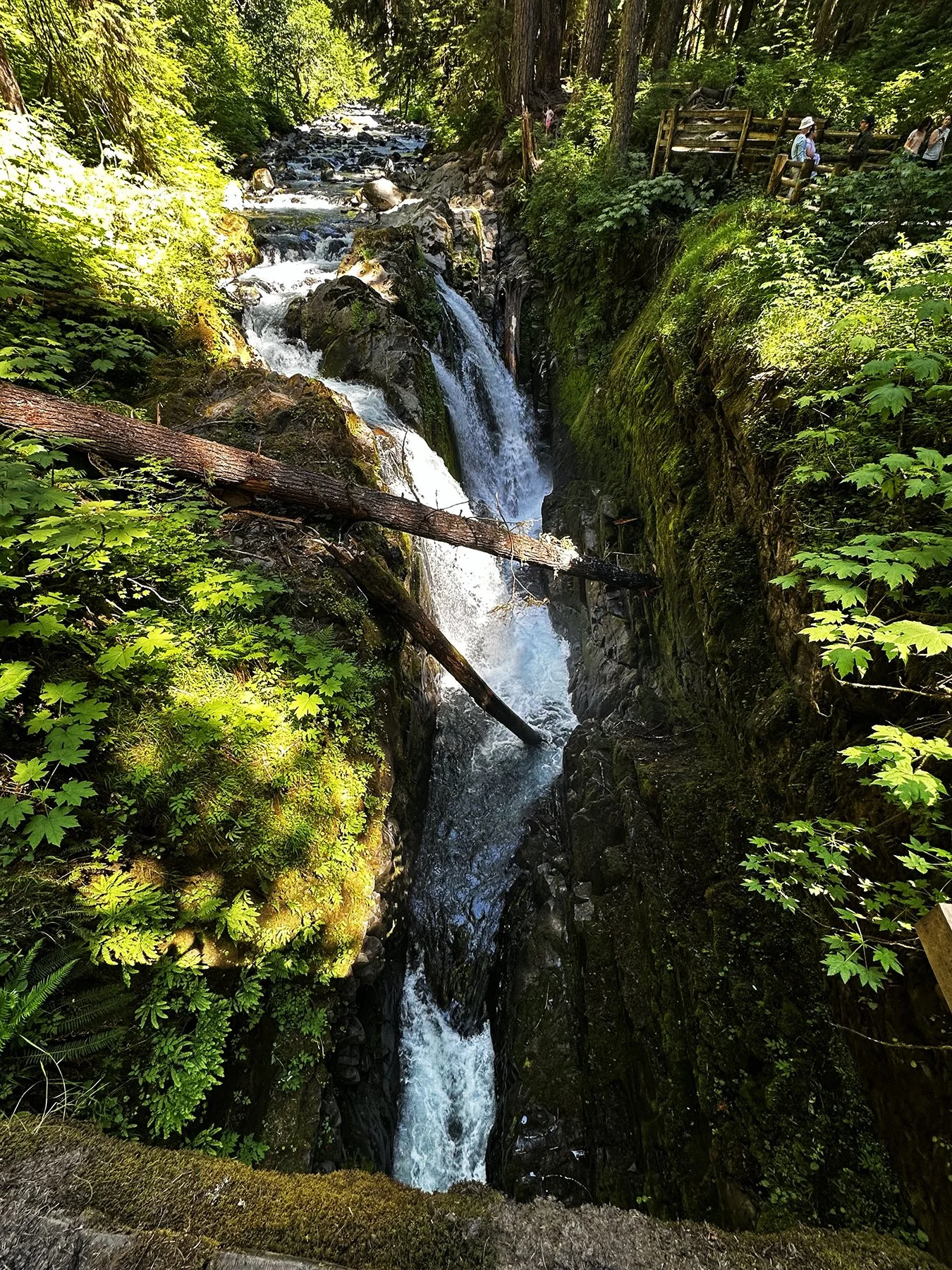
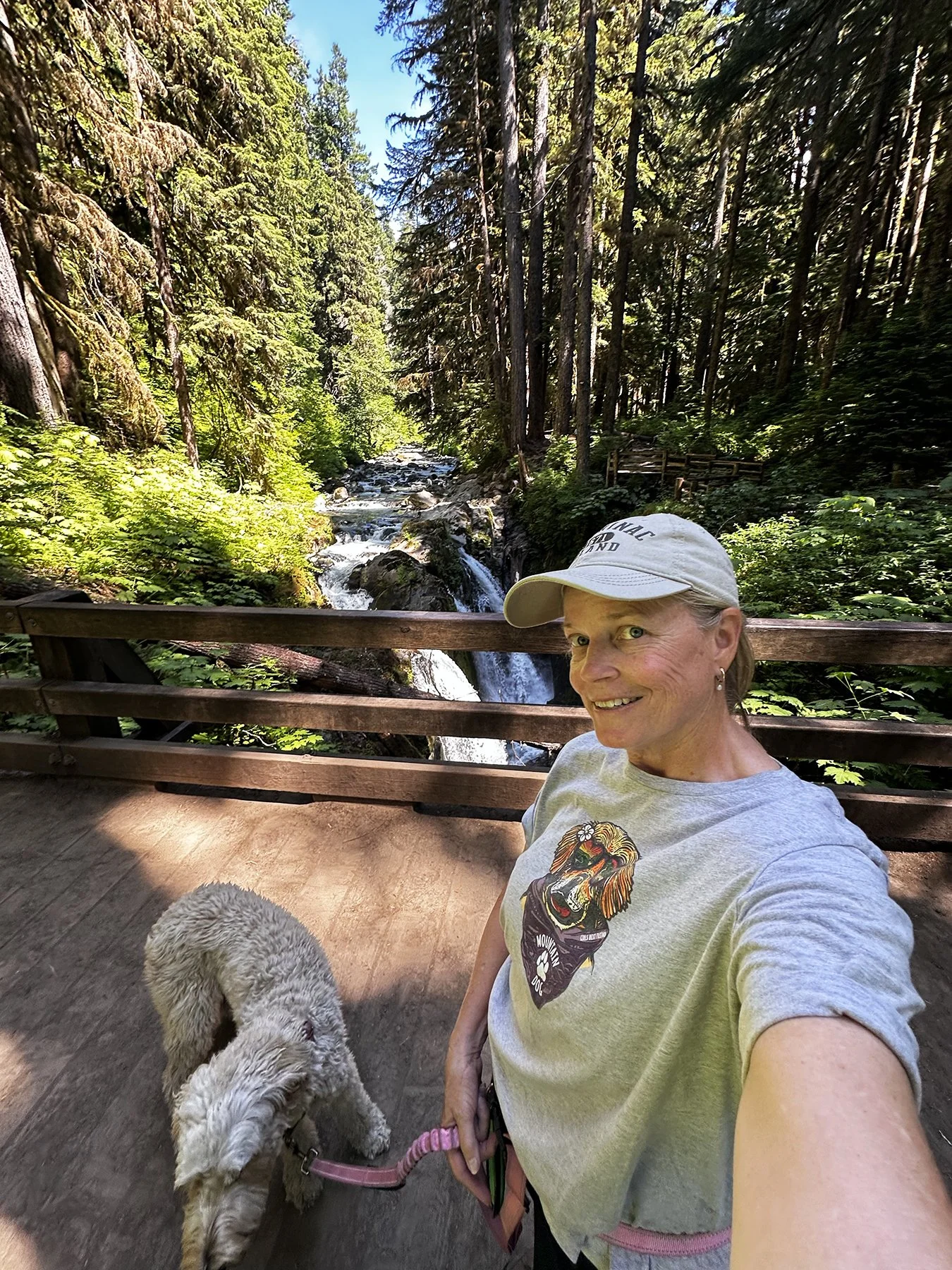
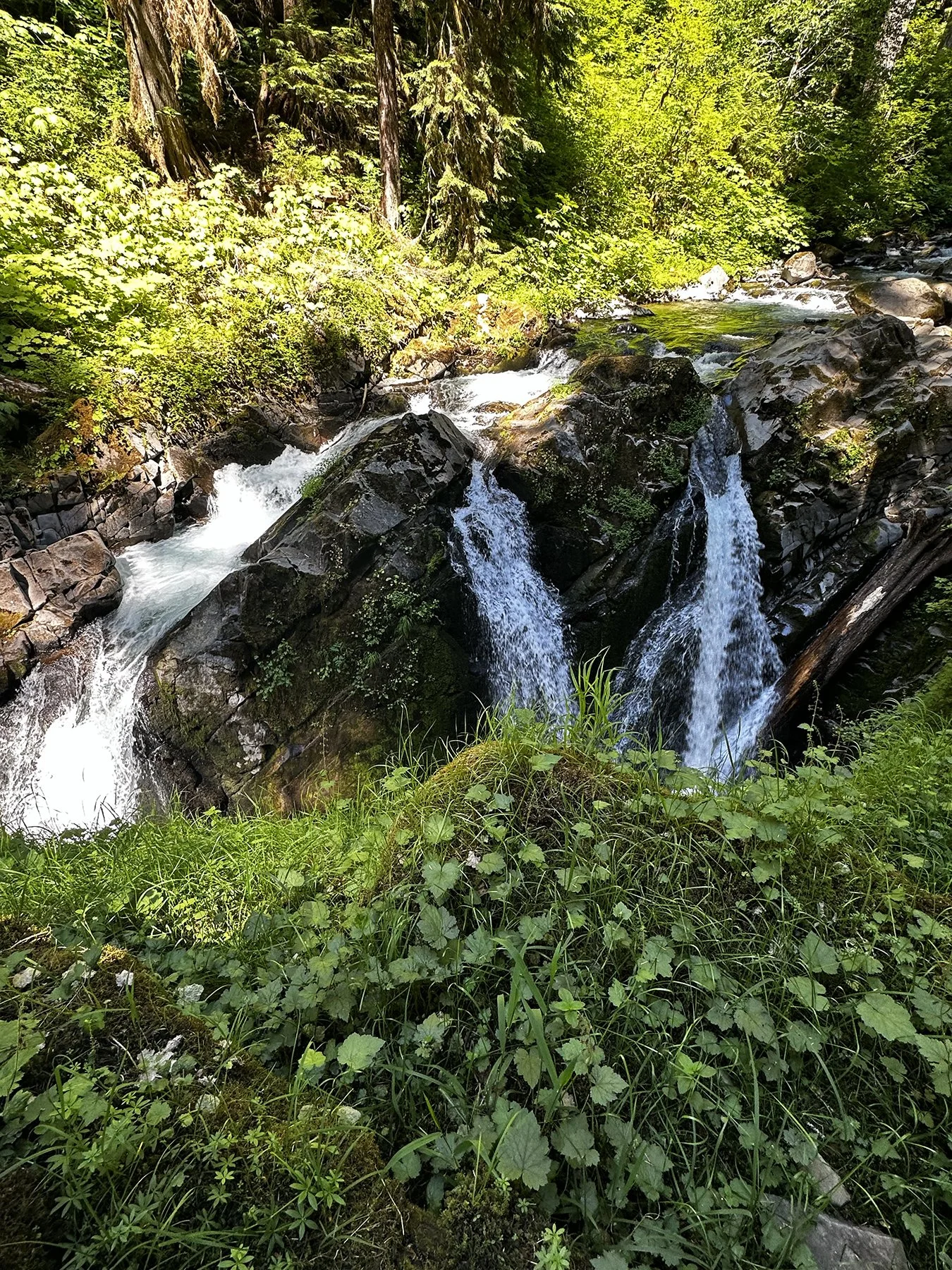
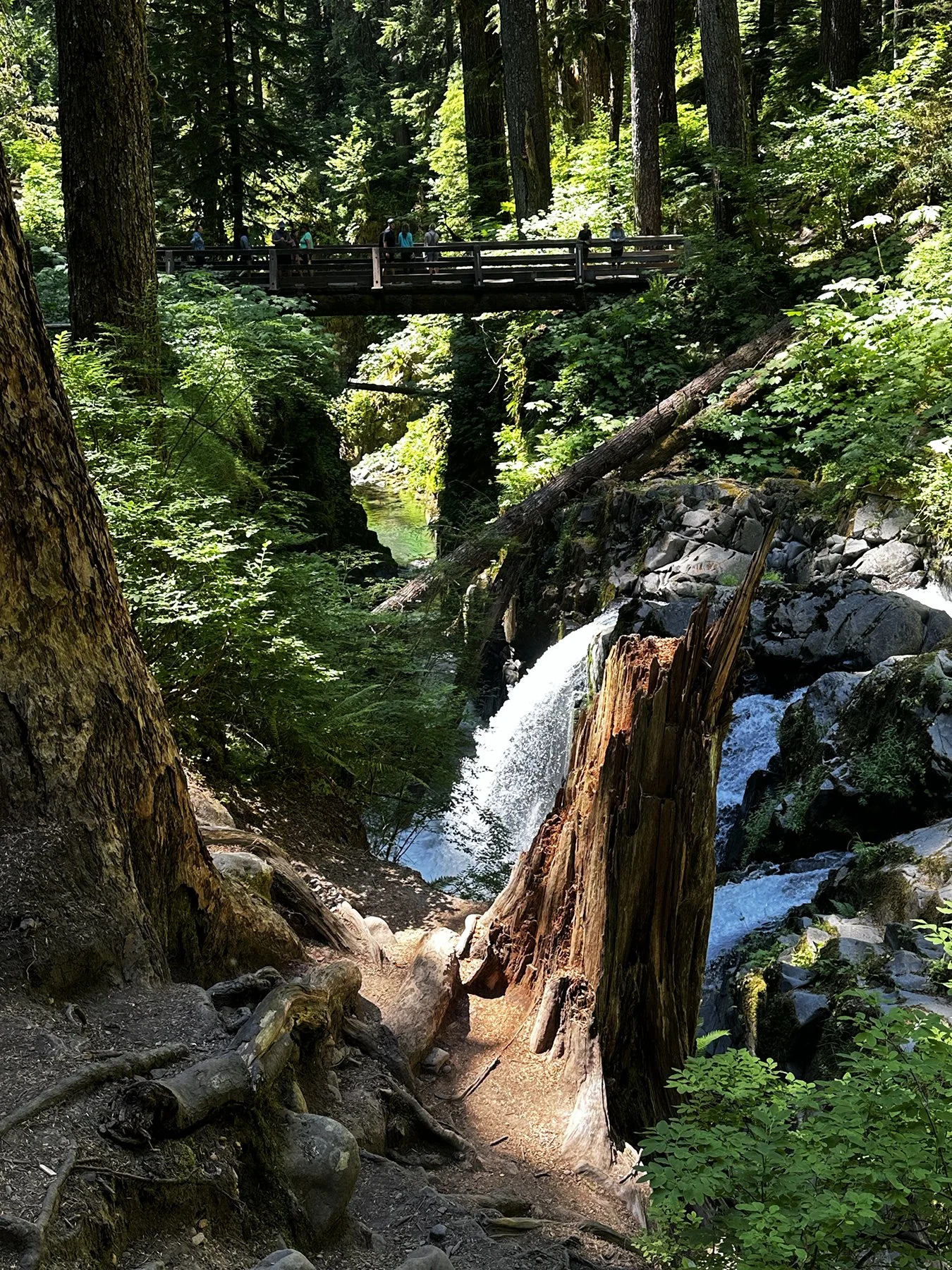
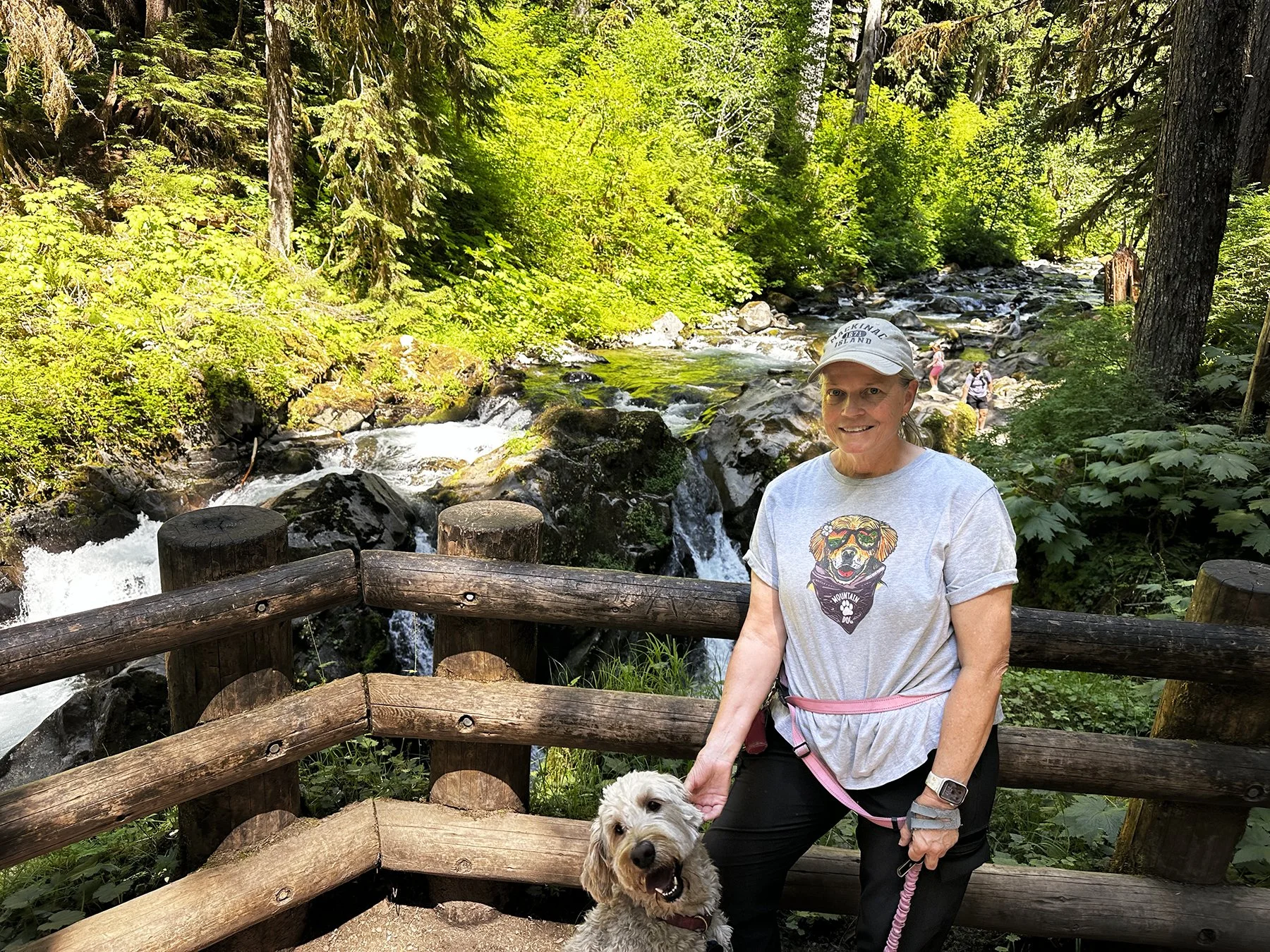
After a few days at that dream-like lake, we headed around to the west end of the park, a drive along the 101 that was another couple of hours. First, we stopped at Sol Duc Hot Springs Resort. If only we could’ve booked a room to enjoy those hot springs! Not this time. But we did go on an amazing hike to get to Sol Duc Falls. I’ve been so blessed to witness the power and beauty of waterfalls all over the country, and this one did not disappoint. In fact, it is said to be one of most iconic and highly photographed waterfalls in Olympic NP. In NPS’ words: “Fed by snowmelt from the Olympic Mountains, the Sol Duc River dramatically fractures into up to four distinct channels, plunging 40 to 50 feet into a narrow, rocky slot canyon that turns at a sharp 90-degree angle. The area is celebrated for is towering old-growth rainforest trees, dense green mosses, and vibrant ferns.” Yes, yes and yes!!!
Forks + La Push
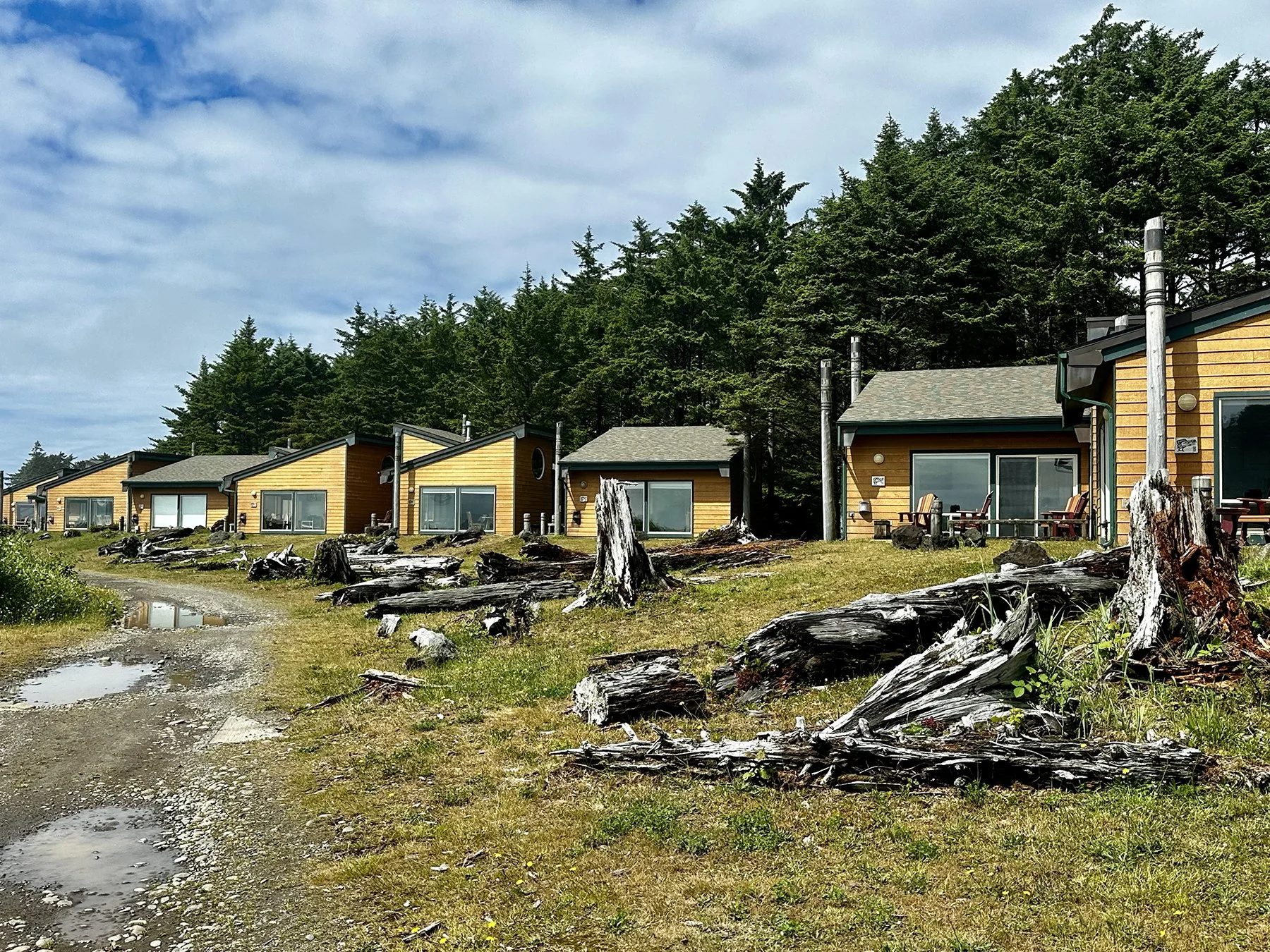
My next campground was just outside of the small town of Forks, known mostly for just two things: (1) its abundant rainfall, making it the rainiest place in the contiguous U.S., and (2) its role as the setting for the Twilight novels and movies, which transformed it into a major tourist destination alongside its natural attractions like Olympic National Park. It is full of Twilight-themed activities, embracing its misty, magical atmosphere. I’m not into vampires, but if you are a fan of Twilight, you really must visit this town.
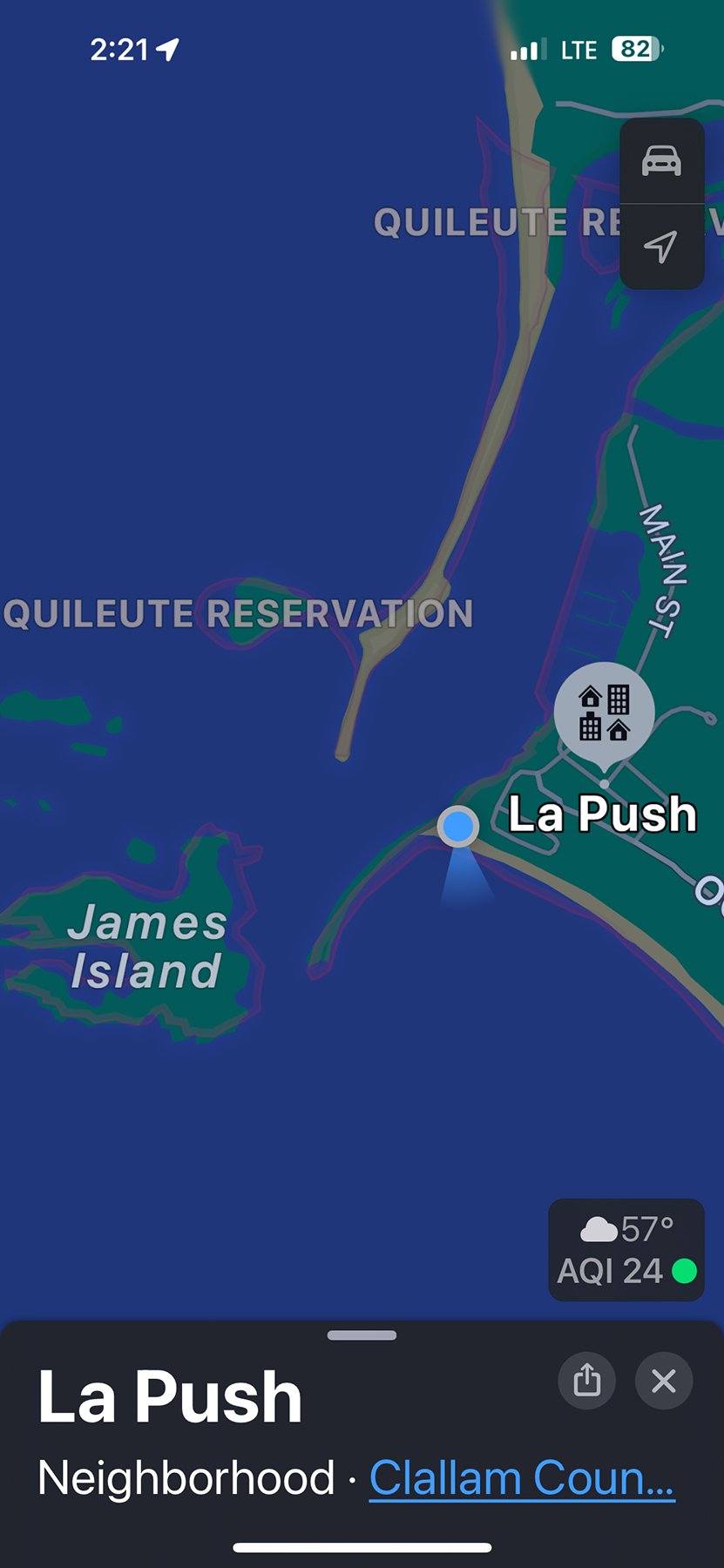
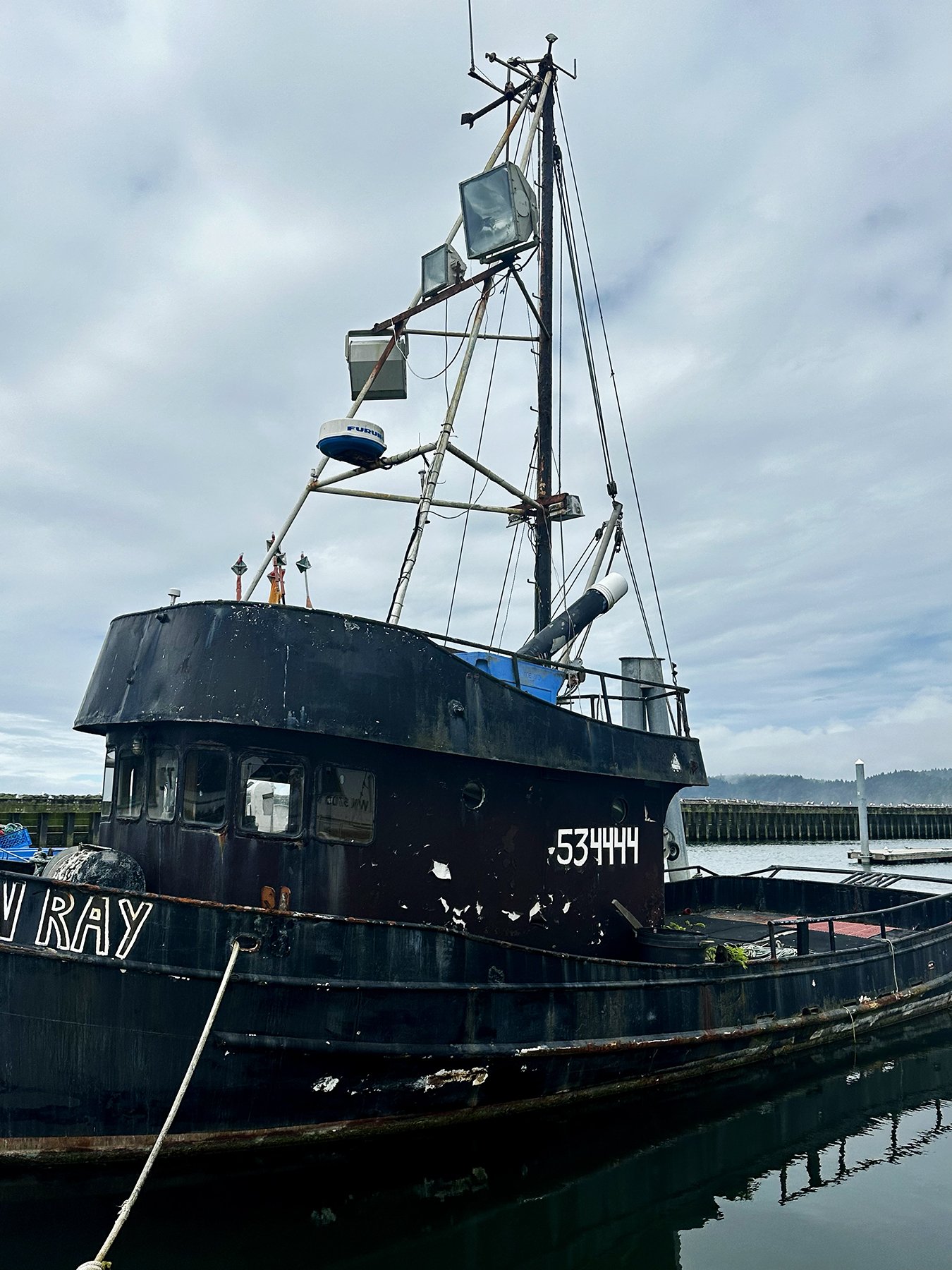
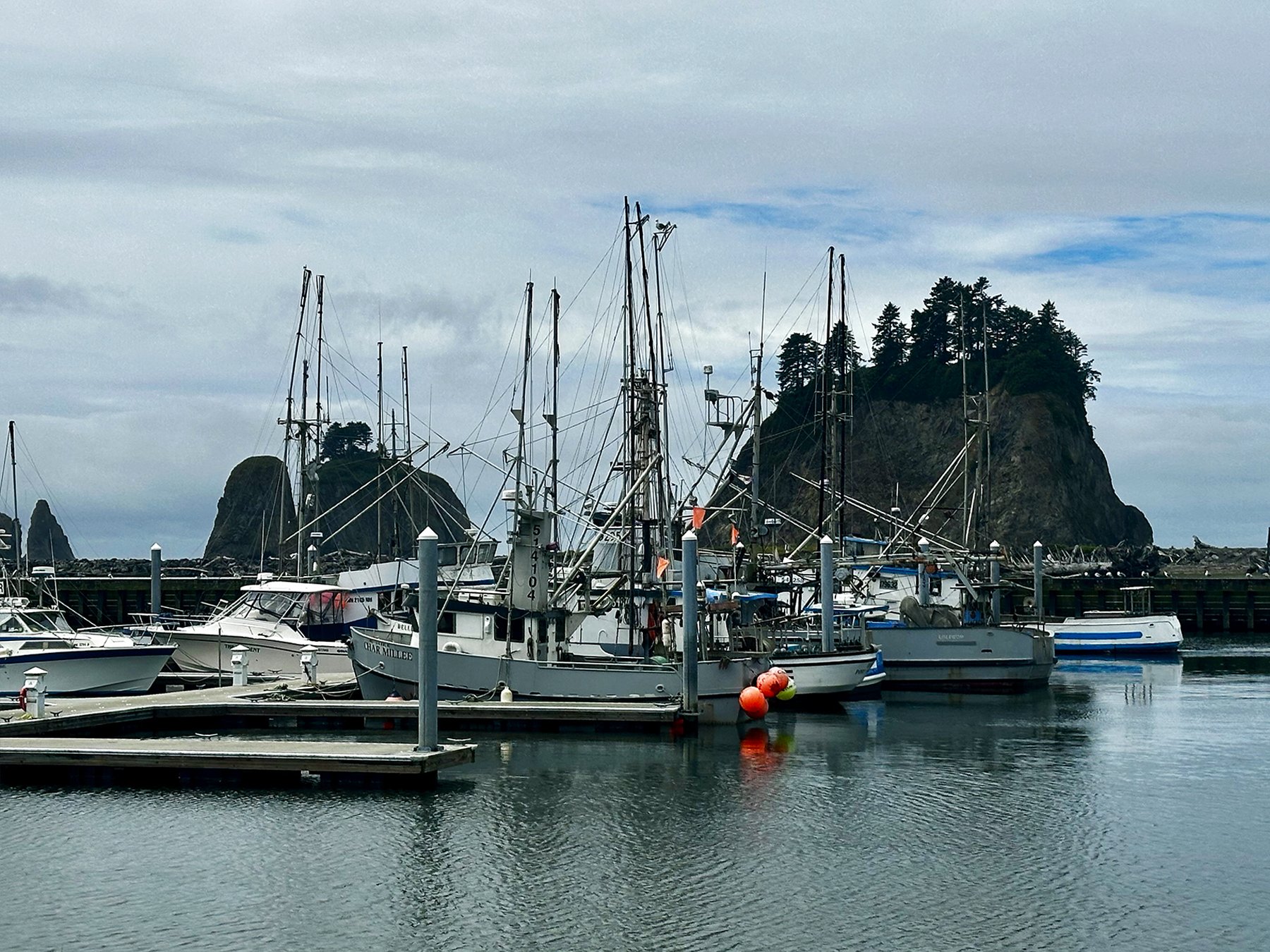
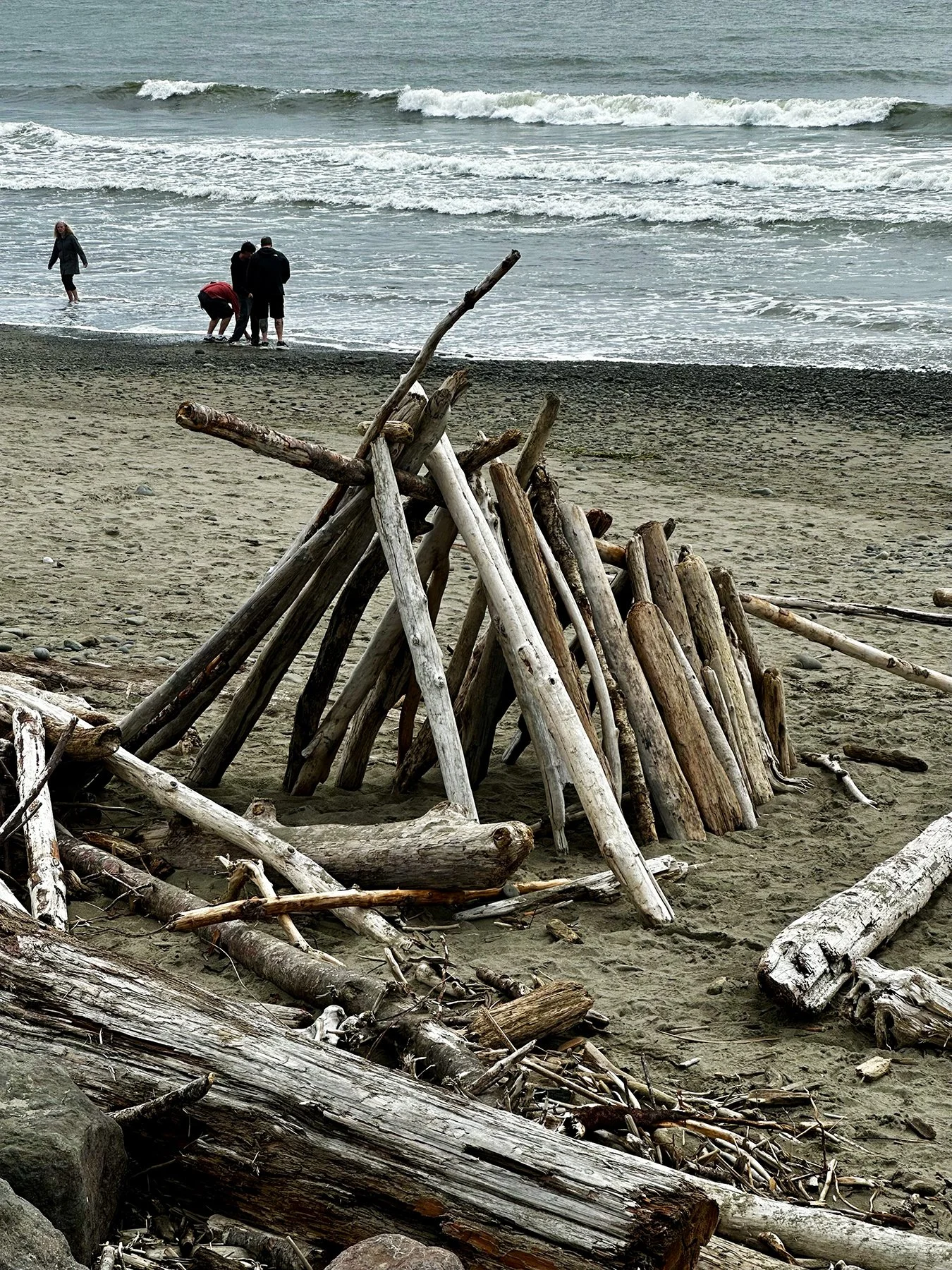
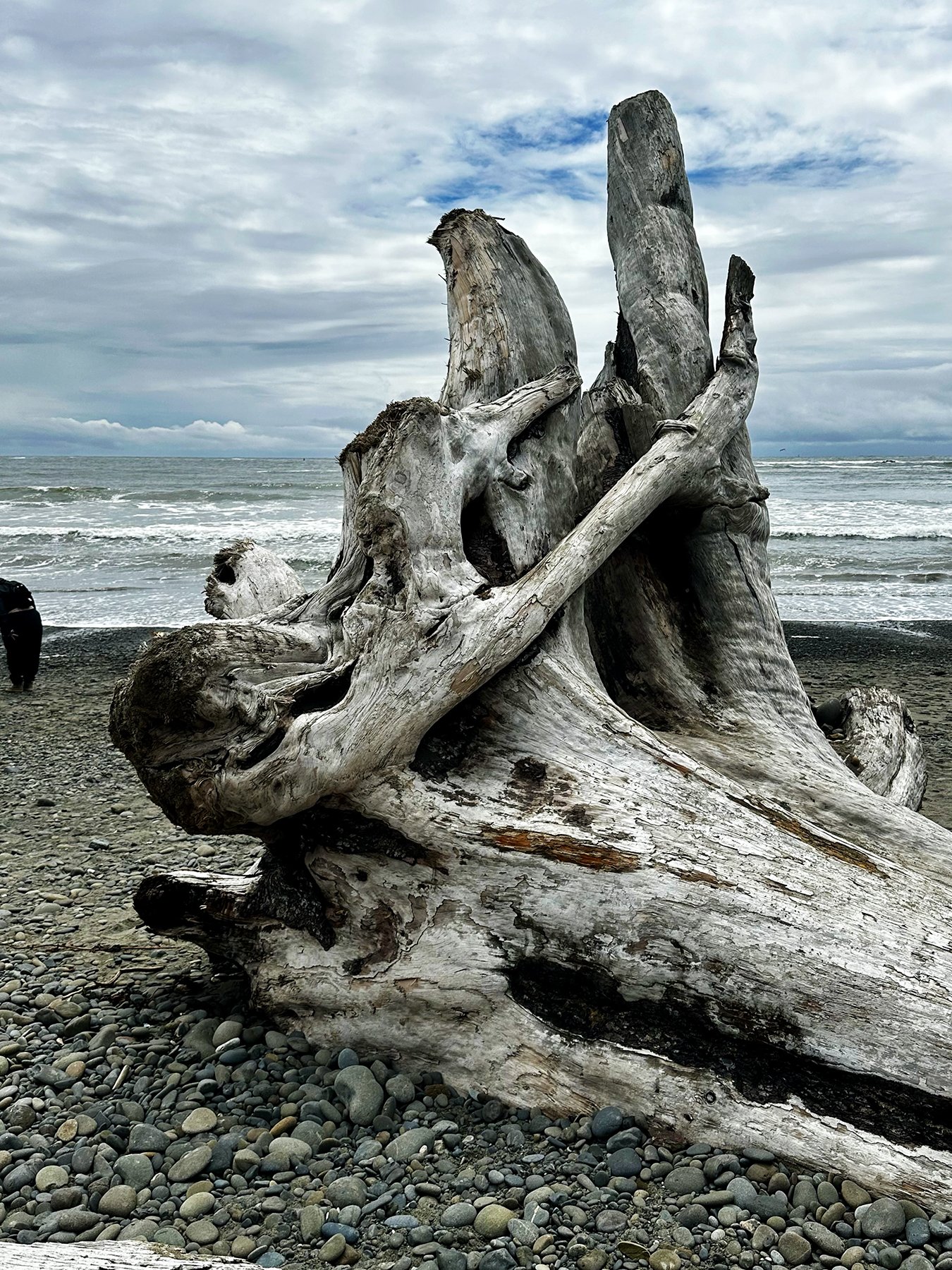
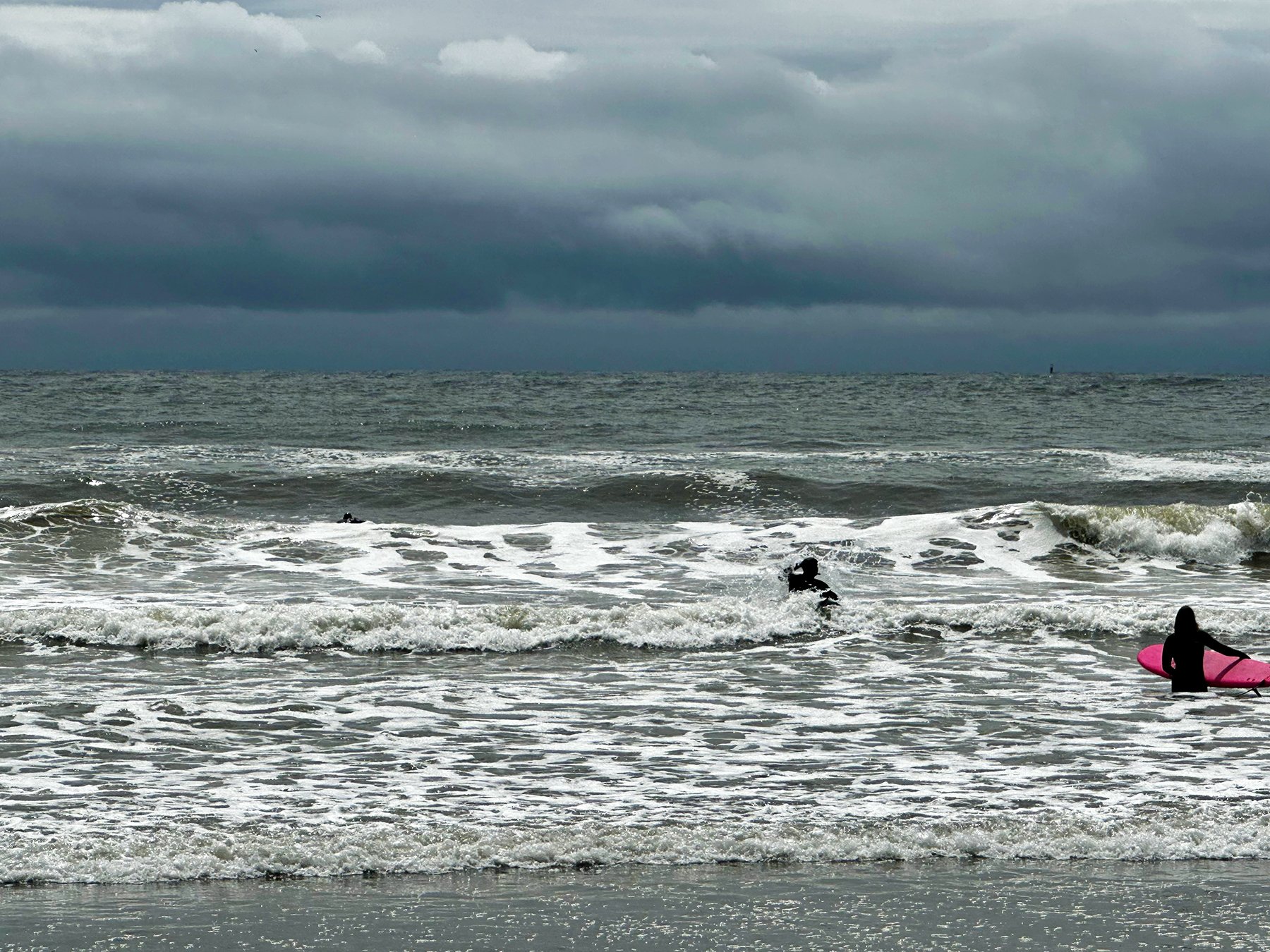
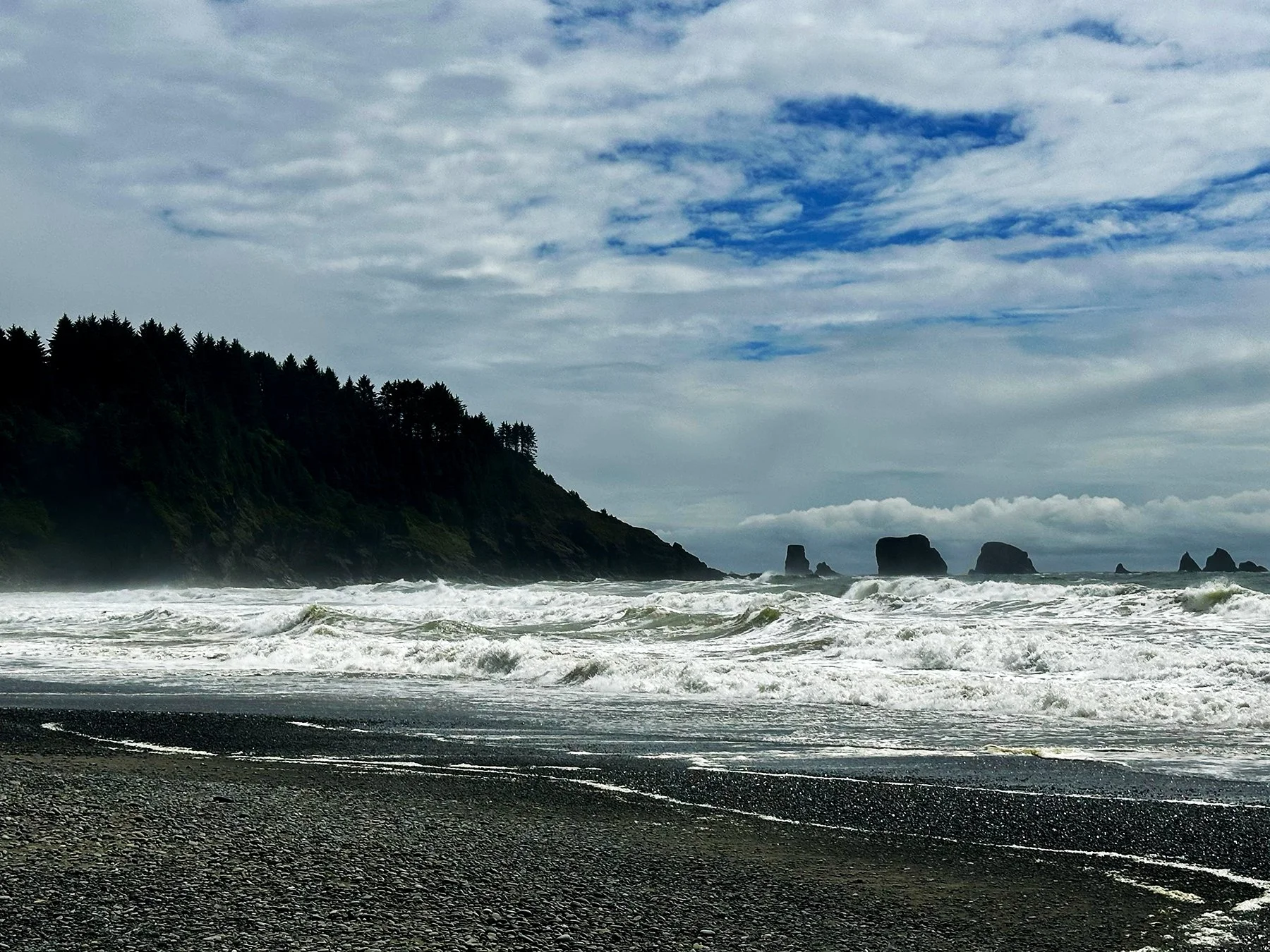
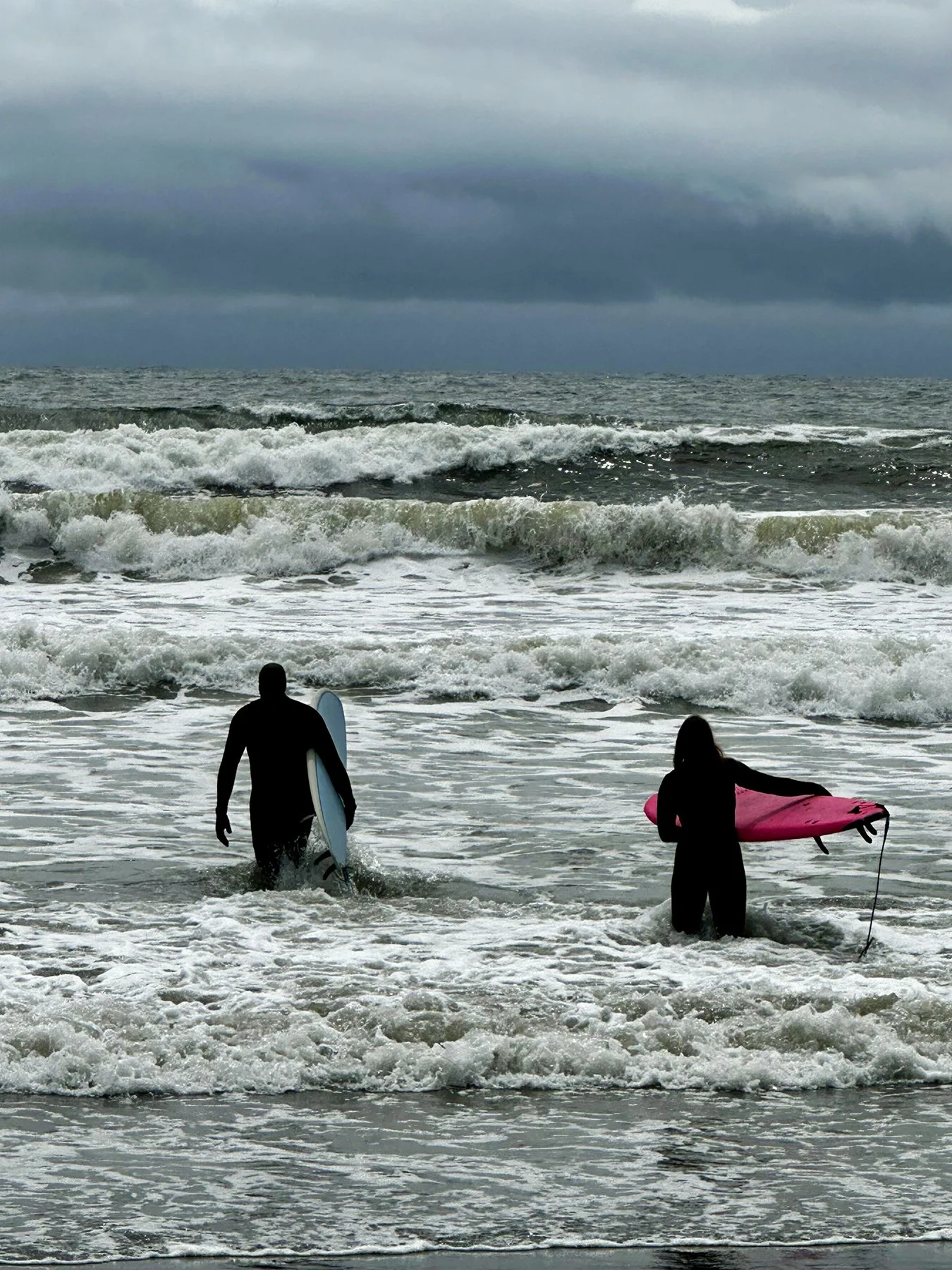
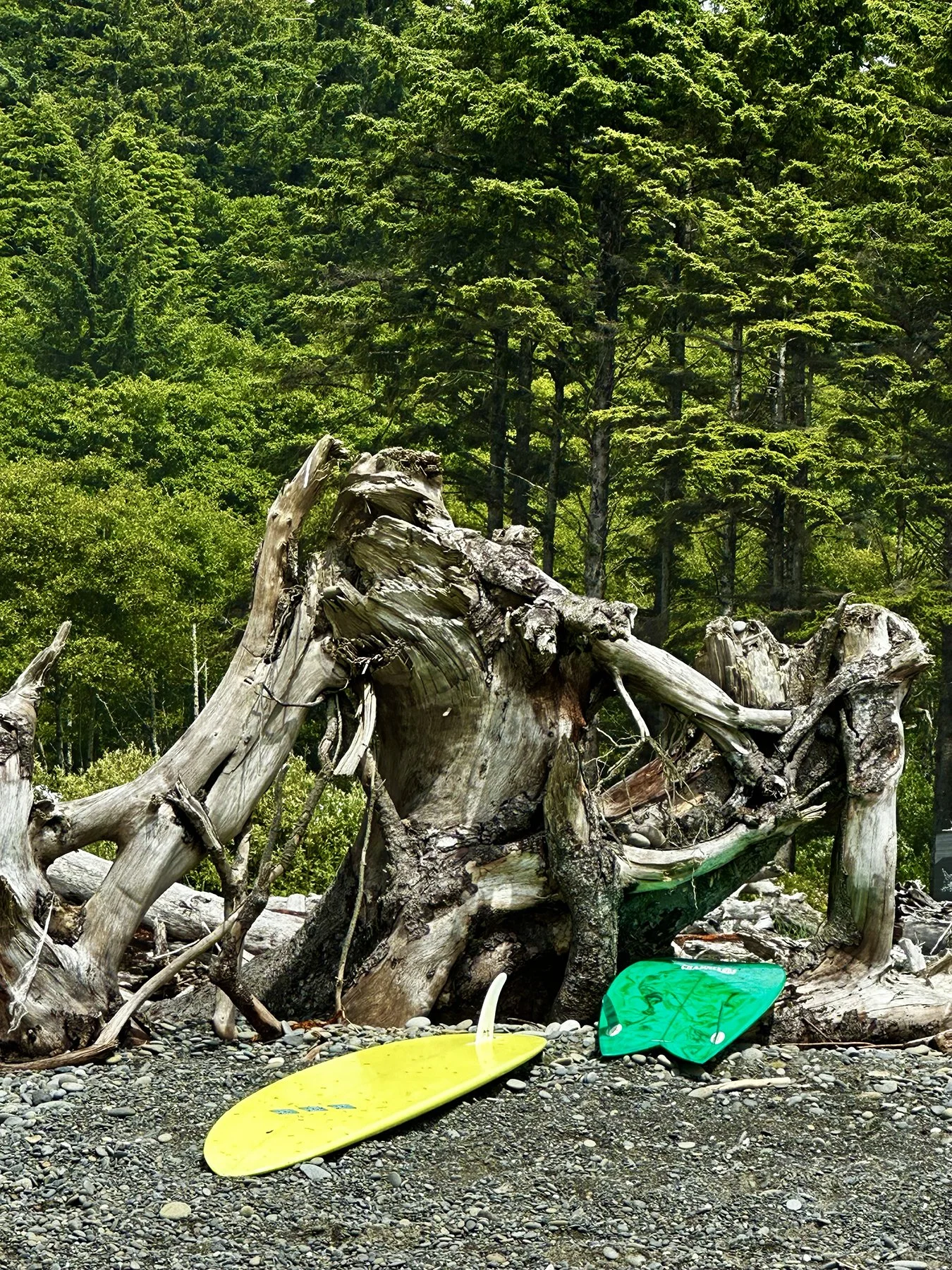
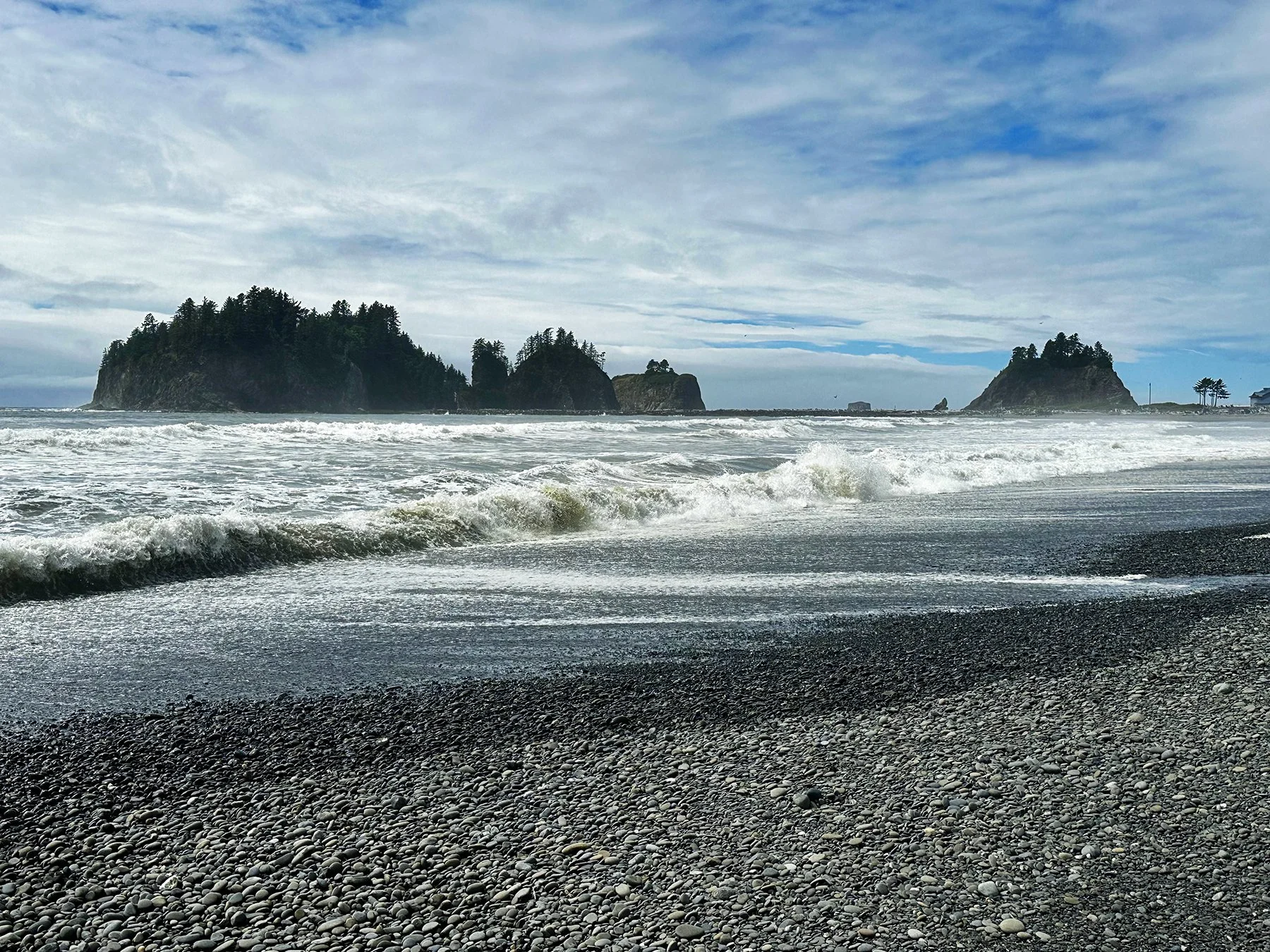
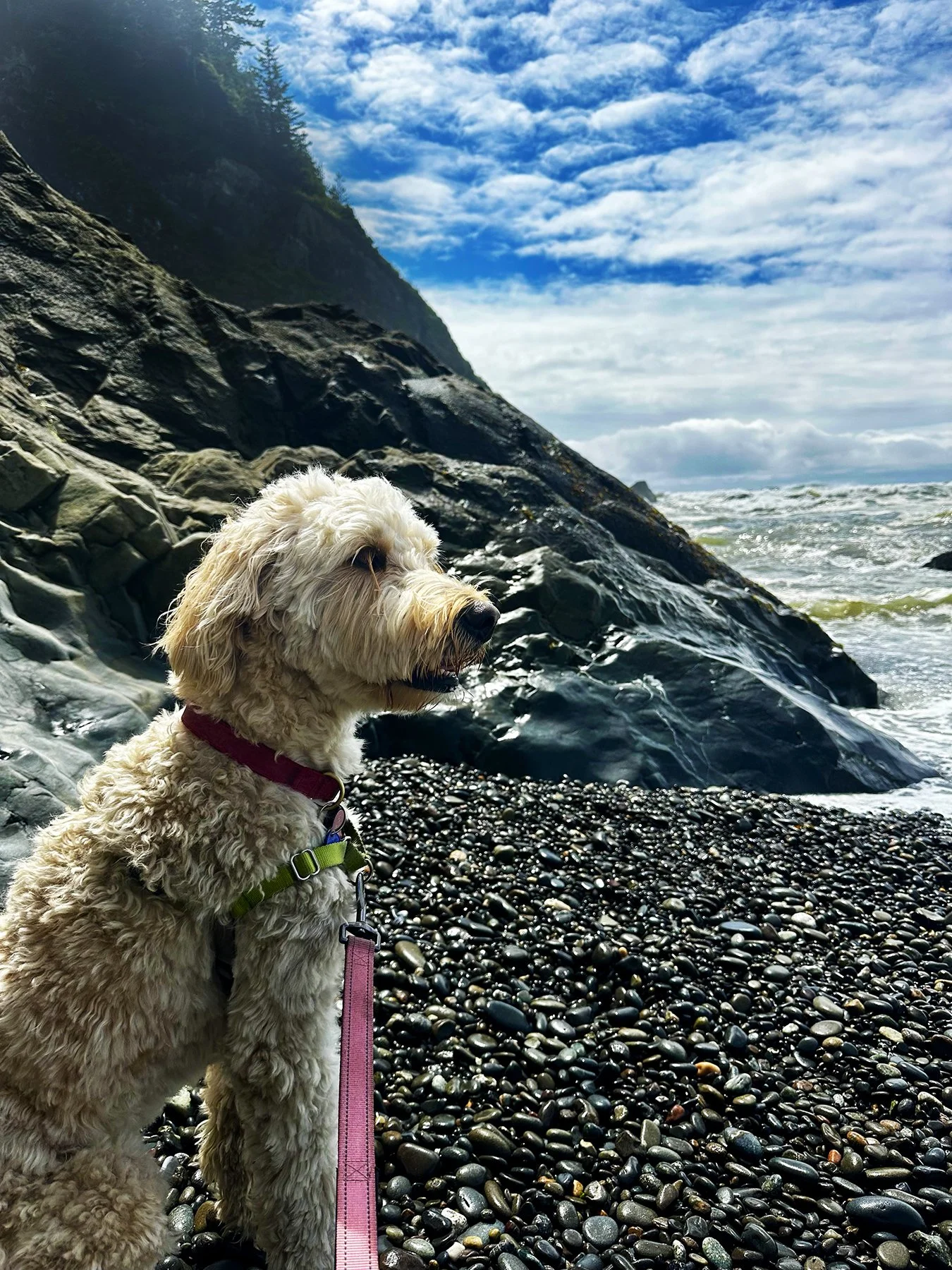
Just a short drive to the Pacific Ocean took us to the seaside village of La Push, known for its dramatic, driftwood-strewn Pacific beaches, towering sea stacks and huge waves.
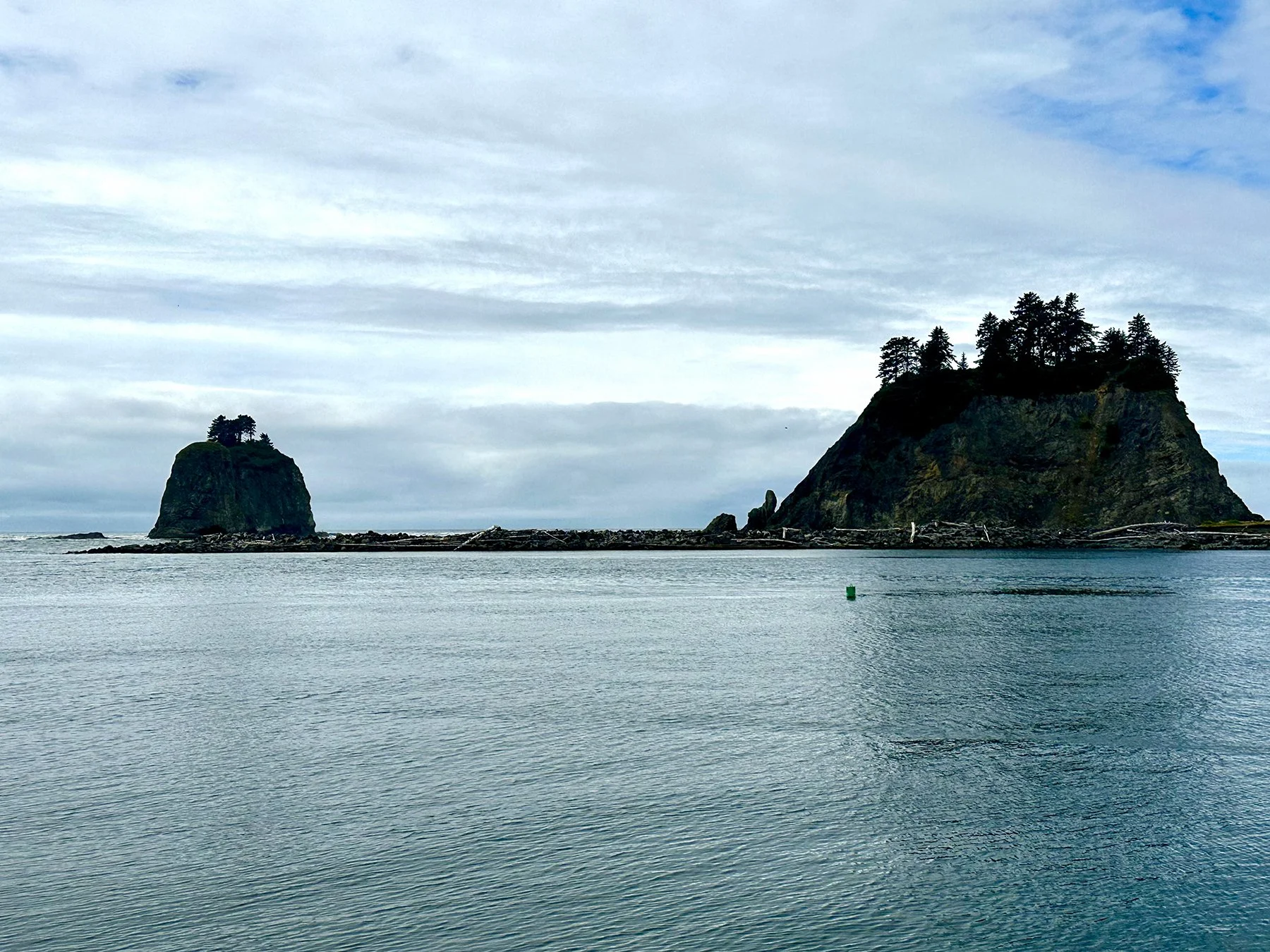
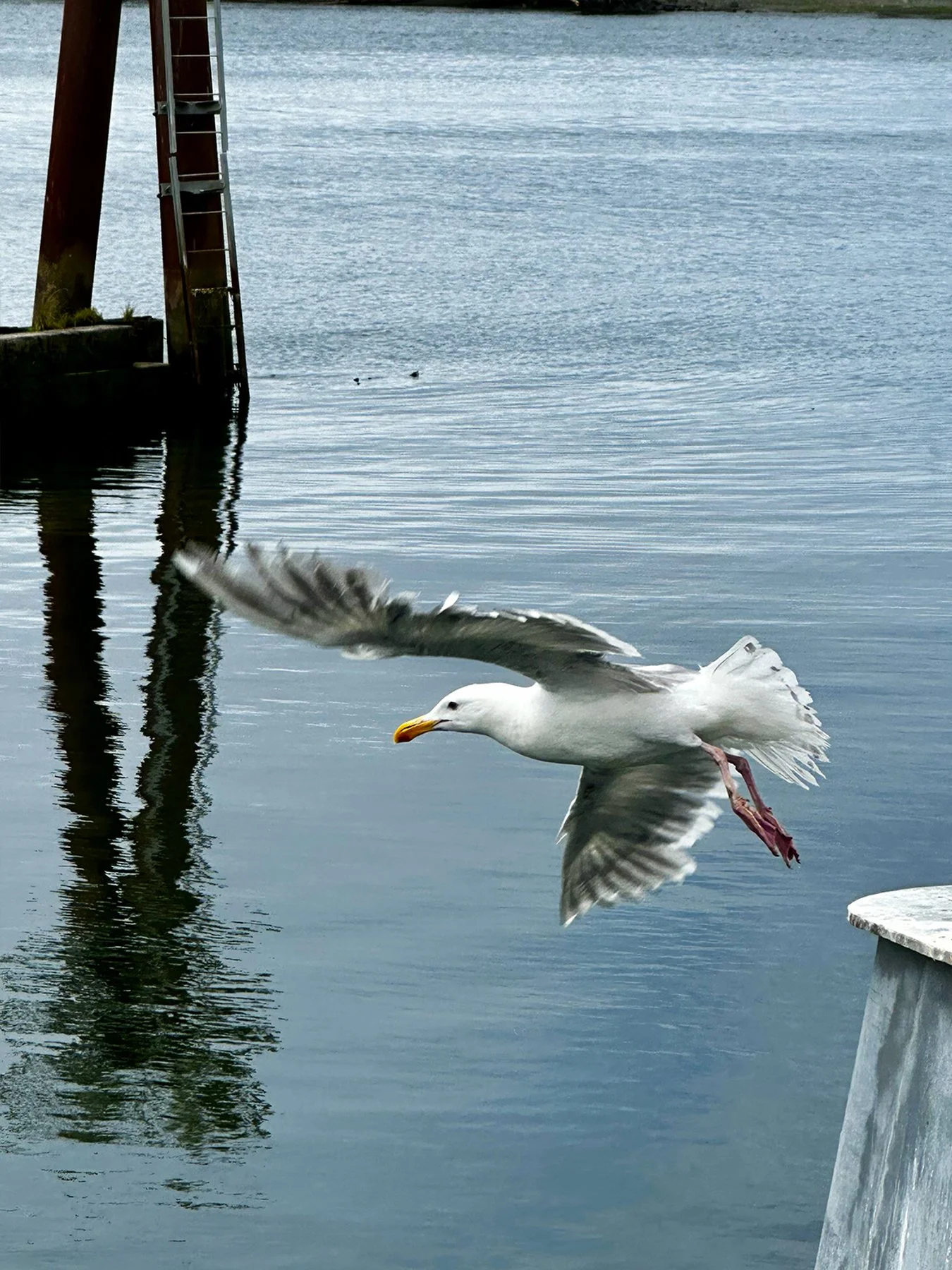
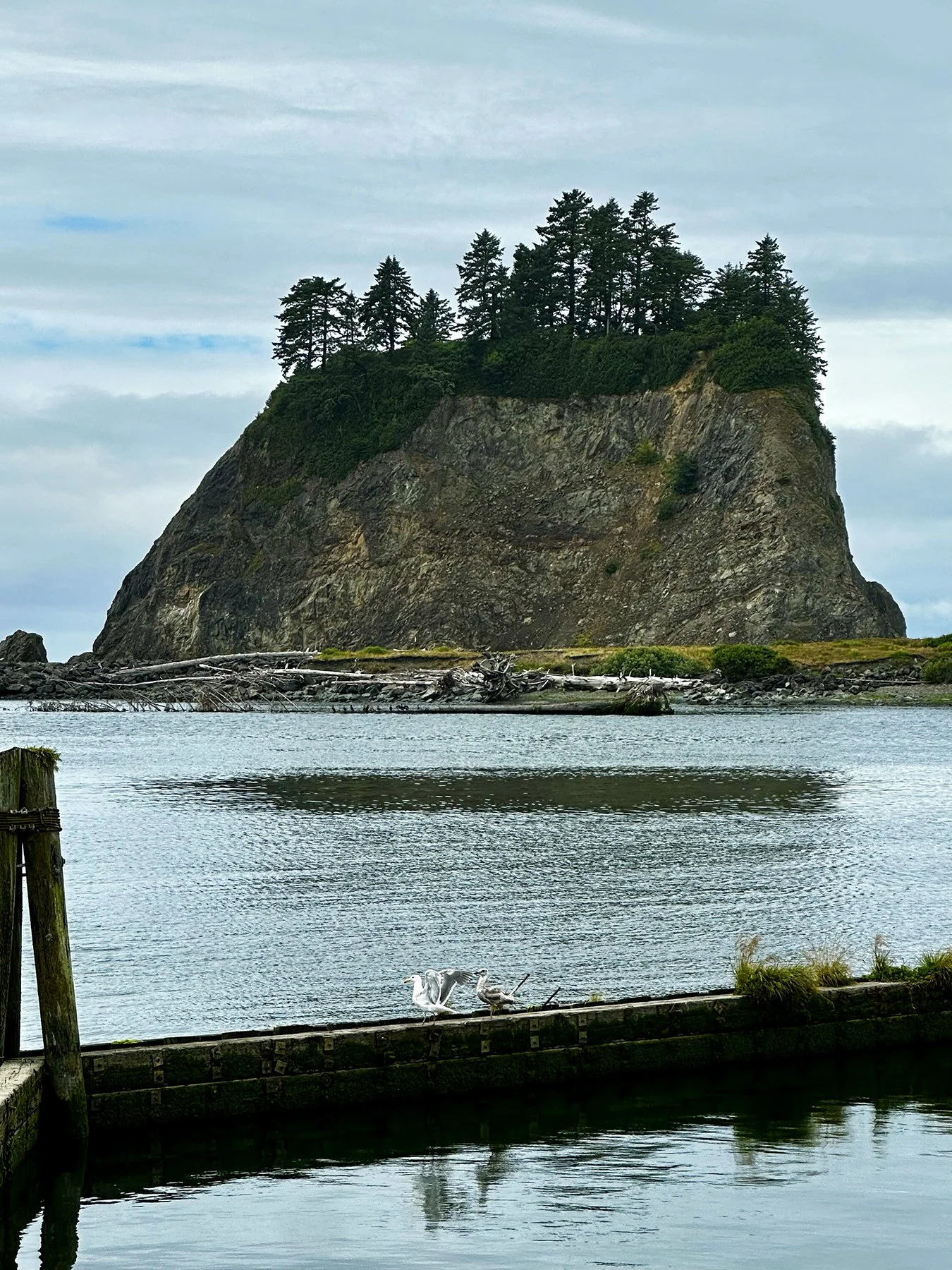
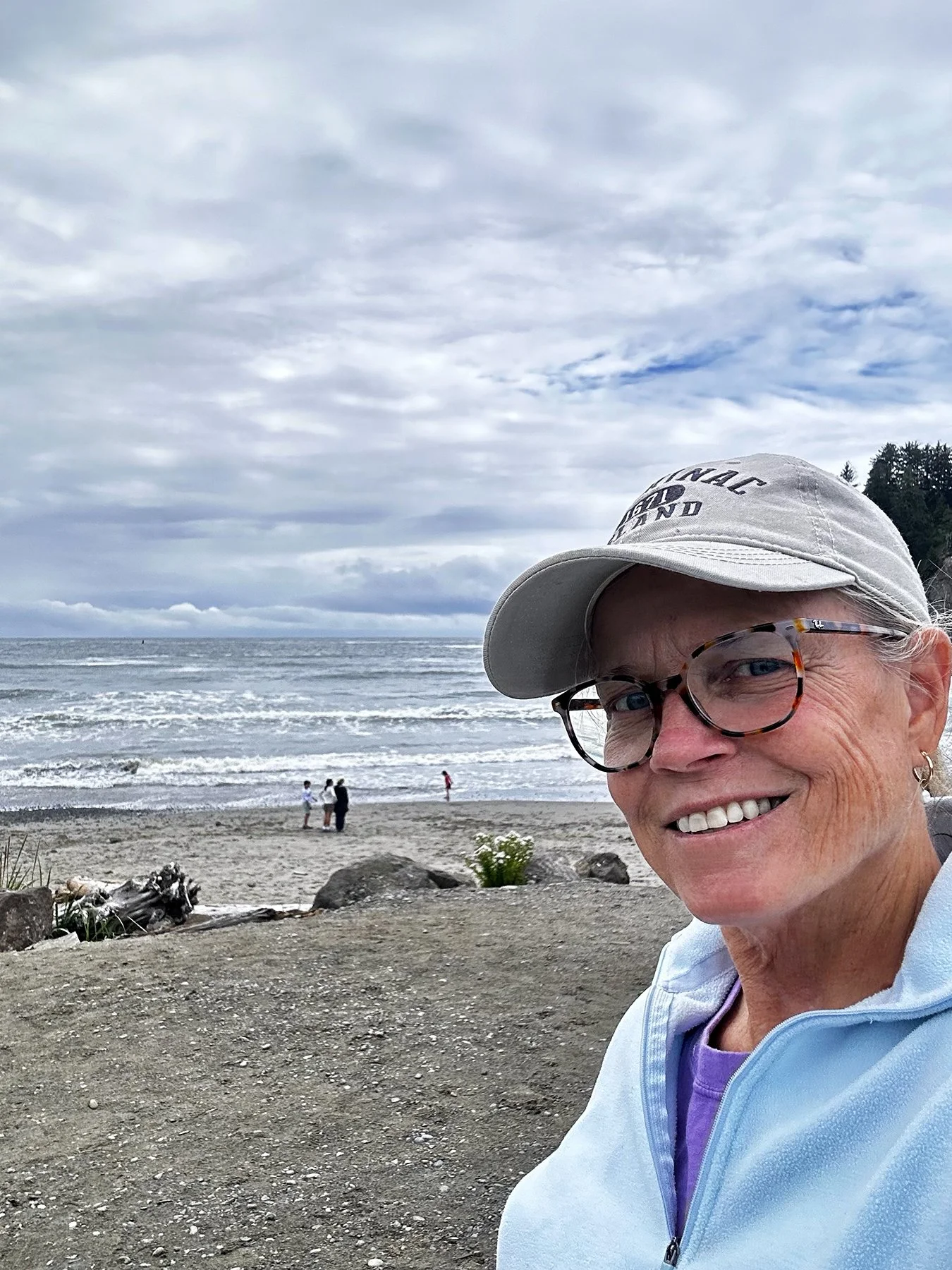
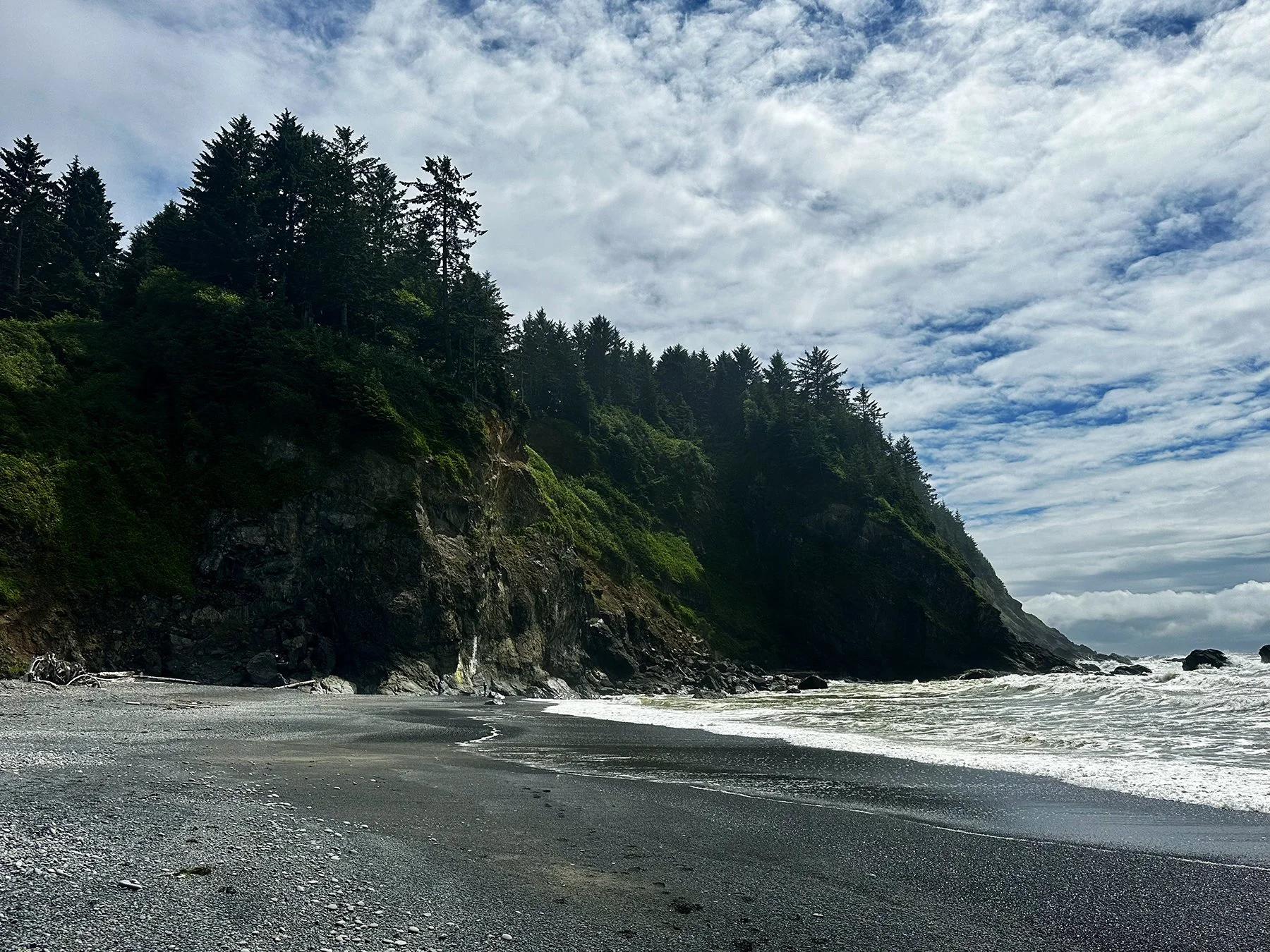
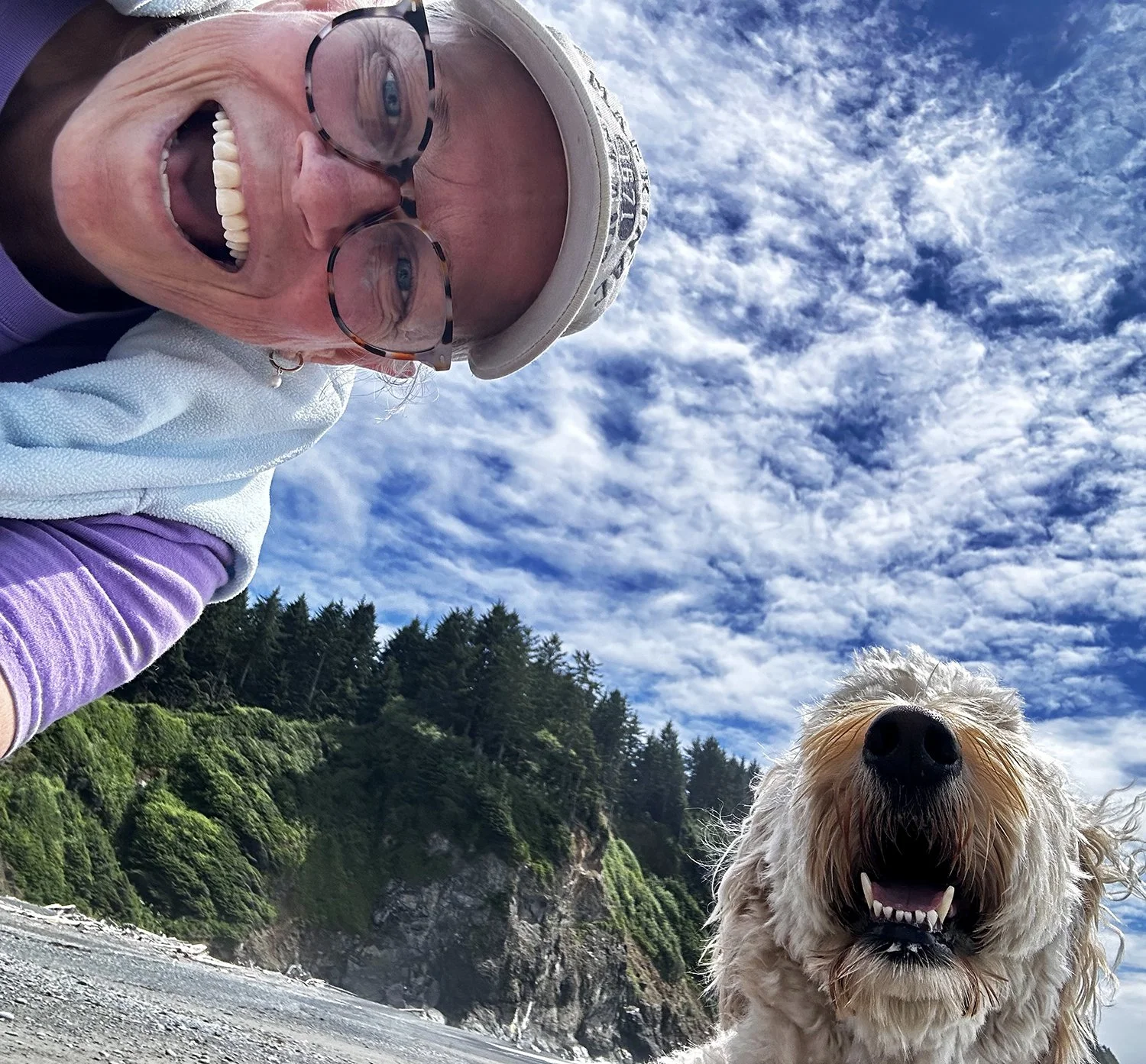
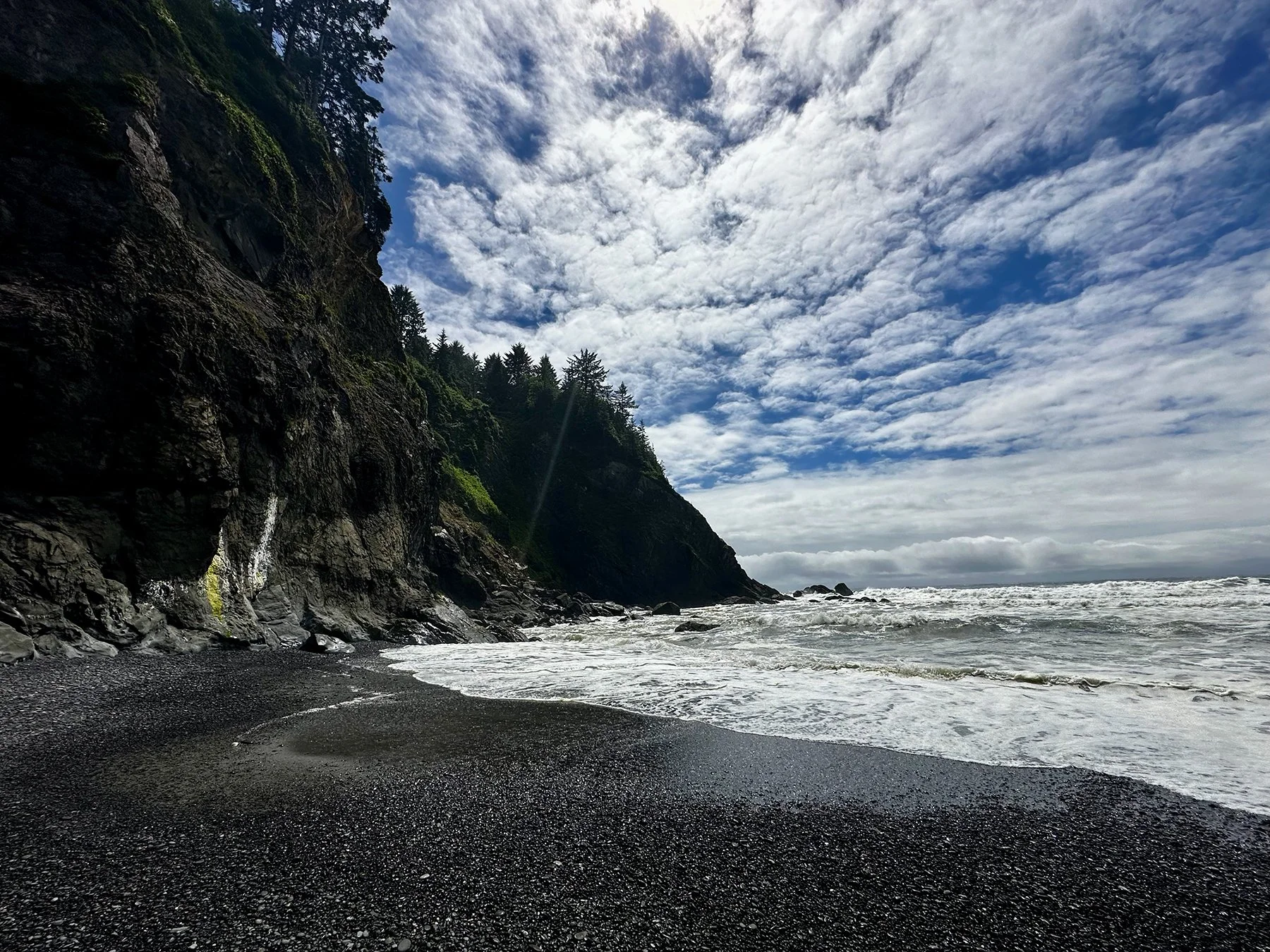
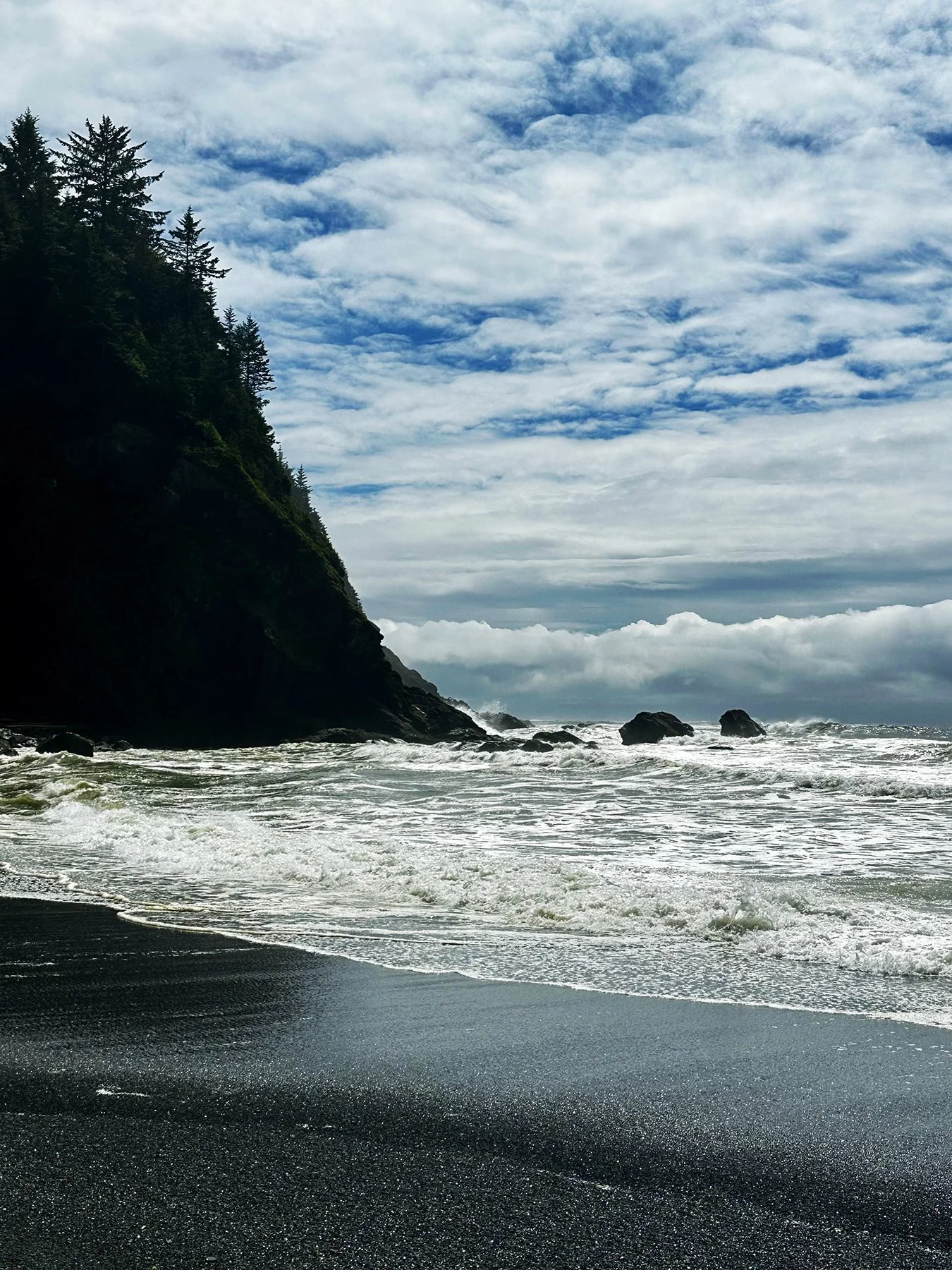
Hoh Rain Forest
Y’all, it’s a rainforest! A real rainforest! Haha.
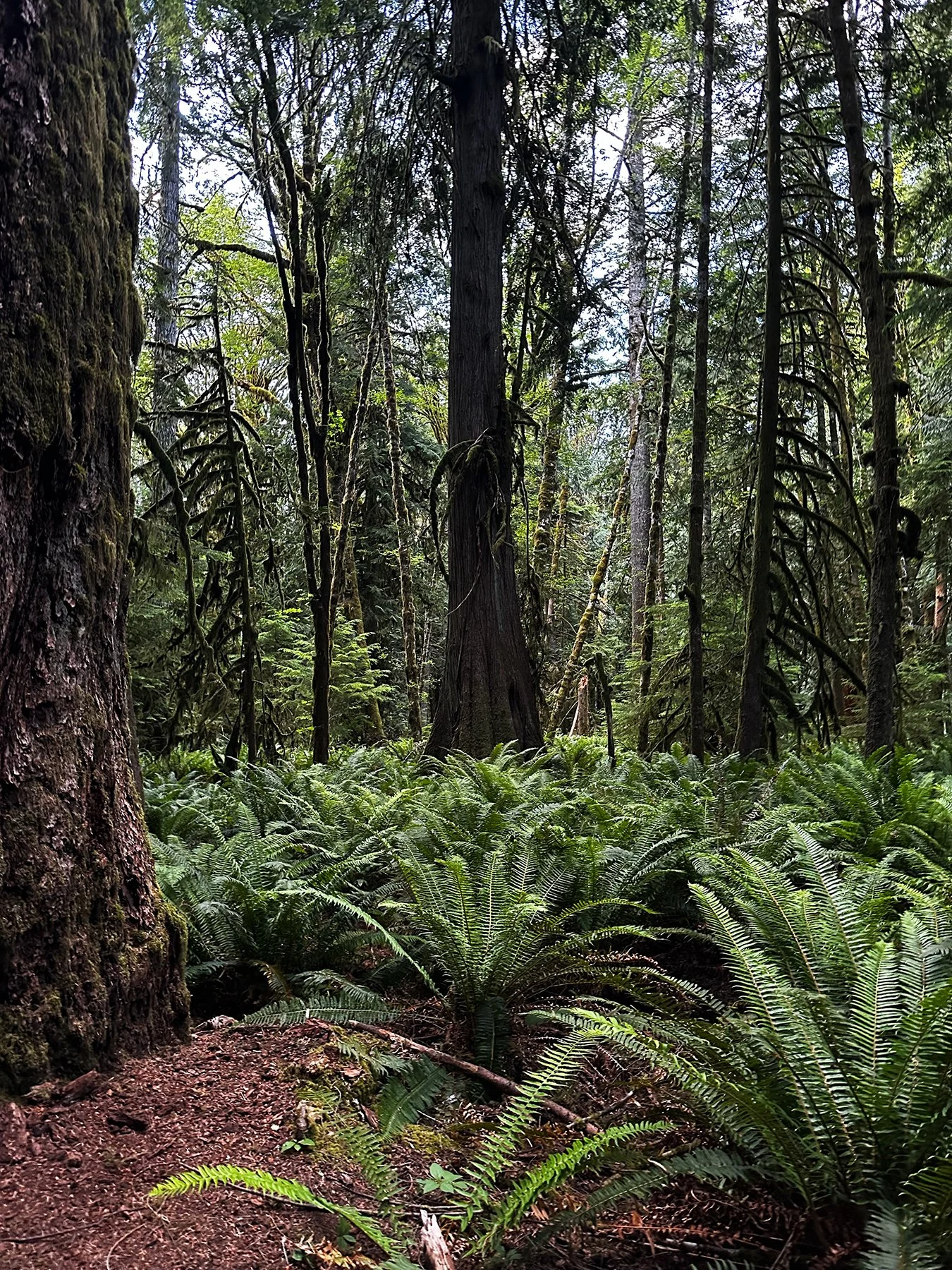
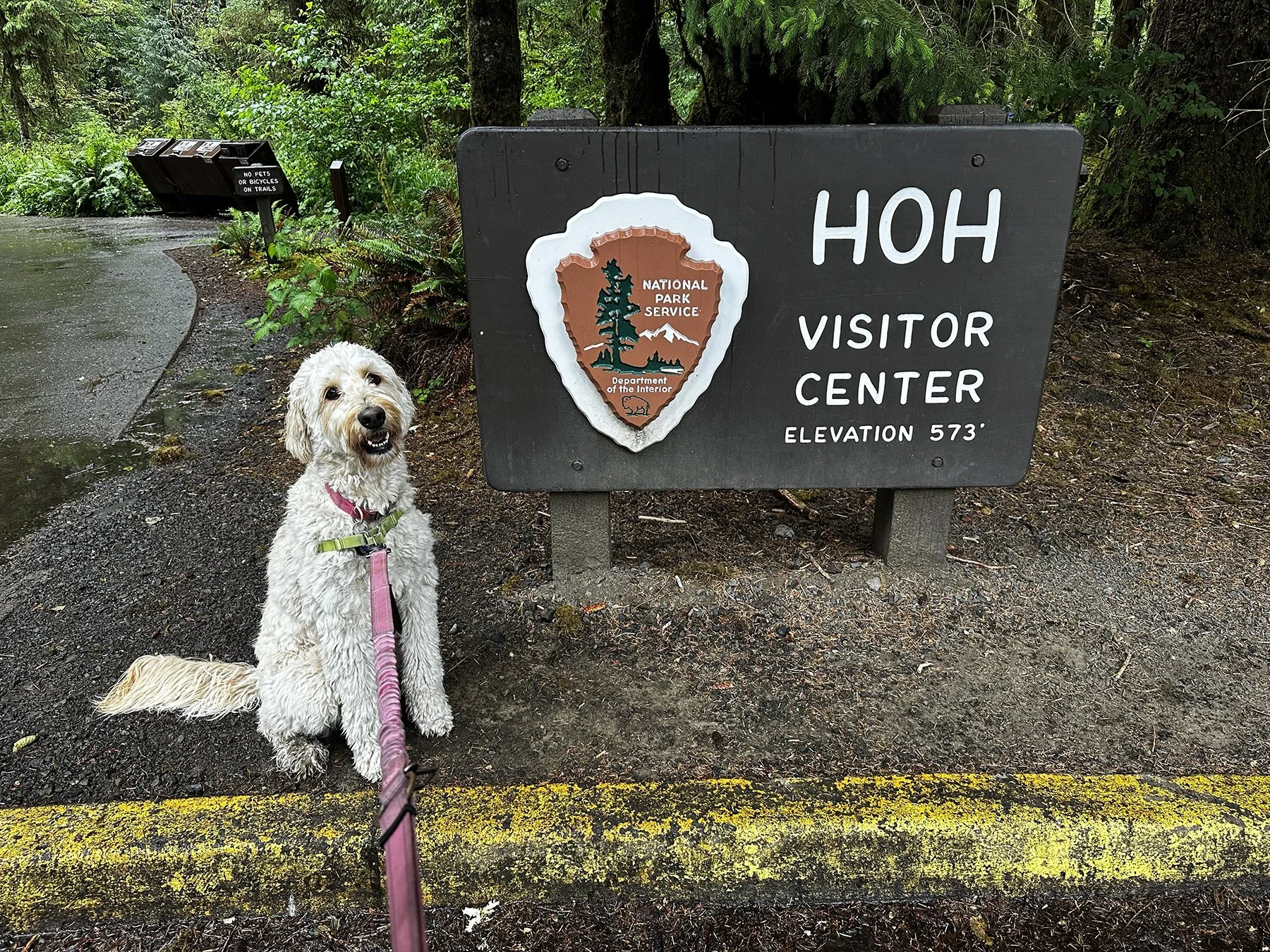
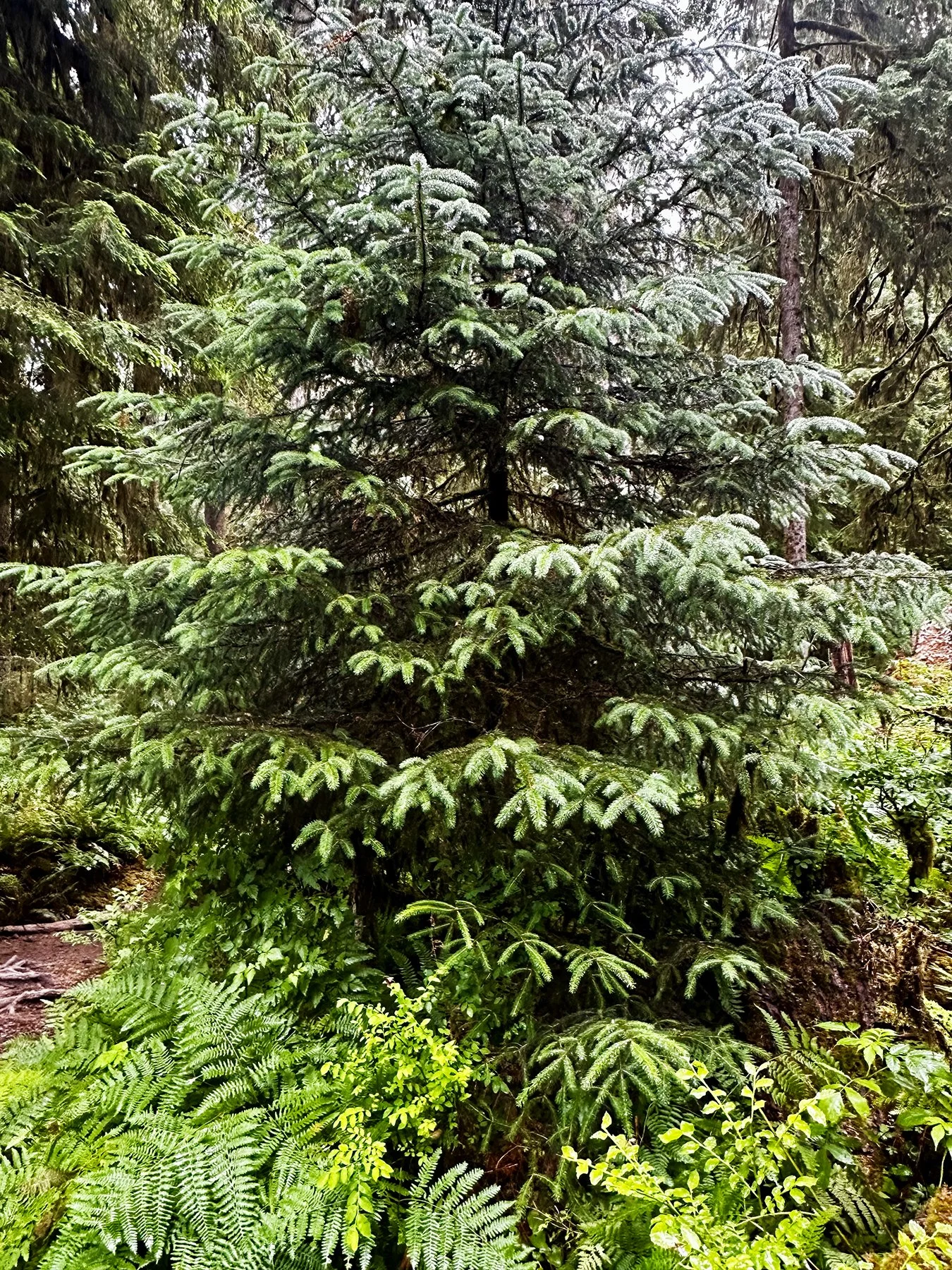
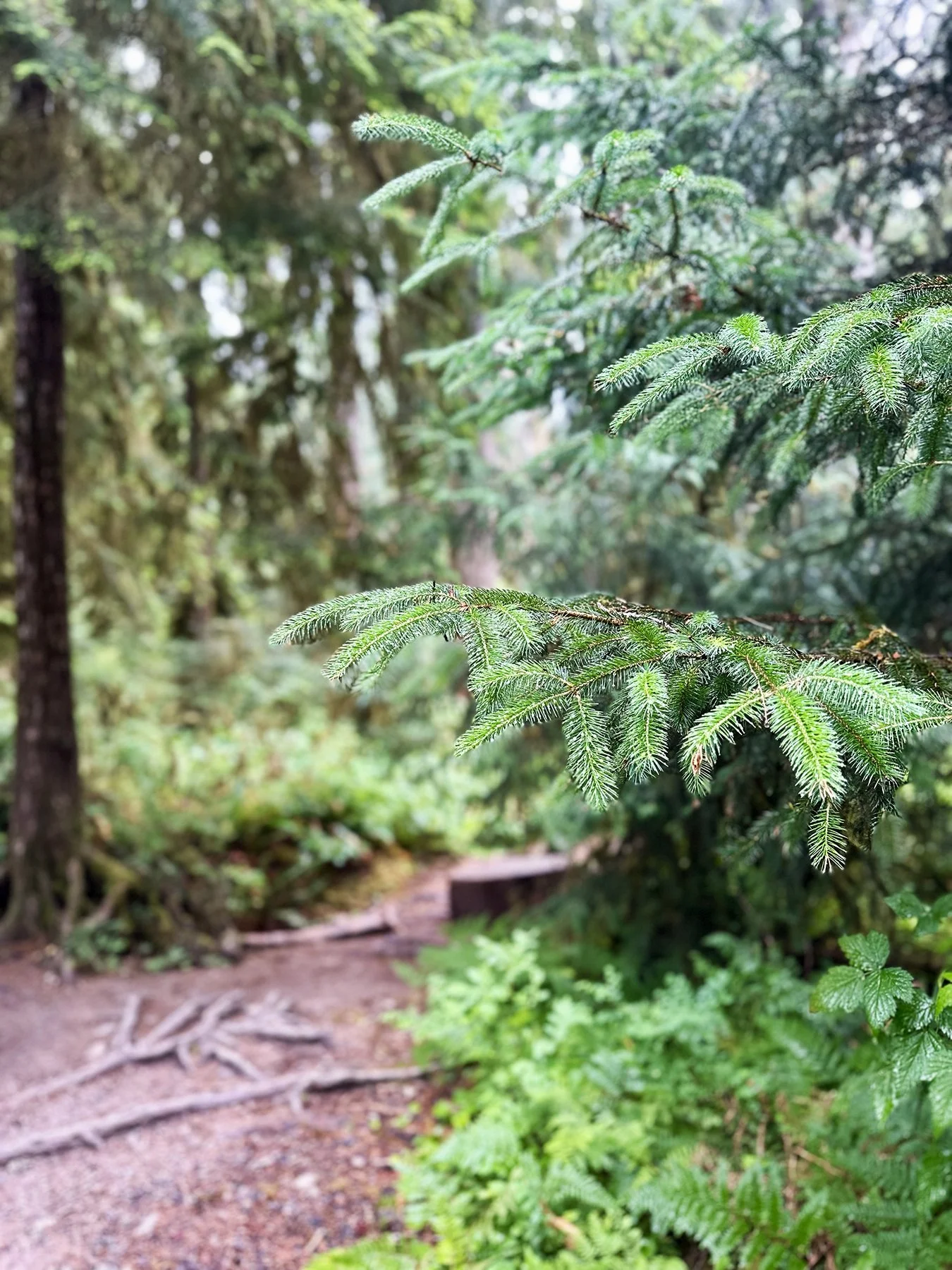
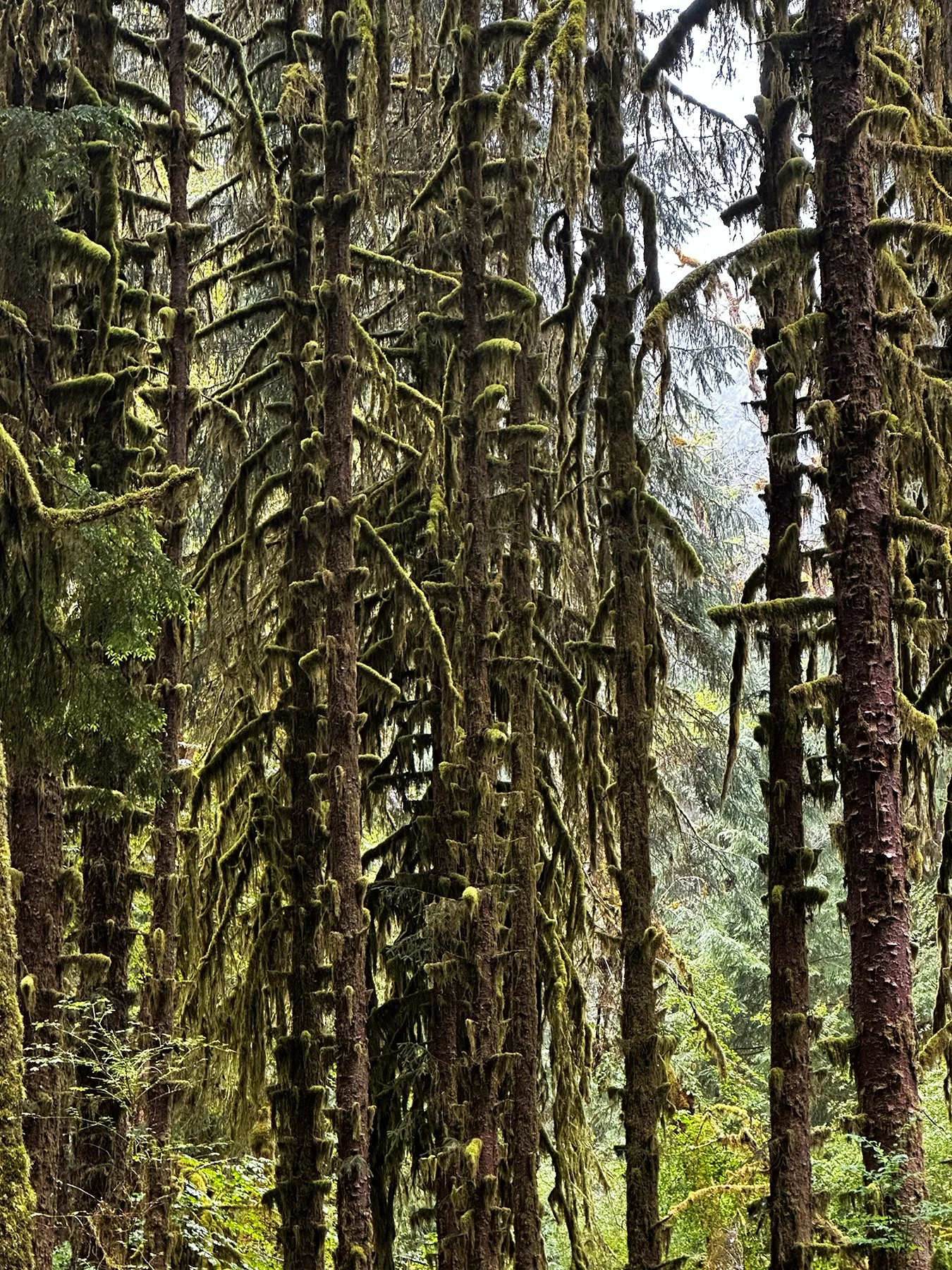
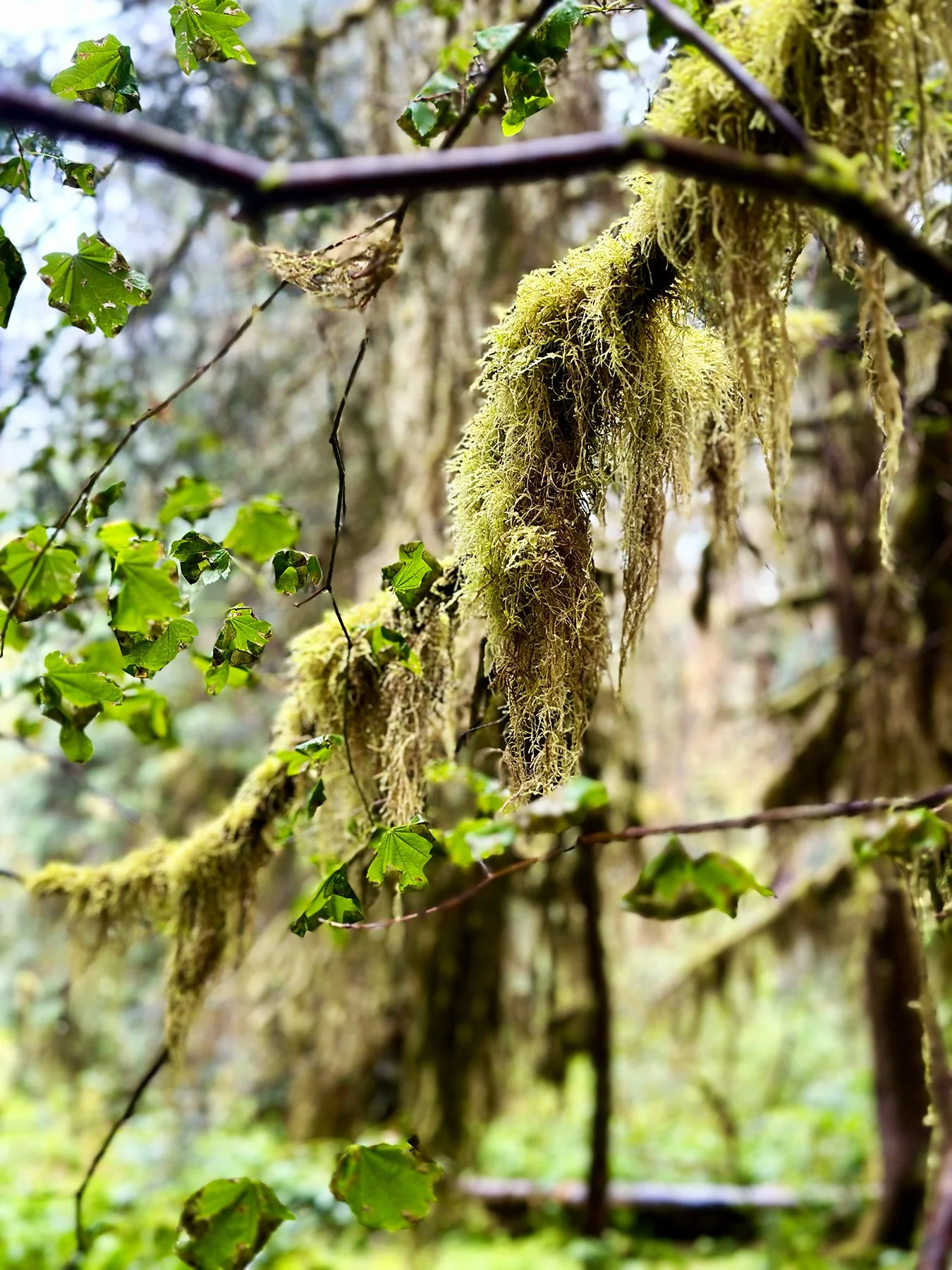
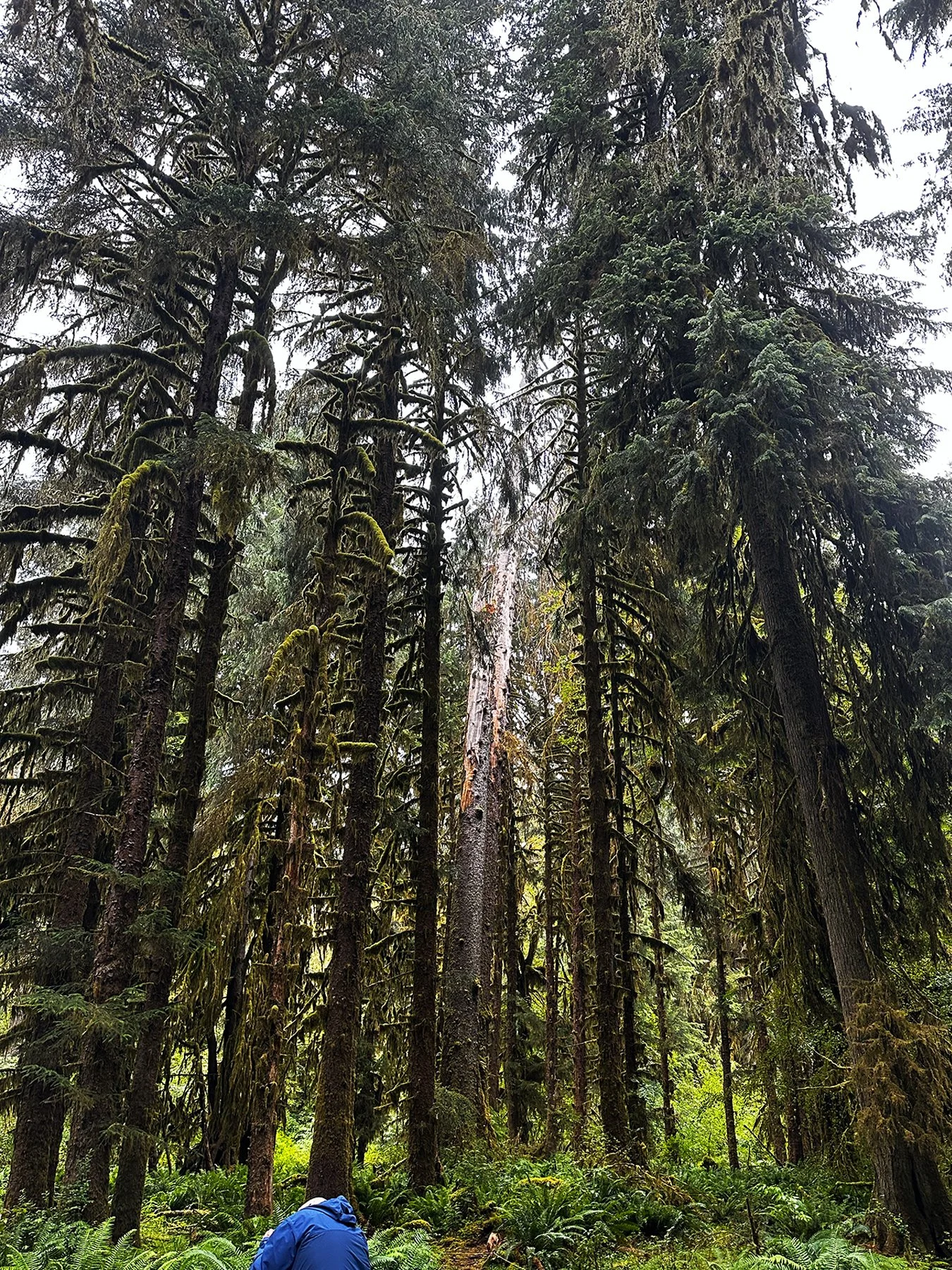
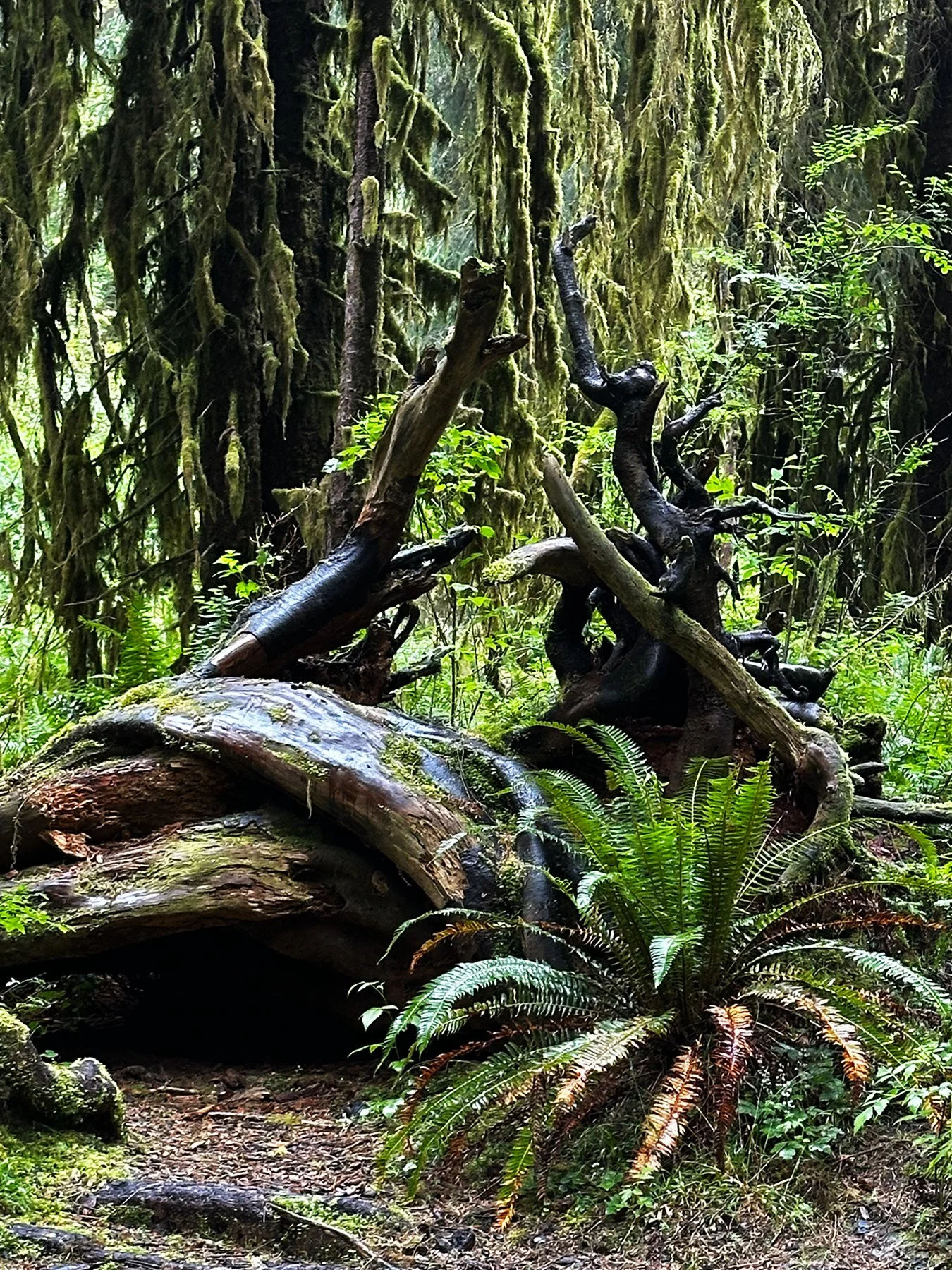
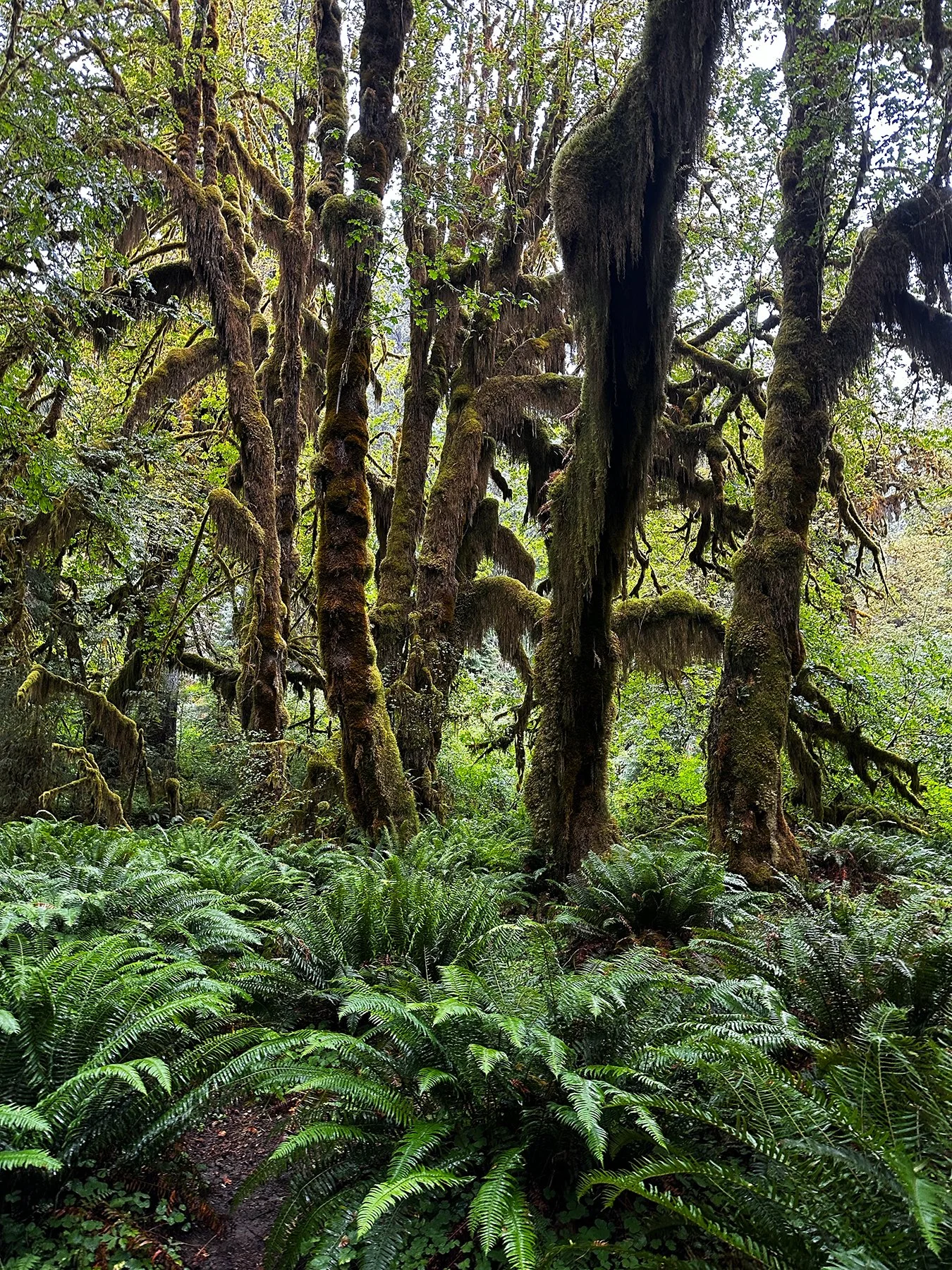
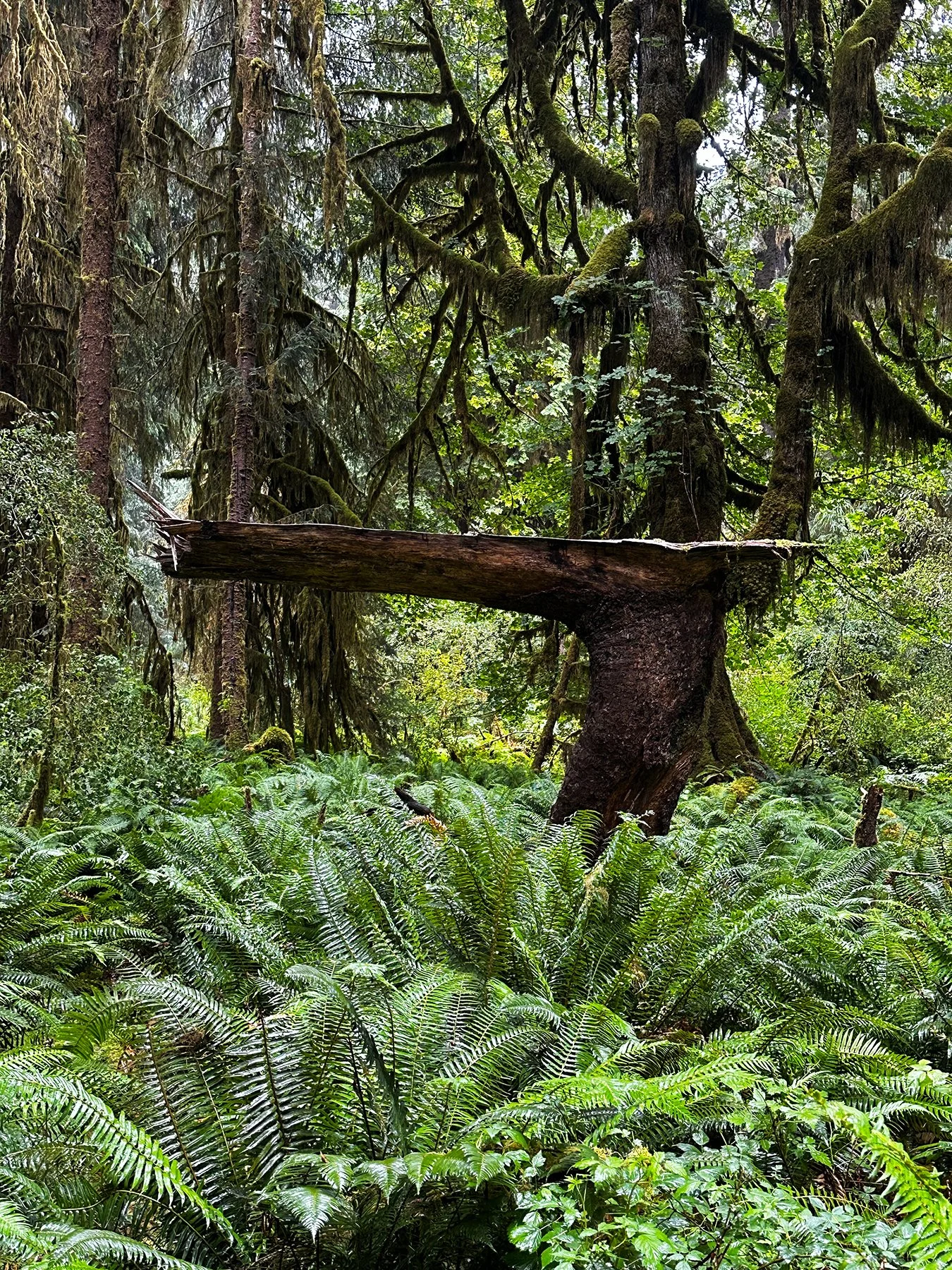
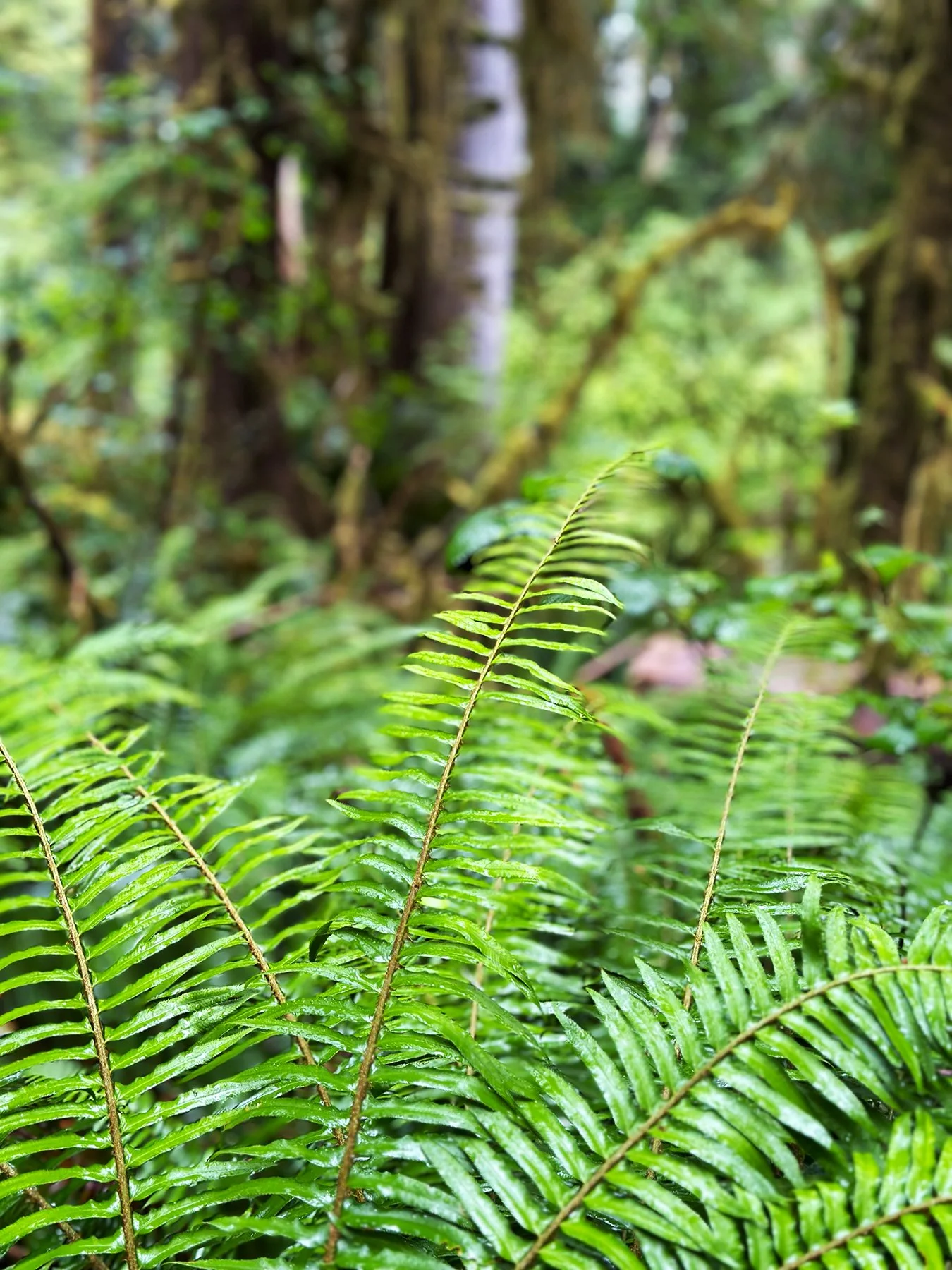
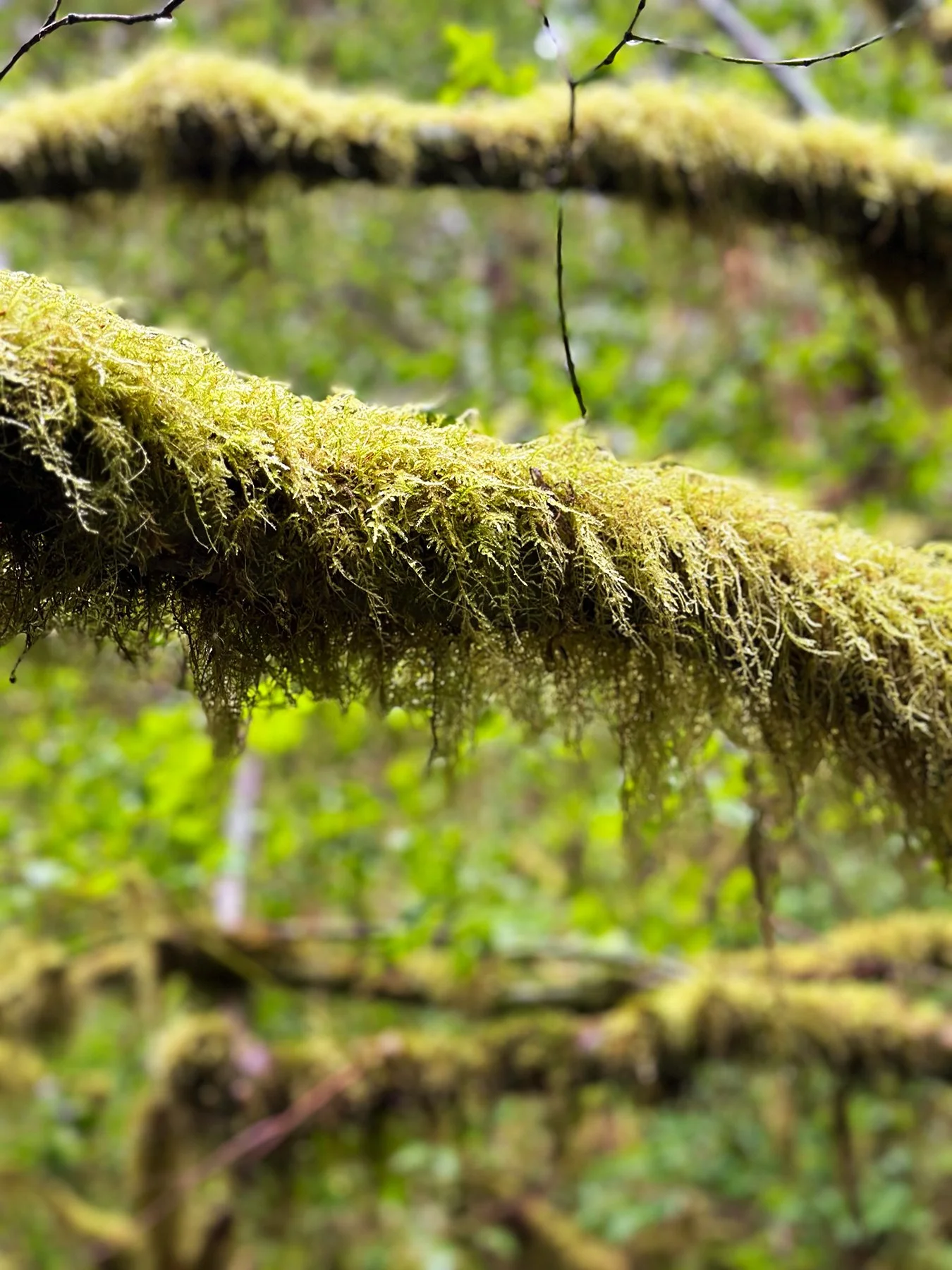
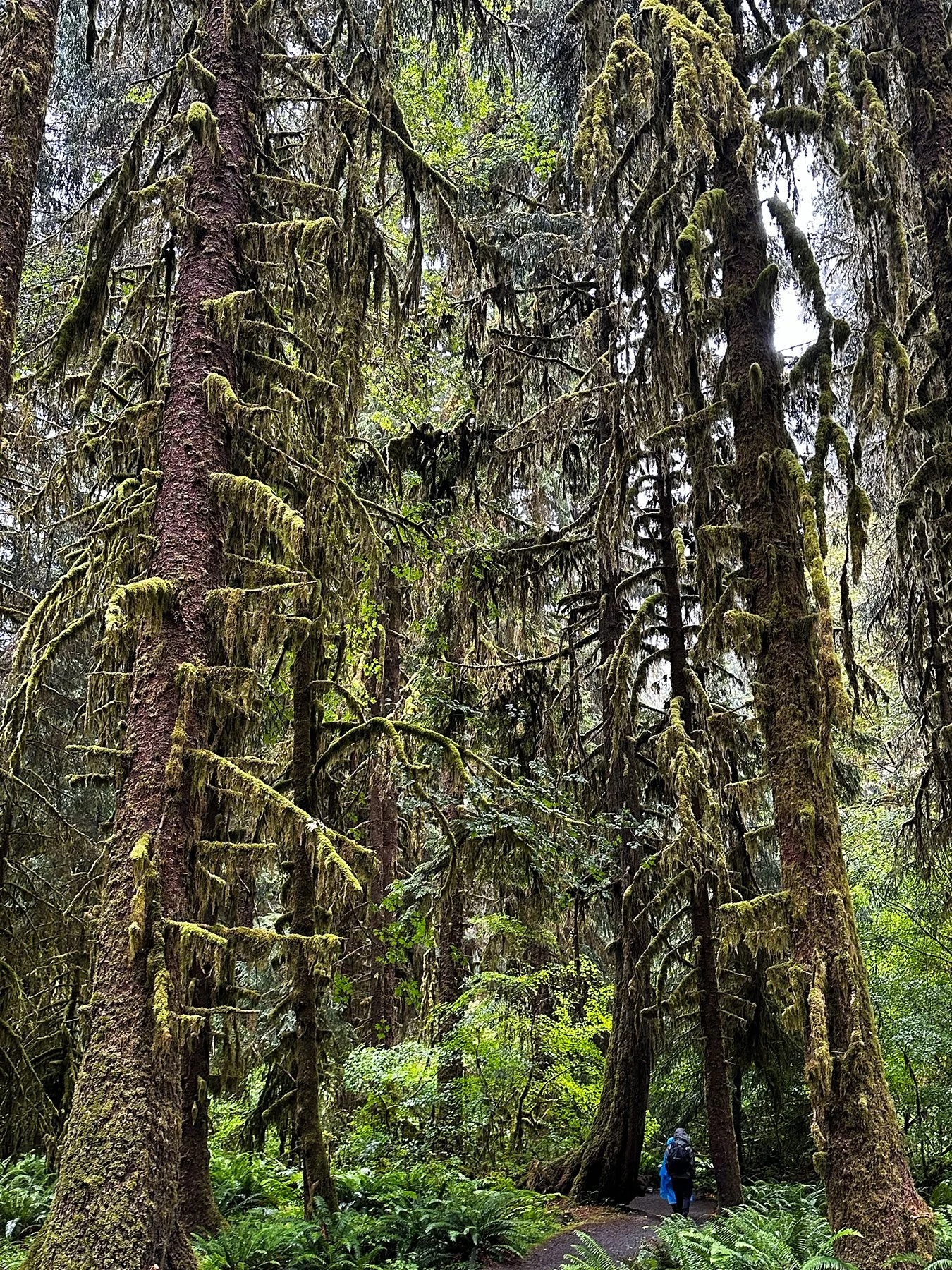
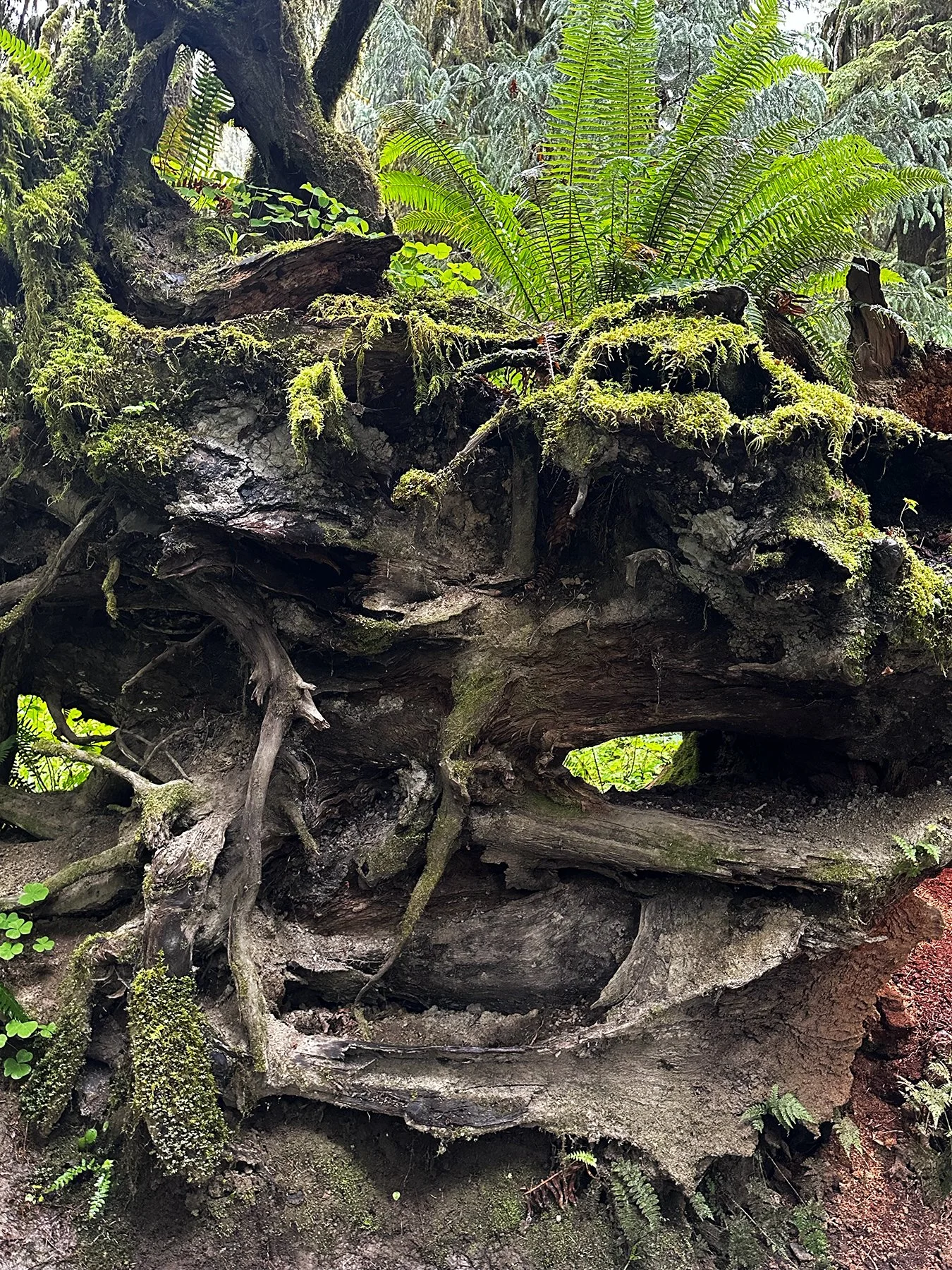
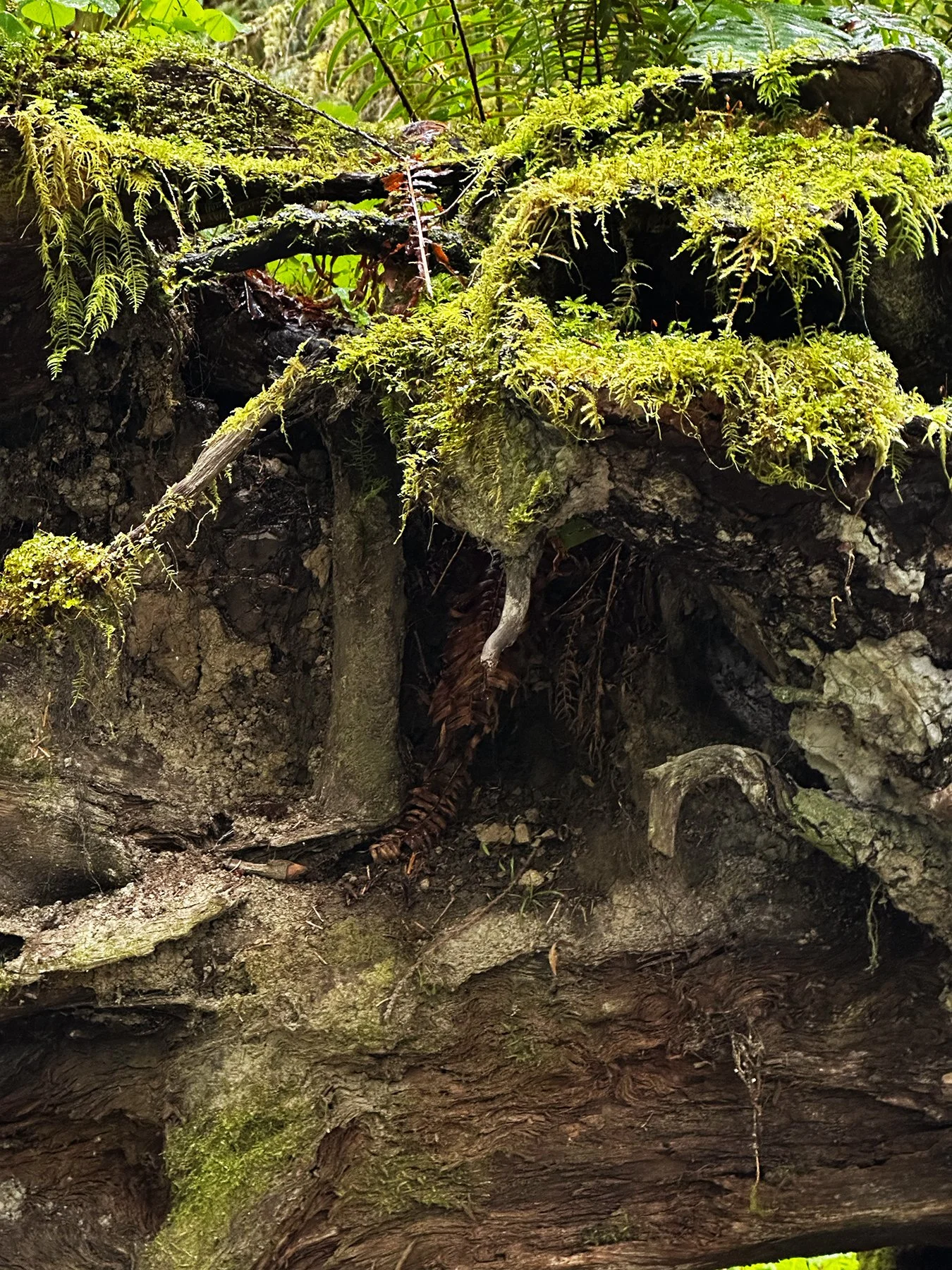
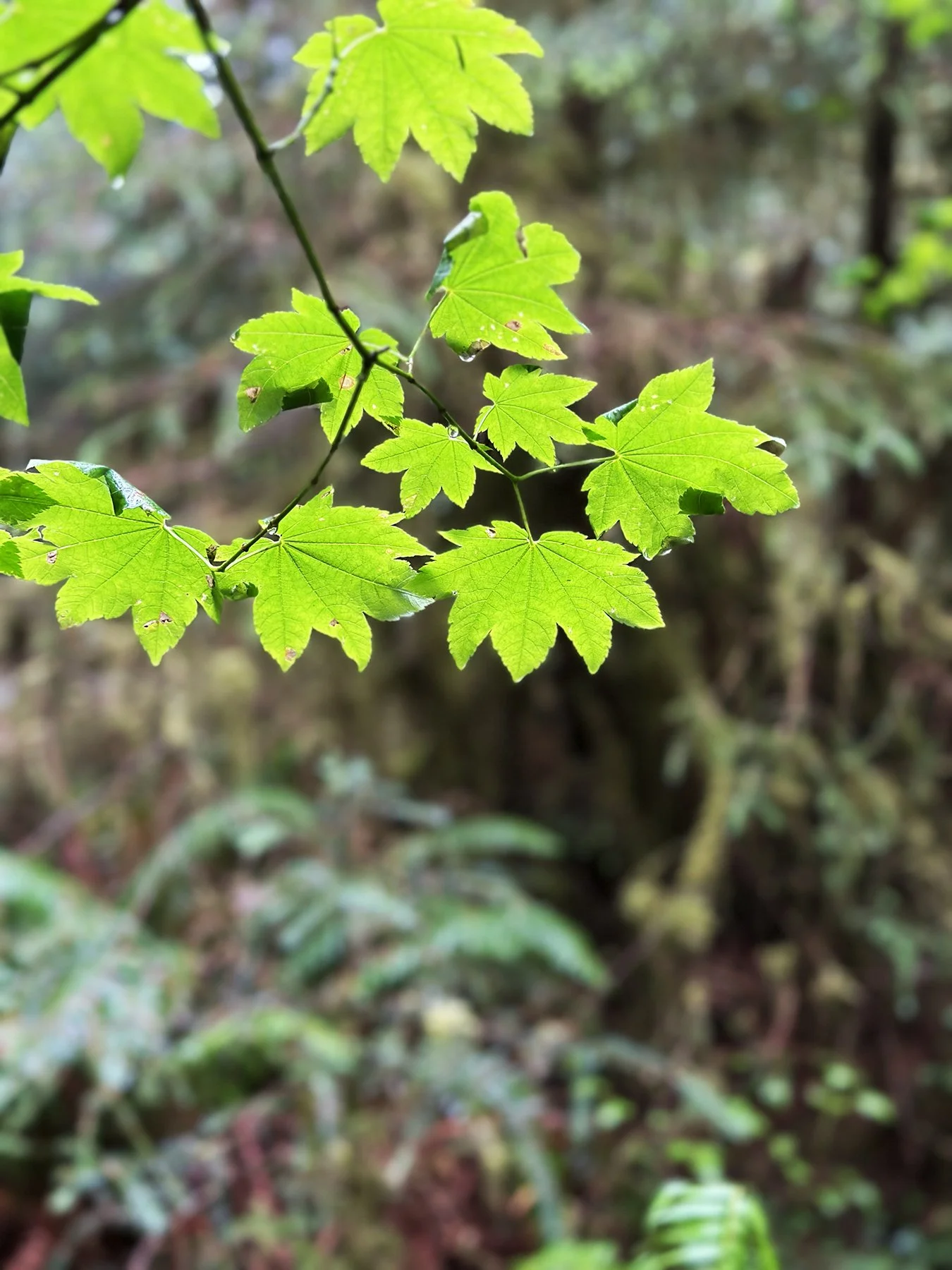
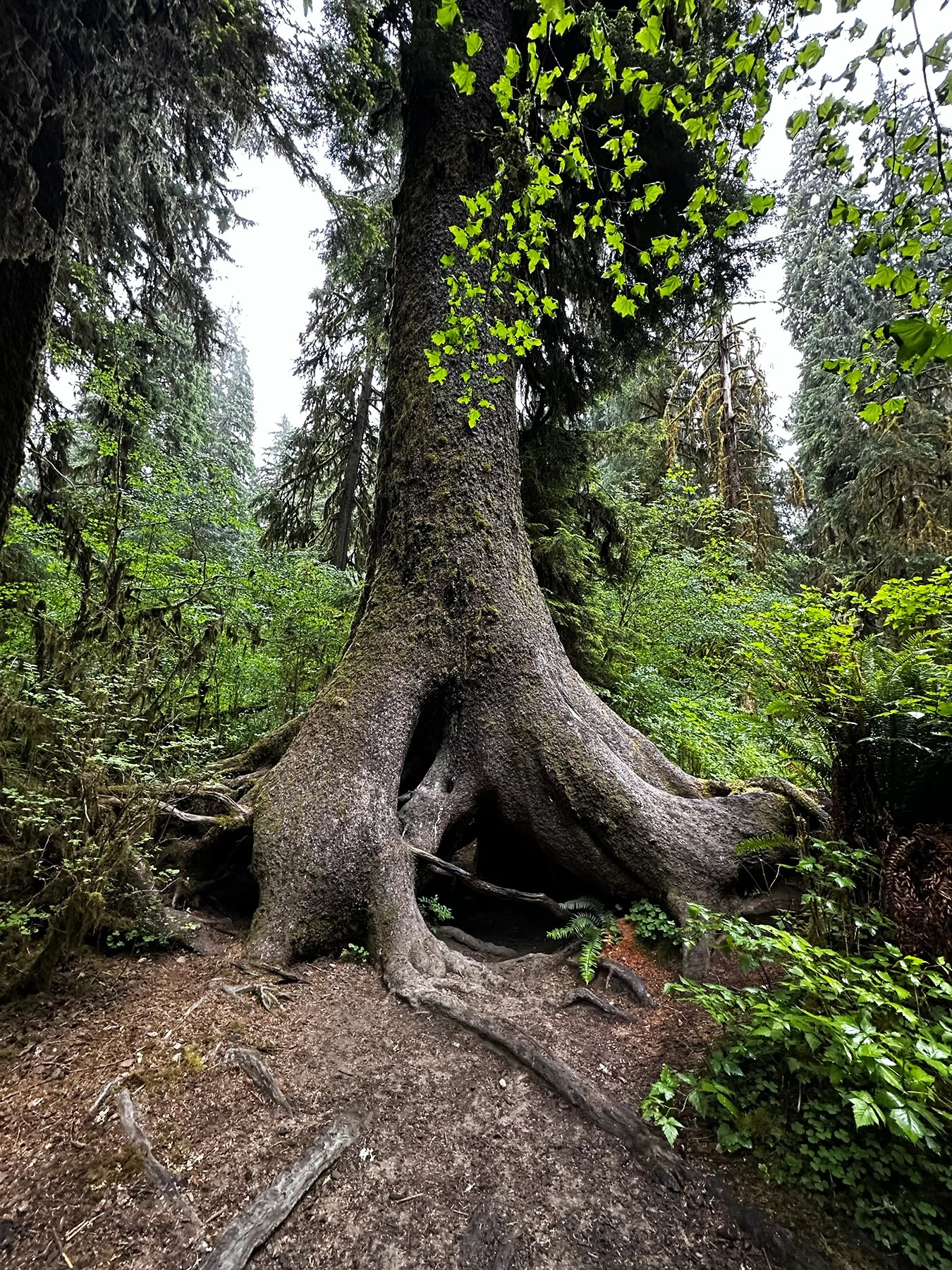
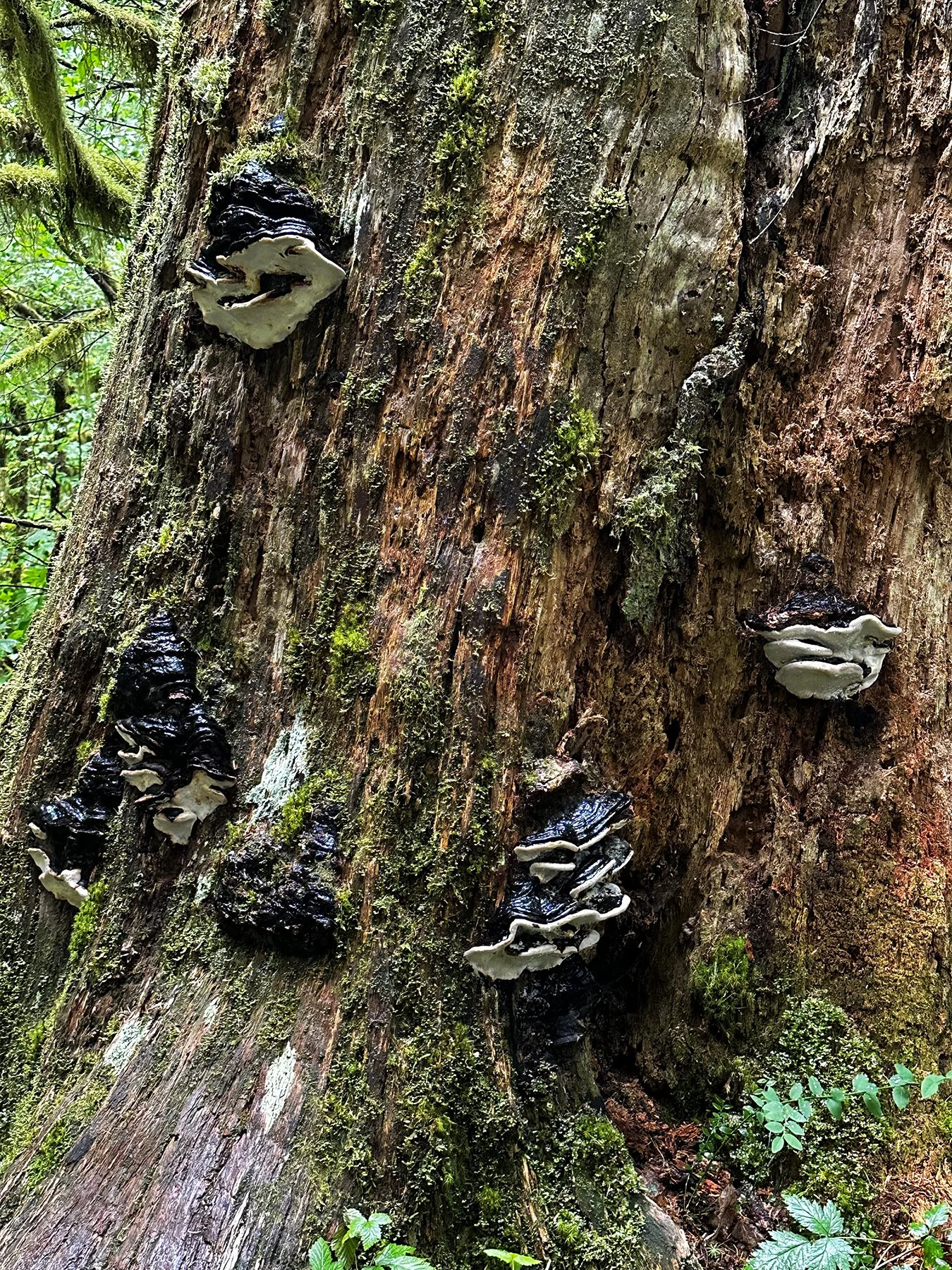
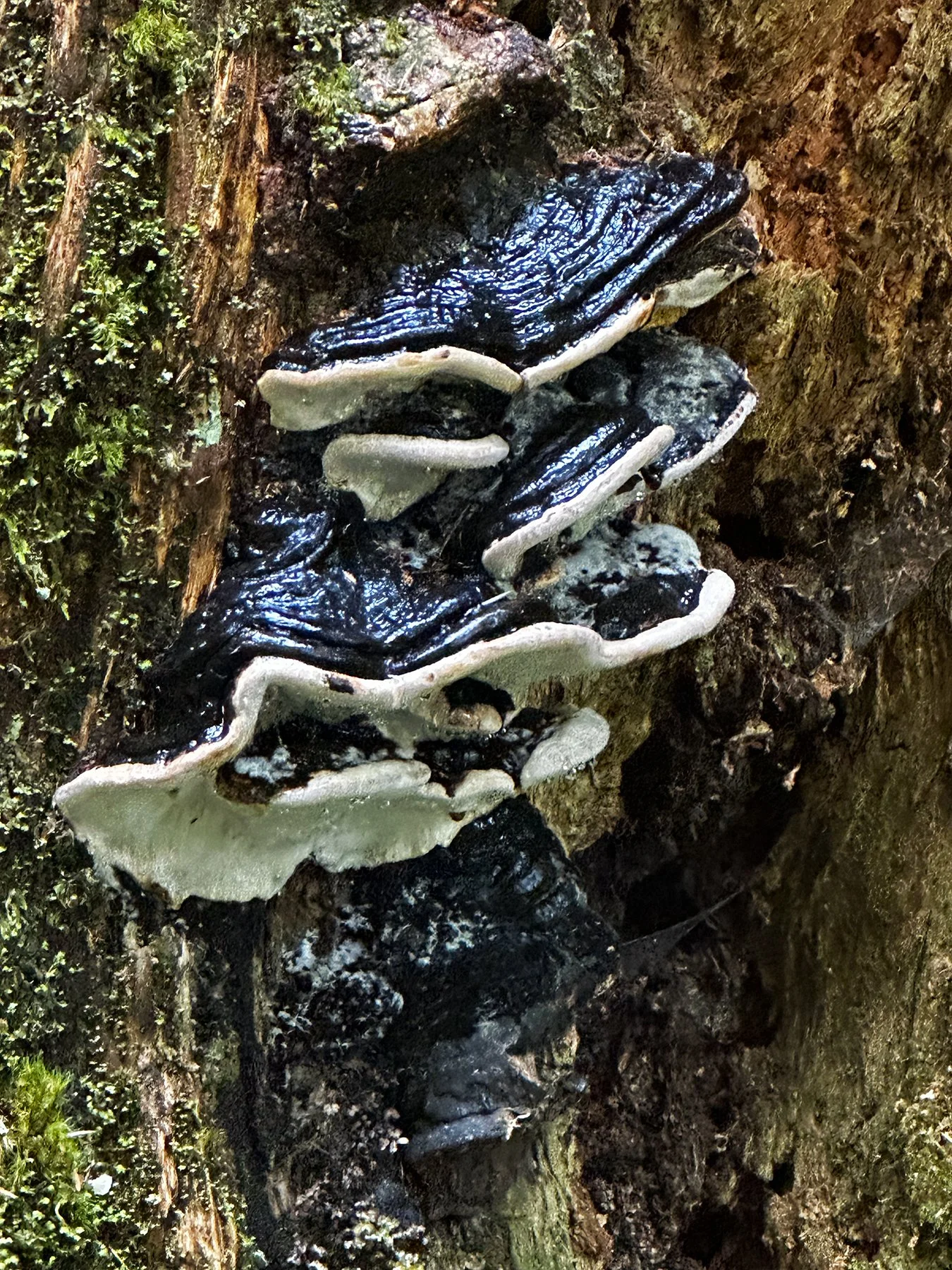
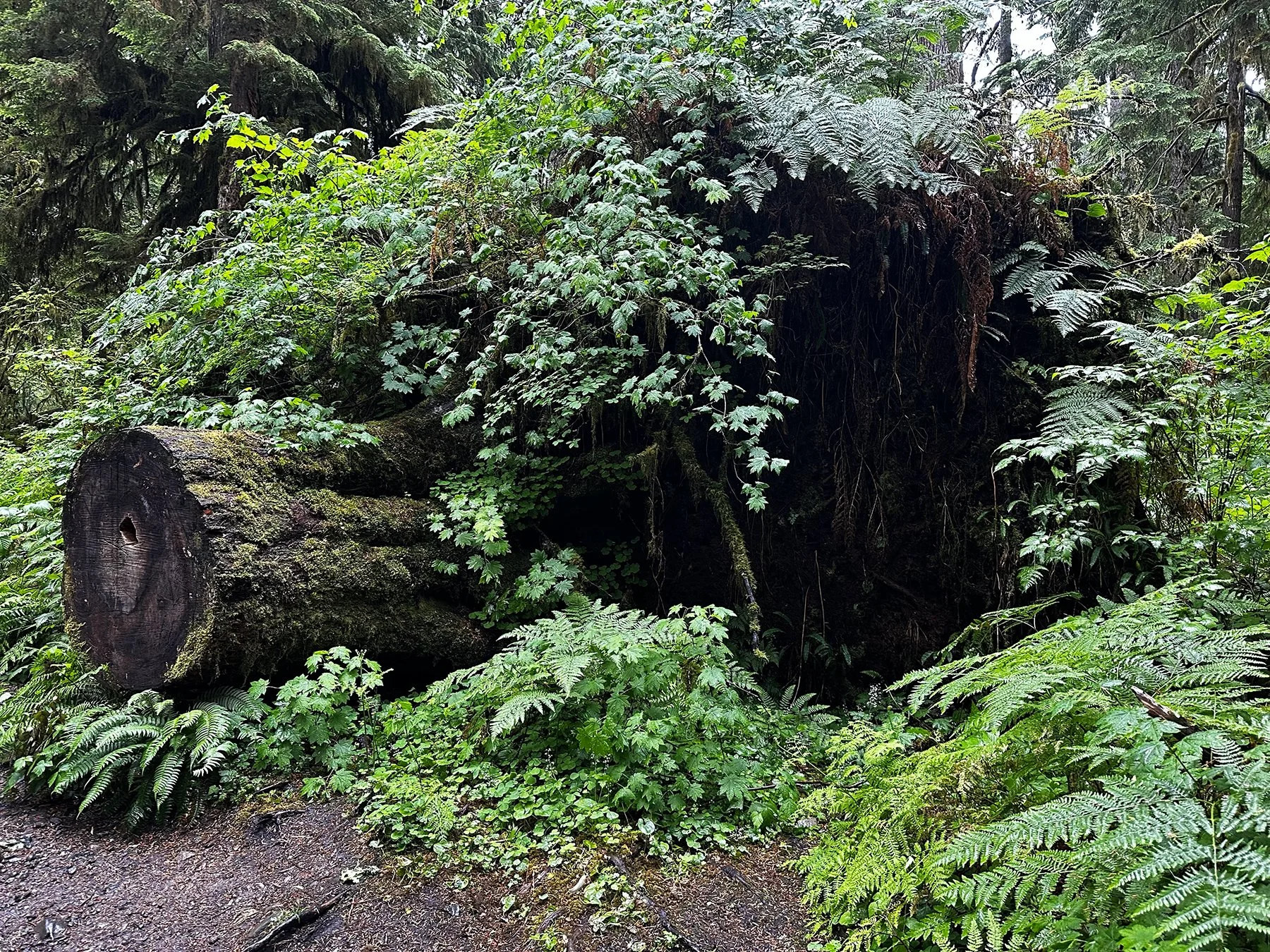
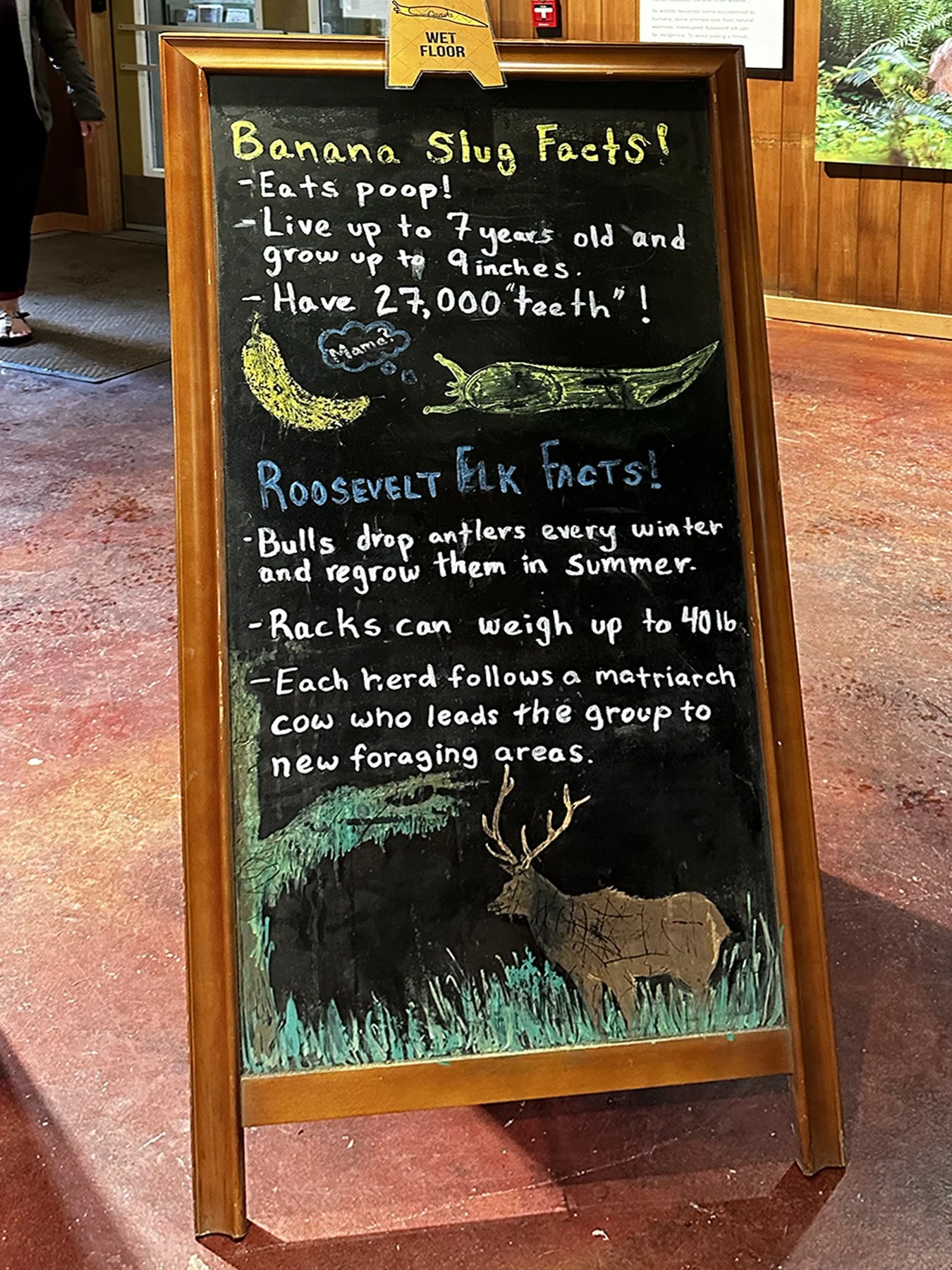
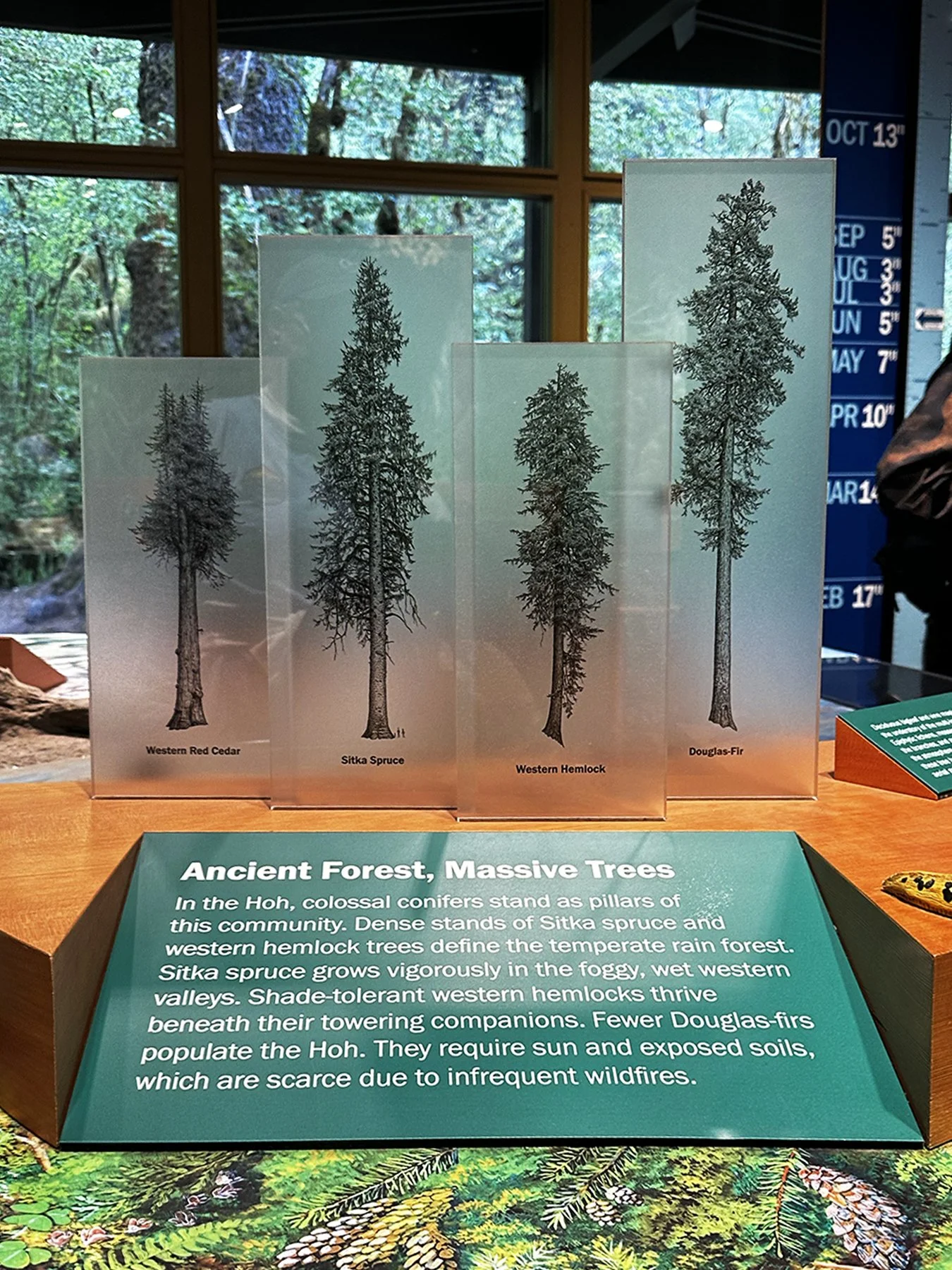
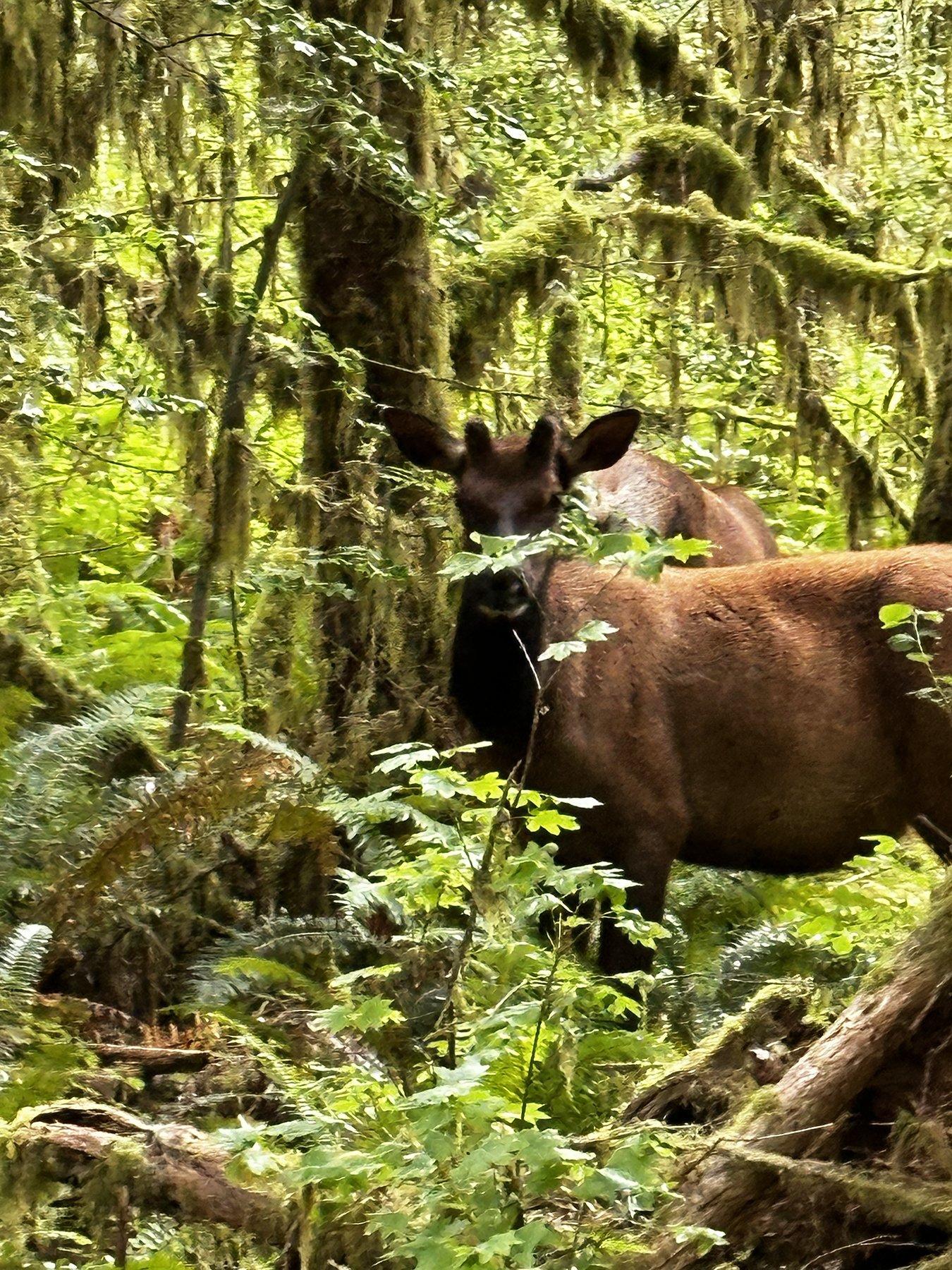
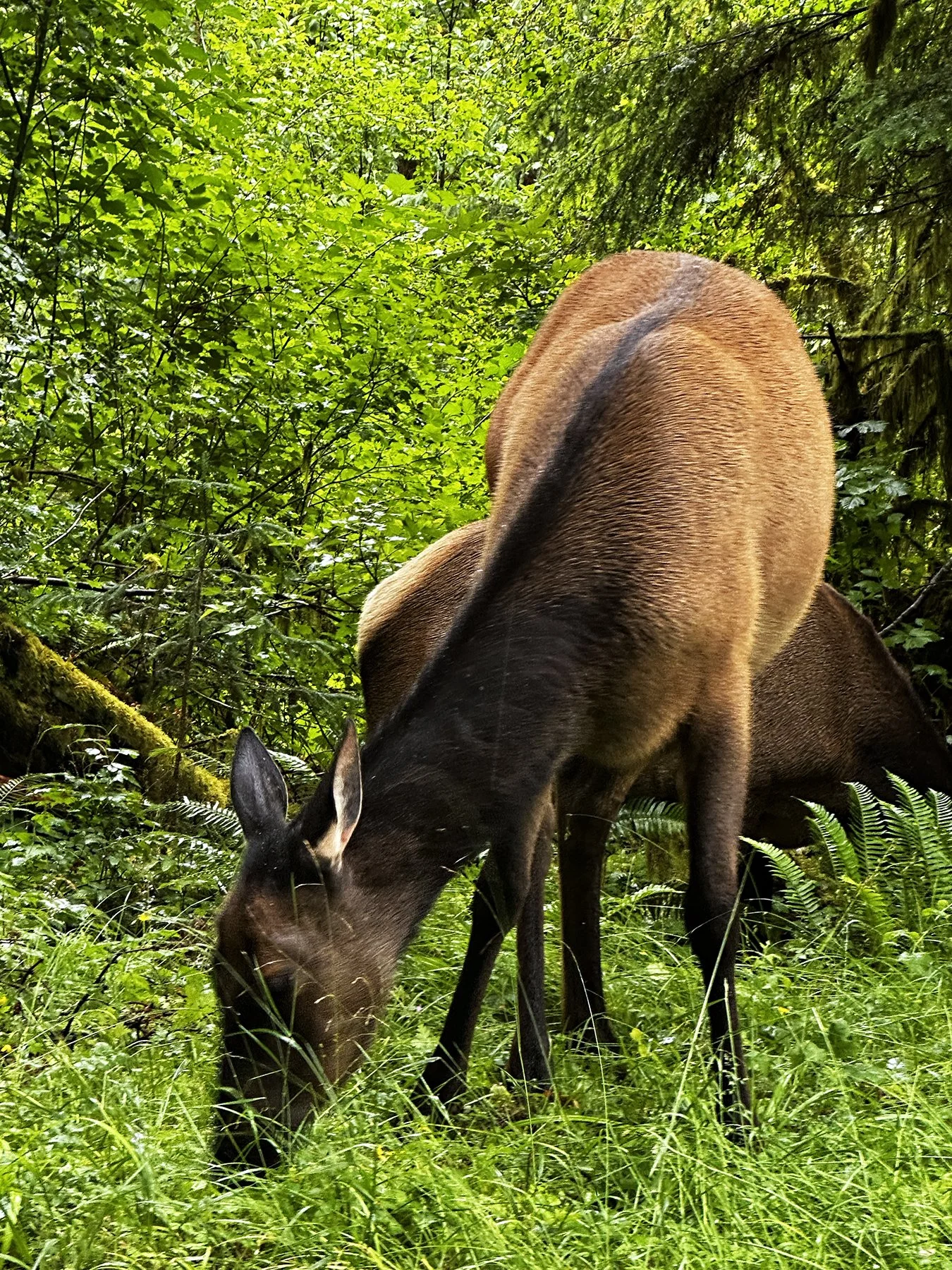
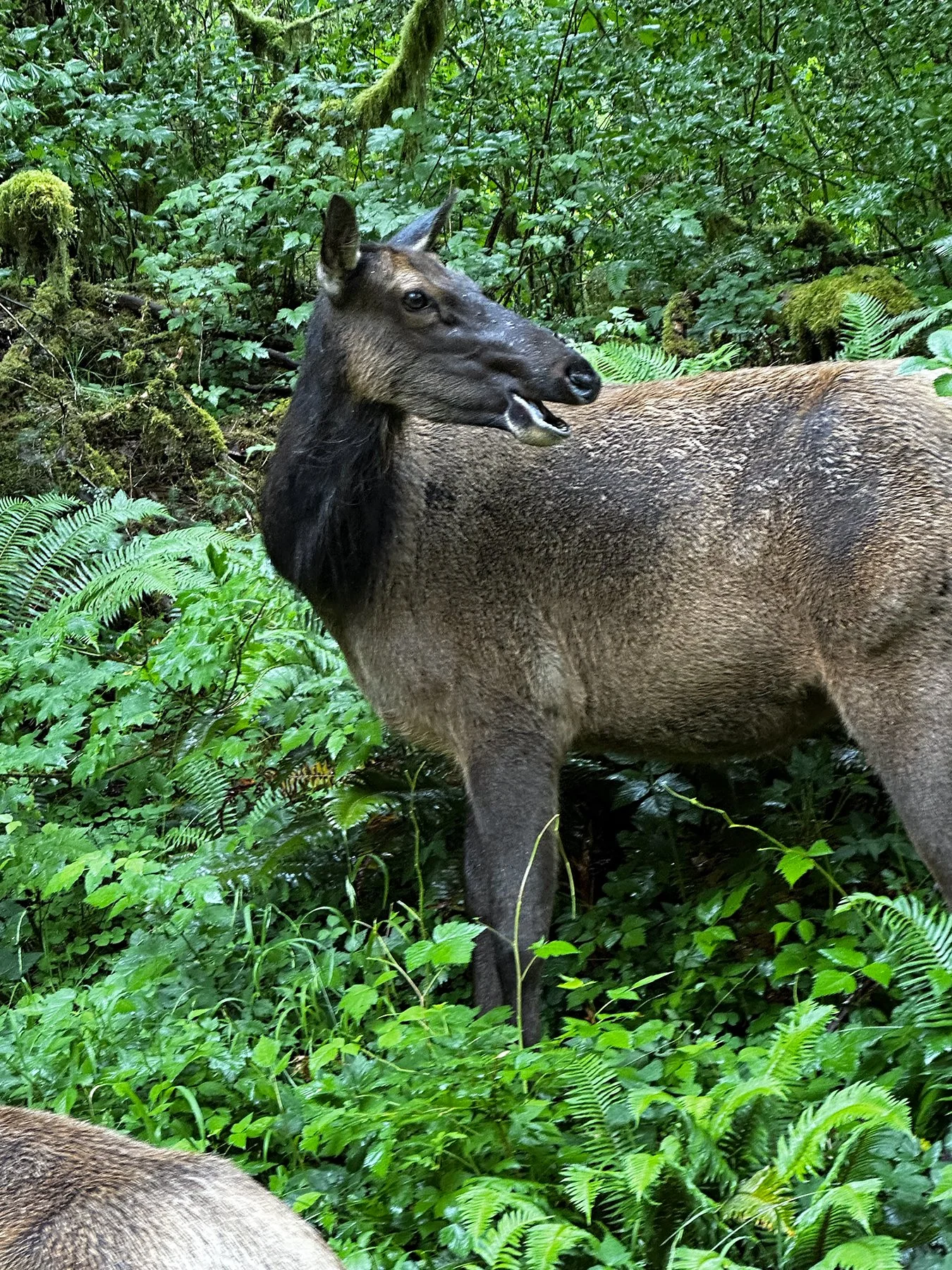
Can you tell I’ve lived half my life in Texas, where we don’t usually get a ton of rain? ;D The Hoh Rain Forest is one of the largest and most pristine remaining temperate rainforests in the U.S., characterized by massive Sitka spruce, western hemlock, and ferns, creating a magical, misty environment. Known for its lush, moss-draped old-growth trees, vibrant green ecosystem, and abundant rainfall—12-to-14 feet a year! That’s FEET, people, not inches!—it certainly was a wonder to behold. Olympic NP also protects the largest unmanaged herd of Roosevelt elk in its natural environment. With Roosevelt elk hunted to near extinction in the early 1900s, one of the mandates for the establishment of the park in 1938 was to “…provide suitable winter range and permanent protection for the herds of native Roosevelt elk and other wildlife…” And we were lucky enough to see a herd up close—but from the safety of our truck (they are big, and I hear they can be mean!). Maisie went a little nuts in the back seat when we came up on them (whining to go play, or chase, or I don’t know what!).
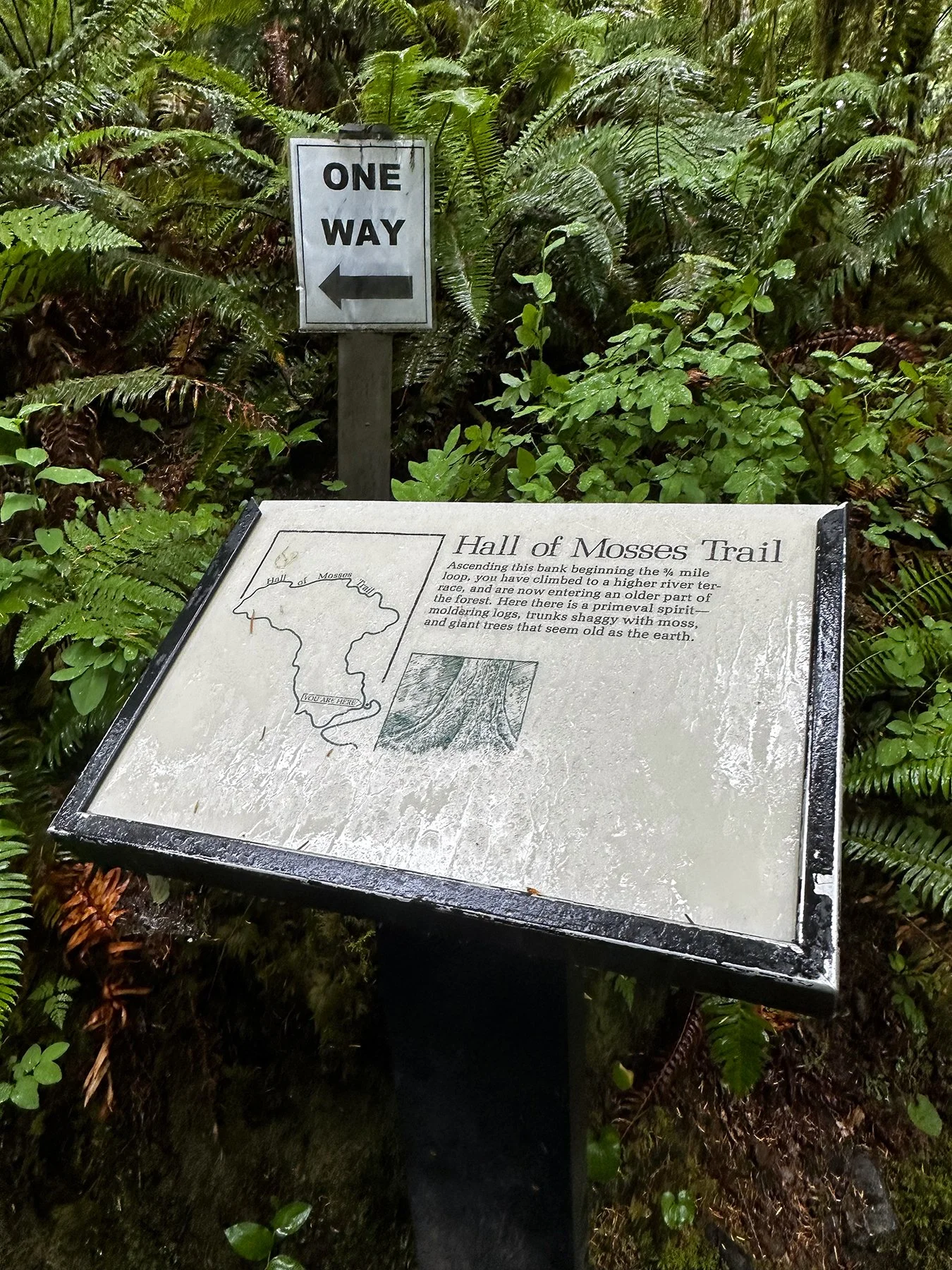
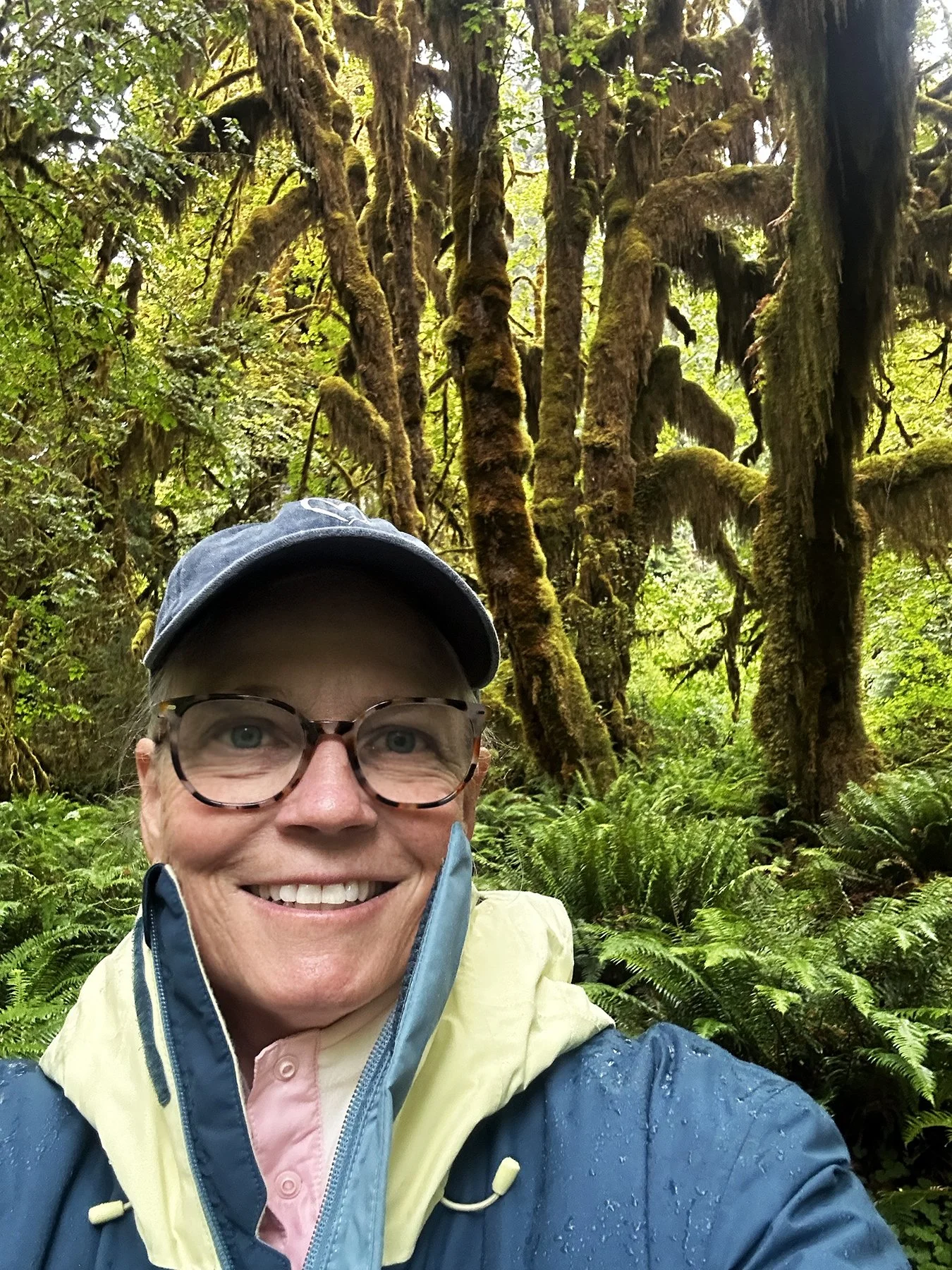
Again, she was not allowed on the trail, but didn’t seem to be too upset waiting in the truck on another cold, rainy day in the PNW, so off I went on the 1-mile RT Hall of Mosses trail. BEE-UUU-TI-FULLLL!
Victoria, B.C.
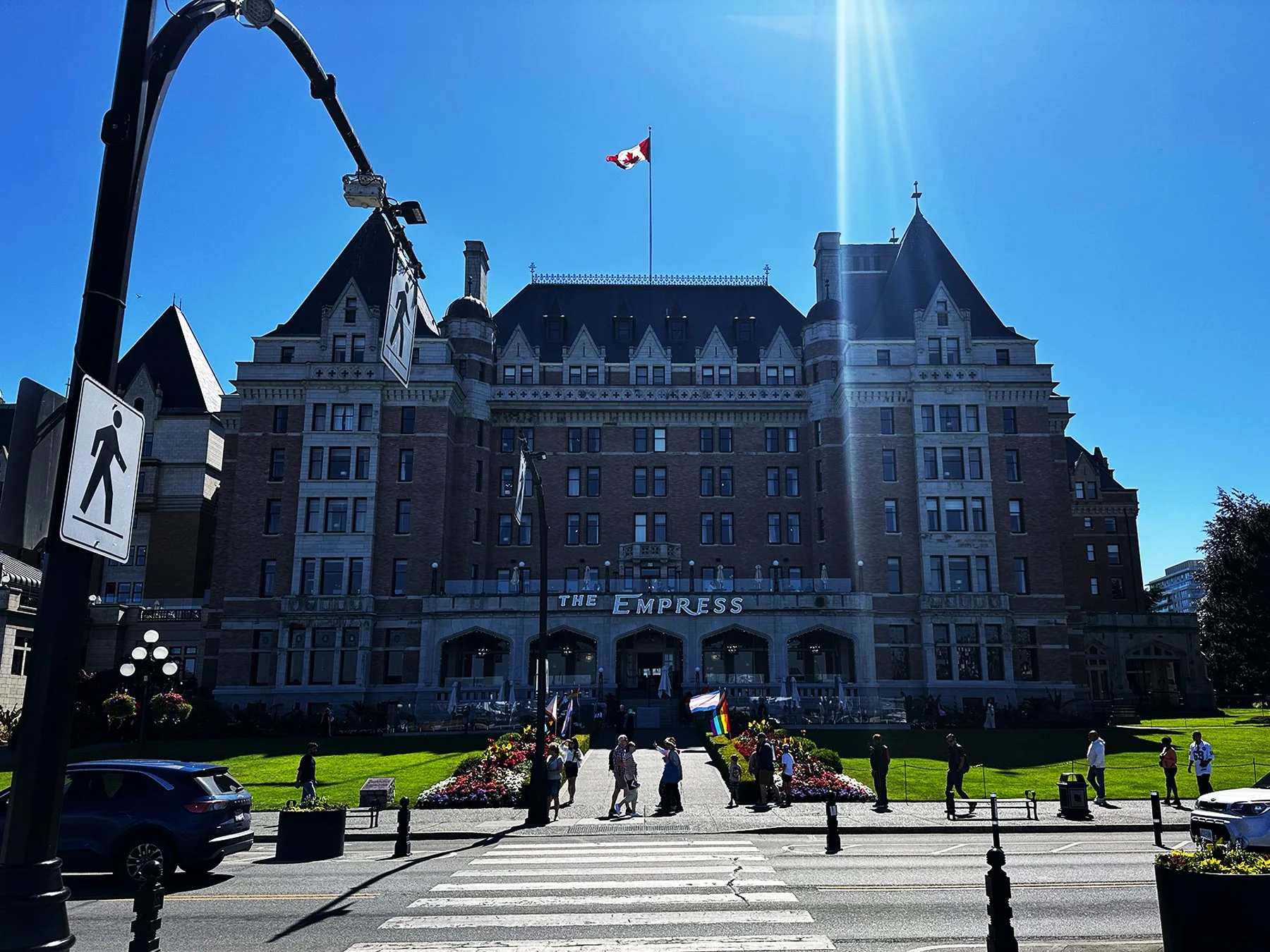
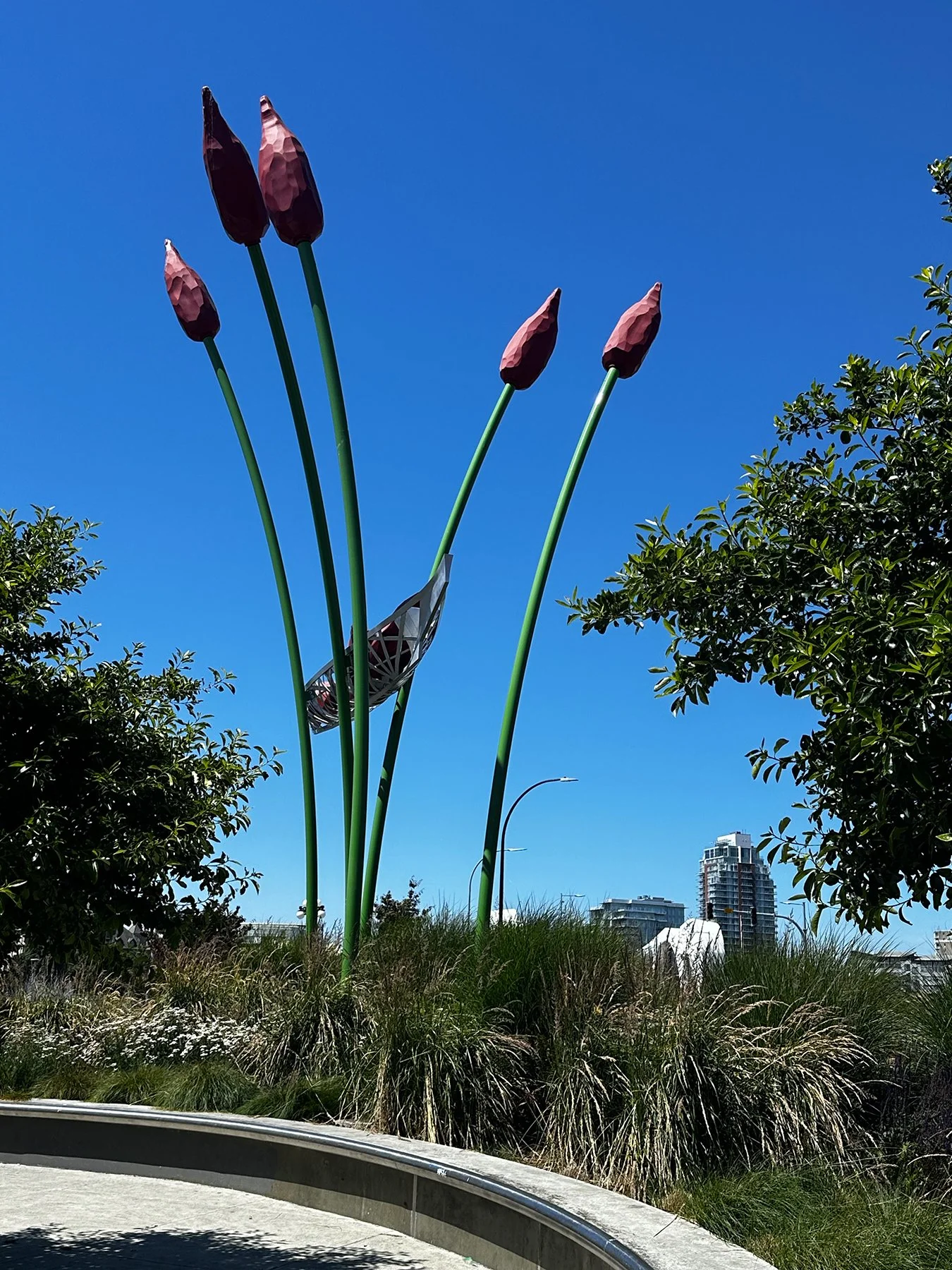
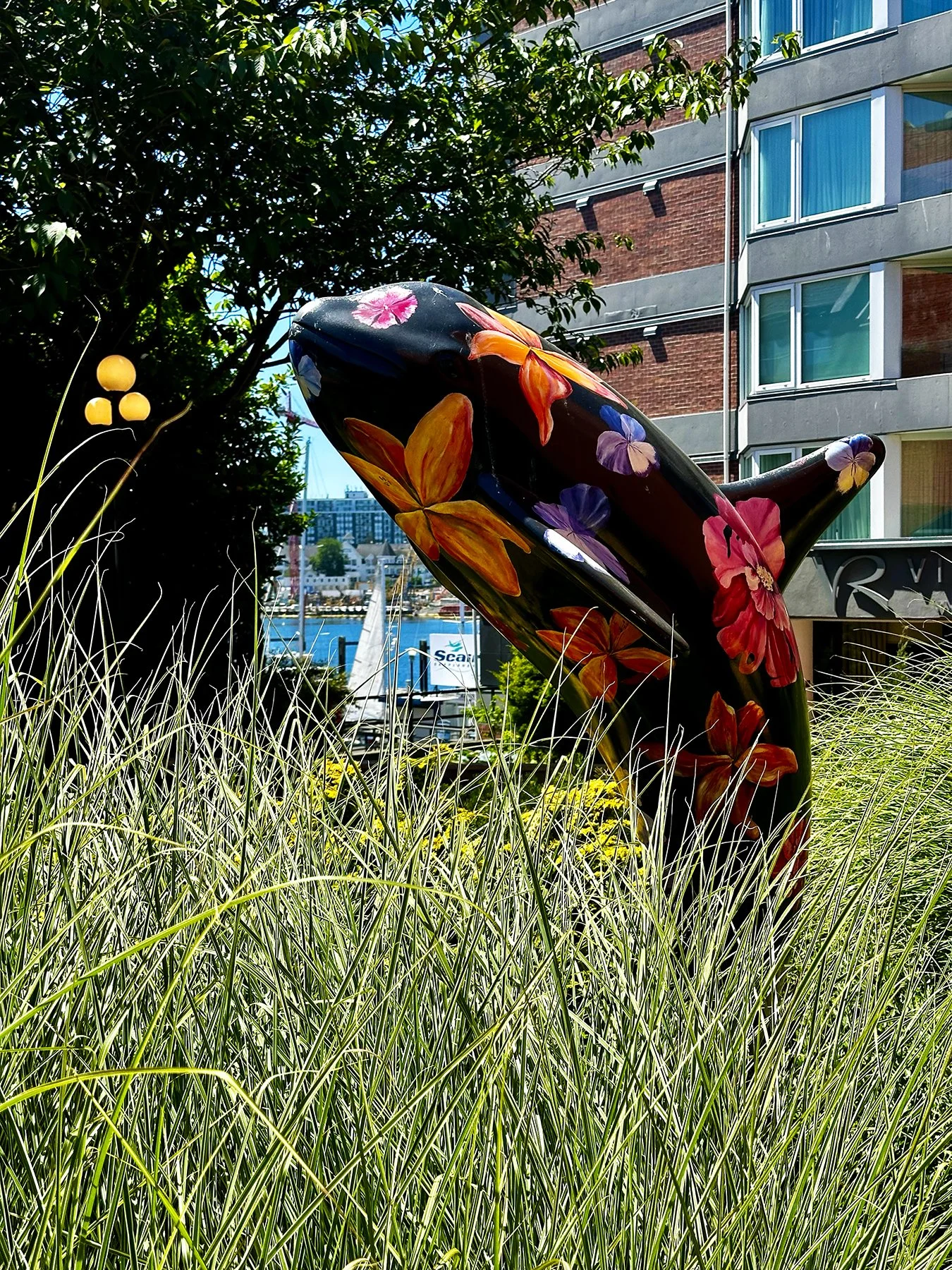
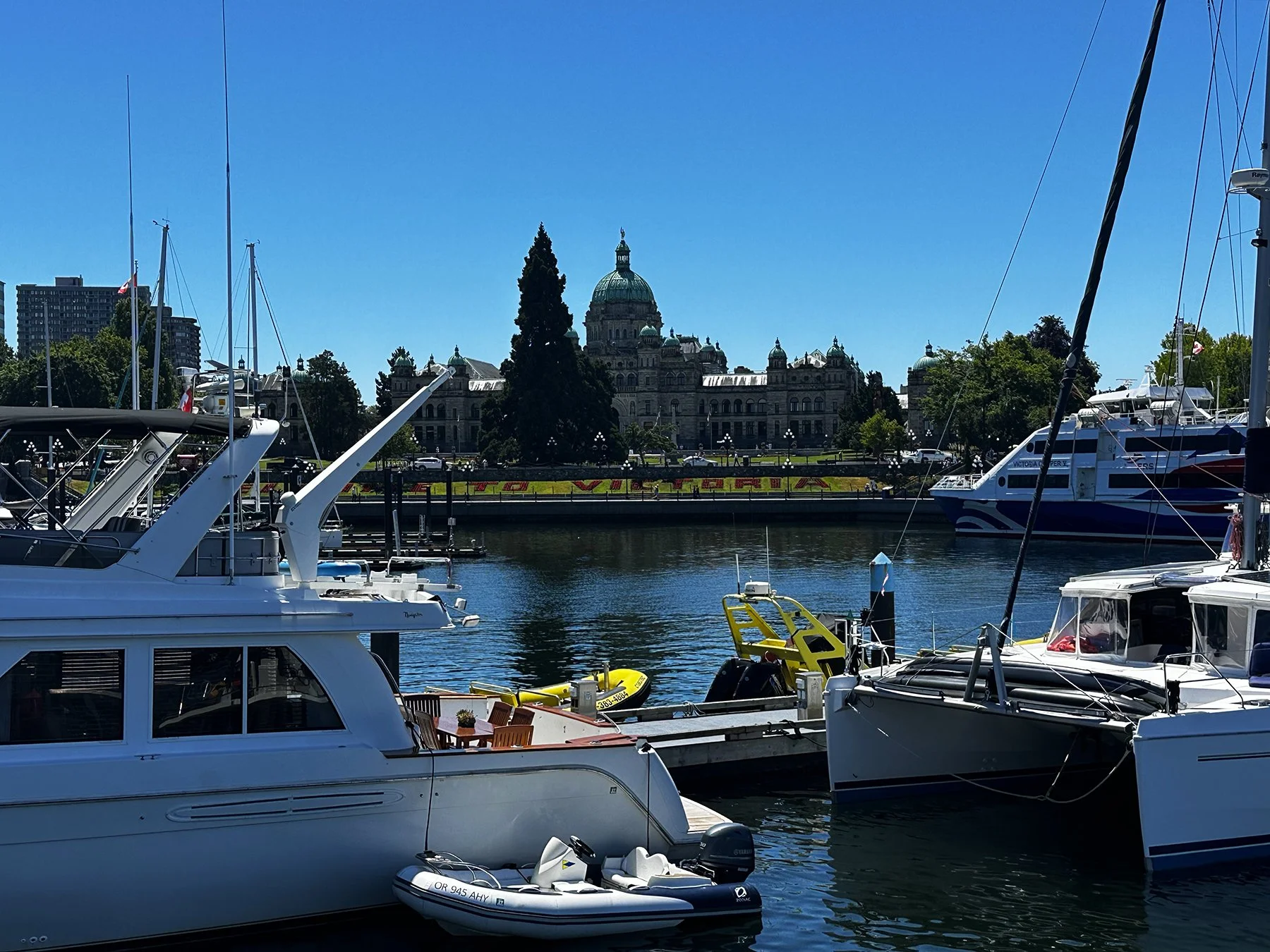
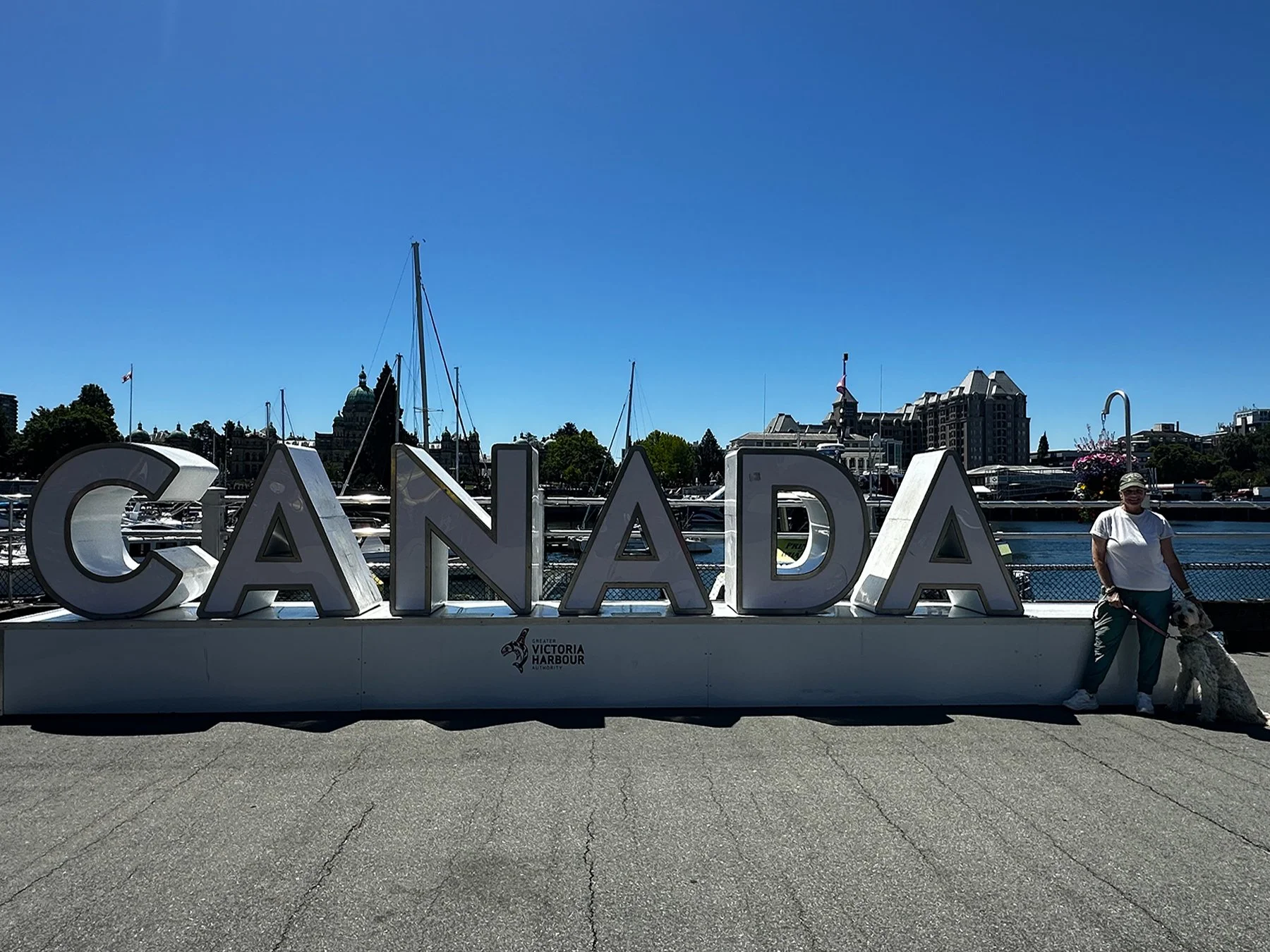
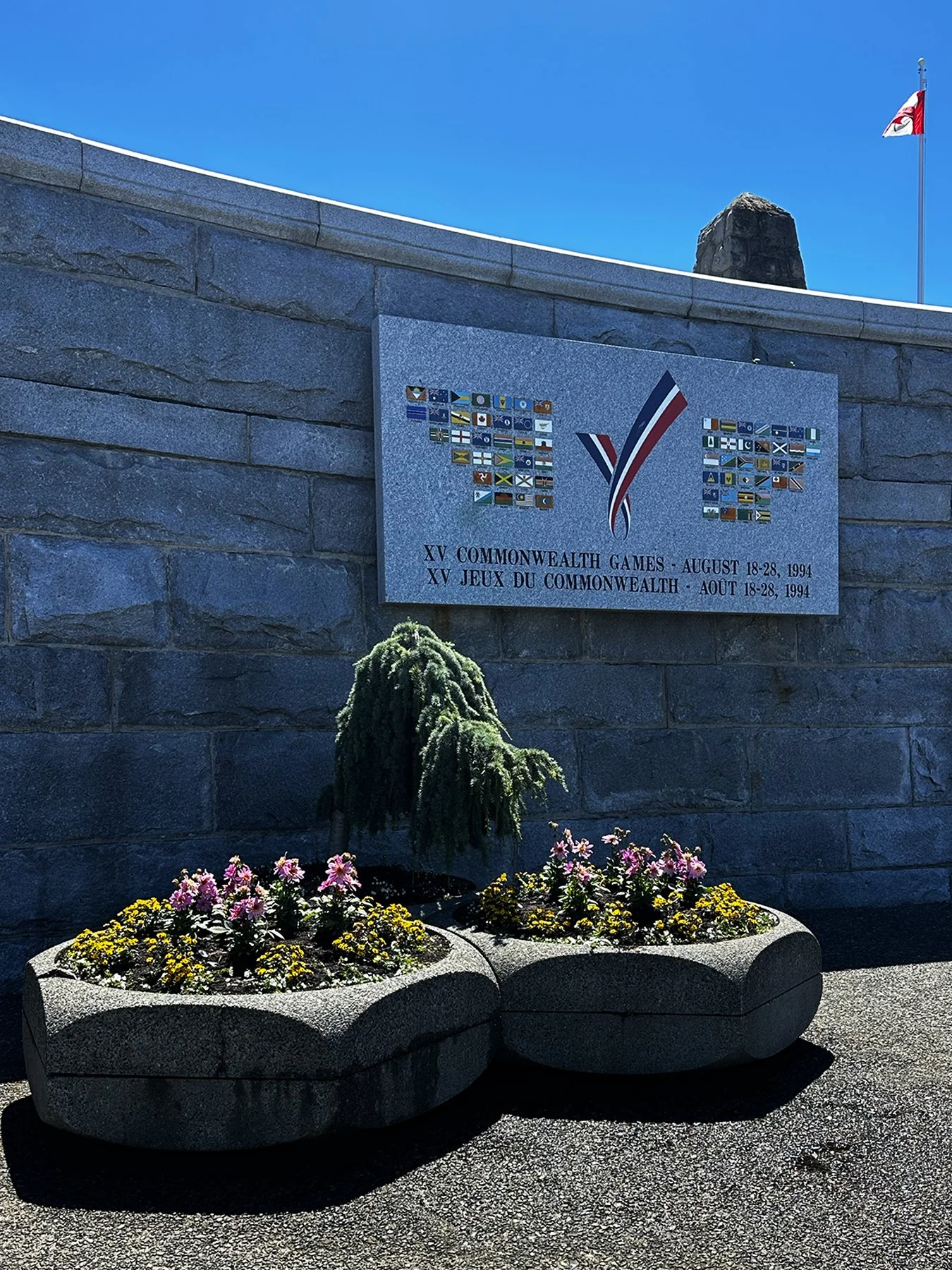
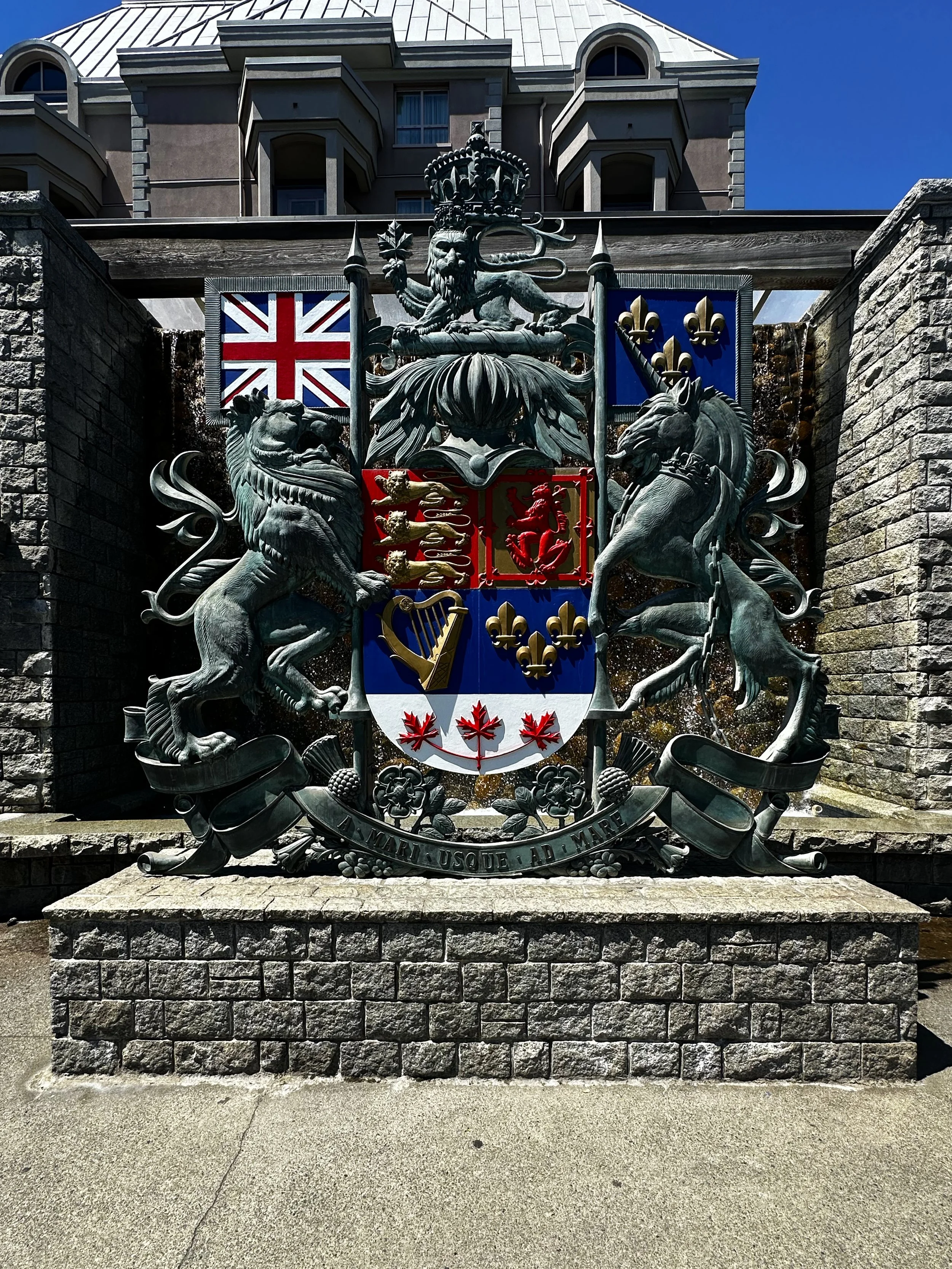
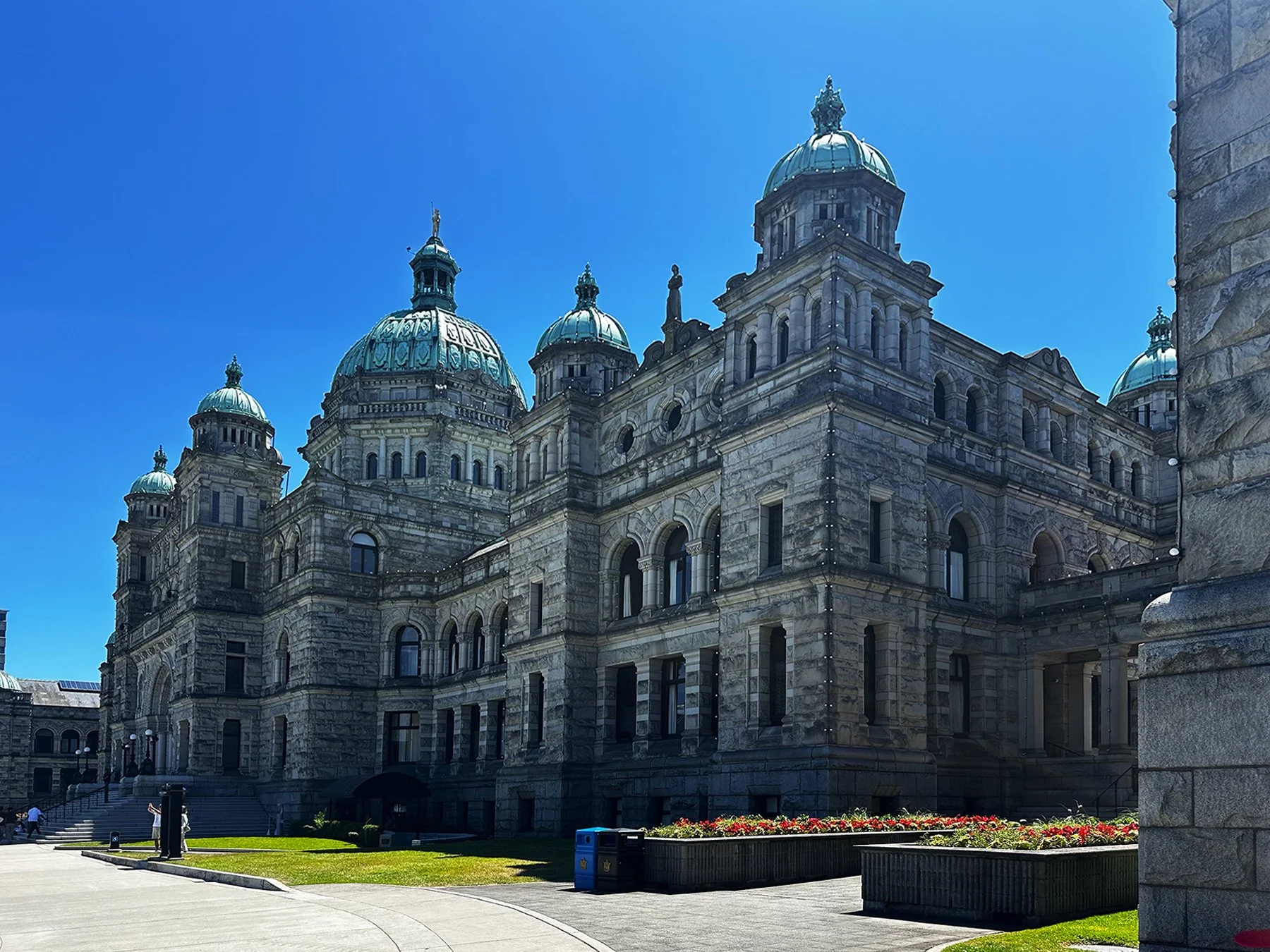
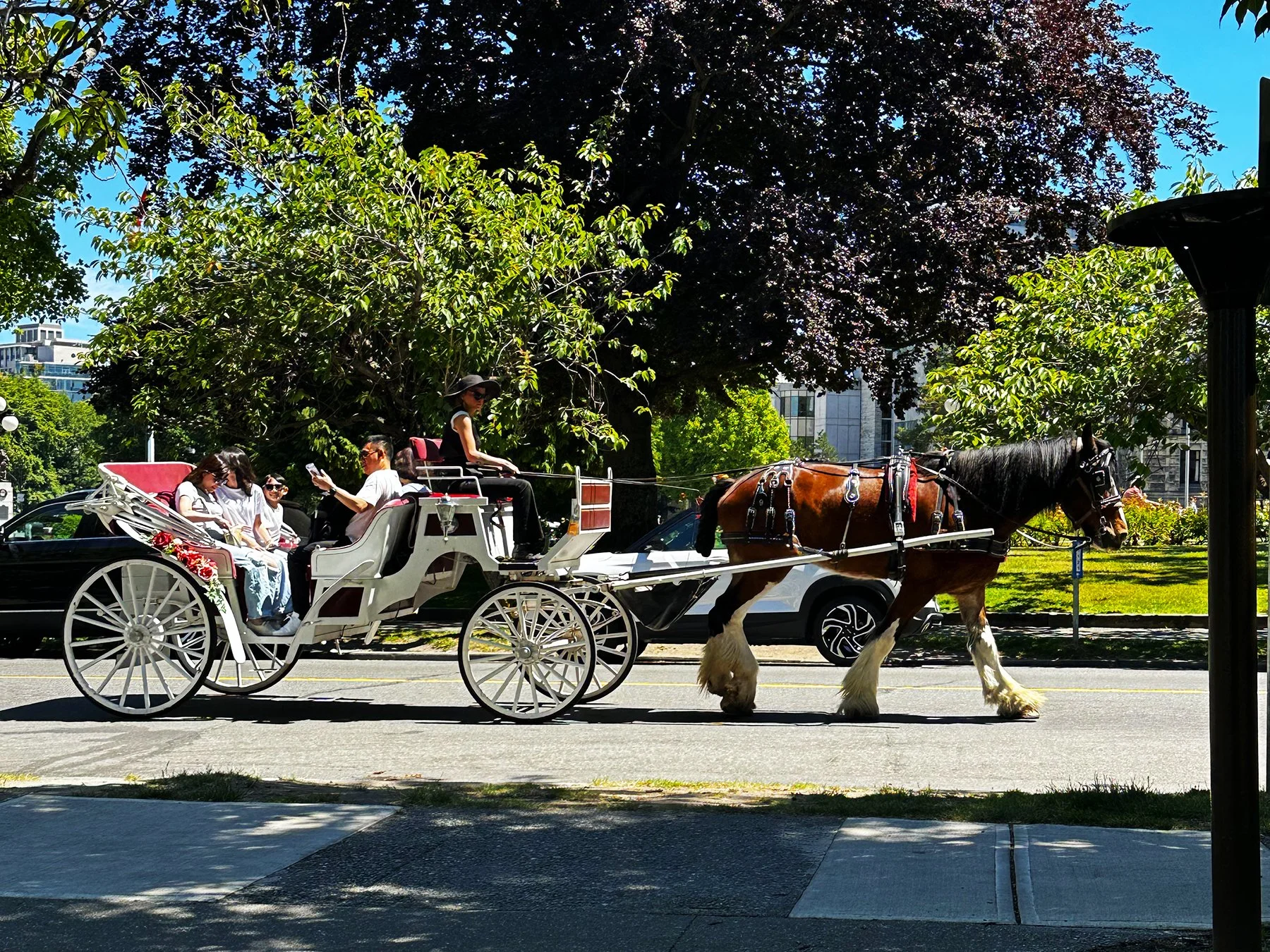
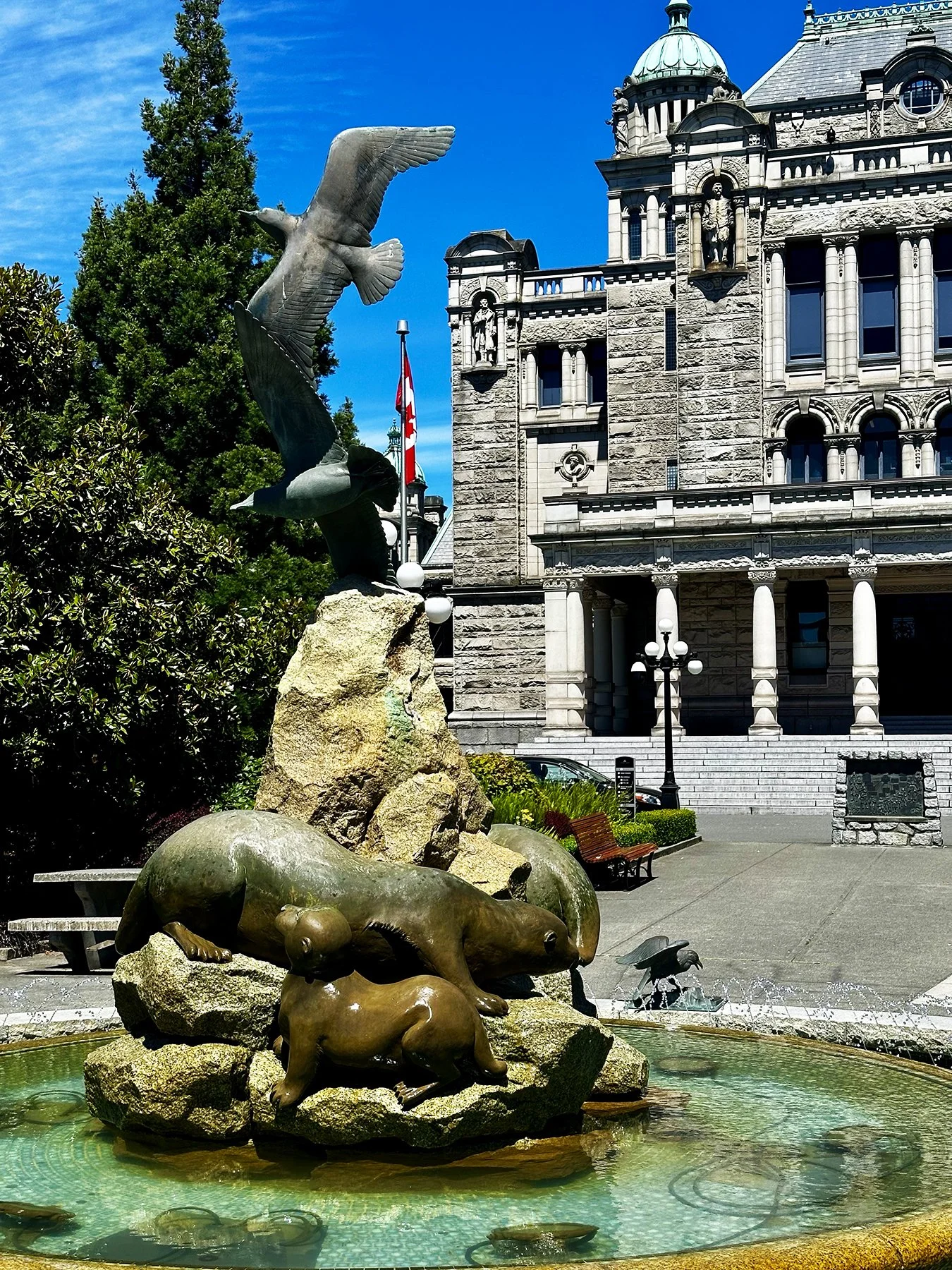
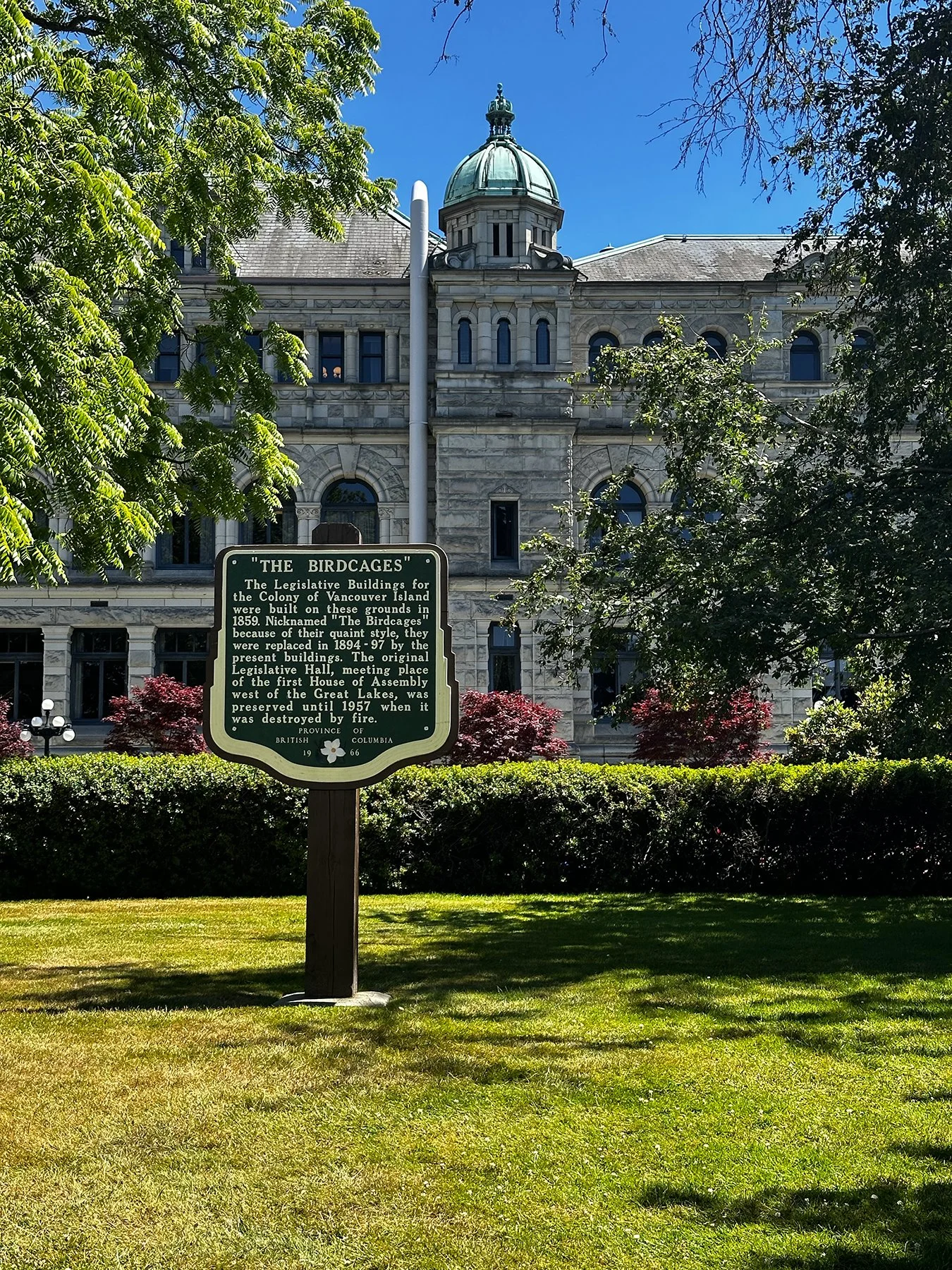
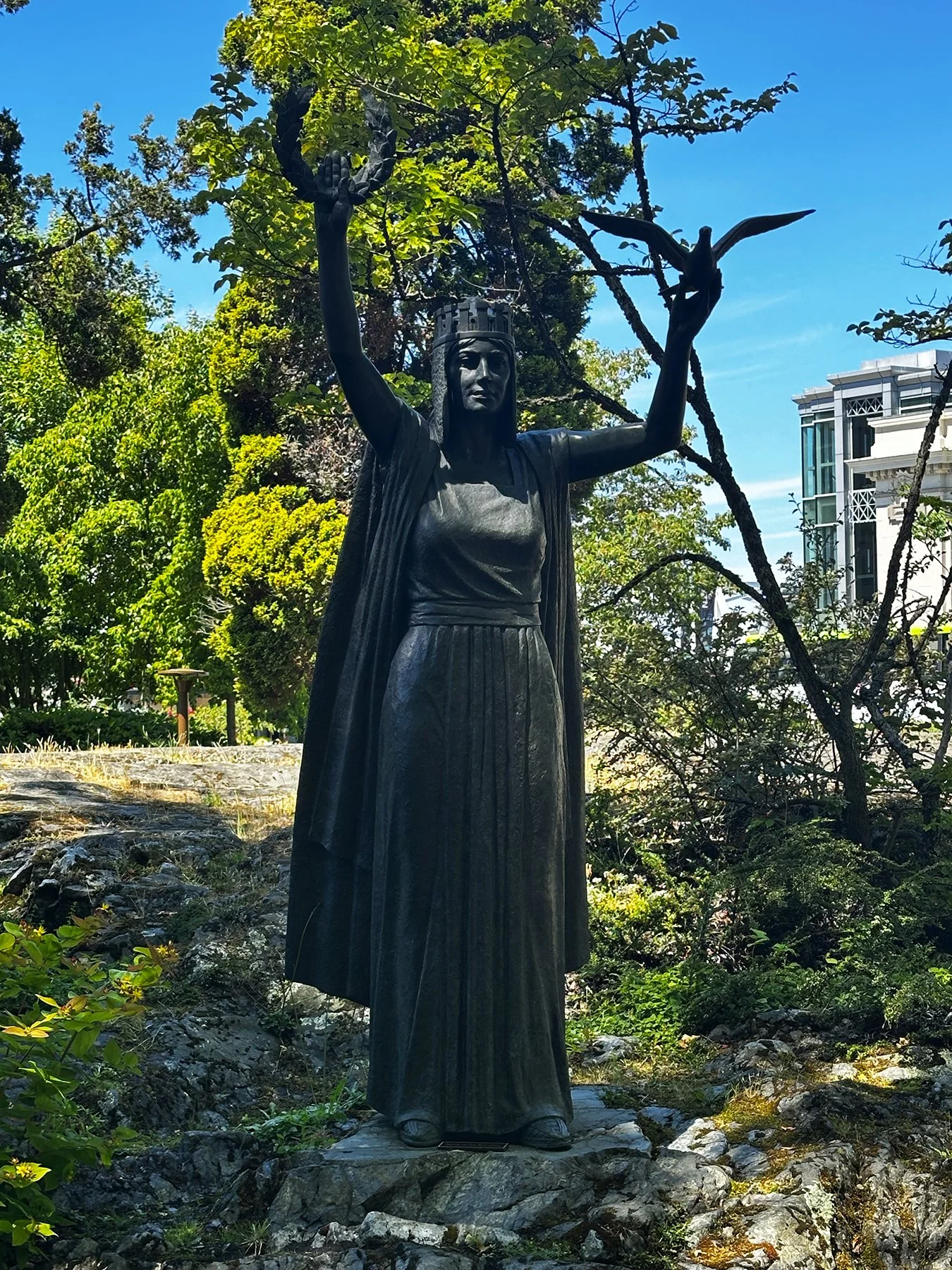
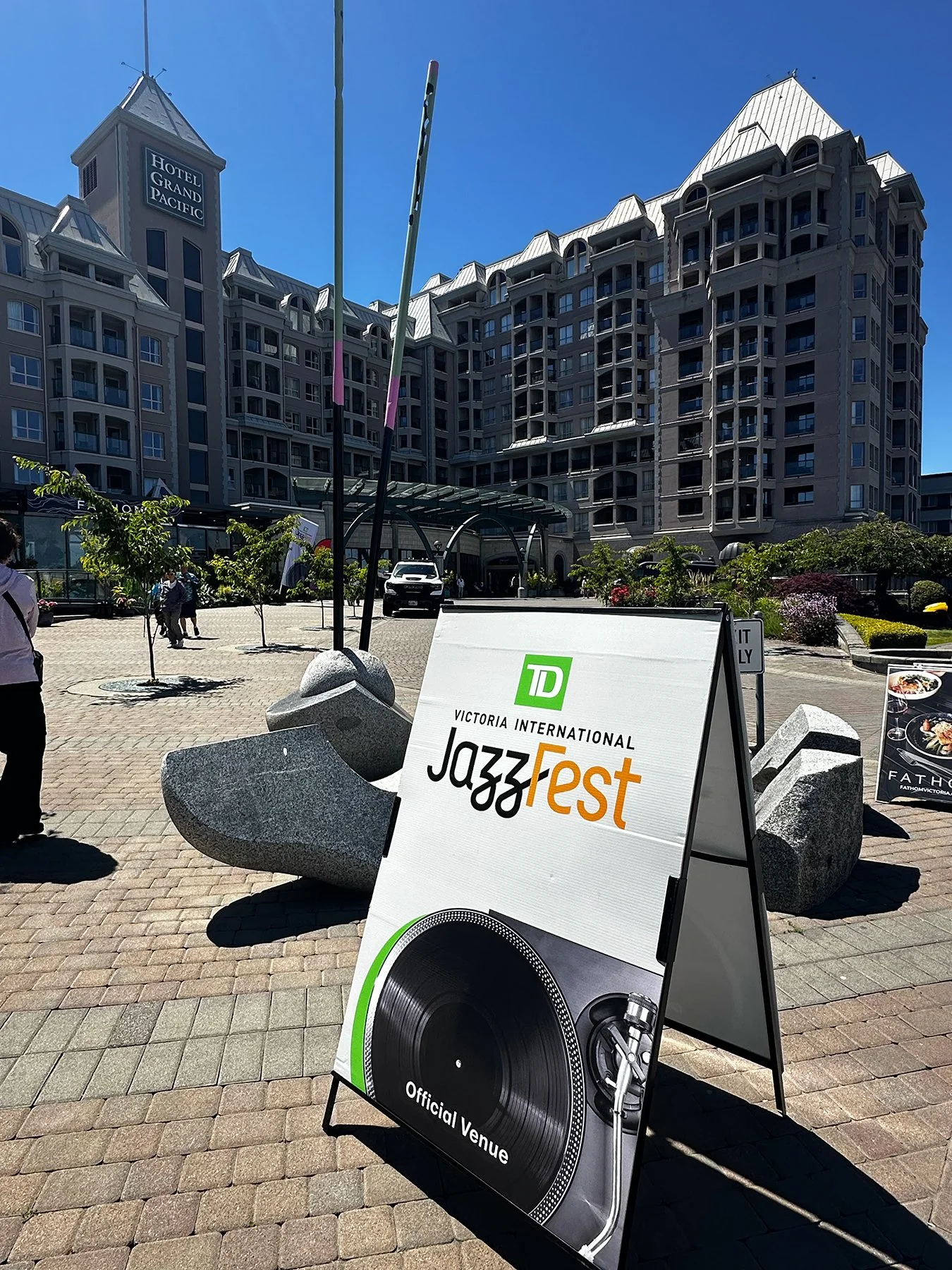
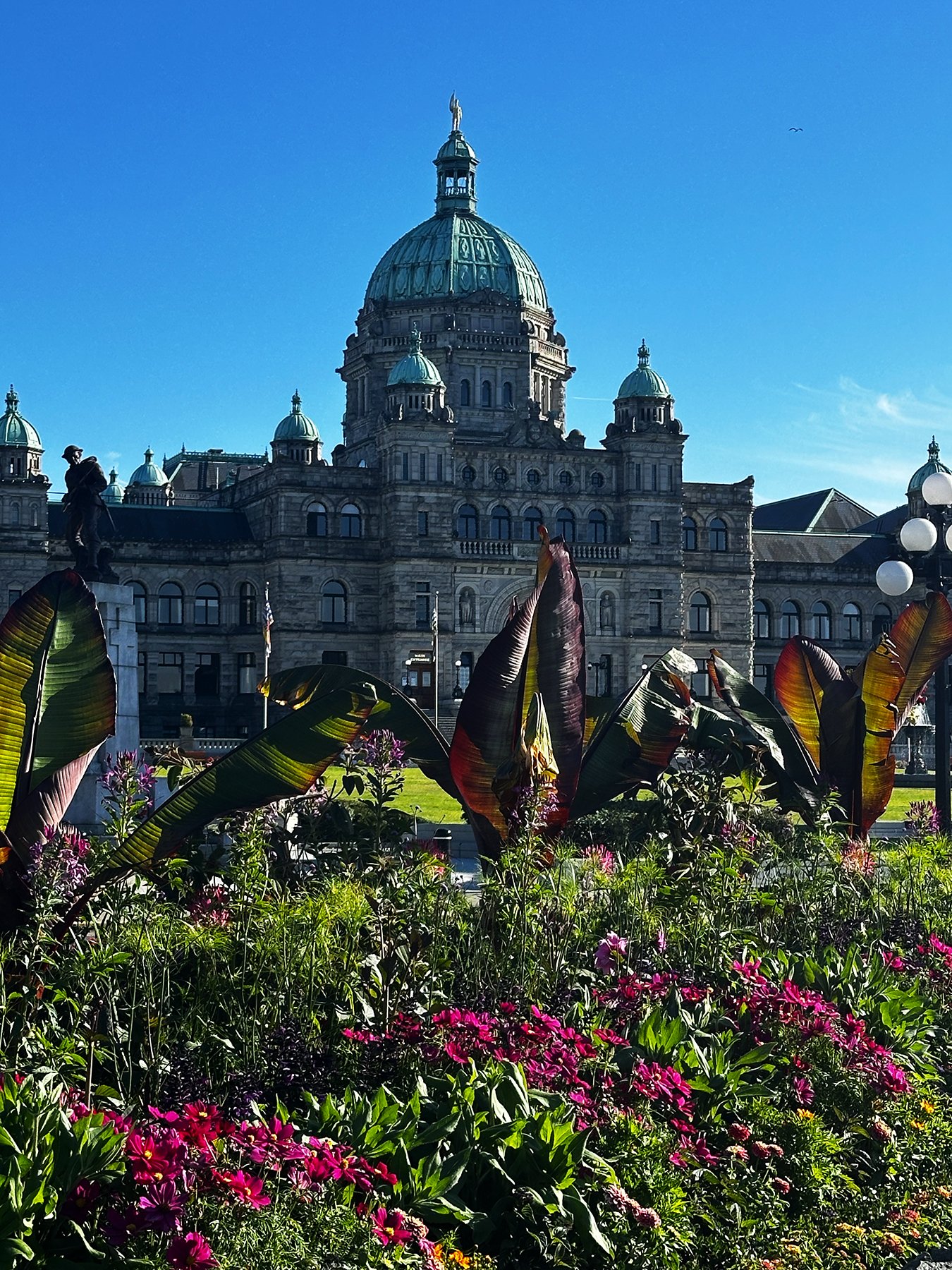
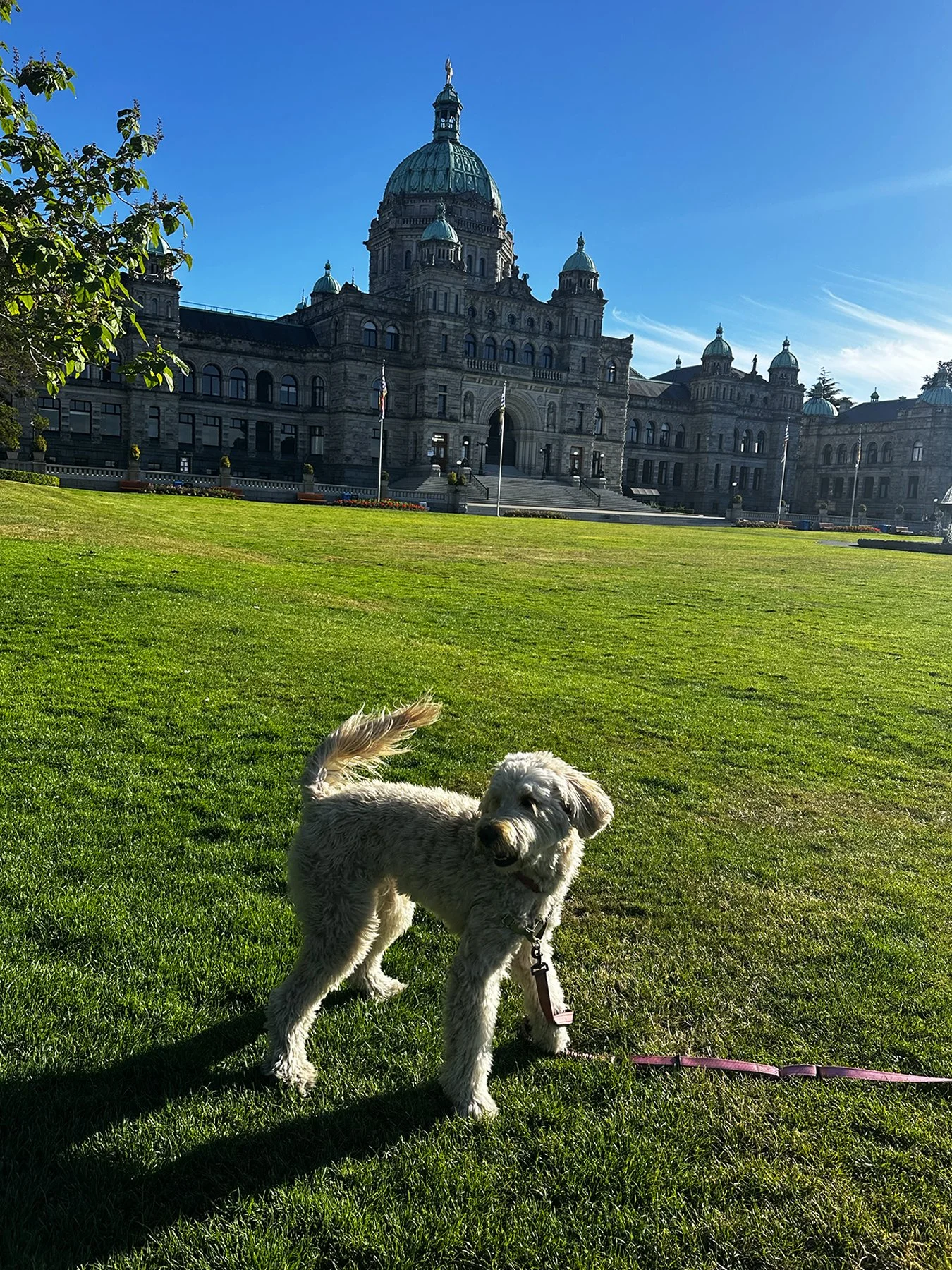
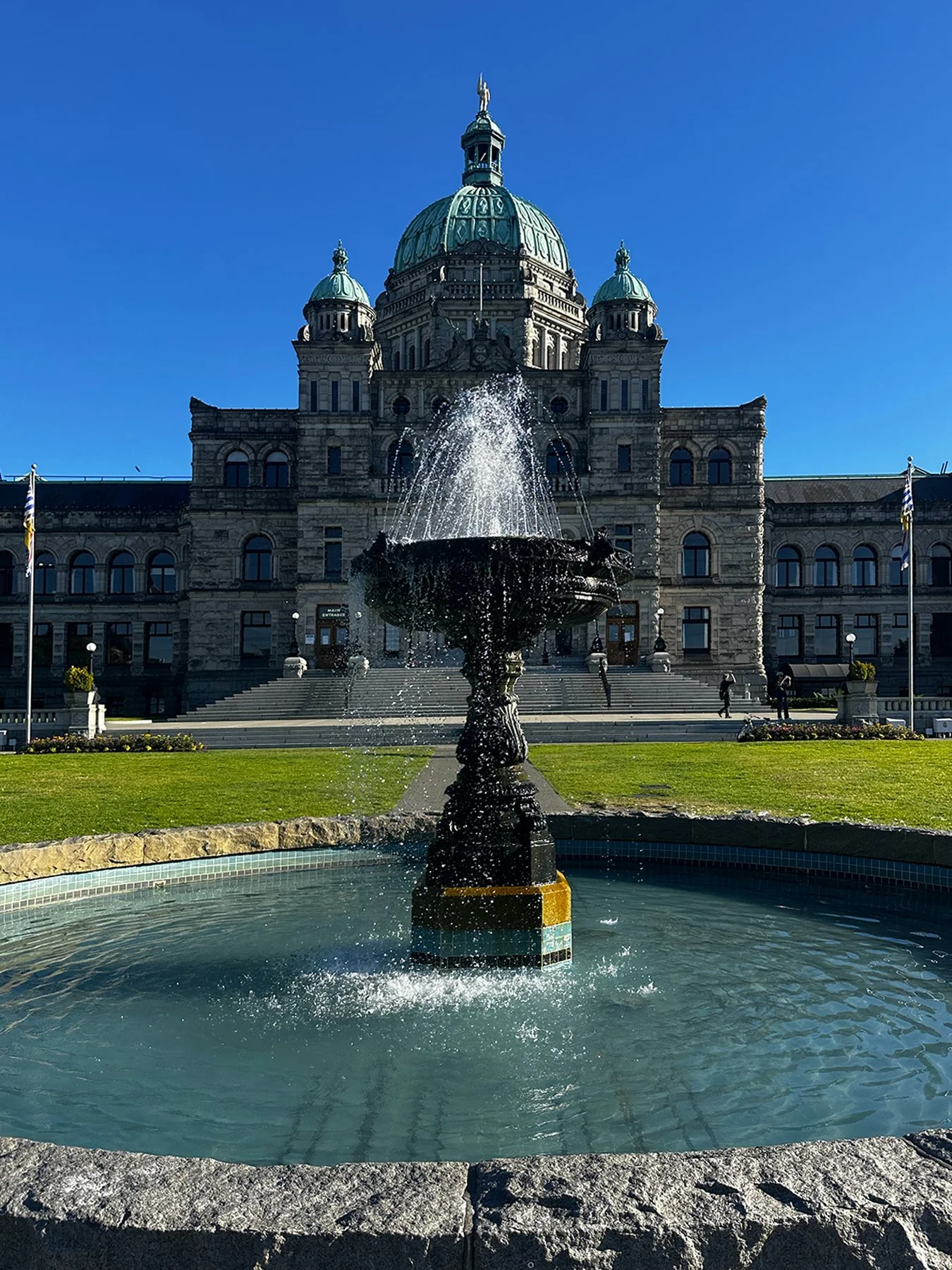
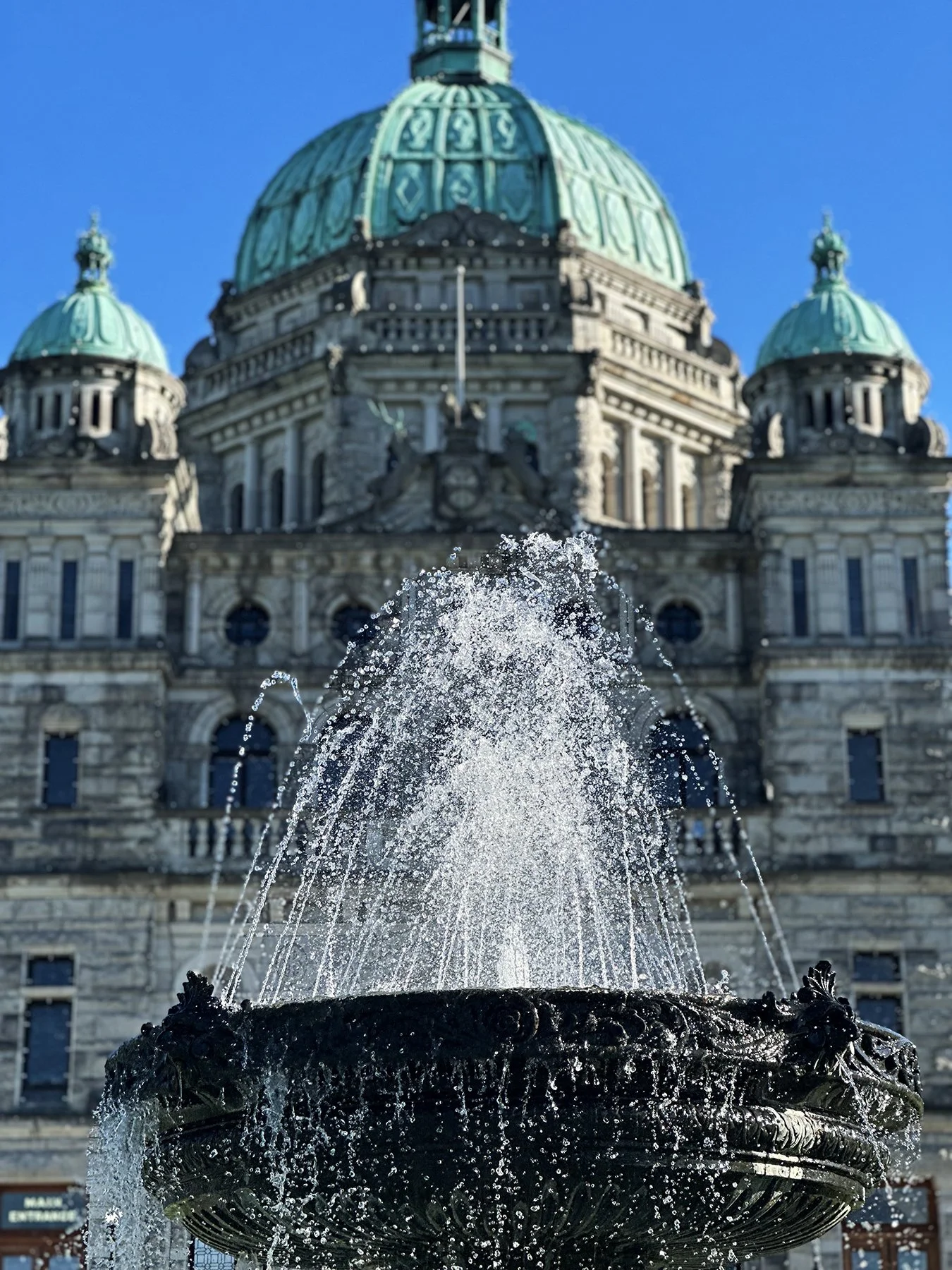
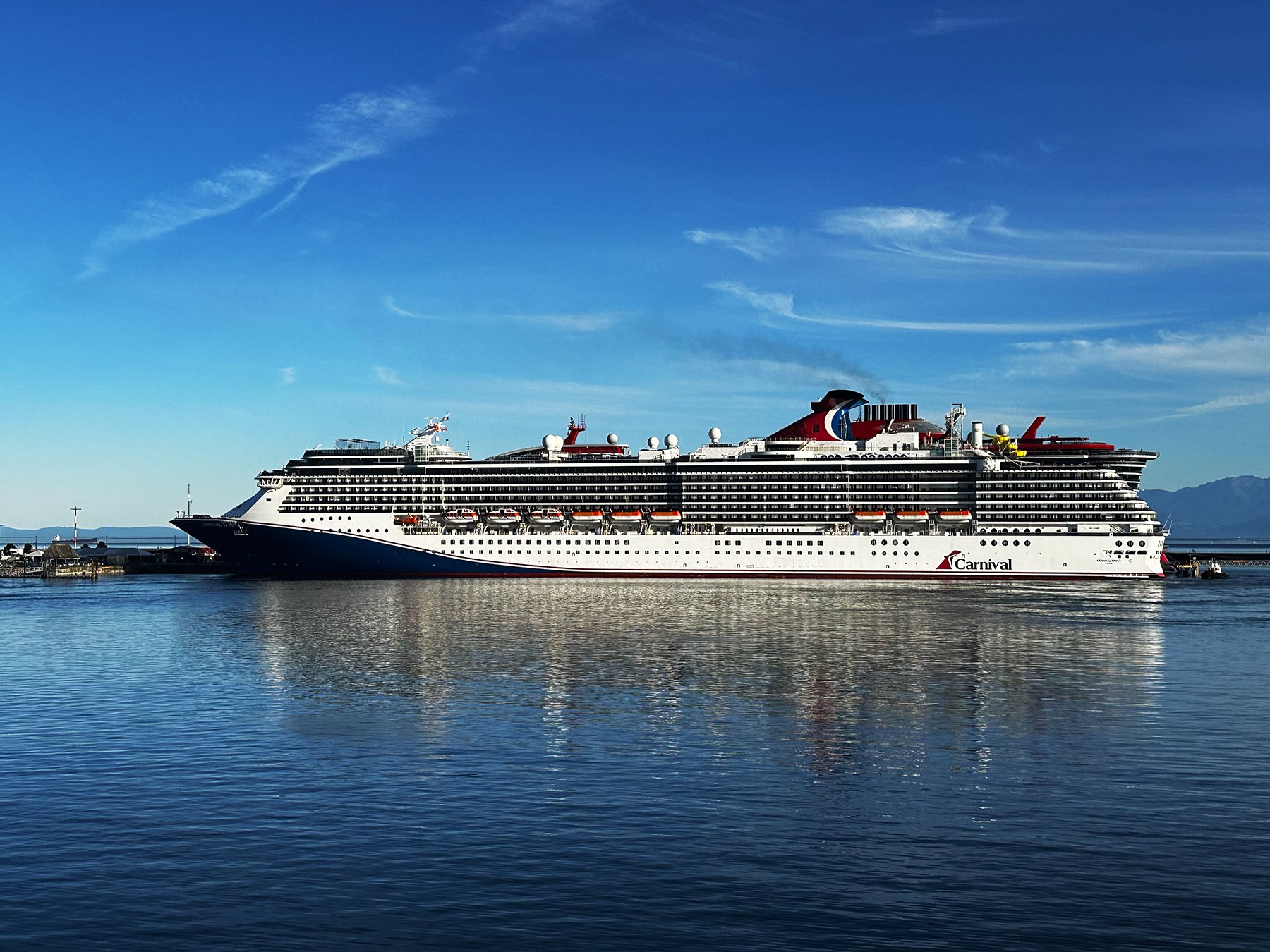
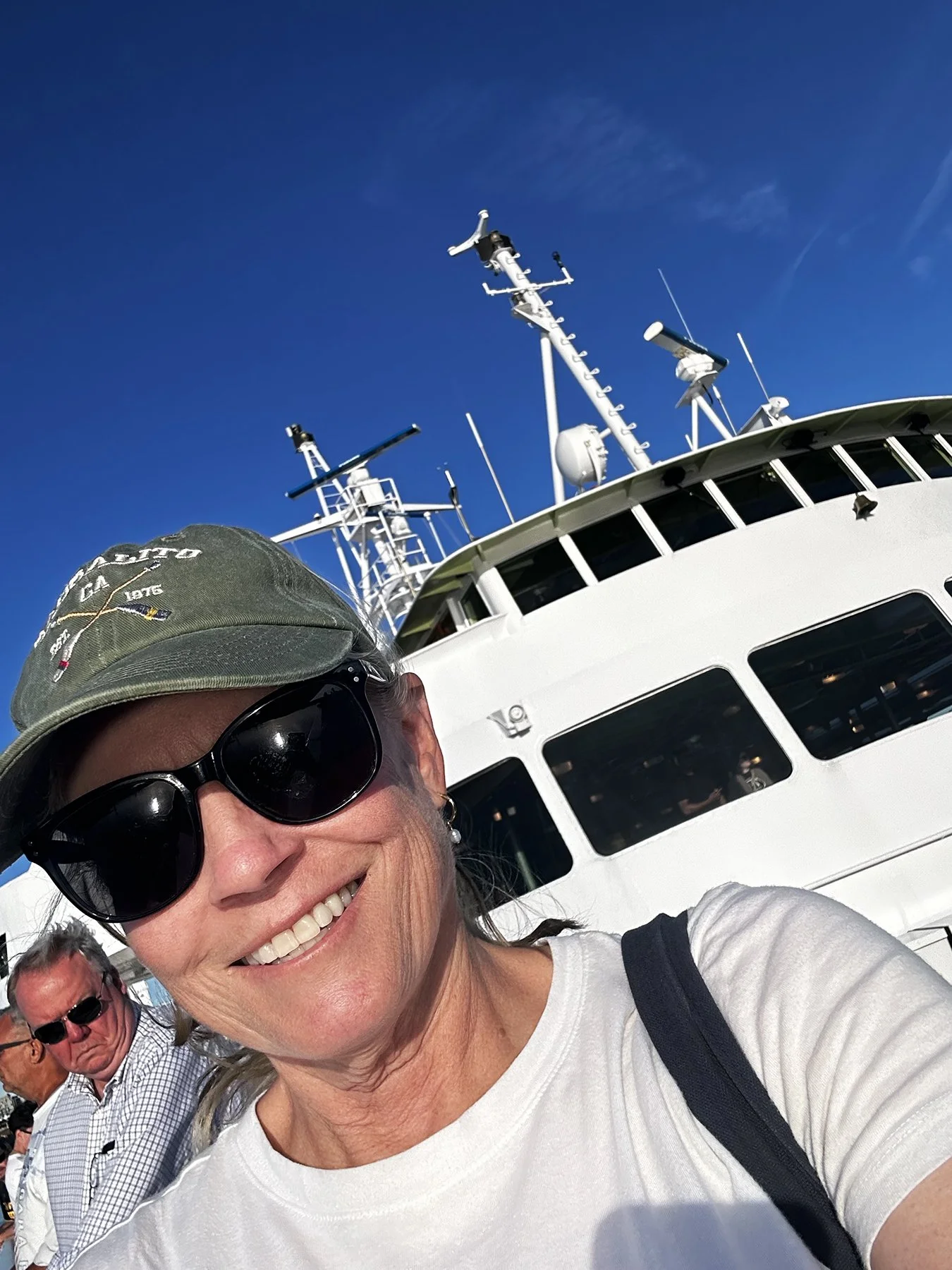
In between campground stays earlier in the week, we took a day to ferry over to Victoria on Vancouver Island, British Columbia. Oh, my goodness, what a wonderful day that turned out to be! Victoria is actually the capital of British Columbia, and is known for its British colonial heritage, mild climate, and abundant gardens, earning it the nickname “The Garden City”. We had such a grand time traipsing around the city all day, exploring shops, hotels, gardens, marinas and more. Starting at the grand Parliament buildings, we walked along the waterfront, checked out the impressive Fairmont Empress Hotel; the cutest, most original, best-designed store I’ve ever seen in my life—Saboyan; and Chinatown.
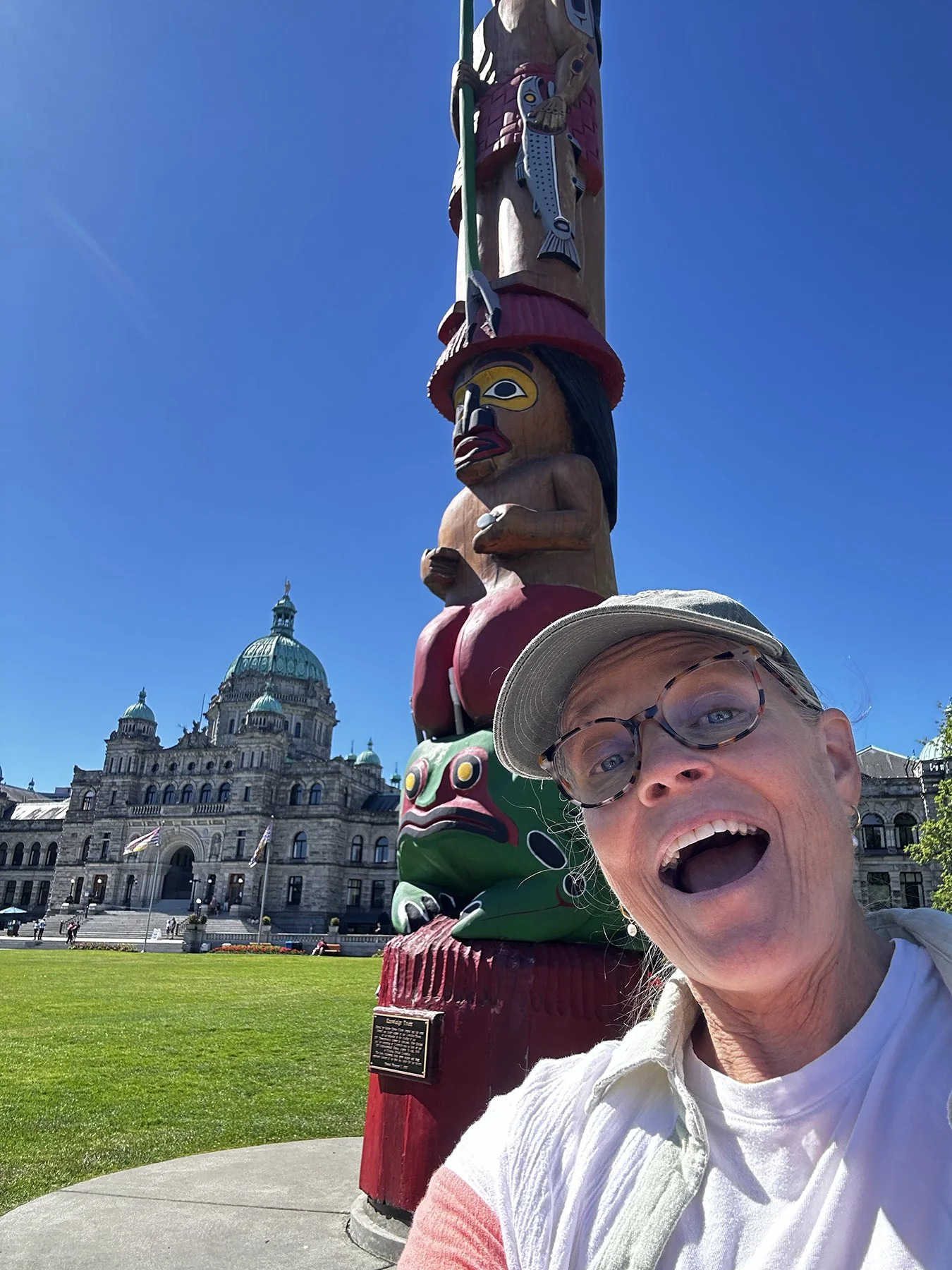
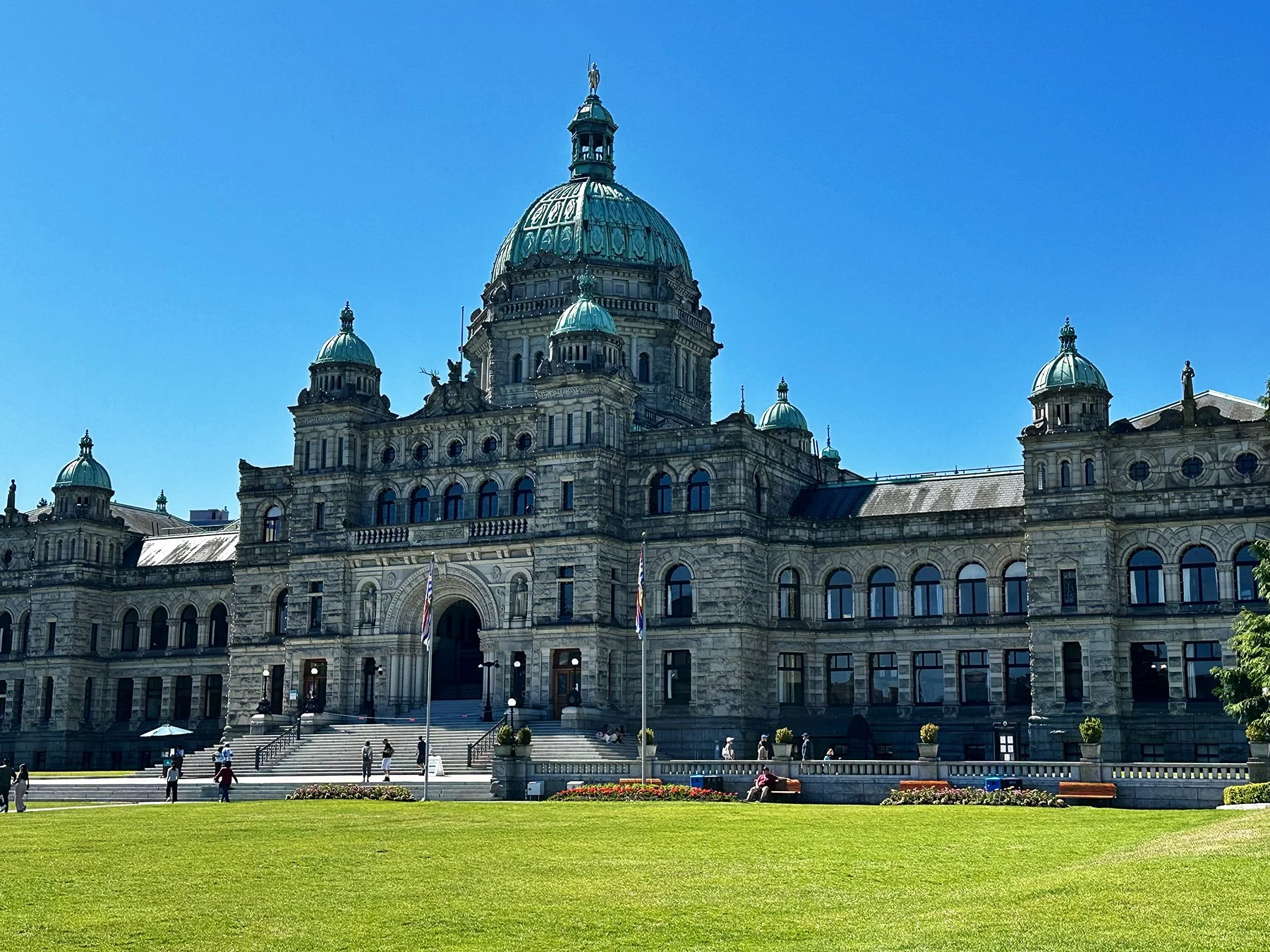
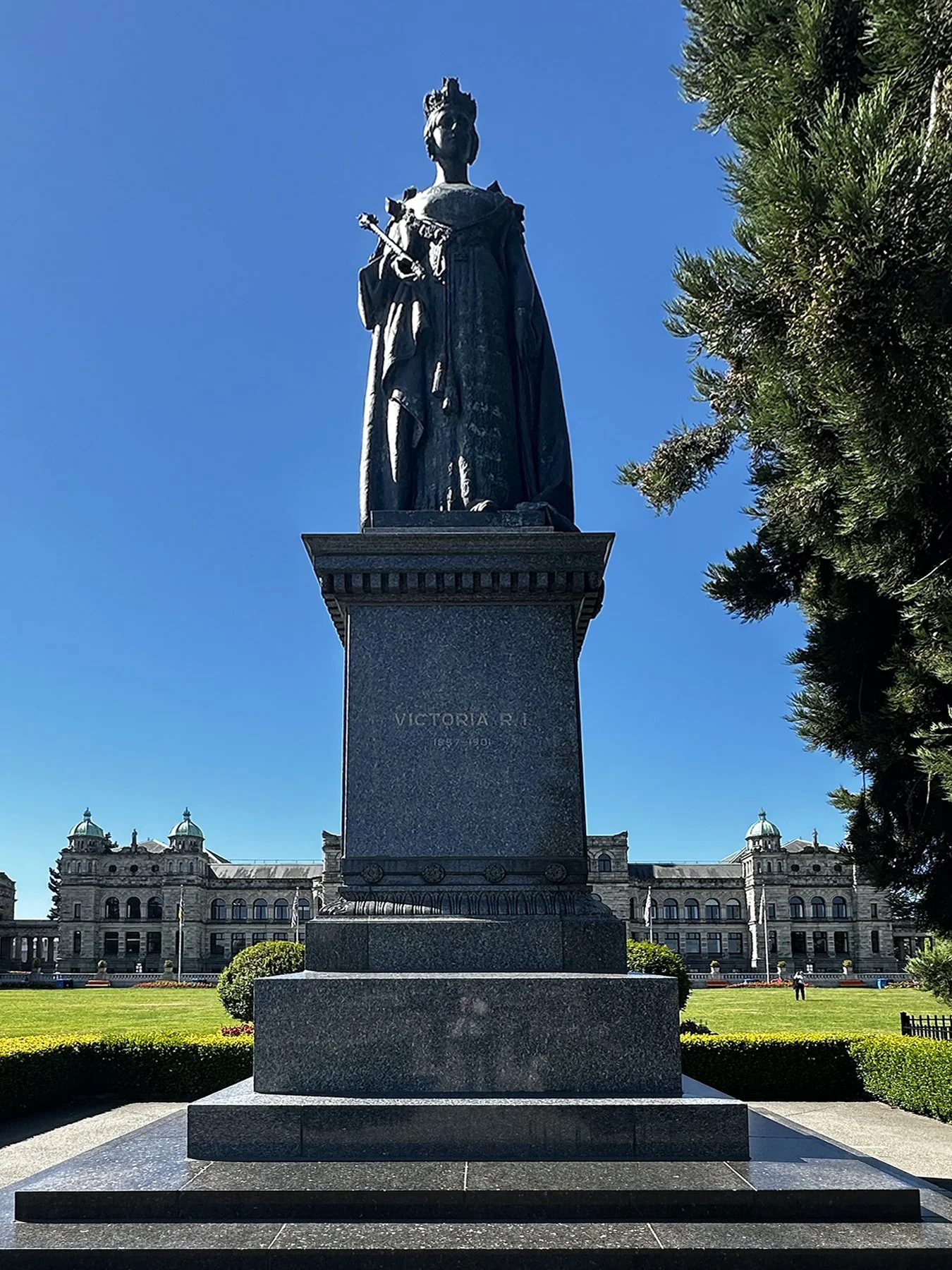
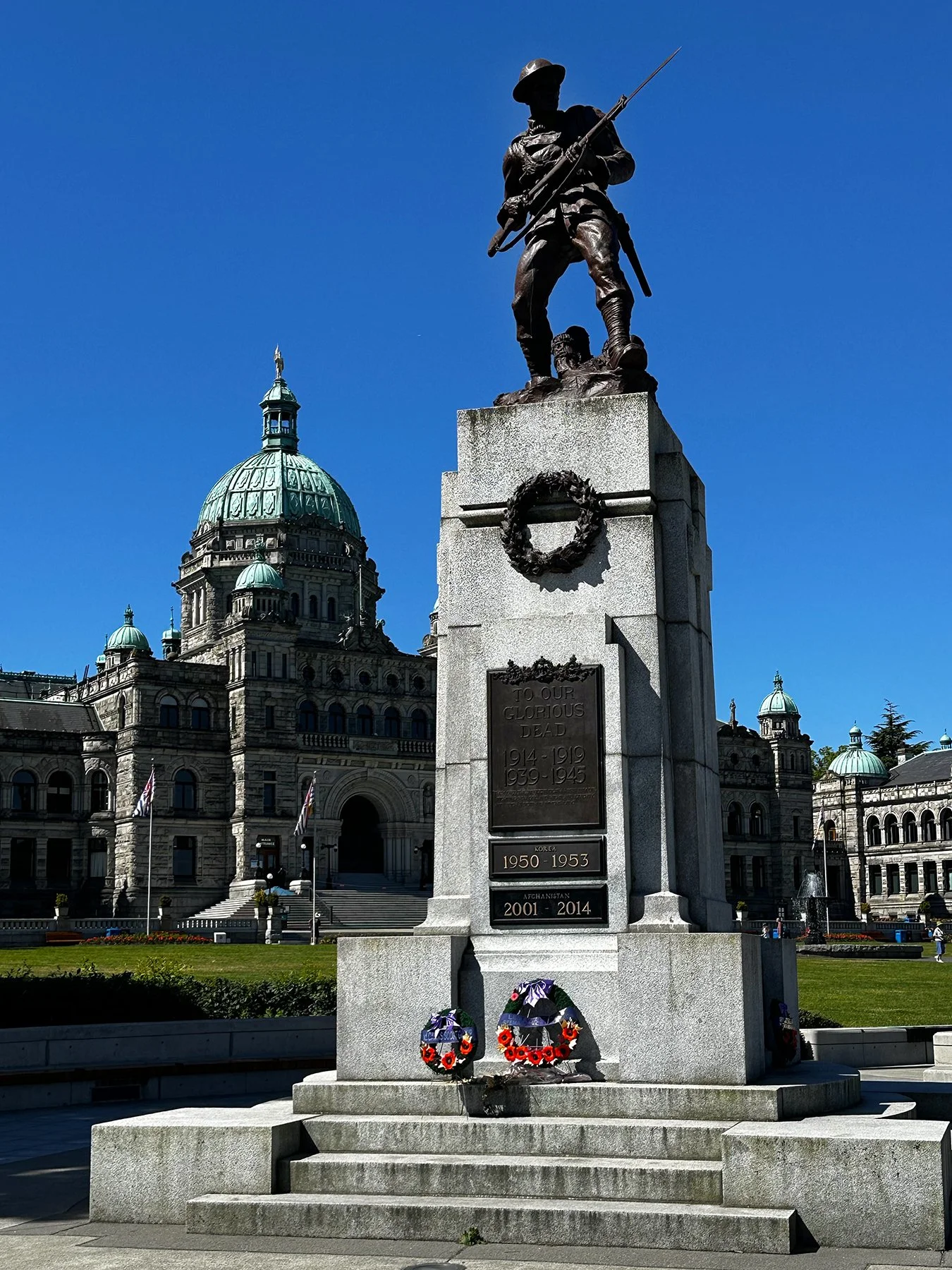
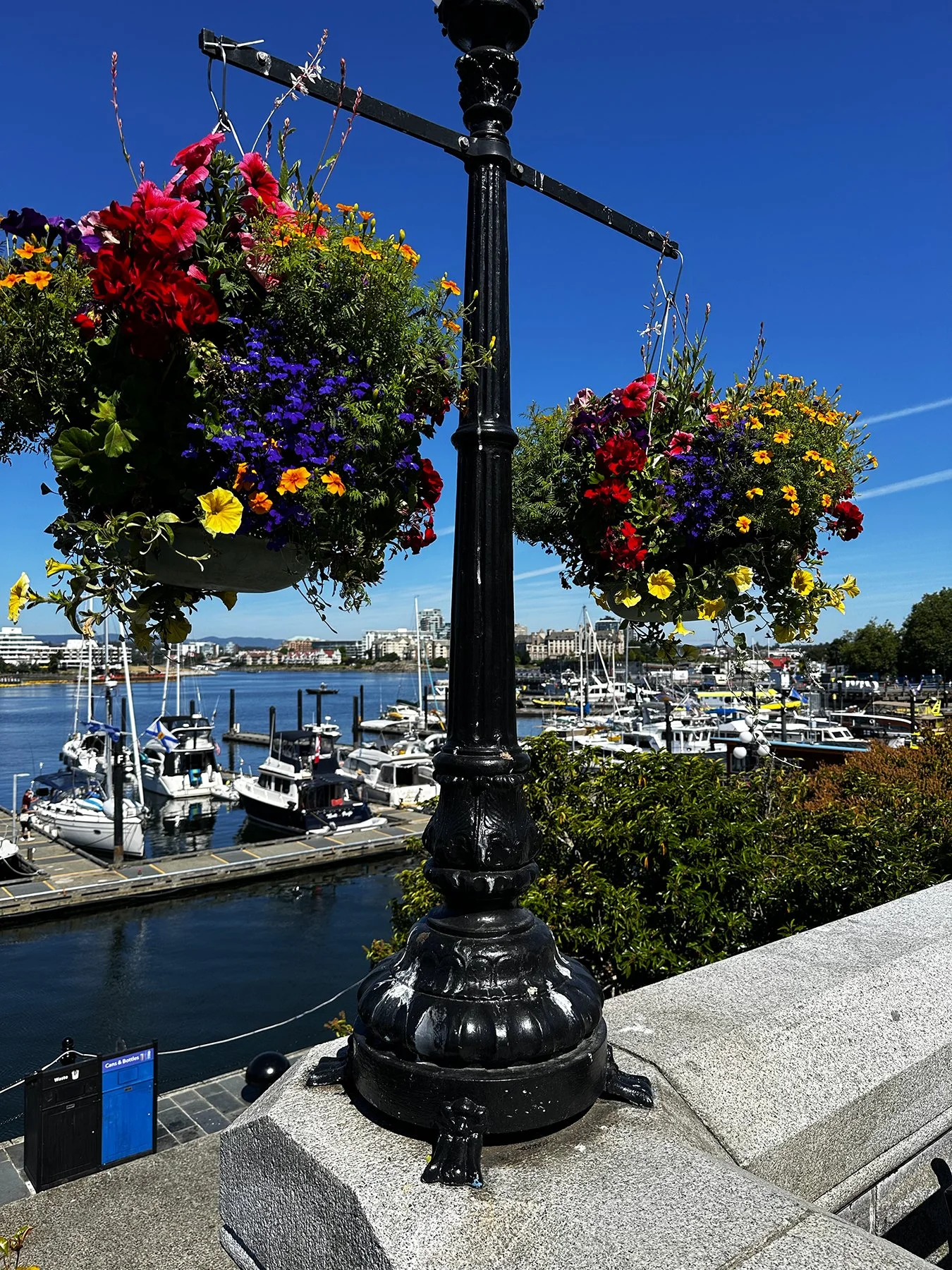
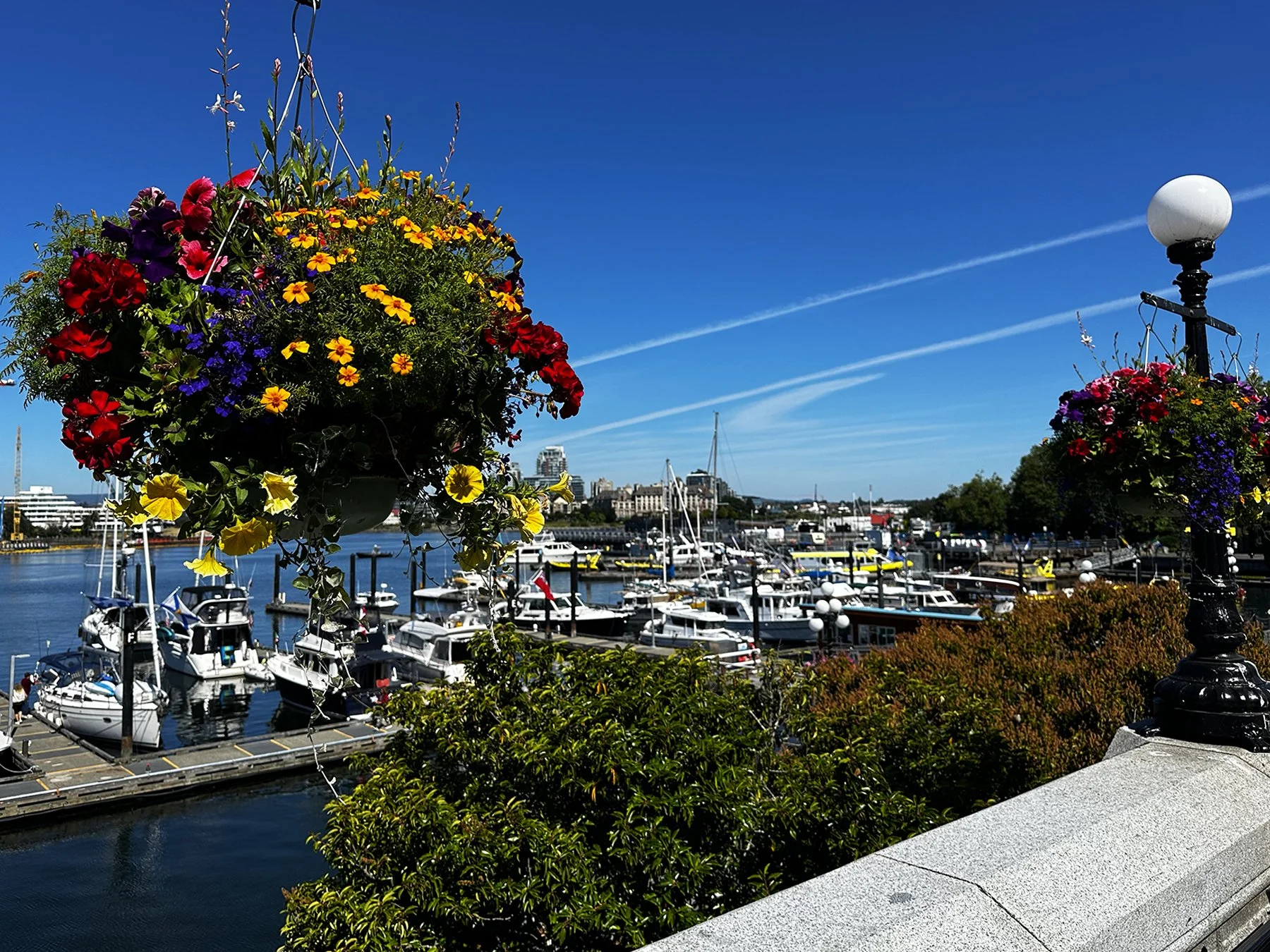
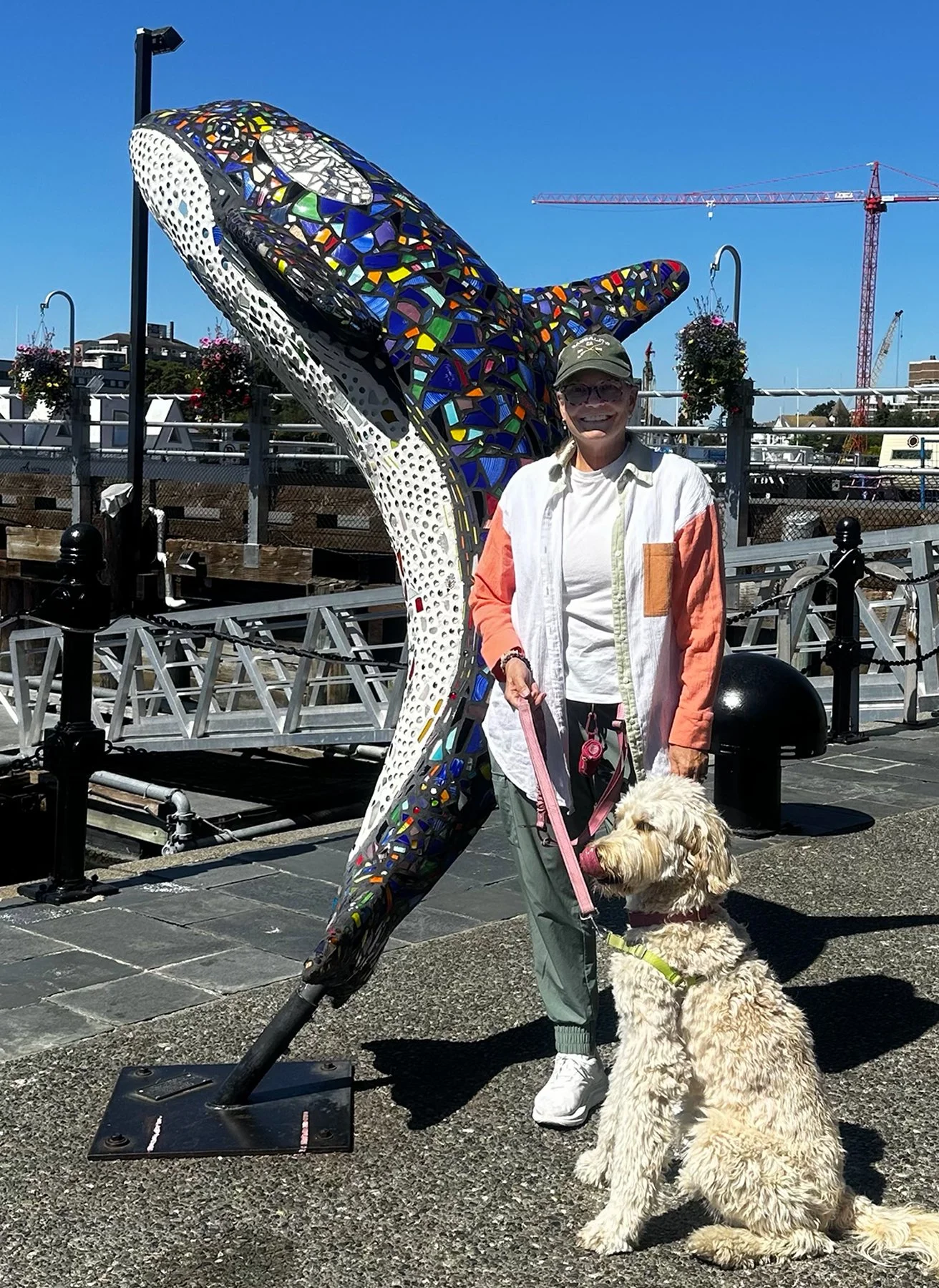
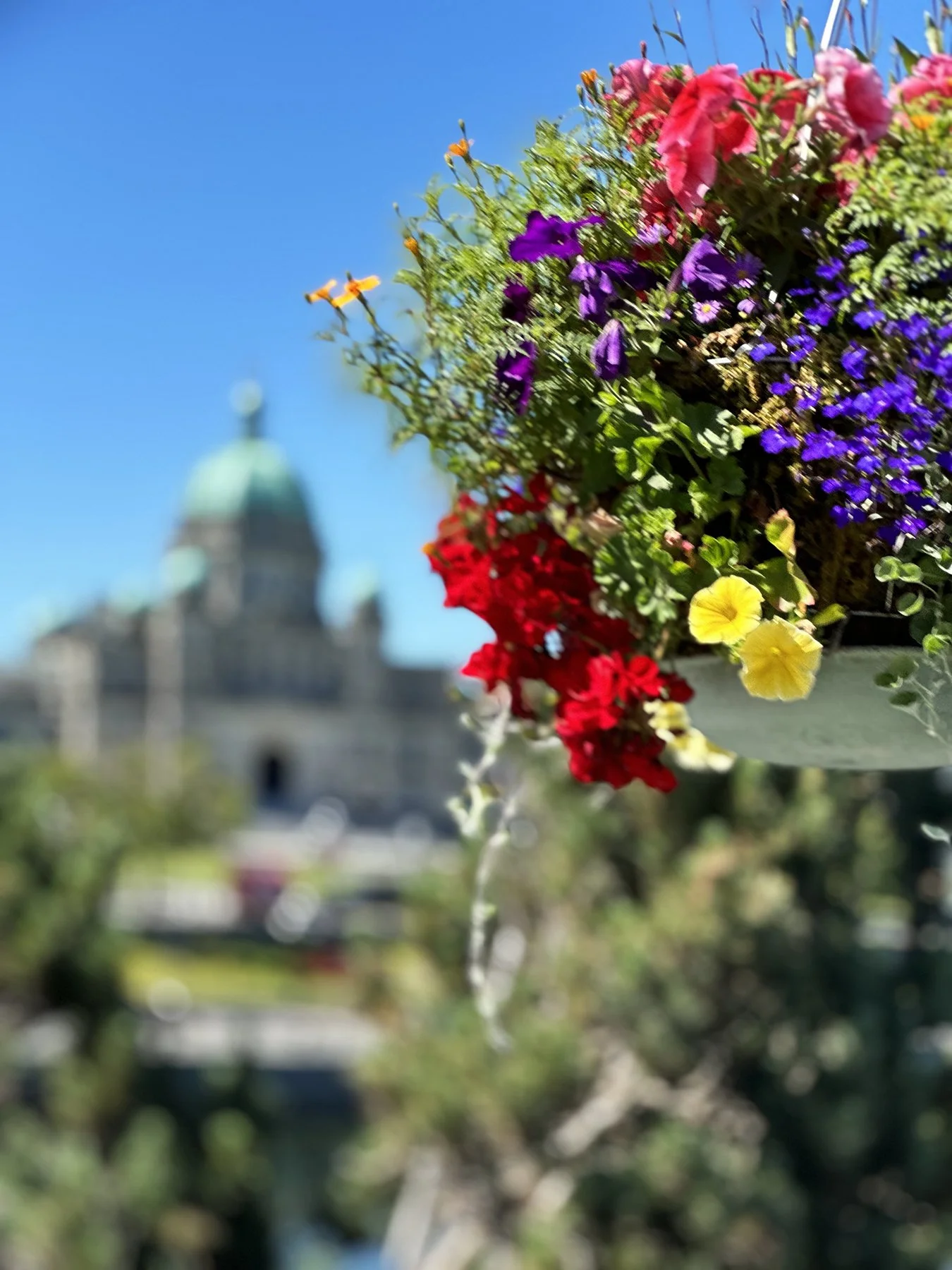
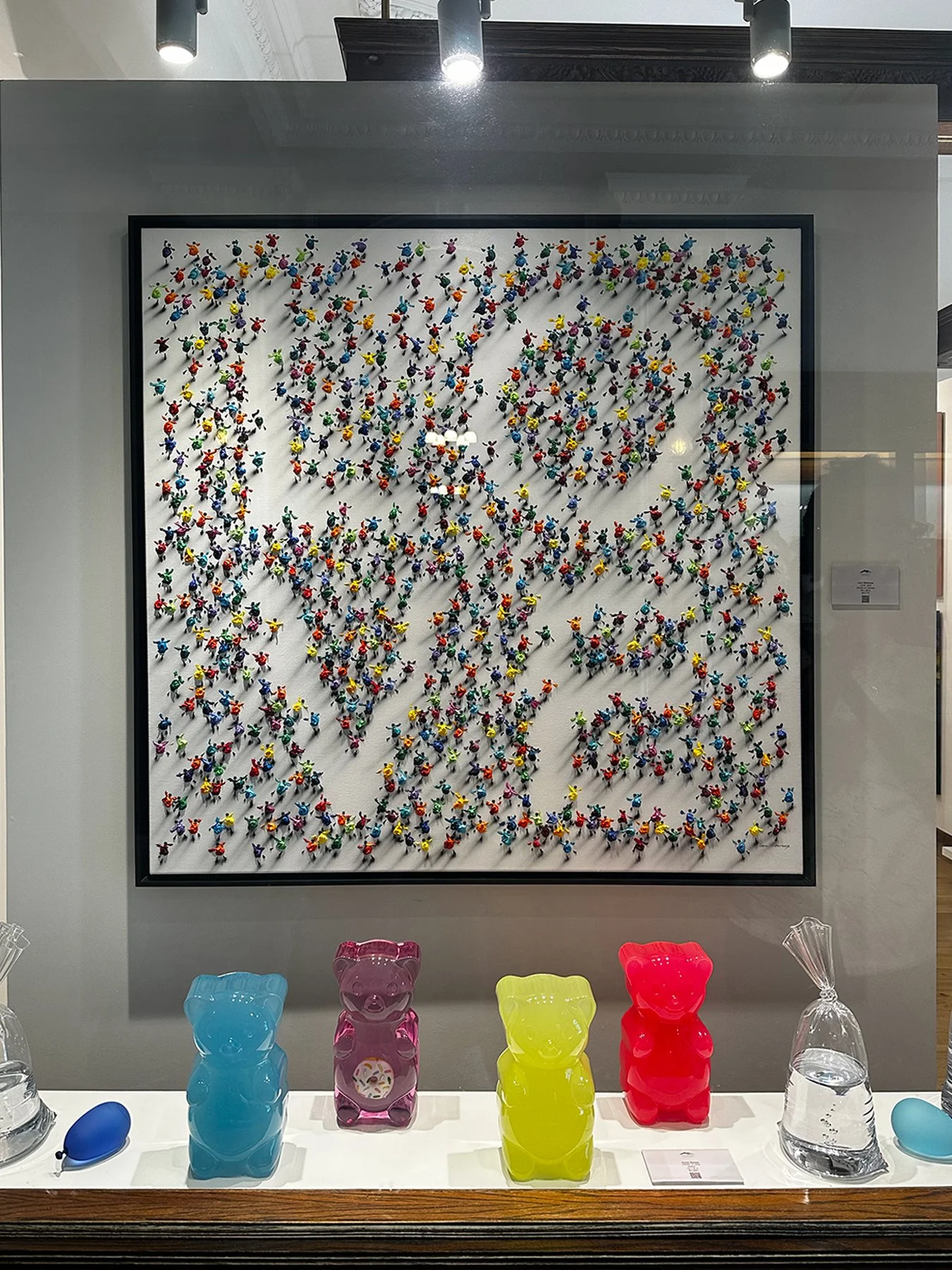
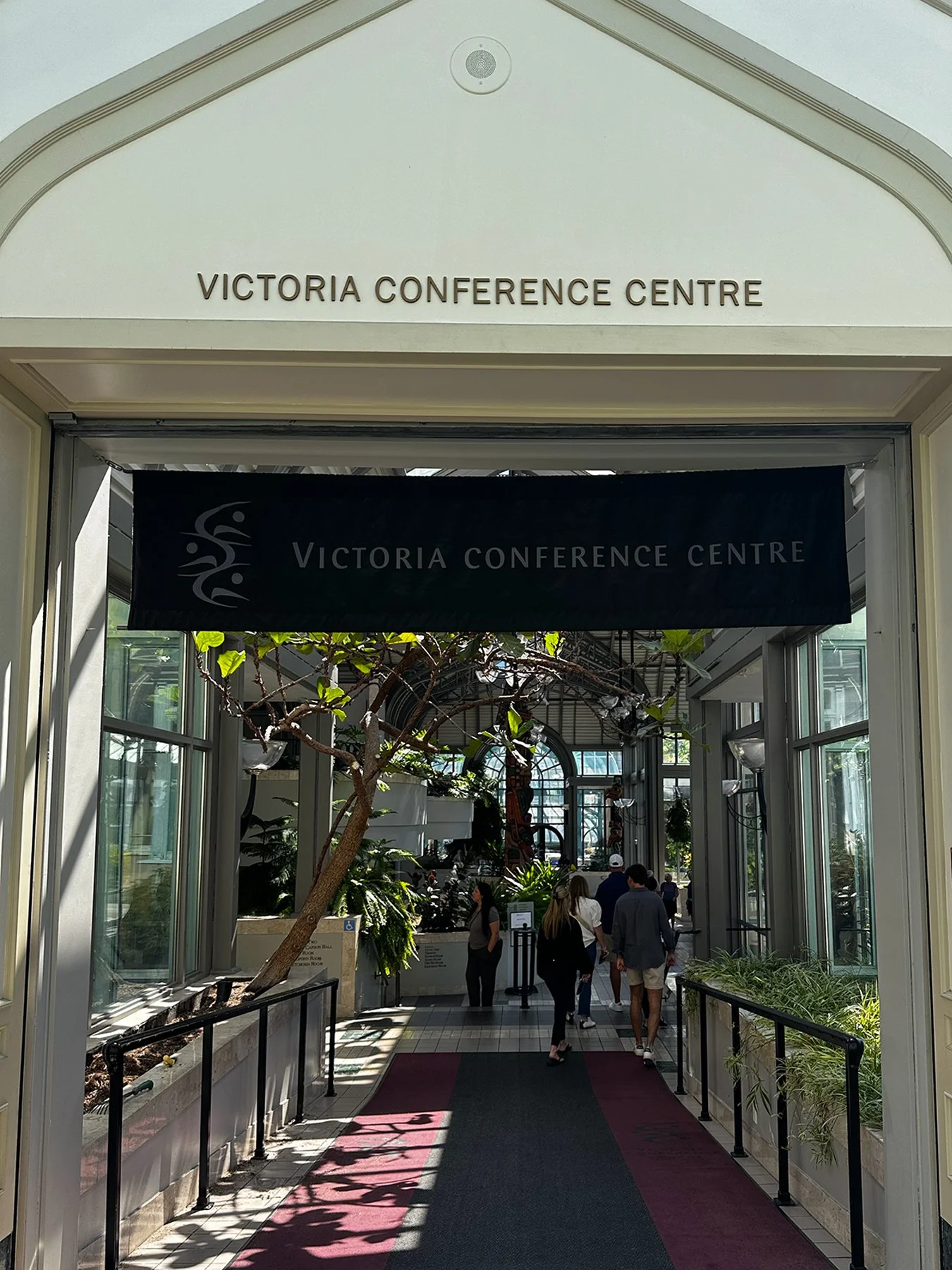
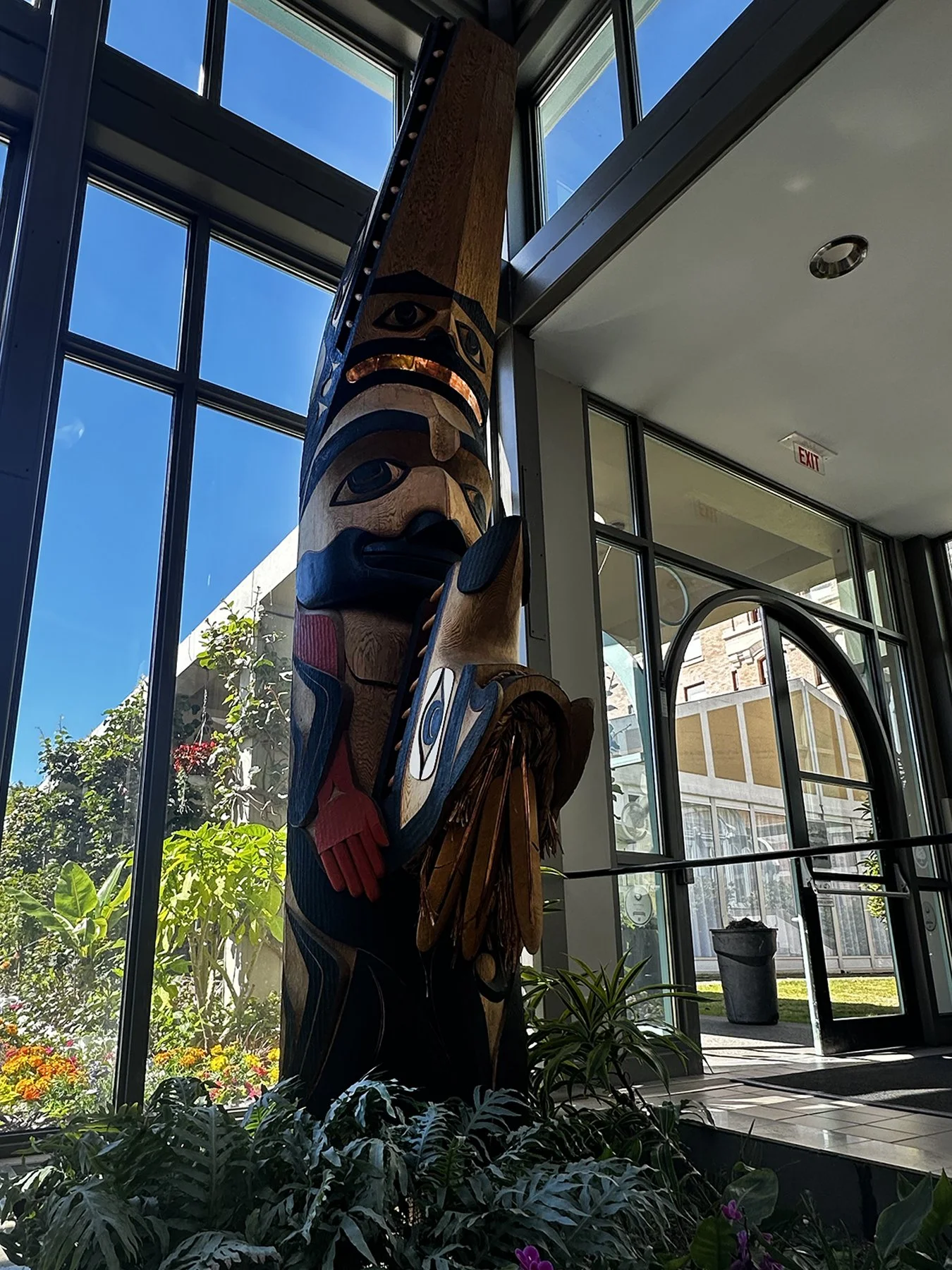
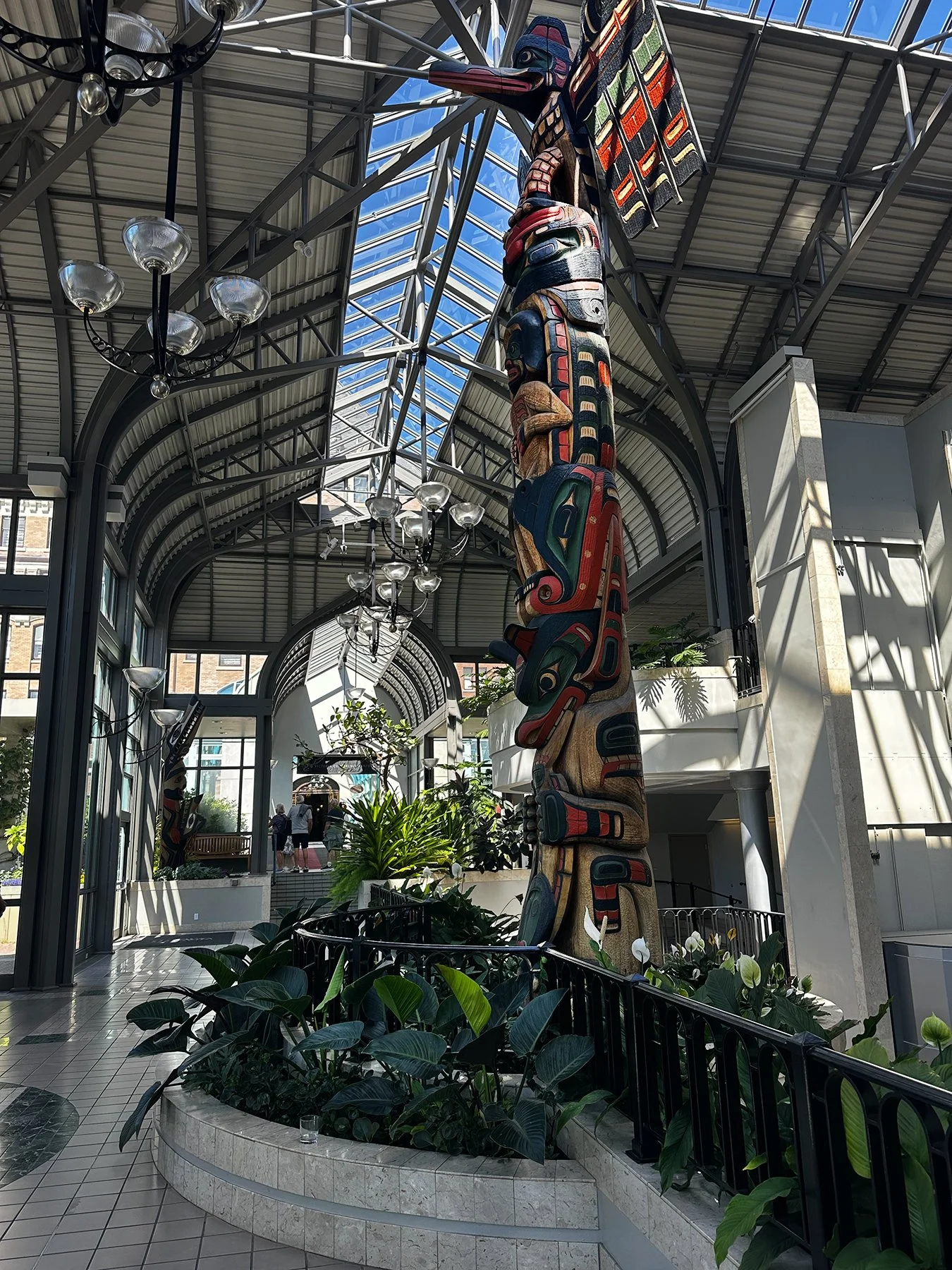
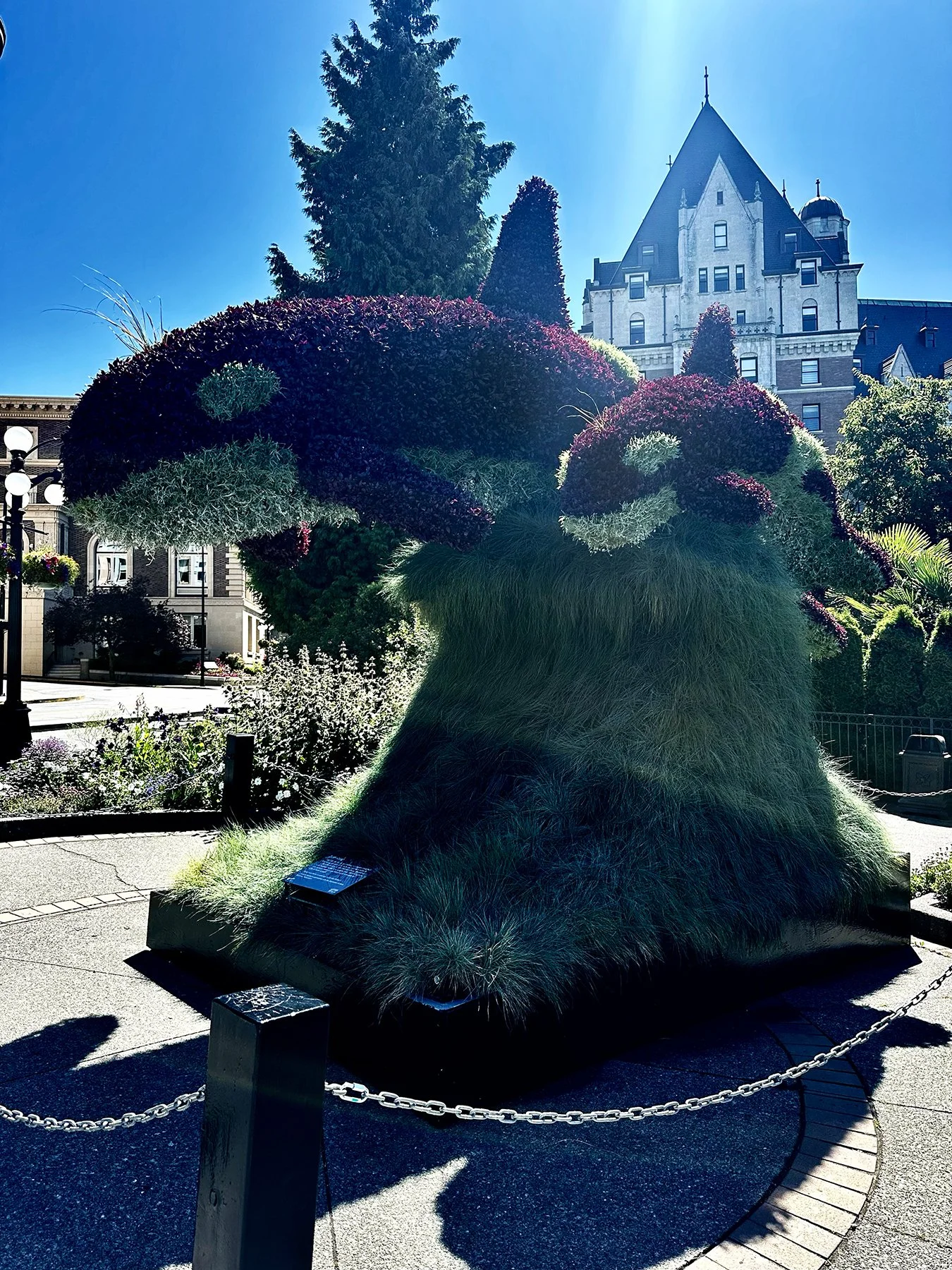
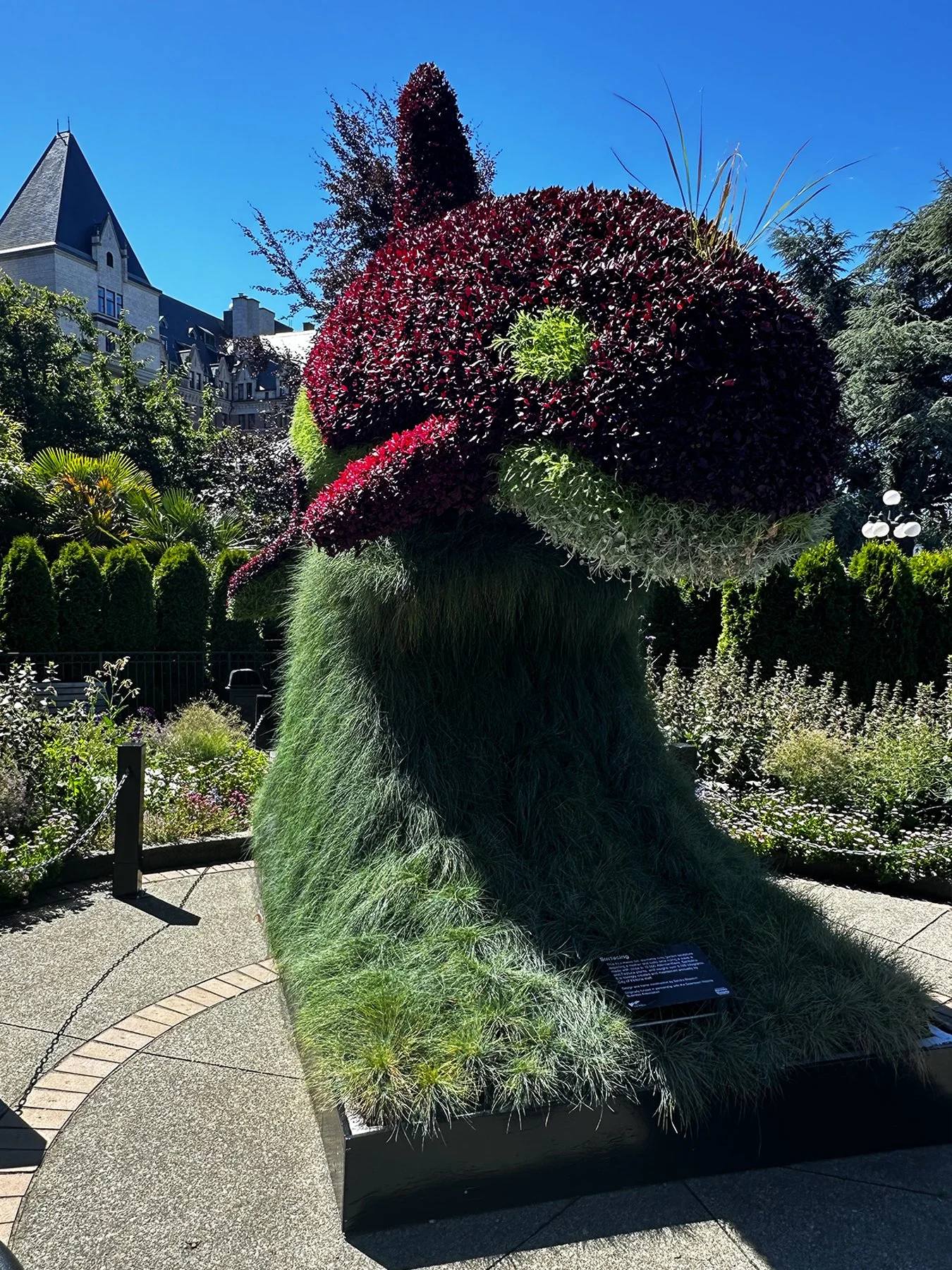
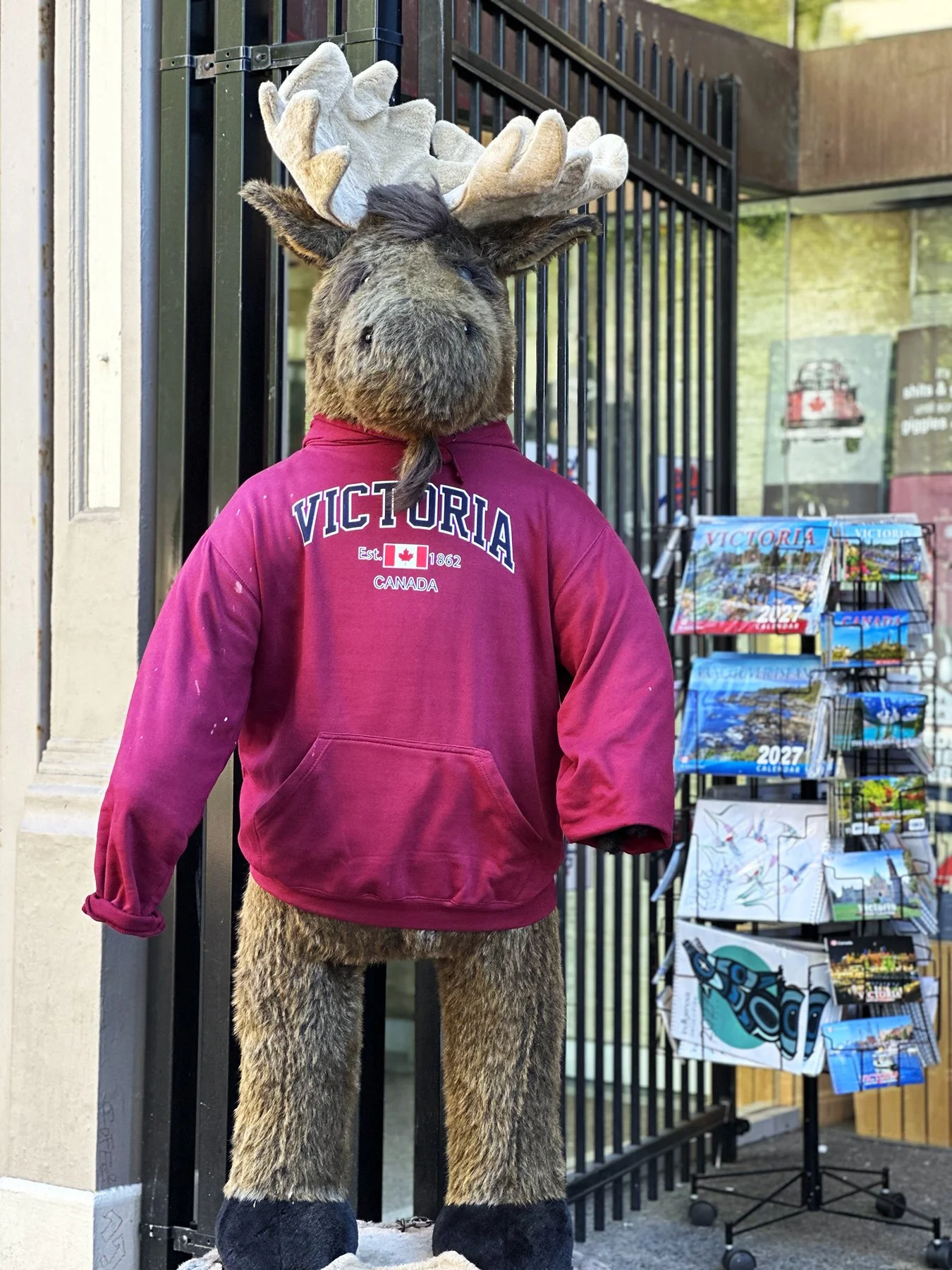

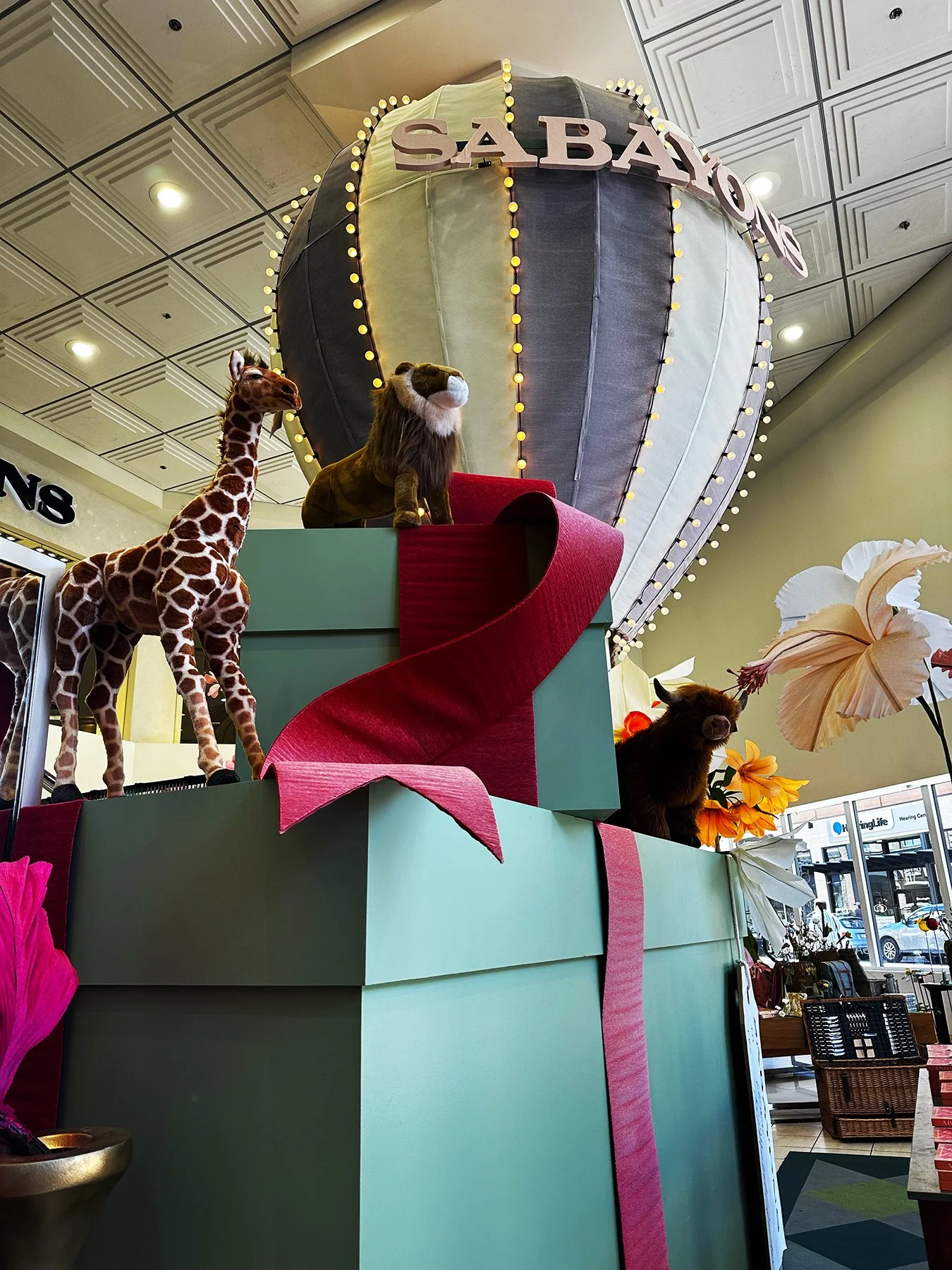
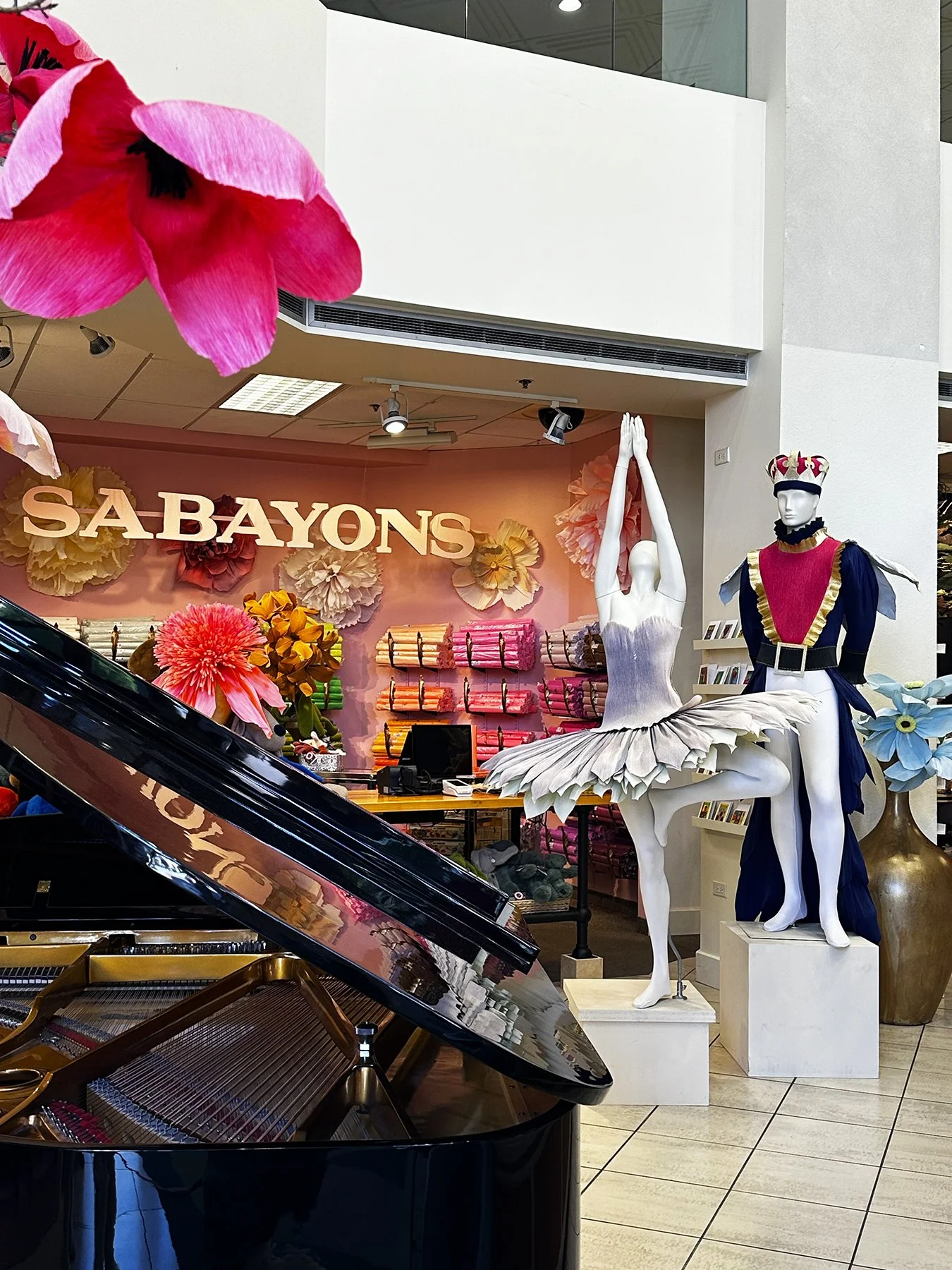
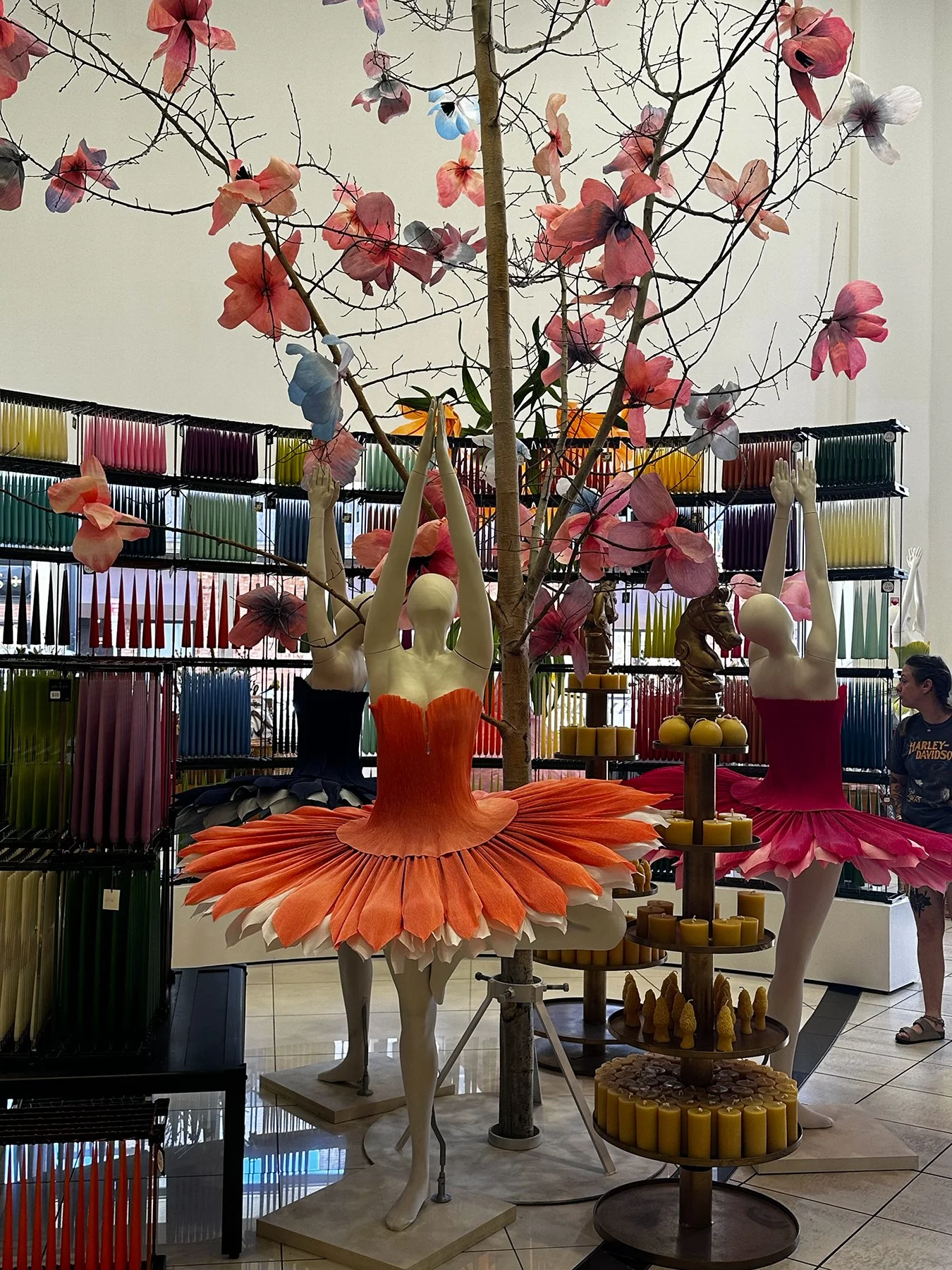
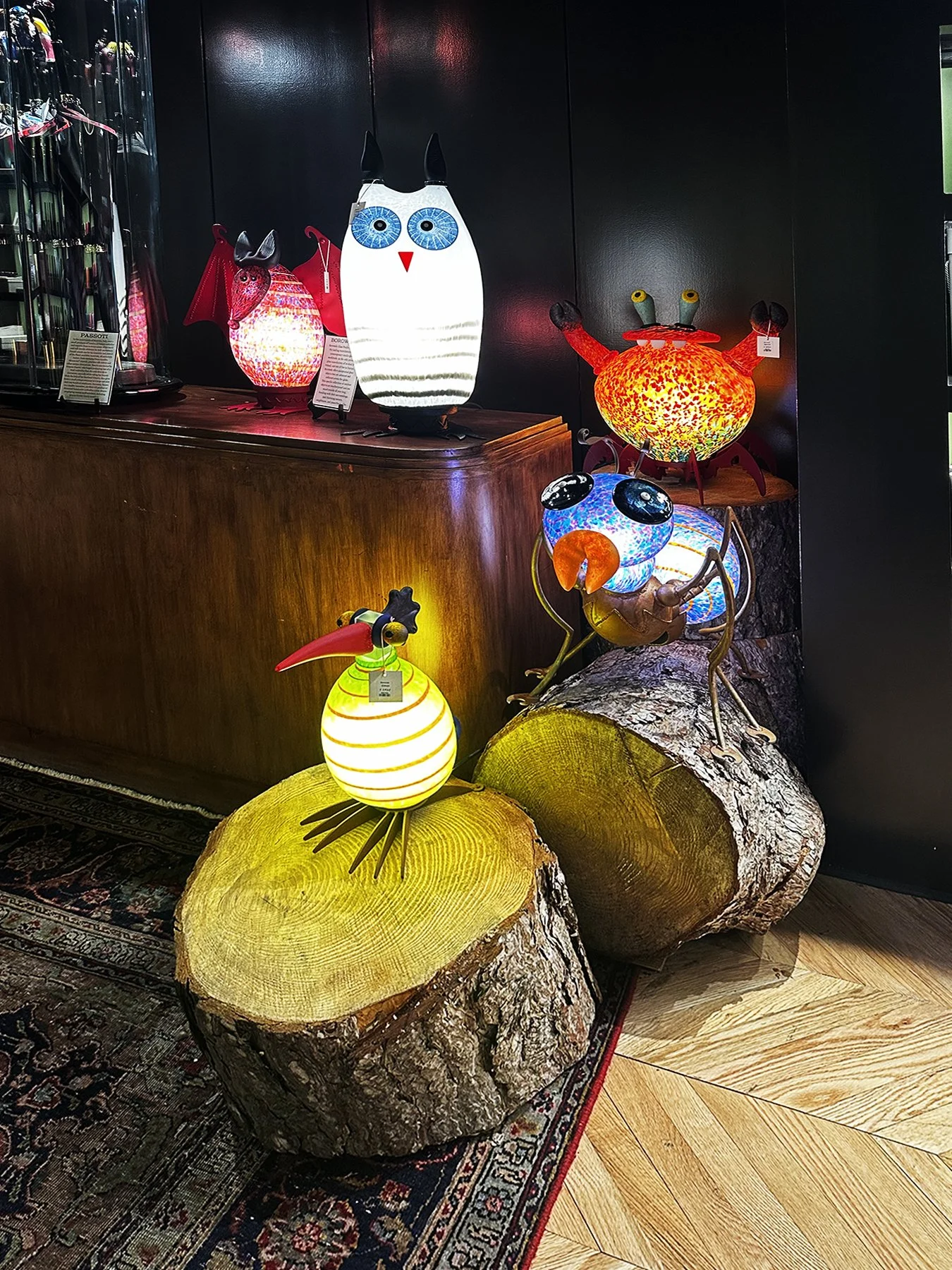
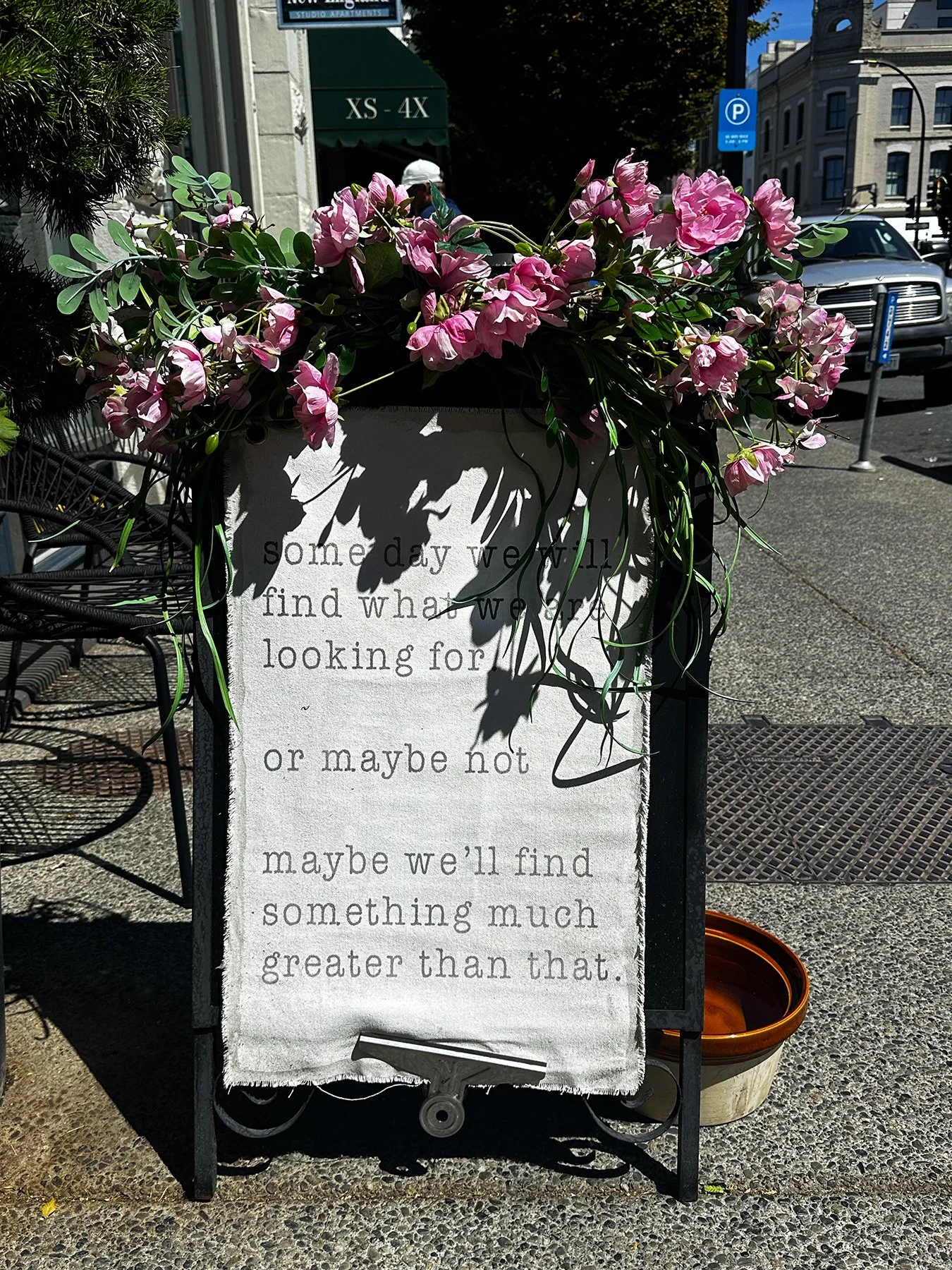
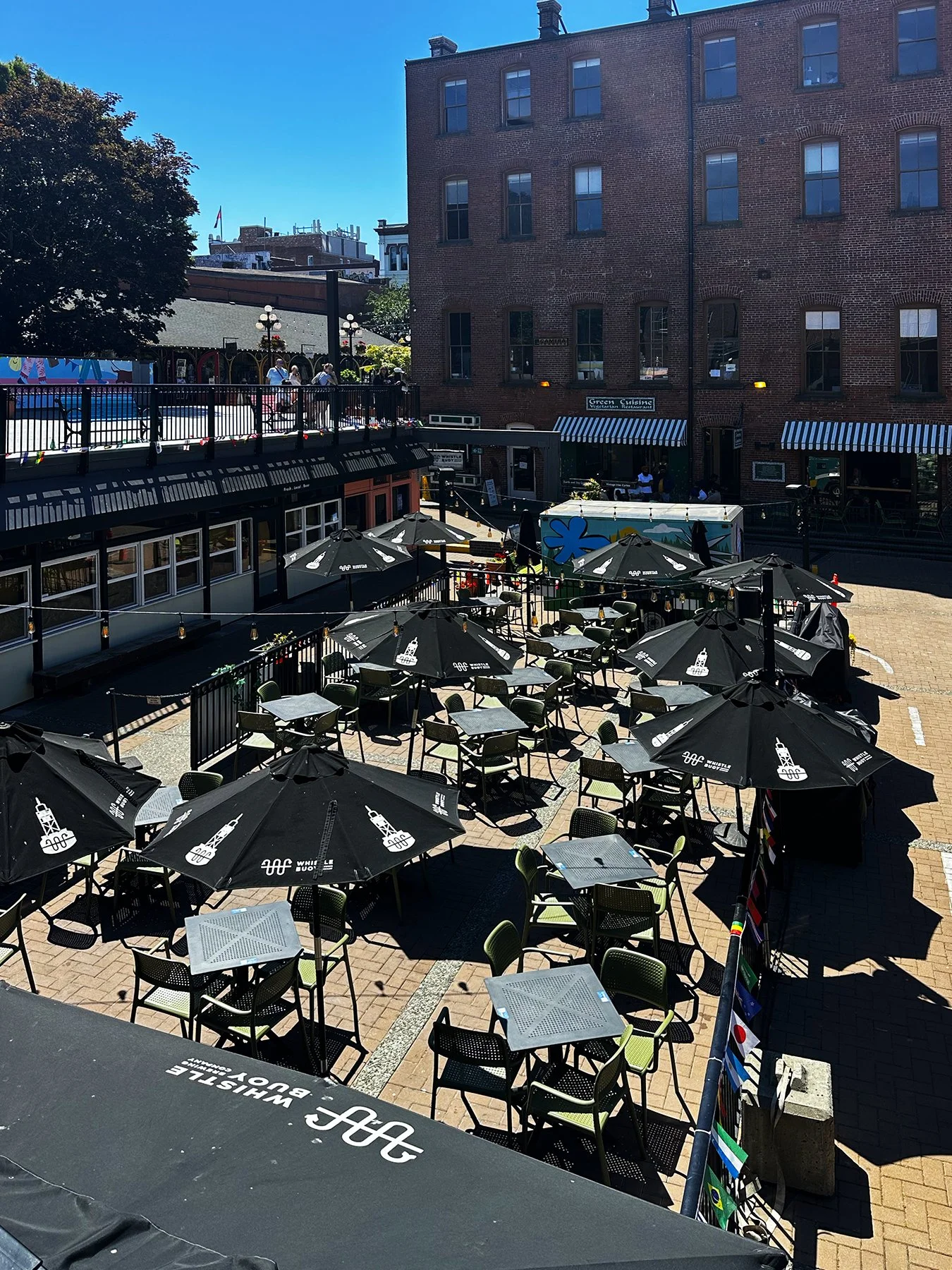
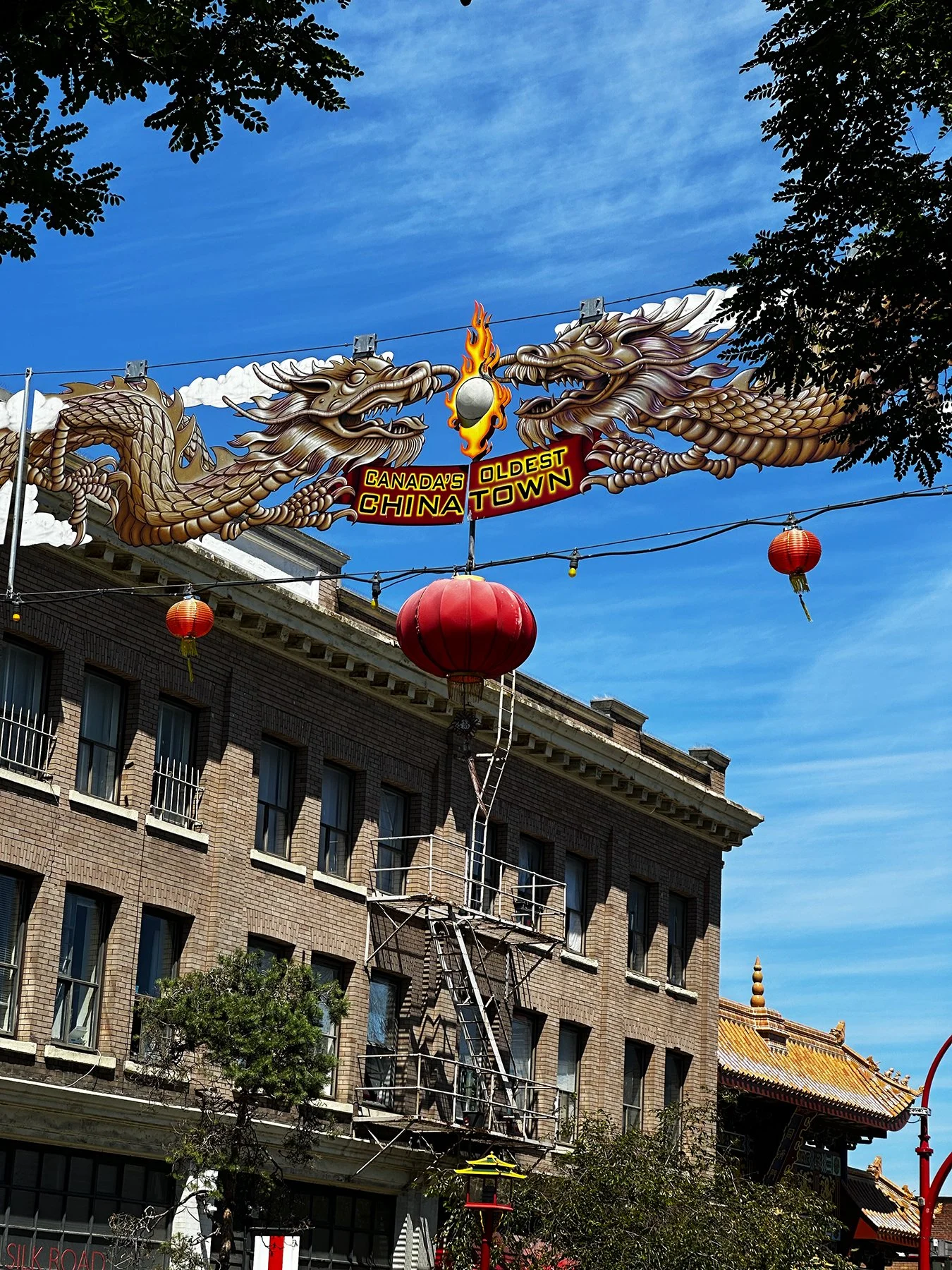
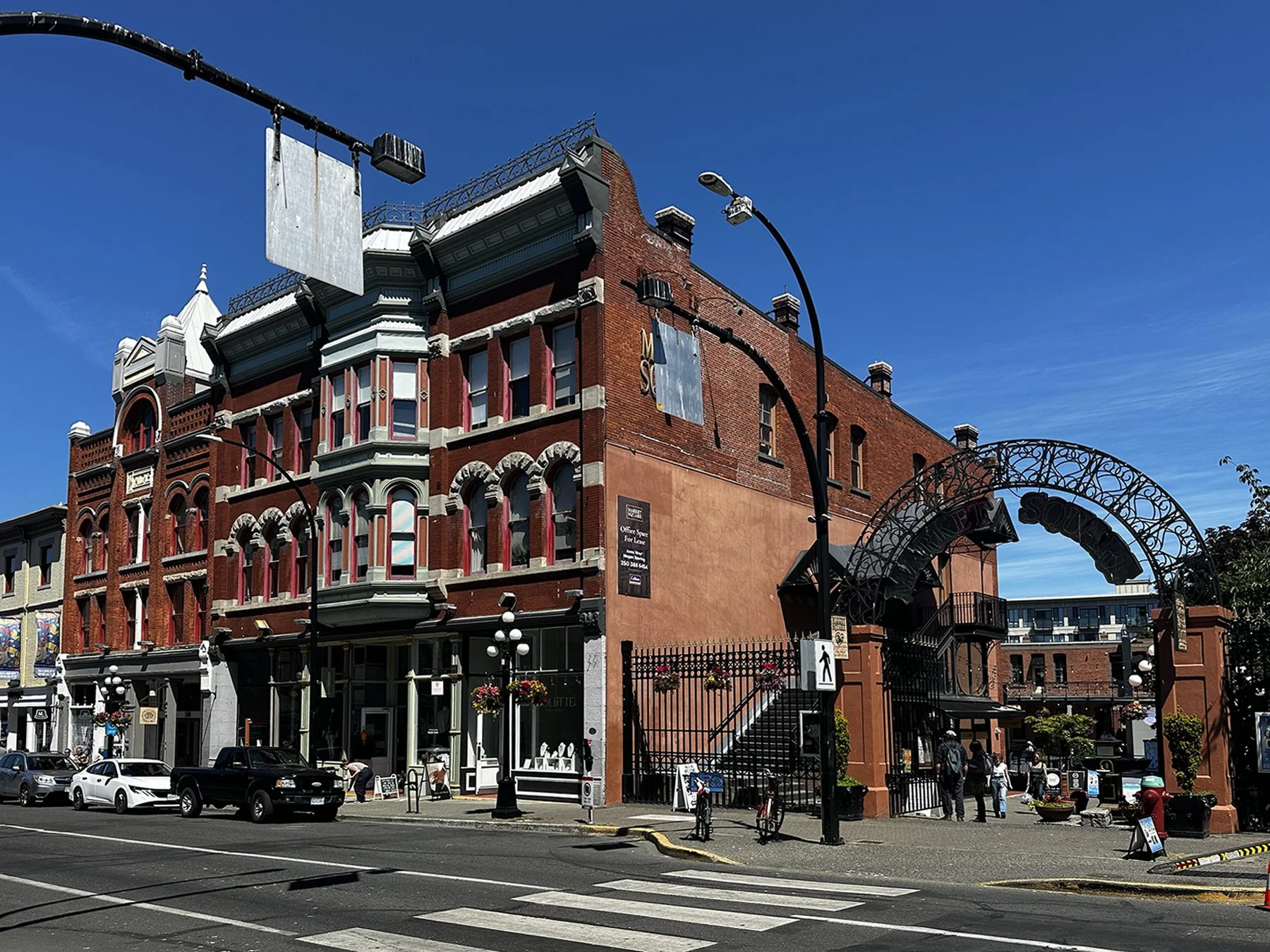
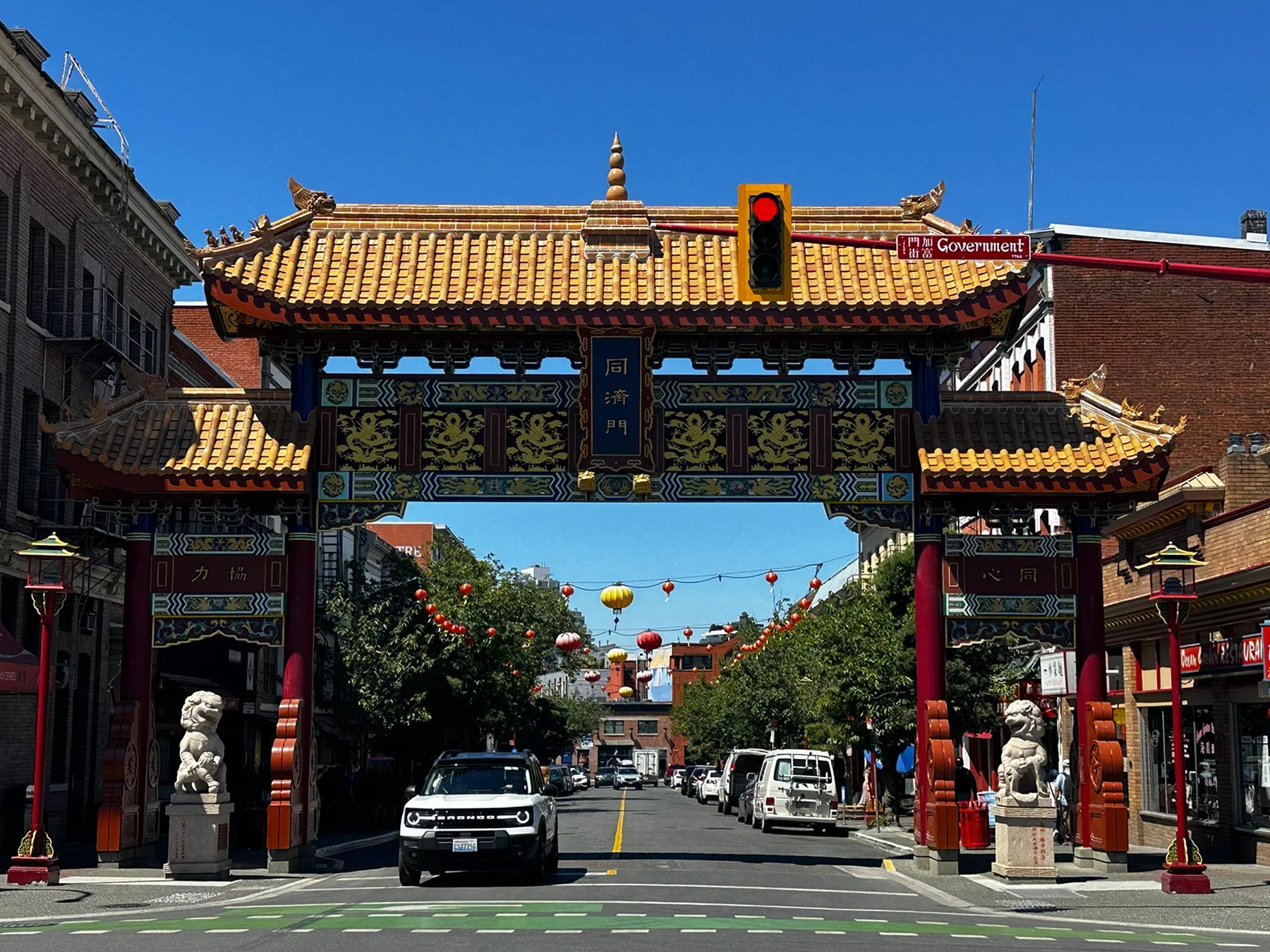
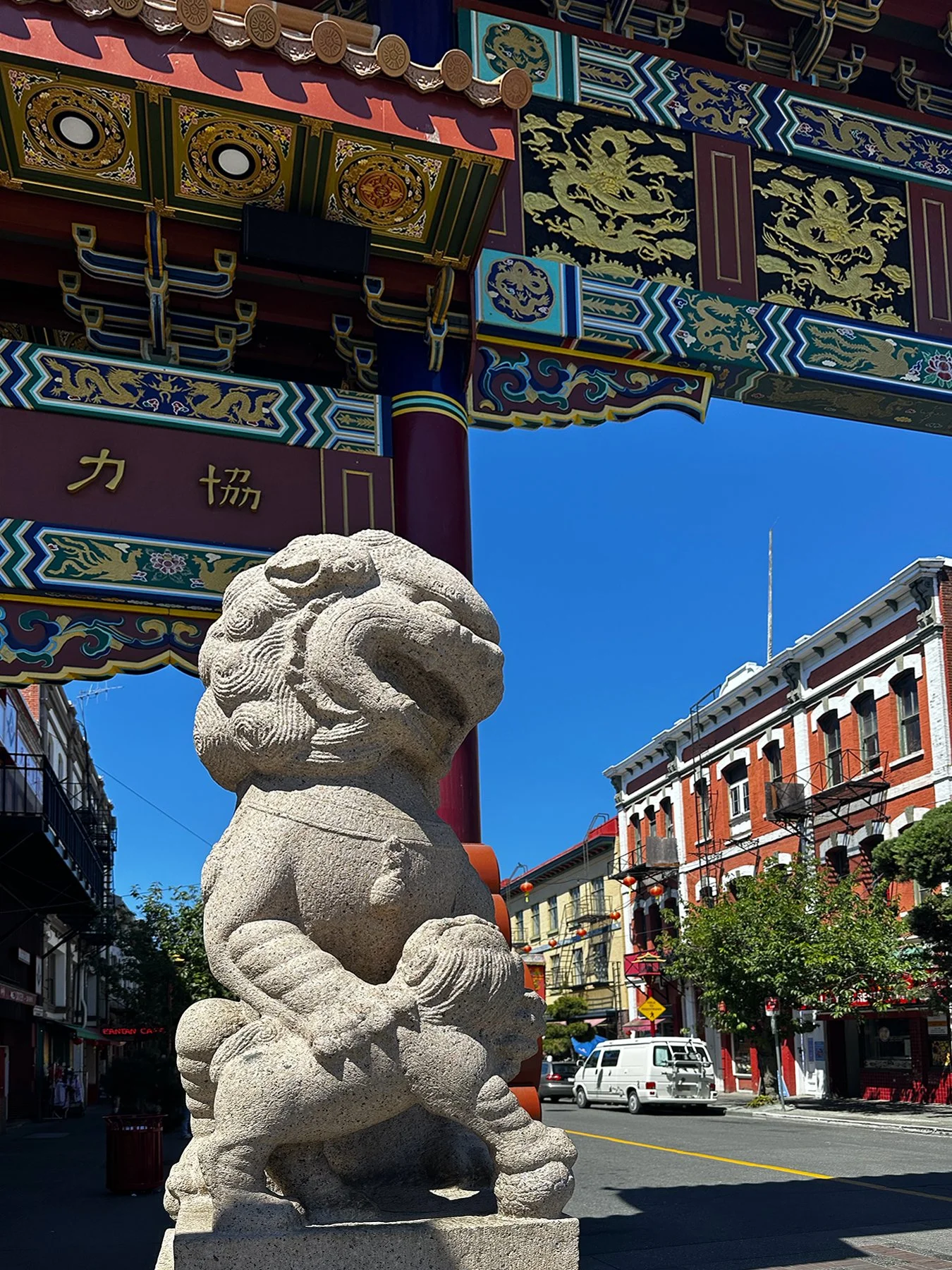
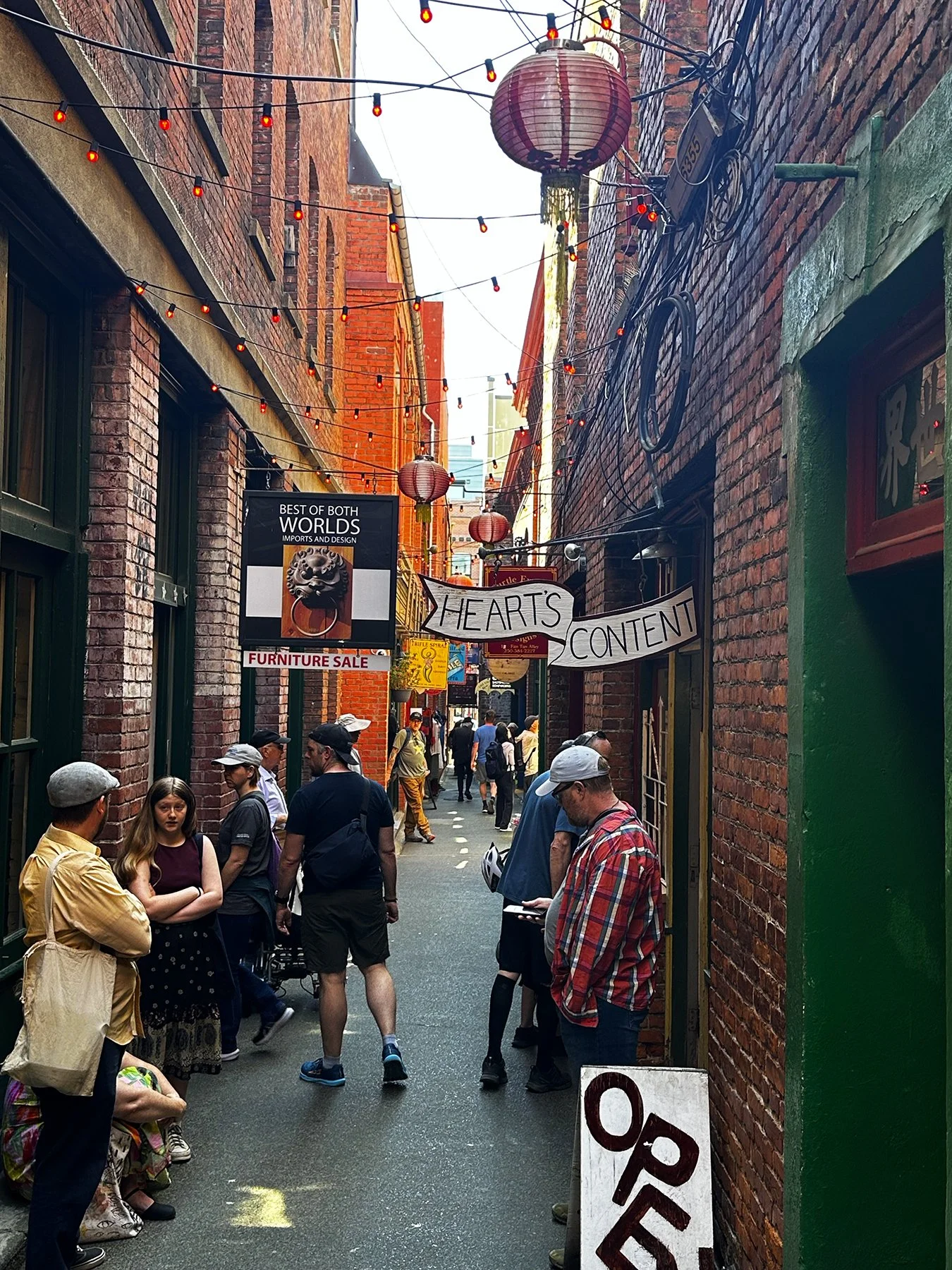
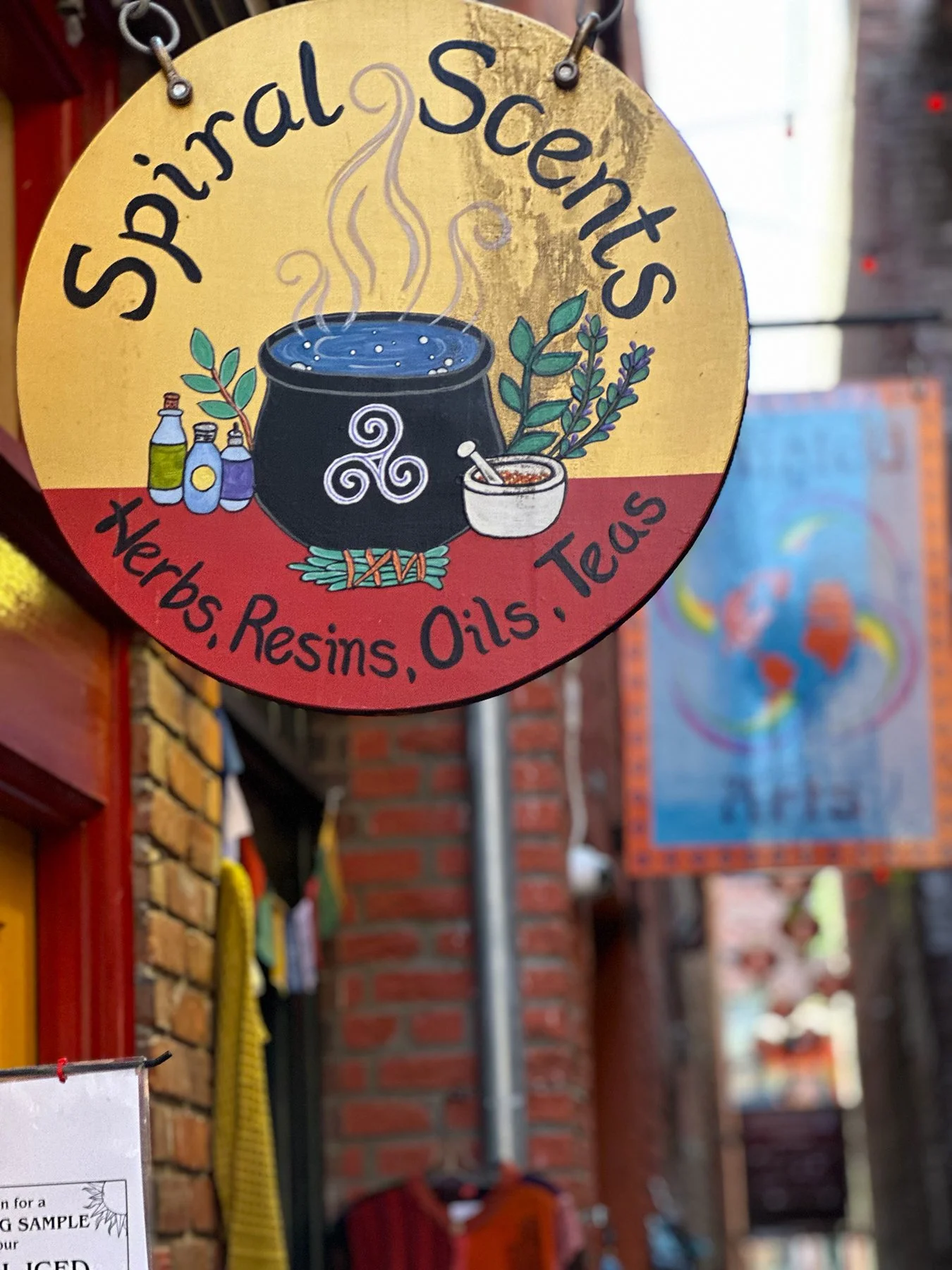
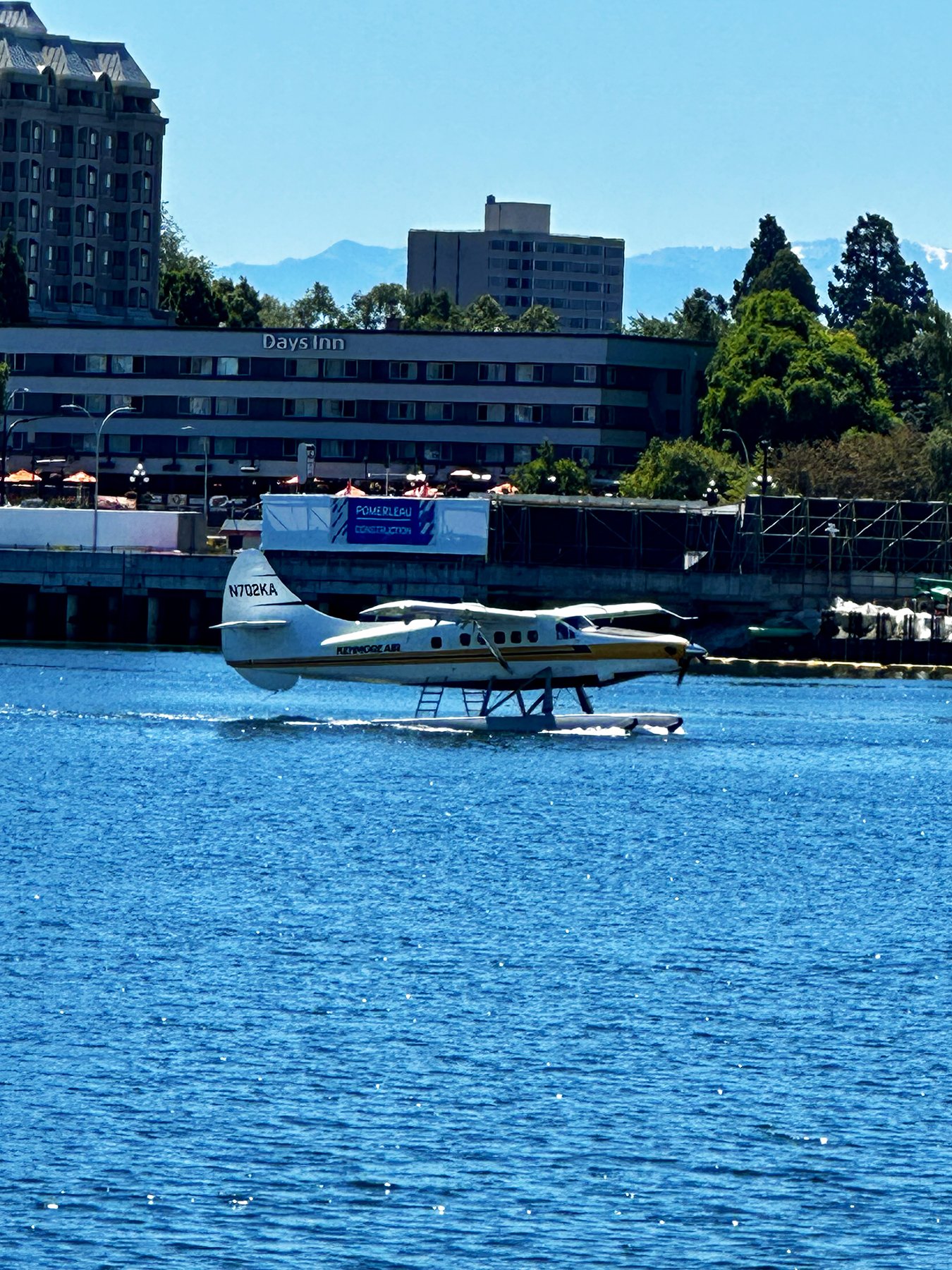
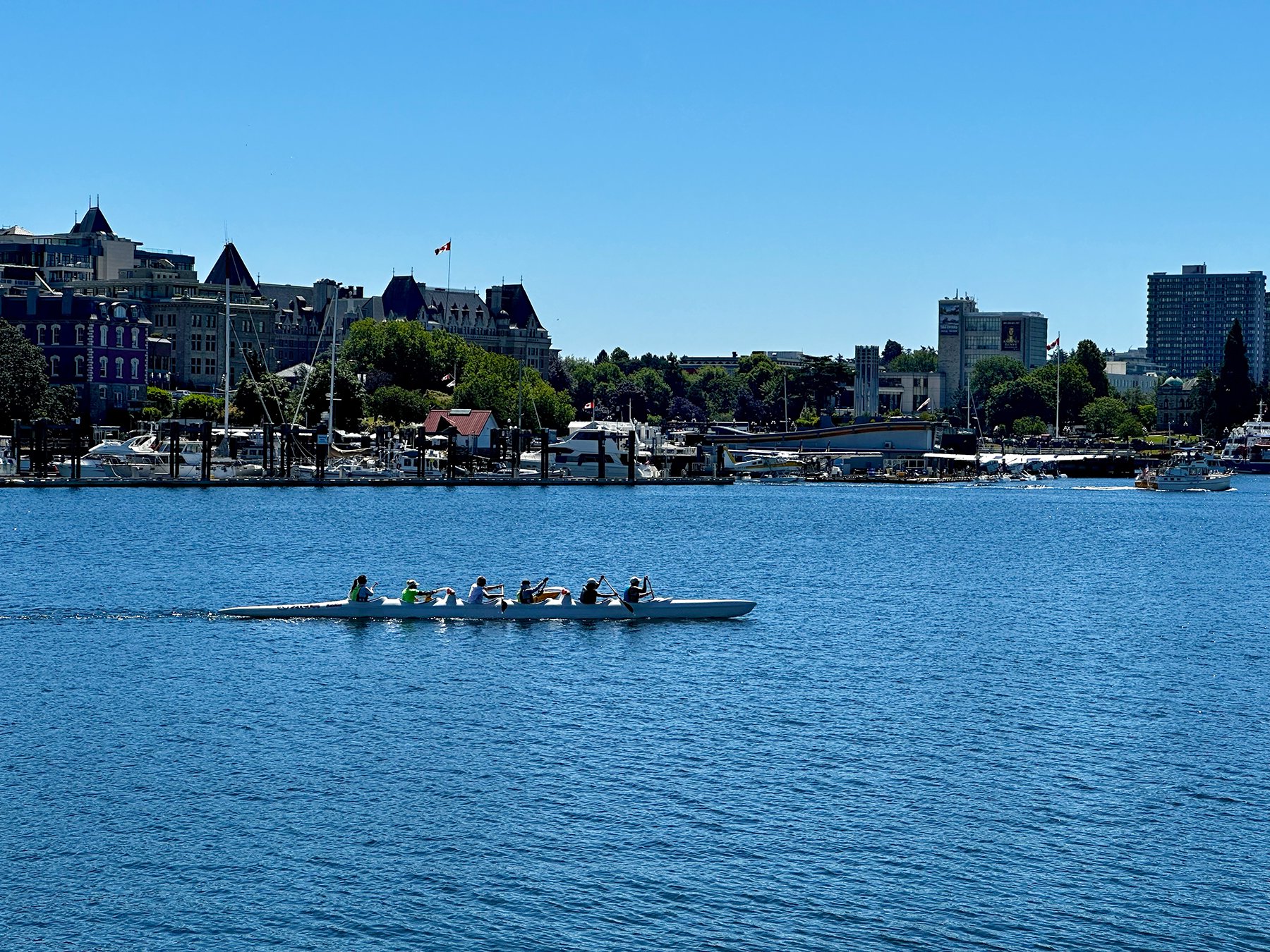
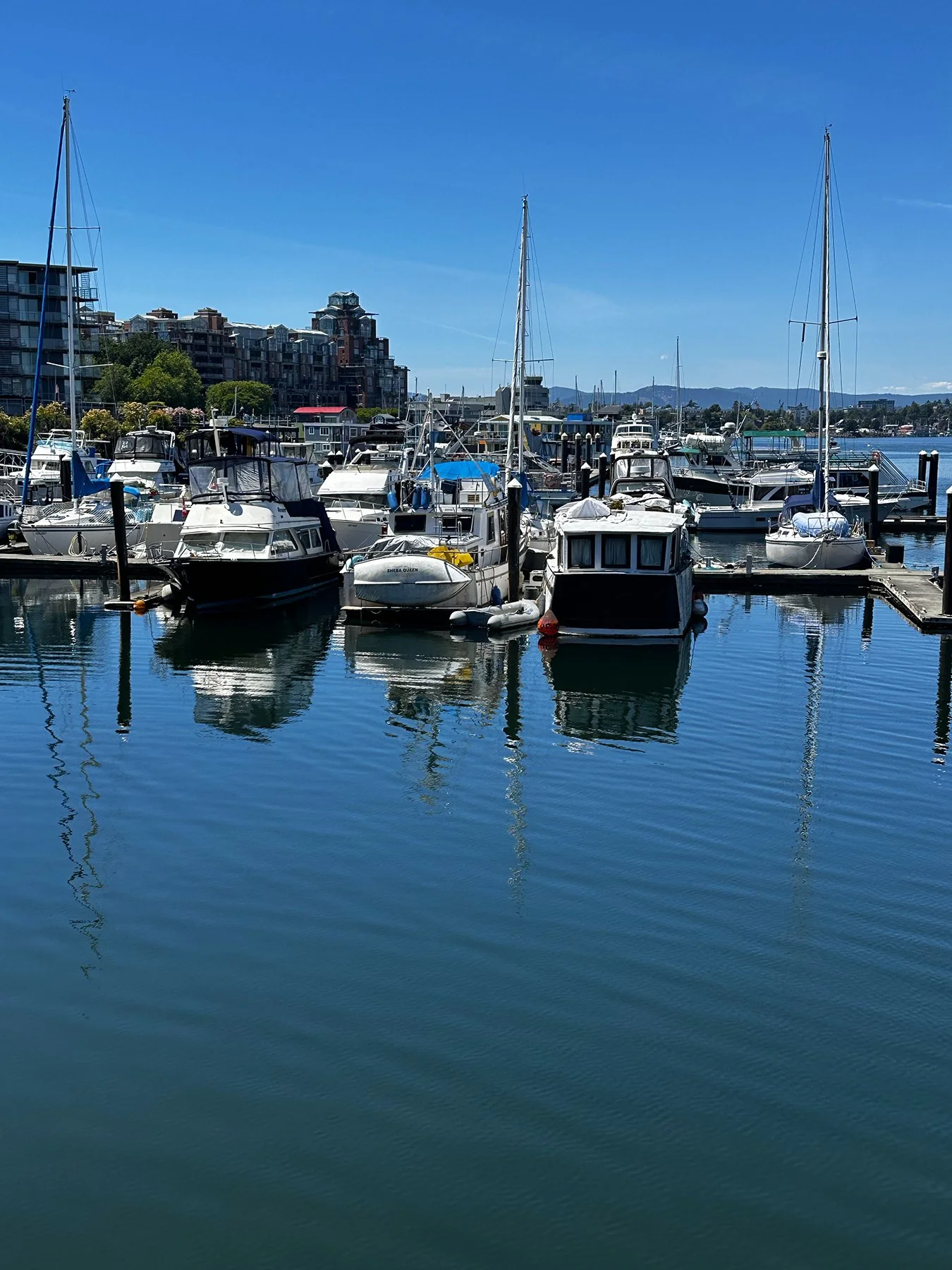
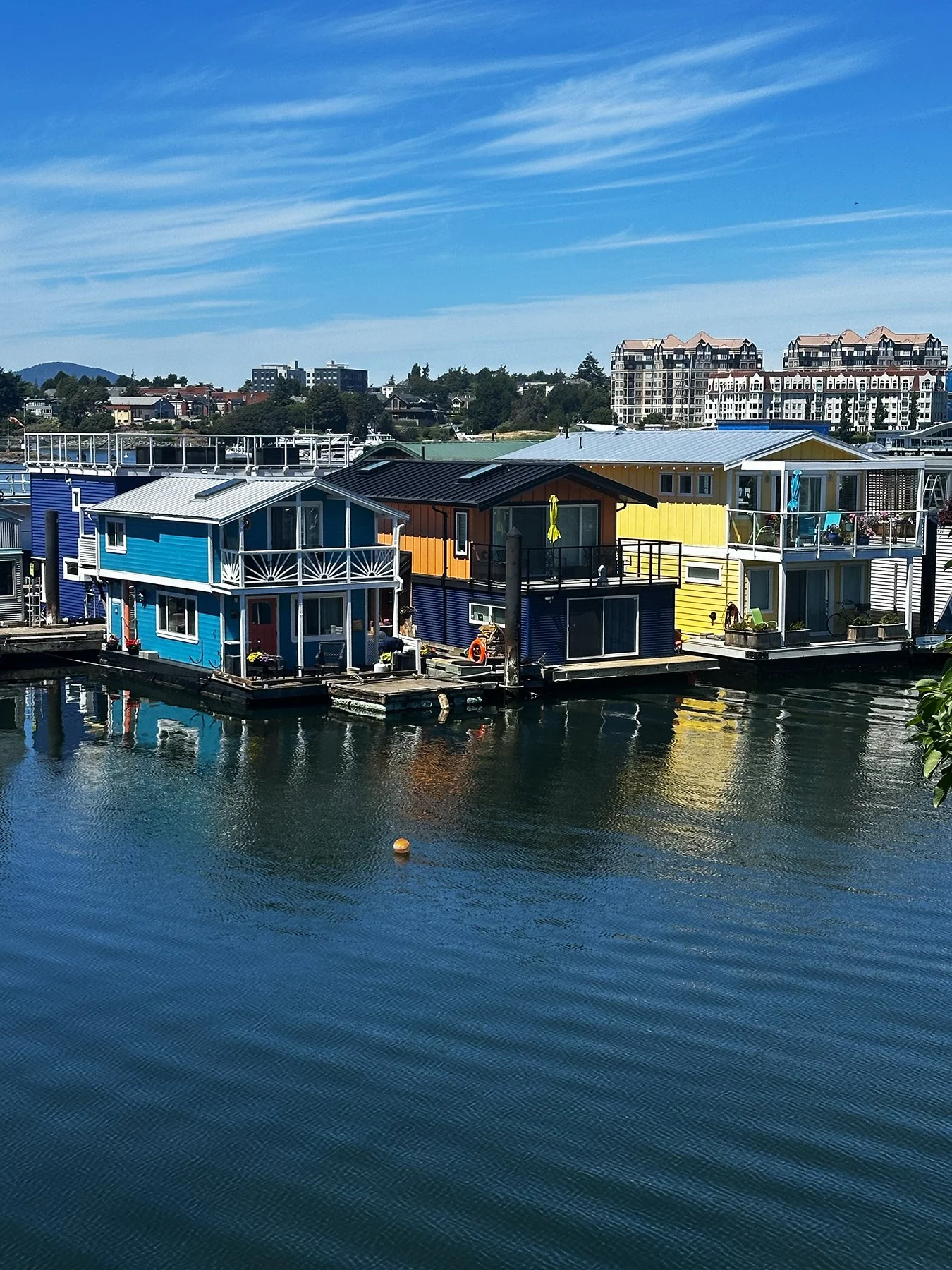
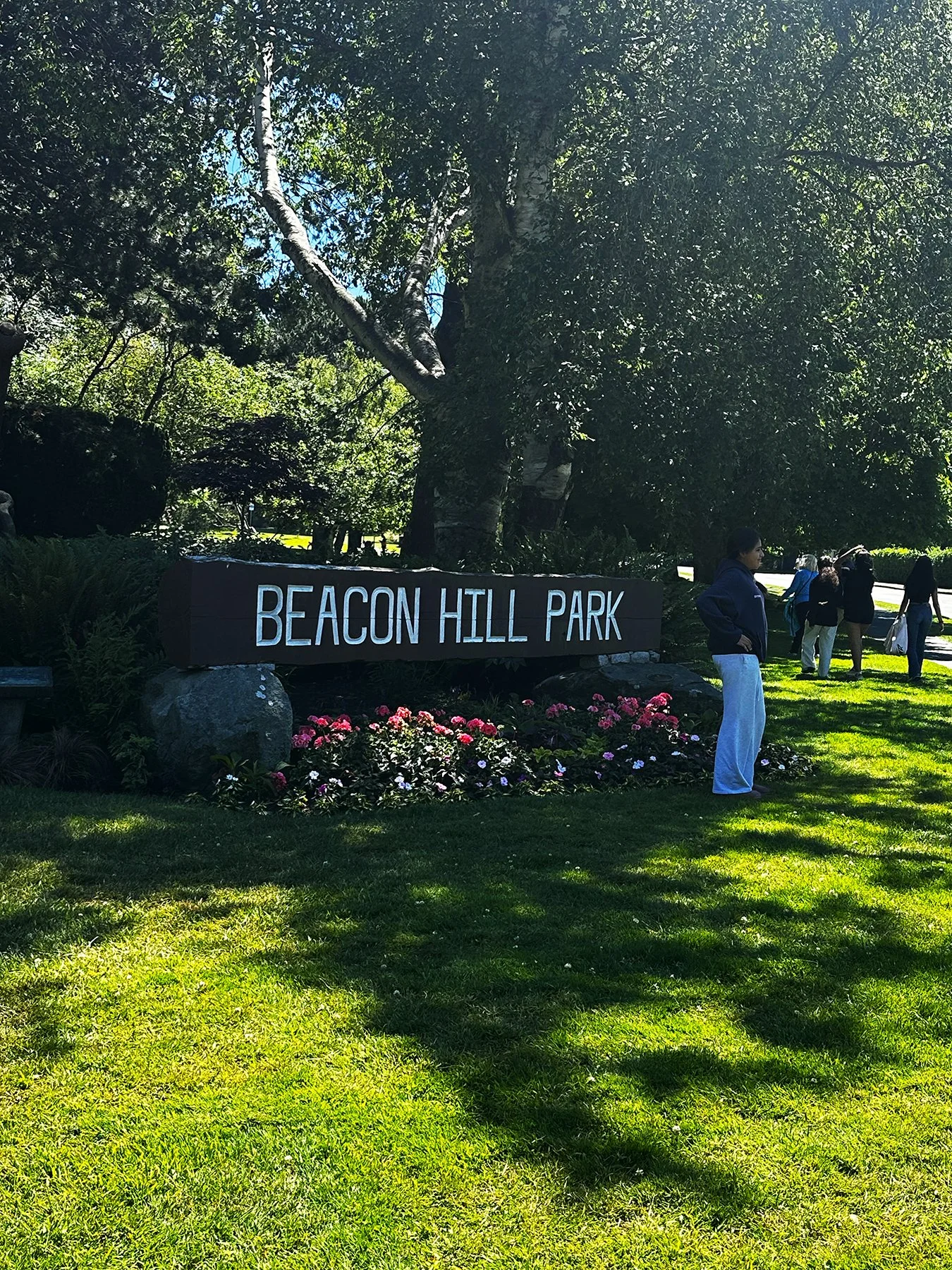
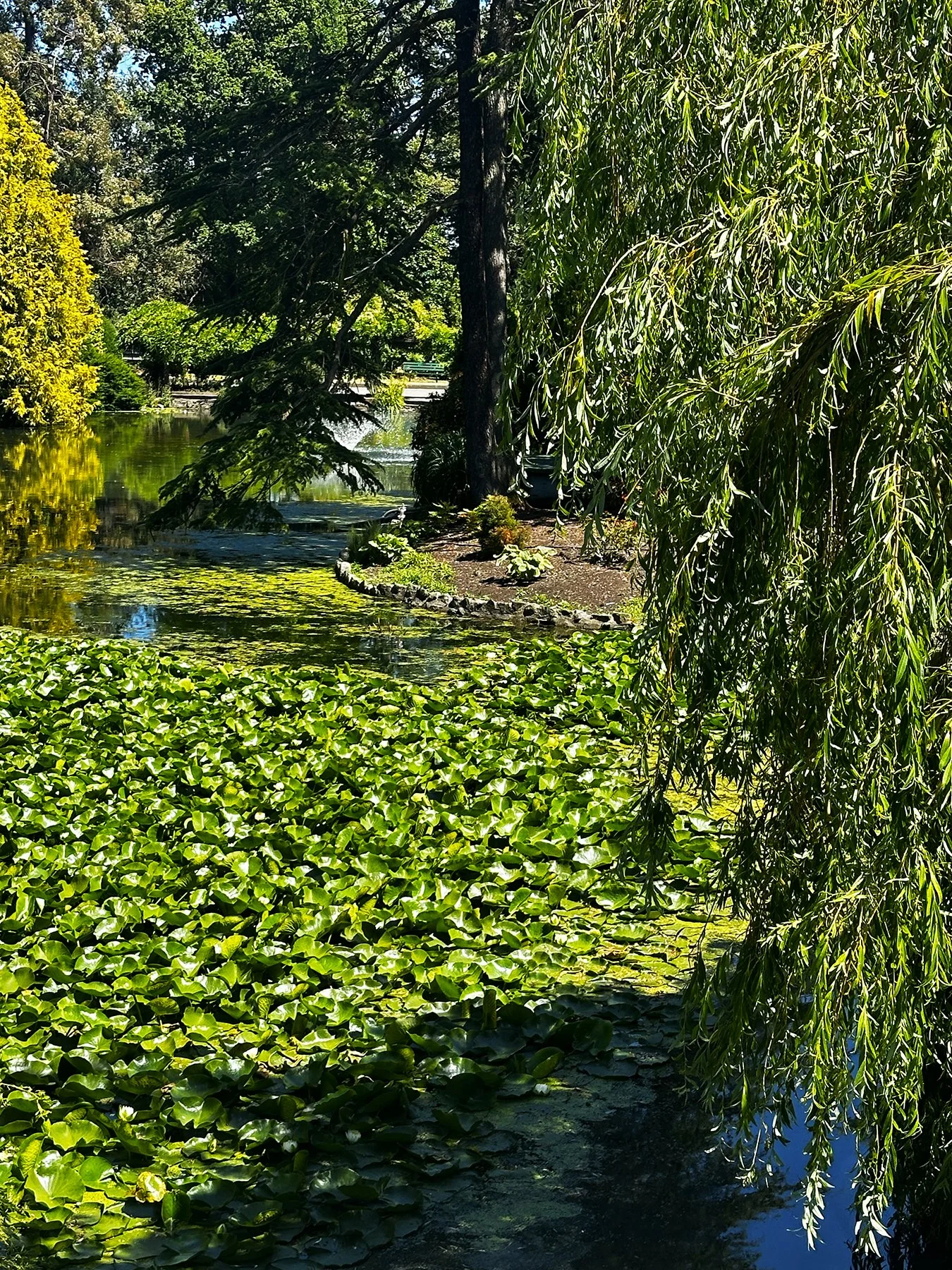
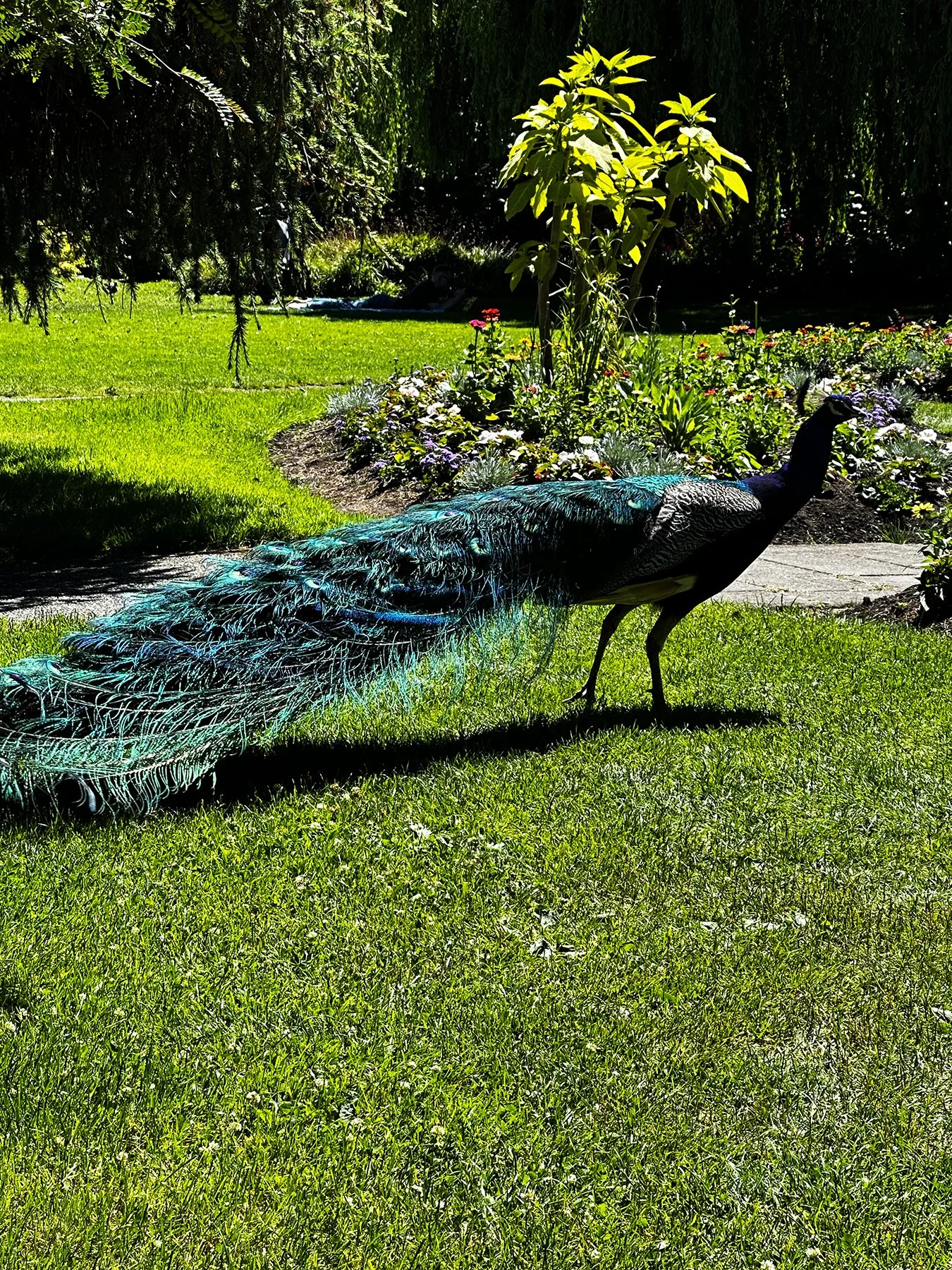
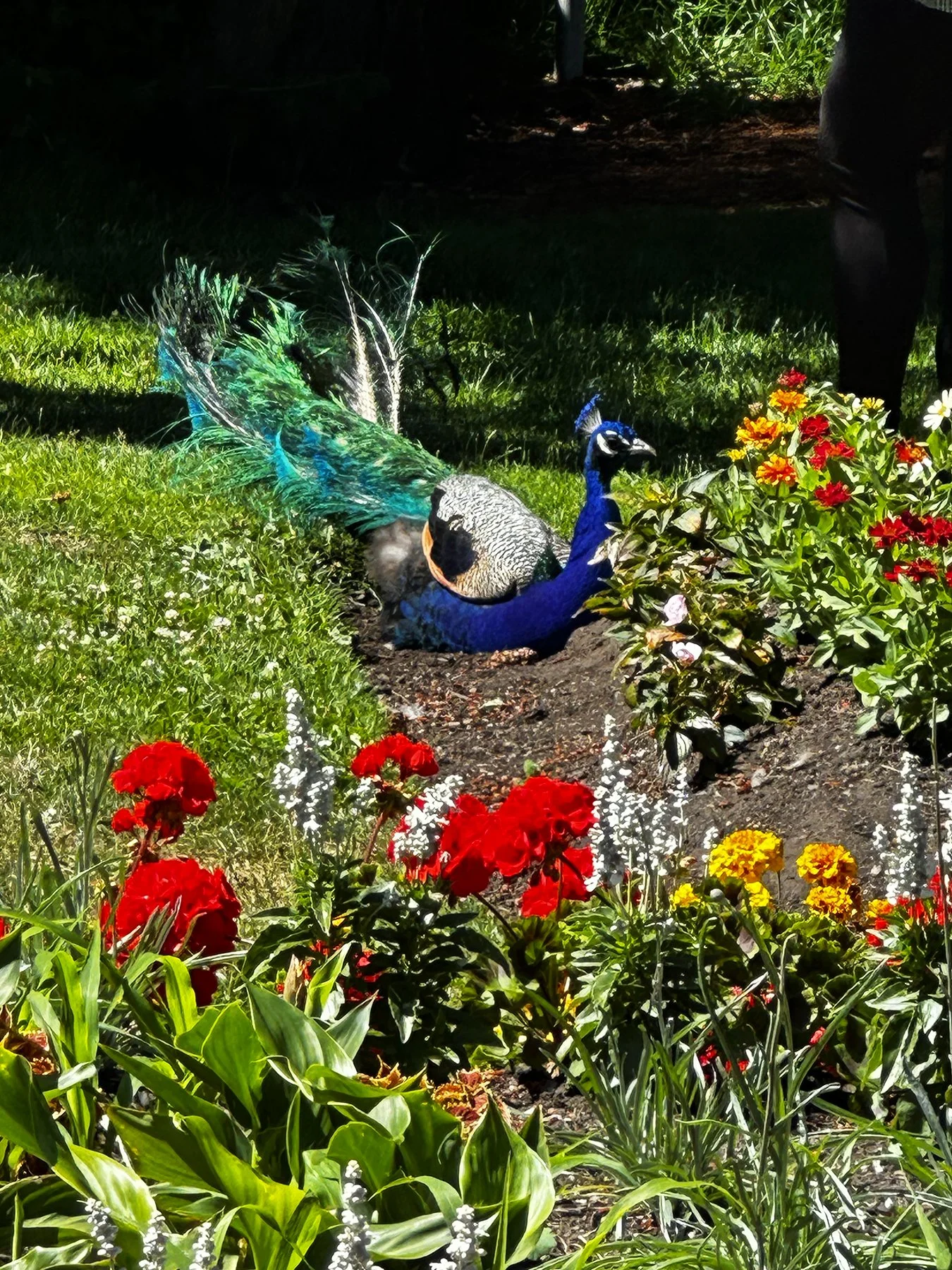
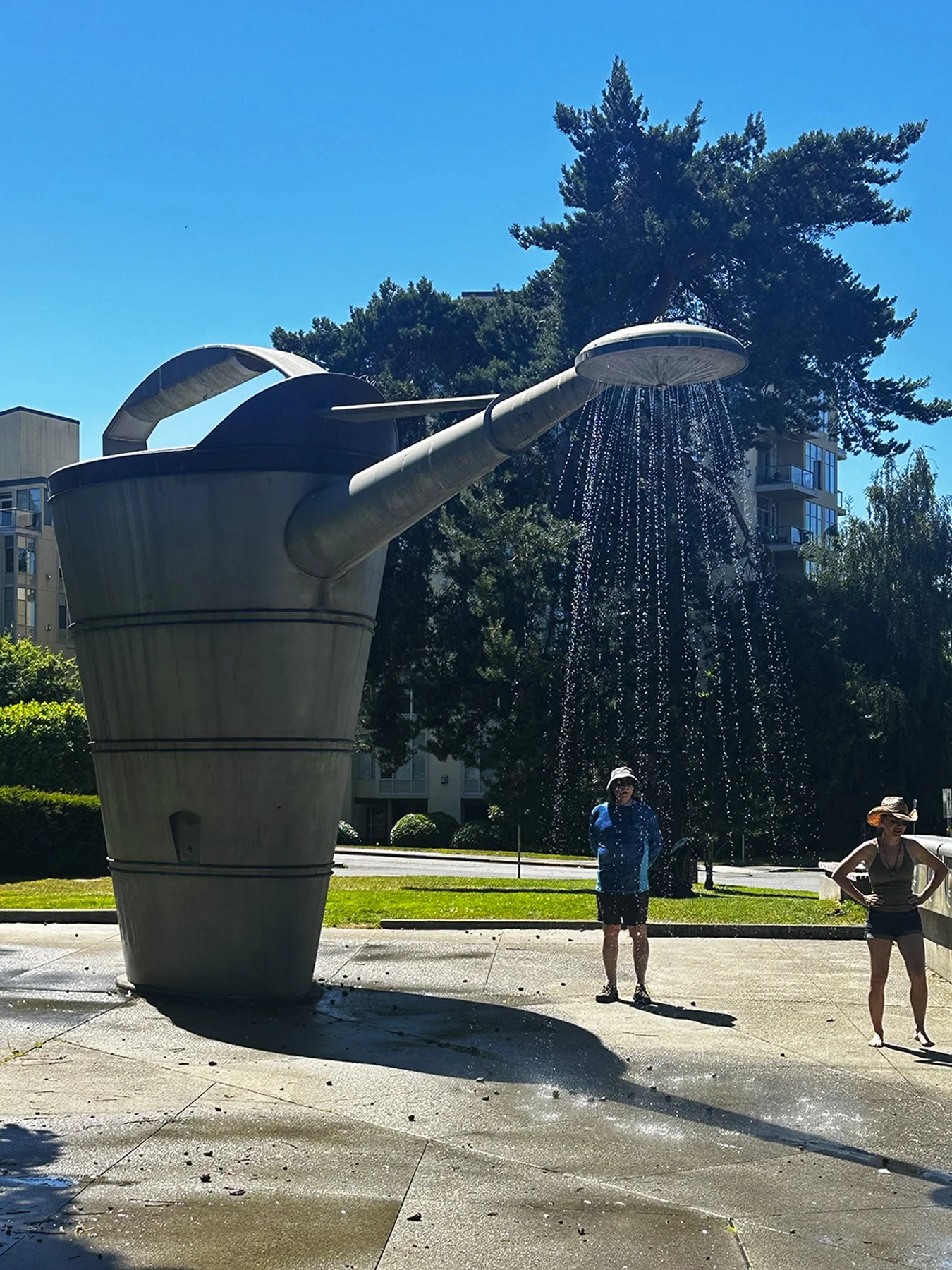
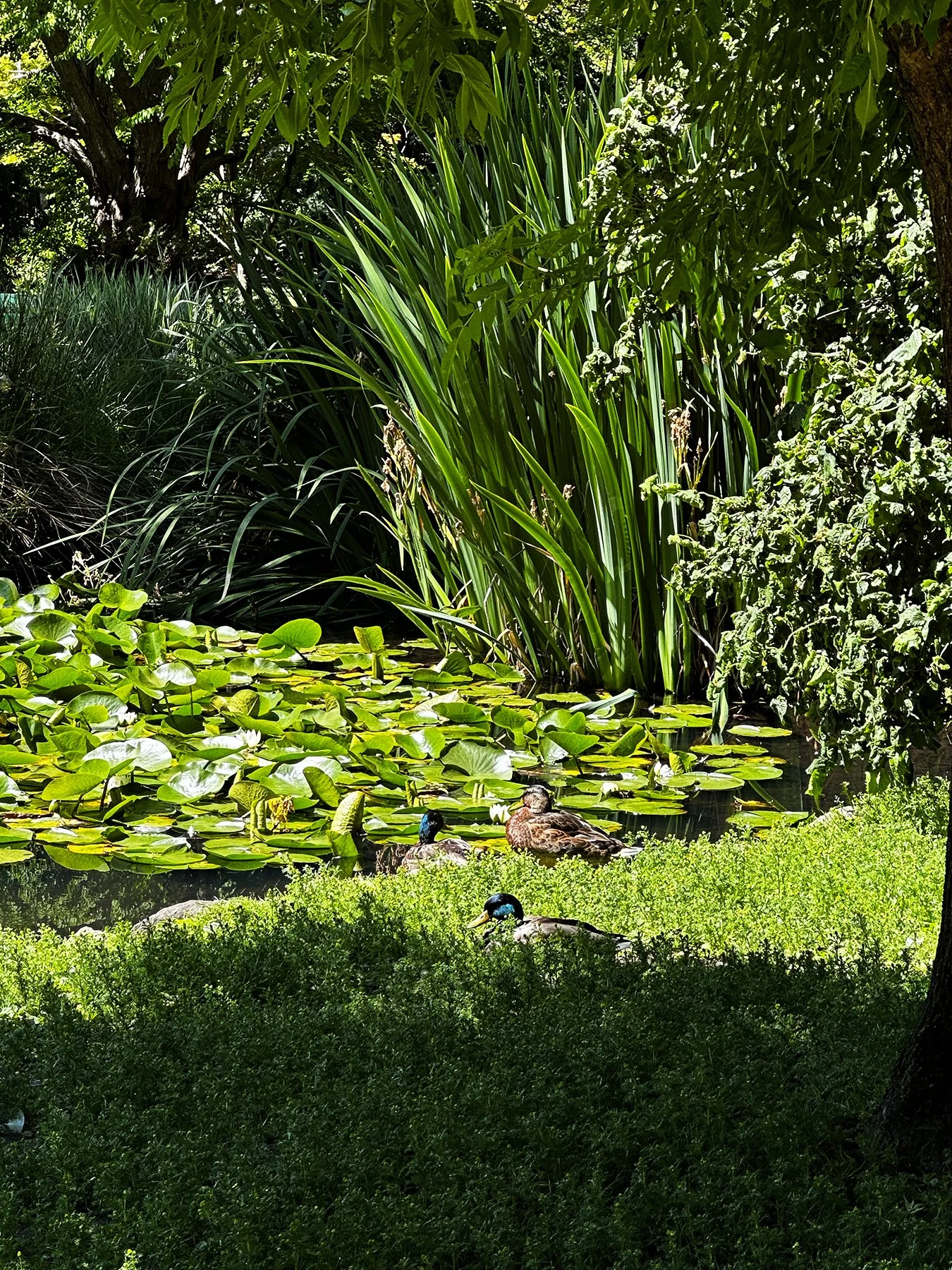
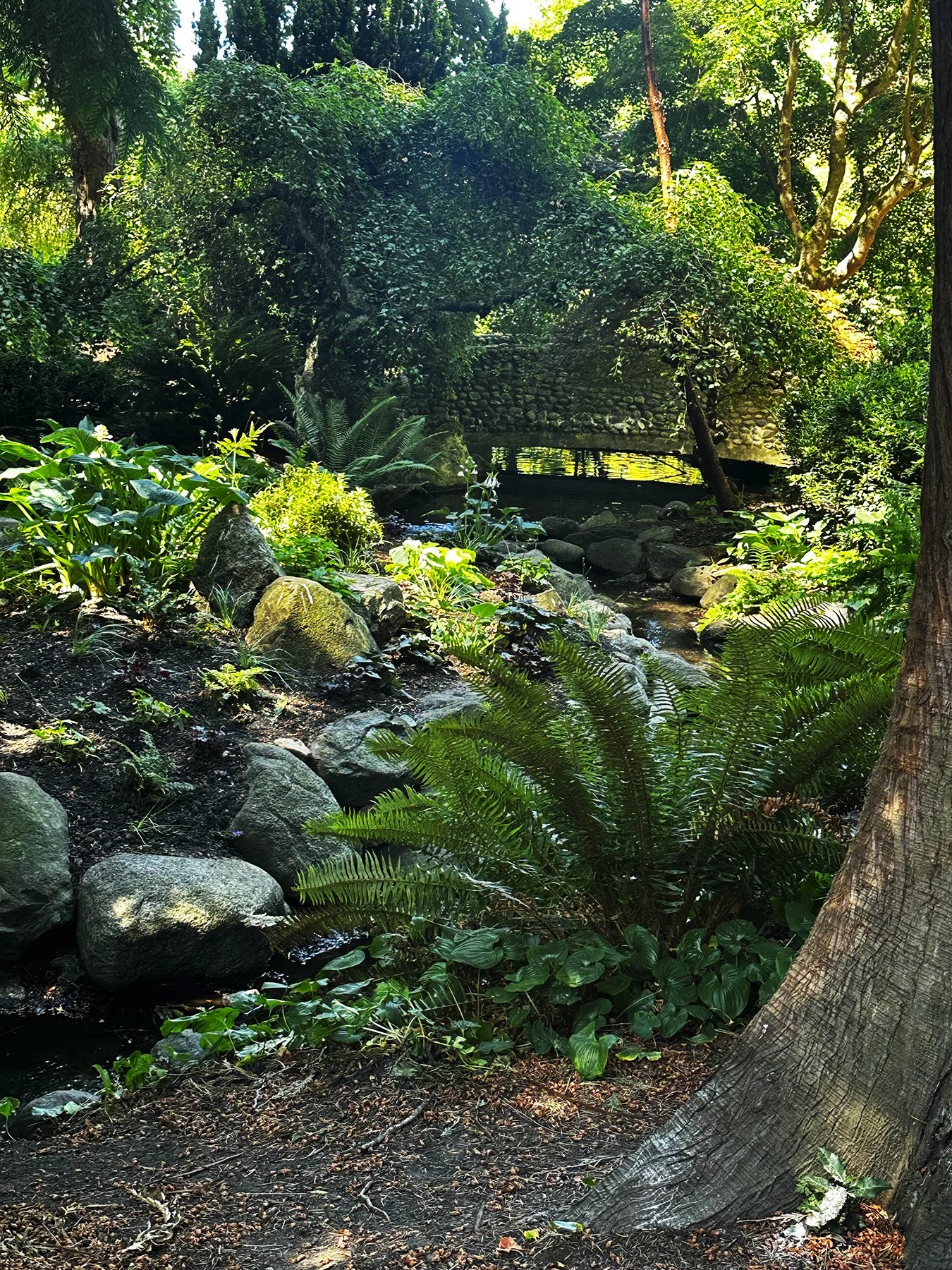
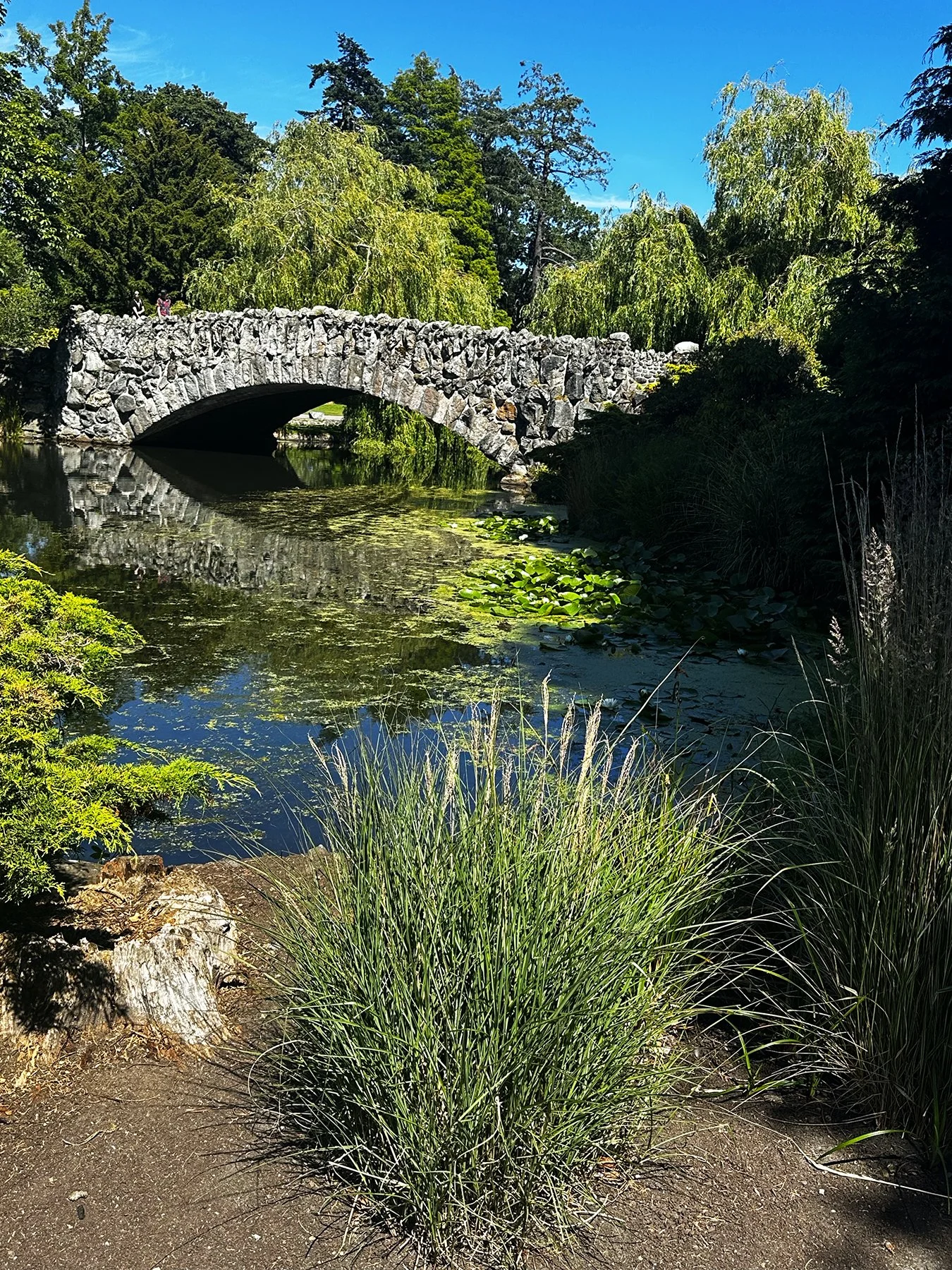
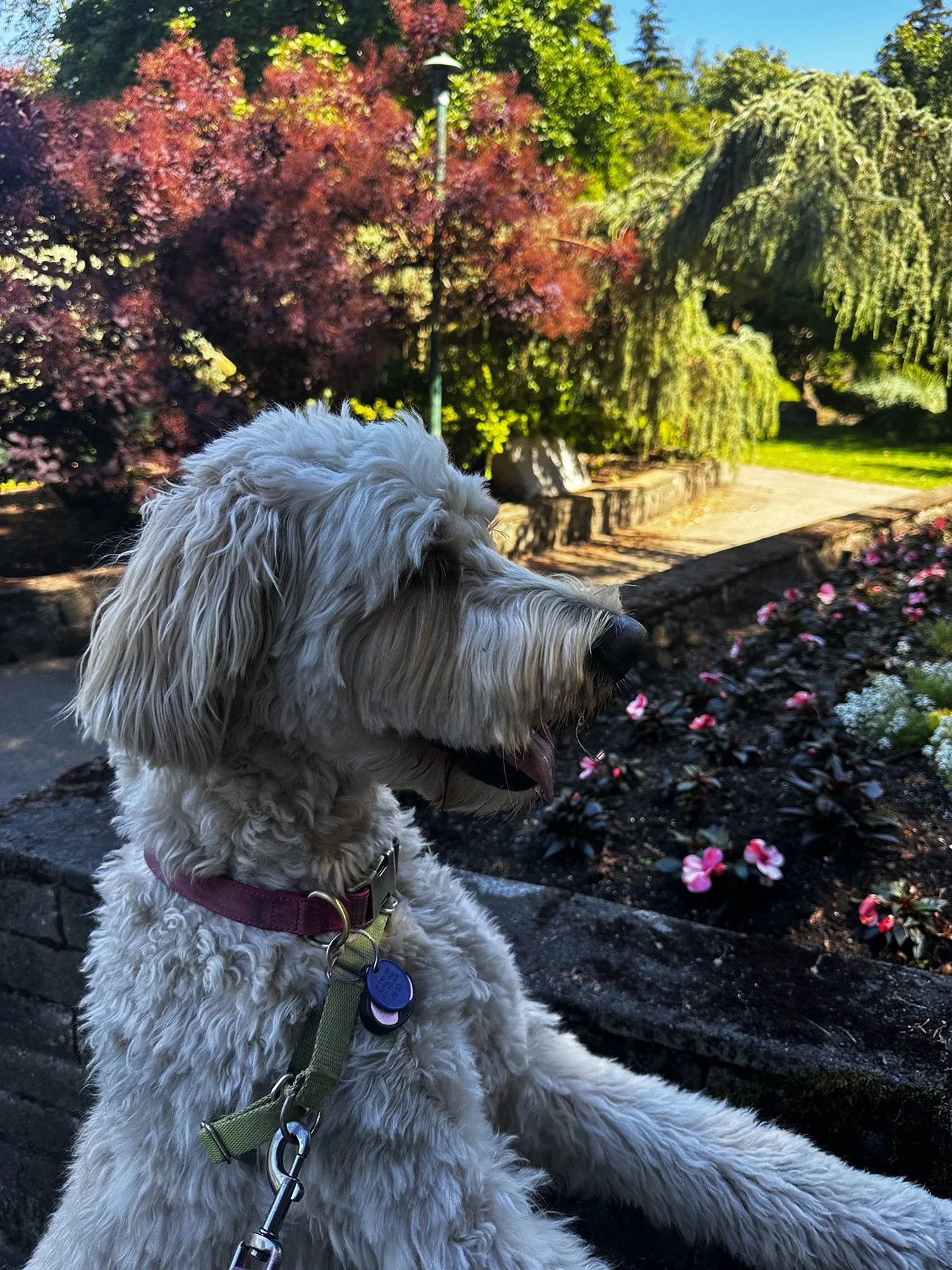
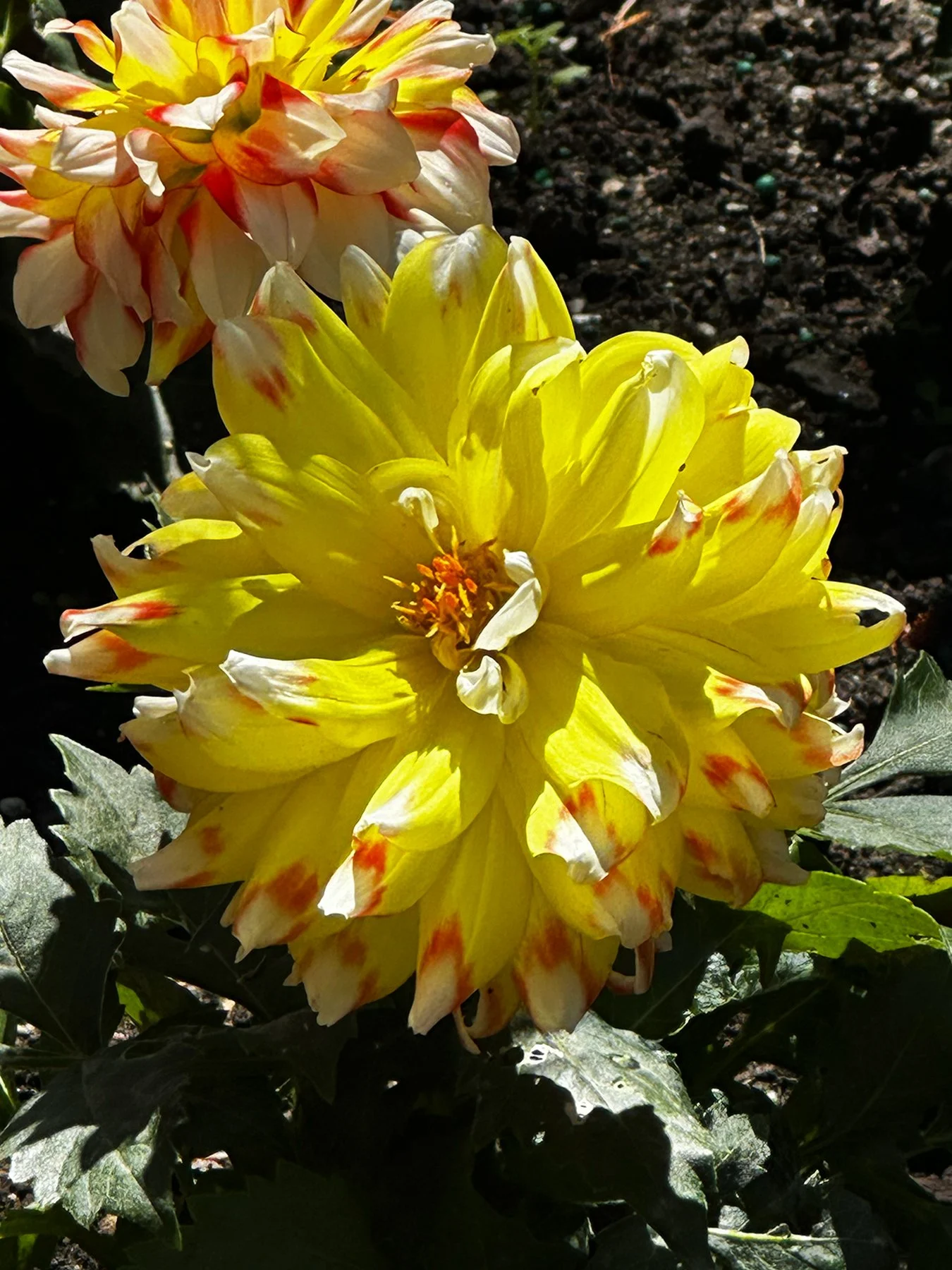
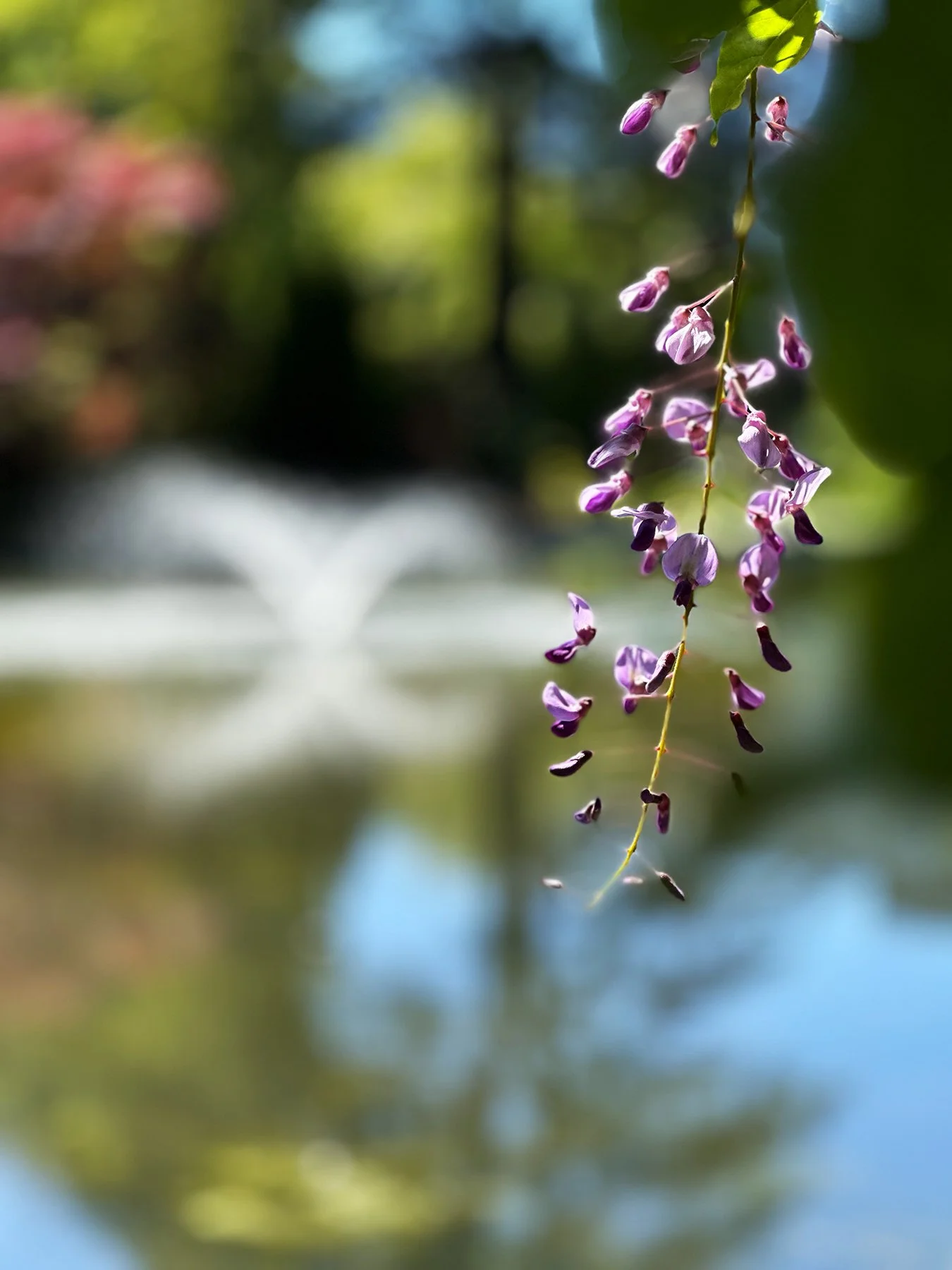
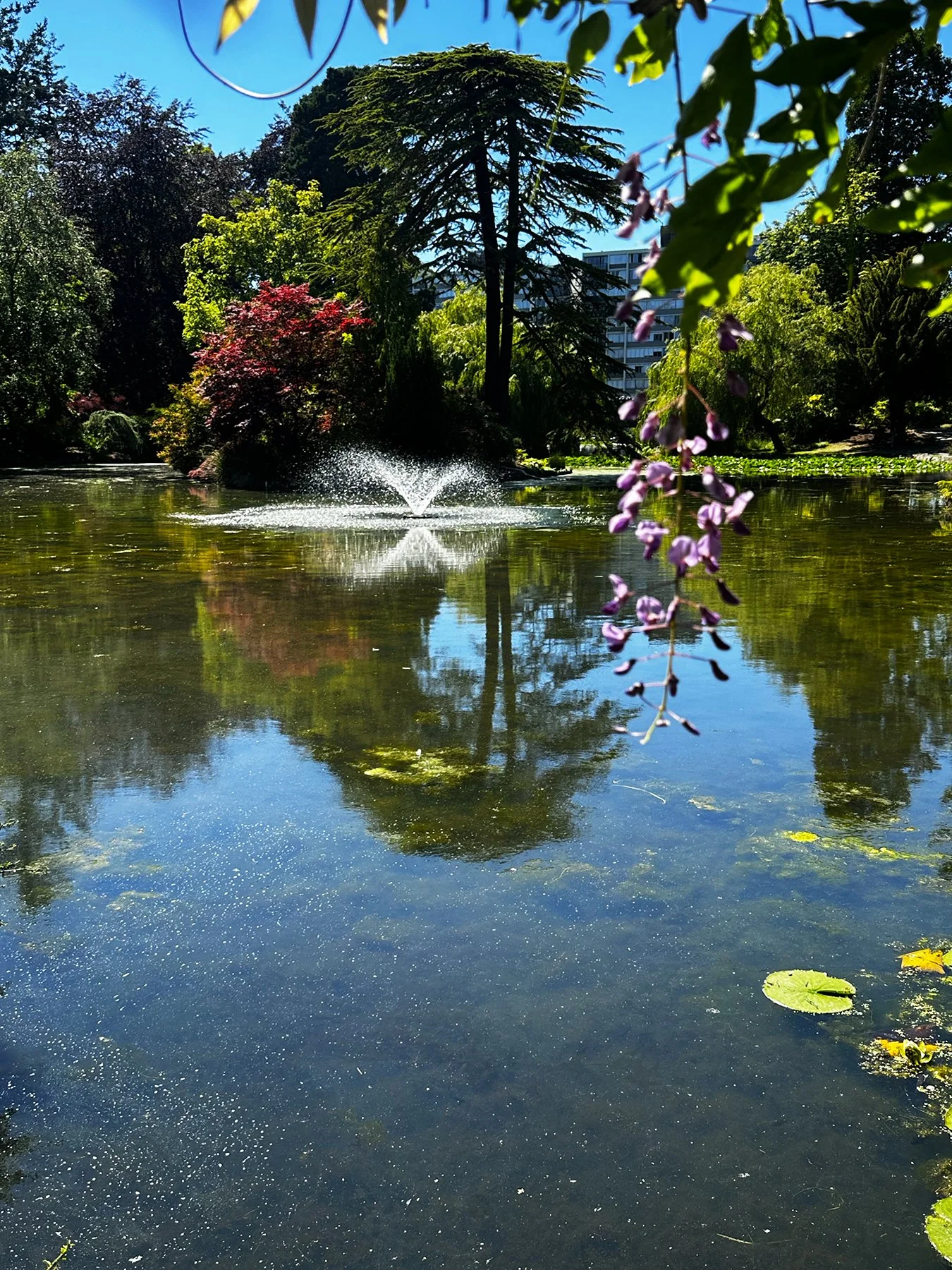
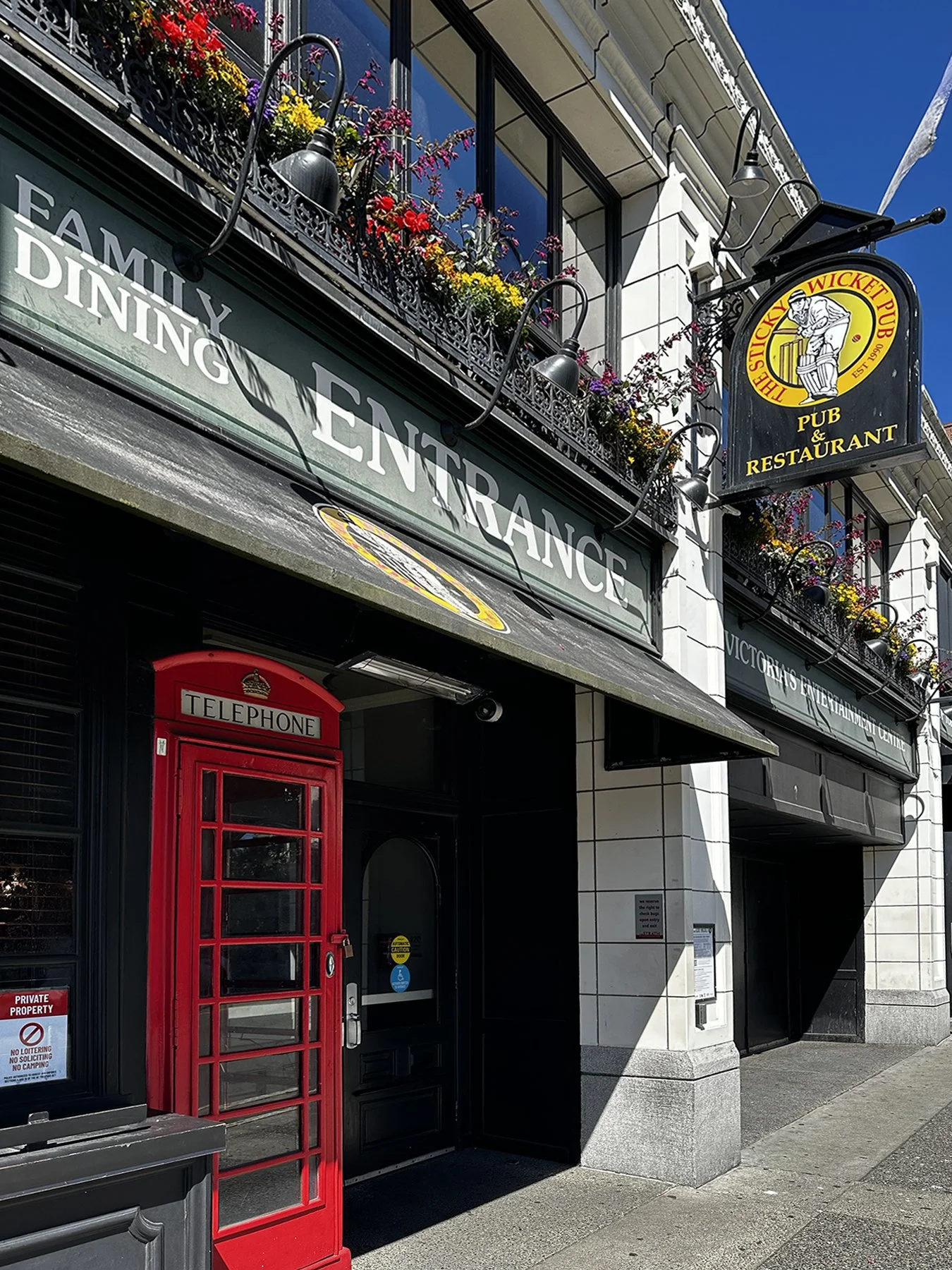
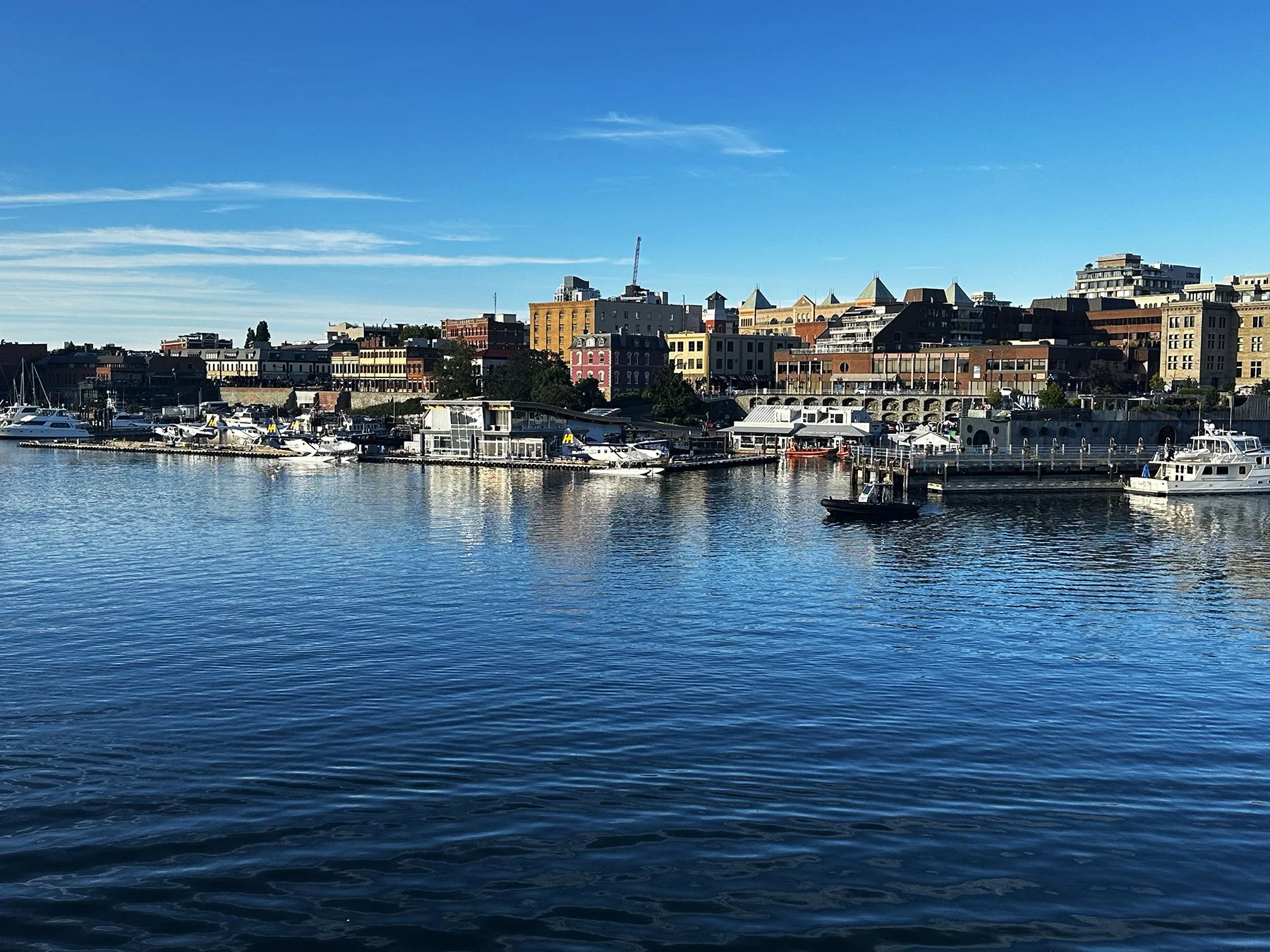
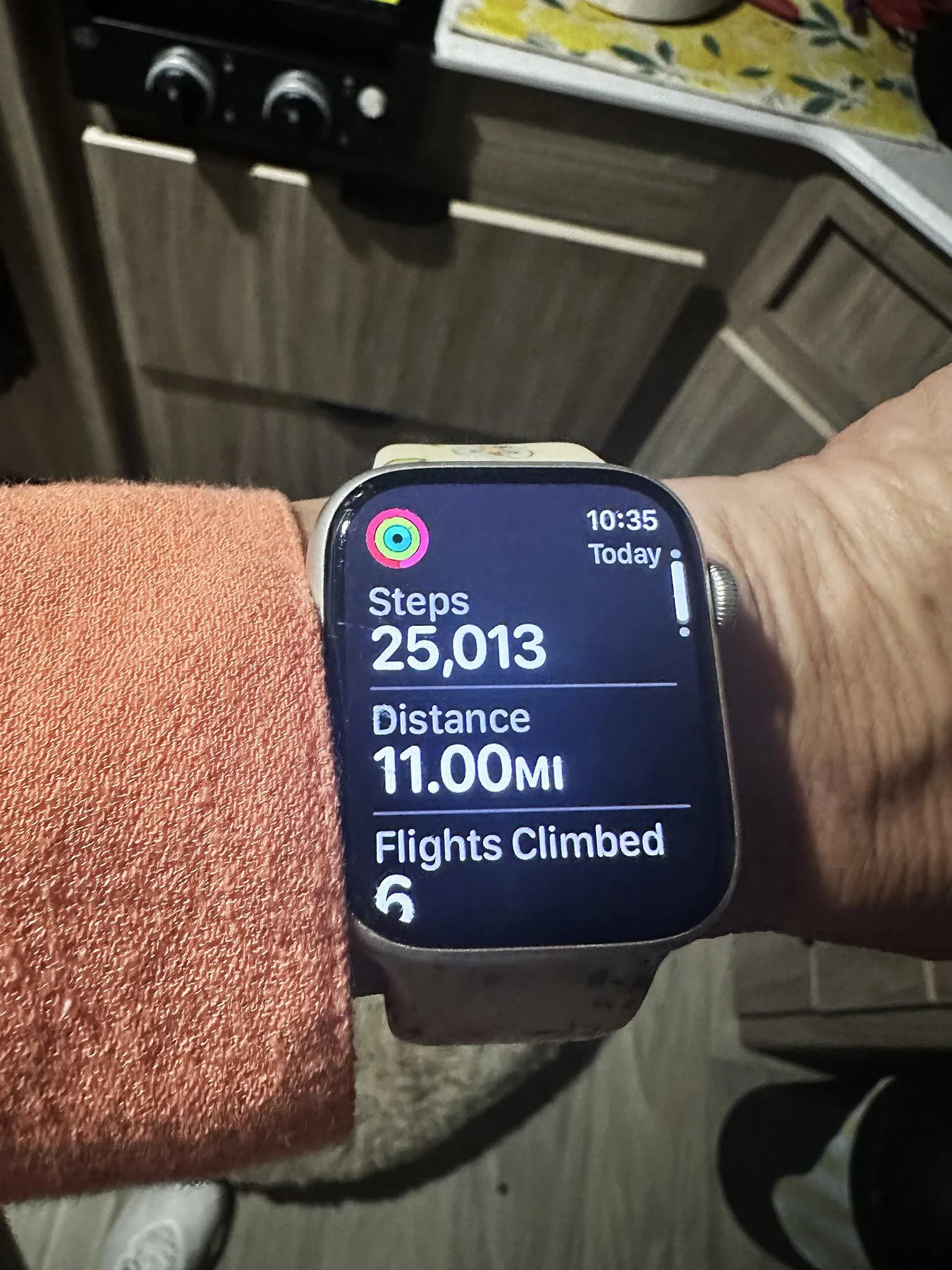
We then walked over the Johnson Street Bridge over the narrows separating the Inner Harbor and the Upper Harbor—or, as in Canada, “harbour”— to see the amazing views of the city from the other side, along with float planes and rowers, then hiked back again, all the way to Fisherman’s Wharf and its colorful float homes. Traversing through some neighborhoods with iconic arts-and-crafts architecture—like our former home in Hyde Park (Austin)—we ended up at Beacon Hill Park. It truly is one of the most beautiful urban parks I’ve ever been to (in addition to Washington Park in Portland)—we even saw peacocks walking around! Already about 8 miles into the day, I decided it’d be a good time to find a place to rest, maybe have a light dinner and catch some World Cup soccer. So we walked all the way through the downtown area to find a hotel bar/restaurant; the owner was so gracious to allow Maisie to sit with me in a booth in the sports bar where I enjoyed a fabulous dinner and put my feet up for a while. We ended up doing 11 miles in all that day, never regretting a single step. I shall return, Victoria!!

Finally, if you were wondering how Olympic National Park got its name, as I was, it’s from its dominant centerpiece, Mount Olympus. British explorer John Meares named the mountain in 1778, comparing its striking, snow-capped peaks to the legendary home of the Greek gods. The surrounding peninsula and eventual national park adopted the same name. So there you have it.
What’s next for Maisie and me? How about some World Cup action in Seattle?